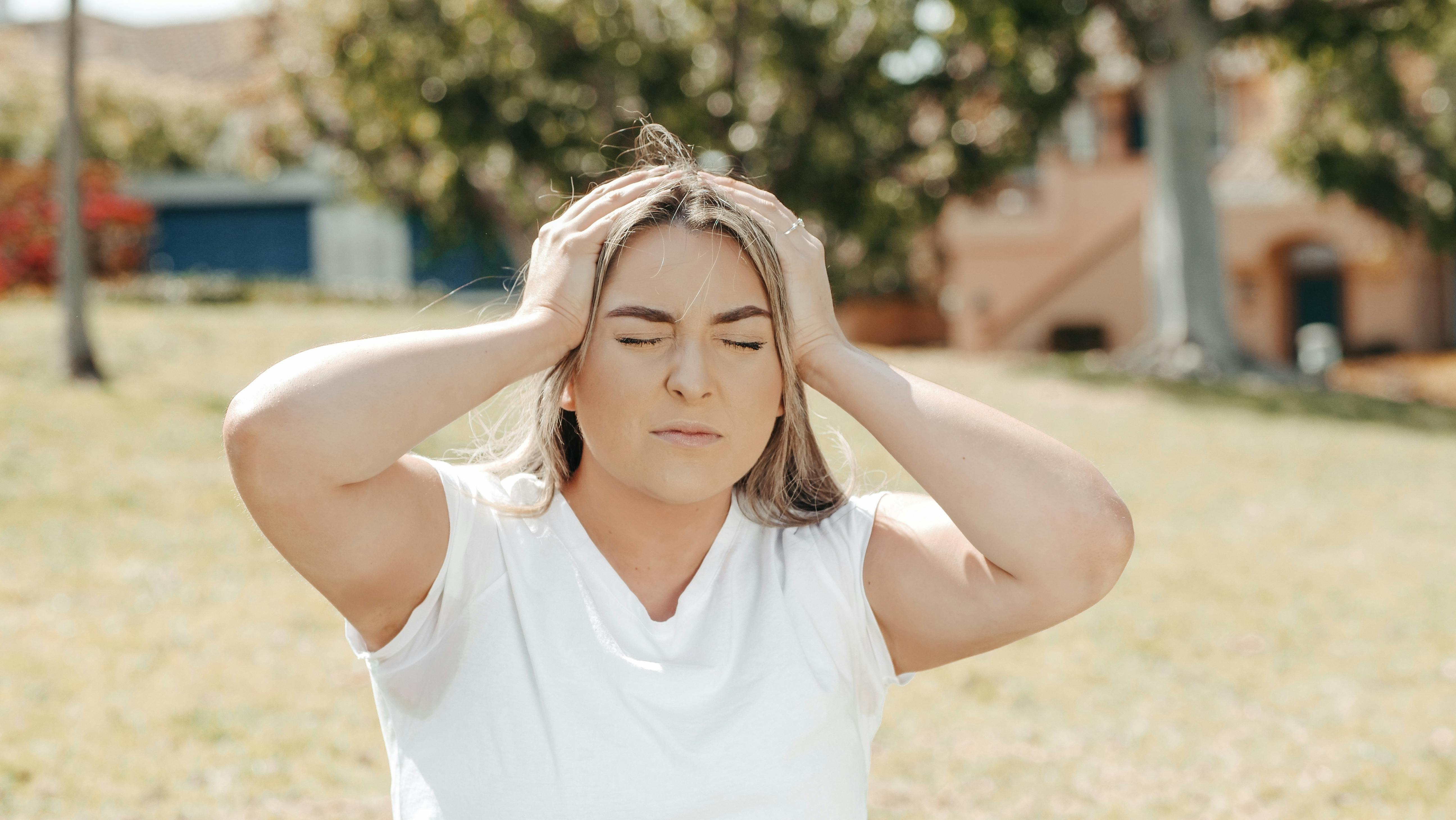

Overstimulation, also called sensory overload, happens when your senses take in more information than your brain can comfortably process. It can leave you feeling overwhelmed, irritable, or desperate to escape a noisy or crowded space. While almost everyone feels this way sometimes, it can be more frequent and more intense for some people.
Key Takeaways
It is common and very real: Overstimulation can happen when sights, sounds, smells, or other input overwhelm the brain. Research suggests some degree of heightened sensory sensitivity may affect many people.
Some groups feel it more often: People with autism, ADHD, anxiety, or PTSD may be more likely to experience frequent or intense sensory overload, though anyone can experience it.
It can be managed: Reducing sensory input, taking sensory breaks, and building coping strategies can help, and professional support is available when overstimulation regularly disrupts daily life.
What Is Overstimulation?
Overstimulation occurs when one or more of your senses receive more input than your nervous system can manage at once. Your brain is constantly filtering a flood of information from your eyes, ears, skin, nose, and body. When that information becomes too much to sort through, the result may be a feeling of being overwhelmed that can range from mild discomfort to intense distress.
Experts describe this as a breakdown in the brain filtering process that normally lets you tune out background noise and focus on what matters. Research suggests that sensory overload can also trigger physical responses such as a racing heart, sweating, and dizziness, which is why it can feel so physical and not just emotional.
Overstimulation Versus Feeling Overwhelmed
It helps to separate overstimulation from general emotional overwhelm. Overstimulation is a response to too much sensory input, such as loud sounds or bright lights. Emotional overwhelm is more closely tied to stress, worry, or having too much on your plate.
The two can occur together and may make each other worse. Knowing the difference can help you choose the right coping strategy.
What Causes Overstimulation?
Overstimulation is usually triggered by the environment, but personal and biological factors can shape how easily it happens and how strongly you feel it. Understanding your own triggers can be one of the most useful steps toward managing it.
Common triggers may include:
Loud or constant noise: Crowded restaurants, concerts, construction, or even a humming appliance can sometimes overwhelm the sense of hearing.
Bright or flickering lights: Fluorescent lighting, screens, and strobing lights can be especially draining for some people.
Crowds and movement: Busy spaces with lots of people, motion, and competing conversations give the brain many things to track at once.
Strong smells or textures: Perfumes, certain fabrics, or food textures can act as triggers for some people.
Internal factors: Being tired, hungry, stressed, or unwell can lower your tolerance and make overstimulation more likely.
Research on the brain suggests that sensory overload may be linked to differences in how the thalamus filters and gates sensory signals, the region that acts like a relay station for incoming information. When this filtering system is more sensitive, even ordinary input can register as too much.
Who Is More Likely to Experience Overstimulation?
While overstimulation can affect anyone, certain conditions can make it more frequent or more intense. This is often because the brain processes or filters sensory information differently. The following groups tend to report sensory overload more often than others:
Autistic People
Heightened sensitivity to sensory input is one of the hallmark signs of autism and is included in its diagnostic criteria.
Studies suggest that a large majority of autistic people experience some degree of sensory difference. They commonly experience sensory over-responsivity, meaning an unusually strong reaction to stimuli.
Brain imaging research has found greater activity in sensory and emotion-processing regions among autistic individuals in response to generally less stimulating sights and sounds.
People With ADHD
People with ADHD can find it hard to filter out background input, which can allow too much information to reach conscious attention at once. This overload can show up as distraction, irritability, or a strong urge to withdraw from the situation. You can learn more about this connection in sensory overload and ADHD.
People With Anxiety or PTSD
Heightened alertness can occur with both anxiety and post-traumatic stress disorder (PTSD). When the nervous system is already on high alert, even seemingly ordinary sensory input can tip into feeling overwhelming.
This overlap can make overstimulation more noticeable during periods of anxiety or heightened stress. It may also occur alongside experiences described as high-functioning anxiety or nervous system dysregulation.
Signs and Symptoms of Overstimulation
Overstimulation can look different from person to person, and it can affect the body, thoughts, and emotions all at once. Recognizing your own signs early can make it easier to step away from overwhelming input and use coping strategies.
Physical signs: Racing heart, sweating, muscle tension, headaches, dizziness, or fatigue.
Emotional signs: Irritability, anxiety, a sense of panic, or feeling suddenly on edge.
Cognitive signs: Trouble concentrating, mental fog, difficulty making decisions, or feeling frozen.
Behavioral signs: A strong urge to leave, covering the ears or eyes, withdrawing from others, or becoming unusually quiet or reactive.
When overstimulation continues without relief, it can lead to what many people describe as a shutdown or meltdown. During these episodes, it can become difficult to function until the input is reduced. Research on the nervous system suggests there is a link between strong sensory over-responsivity to changes in the body stress response, which can help explain these intense reactions.
How to Cope With Overstimulation
Overstimulation can be managed. The most effective approaches combine reducing input in the moment with longer-term habits that build resilience. Finding what works for you may take some trial and error.
Reduce the input: Step outside, move to a quieter room, dim the lights, or use noise-reducing headphones or earplugs. Research suggests tools that lower sound can ease the body stress response for people sensitive to noise.
Take sensory breaks: Build short, planned breaks into busy days, especially before and after demanding environments.
Use grounding techniques: Slow breathing and other grounding techniques can help settle the nervous system when you feel flooded.
Plan ahead: Identify your triggers and prepare for them, such as choosing off-peak hours for errands or scheduling recovery time after social events.
Protect the basics: Regular sleep, meals, and stress management can help increase your overall tolerance, since being tired or hungry often makes overload more likely.
Over time, the brain can also adapt to repeated input through a process called habituation in some people. However, this adjustment can happen differently for people with strong sensory sensitivity, which is why patterns of habituation usually vary from person to person.
When to Seek Professional Help
Occasional overstimulation is a normal part of life. It becomes worth addressing with a professional when it happens often, feels hard to control, or interferes with work, relationships, or daily routines. Because sensory overload can frequently overlap with conditions such as anxiety, ADHD, or autism, a thorough evaluation can help identify contributing factors and what type of support may be helpful.
A mental health provider can help you understand your triggers, build coping strategies, and treat any underlying condition. If you are unsure whether your experiences warrant an evaluation, guidance on when to see a psychiatrist can help you decide, and treatment often includes therapy, practical accommodations, and sometimes medication for a related condition.
How Blossom Health Can Help
If overstimulation is regularly disrupting your life, or if it comes alongside anxiety, ADHD, or another condition, a licensed psychiatric provider can help you get to the root of it. Blossom Health connects you with board-certified providers for virtual, in-network care through a simple process.
Step one: Enter your state of residence and insurance plan so we can match you with the right provider.
Step two: Choose an appointment time that works for you, often within days.
Step three: Share a few details about yourself and your insurance to confirm your first visit.
Your provider can listen to your experiences, help evaluate any related conditions, and build a plan that fits your needs. When you are ready, you can get started with Blossom Health and take the first step toward feeling more in control.
Medical Disclaimer
This article is for educational purposes only and does not constitute medical advice. The information provided should not replace consultation with a qualified healthcare provider. Individual responses to medications can vary significantly, and what applies to one person may not be the same for another.
Always consult with your doctor or pharmacist before making any decisions about medication changes, discontinuation, or interactions with other substances. If you’re experiencing concerning symptoms or side effects, please seek professional help from a healthcare provider. In case of a medical emergency, contact your local emergency services immediately or call 911. For mental health emergencies, contact the National Suicide Prevention Lifeline at 988.
Sources
Cleveland Clinic. (July 20, 2023). How To Manage (and Even Overcome) Sensory Overload. https://health.clevelandclinic.org/sensory-overload
Wood, E. T., Cummings, K. K., Jung, J., Patterson, G., Okada, N., Guo, J., O'Neill, J., Dapretto, M., Bookheimer, S. Y., & Green, S. A. (2021). Sensory over-responsivity is related to GABAergic inhibition in thalamocortical circuits. Translational psychiatry, 11(1), 39. https://doi.org/10.1038/s41398-020-01154-0
Green, S. A., Rudie, J. D., Colich, N. L., Wood, J. J., Shirinyan, D., Hernandez, L., Tottenham, N., Dapretto, M., & Bookheimer, S. Y. (2013). Overreactive brain responses to sensory stimuli in youth with autism spectrum disorders. Journal of the American Academy of Child and Adolescent Psychiatry, 52(11), 1158–1172. https://doi.org/10.1016/j.jaac.2013.08.004
Mallory, C., & Keehn, B. (2021). Implications of Sensory Processing and Attentional Differences Associated With Autism in Academic Settings: An Integrative Review. Frontiers in psychiatry, 12, 695825. https://doi.org/10.3389/fpsyt.2021.695825
Alsaedi, R. H., Carrington, S., & Watters, J. J. (2024). Caregivers' Assessment of the Sensory Processing Patterns Exhibited by Children with Autism in the Gulf Region. Journal of autism and developmental disorders, 54(7), 2693–2709. https://doi.org/10.1007/s10803-023-05937-4
Pfeiffer, B., Stein Duker, L., Murphy, A., & Shui, C. (2019). Effectiveness of Noise-Attenuating Headphones on Physiological Responses for Children With Autism Spectrum Disorders. Frontiers in integrative neuroscience, 13, 65. https://doi.org/10.3389/fnint.2019.00065
Green, S. A., Hernandez, L., Lawrence, K. E., Liu, J., Tsang, T., Yeargin, J., Cummings, K., Laugeson, E., Dapretto, M., & Bookheimer, S. Y. (2019). Distinct Patterns of Neural Habituation and Generalization in Children and Adolescents With Autism With Low and High Sensory Overresponsivity. The American journal of psychiatry, 176(12), 1010–1020. https://doi.org/10.1176/appi.ajp.2019.18121333
National Institute of Mental Health. (August, 2026). Attention-Deficit/Hyperactivity Disorder (ADHD).https://www.nimh.nih.gov/health/topics/attention-deficit-hyperactivity-disorder-adhd
National Institute of Mental Health. (December, 2024). Anxiety Disorders. https://www.nimh.nih.gov/health/topics/anxiety-disorders