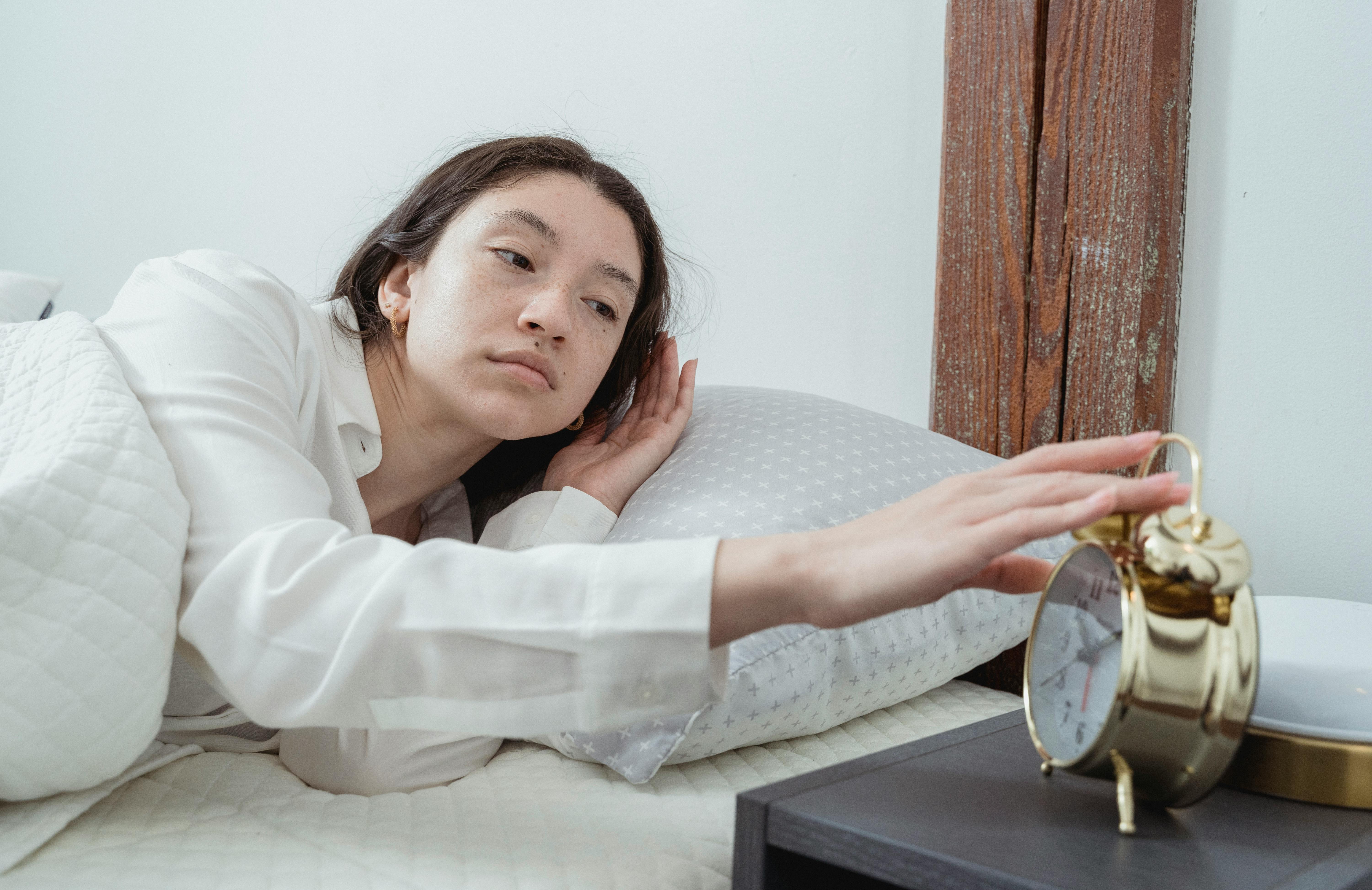
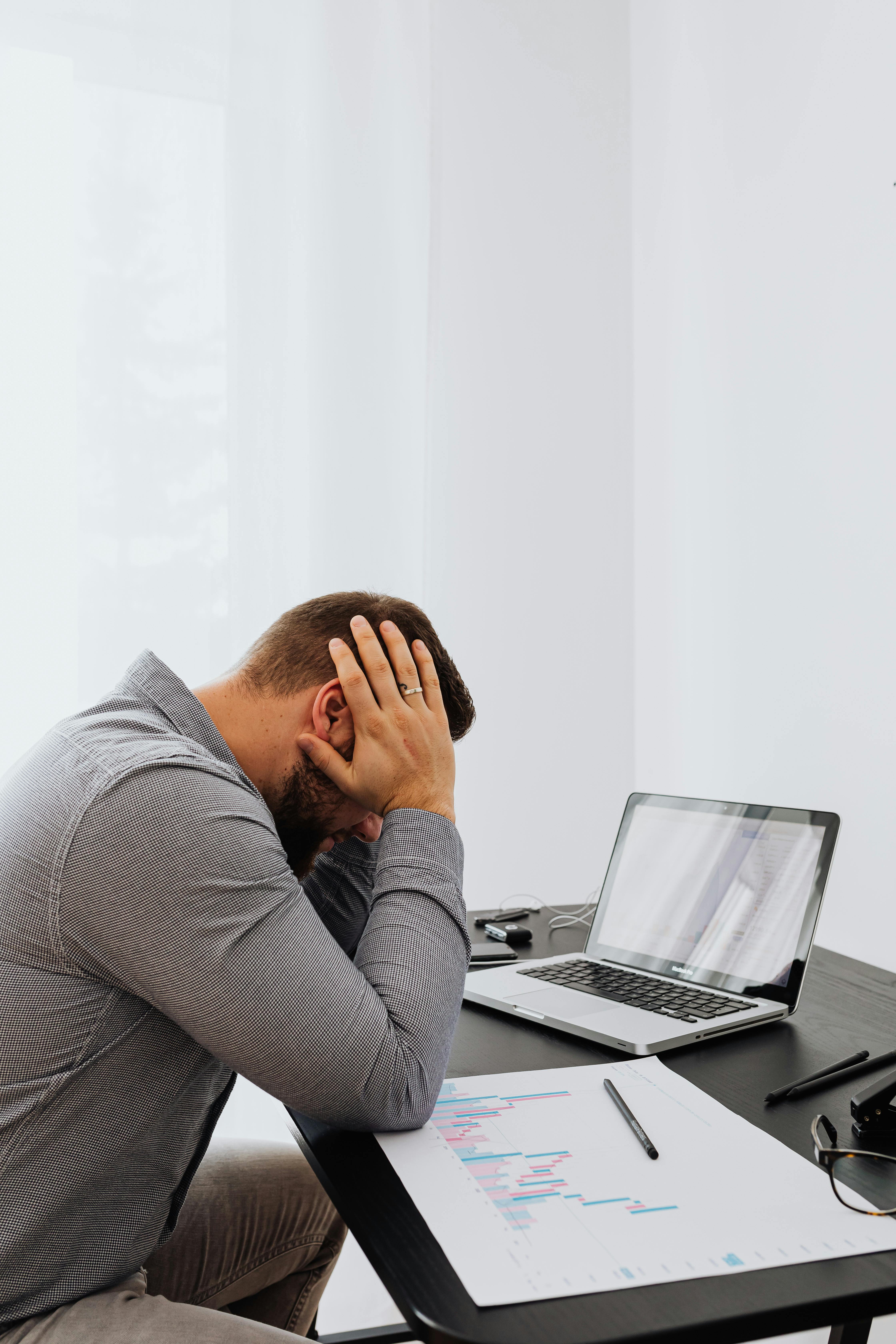
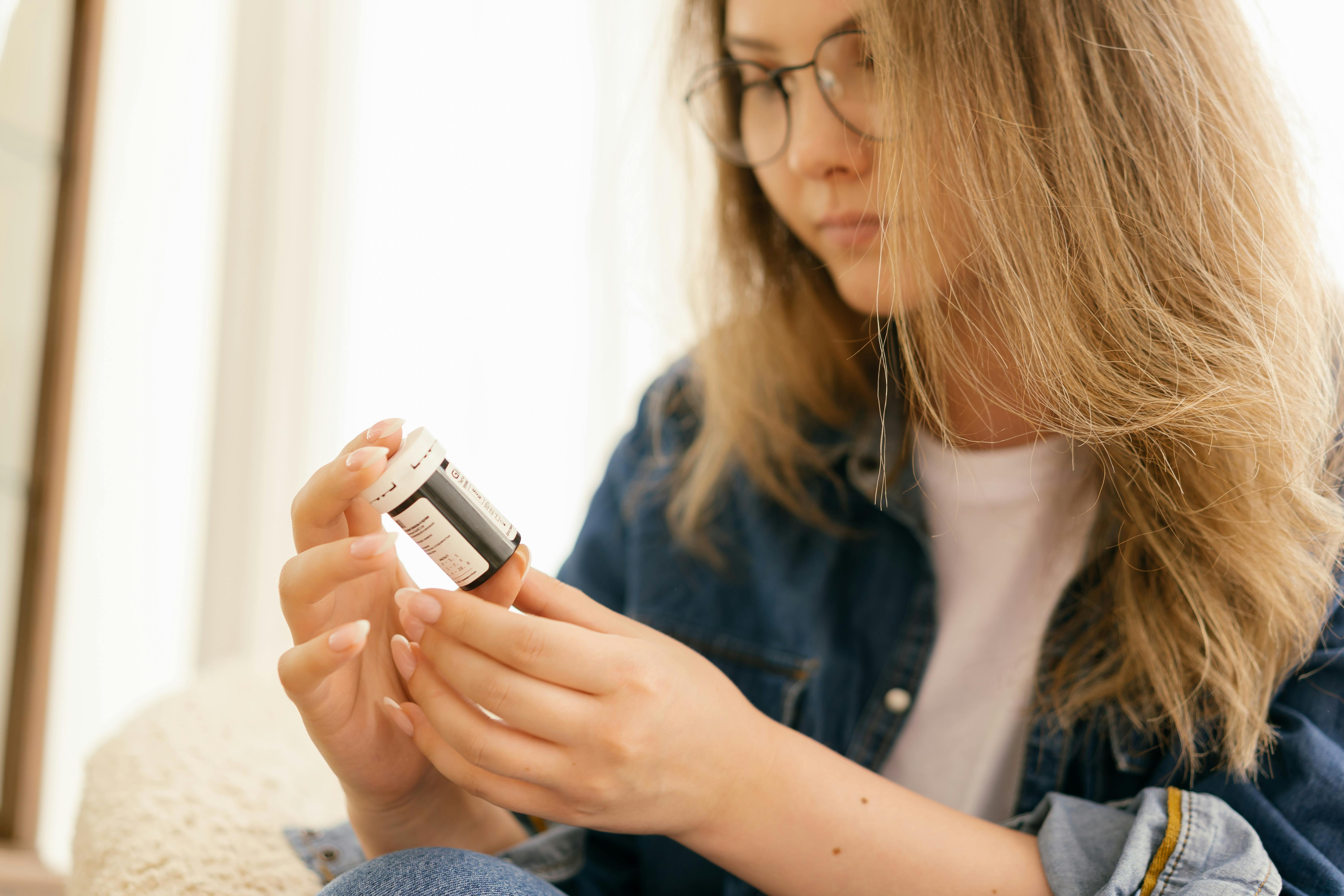
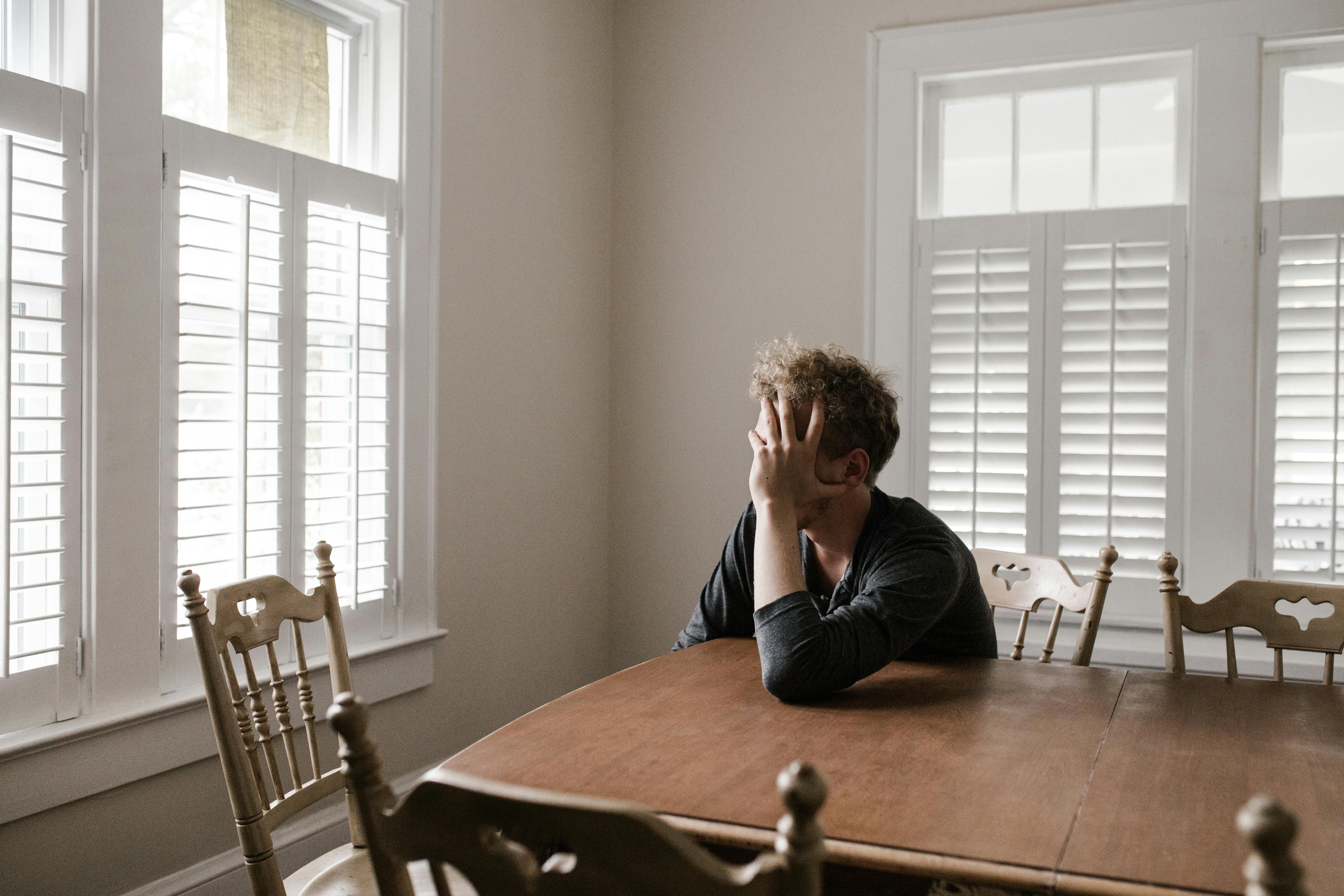
ADHD can contribute to fatigue, even though tiredness isn't an official symptom. Adults with attention-deficit/hyperactivity disorder (ADHD) often deal with sleep problems, a delayed body clock, and the constant mental effort of staying on task, all of which can wear down your energy. Understanding where the exhaustion comes from is the first step toward feeling more rested and focused.
Key Takeaways
Fatigue is common with ADHD: A clinical study found that adults with ADHD reported significantly more fatigue than adults without the condition.
Several factors drive the exhaustion: Poor sleep, a naturally later sleep schedule, co-occurring depression or anxiety, medication effects, and the effort of managing symptoms can all play a part.
It is worth raising with a provider: Treating sleep problems, adjusting ADHD medication, and screening for other conditions may improve both energy and focus.
What Is ADHD?
ADHD is a neurodevelopmental condition marked by ongoing patterns of inattention, hyperactivity, impulsivity, or a combination of these. It is diagnosed based on a person's history and symptoms, and both genetic and environmental factors appear to contribute.
ADHD is not just a childhood condition. It is estimated that about 6% of American adults have a current ADHD diagnosis, and roughly half of those adults were diagnosed at age 18 or older. Because hyperactivity often becomes less visible with age, adults may notice restlessness, disorganization, and low energy more than obvious physical hyperactivity.
Can ADHD Cause Fatigue?
Research suggests ADHD and fatigue are closely linked. A study comparing 243 adults with ADHD to healthy adults showed that the ADHD group was significantly more fatigued. The researchers also found that low mood, anxiety, and reduced confidence in handling daily tasks were common features, which may add to the sense of being drained.
ADHD fatigue does not always look like simple sleepiness. People tend to describe it in a few different ways, including:
Feeling mentally worn out by midafternoon, even after a normal night of sleep
Having trouble getting going in the morning and feeling more alert late at night
Crashing after long periods of intense focus or hyperfocus
Feeling overwhelmed and depleted after busy, noisy, or demanding days
Struggling to start tasks because everything feels like it takes too much energy
The last experience overlaps with ADHD paralysis, where the gap between wanting to act and actually starting feels impossible to bridge.
Why ADHD Can Make You Tired
ADHD-related fatigue usually isn’t caused by just one thing. Several factors may often overlap, and understanding which ones apply to you can point toward the most helpful changes.
Sleep Problems
Sleep difficulties are one of the strongest connections between ADHD and fatigue. A review of sleep studies found that adults with ADHD often reported different sleep patterns than those without ADHD. Sleep tracking also showed that adults with ADHD took longer to fall asleep and had less efficient sleep. Researchers now consider the relationship between ADHD and sleep an active area of study, with poor sleep possibly worsening attention and ADHD symptoms making sleep harder.
A Delayed Body Clock
Many people with ADHD are natural night owls. A review of circadian rhythm research reported that delayed sleep phase disorder is highly associated with ADHD, with some estimates suggesting it affects a large majority of children and adults with the condition. When your internal clock runs late but work or school starts early, the result can be chronic sleep loss and daytime exhaustion.
The Mental Effort of Managing Symptoms
Everyday tasks like following a meeting, organizing a to-do list, or filtering out background noise can take extra effort with ADHD. Challenges with executive function, the brain skills that help you plan, prioritize, and shift attention, may leave you feeling mentally spent by the end of the day. Moreover, sensory overload can add to that load, which is why ADHD overstimulation often comes with a wave of tiredness.
Co-occurring Depression and Anxiety
ADHD rarely occurs alone. A national survey found that adults with ADHD often also experience other mental health conditions, including depression and anxiety. Both can cause significant fatigue on their own, which is why providers often look for them when someone with ADHD feels persistently exhausted. It is common to wonder whether ADHD can cause anxiety or whether depression can make you tired, and the answer to both is often yes.
Medication Timing and Side Effects
ADHD medications fall into two broad groups. Stimulants work quickly but carry a potential for dependence and misuse, while nonstimulants take longer to work but do not share that risk. Stimulants taken too late in the day may interfere with sleep, and some people notice a drop in energy as a dose wears off
ADHD Fatigue vs. Other Causes of Tiredness
Fatigue has many possible causes, and not all of them are related to ADHD. Before assuming ADHD is to blame, it is worth ruling out other common explanations with your health care provider:
Sleep apnea, which causes breathing pauses during sleep and daytime sleepiness
Thyroid problems, anemia, or vitamin deficiencies
Depression, which often causes low energy and loss of motivation
Side effects from other medications, such as some antihistamines or antidepressants
Alcohol, nicotine, or heavy caffeine use that disrupts sleep quality
A provider may ask about your sleep habits, order basic blood work, or suggest a sleep evaluation to get a clearer picture.
How ADHD-Related Fatigue Is Treated
Because ADHD fatigue usually has more than one cause, treatment often combines several approaches. The options below are commonly used together and adjusted over time.
Adjusting ADHD Medication
Treating ADHD symptoms can reduce the mental strain that contributes to exhaustion. Your prescriber may change the dose, switch between short- and long-acting forms, or adjust when you take your medication so it does not interfere with sleep. Ongoing ADHD medication management makes it easier to fine-tune these details.
Sleep-Focused Treatment
Research on circadian rhythms in ADHD highlights treatments aimed at improving sleep quality, quantity, and timing, including better sleep hygiene, carefully timed light exposure, and treatment of specific sleep disorders. A provider can help determine which approach fits your sleep pattern.
Therapy and Skills Support
Support beyond medication is also available for ADHD. Cognitive behavioral therapy and ADHD coaching can help you build routines, break large tasks into smaller steps, and reduce the stress that adds to fatigue.
Treating Co-occurring Conditions
If depression, anxiety, or another condition is contributing to exhaustion, treating it directly can make a noticeable difference. A psychiatric provider can look at the full picture and create a plan that addresses each condition without working against the others.
Tips to Boost Energy With ADHD
Alongside professional treatment, small daily habits may help you feel more energized. Many people with ADHD find these strategies useful:
Keep a consistent wake-up time, even on weekends, to anchor your body clock
Get outside for daylight early in the day
Dim screens and bright lights in the hour before bed
Time caffeine carefully, since caffeine and ADHD interact differently for different people
Build short movement breaks into long stretches of focused work
Plan recovery time after demanding or overstimulating events
When to See a Doctor About ADHD and Fatigue
Occasional tiredness is normal, but ongoing exhaustion deserves attention. Consider talking with a provider if you notice any of the following:
Fatigue that lasts more than a few weeks and affects work, school, or relationships
Loud snoring, gasping during sleep, or waking up unrefreshed
Low mood, loss of interest in activities, or feelings of hopelessness
Sleep problems that started or worsened after beginning a new medication
Suspected ADHD symptoms that have never been formally evaluated
If you have never been evaluated, this guide on how to get diagnosed with ADHD as an adult explains what the process involves. If you ever have thoughts of harming yourself, call or text the 988 Suicide and Crisis Lifeline at 988.
How Blossom Health Can Help With ADHD and Fatigue
Blossom Health is a psychiatry-first telehealth platform, so every provider can evaluate symptoms, make a diagnosis, and prescribe medication when appropriate. During an hour-long first video visit, your provider will review your symptoms, sleep, health history, and goals to understand what is driving your fatigue.
From there, your provider can build a plan that may include ADHD treatment, sleep-focused changes, and care for co-occurring conditions like anxiety or depression. Blossom works with many in-network insurance plans, so check your coverage when you schedule your first appointment.
Medical Disclaimer
This article is for informational purposes only and is not a substitute for professional medical advice. Always seek the advice of your physician or other qualified health provider with any questions you may have regarding a medical condition or medication. If you are experiencing a mental health crisis, call or text the 988 Suicide and Crisis Lifeline at 988.
Sources
Staley BS, et al. (October 10, 2024). Attention-deficit/hyperactivity disorder diagnosis, treatment, and telehealth use in adults: National Center for Health Statistics Rapid Surveys System, United States, October-November 2023. MMWR Morbidity and Mortality Weekly Report. https://www.ncbi.nlm.nih.gov/pmc/articles/PMC11466376/
Magnus W, Anilkumar AC, Shaban K. (2023). Attention deficit hyperactivity disorder. In: StatPearls. StatPearls Publishing. https://www.ncbi.nlm.nih.gov/books/NBK441838/
Rogers DC, Dittner AJ, Rimes KA, Chalder T. (2017). Fatigue in an adult attention deficit hyperactivity disorder population: A trans-diagnostic approach. Br J Clin Psychol. https://pubmed.ncbi.nlm.nih.gov/27918087/
Díaz-Román A, Mitchell R, Cortese S. (2018). Sleep in adults with ADHD: Systematic review and meta-analysis of subjective and objective studies. Neurosci Biobehav Rev. https://pubmed.ncbi.nlm.nih.gov/29477617/
Bijlenga D, Vollebregt MA, Kooij JJS, Arns M. (2019). The role of the circadian system in the etiology and pathophysiology of ADHD: Time to redefine ADHD? Atten Defic Hyperact Disord. https://pubmed.ncbi.nlm.nih.gov/30927228/
Becker SP. (2020). ADHD and sleep: Recent advances and future directions. Curr Open Psychol. https://pmc.ncbi.nlm.nih.gov/articles/PMC7082190/
Kessler RC, Adler L, Barkley R, et al. 2006. The prevalence and correlates of adult ADHD in the United States: Results from the National Comorbidity Survey Replication. Am J Psychiatry. https://www.ncbi.nlm.nih.gov/pmc/articles/PMC2859678/
National Institute for Health and Care Excellence. (September, 2019). Attention deficit hyperactivity disorder: Diagnosis and management (NICE Guideline No. 87). NCBI Bookshelf. https://www.ncbi.nlm.nih.gov/books/NBK493361/
Canadian Agency for Drugs and Technologies in Health. (November, 2024). Attention-deficit/hyperactivity disorder medications for adults. NCBI Bookshelf. https://www.ncbi.nlm.nih.gov/books/NBK610422/
Migueis DP, Lopes MC, Casella E, Soares PV, Soster L, Spruyt K. (2023). Attention deficit hyperactivity disorder and restless leg syndrome across the lifespan: A systematic review and meta-analysis. Sleep Medicine Reviews. https://doi.org/10.1016/j.smrv.2023.101770