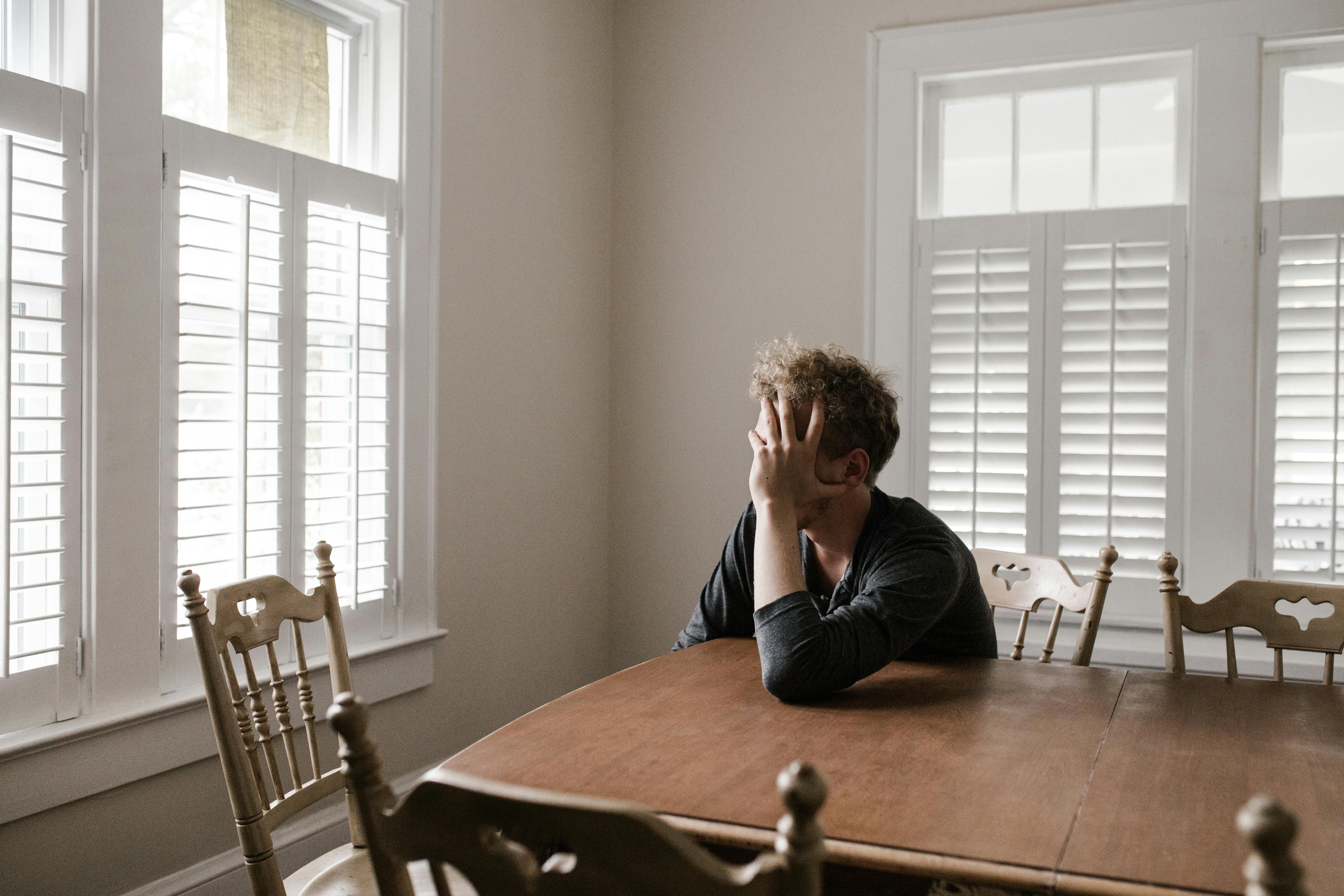

Fatigue is one of the most common and debilitating symptoms of depression, affecting how you function throughout the day and contributing to a cycle that can make depression harder to overcome. Understanding why depression causes tiredness and what you can do about it is an important step toward feeling better.
Depression frequently causes persistent tiredness and exhaustion that doesn't improve with rest. Research shows that fatigue affects the vast majority of people with depression and often persists even after other symptoms begin to improve, making it both a core symptom and a treatment challenge.
Key Takeaways
Research indicates that over 90% of people with major depressive disorder experience significant fatigue, making it one of the most prevalent symptoms of depression.
Depression-related tiredness differs from normal fatigue because it doesn't improve with rest, involves both physical and mental exhaustion, and affects multiple aspects of daily functioning.
Managing depression fatigue typically requires treating the underlying depression through therapy and medication, combined with lifestyle approaches like exercise, sleep hygiene, and stress management.
The Link Between Depression and Fatigue
Depression and fatigue are closely intertwined, with each condition capable of worsening the other in a difficult cycle.
How Common Is Fatigue in Depression?
Fatigue ranks among the most prevalent symptoms in major depressive disorder, affecting the overwhelming majority of people with this condition.
Studies indicate that approximately 90% of people diagnosed with major depressive disorder report experiencing significant fatigue, making it more common than many other well-known depression symptoms.
The prevalence of fatigue in depression extends beyond active depressive episodes. According to research, 73% of people with depression in a European study reported tiredness as a persistent symptom. This high rate underscores how central exhaustion is to the depression experience.
Why Depression Makes You Feel Tired
Depression causes fatigue through multiple biological, psychological, and behavioral pathways:
Neurotransmitter Imbalances: Your brain relies on chemical messengers called neurotransmitters to regulate mood, energy, and motivation. Depression involves imbalances in:
Serotonin: Affects mood regulation and sleep
Dopamine: Influences motivation, reward, and energy
Norepinephrine: Impacts alertness and physical energy
Research indicates that imbalances in these three neurotransmitters contribute to the extreme fatigue people with depression experience. Dopamine and norepinephrine particularly influence energy levels, so reduced activity of these neurotransmitters directly impacts how energized you feel.
Sleep Disruption: Depression frequently disrupts normal sleep patterns, creating either insomnia or hypersomnia. Poor sleep quality is associated with neurotransmitter changes that may result from and contribute to depression, creating an unhealthy cycle. When you're depressed, you might:
Sleep too little (insomnia)
Sleep too much (hypersomnia)
Have non-restorative sleep (waking unrefreshed)
Inflammation: Emerging research points to inflammation's role in both depression and fatigue. Studies show that depression and fatigue are associated with increased inflammatory activation affecting both the peripheral and central nervous systems. This inflammatory process may help explain why depression causes such profound physical exhaustion.
Stress and Emotional Burden: Living with depression means carrying a heavy emotional load. The persistent sadness, hopelessness, and anxiety that accompany depression require significant mental energy to manage. Research suggests that chronic stress can deplete your energy levels, leading to physical symptoms like tiredness while also potentially worsening depression itself.
Physical vs. Mental Fatigue in Depression
People with depression often experience two distinct types of exhaustion. Mental or emotional fatigue involves feeling overwhelmed, difficulty concentrating, brain fog, and struggling with decisions. Adolescents with depression describe this as distinctly different from physical tiredness, noting you can sleep fully yet feel emotionally drained or "tired of living."
Physical fatigue manifests as heavy limbs, reduced endurance, general weakness, and feeling like movements require enormous effort. In depression, both types often occur together and reinforce each other, creating a cycle that's hard to break.
Depression Fatigue vs. Chronic Fatigue Syndrome
Depression and chronic fatigue syndrome both involve ongoing tiredness, but they are different conditions with key differences. People with depression often report feeling constantly tired with little interest in activities, regardless of the required effort. In contrast, those with chronic fatigue syndrome typically remain enthusiastic about engaging in activities but lack the physical energy to begin or complete them.
Depression mainly affects mental health and can cause physical symptoms, while chronic fatigue syndrome is primarily physical but can also affect mental health. The two conditions can co-occur, and distinguishing between them requires careful medical evaluation.
How Depression-related Fatigue Affects Daily Life
The exhaustion that comes with depression extends beyond feeling sleepy, impacting work, relationships, and self-care.
Work and school performance:
Difficulty concentrating during meetings or classes
Reduced productivity and efficiency
Missing deadlines or making more mistakes
Struggling to start or complete tasks
Research shows that fatigue affects school and work performance, with cognitive symptoms like decreased attention directly interfering with task completion.
Relationships and social life:
Social interactions feel draining rather than enjoyable
Withdrawing from friends and family
Increased isolation and loneliness
Difficulty maintaining connections
Self-care and daily activities:
Basic tasks like showering feel overwhelming
Meal preparation seems too difficult
Maintaining living space becomes challenging
Even simple activities require enormous effort
Strategies to Combat Depression Fatigue
While treating the underlying depression is essential, several approaches can help manage fatigue specifically.
Treating the Depression
The most effective way to address depression fatigue is to treat the depression itself through psychotherapy and medication management.
Evidence-based approaches like cognitive-behavioral therapy help identify and change negative thought patterns. Therapy teaches coping skills and provides lasting relief. Antidepressants can effectively treat depression, though they may take several weeks to work. If fatigue is a concern, discuss this with your prescriber to select less sedating medications.
Lifestyle Strategies
Research shows exercise helps reduce fatigue and improve mood. Start small with short walks or gentle stretching—even five minutes helps.
Good sleep hygiene, including regular sleep schedules and relaxing bedtime routines, improves sleep quality. Stress management through mindfulness, deep breathing, or relaxation techniques may reduce exhaustion.
Eating regular, balanced meals with whole foods, adequate protein, and plenty of fruits and vegetables supports both mental and physical health.
When Fatigue Persists After Depression Improves
Fatigue often lingers as a residual symptom even after other depression symptoms improve. Fatigue is one of the most common residual symptoms of partially resolved depression. This matters because studies show that people who still feel fatigued are more likely to have depression return, even with treatment.
If you’re still feeling fatigued even after your mood improves, it may be helpful to talk with your healthcare provider—they can help you understand what’s going on and explore ways to support your energy and well-being.
They might adjust your medication, add an adjunctive treatment to specifically target the fatigue, recommend cognitive-behavioral therapy focused on managing fatigue, or rule out other medical conditions that could be contributing to ongoing tiredness.
Managing Depression with Professional Help
If depression is making it harder to enjoy daily life or maintain relationships, professional support can help you gain clarity and find effective paths toward feeling better. With virtual mental health care, connecting with experienced providers is simple and convenient from the comfort of your home.
At Blossom Health, we connect you with board-certified psychiatrists experienced in caring for individuals with depression and related concerns. Our providers work with you to understand your unique experience, explore proven treatment options, and support long-term emotional well-being—often covered by your in-network insurance. Visit Blossom Health to schedule your first appointment and take a meaningful step toward healing and balance.
Medical Disclaimer
This article is for informational purposes only and is not a substitute for professional medical advice, diagnosis, or treatment. Always seek the advice of your physician or other qualified healthcare provider with any questions you may have regarding a medical condition. If you are experiencing a mental health crisis, contact the 988 Suicide and Crisis Lifeline by calling or texting 988.
Sources
Targum SD, Fava M. 2011. Fatigue as a residual symptom of depression. Innov Clin Neurosci. https://pmc.ncbi.nlm.nih.gov/articles/PMC3225130/
Baldwin DS, Papakostas GI. 2006. Symptoms of fatigue and sleepiness in major depressive disorder. J Clin Psychiatry. https://pubmed.ncbi.nlm.nih.gov/16848671/
Higson-Sweeney N, Cooper K, Dunn BD, Loades ME. 2024. "I'm always going to be tired": a qualitative exploration of adolescents' experiences of fatigue in depression. Eur Child Adolesc Psychiatry. https://pmc.ncbi.nlm.nih.gov/articles/PMC10257178/
Lee CH, Giuliani F. 2019. The Role of Inflammation in Depression and Fatigue. Front Immunol. https://pmc.ncbi.nlm.nih.gov/articles/PMC6658985/
Marin H, Menza MA. 2004. Specific treatment of residual fatigue in depressed patients. Psychiatry (Edgmont). https://pmc.ncbi.nlm.nih.gov/articles/PMC3012615/
National Institute of Mental Health. Mental Health Medications. https://www.nimh.nih.gov/health/topics/mental-health-medications
American Psychiatric Association. What is Psychiatry?. https://www.psychiatry.org/patients-families/what-is-psychiatry
Cleveland Clinic. Depression. https://my.clevelandclinic.org/health/diseases/9290-depression