Waking Up With a Pounding Heart and Anxiety: Causes and What to Do
Author:
Blossom Editorial

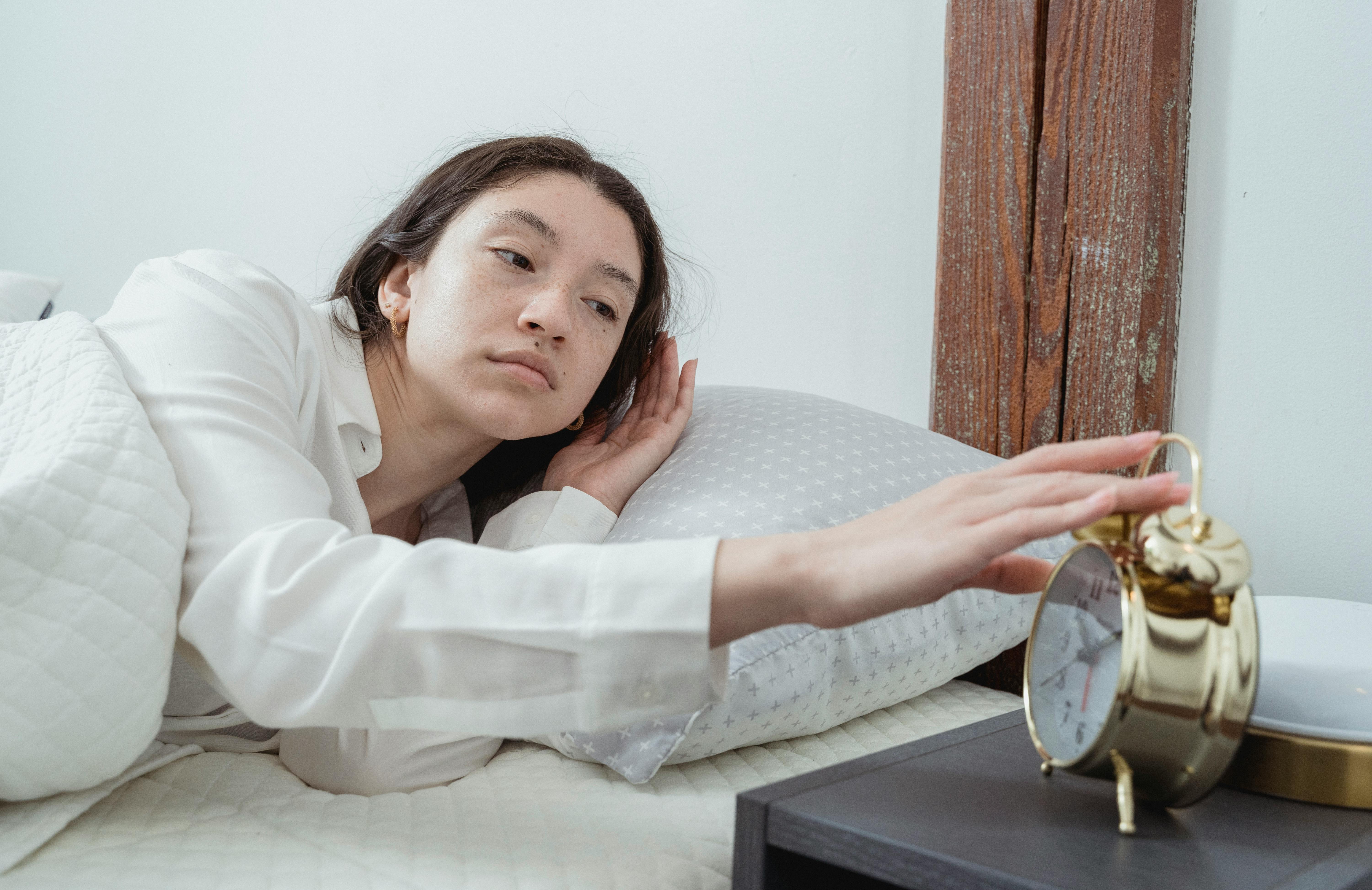

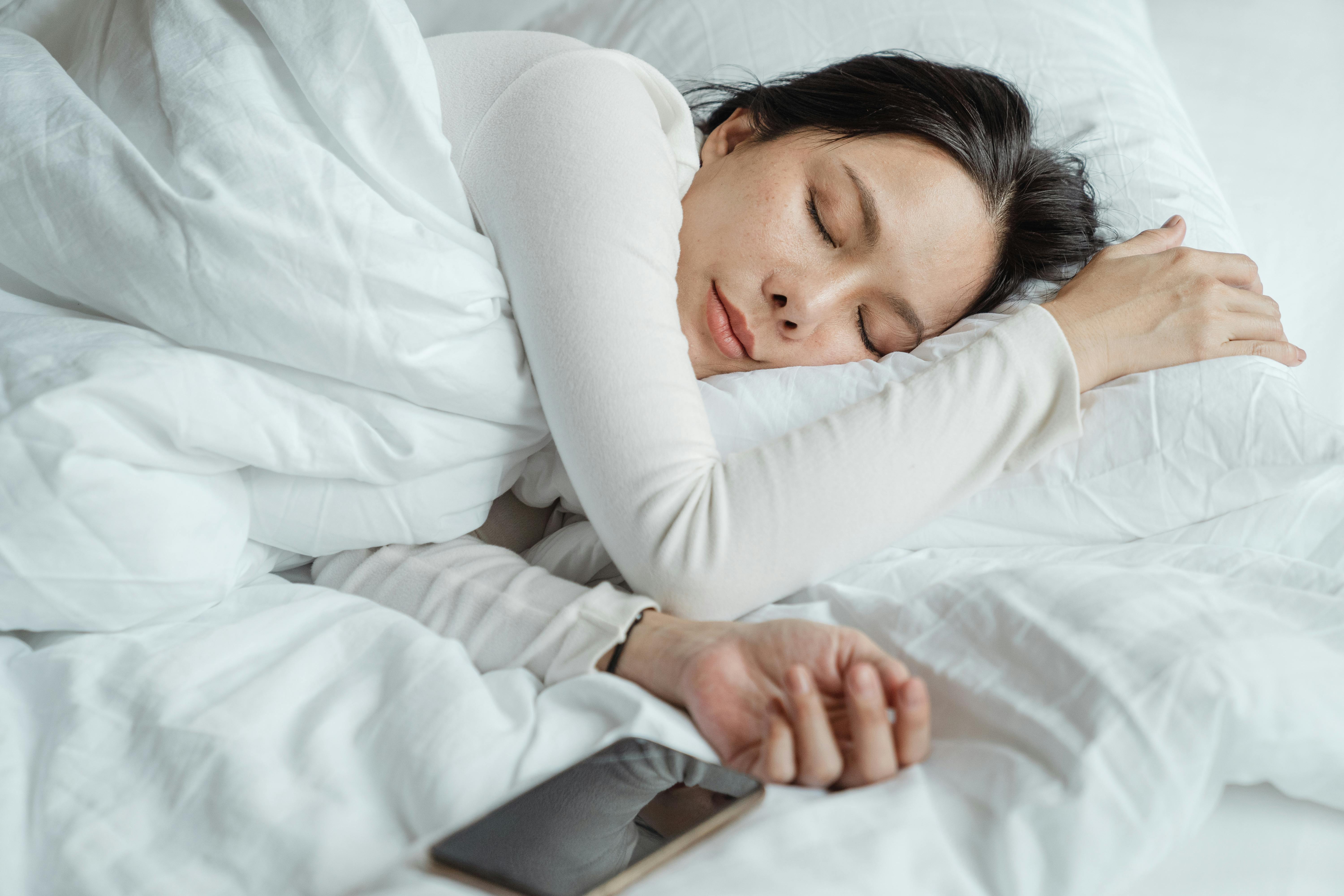
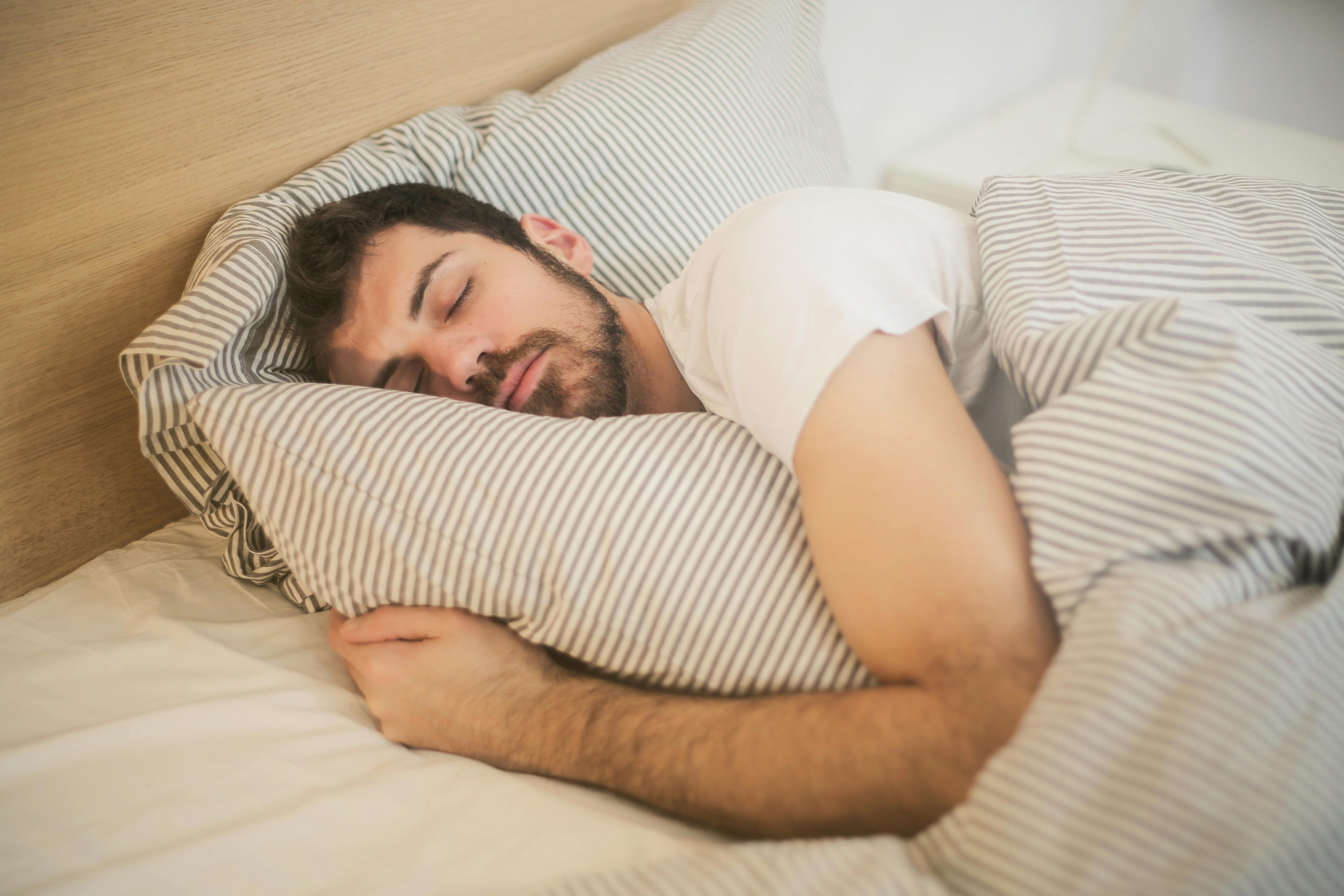
Waking up with a racing heart and feelings of anxiety is a common experience reported by many people. This experience may stem from natural fluctuations in stress hormones like cortisol, anxiety disorders, sleep-related conditions, or lifestyle factors.
According to Cleveland Clinic, nocturnal panic attacks can cause sudden feelings of fear at night that wake a person from sleep. Such feelings are often accompanied by symptoms such as a racing heart, sweating, and difficulty breathing.
Understanding potential causes and available management options may help improve morning symptoms over time.
Key Takeaways
Cortisol's morning surge: The body naturally releases cortisol—the stress hormone—that typically peaks 30-45 minutes after waking. Some people with anxiety may experience an exaggerated cortisol awakening response, which may contribute toheart pounding and increased anxiety symptoms.
Multiple possible causes: Waking up with a racing heart may be linked to nocturnal panic attacks, chronic stress, sleep disorders like sleep apnea, nightmares, low blood sugar, caffeine, or hormonal changes.
Management options are available: Immediate coping strategies (such as breathing orgrounding techniques) and long-term approaches (including therapy, medication, and lifestyle changes) may help reduce the frequency or intensity of these episodes.
What Causes Waking Up With a Pounding Heart?
One possible contributor is the Cortisol Awakening Response (CAR). According to a study in Psychoneuroendocrinologycortisol levels naturally increase by 50-60% within 30-45 minutes of waking.
This surge helps you get up from your bed and prepare your body for daily activity. However, some studies suggest that individuals with anxiety disorders may experience an exaggerated response. As a result, this hormonal increase may feel more intense, contributing to symptoms such as a rapid heartbeat, sweating, and increased anxiety.
Some observational research has reported that elevated cortisol awakening responses may be associated with a higher risk of developing anxiety disorders. This suggests that the cortisol awakening response may be both a contributor to and a marker of anxiety vulnerability.
Nocturnal Panic Attacks
Nocturnal panic attacks are episodes of intense fear that can wake you from sleep. Cleveland Clinic reports that symptoms may include:
Sudden terror
Racing heart
Sweating
Shortness of breath
Chest pain
Trembling
These symptoms often peak within 10 minutes and gradually subside, though anxiety about it happening again can persist.
Other Common Causes
Chronic stress and anxiety: Ongoing stress may keep your nervous system heightened even during sleep, causing you to wake with anxiety symptoms.
Sleep disorders: Sleep apnea may cause breathing interruptions during sleep. This may result in lower blood oxygen levels and increasedblood pressure and heart rate. Similarly, lack of sleep can also increase anxiety symptoms, particularly in the morning.
Nightmares: Disturbing dreams can cause you to wake up with a racing heart. Unlike panic attacks, nightmares involve remembered dream content.
Physical factors: Low blood sugar from overnight fasting, excessive caffeine or alcohol use, dehydration, hormonal changes (such as menstruation, menopause, or thyroid issues), and certain medications may also contribute to a racing heart in the morning
Physical Symptoms of Morning Anxiety
When you wake up with a feeling of anxiety and a pounding heart, you may experience multiple physical symptoms as your body responds to perceived threat.
Symptoms may include a forceful pounding sensation in your chest or throat, rapid and shallow breathing, muscle tension (particularly in the shoulders, neck, and jaw), nausea, sweating, trembling, or gastrointestinal distress. These symptoms occur because anxiety can trigger the release of adrenaline, even when there's no actual danger.
When to See a Medical Provider
Because anxiety and cardiac symptoms may overlap, it's important to recognize when racing heart symptoms may require emergency care.
Seek Emergency Care If You Experience
Chest pressure, squeezing, or fullness lasting more than a few minutes
Pain radiating to the jaw, neck, back, or arms
Severe difficulty breathing or fainting
Chest pain with dizziness, nausea, or cold sweat
If unsure whether symptoms indicate a heart attack or anxiety, call 911 or seek emergency care. It is always safer to have symptoms evaluated by a medical professional.
When to See Your Doctor
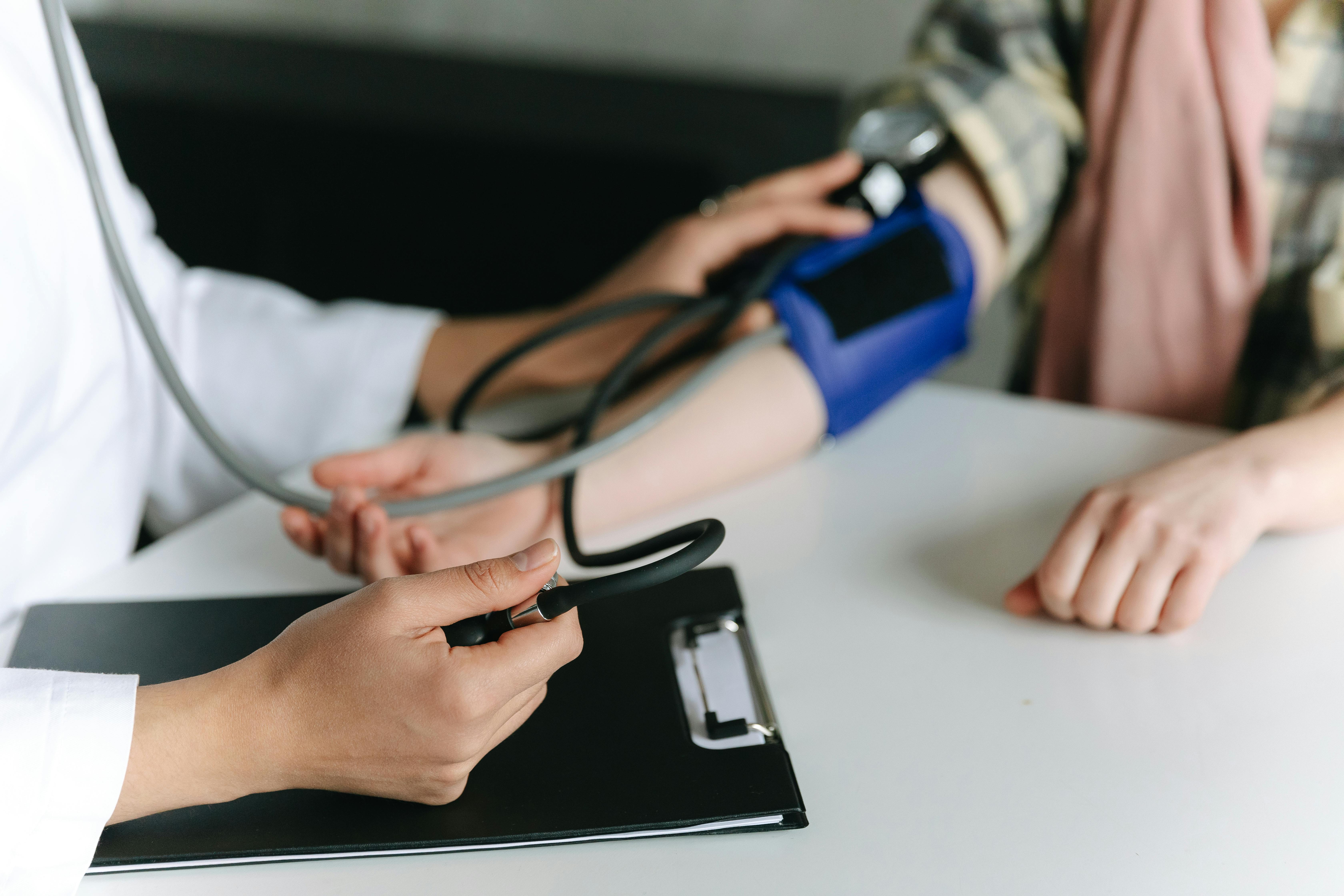
Schedule an appointment if you experience frequent episodes, new or worsening symptoms, significant sleep disruption, or have risk factors for heart disease. Your doctor can evaluate for cardiac conditions, sleep disorders, or thyroid issues before determining whether anxiety may be contributing to symptoms.
Immediate Strategies When You Wake With a Pounding Heart
Controlled Breathing
Deep, slow breathing can activate your relaxation response. One commonly used method is the 4-7-8 technique: breathe in through your nose for 4 counts, hold for 7 counts, exhale through your mouth for 8 counts. Repeat 3-4 times.
Grounding Exercises
The 5-4-3-2-1 grounding technique may help shift focus from internal anxiety to your environment. This involvesnoticing 5 things you can see, 4 you can touch, 3 you can hear, 2 you can smell, and 1 you can taste.
Get Out of Bed
Sitting up and getting out of bed signals your brain to take action rather than keepworry. Simple activities like getting water or splashing cool water on your face can break the anxiety cycle.
Avoid Screens
Resist checking your phone, news, or social media immediately upon waking. Give yourself 15-30 minutes to calm down before engaging with potentially stressful content.
Long-Term Solutions for Morning Anxiety
Cognitive-Behavioral Therapy (CBT)
CBT is considered one of the most effective, evidence-based treatments for anxiety and panic disorders. According to the Cleveland Clinic, CBT therapy can help you identify triggers and learn to change how you respond to them. Over time, the frequency and intensity of panic attacks may decrease.CBT for insomnia (CBT-I) specifically targets the cycle between anxiety and sleep disturbances..
Nighttime Routine and Sleep Hygiene
Create a consistent wind-down routine 60-90 minutes before bed may help support sleep. Examples include dim lights, avoiding screens, engaging in relaxing activities like reading or gentle stretching, taking a warm bath, and writing down worries to help clear the mind.
According to Sharp HealthCare, maintaining consistent sleep and wake times, aiming for 7-9 hours of sleep, keeping your bedroom cool and dark, limiting caffeine after early afternoon, avoiding alcohol close to bedtime, and getting morning sunlight exposure may also support healthy sleep patterns.
Daily Stress Management
Regular physical activity can help reduces stressand improve sleep quality. Daily mindfulness practice (even 10-15 minutes) often helps regulate the stress response. Scheduling brief periods of upto 15 minutes during the day to acknowledge your worries can help prevent them from surfacing at night. Maintaining supportive relationships may help reduce or prevent ongoing stress/
Medication Options
SSRIs and SNRIs: First-line treatments for anxiety disorders. These medicationstypically take several weeks (4-8) to reach full effect.
Beta-blockers: Medications like propranolol may help reduce physical symptoms of anxiety, including a rapid heartbeat.
Buspirone: An anti-anxiety medication commonly prescribed for generalized anxiety disorder.
A healthcare provider can help determine whether medication may be appropriate based on individual symptoms and medical history.
Treatment Through Blossom Health
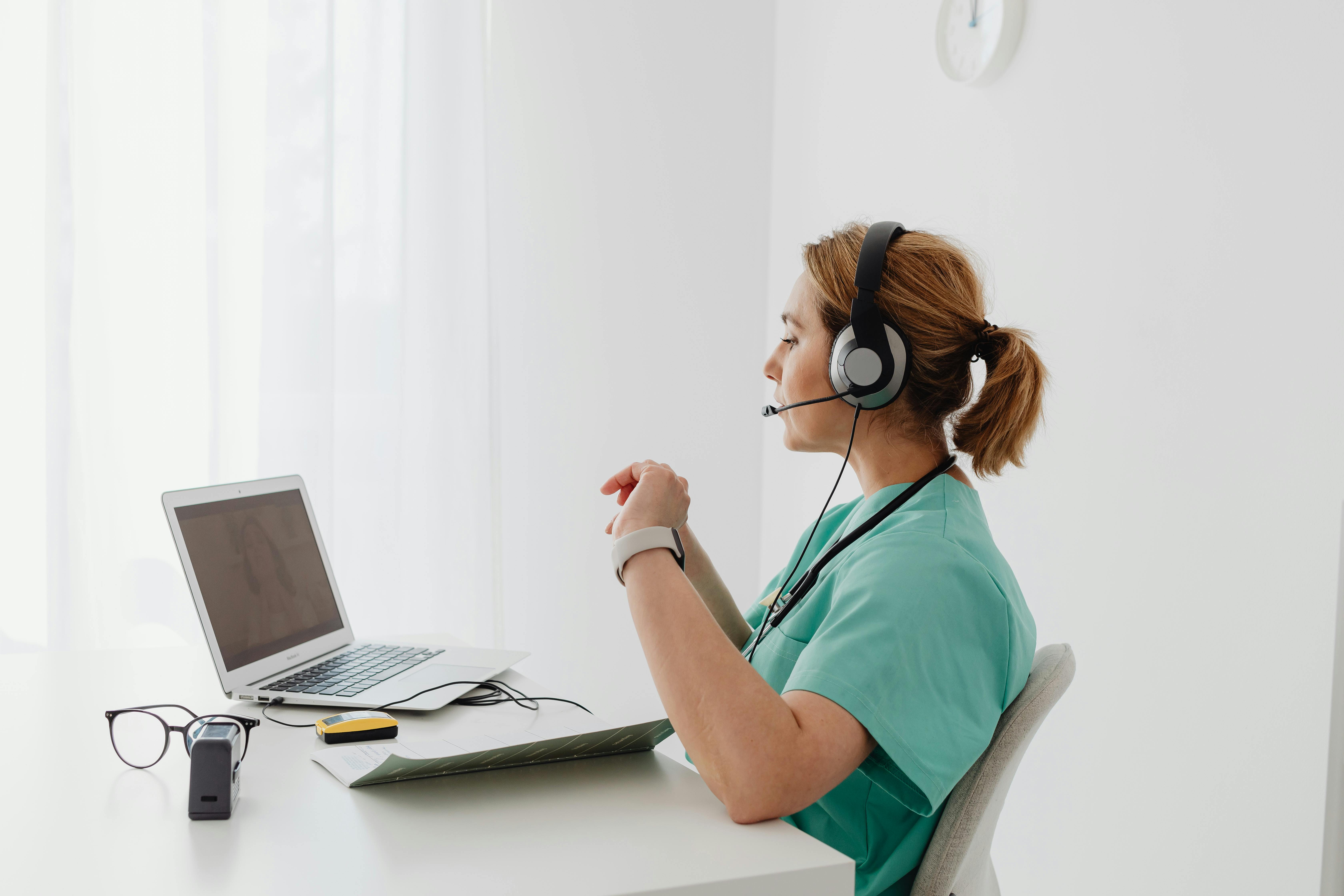
Blossom Health connects you with board-certified psychiatrists who can evaluate whether your symptoms are related to panic disorder, generalized anxiety disorder, or sleep disorders. Your psychiatrist can develop a personalized treatment plan that may include medication management, therapy referrals, sleep hygiene education, and coordination with other healthcare providers.
All appointments are conducted virtually through secure video calls, making quality care accessible without the added stress of commuting. Schedule your first appointment at Blossom Health. Appointments are often available within days and are covered by in-network insurance plans.
Preventing Morning Anxiety Episodes
Evening practices: Process your day before bed, prepare for tomorrow (set out clothes, make a brief to-do list), and limit evening stimulation such as intense exercise, stressful conversations, or work emails 2-3 hours before bed.
Morning routines: Wait 90 minutes after waking before consuming caffeine to allow natural cortisol regulation. Eat a balanced breakfast within an hour of waking to stabilize blood sugar. Do gentle morning movement or stretching to burn off excess stress hormones. Start your day with something enjoyable to create positive morning associations.
When Professional Help Is Essential
Seek professional care if symptoms persist for weeks or months, are worsening despite self-help strategies, significantly impact your ability to work or socialize, occur alongside depression or other mental health issues, or if you experience thoughts of self-harm. Contact the 988 Suicide and Crisis Lifeline by calling or texting 988 for immediate support if needed.
The Bottom Line
Waking up with a pounding heart and anxiety can result from the cortisol awakening response, nocturnal panic attacks, chronic stress, sleep disorders, or lifestyle factors. While distressing, these episodes are usually not dangerous and often respond well to treatment.
Both immediate coping strategies (such as breathing andgrounding techniques) and long-term approaches (such as therapy, medication, lifestyle changes) can helpmanage this condition. If frequent episodes disrupt your sleep and daily life, professional help through platforms like Blossom Health provides comprehensive evaluation and evidence-based treatment to calmer, more peaceful mornings.
Medical Disclaimer
This article is for informational purposes only and is not a substitute for professional medical advice, diagnosis, or treatment. Always seek the advice of your physician or other qualified healthcare provider with any questions you may have regarding a medical condition. If you are experiencing a mental health crisis, contact the 988 Suicide and Crisis Lifeline by calling or texting 988.
Sources
Cleveland Clinic. (2022, April 16). Nocturnal Panic Attacks. https://my.clevelandclinic.org/health/diseases/22776-nocturnal-panic-attacks
Healthline. (2025, October 01). Waking Up with Heart Racing: Causes and Treatment https://www.healthline.com/health/waking-up-with-heart-racing#summary
Adam, E. K., Vrshek-Schallhorn, S., Kendall, A. D., Mineka, S., Zinbarg, R. E., & Craske, M. G. (2014). Prospective associations between the cortisol awakening response and first onsets of anxiety disorders over a six-year follow-up--2013 Curt Richter Award Winner. Psychoneuroendocrinology, 44, 47–59. https://pmc.ncbi.nlm.nih.gov/articles/PMC4108290/
ZRT Laboratory. (2021, July 23). Anxiety, Depression, and the Cortisol Awakening Response. https://www.zrtlab.com/blog/archive/anxiety-depression-cortisol-awakening/
Sharp HealthCare. (2024, April 18). How Do You Stop Waking Up with Anxiety? https://www.sharp.com/health-news/what-to-do-when-anxiety-is-your-wake-up-call
British Heart Foundation. (2024, April 04). Why heart rhythm disturbances are more likely early in the morning. https://www.bhf.org.uk/what-we-do/news-from-the-bhf/news-archive/2024/april/why-heart-rhythm-disturbances-are-more-likely-to-happen-early-in-the-morning
Dedovic, K., & Ngiam, J. (2015). The cortisol awakening response and major depression: examining the evidence. Neuropsychiatric disease and treatment, 11, 1181–1189. https://pmc.ncbi.nlm.nih.gov/articles/PMC4437603/
Vreeburg, S. A., Hartman, C. A., Hoogendijk, W. J. G., Dyck, R. van, Zitman, F. G., Ormel, J., & Penninx, B. W. J. H. (2010). Parental history of depression or anxiety and the cortisol awakening response. British Journal of Psychiatry, 197(3), 180–185. https://www.cambridge.org/core/journals/the-british-journal-of-psychiatry/article/parental-history-of-depression-or-anxiety-and-the-cortisol-awakening-response/97C198426F8078421466E0BB65FD2754
American Psychiatric Association. (2023, June). Anxiety Disorders https://www.psychiatry.org/patients-families/anxiety-disorders/what-are-anxiety-disorders