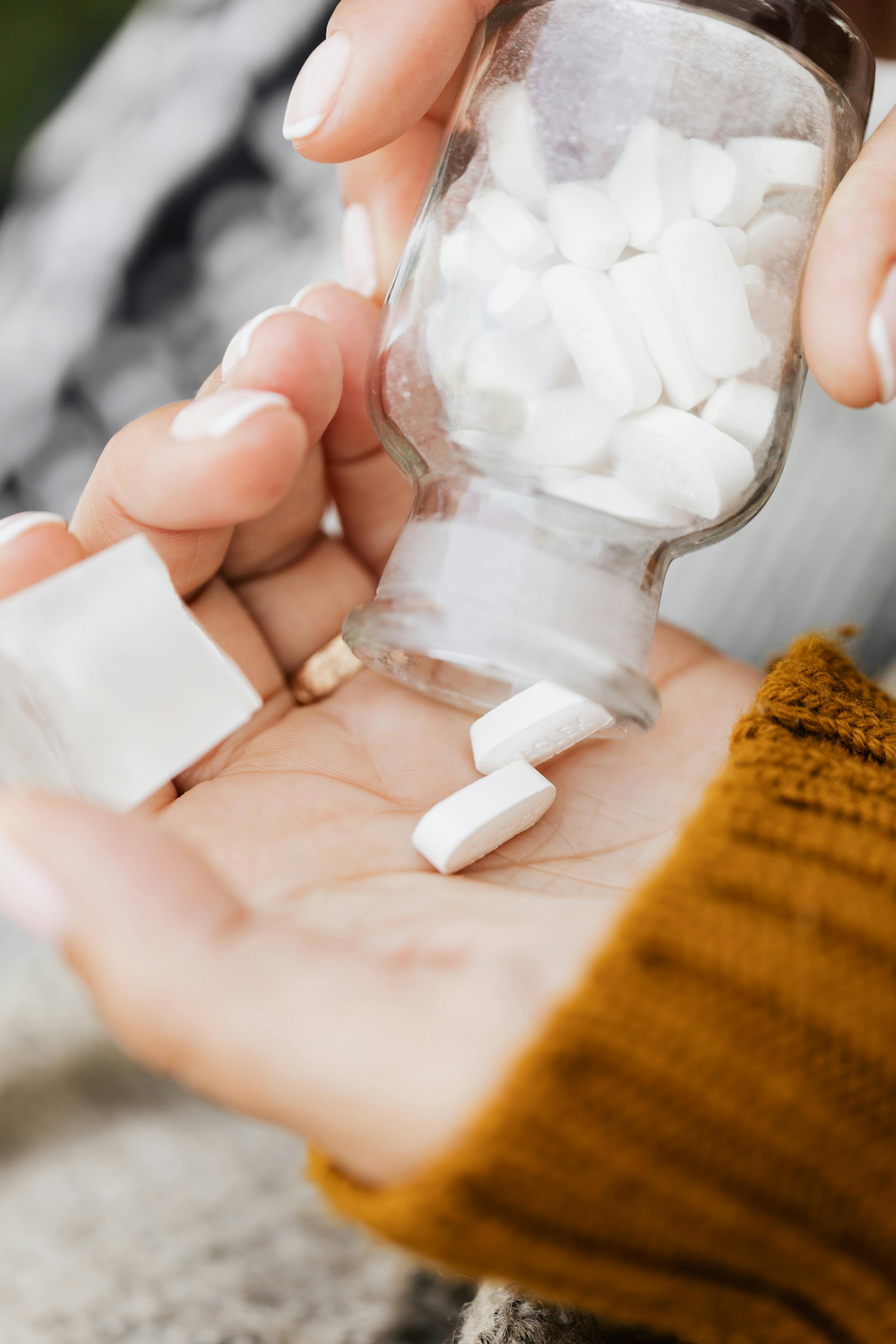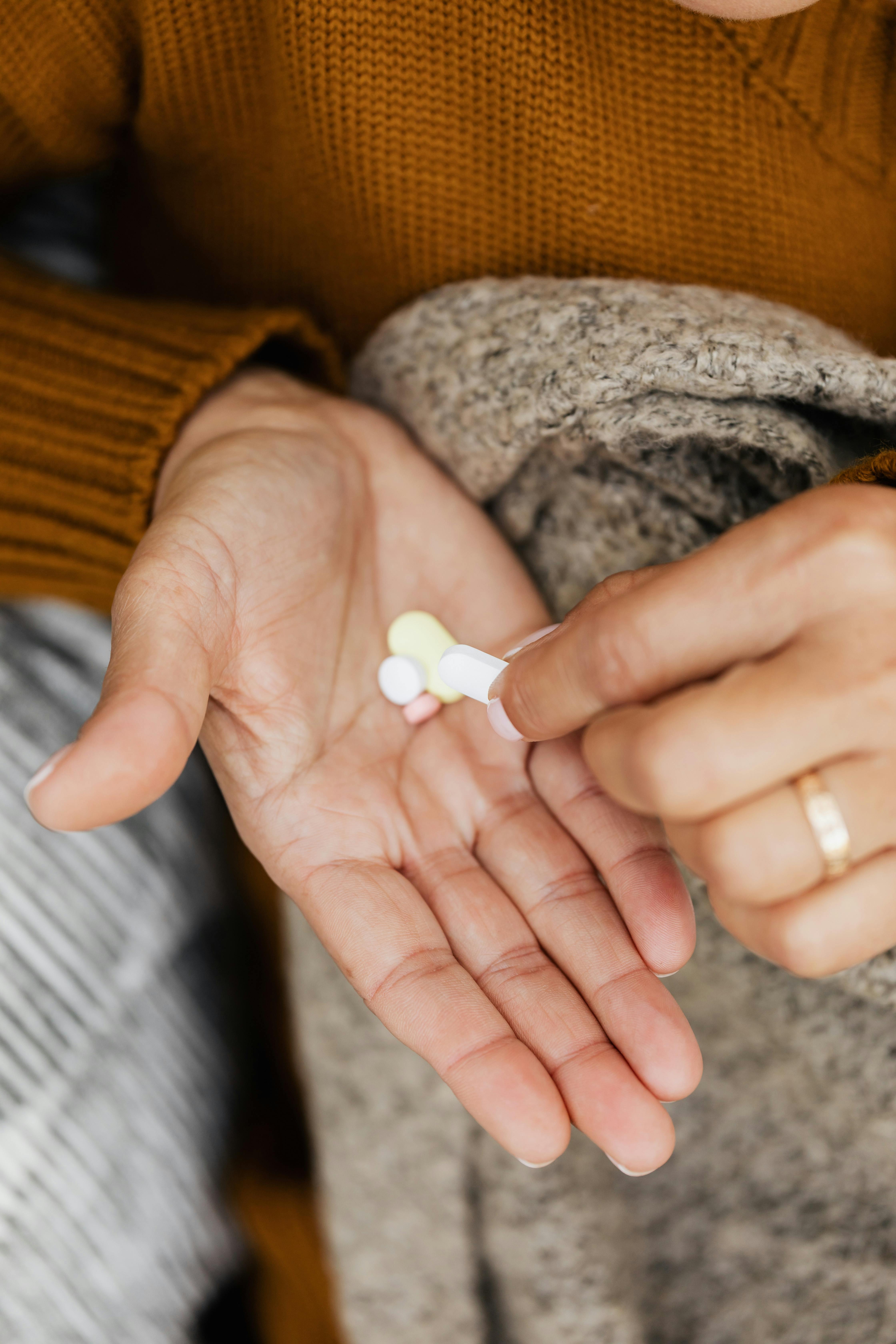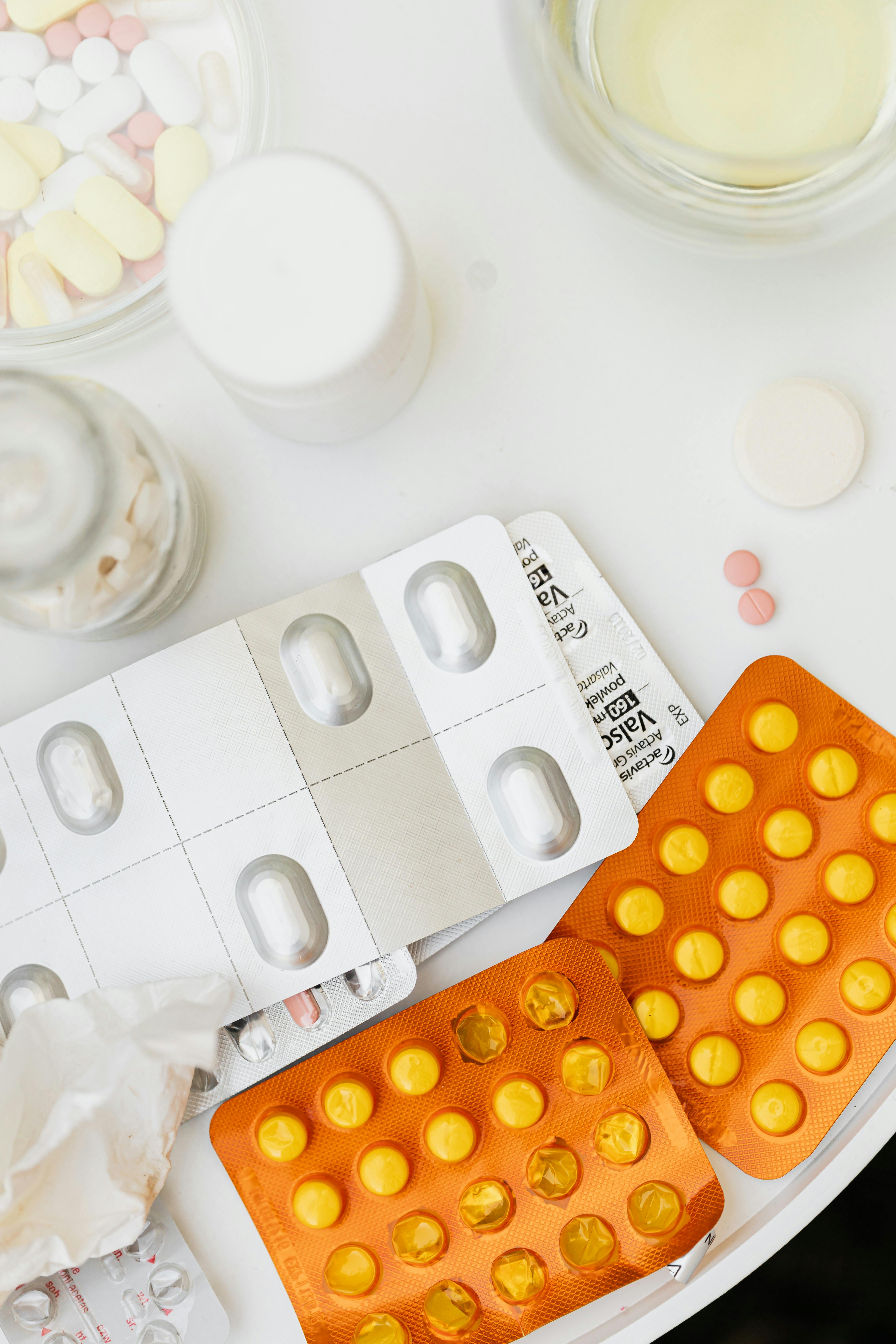

Gabapentin is absorbed in 2-3 hours. However, meaningful anxiety relief may require days to weeks of consistent treatment. The timeline for anxiety relief can also vary considerably between individuals. It depends on factors like dosage, severity of symptoms, and whether you're taking it for acute relief or as part of ongoing treatment.
Understanding how gabapentin works for anxiety and what to expect during treatment can help you have realistic expectations and work effectively with your healthcare provider to find the right approach for your needs.
Key Takeaways
Although gabapentin reaches peak blood levels within 2-3 hours, most clinical studies measure its anti-anxiety effects over weeks of regular treatment. Gabapentin is not FDA-approved for anxiety and may be prescribed off-label by your provider as a secondary treatment.
For ongoing anxiety management, consistent daily use over several weeks may provide more stable and predictable anxiety relief, as therapeutic levels build up in your system.
Individual response varies significantly; some people experience noticeable relief sooner, while others need dosage adjustments or several weeks of treatment to achieve optimal anxiety control, making regular follow-up with your provider essential.
What is Gabapentin?
Gabapentin is a medication originally developed to treat seizures and nerve pain, but it is increasingly prescribed off-label for anxiety disorders. While the FDA hasn't officially approved gabapentin for anxiety treatment, clinical experience and emerging research suggest it can be effective for certain patients.
The medication works differently from traditional anti-anxiety medications like benzodiazepines or SSRIs (selective serotonin reuptake inhibitors). Gabapentin affects calcium channels in the brain, which reduces the release of excitatory neurotransmitters like glutamate. This produces the effect of calming down the body.
Healthcare providers often consider gabapentin for anxiety when:
First-line treatments haven't been effective
Patients have concerns about the addiction potential of benzodiazepines
Someone has both chronic pain and anxiety
Traditional antidepressants cause problematic side effects
Note: Clinical studies suggest gabapentin may reduce anxiety in some patients, but more research is needed to confirm its effectiveness. At present, it is only available off-label for anxiety treatment, and its use may be limited to a secondary (adjunct) treatment for anxiety disorders.
How Gabapentin Works for Anxiety
Although the exact mechanism is not known, Gabapentin's anxiety-relieving properties may stem from its ability to calm overactive nerve signals in the brain. The medication binds to specific calcium channels on nerve cells, curbing excitatory neurotransmitter production.
This could dampen excessive electrical activity in brain circuits associated with anxiety and fear responses.
Physical symptom relief: Many people experience a reduction in physical anxiety symptoms like muscle tension, rapid heartbeat, and restlessness.
A few limited studies have shown that gabapentin may be helpful for social anxiety disorder, generalized anxiety disorder, and anxiety related to substance withdrawal. Research also indicates that gabapentin can demonstrate efficacy in treating social phobia in some patients, though more large-scale studies are needed.
Timeline: When You'll Feel Gabapentin Working
There is limited clinical evidence for gabapentin’s timeline for effectiveness against anxiety. Some people may notice mild improvement within days, but for most, significant anxiety reduction may take several weeks of consistent dosing. Individual response varies widely.
What we know based on a few studies:
In a randomized, controlled trial of 420 breast cancer patients, anxiety levels were much better for the gabapentin group compared to the placebo group at 4-week and 8-week assessments.
A randomized, double-blind, placebo-controlled trial of 69 patients with social phobia showed a significant reduction in symptoms after 14 weeks of gabapentin treatment.
Factors That Influence How Quickly Gabapentin Works
Individual response to gabapentin varies considerably based on several biological and treatment-related factors.
Dosage Considerations
Gabapentin is prescribed off-label for anxiety, and dosing varies widely. Clinical studies for social anxiety have used 300–3600 mg daily in divided doses, but the optimal dose for anxiety is individualized and should be determined by a healthcare provider.
Gabapentin exhibits dose-dependent absorption, meaning that as the dose increases, the percentage absorbed actually decreases. This is why healthcare providers often split doses throughout the day rather than prescribing one large dose.
Bioavailability and Absorption
Gabapentin's bioavailability — the amount that actually reaches your bloodstream — ranges. This means that not all of the medication you take is actually absorbed and available to work in your body.
With gabapentin, a higher dose corresponds to lower bioavailability, and vice versa. For instance, a daily dose of 900 mg has a bioavailability of approximately 60%, whereas a daily dose of 4800 mg has a bioavailability of only around 27%.
Food intake can influence absorption, too. Taking gabapentin with food may slightly increase absorption and reduce stomach upset, though the medication can be taken with or without food.
Individual Metabolism
Your personal metabolism plays a significant role in how quickly gabapentin works. Factors that influence metabolism include:
Age: Older adults typically clear gabapentin more slowly, potentially experiencing longer-lasting effects.
Kidney function: Since gabapentin is eliminated primarily through the kidneys, people with reduced kidney function may experience stronger and longer-lasting effects.
Body weight: Larger individuals may require higher doses to achieve the same blood levels as smaller individuals.
Genetics: Individual genetic variations can affect how your body processes the medication.
Previous Medication History
If you've previously taken gabapentin or similar medications, your body may respond differently than someone taking it for the first time.
Additionally, if you're transitioning from a benzodiazepine to gabapentin, the comparison might make gabapentin's effects seem slower or less pronounced initially.
When Gabapentin Might Not Work Fast Enough
Despite its relatively quick onset, there are situations where gabapentin's timeline may not meet treatment needs.
Acute Anxiety Crises
Gabapentin is not recommended for rapid relief of acute panic attacks or severe anxiety episodes. Other interventions may be required in such situations.
Treatment-Resistant Anxiety
Some individuals may not respond adequately to gabapentin even with optimal dosing and time. If you haven't experienced meaningful improvement after 4-6 weeks at therapeutic doses, your healthcare provider might consider:
Dose adjustments
Adding or switching to different medications
Investigating underlying conditions that might complicate treatment
Referring to a psychiatrist for specialized evaluation
Working with Your Healthcare Provider
Successful anxiety treatment with gabapentin requires ongoing collaboration with your medical team.
Important Information to Track
Keeping a simple log of your experience can help guide treatment decisions:
Daily anxiety levels (using a 1-10 scale)
Times you take each dose
Side effects experienced and their severity
Situations that trigger anxiety despite medication
Questions or concerns that arise
Questions to Ask Your Provider
Important topics to discuss include:
What specific improvements should I expect and when?
How will we know if the current dose is right?
What side effects should prompt immediate contact?
How long will I need to take this medication?
What other treatments might complement gabapentin?
When to Seek Professional Help
Certain situations warrant prompt medical attention, even if you're already taking gabapentin for anxiety.
Seek immediate medical care if you experience:
Thoughts of harming yourself or others
Severe worsening of depression or anxiety
Inability to function in daily life despite treatment
Severe physical symptoms like chest pain or difficulty breathing
Signs of allergic reaction (severe rash, swelling, difficulty breathing)
For mental health emergencies, contact the 988 Suicide & Crisis Lifeline by calling or texting 988, or contact your local emergency services.
Non-emergency Concerns
Schedule an appointment with your healthcare provider if you notice:
Minimal improvement after 4-6 weeks of treatment
Side effects that interfere with daily functioning
New or worsening symptoms
Questions about dosing or treatment approach
Interest in exploring additional treatment options
Blossom Health: Accessible Psychiatric Care
If you're struggling with anxiety and wondering whether gabapentin or other treatments might help, Blossom Health offers accessible, virtual psychiatric care with board-certified providers. Our platform makes it easier to connect with experienced psychiatrists who can evaluate your symptoms, discuss treatment options, including medications like gabapentin, and create a personalized treatment plan.
Blossom accepts most major insurance plans and provides care in multiple states, making professional psychiatric evaluation and ongoing management convenient and affordable. Whether you're considering starting medication for the first time or need help optimizing your current treatment, our providers can help you find the approach that works best for your unique situation.
Visit Blossom Health to check if we serve your state, verify your insurance coverage, and schedule your first appointment, often available within 48 hours.
Medical Disclaimer
This article is for informational purposes only and does not constitute medical advice. The information provided should not replace consultation with a qualified healthcare provider. Gabapentin's use for anxiety is considered off-label, meaning it is not FDA-approved for this specific indication, though healthcare providers may prescribe it based on clinical judgment and emerging evidence.
Individual responses to medications vary significantly, and what applies to one person may not be safe or effective for another. Never start, stop, or adjust gabapentin or any medication without direct guidance from your prescribing healthcare provider. Gabapentin should not be stopped abruptly, as withdrawal symptoms such as anxiety, insomnia, and seizures may occur. Always follow your healthcare provider’s guidance when adjusting doses.
If you're experiencing concerning symptoms, worsening anxiety, or side effects from medication, please seek professional help from a healthcare provider. In case of a medical emergency or thoughts of self-harm, contact your local emergency services immediately or call 911. For mental health crises, contact the 988 Suicide & Crisis Lifeline by calling or texting 988.
Sources
National Center for Biotechnology Information. Gabapentin. StatPearls Publishing. https://www.ncbi.nlm.nih.gov/books/NBK493228/
Pande, A.C., Davidson, J.R., Jefferson, J.W., et al. Treatment of social phobia with gabapentin: a placebo-controlled study. Journal of Clinical Psychopharmacology. 1999;19(4):341-348. https://pubmed.ncbi.nlm.nih.gov/10440462/
U.S. Food and Drug Administration. Neurontin (gabapentin) Prescribing Information. https://www.accessdata.fda.gov/drugsatfda_docs/label/2017/020235s064_020882s047_021129s046lbl.pdf
Sills, G. J. (2006). The mechanisms of action of gabapentin and pregabalin. Current Opinion in Pharmacology, 6(1), 108–113. https://www.sciencedirect.com/science/article/abs/pii/S1471489205001906
Greenblatt, H. K., & Greenblatt, D. J. (2018). Gabapentin and pregabalin for the treatment of anxiety disorders. Clinical Pharmacology in Drug Development, 7(3), 228–232. https://accp1.onlinelibrary.wiley.com/doi/10.1002/cpdd.446
Markota, M., & Morgan, R. J. (2017). Treatment of Generalized Anxiety Disorder with Gabapentin. Case reports in psychiatry, 2017, 6045017. https://pmc.ncbi.nlm.nih.gov/articles/PMC5745655
Lavigne, J. E., Heckler, C., Mathews, J. L., et al. (2012). A randomized, controlled, double-blinded clinical trial of gabapentin 300 versus 900 mg versus placebo for anxiety symptoms in breast cancer survivors. Breast cancer research and treatment, 136(2), 479–486. https://pmc.ncbi.nlm.nih.gov/articles/PMC4411951
Pande, A. C., Pollack, M. H., Crockatt, J., et al. (2000). Placebo-controlled study of gabapentin treatment of panic disorder. Journal of Clinical Psychopharmacology, 20(4), 467–471. https://pubmed.ncbi.nlm.nih.gov/10917408/
Goa KL, Sorkin EM. Gabapentin. A review of its pharmacological properties and clinical potential in epilepsy. Drugs. 1993;46(3):409-427. https://pubmed.ncbi.nlm.nih.gov/7693432/
Maneuf YP, Gonzalez MI, Sutton KS, et al. Cellular and molecular action of the putative GABA-mimetic, gabapentin. Cellular and Molecular Life Sciences. 2003;60(4):742-750. https://pmc.ncbi.nlm.nih.gov/articles/PMC11138914/
. Berlin, R.K., Butler, P.M., Perloff, M.D. Gabapentin therapy in psychiatric disorders: a systematic review. Primary Care Companion for CNS Disorders. 2015;17(5). https://pmc.ncbi.nlm.nih.gov/articles/PMC4732308/
. National Institutes of Health. MedlinePlus: Gabapentin. https://medlineplus.gov/druginfo/meds/a694007.html
. Substance Abuse and Mental Health Services Administration. 988 Suicide & Crisis Lifeline. https://www.samhsa.gov/find-help/988