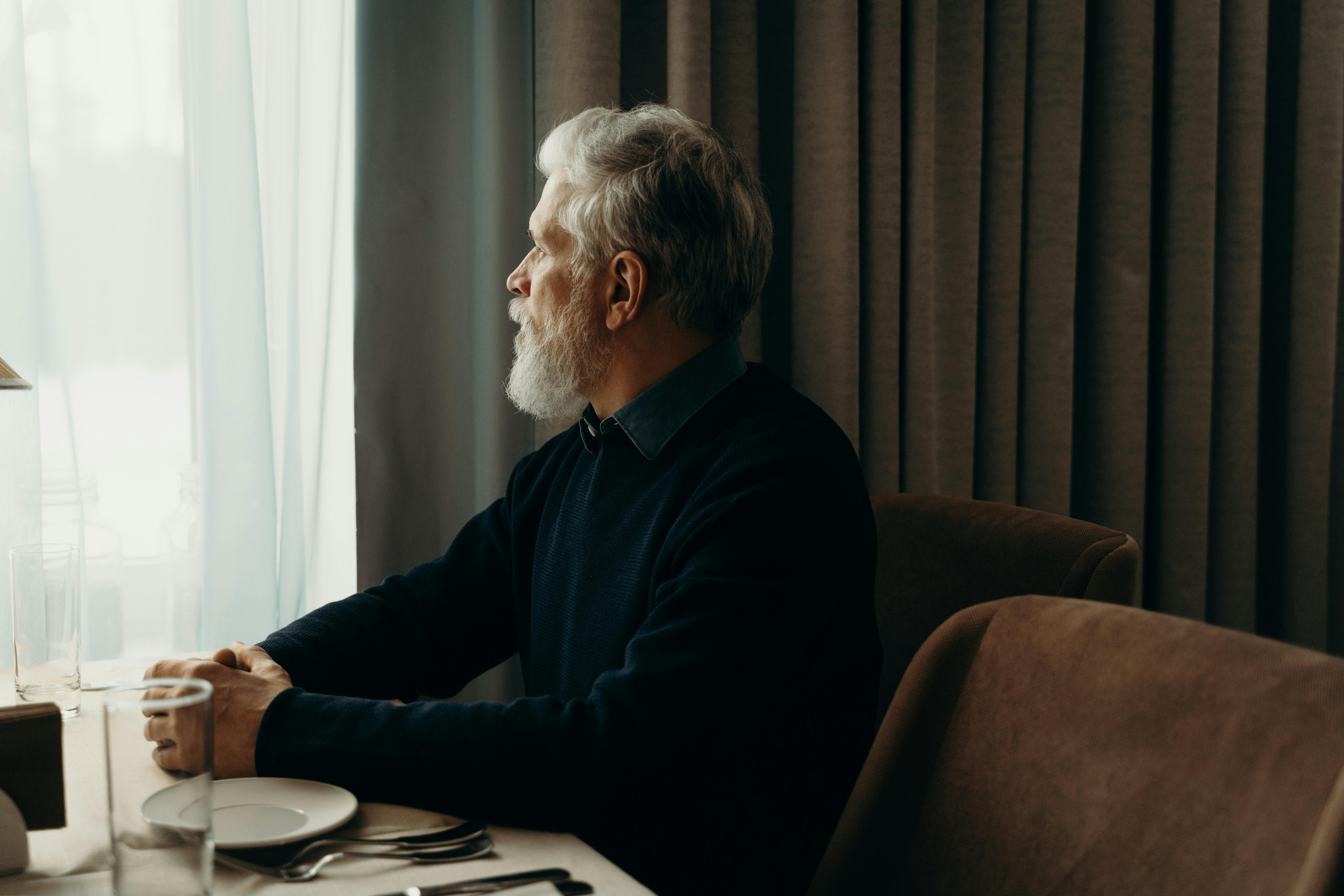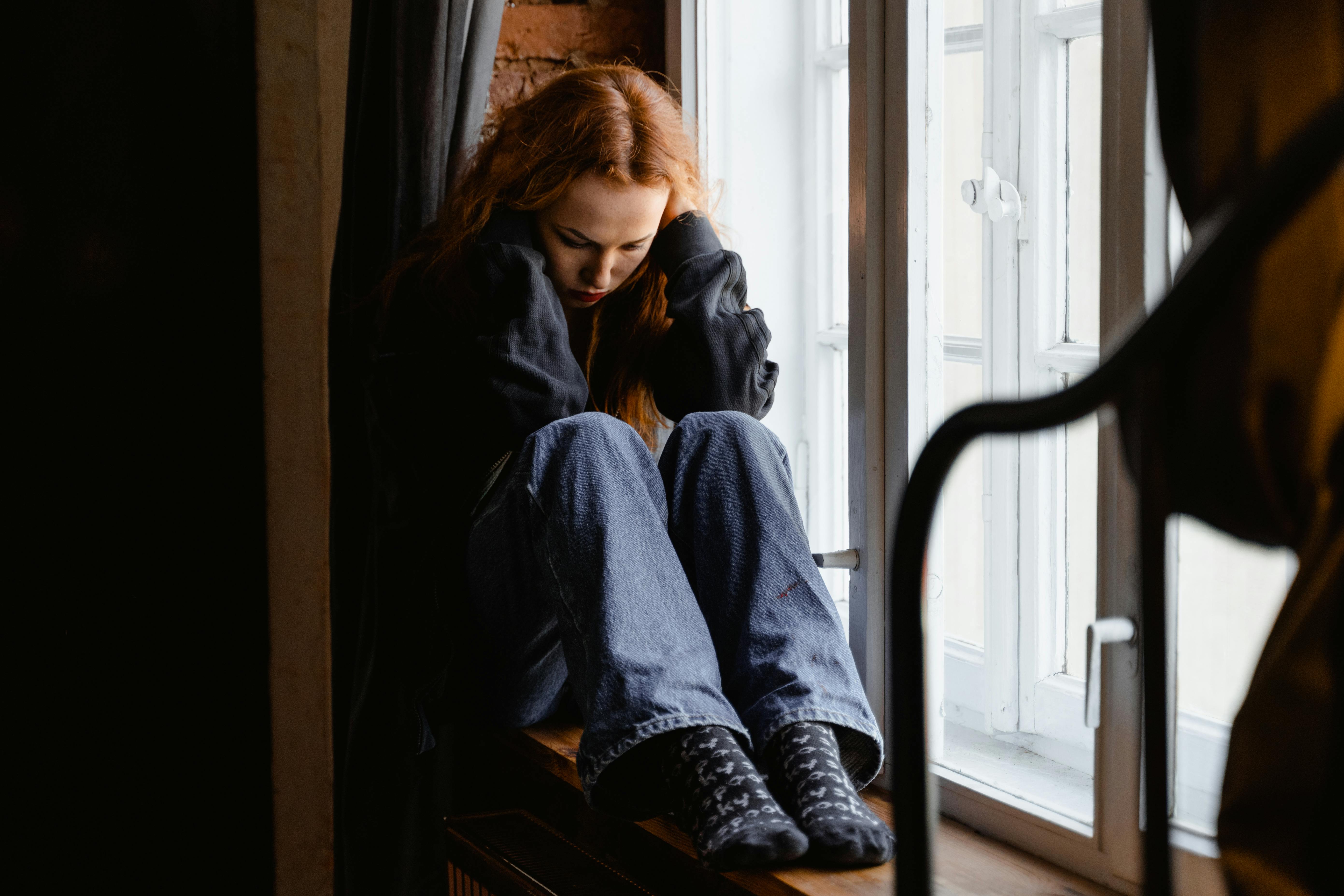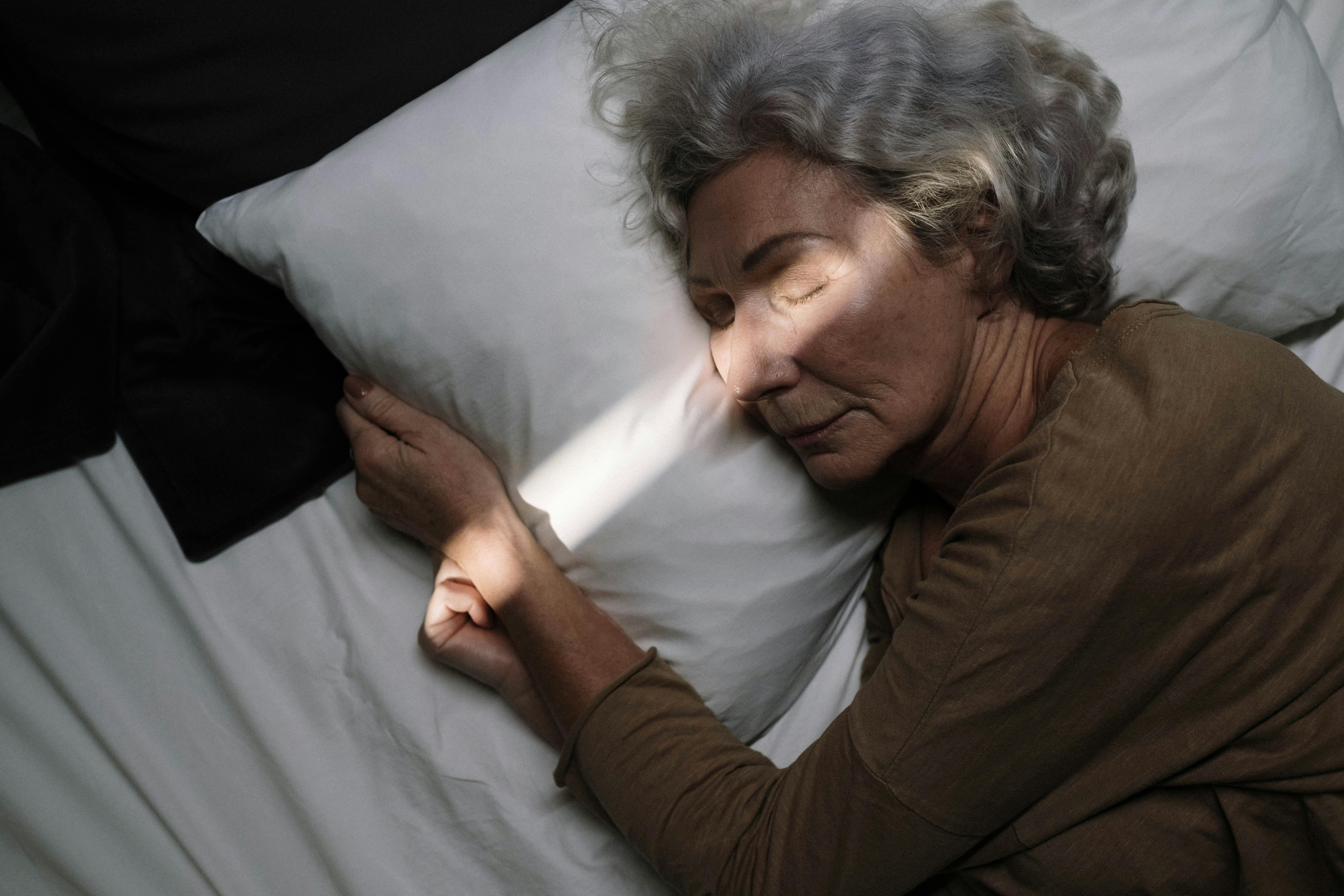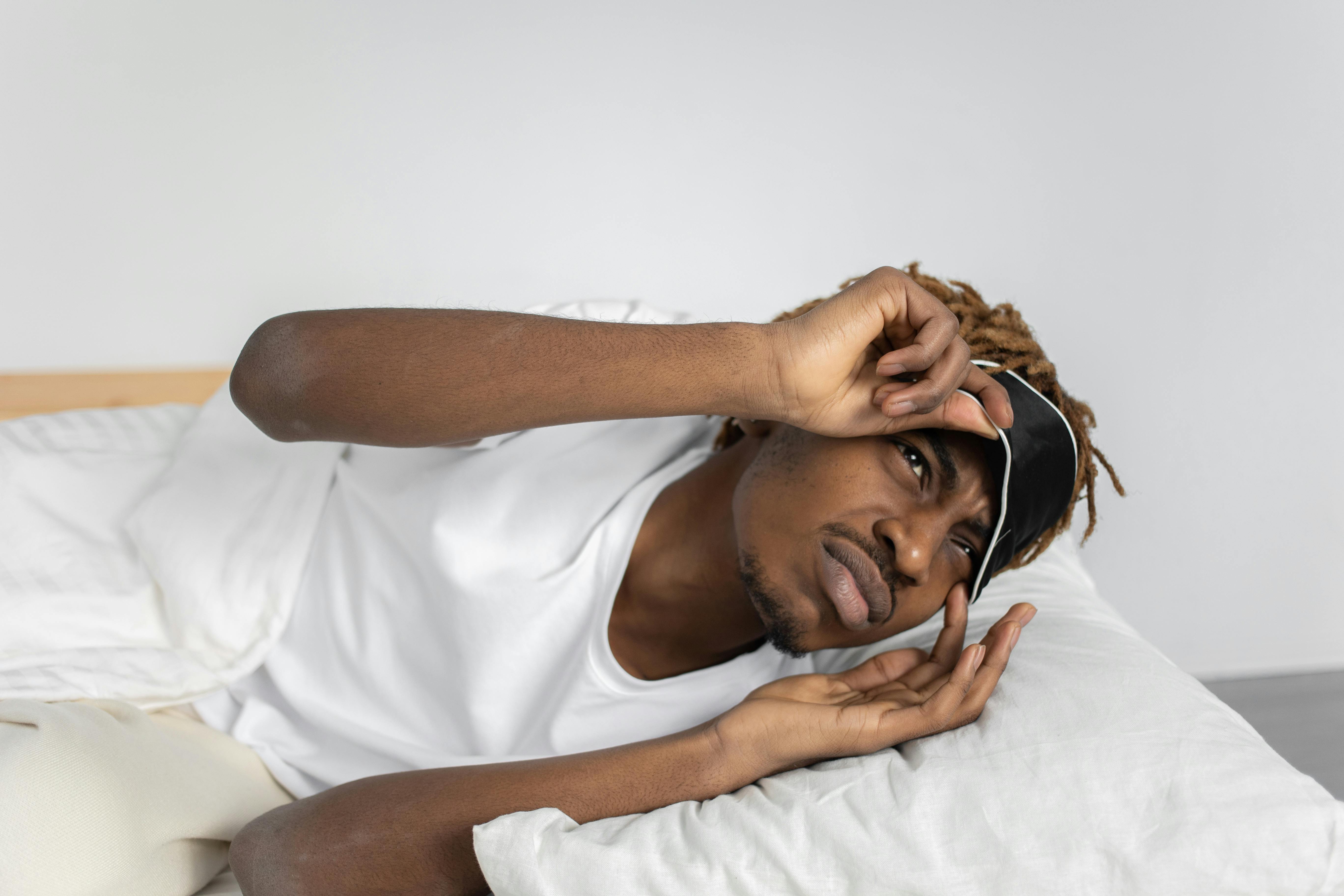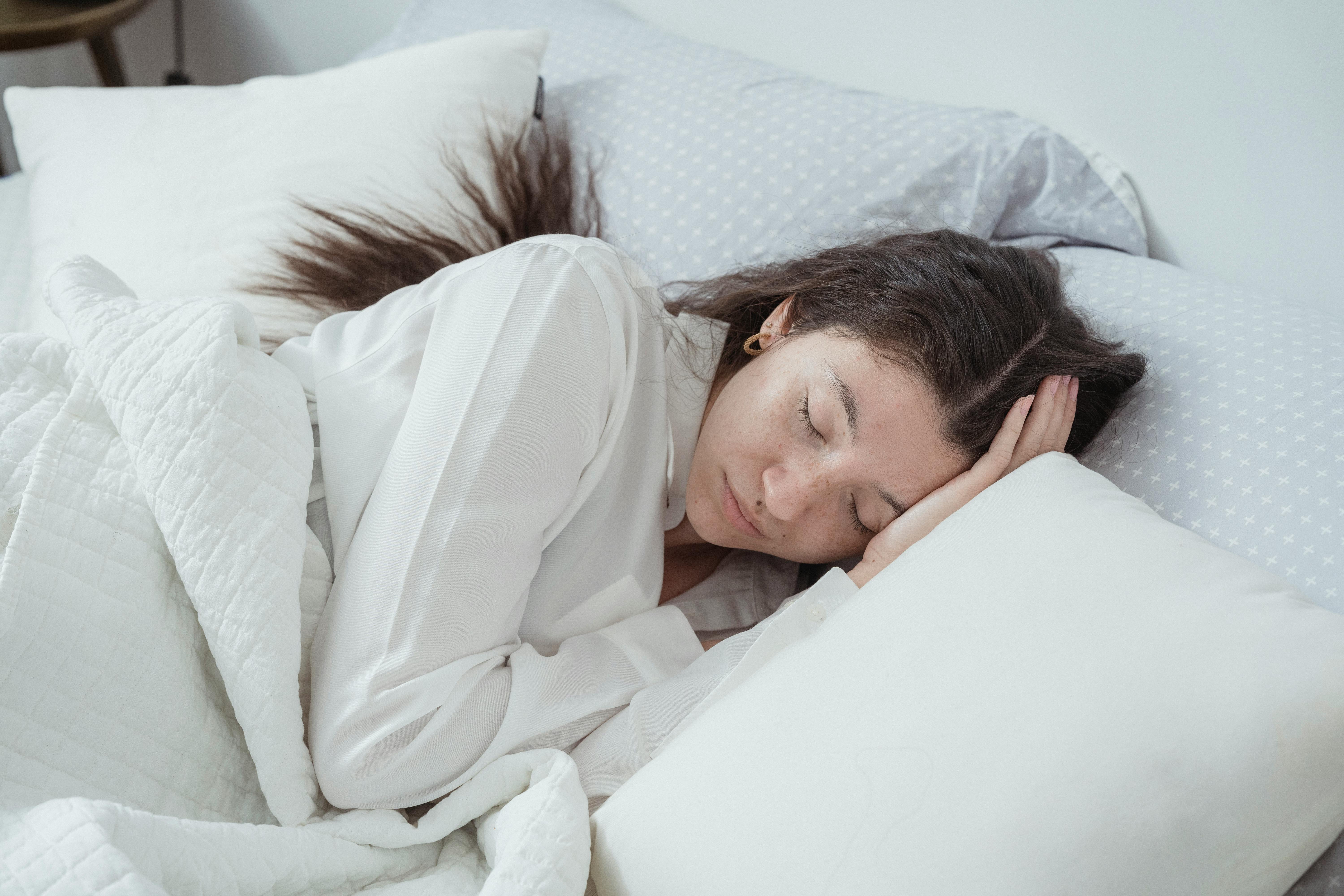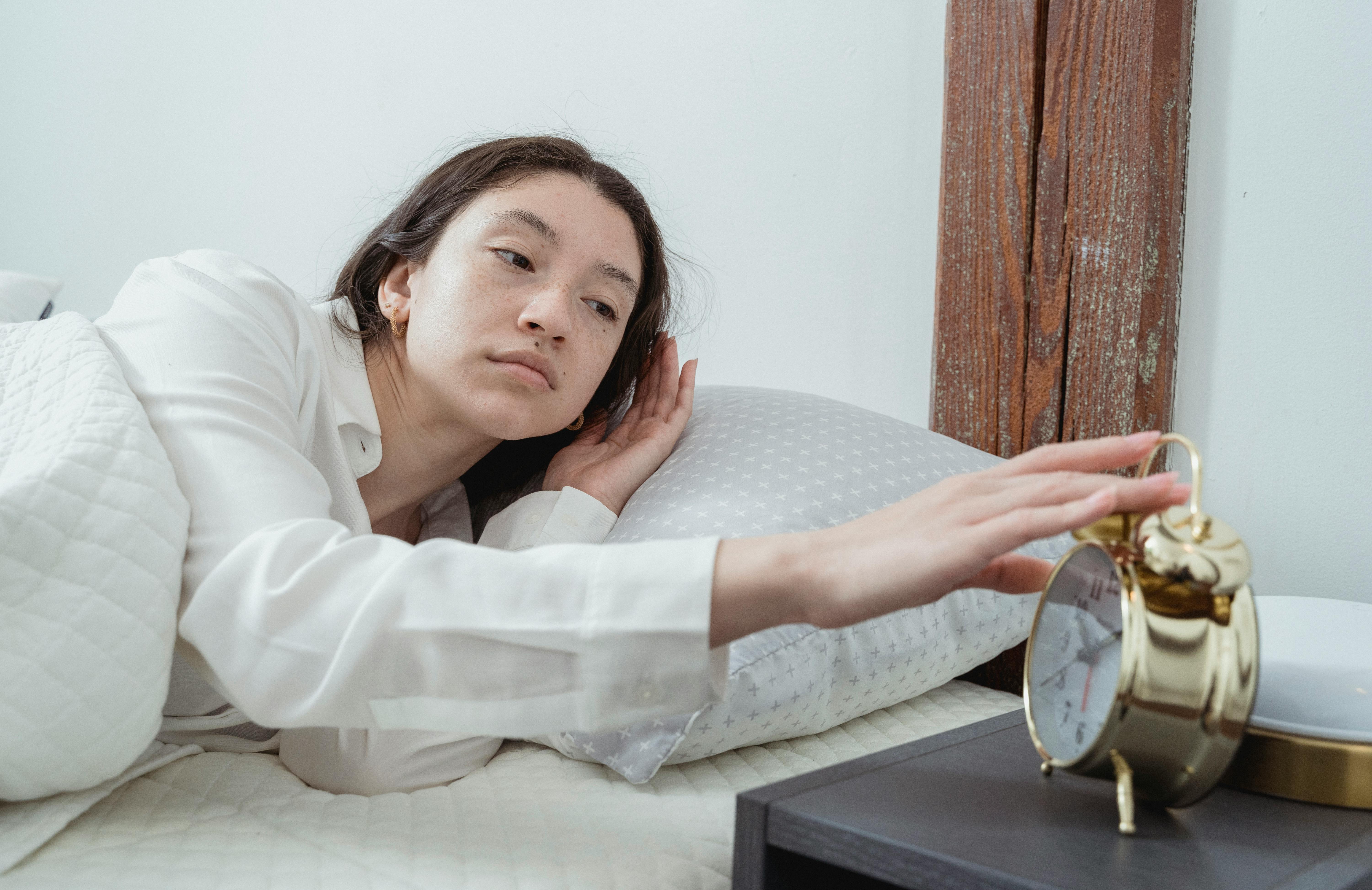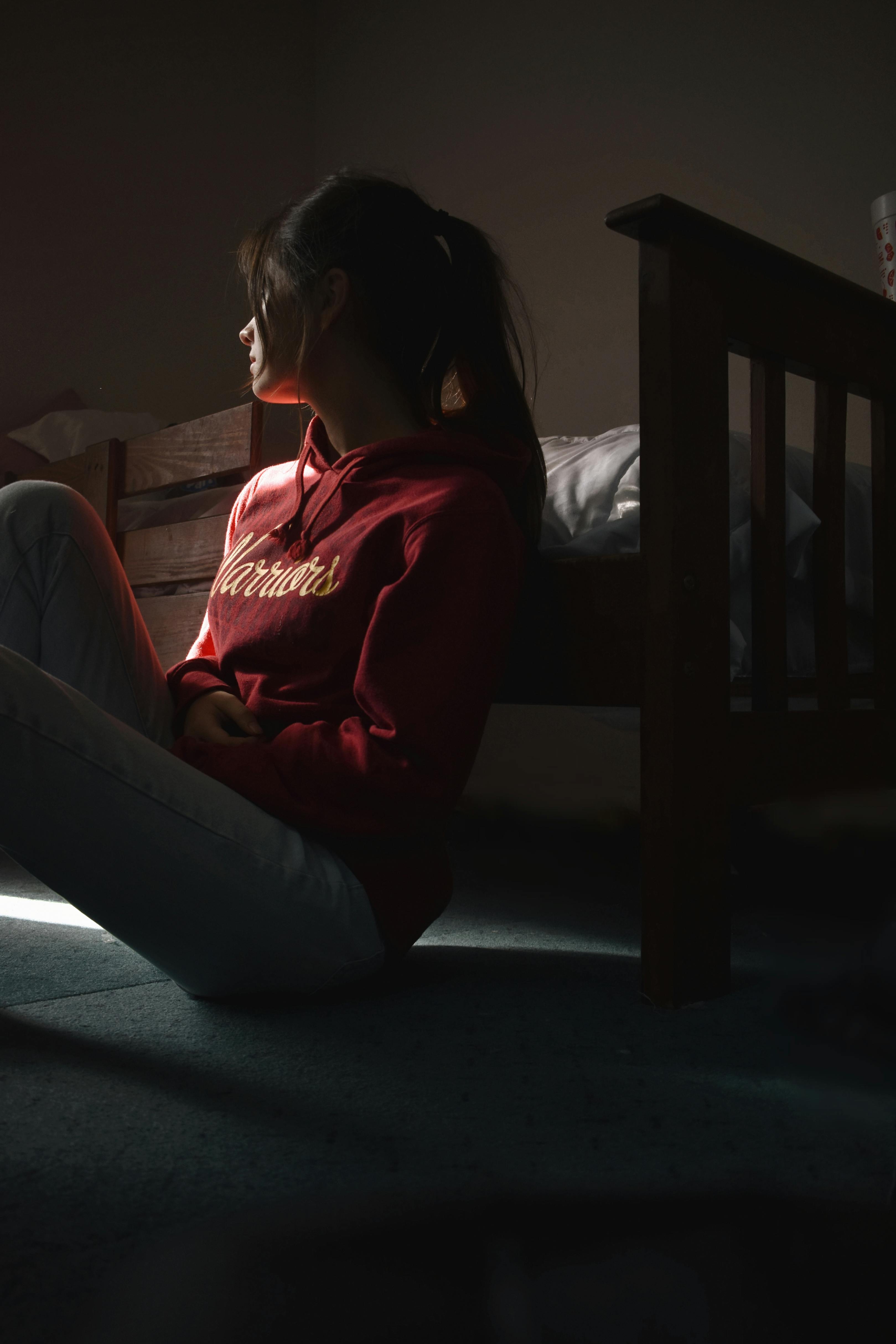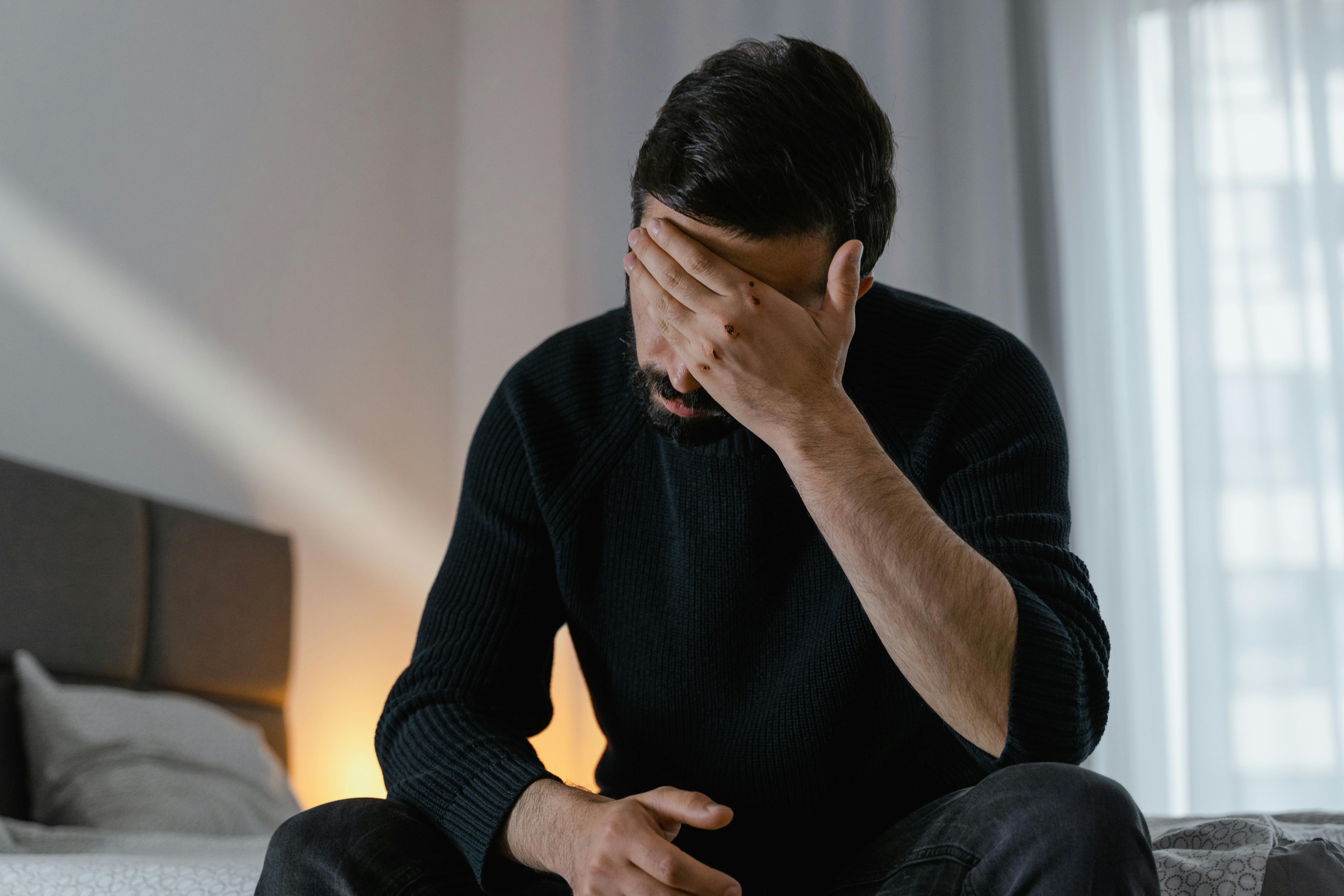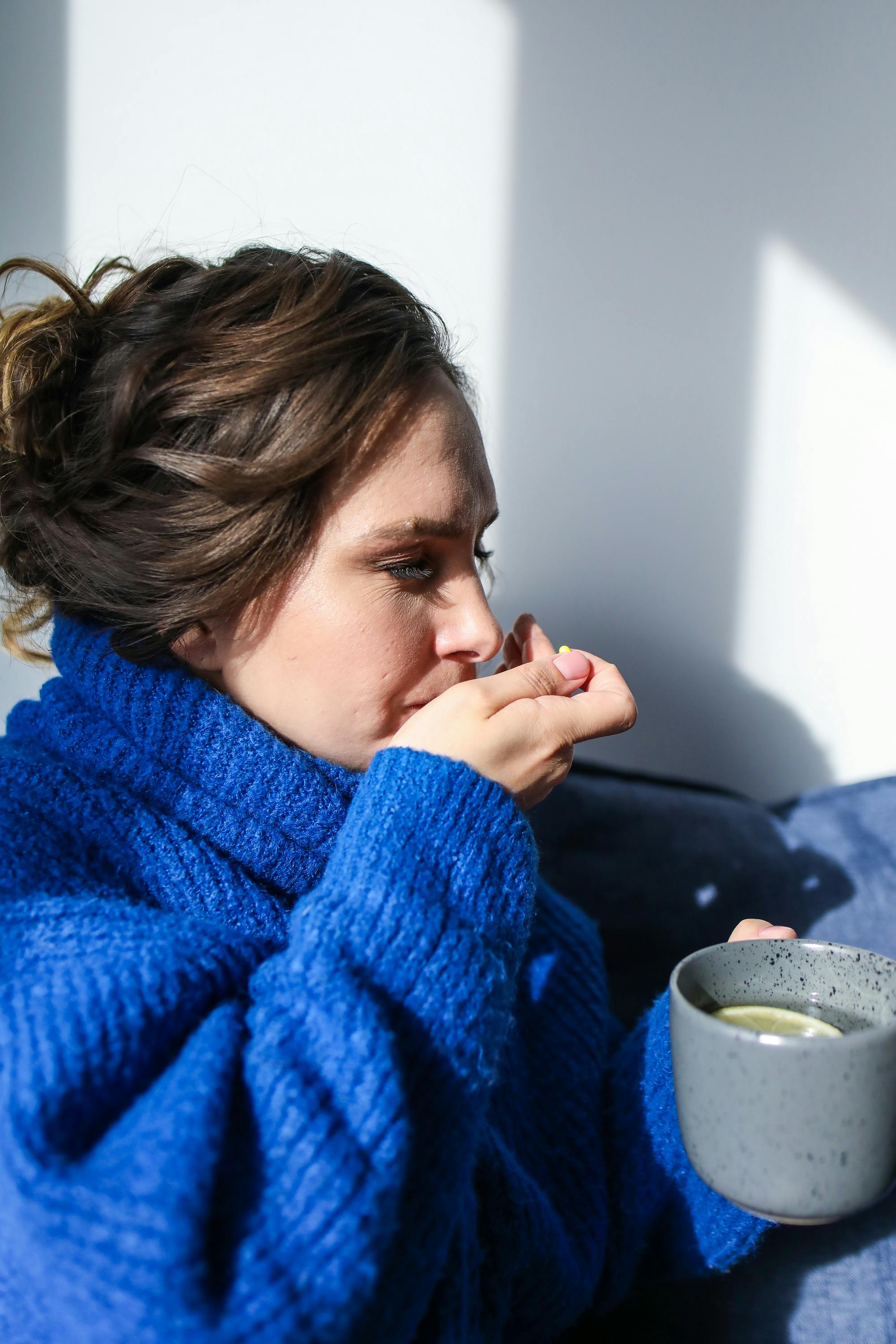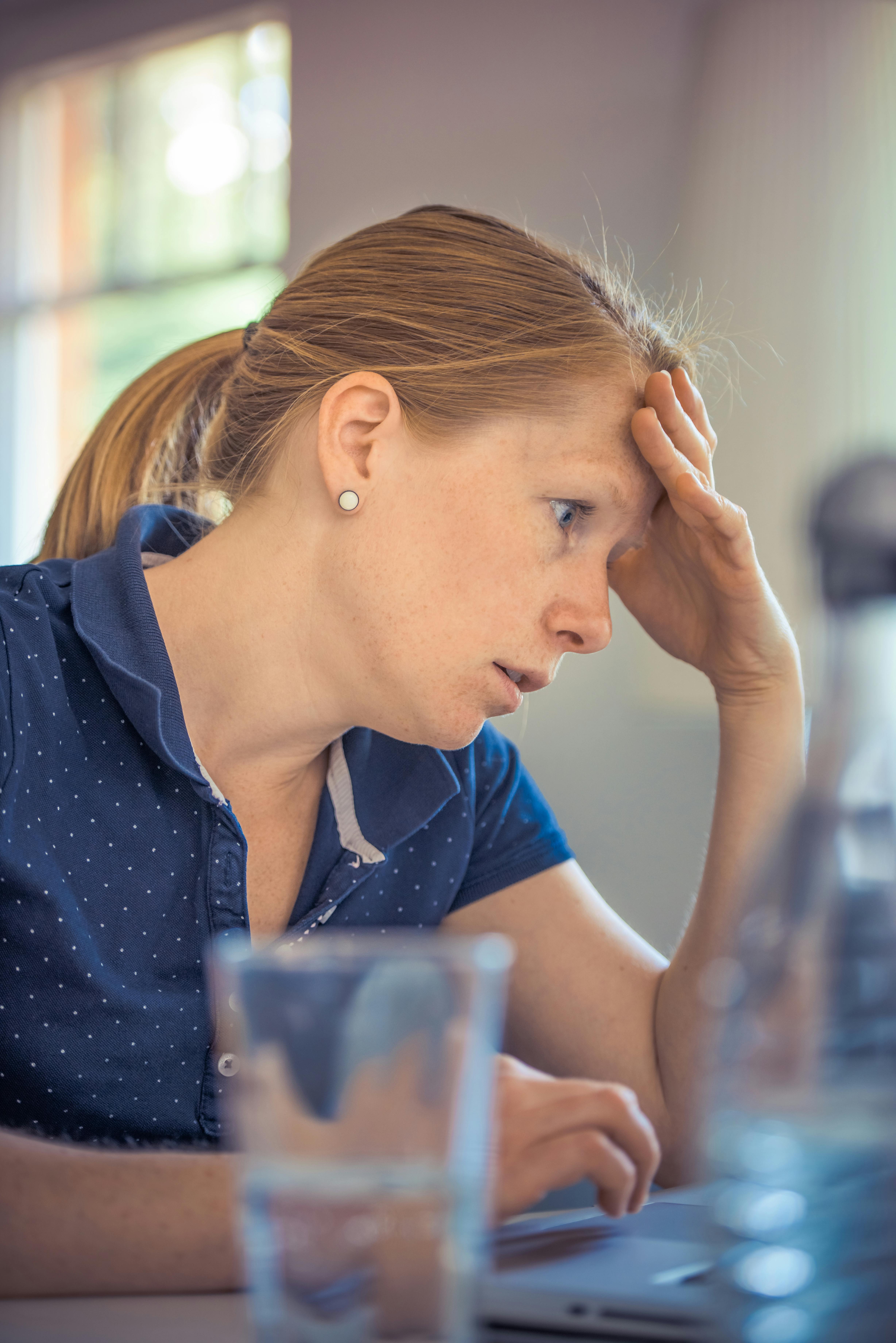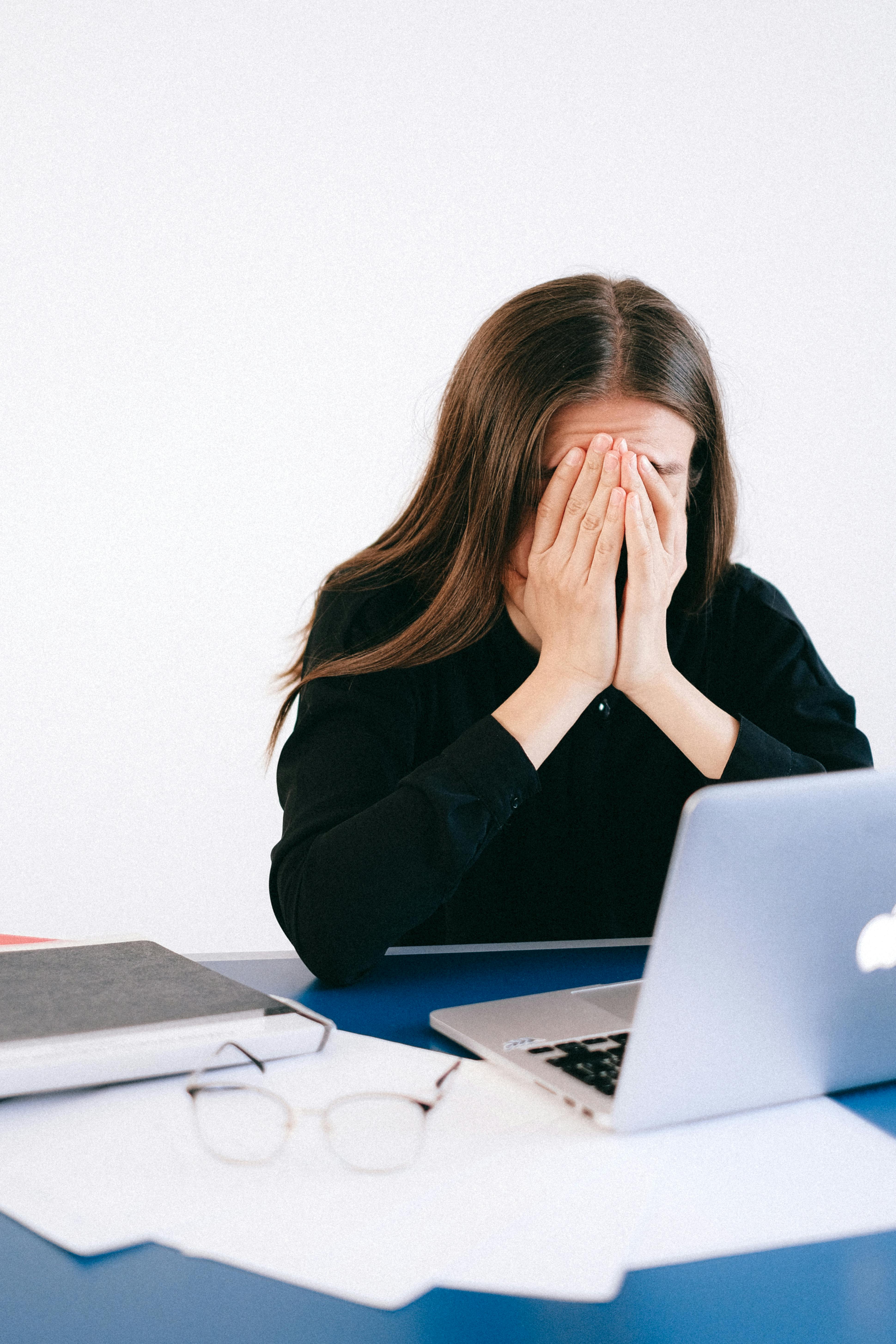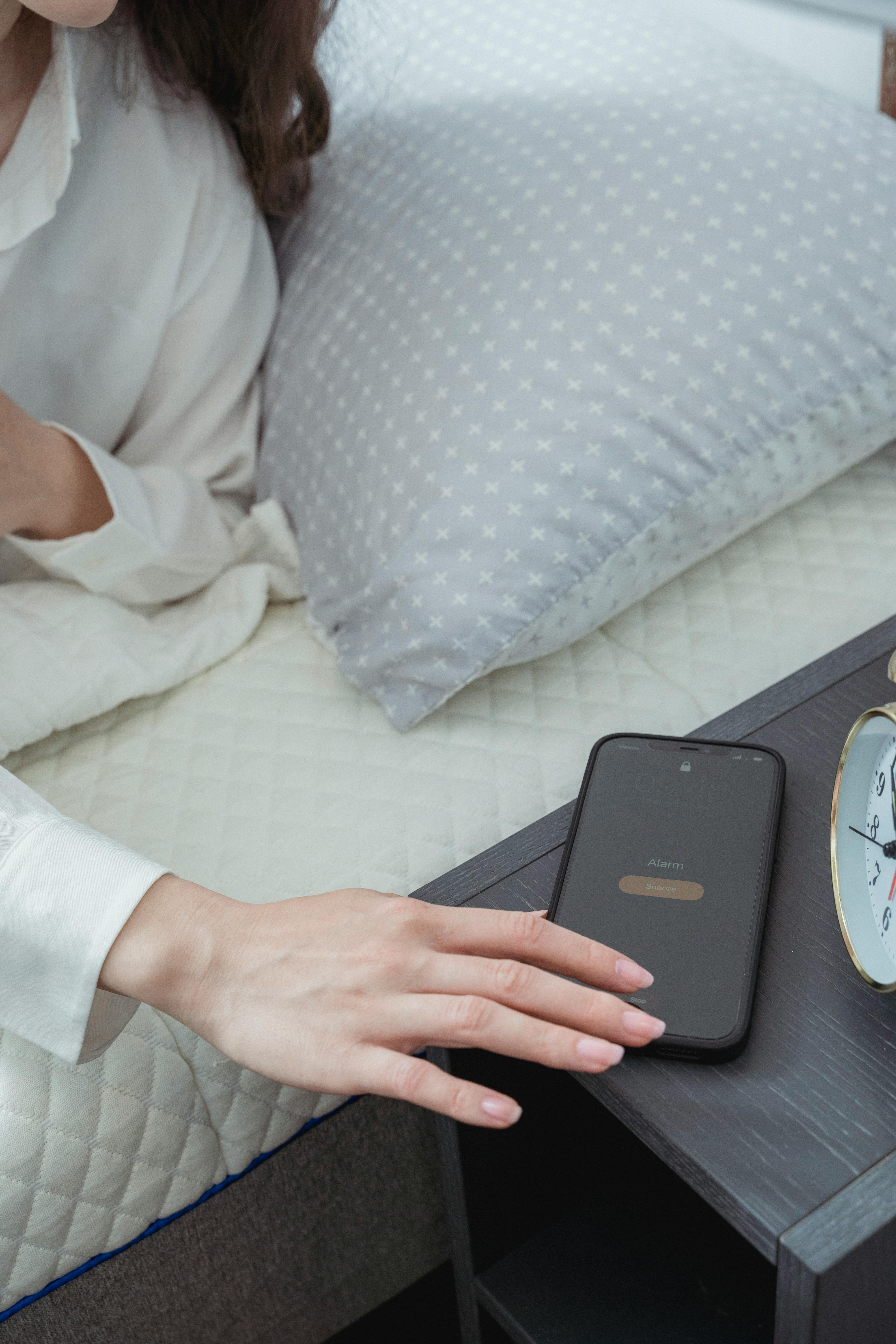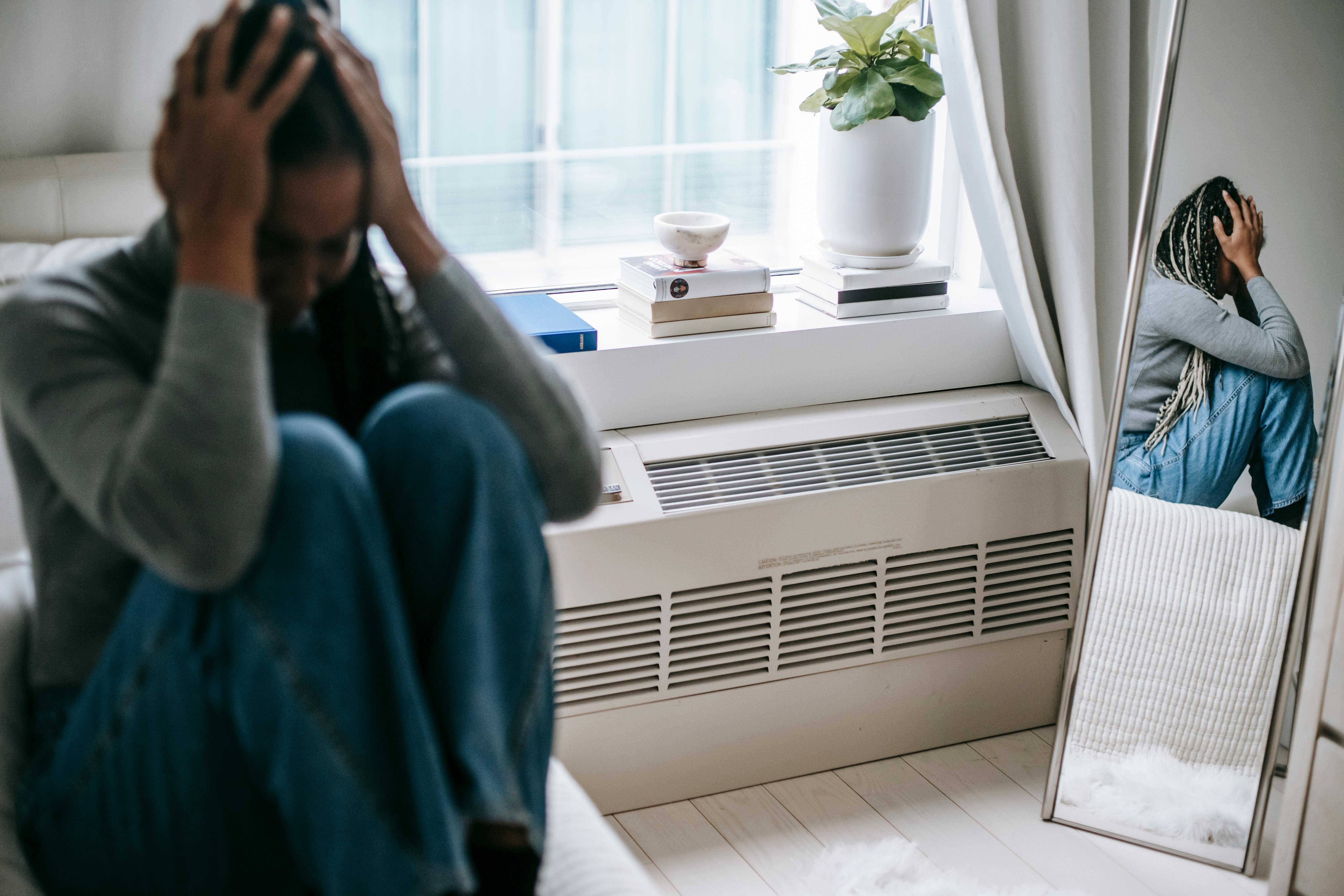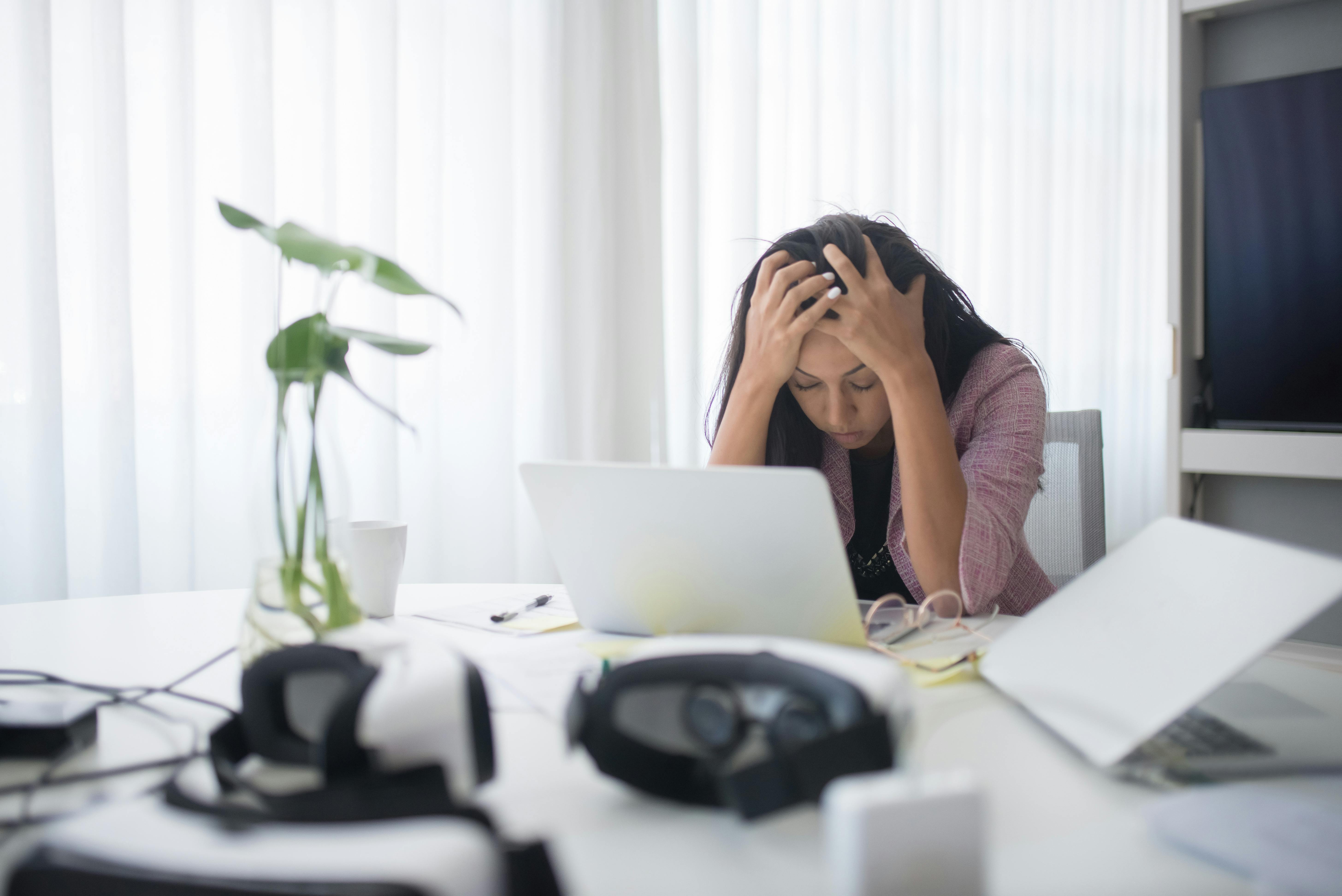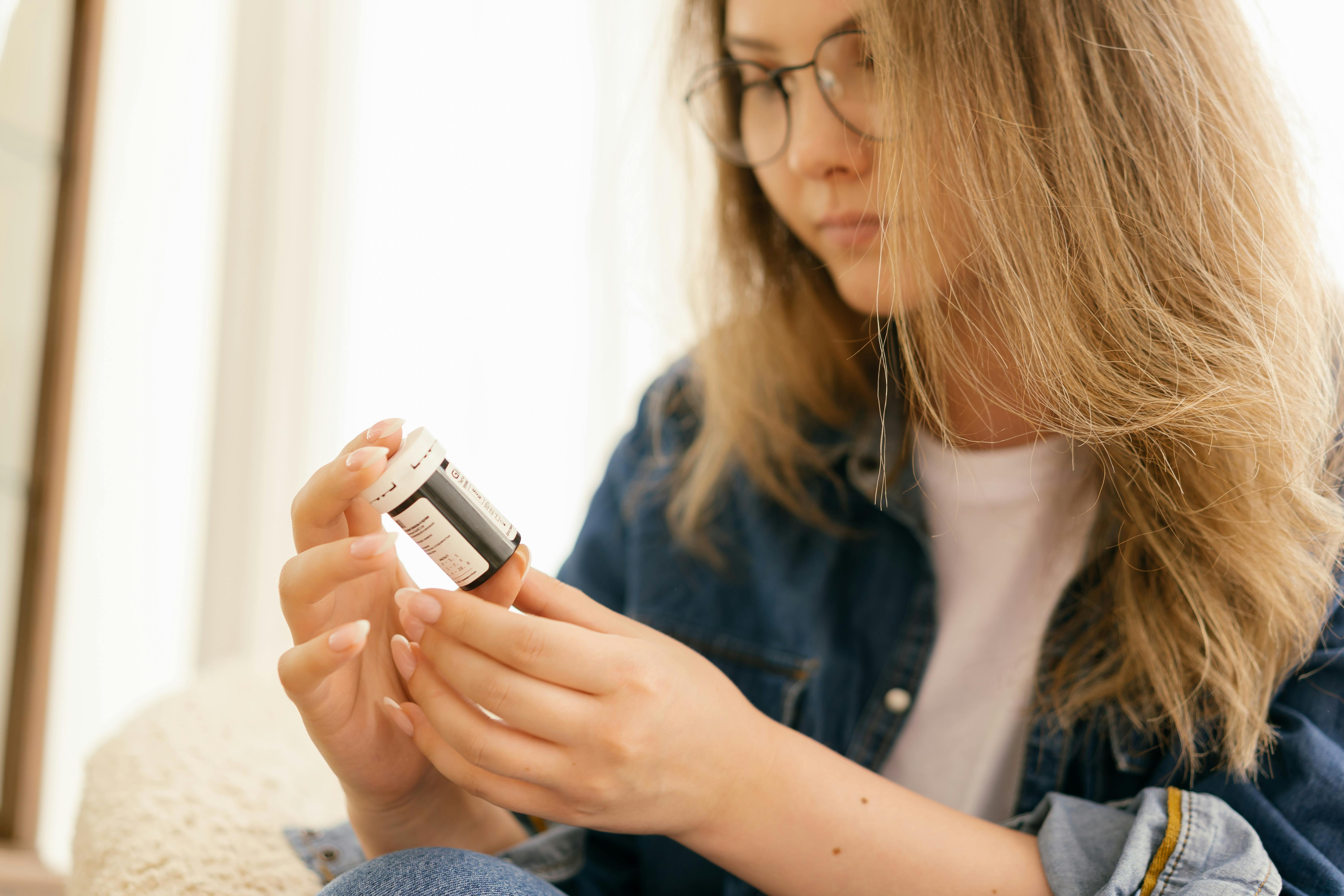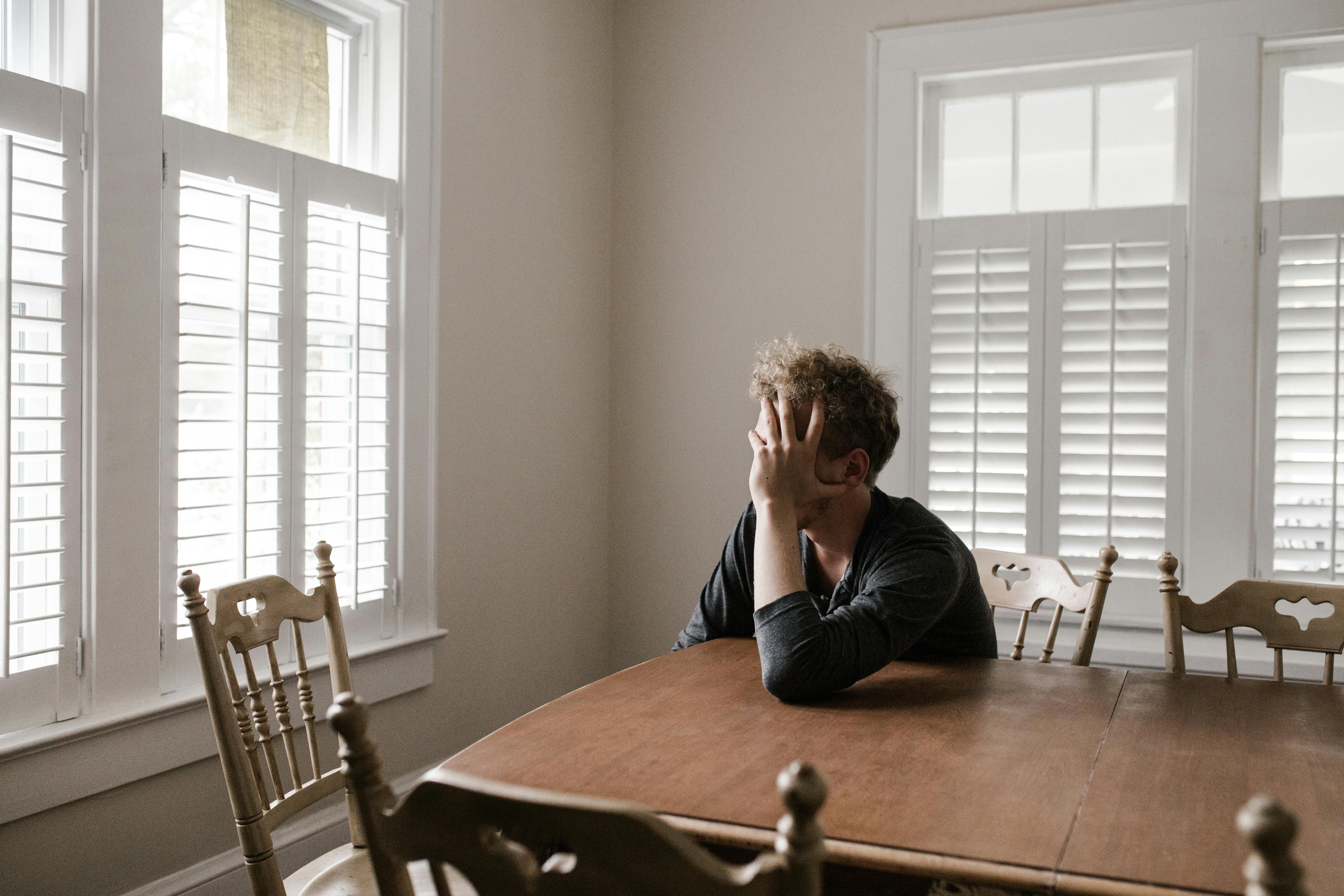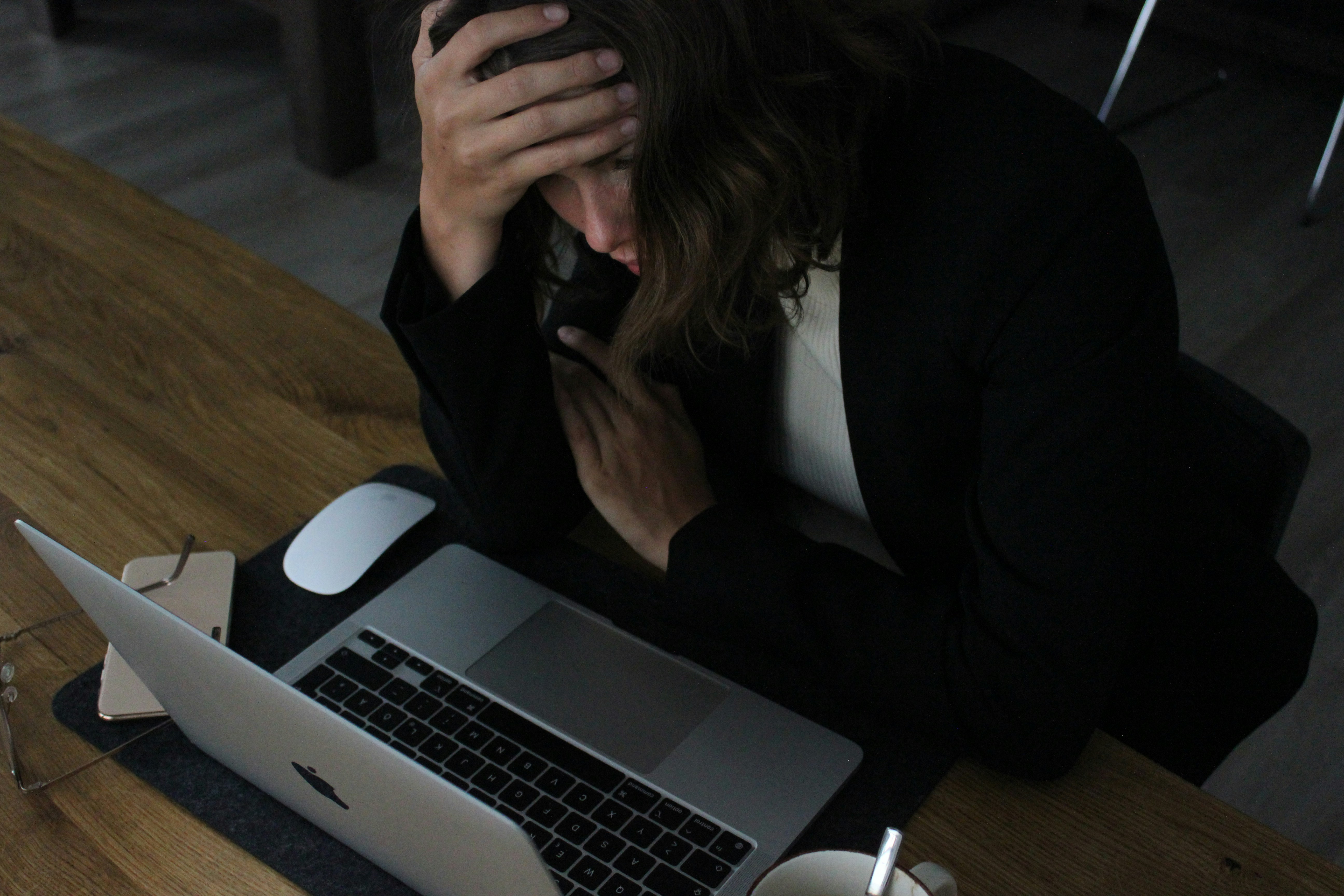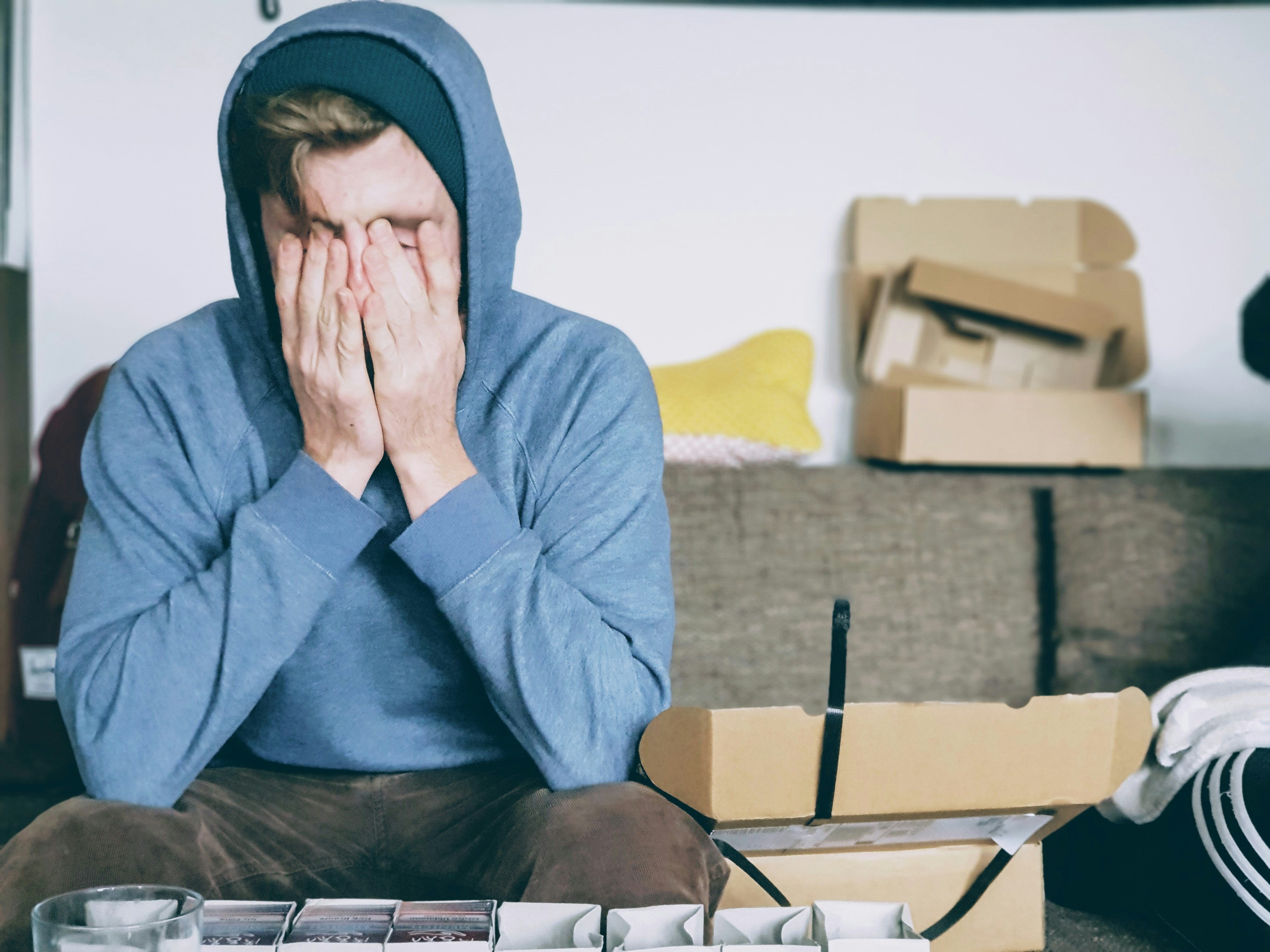

Nighttime anxiety is a common experience where feelings of worry, restlessness, or panic intensify in the evening hours, making it difficult to relax or fall asleep. While occasional nighttime worries can be normal, persistent anxiety at night can disrupt your sleep quality, affect your daytime functioning, and create a frustrating cycle that feels hard to break.
Understanding why anxiety peaks during nighttime hours can help you develop strategies to manage it and reclaim restful sleep.
Key Takeaways
Nighttime anxiety is common: Research suggests that anxiety symptoms often intensify in the evening due to biological, psychological, and environmental factors, affecting both people with diagnosed anxiety disorders and those without formal diagnoses.
Multiple factors contribute to nighttime anxiety: Decreased daytime distractions, disrupted circadian rhythms, rumination patterns, and physical factors like caffeine consumption all play a role in evening anxiety spikes.
Effective treatments exist: Evidence-based approaches, including cognitive behavioral therapy for insomnia (CBT-I), relaxation techniques, sleep hygiene improvements, and medication when appropriate, can significantly reduce nighttime anxiety symptoms.
What Is Nighttime Anxiety?
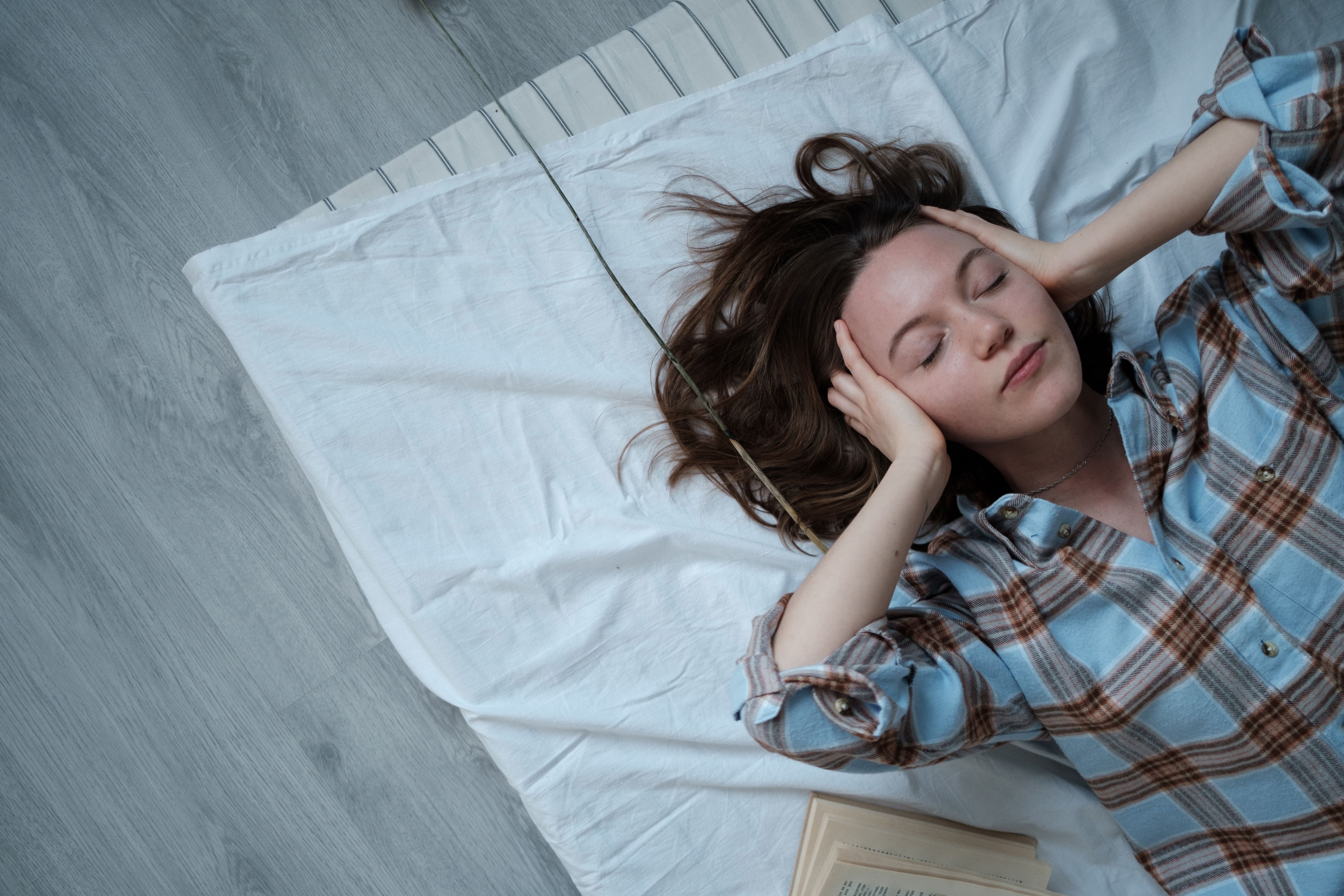
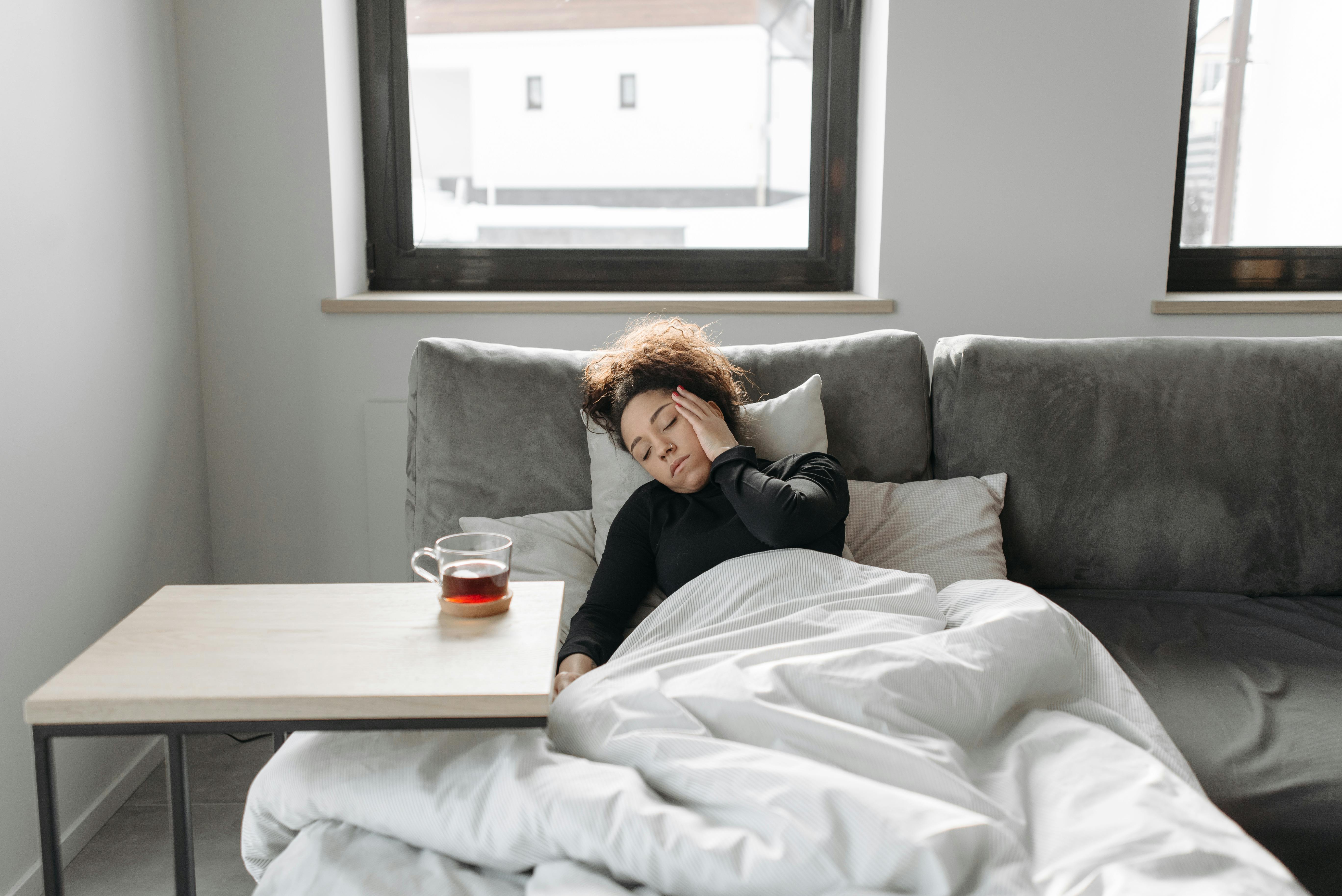
Nighttime anxiety refers to feelings of worry, fear, or nervousness that occur primarily or worsen during evening and nighttime hours. These symptoms can appear as you prepare for bed, while lying awake trying to sleep, or even wake you from sleep during the night.
Common symptoms of nighttime anxiety include:
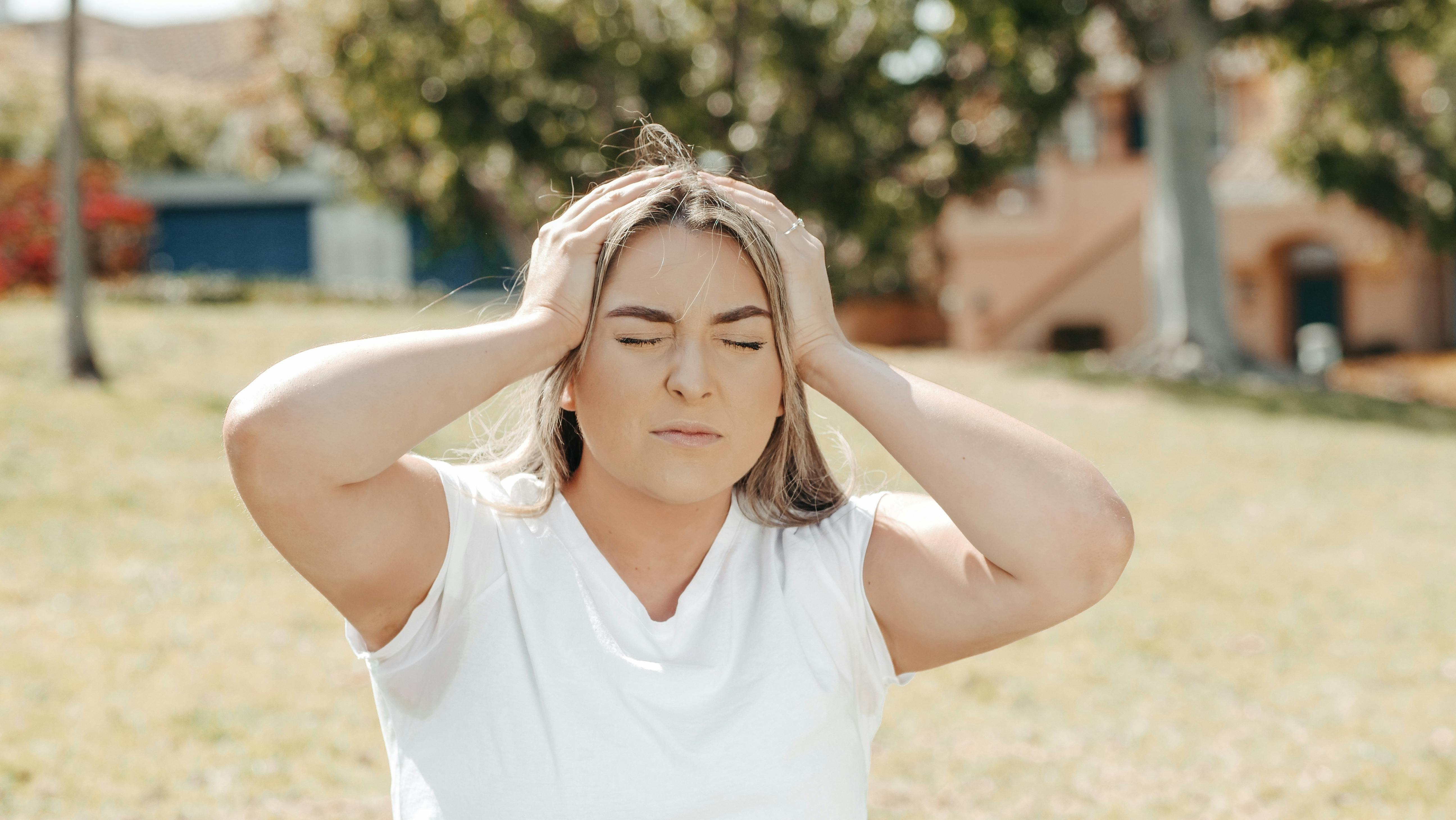
Racing thoughts that won't quiet down
Physical tension or restlessness in bed
Rapid heartbeat or breathing
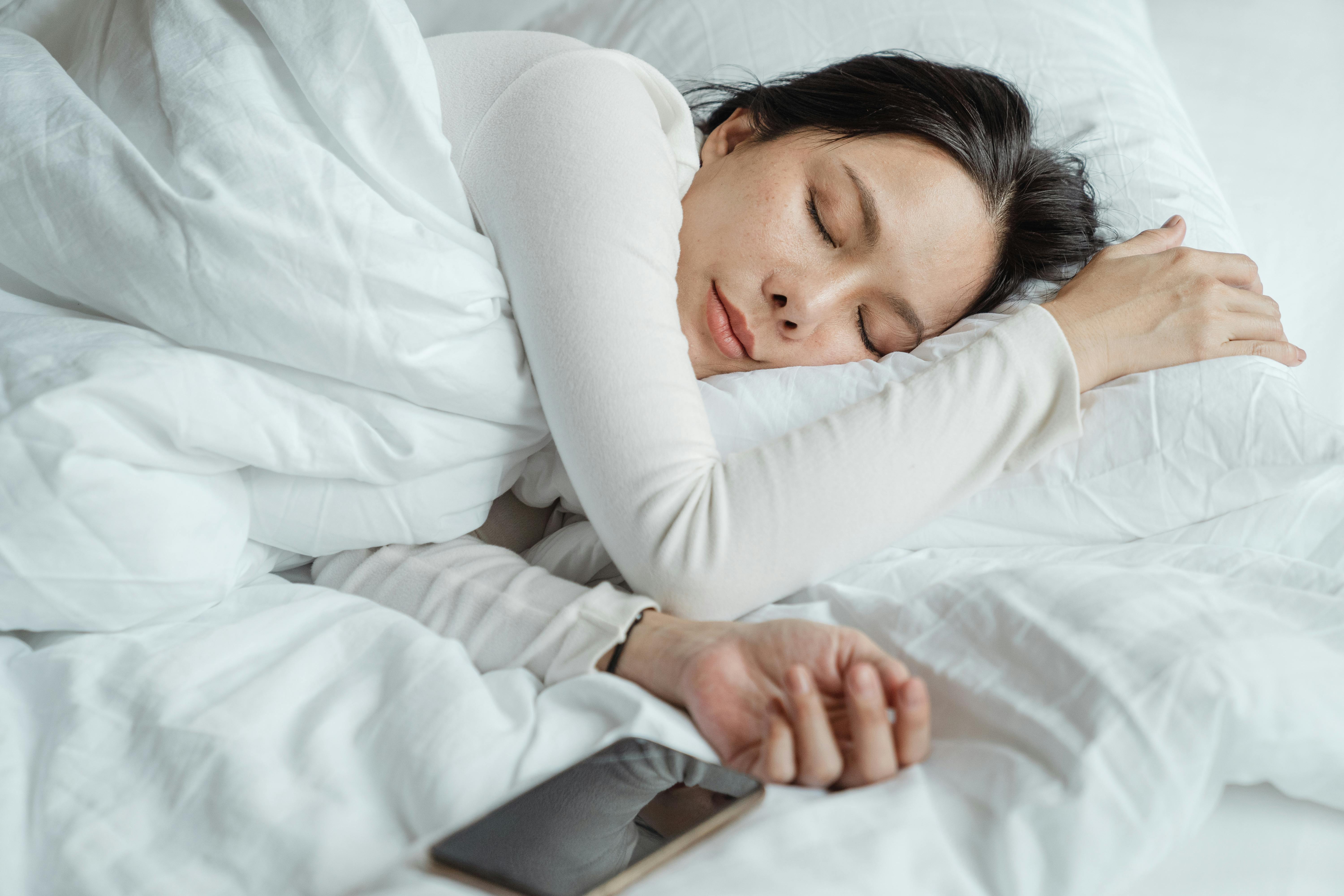
Difficulty falling or staying asleep
Worrying about not being able to sleep
Feeling on edge or unable to relax
Replaying conversations or events from the day
Catastrophizing about future events
Nighttime anxiety differs from general insomnia in that it's specifically characterized by anxious thoughts and feelings rather than just an inability to sleep. However, the two conditions often overlap and can reinforce each other in a frustrating cycle.
Why Anxiety Gets Worse at Night
Several biological, psychological, and environmental factors explain why anxiety tends to peak during nighttime hours. Understanding these mechanisms can help you identify which factors might be affecting you most.
Decreased External Distractions
During the day, work tasks, social interactions, and various activities keep your mind occupied. When these distractions disappear at night, there's more mental space for anxious thoughts to surface and amplify.
Research published in the journal Cognitive Therapy and Research found that reduced cognitive load in the evening allows intrusive thoughts to become more prominent. Without daytime activities competing for your attention, worries that were pushed aside during the day can feel overwhelming at night.
Circadian Rhythm and Cortisol Patterns
Your body's internal clock, or circadian rhythm, influences not just sleep but also hormone levels throughout the day. Cortisol, often called the stress hormone, typically peaks in the early morning and gradually decreases throughout the day.
However, disruptions to this natural pattern can contribute to nighttime anxiety. Studies have shown that people with anxiety disorders sometimes have altered cortisol rhythms, with levels remaining elevated into the evening hours when they should be declining. This biological dysregulation can make it harder to wind down naturally at night.
The Quiet Allows Rumination
The silence and stillness of nighttime create ideal conditions for rumination—repetitive, negative thinking patterns focused on problems, worries, or distressing experiences. Rumination can be a factor in both anxiety and depression, and the quiet evening hours provide fewer interruptions to these thought patterns.
Common rumination themes at night include:
Replaying embarrassing or stressful moments from the day
Worrying about upcoming events or responsibilities
Analyzing relationships or conversations
Dwelling on past mistakes or regrets
Catastrophizing about worst-case scenarios
Sleep Anticipation Anxiety
For many people, anxiety about sleep itself becomes a primary problem. If you've experienced several nights of poor sleep due to anxiety, you may develop anticipatory anxiety about bedtime—worrying about whether you'll be able to fall asleep creates tension that makes sleep even more difficult.
This creates what sleep researchers call "psychophysiological insomnia," where learned associations between the bedroom and wakefulness perpetuate sleep problems.
Physical Factors and Lifestyle Habits
Several daytime habits and physical factors can contribute to nighttime anxiety:
Caffeine consumption: Caffeine has a half-life of about 5-6 hours, meaning that afternoon coffee or tea can still affect your system at bedtime. Studies show that caffeine can increase anxiety symptoms and interfere with sleep quality, particularly in caffeine-sensitive people.
Evening screen time: Blue light from phones, tablets, and computers suppresses melatonin production, the hormone that promotes sleep. Research found that evening screen exposure not only delays sleep onset but can also increase arousal and anxiety.
Irregular sleep schedules: Going to bed at different times disrupts your circadian rhythm, making it harder for your body to establish consistent sleep patterns. This irregularity can exacerbate anxiety symptoms.
Alcohol consumption: While alcohol might initially make you feel sleepy, it disrupts sleep architecture later in the night and can increase anxiety as it's metabolized.
Underlying Anxiety or Mood Disorders
People with diagnosed anxiety disorders—including generalized anxiety disorder, panic disorder, social anxiety disorder, or post-traumatic stress disorder—often experience worsening symptoms at night. Similarly, depression frequently includes sleep disturbances and nighttime anxiety as prominent symptoms.
According to research in Dialogues in Clinical Neuroscience, there's a bidirectional relationship between anxiety disorders and sleep problems. Anxiety can cause sleep difficulties, while poor sleep can worsen anxiety symptoms, creating a self-perpetuating cycle.
Medical Conditions That Can Contribute to Nighttime Anxiety
Several medical conditions can either cause or worsen anxiety symptoms at night. If you're experiencing persistent nighttime anxiety, it's important to rule out underlying health issues.
Sleep Disorders
Sleep apnea: This condition causes breathing to repeatedly stop and start during sleep, triggering the body's stress response. Research shows that obstructive sleep apnea is associated with increased anxiety, and the sleep fragmentation it causes can worsen anxiety symptoms.
Restless leg syndrome: The uncomfortable sensations and urge to move your legs can make it difficult to relax at bedtime, increasing anxiety and frustration about sleep.
Narcolepsy: Disrupted sleep-wake cycles associated with narcolepsy can contribute to anxiety symptoms, particularly around sleep.
Hormonal Imbalances
Thyroid disorders: Both hyperthyroidism (overactive thyroid) and hypothyroidism (underactive thyroid) can affect anxiety levels and sleep patterns. Studies published in Thyroid Research indicate that thyroid dysfunction commonly presents with anxiety symptoms.
Perimenopause and menopause: Hormonal fluctuations during these transitions can cause night sweats, sleep disruptions, and increased anxiety. Research suggests that up to 40% of women experience sleep problems during perimenopause.
Chronic Health Conditions
Chronic pain, cardiovascular conditions, respiratory problems, and gastrointestinal disorders can all interfere with sleep and increase nighttime anxiety. The discomfort from these conditions often becomes more noticeable at night when there are fewer distractions.
Treatment for Night Anxiety
Addressing nighttime anxiety typically requires a multi-faceted approach that targets both the anxiety symptoms and the sleep difficulties they create.
Cognitive Behavioral Therapy for Insomnia (CBT-I)
CBT-I is considered the gold standard treatment for chronic insomnia and has been shown to effectively reduce both sleep problems and associated anxiety. Research published in JAMA Psychiatry found that CBT-I not only improved sleep but also reduced symptoms of anxiety and depression.
Key components of CBT-I include:
Stimulus control: Strengthening the association between your bed and sleep by using the bedroom only for sleep and intimacy
Sleep restriction: Temporarily limiting time in bed to match actual sleep time, then gradually increasing it
Cognitive restructuring: Identifying and challenging anxious thoughts about sleep
Relaxation training: Learning techniques to reduce physical and mental arousal
Relaxation and Mindfulness Techniques
Several evidence-based relaxation methods can help reduce nighttime anxiety:
Progressive muscle relaxation: This technique involves systematically tensing and relaxing different muscle groups.
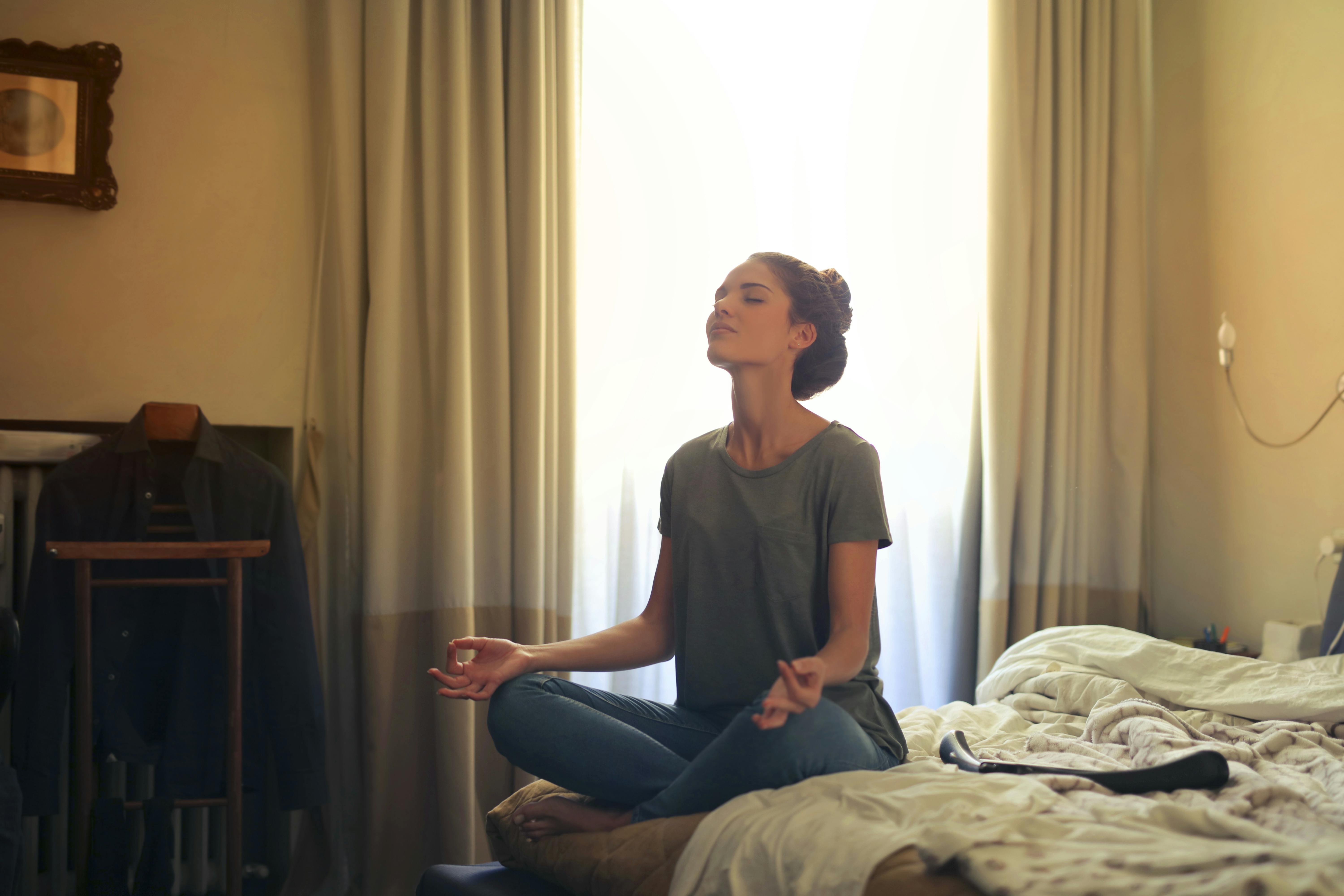
Deep breathing exercises: Slow, diaphragmatic breathing activates the parasympathetic nervous system, which promotes relaxation.
Mindfulness meditation: Practicing mindfulness helps you observe anxious thoughts without judgment.
Guided imagery: Visualizing calming scenes or experiences can redirect your mind from anxious thoughts and promote relaxation.
Sleep Hygiene Improvements
Optimizing your sleep environment and habits can significantly impact nighttime anxiety:
Maintain a consistent sleep schedule: Going to bed and waking up at the same time daily helps regulate your circadian rhythm
Create a calming bedroom environment: Keep your room cool, dark, and quiet
Develop a relaxing bedtime routine: Engage in calming activities for 30-60 minutes before bed
Limit screen time: Avoid electronic devices for at least one hour before sleep
Watch caffeine intake: Avoid caffeine after mid-afternoon
Limit alcohol: Especially in the hours before bedtime
Exercise regularly: But complete vigorous workouts at least 3-4 hours before bed
Journaling and Worry Time
Setting aside dedicated time earlier in the evening to process worries can prevent them from intruding at bedtime. Research suggests that expressive writing about concerns can reduce intrusive thoughts at night.
Try designating a "worry period" 2-3 hours before bed, where you write down concerns and potential solutions. This scheduled time for processing worries can help contain them rather than having them surface when you're trying to sleep.
When to Consider Professional Help
While self-help strategies can be effective for mild to moderate nighttime anxiety, professional treatment may be necessary if:
Nighttime anxiety persists for more than a few weeks despite trying self-help strategies
Sleep problems are significantly affecting your daytime functioning
You experience panic attacks at night
Anxiety is accompanied by depression or thoughts of self-harm
You suspect an underlying sleep disorder like sleep apnea
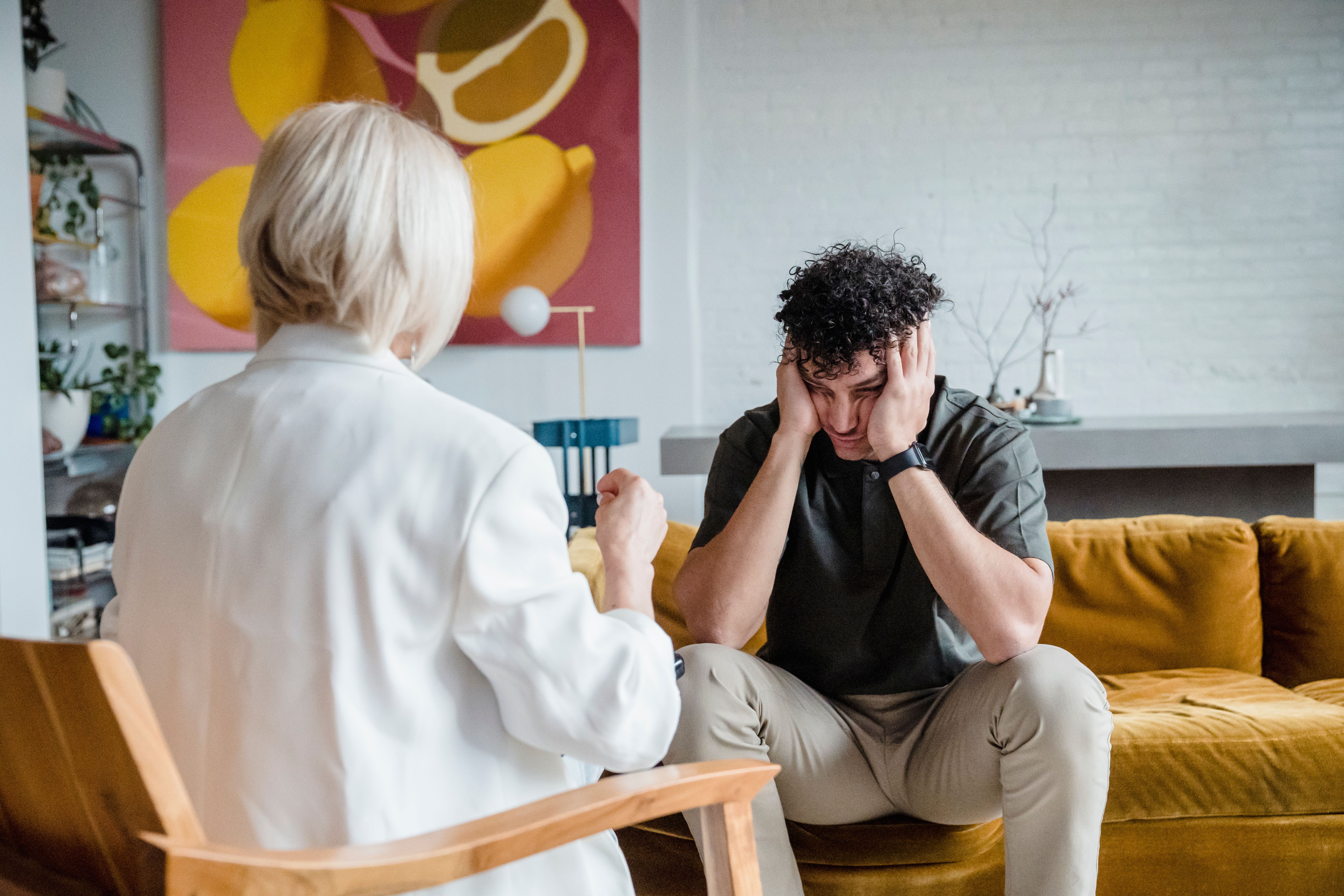
Mental health professionals can offer several evidence-based treatments:
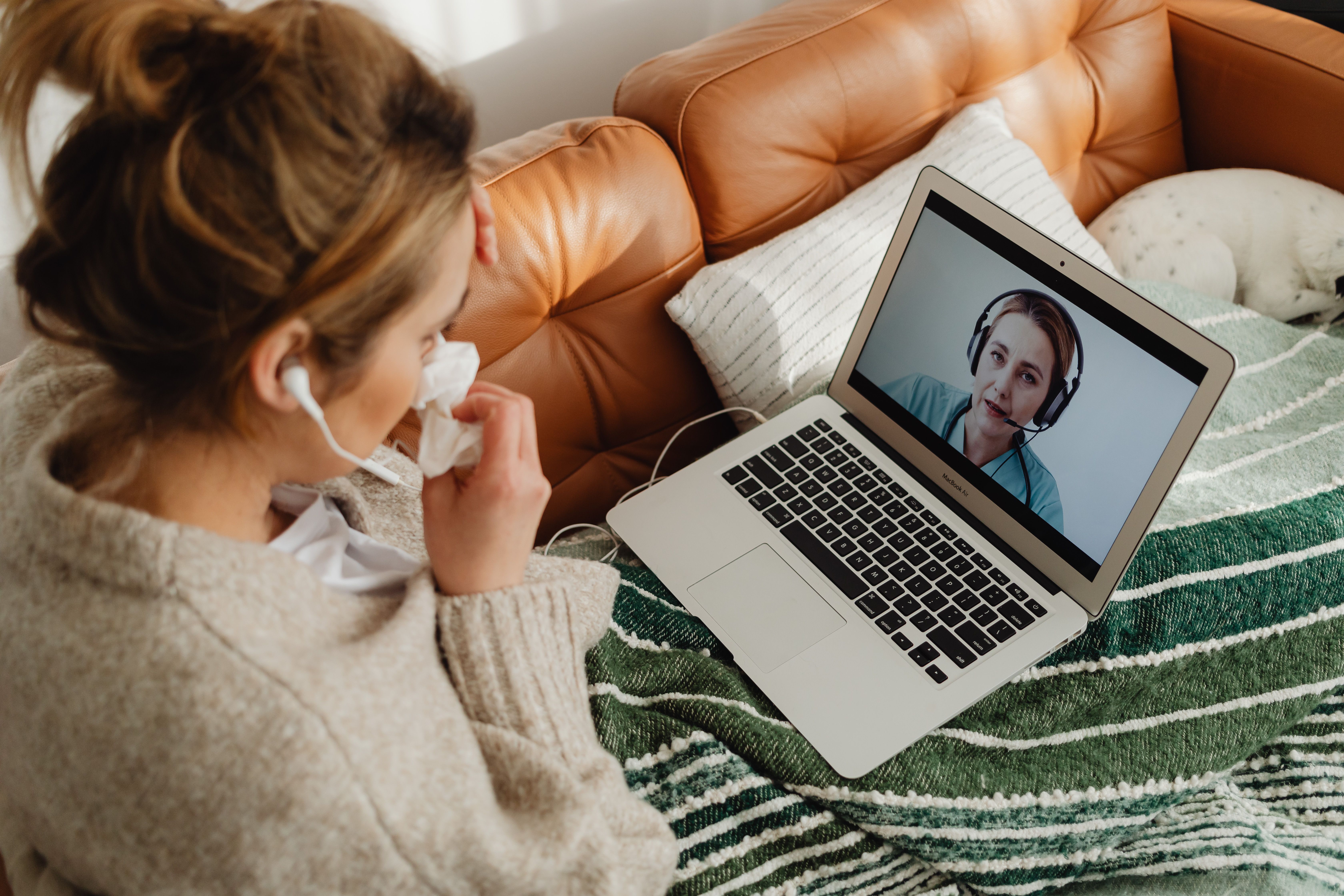
Therapy options: Cognitive behavioral therapy (CBT), acceptance and commitment therapy (ACT), and other therapeutic approaches can address the underlying anxiety while also targeting sleep-specific concerns.
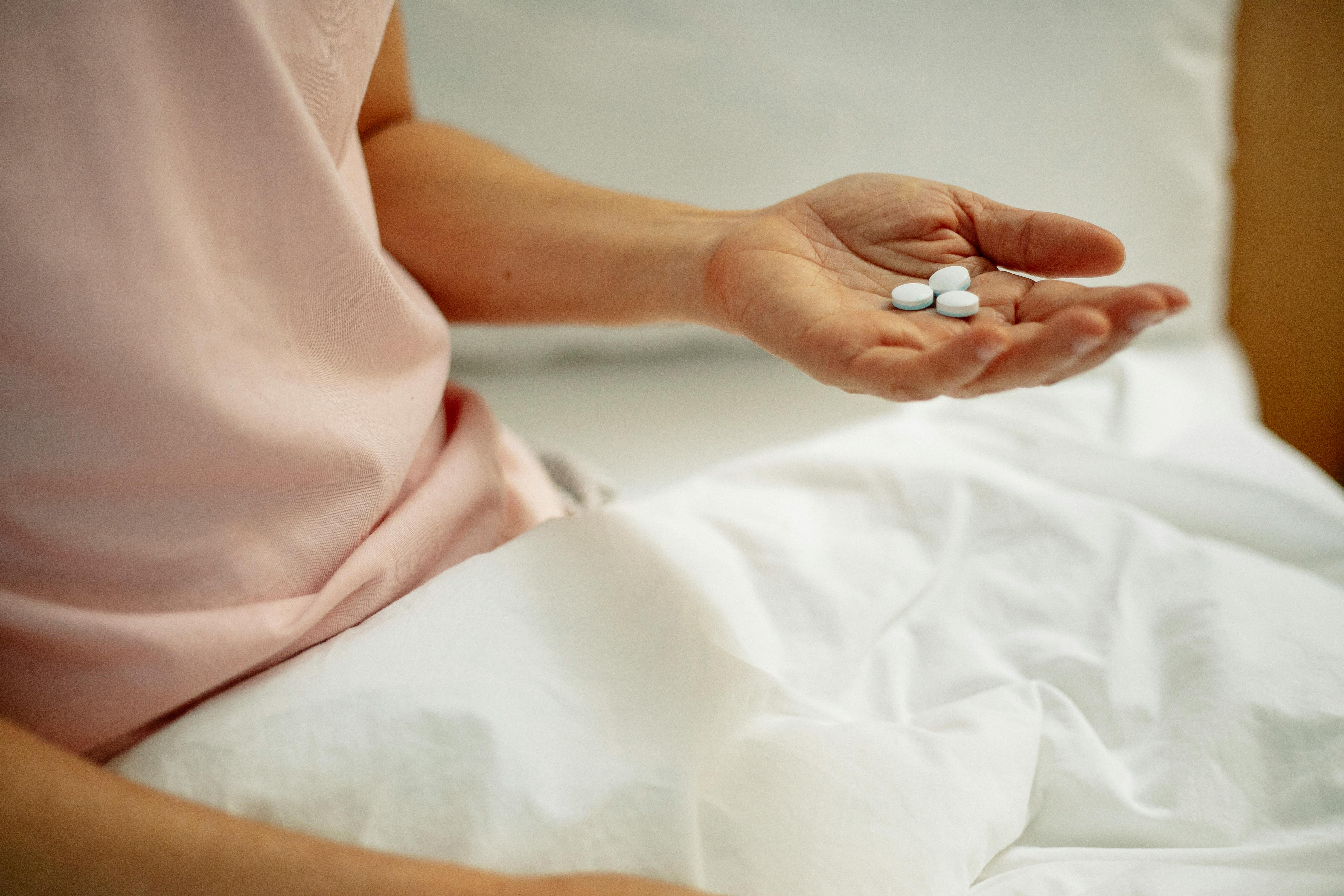
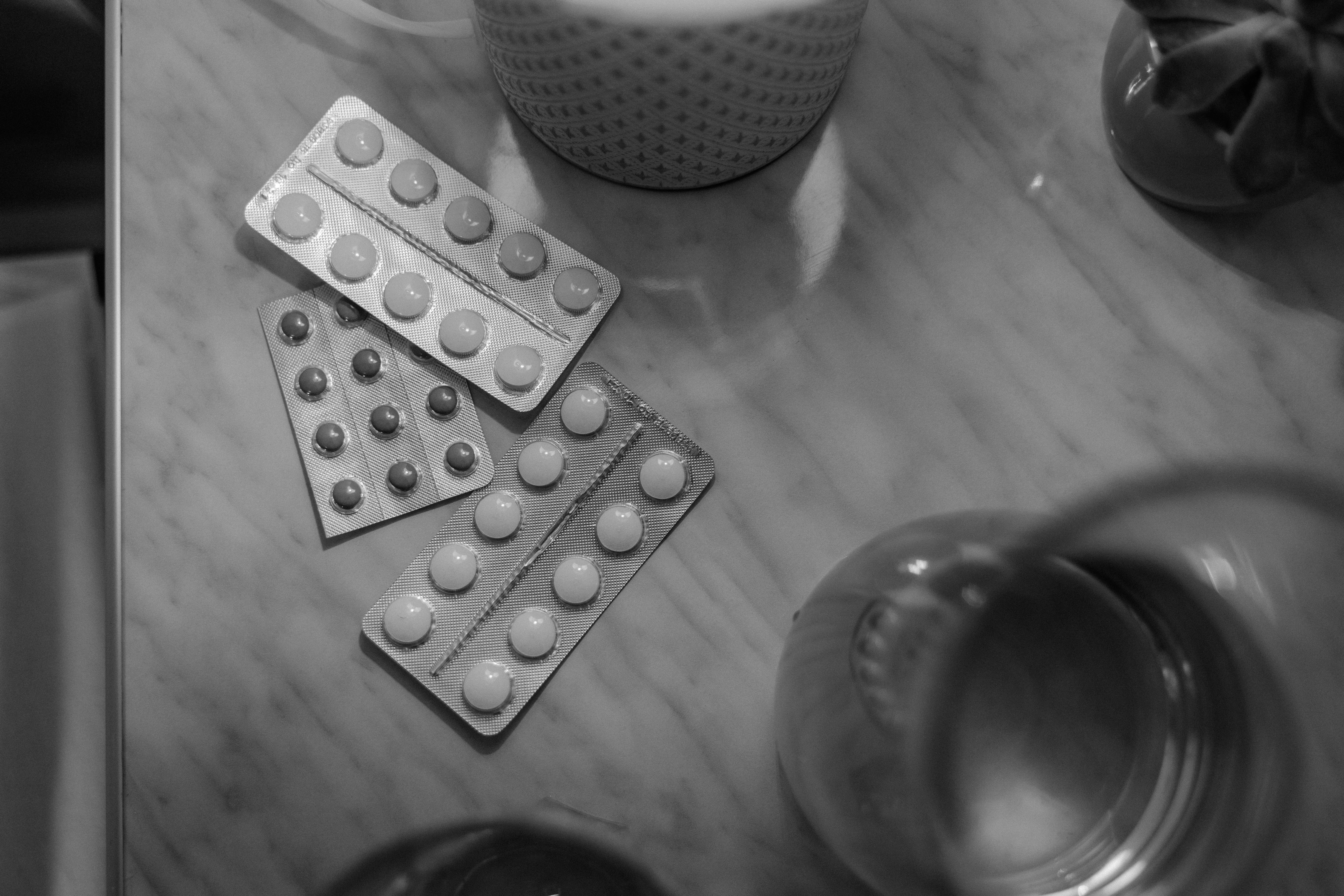
Medication management: In some cases, medication prescribed by a psychiatrist or other healthcare provider may be appropriate. Options might include SSRIs or SNRIs for underlying anxiety disorders, or short-term use of sleep aids under medical supervision.
Medical Disclaimer
This article is for informational purposes only and is not a substitute for professional medical advice, diagnosis, or treatment. Always seek the advice of your physician or other qualified healthcare provider with any questions you may have regarding a medical condition. If you are experiencing a mental health crisis, contact the 988 Suicide and Crisis Lifeline by calling or texting 988, or seek immediate emergency care.