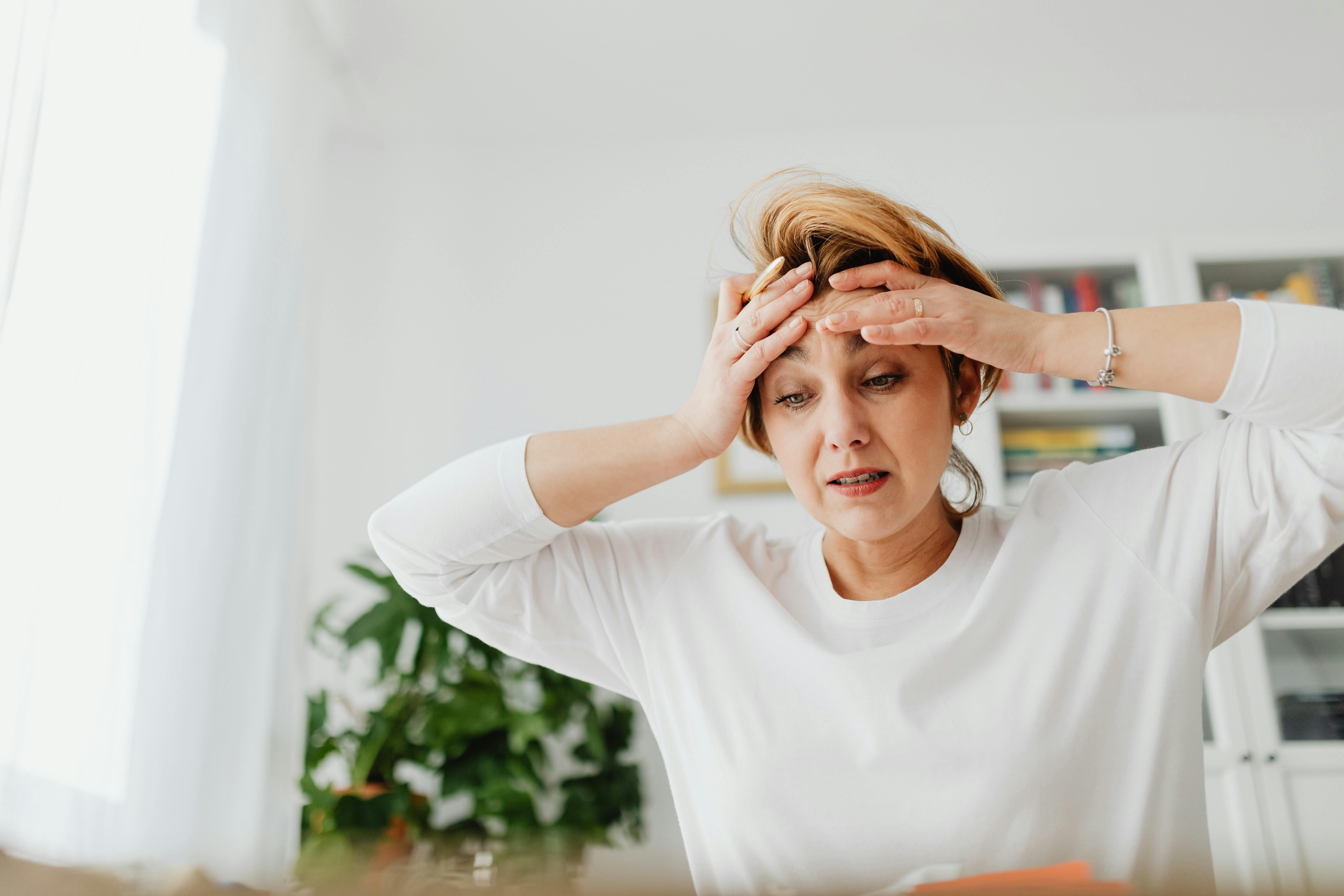

Anxiety hives, also known as stress hives or stress rash, are raised, itchy welts that appear on the skin in response to psychological stress or anxiety. While hives are commonly associated with allergic reactions, emotional stress can trigger a similar physical response, causing red, swollen bumps that can appear anywhere on the body, although not everyone reacts in this way.
Understanding the connection between your mental state and these physical symptoms can help you manage both the anxiety and the uncomfortable skin reaction it produces. For many people, recognizing stress-induced hives is the first step toward addressing underlying anxiety that may need treatment.
Key Takeaways
Stress and anxiety can trigger hives in some individuals through the release of histamine and other chemicals in response to emotional distress, even without any allergic trigger present.
Individual hives usually last less than 24 hours, but new welts may appear over several days during periods of stress and can vary in size from small spots to large welts that may merge together.
Treatment involves managing both the physical symptoms with antihistamines and topical treatments, and addressing the underlying anxiety through stress management techniques, therapy, or medication when needed.
What Are Anxiety Hives?
Hives, medically known as urticaria, are raised, often itchy welts that develop on the skin. When hives develop specifically in response to psychological stress or anxiety rather than an allergen, they're commonly referred to as anxiety hives or stress hives. Stress hives can look just like allergic hives, but they are caused by the body’s stress response, not by an immune reaction to allergens.
Research indicates that acute urticaria affects approximately 20% of people worldwide at some point in their lives. However, only a subset of all cases of acute urticaria may be a result of stress or anxiety.
Anxiety hives may also be chronic (chronic urticaria), where rashes form and subside repeatedly over a period of more than six weeks. Chronic urticaria affects about 1% of the global population, although geographical variations in prevalence exist.
How Anxiety Hives Differ from Allergic Hives
While anxiety hives and allergic hives look the same, understanding the difference helps guide appropriate treatment:
Trigger: Anxiety hives develop from emotional stress or anxiety; allergic hives result from exposure to an allergen
Timing: Stress hives may appear during or after periods of significant anxiety; allergic hives typically appear within minutes to hours of allergen exposure
Additional symptoms: Allergic hives may occur with other allergic symptoms like difficulty breathing, while anxiety hives typically occur alongside other stress symptoms
Response to treatment: Both respond to antihistamines for symptom relief, but stress hives require stress management for prevention
Recognizing Anxiety Hives
Knowing what anxiety hives look like and how they develop can help you identify them and distinguish them from other skin conditions.
Physical Appearance
Anxiety hives share characteristics with all forms of urticaria:
Raised welts or bumps that stand out from surrounding skin
Red or pink coloration, though they may be lighter or darker depending on skin tone
Well-defined borders that distinguish them from surrounding skin
Blanching when pressed (temporarily turning white with pressure)
Variable size ranging from small dots to large patches several inches across
Tendency to merge together, forming larger affected areas
Distribution and Location
Stress hives can appear anywhere on the body, though certain patterns are common:
Face, neck, and chest (particularly common areas)
Arms and legs
Back and stomach
Sometimes appearing in pressure areas or where clothing is tight
The hives may start in one location and spread to other areas, or appear simultaneously across multiple body regions.
Associated Sensations
Beyond their appearance, anxiety hives produce uncomfortable physical sensations:
Itching: Often the most bothersome symptom, ranging from mild to severe
Burning or stinging: Some people describe a burning sensation rather than itching
Warmth: The affected areas may feel warmer than surrounding skin
Swelling: Rarely, stress-related hives may be accompanied by mild swelling (angioedema); significant angioedema is more often related to allergic reactions
Timeline and Duration
Understanding the typical timeline of anxiety hives helps differentiate them from chronic skin conditions:
Acute hives: Individual welts typically last less than 24 hours, though new ones may continue appearing, usually for under six weeks
Episode duration: A single episode of stress hives may resolve within hours or persist for several days
Chronic stress hives: When stress is ongoing, hives may recur frequently or persist for weeks to months, typically longer than six weeks
Studies show that chronic urticaria significantly impairs quality of life, comparable to other chronic illnesses, highlighting the significant impact this condition can have when it becomes persistent.
Why Stress Causes Hives
Understanding how psychological stress translates into a physical skin reaction helps explain why anxiety management is crucial for treating stress hives.
The Stress Response and Histamine Release
When you experience anxiety or stress, your body activates its fight-or-flight response, triggering a cascade of physiological changes. Research demonstrates that psychological stress causes mast cells in the skin to release histamine and other inflammatory chemicals.
This process involves:
Activation of the sympathetic nervous system during stress
Release of stress hormones, including cortisol and adrenaline
Stimulation of mast cells in skin tissue
Release of histamine and inflammatory mediators
Dilation of small blood vessels and increased permeability
Fluid leakage into surrounding tissue, creating welts
Neuropeptides and Skin Inflammation
Beyond histamine, stress triggers the release of neuropeptides, which are chemical messengers that connect your nervous system to your immune system. Substance P, a neuropeptide released during stress, directly triggers mast cell activation and contributes to the development of hives.
The Anxiety-Itch Cycle
Anxiety hives often create a self-perpetuating cycle that worsens both conditions:
Stress or anxiety triggers hive development
Hives cause itching and discomfort
Itching and visible skin changes increase anxiety and stress
Increased stress worsens or prolongs the hives
The cycle continues until intervention breaks it
Breaking this cycle requires addressing both the physical symptoms and the underlying anxiety.
Common Triggers for Anxiety Hives
Identifying specific situations or stressors that trigger your hives can help you develop targeted prevention strategies.
Acute Stress Events
Sudden, intense stressors can precipitate anxiety hives:
Major life changes (moving, job loss, divorce)
Conflict or confrontation with others
Public speaking or performance situations
Medical procedures or health concerns
Financial emergencies or significant losses
Relationship problems or breakups
Chronic Stressors
Ongoing stress may cause recurring or persistent hives:
Work-related stress and deadline pressure
Academic stress and examination periods
Long-term relationship difficulties
Chronic health conditions
Ongoing financial strain
Caregiving responsibilities
Combination Triggers
Sometimes anxiety hives develop from a combination of psychological stress and other factors:
Stress combined with heat or exercise
Anxiety during allergic rhinitis seasons
Stress compounded by sleep deprivation
Worry combined with certain medications
Emotional stress plus physical illness
Diagnosing Anxiety Hives
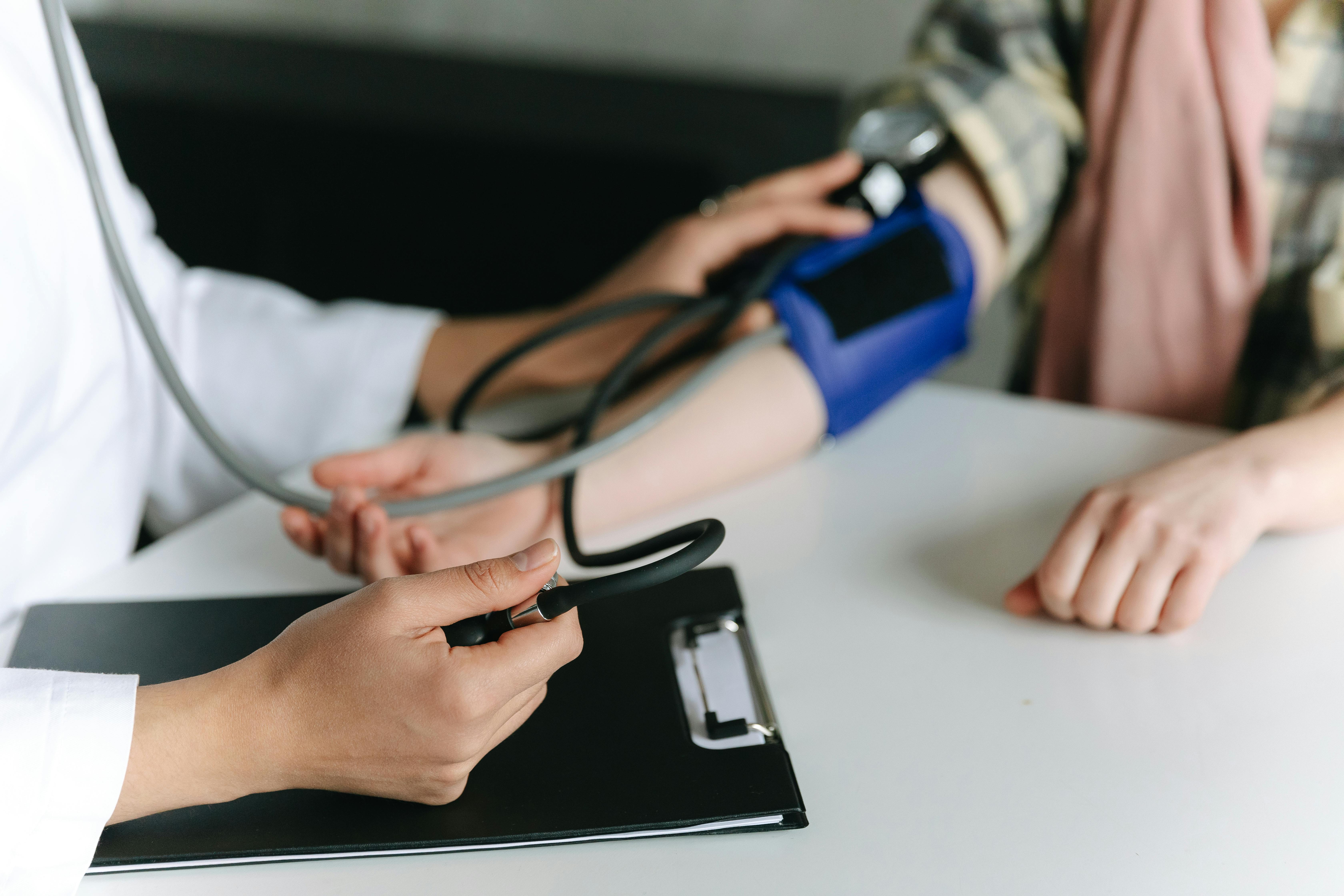
Determining that hives result from stress rather than allergies or other causes involves careful evaluation by a healthcare provider.
Your doctor will typically:
Review your complete medical history
Ask about timing of hive episodes relative to stressful events
Inquire about potential allergen exposures
Examine the hives and assess their characteristics
Review any medications or supplements you take
Ask about accompanying symptoms
Treatment Approaches for Anxiety Hives
Effective management of anxiety hives typically requires a two-pronged approach addressing both the immediate skin symptoms and the underlying anxiety.
Immediate Symptom Relief
For acute relief of hives, several options can quickly reduce discomfort:
Antihistamines
Over-the-counter or prescription antihistamines are the first-line treatment for hives of any cause. Clinical guidelines recommend non-sedating antihistamines as the initial treatment for urticaria.
Common options include:
Non-sedating antihistamines: Cetirizine, loratadine, or fexofenadine can be taken daily for prevention or as needed
H2 blockers: Sometimes added to standard antihistamines for better control
Sedating antihistamines: Diphenhydramine provides relief but causes drowsiness, making it suitable for nighttime use
Topical Treatments
While less effective than oral medications, topical approaches provide some relief:
Cool compresses to reduce itching and inflammation
Calamine lotion or other anti-itch creams
Colloidal oatmeal baths for widespread hives
Avoiding hot water, which can worsen symptoms
Corticosteroids
For severe cases that don't respond to antihistamines, short courses of oral corticosteroids like prednisone may be prescribed, though these are reserved for significant symptoms due to potential side effects like immune suppression and blood sugar elevation with prolonged use.
Note: Medication options for anxiety hives are provided for general understanding and are not a prescription recommendation. Always consult a licensed healthcare provider before starting, changing, or discontinuing any medication.
Therapy Approaches
Evidence-based psychological treatments can significantly reduce anxiety and subsequent hives over the long term:
Cognitive-Behavioral Therapy (CBT)
Research shows that CBT effectively treats anxiety disorders by helping you identify and change thought patterns that contribute to anxiety and stress responses.
For anxiety hives, CBT helps by:
Identifying and challenging stress-inducing thoughts
Learning to recognize early anxiety symptoms
Developing healthier coping mechanisms
Reducing overall anxiety levels
Breaking the anxiety-itch cycle
Stress Management Techniques
Various evidence-based stress reduction methods can help prevent anxiety hives:
Mindfulness meditation: Regular practice reduces stress reactivity
Progressive muscle relaxation: Systematic tension release decreases physical stress symptoms
Deep breathing exercises: Activates the parasympathetic nervous system
Regular exercise: Reduces stress hormones and improves mood
Adequate sleep: Essential for stress management and immune function
Medication for Anxiety
When anxiety is significant enough to cause recurrent physical symptoms like hives, medication may be appropriate alongside therapy:
SSRIs or SNRIs: Antidepressants like escitalopram or sertraline treat underlying anxiety disorders when taken daily
Buspirone: An anti-anxiety medication that doesn't cause sedation or dependence
Short-term options: Benzodiazepines are generally reserved for short-term management of acute anxiety and require close monitoring due to risk of dependence
The decision to use anxiety medication should be made in consultation with a healthcare provider who can assess your specific situation and recommend appropriate treatment.
When to Seek Medical Attention
While anxiety hives are generally not dangerous, certain situations require immediate or urgent medical evaluation.
Seek immediate emergency care if you experience:
Difficulty breathing or swallowing
Swelling of the tongue, throat, or face
Dizziness or feeling faint
Chest tightness or pain
Wheezing or trouble catching your breath
These symptoms may indicate anaphylaxis, a serious allergic reaction requiring emergency treatment, even if you believe stress caused your hives.
When to See Your Doctor
Schedule an appointment with your healthcare provider if:
Hives persist for more than a few days despite antihistamine treatment
You're experiencing frequent recurrent episodes
The hives are severely affecting your quality of life
Over-the-counter antihistamines aren't providing adequate relief
You're unsure whether stress or an allergy is causing the hives
You're developing new symptoms alongside the hives
Mental Health Referral
Consider seeing a mental health professional if:
Anxiety is significantly impacting your daily functioning
You're experiencing anxiety hives frequently
Stress management techniques aren't adequately controlling your anxiety
You're also experiencing symptoms of depression
Your anxiety is worsening over time
Finding Comprehensive Treatment
If anxiety hives are interfering with your daily life, professional support can help address both the physical symptoms and the underlying anxiety driving them.
Blossom Health Can Help
At Blossom Health, we understand that anxiety manifests in many ways, including physical symptoms like hives that can significantly impact your quality of life. Our board-certified psychiatric providers take a comprehensive approach to anxiety treatment, helping you develop strategies to manage both the psychological and physical aspects of stress.
Through convenient virtual appointments covered by your insurance, we can help you:
Assess whether anxiety medication might help reduce your symptoms
Develop personalized stress management strategies
Provide therapy referrals when appropriate
Monitor your progress and adjust treatment as needed
Support is available for managing anxiety hives. Reach out to us at Blossom Health. We’re here to help you find relief.
Medical Disclaimer
This article is for informational purposes only and is not a substitute for professional medical advice, diagnosis, or treatment. Always seek the advice of your physician or qualified healthcare provider with any questions you may have regarding hives, anxiety, or any other medical condition. Never disregard professional medical advice or delay in seeking it because of something you have read in this article. If you are experiencing severe hives, difficulty breathing, or other emergency symptoms, please call 911 or go to your nearest emergency room immediately. For mental health emergencies, contact 988 (Suicide and Crisis Lifeline).
Sources
American College of Allergy, Asthma & Immunology. (2018). Hives (urticaria): Causes, symptoms & treatment.
https://acaai.org/allergies/allergic-conditions/skin-allergy/hives/
Farnsworth, C. (2023). Chronic hives and mental health: Is there a link? Medical News Today.
https://www.medicalnewstoday.com/articles/chronic-hives-mental-health
Zuberbier, T., Aberer, W., Asero, R., et al. (2018). The EAACI/GA²LEN/EDF/WAO guideline for the definition, classification, diagnosis and management of urticaria. Allergy, 73(7), 1393–1414.
https://pubmed.ncbi.nlm.nih.gov/29336054/
O'Sullivan, R. L., Lipper, G., & Lerner, E. A. (1998). The neuro-immuno-cutaneous-endocrine network: relationship of mind and skin. Archives of dermatology, 134(11), 1431–1435.
https://pubmed.ncbi.nlm.nih.gov/9828880/
Shebak, S. S., Pinkston, J., & Ali, R. (2016). Rash Associated With Panic Attacks. The primary care companion for CNS disorders, 18(1), 10.4088/PCC.15l01822.
https://pmc.ncbi.nlm.nih.gov/articles/PMC4874754/
Maurer, M., Albuquerque, M., Boursiquot, J. N., et al. (2024). A Patient Charter for Chronic Urticaria. Advances in therapy, 41(1), 14–33.
https://pmc.ncbi.nlm.nih.gov/articles/PMC10796664/
Berberi, G., et al. (2025). Health-related quality of life in chronic urticaria. Journal of the American Academy of Dermatology – Clinical Practice, 13(9), 2317-2328.
https://www.sciencedirect.com/science/article/abs/pii/S2213219825003149
Vena, G. A., Cassano, N., Di Leo, E., Calogiuri, G. F., & Nettis, E. (2018). Focus on the role of substance P in chronic urticaria. Clinical and molecular allergy: CMA, 16, 24.
https://pmc.ncbi.nlm.nih.gov/articles/PMC6240950/
Yang, S., Chen, L., Zhang, H., et al. (2025). Beyond the itch: the complex interplay of immune, neurological, and psychological factors in chronic urticaria. Journal of neuroinflammation, 22(1), 75.
https://pmc.ncbi.nlm.nih.gov/articles/PMC11895394/
Kulthanan, K., Church, M. K., Grekowitz, E. M., et al. (2022). Evidence for histamine release in chronic inducible urticaria - A systematic review. Frontiers in immunology, 13, 901851.
https://pmc.ncbi.nlm.nih.gov/articles/PMC9365951/
Theoharides, T. C. (2020). The impact of psychological stress on mast cells. Annals of Allergy, Asthma, and Immunology, 125(4), 388-392.
https://www.annallergy.org/article/S1081-1206(20)30484-1/
Tomaszewska, K., Słodka, A., Tarkowski, B., & Zalewska-Janowska, A. (2023). Neuro–Immuno–Psychological Aspects of Chronic Urticaria. Journal of Clinical Medicine, 12(9), 3134.
https://www.mdpi.com/2077-0383/12/9/3134
Schaefer, P. (2011). Urticaria: Evaluation and treatment. American Family Physician, 83(9), 1078–1084.
https://www.aafp.org/pubs/afp/issues/2011/0501/p1078.html