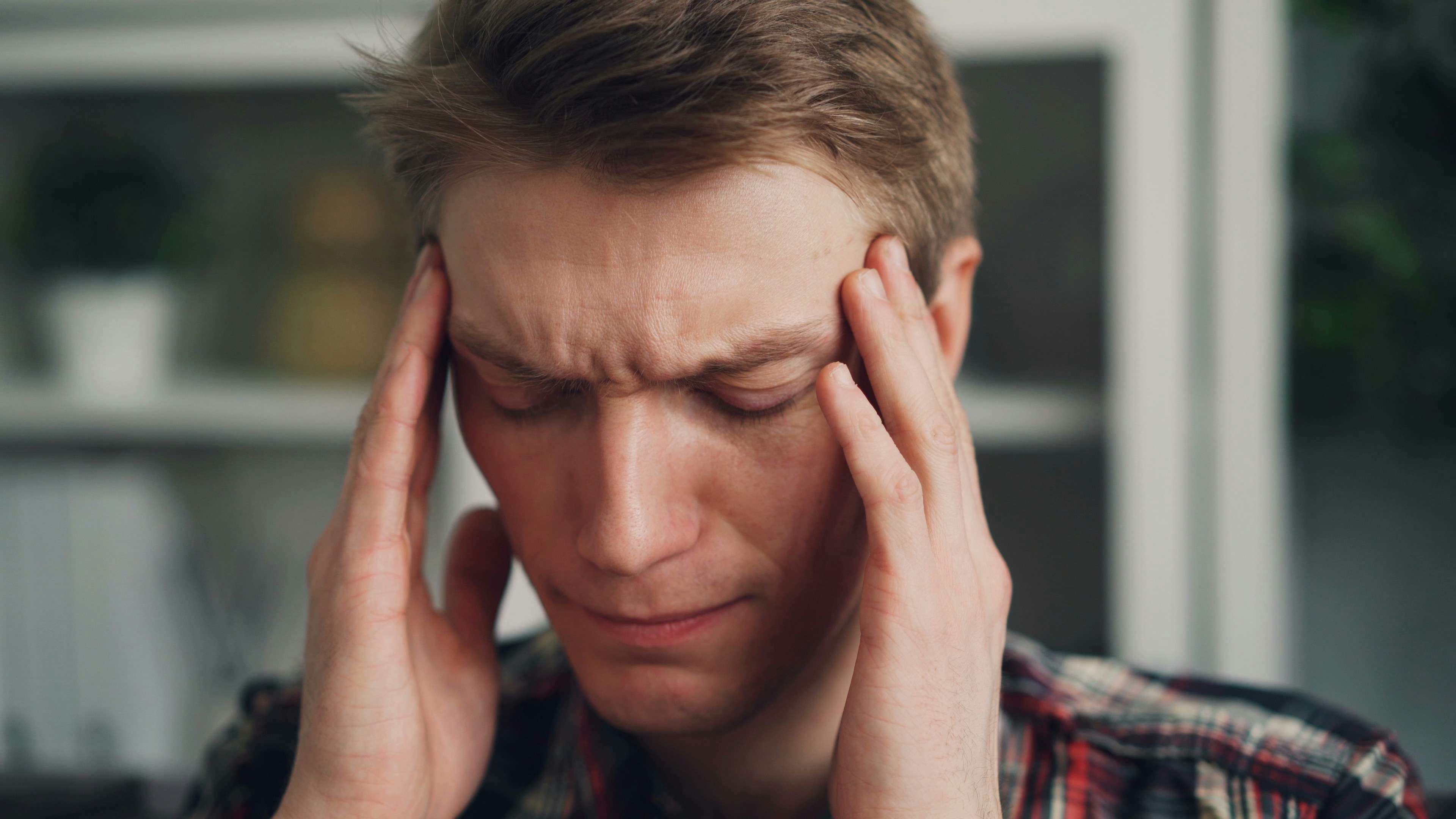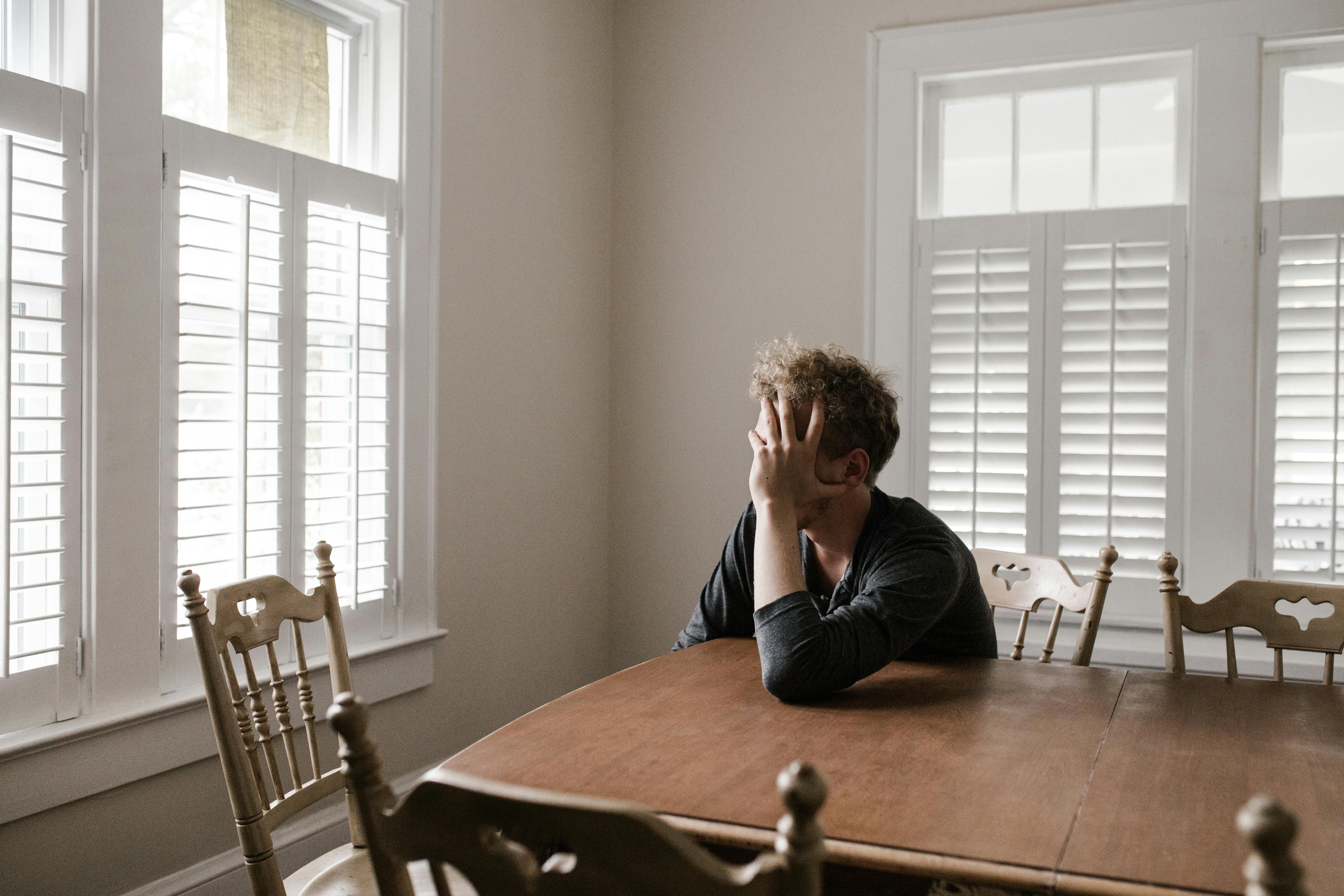

Dizziness is a common and often unsettling symptom that many people with anxiety experience. If you've ever felt lightheaded, unsteady, or like the room is spinning during periods of stress or worry, you're not alone. Research supports a clear link between anxiety and dizziness, although strength and direction vary by individual and underlying cause..
Understanding this relationship can help you recognize when dizziness is anxiety-related and when it might require medical evaluation for other underlying causes.
Key Takeaways
Anxiety can directly cause dizziness through multiple mechanisms, including stress hormone effects on the inner ear, hyperventilation-related changes in blood flow, and heightened nervous system responses that affect balance systems.
The relationship between anxiety and dizziness is bidirectional. Anxiety can cause dizziness, and experiencing chronic dizziness from vestibular disorders can trigger or worsen anxiety, creating a cycle that impacts quality of life.
While anxiety-related dizziness is not dangerous, persistent dizziness should be evaluated by a healthcare provider to rule out underlying vestibular disorders or medical conditions that may require specific treatment beyond anxiety management.
How Anxiety Causes Dizziness
Anxiety can trigger dizziness through several physiological mechanisms that affect your body's balance and spatial orientation systems:
Stress Hormone Effects on the Vestibular System
When you experience anxiety, your body releases stress hormones, including cortisol, adrenaline, and other compounds, as part of the stress response. Research indicates that these stress hormones have a direct impact on vestibular function, the system responsible for balance and spatial orientation.
Stress hormones can influence the homeostatic balance of the inner ear, which can lead to changes throughout the entire vestibular system. This disruption can manifest as sensations of dizziness, lightheadedness, or unsteadiness.
Research has demonstrated that elevated cortisol levels from chronic stress can increase blood pressure, and this elevated blood pressure can impact the structures of the inner ear and disrupt normal vestibular system functioning.
Hyperventilation and Changes in Blood Flow
During anxious episodes, many people unconsciously begin breathing more rapidly or deeply — a pattern called hyperventilation. This altered breathing causes changes in the balance of oxygen and carbon dioxide in your blood, which can lead to feelings of lightheadedness and dizziness.
Studies have shown that increased arousal and hyperventilation can directly enhance sensations of unsteadiness and disorientation through reciprocal neuronal connections between the cerebellum (which controls body orientation), vestibular system (provides balance), and autonomic brainstem structures (which control heart rate and breathing). Physical assessments of people experiencing dizziness have revealed that those with higher anxiety levels show changes in respiration rate following head movements, which may contribute to dizziness sensations.
Autonomic Nervous System Activation
Anxiety activates your autonomic nervous system, the part of your nervous system that controls involuntary functions like heart rate, breathing, and blood pressure. This activation can lead to what researchers call "hyperarousal," where your body becomes hyper-reactive. This state can cause you to feel lightheaded, dizzy, restless, shaky, and off-balance.
Although anxiety typically increases autonomic arousal (heart rate, breathing), in some people, intense anxiety can also produce transient dissociative symptoms (feelings of unreality) or faint-like sensations, which may feel like dizziness..
Muscle Tension and Postural Changes
Chronic anxiety often causes muscle tension, particularly in the neck, shoulders, and back. This neck and posture-related muscle tension can affect the signals your body uses for balance and, in some cases, may even lead to neck-related dizziness. This tension can make you feel unsteady, but it’s unlikely to significantly reduce blood flow to the brain.
The Bidirectional Relationship
The connection between anxiety and dizziness isn't one-directional; research has revealed a complex, reciprocal relationship where each can influence the other:
Anxiety Leading to Dizziness
Studies show that people with anxiety disorders are at increased risk for developing vestibular problems. A nine-year, population-based retrospective cohort study following over 15,000 participants found that those with anxiety disorders were more than twice as likely to develop benign paroxysmal positional vertigo (BPPV) compared to those without anxiety disorders. The risk was even higher for women and those with cerebrovascular disease.
Dizziness Leading to Anxiety
Conversely, having a vestibular disorder that causes chronic episodes of dizziness or vertigo can increase the risk of developing an anxiety disorder. According to the National Institute of Mental Health, living with a chronic illness, including conditions that cause recurrent dizziness, is linked to an increased risk of developing mental health disorders.
Studies of patients with chronic vertigo report substantially elevated rates of anxiety; many series report anxiety prevalence well above general-population rates (often >30–50% depending on sample). The study revealed that those whose dizziness was more severe had increased anxiety, greater disability, and lower quality of life.
This creates what researchers call a "vicious circle" — dizziness triggers anxiety about falling or losing control, which increases stress hormones and muscle tension, which in turn can worsen dizziness sensations, further increasing anxiety. Breaking this cycle often requires addressing both the physical and psychological aspects simultaneously.
Types of Dizziness Associated with Anxiety
Anxiety-related dizziness can manifest in several ways:
Lightheadedness: A floating or "spaced out" sensation, as if you might faint. This is the most common type of anxiety-related dizziness and is often associated with hyperventilation.
Unsteadiness: Feeling off-balance or like you might fall, even when standing still. This sensation is often related to muscle tension and hypervigilance about body sensations.
Vertigo: A spinning sensation, either feeling like you're spinning or the room is spinning around you. While true vertigo is more commonly associated with inner ear disorders, anxiety can trigger or worsen vertigo symptoms in susceptible individuals.
Depersonalization or derealization: Feeling disconnected from your body or surroundings, which can be accompanied by dizziness. This is more common during panic attacks or severe anxiety episodes.
Note: True spinning vertigo more strongly suggests a vestibular (inner-ear or brain) cause and should prompt medical evaluation.
The Vestibular System and Anxiety Connection
Understanding the anatomical connection between balance and anxiety systems helps explain why these symptoms occur together:
Brain Region Overlap
The areas of the brain responsible for processing dizziness have direct connections with areas responsible for processing anxiety and emotional responses. Research has identified that the vestibular system has extensive connections with the limbic system (which processes emotions) through structures including the amygdala, hippocampus, and infralimbic cortex.
Studies have shown that the nucleus tractus solitarii has extensive connections with the vestibular nuclei both directly and indirectly through the parabrachial nucleus, which provides major input into the limbic system, including the amygdala—the brain's fear center. These neural pathways explain why vestibular symptoms can trigger emotional responses and vice versa.
When the vestibular system detects a mismatch in sensory information or experiences dysfunction, the amygdala perceives this as a threat, triggering protective responses throughout the body, including neck and muscle tightness, increased heart rate, and heightened anxiety. This creates a feedback loop where the anxiety response can further disrupt vestibular processing.
Persistent Postural-Perceptual Dizziness (PPPD)
One specific condition that illustrates the anxiety-dizziness connection is Persistent Postural-Perceptual Dizziness (PPPD). This condition often develops after an initial triggering event such as vestibular neuritis, BPPV, or migraine that causes dizziness or vertigo. Following the initial event, people develop persistent symptoms including:
Chronic dizziness, unsteadiness, or non-spinning vertigo lasting three months or more
Symptoms triggered or worsened by upright posture, movement, or complex visual environments
Significant functional impairment
PPPD appears to involve a maladaptive response where the brain's balance systems remain in a heightened state of alertness even after the initial vestibular problem has resolved. Anxiety often co-occurs with PPPD, though anxiety isn't required for diagnosis.
Other Causes of Dizziness to Consider
While anxiety can certainly cause dizziness, it's important to rule out other potential causes, especially if dizziness is severe, persistent, or accompanied by other concerning symptoms:
Vestibular Disorders
Benign Paroxysmal Positional Vertigo (BPPV): The most common cause of vertigo, triggered by specific head movements when calcium crystals in the inner ear become displaced.
Vestibular neuritis: Inflammation of the vestibular nerve, often caused by viral infections, leading to sudden, severe dizziness.
Meniere's disease: A disorder of the inner ear causing episodes of vertigo, hearing loss, tinnitus, and ear fullness.
Vestibular migraine: Migraines that cause vertigo and dizziness, which may occur with or without headache.
Medical Conditions
Cardiovascular problems including heart arrhythmias or blood pressure changes
Hyperthyroidism or other endocrine disorders
Anemia or low blood sugar
Neurological conditions
Medication side effects
Dehydration
Research indicates that conditions like irritable bowel syndrome, asthma, and vocal cord dysfunction have many symptoms similar to anxiety and panic disorders, including dizziness, highlighting the importance of comprehensive medical evaluation.
When to Seek Medical Evaluation
You should consult a healthcare provider if you experience:
Sudden, severe dizziness or vertigo that doesn't improve
Dizziness accompanied by severe headache, neck stiffness, or changes in vision
Dizziness with chest pain lasting more than 15 minutes
New onset hearing loss or tinnitus with dizziness
Difficulty walking or frequent falls
Dizziness that persists for several weeks or significantly impacts your daily functioning
Any concerning symptoms that worry you
A healthcare provider can perform appropriate testing to determine whether your dizziness has a vestibular, neurological, cardiovascular, or anxiety-related cause. This evaluation typically includes a physical examination, assessment of your medical history, and potentially additional tests such as blood work, hearing tests, or imaging studies.
Treatment Approaches for Anxiety-Related Dizziness
When dizziness is primarily caused by anxiety, treatment typically focuses on addressing the underlying anxiety while also providing strategies to manage dizziness symptoms:
Addressing Underlying Anxiety
Cognitive-behavioral therapy (CBT): This evidence-based therapy helps identify and change thought patterns that contribute to anxiety. For anxiety-related dizziness, CBT can help reduce catastrophic thinking about dizziness sensations and develop more adaptive responses.
Exposure therapy: Gradually facing situations that trigger anxiety and dizziness in a controlled, therapeutic setting can help reduce fear responses over time.
Medication: SSRIs and SNRIs can help reduce baseline anxiety levels, which may in turn decrease the frequency and intensity of anxiety-related dizziness. SSRIs have evidence in PPPD. Beta-blockers may help manage physical anxiety symptoms in some cases. Athough beta-blockers may reduce peripheral symptoms (palpitations), they do not treat core anxiety disorders.
Mindfulness and relaxation techniques: Practices such as meditation, deep breathing exercises, and progressive muscle relaxation can help regulate the autonomic nervous system and reduce anxiety-triggered dizziness.
Managing Dizziness When It Occurs
Breathing exercises: Slow, controlled breathing can counteract hyperventilation and help regulate the physiological responses that contribute to dizziness. Try breathing in for a count of four, holding for four, and exhaling for four.
Note: Breathing techniques can help, but if you have a cardiac or syncopal history, check with your clinician first.
grounding techniques: Focus on your immediate sensory experience to counteract feelings of detachment or unreality that may accompany dizziness. The 5-4-3-2-1 technique (identifying five things you can see, four you can touch, three you can hear, two you can smell, and one you can taste) can be particularly helpful.
Physical therapy: If dizziness has led to balance problems or if you have co-occurring vestibular issues, vestibular rehabilitation therapy with a trained physical therapist can improve balance function and reduce symptom severity.
Lifestyle modifications: Regular exercise, adequate sleep, limiting caffeine and alcohol, staying hydrated, and stress management can all help reduce both anxiety and dizziness frequency.
When Vestibular Disorders and Anxiety Co-exist
For some people, dizziness has both vestibular and anxiety components. In a small study involving eight elderly patients with vestibular symptoms, about one-third of patients had co-occuring anxiety disorder. Moreover, if you have an underlying anxiety disorder, vestibular dysfunction can exacerbate it.
Studies indicate that anxiety is a significant disruptor of sensory system integration, which can slow recovery from vestibular problems. In these cases, treatment must address both components:
Physical therapy focusing on vestibular rehabilitation can improve inner ear function and reduce dizziness. Standard treatments include exercises focusing on head and eye movements, walking, and balance training.
Concurrent mental health treatment addresses the anxiety component, helping break the cycle between physical symptoms and emotional responses.
Research has shown that patients with better stress coping mechanisms, measured through resilience and coherence, have better outcomes following vestibular dysfunction, suggesting that addressing psychological factors is an important part of comprehensive treatment.
Getting Started with Blossom Health
If anxiety-related dizziness is affecting your quality of life, Blossom Health can connect you with board-certified psychiatrists who understand the complex relationship between anxiety and physical symptoms like dizziness. Our virtual platform makes it easy to access professional care from home, with appointments typically available within days.
Your Blossom Health provider will conduct a comprehensive evaluation to understand your symptoms and develop a personalized treatment plan that may include medication management, therapy referrals, and practical strategies to address both anxiety and dizziness. All appointments are covered by in-network insurance; coverage varies by insurer. Make sure to verify your benefits when scheduling. Get in touch with Blossom Health today!
Medical Disclaimer
This article is for informational purposes only and is not a substitute for professional medical advice, diagnosis, or treatment. Always seek the advice of your physician or other qualified healthcare provider with any questions you may have regarding a medical condition. If you are experiencing a mental health crisis, contact the 988 Suicide and Crisis Lifeline by calling or texting 988.
Sources
Vandergriendt, C. (n.d.). Anxiety and dizziness: What’s the connection? Healthline. https://www.healthline.com/health/anxiety/anxiety-dizziness
Bayat, A., Hoseinabadi, R., Saki, N., & Sanayi, R. (2020). Disability and Anxiety in Vestibular Diseases: A Cross-Sectional Study. Cureus, 12(11), e11813. https://pmc.ncbi.nlm.nih.gov/articles/PMC7781499/
Saman, Y., Bamiou, D. E., Gleeson, M., & Dutia, M. B. (2012). Interactions between Stress and Vestibular Compensation - A Review. Frontiers in Neurology, 3, 116. https://pmc.ncbi.nlm.nih.gov/articles/PMC3406321/
Cleveland Clinic. (2022, August 22). Hyperventilation syndrome. https://my.clevelandclinic.org/health/diseases/24860-hyperventilation-syndrome
Chen, Z. J., Chang, C. H., Hu, L. Y., et al. (2016). Increased risk of benign paroxysmal positional vertigo in patients with anxiety disorders: a nationwide population-based retrospective cohort study. BMC Psychiatry, 16, 238. https://pmc.ncbi.nlm.nih.gov/articles/PMC4946194/
Kim, C. H., McCray, L. R., Nguyen, S. A., Staab, J. P., Jafri, S., & Rizk, H. (2025). Anxiety and Depression in Adults With Vestibular Disorders: A Systematic Review and Meta-Analysis. The Laryngoscope, 10.1002/lary.70055. Advance online publication. https://pubmed.ncbi.nlm.nih.gov/40815545/
Battisti-Charbonney, A., Fisher, J., & Duffin, J. (2011). The cerebrovascular response to carbon dioxide in humans. The Journal of Physiology, 589(Pt 12), 3039–3048. https://pmc.ncbi.nlm.nih.gov/articles/PMC3139085/
Nagaratnam, N., Ip, J., Bou-Haidar, P. (2005). The vestibular dysfunction and anxiety disorder interface: a descriptive study with special reference to the elderly. Archives of Gerontology and Geriatrics, 40(3), 253-264. https://www.sciencedirect.com/science/article/abs/pii/S0167494304001694
Stanford Health Care. (n.d.). Persistent postural-perceptual dizziness (PPPD). https://stanfordhealthcare.org/medical-conditions/ear-nose-and-throat/persistent-postural-perceptual-dizziness.html
Omara, A., Basiouny, E. M., El Shabrawy, M., & El Shafei, R. R. (2022). The correlation between anxiety, depression, and vertigo: A cross‑sectional study. The Egyptian Journal of Otolaryngology, 38, Article 143. https://ejo.springeropen.com/articles/10.1186/s43163-022-00318-7
Vestibular Disorders Association. (n.d.). Emotional impacts of vestibular disorders.https://vestibular.org/article/coping-support/psychology/emotional-impacts-of-vestibular-disorders/
Academy of Neurologic Physical Therapy. (2015). Anxiety and stress‑related dizziness [Fact sheet]. American Physical Therapy Association.https://www.neuropt.org/docs/default-source/vestibular-sig/vsig-english-pt-fact-sheets/anxiety-and-stress-dizziness4ca035a5390366a68a96ff00001fc240.pdf