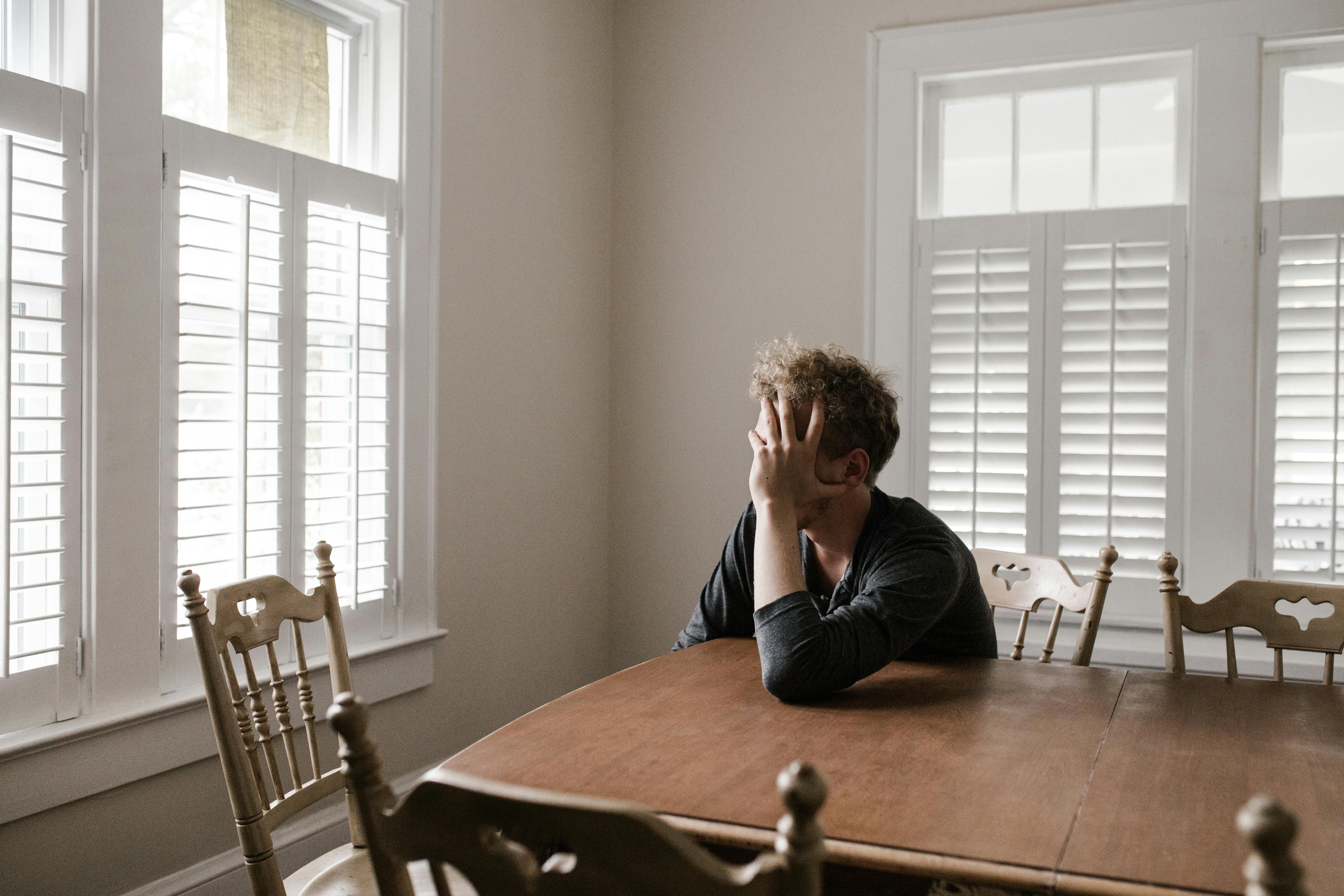

Depression is not a single condition but rather an umbrella term encompassing several distinct mood disorders that vary in symptoms, severity, duration, and triggers. Understanding the different types of depression can help you recognize what you might be experiencing and guide you toward appropriate treatment.
While all types of depression involve persistent low mood or loss of interest, they differ in their patterns, causes, and specific symptom profiles. Accurate diagnosis matters because different depression types often respond better to specific treatment approaches.
Key Takeaways
Depression includes multiple distinct disorders ranging from major depressive disorder and persistent depressive disorder to bipolar disorder and seasonal affective disorder, each with unique characteristics.
Proper diagnosis is essential because different types of depression require different treatment approaches, such as mood stabilizers for bipolar disorder versus standard antidepressants for unipolar depression.
Most types of depression are highly treatable through combinations of medication, psychotherapy, and lifestyle changes, with many people achieving significant symptom relief with appropriate care, although response and timelines vary.
Major Depressive Disorder
Major depressive disorder (MDD) represents the most commonly diagnosed form of clinical depression. According to data from the 2021 National Survey on Drug Use and Health, around 21 million adult Americans (8.3%) experienced at least one major depressive episode in the preceding year.
Defining Features
People with major depressive disorder experience at least one major depressive episode lasting at least two weeks. During these episodes, you experience five or more specific symptoms most of the day, every day, including:
Persistent low mood or loss of interest in activities
Changes in sleep (too much or too little)
Changes in appetite or weight (more than 5% in a month)
Psychomotor agitation or slowing observable by others
Low energy or fatigue
Difficulty concentrating or making decisions
Feelings of worthlessness or excessive guilt
Thoughts of death or suicide
These symptoms cause clinically significant distress or impairment in social, occupational, or other important areas of functioning.
Major depressive disorder can occur as a single episode or as recurrent episodes throughout your lifetime. Some people experience episodes once a year, while others might have multiple episodes in their lifetime with long periods of wellness in between. Depending on the number and severity of symptoms experienced, major depressive disorder can be classified as mild, moderate, or severe.
When someone experiences multiple major depressive episodes, this is sometimes called recurrent depression or unipolar depression, distinguishing it from bipolar disorder.
Treatment Approaches
Major depressive disorder typically responds well to a combination of antidepressant medication and psychotherapy. Selective serotonin reuptake inhibitors (SSRIs) and serotonin-norepinephrine reuptake inhibitors (SNRIs) are commonly prescribed first-line medications, with SNRIs being used when a patient doesn’t respond to SSRIs.
Depression-focused psychotherapy, including cognitive-behavioral therapy and interpersonal therapy, has strong research supporting its effectiveness for this type of depression.
Persistent Depressive Disorder (Dysthymia)
Persistent depressive disorder involves chronic, long-term depressive symptoms that are usually less severe than major depression but last much longer.
Chronic Nature
Previously called dysthymia, persistent depressive disorder, or chronic depression, is diagnosed when you experience continuous low-level depressed mood for at least two years. The symptoms may fluctuate in intensity but never fully resolve for extended periods. While the symptoms are generally less severe than major depression, their persistent nature can be distressing.
The symptoms of persistent depressive disorder can change from day to day or week to week. Those with milder chronic depression do not experience a severe impact on their quality of life.
However, people with persistent depressive disorder can also experience major depressive episodes, a situation sometimes called double depression. During these periods, symptom severity increases beyond the chronic baseline level, requiring more intensive treatment intervention.
Bipolar Disorder
Bipolar disorder, earlier known as manic depression or manic depressive disorder, involves alternating periods of depression and elevated mood states, making it fundamentally different from unipolar depression.
Bipolar I Disorder
Bipolar I disorder includes fully manic episodes lasting at least seven days or severe manic symptoms requiring hospitalization, along with major depressive episodes typically lasting at least two weeks. Manic episodes involve elevated or irritable mood, increased energy, decreased need for sleep, racing thoughts, impulsive behavior, and sometimes psychotic symptoms like delusions or hallucinations. Epidemiological studies suggest Bipolar I has a lifetime prevalence of 2.1% among adults in the U.S.
Bipolar II Disorder
Bipolar II disorder is characterized by longer and more frequent periods of chronic major depression, at least 80% of the symptomatic time, and at least one episode of hypomania.
Hypomania is similar to mania but less severe; symptoms are noticeable and affect functioning, but don't cause severe impairment or require hospitalization. A systematic review and meta-analysis from 2015 reported a lifetime prevalence of 1.6% for Bipolar II. The same study reported a 1.1% lifetime prevalence for Bipolar I.
Cyclothymic Disorder
Cyclothymic disorder involves pervasive, long periods of depressive or manic symptoms that don't meet full criteria for major depression, mania, or hypomania.
Symptoms must persist for at least two years with no symptom-free period longer than two months. While cyclothymia is considered on the bipolar spectrum, people with this diagnosis experience subthreshold mood symptoms that do not meet the full criteria for bipolar I or II disorder. However, cyclothymia can develop into bipolar disorder over time.
Treatment Differences
Bipolar depression requires different treatment than unipolar depression.
Mood stabilizers like lithium are essential for managing bipolar disorder, and antidepressants must be used cautiously as they can trigger manic episodes when used alone.
For cyclothymia, treatment may include mood stabilizers (valproate, lamotrigine, or lithium), atypical antipsychotics, or cognitive behavioral therapy, depending on the type and severity of symptoms. This is why accurate diagnosis distinguishing bipolar from unipolar depression is so crucial.
Seasonal Affective Disorder (SAD)
Seasonal affective disorder involves depressive episodes that follow a seasonal pattern, typically occurring during specific months each year.
Winter-Pattern SAD
The most common form involves depression beginning in late fall or early winter and resolving in spring or summer.
According to the National Alliance on Mental Illness, symptoms usually begin in October or November and subside in March or April. For diagnosis of SAD, this pattern of symptoms and their remission must have occurred during at least a two-year period, with no symptoms reported during other seasons in that period.
Seasonal affective disorder occurs in 0.5-3% of the general population but affects higher percentages among people with existing mood disorders. Winter-pattern SAD is more common in higher latitudes where daylight hours are shorter during winter months.
Atypical Symptoms
Unlike typical depression, where people often lose appetite and sleep, seasonal affective disorder commonly presents with atypical features:
Increased sleep: Difficulty waking, wanting to sleep more than usual
Carbohydrate cravings: Increased appetite, especially for comfort foods
Weight gain: Often related to changes in eating patterns
Fatigue and low energy: Feeling sluggish and tired
Social withdrawal: Wanting to "hibernate" during winter months
About 10% of people with seasonal affective disorder have the opposite pattern, experiencing depression in spring and summer that resolves in fall and winter.
Treatment Approach
Light therapy is an effective treatment specific to seasonal affective disorder. This involves daily exposure to a specialized light box that simulates high-intensity sunlight. Indoor lighting is not sufficient to treat SAD.
Combined with antidepressants and cognitive behavioral therapy, light therapy helps many people manage seasonal depression. Whether treatment includes medication, therapy, light therapy, or a mix of these depends on the severity of symptoms.
Other Types of Depression
Several other depression variants have distinct characteristics:
Postpartum Depression occurs after childbirth and differs from temporary "baby blues". It typically develops within weeks to months after giving birth, causing severe depressed mood, difficulty bonding with the baby, and overwhelming anxiety that often lasts for more than two weeks. Around 1 in 7 mothers go through postpartum depression. Prompt treatment with therapy and medication is essential, as it affects both parent and child.
Psychotic Depression involves severe depression accompanied by psychotic symptoms such as hallucinations, delusions, or paranoia with depressive themes. This severe form requires intensive treatment, often combining antidepressants with antipsychotic medications. In some cases, electroconvulsive therapy may also be prescribed.
Premenstrual Dysphoric Disorder is a severe mood disorderthat significantly affects daily life. Symptoms occur a week or two before menstruation and include severe mood swings, irritability, depressed mood, and anxiety. Treatment may include antidepressants, hormone therapy, lifestyle changes, and exercise.
Atypical Depression features mood reactivity, where mood brightens with positive events, plus increased appetite, excessive sleep, heavy limbs, and sensitivity towards rejection. It's more likely to occur in people with bipolar disorder and younger populations and has a high comorbidity with anxiety disorders.
Getting the Right Diagnosis
Accurate diagnosis is essential for effective treatment since different depression types require different approaches.
A thorough psychiatric evaluation examines symptom patterns over time, family history of mood disorders, response to previous treatments, presence of manic or hypomanic symptoms, seasonal patterns in symptoms, and how symptoms affect your daily functioning.
Your healthcare provider may use standardized questionnaires and rating scales to assess symptom severity and track changes. They'll also rule out medical conditions that can mimic depression symptoms. Understanding your specific type of depression helps ensure you receive the most effective treatment.
Medical Disclaimer
This article is for informational purposes only and is not a substitute for professional medical advice, diagnosis, or treatment. Always seek the advice of your physician or other qualified healthcare provider with any questions you may have regarding a medical condition. If you are experiencing a mental health crisis, contact the 988 Suicide and Crisis Lifeline by calling or texting 988.
Sources
National Institute of Mental Health. (2023, July). Major depression statistics. U.S. Department of Health and Human Services, National Institutes of Health. https://www.nimh.nih.gov/health/statistics/major-depression
Substance Abuse and Mental Health Services Administration. (2016). Table 9: DSM-IV to DSM-5 major depressive episode/disorder comparison (in DSM-5 Changes: Implications for Child Serious Emotional Disturbance). In National Library of Medicine Bookshelf. U.S. Department of Health and Human Services. https://www.ncbi.nlm.nih.gov/books/NBK519712/table/ch3.t5/
InformedHealth.org [Internet]. Cologne, Germany: Institute for Quality and Efficiency in Health Care (IQWiG); 2006-. Depression: Learn More – Types of depression. [Updated 2024 Apr 15]. Available from:
Karrouri, R., Hammani, Z., Benjelloun, R., & Otheman, Y. (2021). Major depressive disorder: Validated treatments and future challenges. World journal of clinical cases, 9(31), 9350–9367.
MedlinePlus. (2024, July 17). Bipolar disorder. U.S. National Library of Medicine. https://medlineplus.gov/bipolardisorder.html
Blanco, C., Compton, W. M., Saha, T. D., Goldstein, B. I., et al. (2017). Epidemiology of DSM-5 bipolar I disorder: Results from the National Epidemiologic Survey on Alcohol and Related Conditions - III. Journal of psychiatric research, 84, 310–317. https://pmc.ncbi.nlm.nih.gov/articles/PMC7416534/
Berk, M., Corrales, A., Trisno, R., Dodd, S., et al. (2025). Bipolar II disorder: a state-of-the-art review. World psychiatry : official journal of the World Psychiatric Association (WPA), 24(2), 175–189. https://pmc.ncbi.nlm.nih.gov/articles/PMC12079553/
Clemente, A. S., Diniz, B. S., Nicolato, R., Kapczinski, et al. (2015). Bipolar disorder prevalence: a systematic review and meta-analysis of the literature. Revista brasileira de psiquiatria (Sao Paulo, Brazil : 1999), 37(2), 155–161. https://pubmed.ncbi.nlm.nih.gov/25946396/
Cleveland Clinic. (2024, February 6). Cyclothymia (cyclothymic disorder). Cleveland Clinic Health Library. https://my.clevelandclinic.org/health/diseases/17788-cyclothymia
Bielecki JE, Gupta V. Cyclothymic Disorder. [Updated 2023 Jul 17]. In: StatPearls [Internet]. Treasure Island (FL): StatPearls Publishing; 2025 Jan-. Available from: https://www.ncbi.nlm.nih.gov/books/NBK557877/
National Alliance on Mental Illness. (2017, August). Major depressive disorder with a seasonal pattern. NAMI. https://www.nami.org/types-of-conditions/depression/major-depressive-disorder-with-a-seasonal-pattern
MedlinePlus Genetics. (2024, June 17). Seasonal affective disorder. U.S. National Library of Medicine. https://medlineplus.gov/genetics/condition/seasonal-affective-disorder/
Roecklein, K. A., Rohan, K. J., & Postolache, T. T. (2010). Is seasonal affective disorder a bipolar variant?. Current psychiatry, 9(2), 42–54. https://pmc.ncbi.nlm.nih.gov/articles/PMC2874241/
Benazzi F. (2006). Various forms of depression. Dialogues in clinical neuroscience, 8(2), 151–161. https://pmc.ncbi.nlm.nih.gov/articles/PMC3181770/
Bipolar UK. (n.d.). Types of bipolar. Bipolar UK. https://www.bipolaruk.org/about-bipolar/types-of-bipolar/
Cleveland Clinic. (2024, June 18). Mood stabilizers: What they are, how they work & side effects. Cleveland Clinic Health Library. https://my.clevelandclinic.org/health/articles/mood-stabilizers