Mental Health During the Holidays: How to Manage Seasonal Stress
Author:
Blossom Editorial


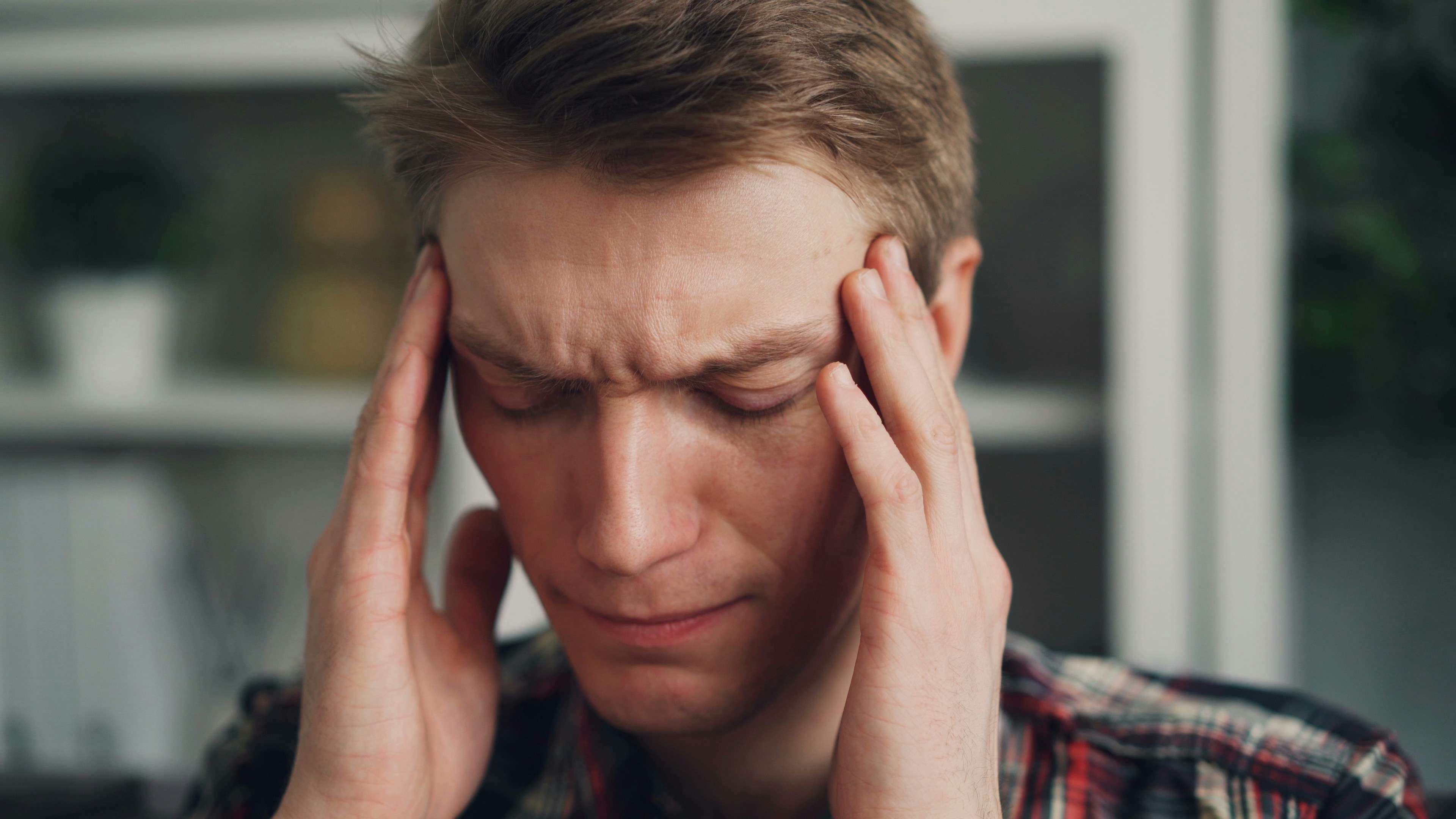
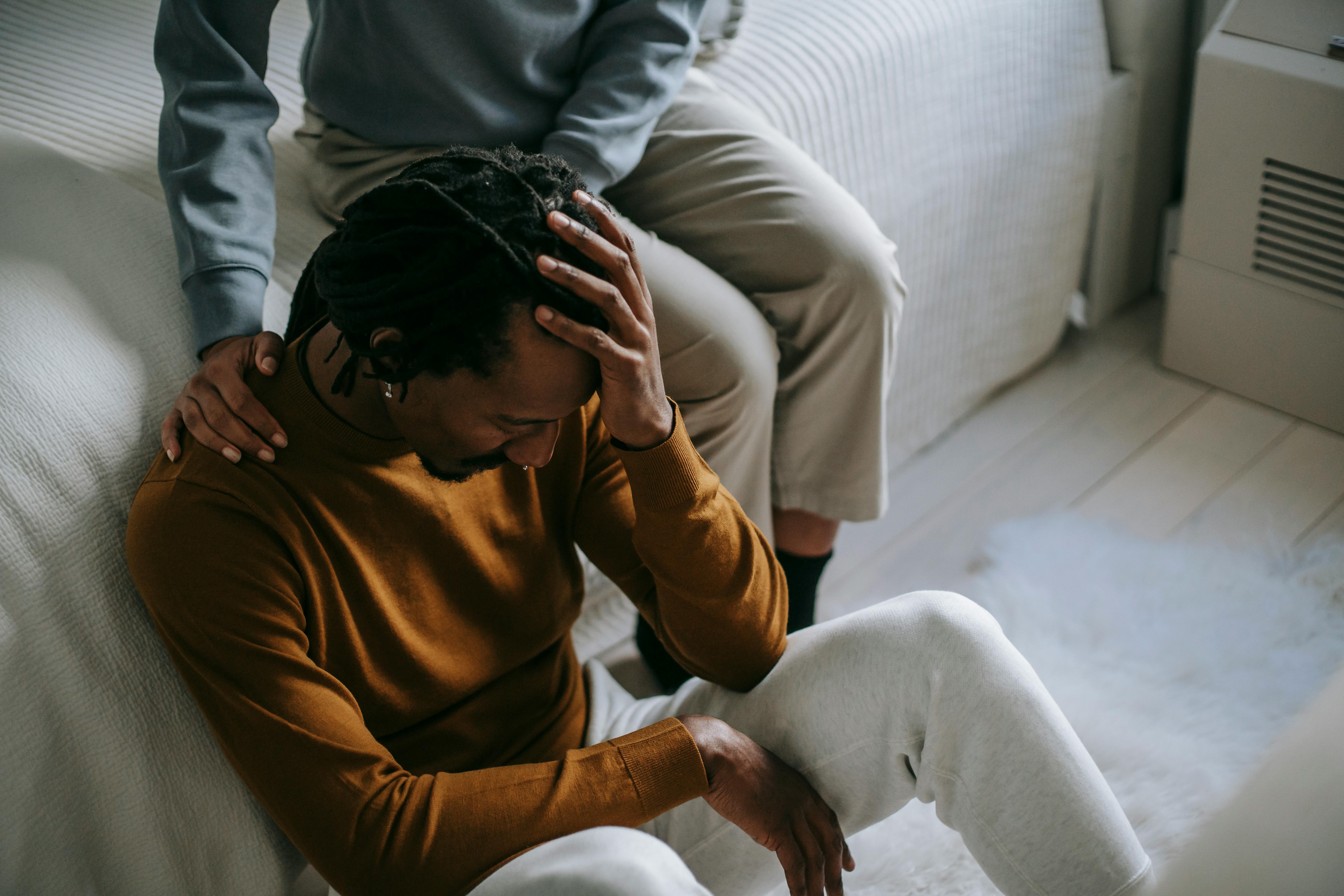
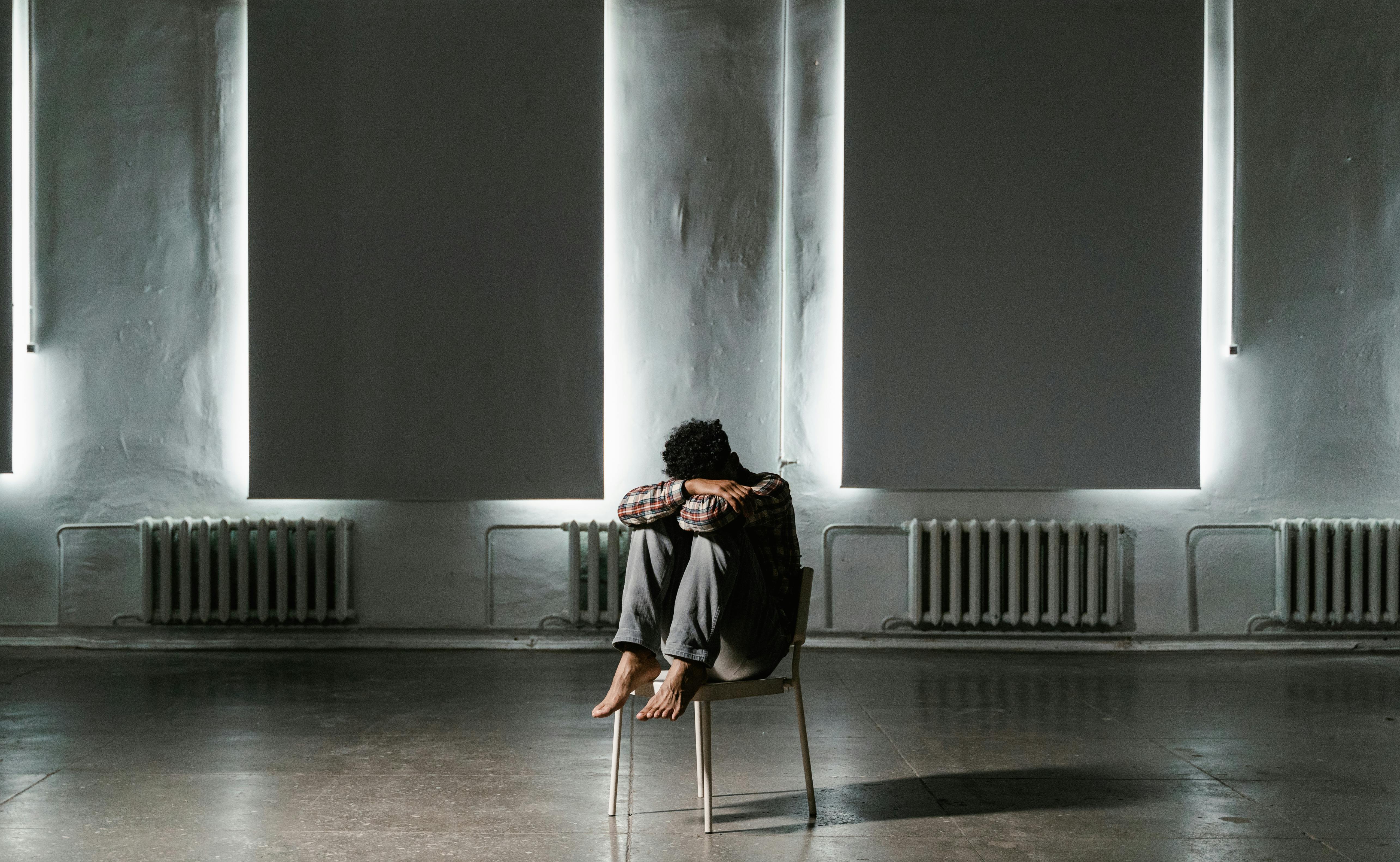
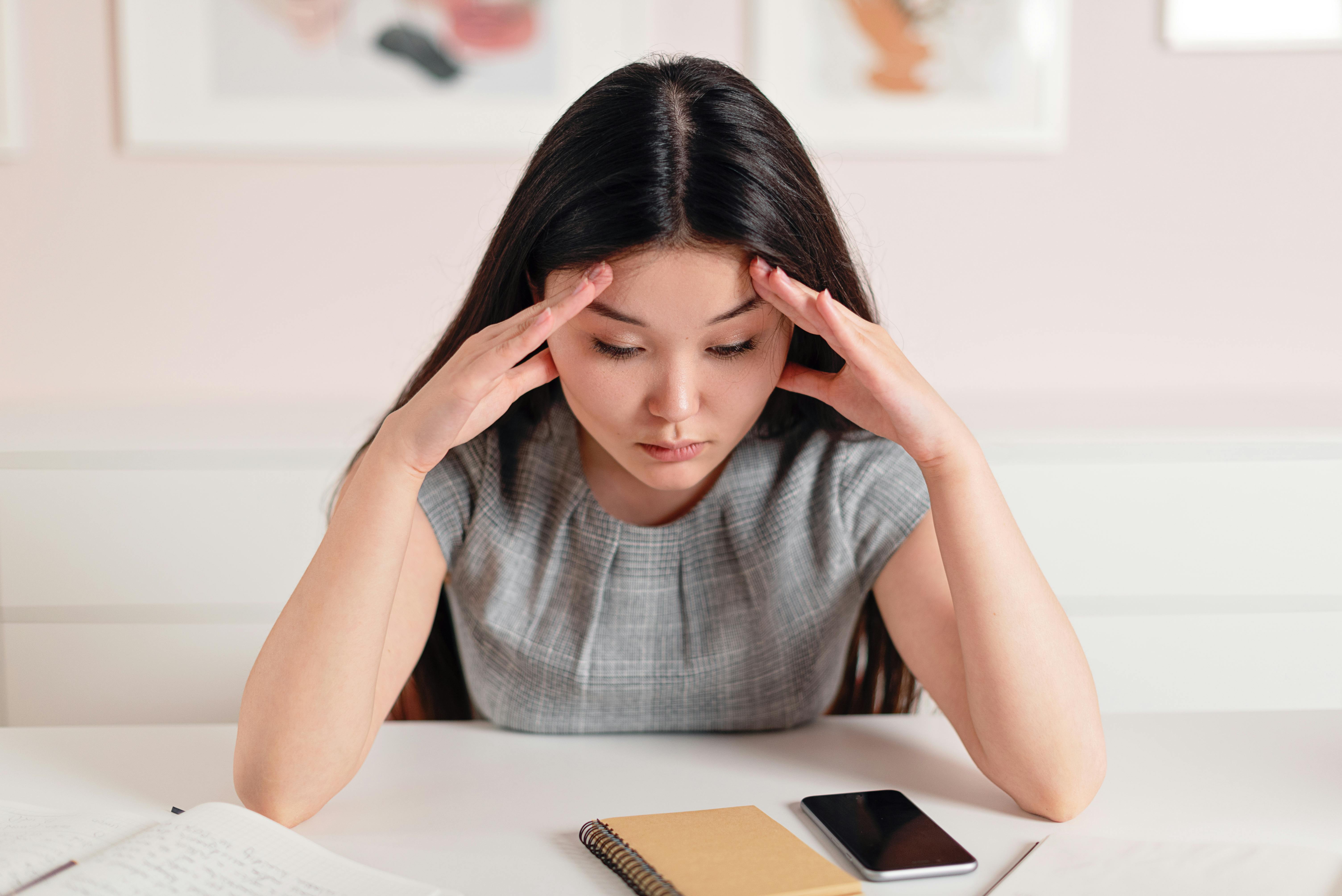
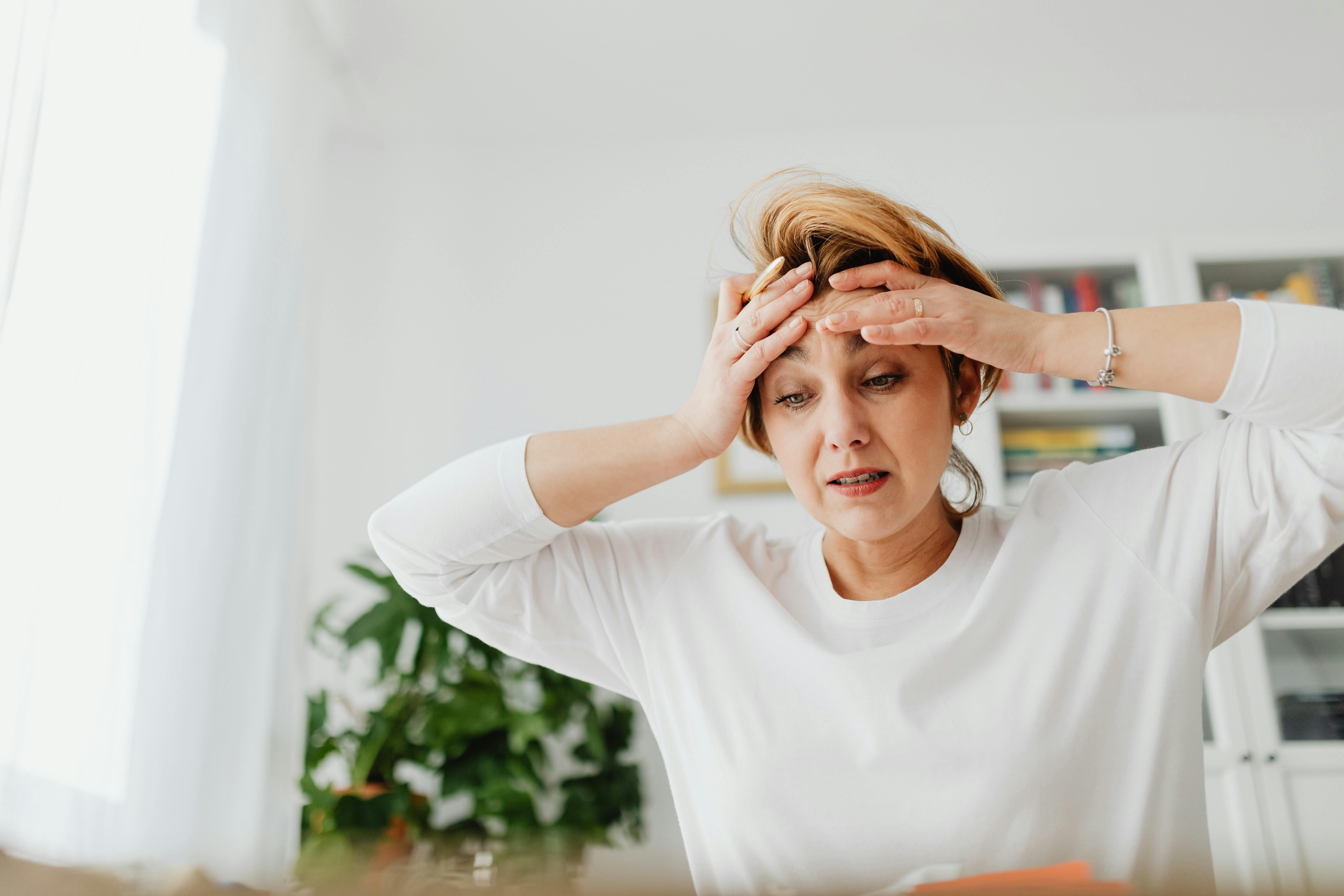
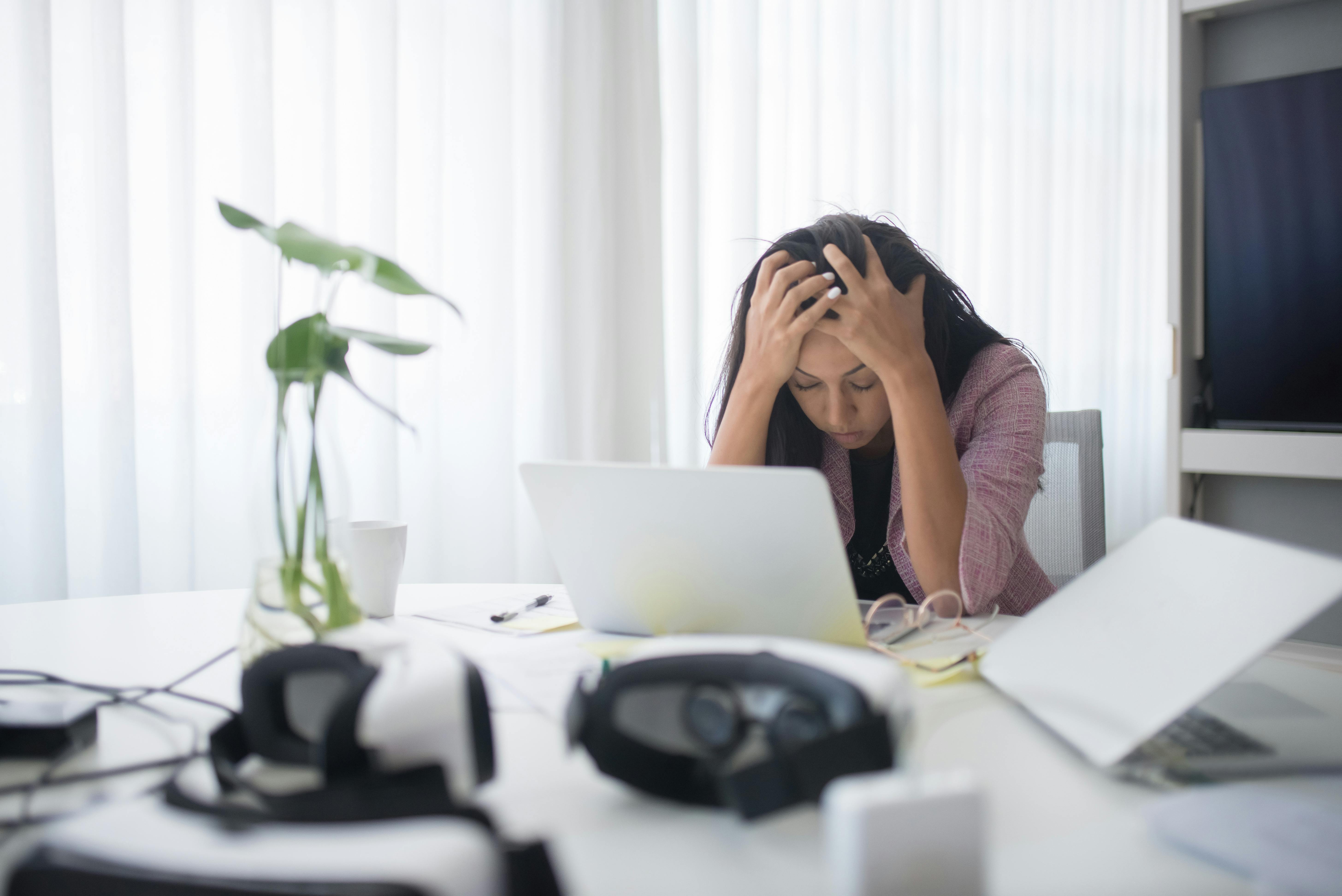
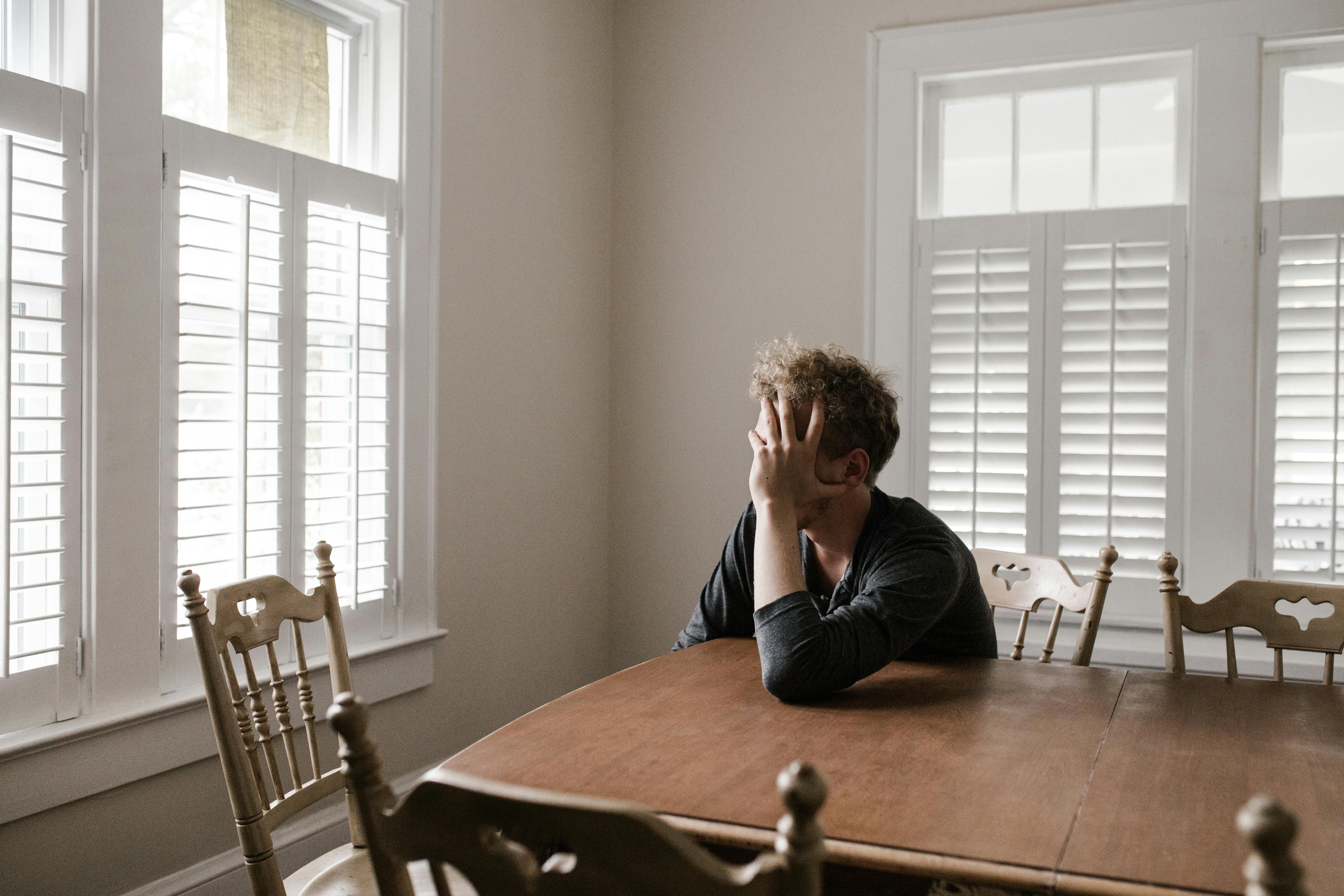
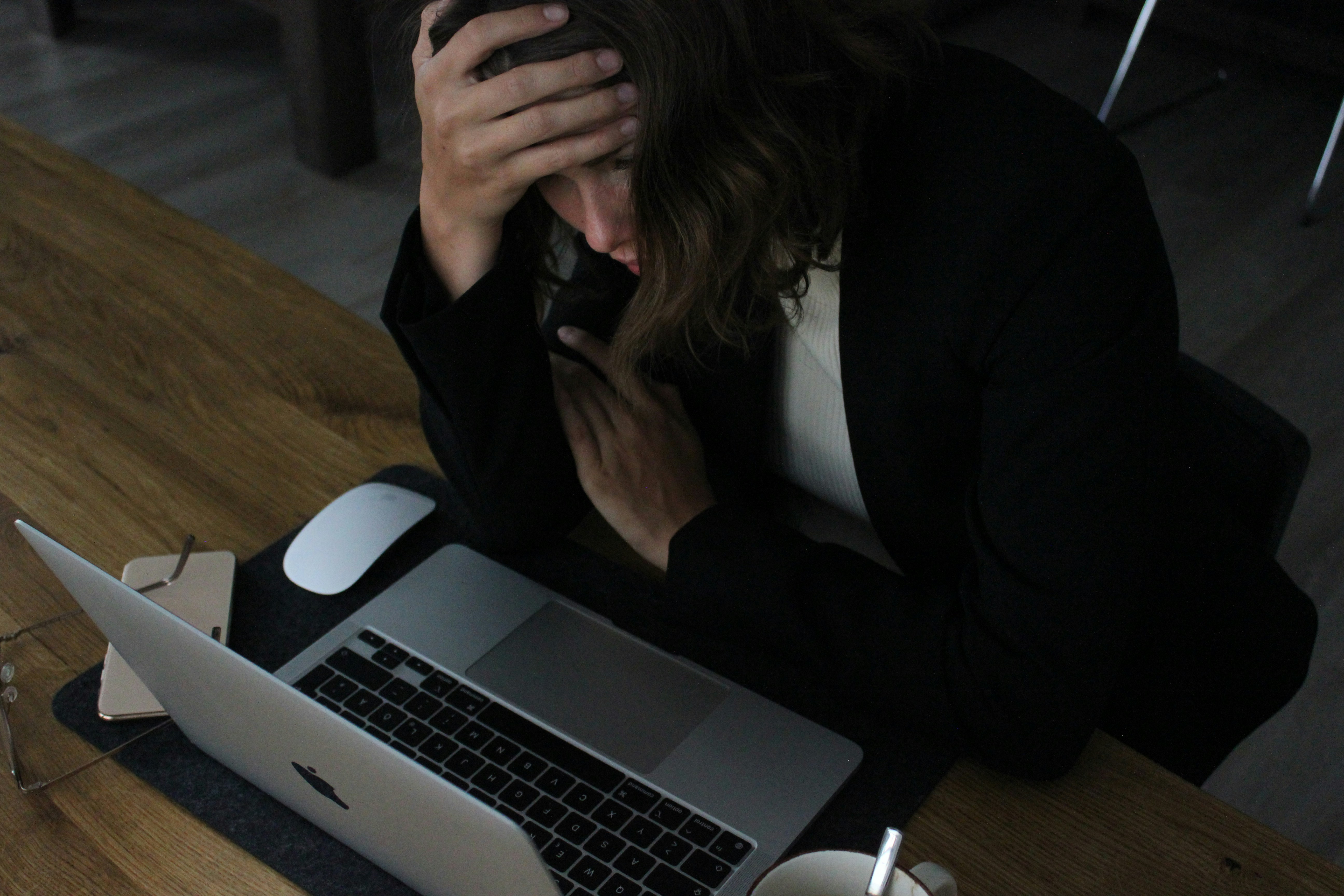
The holiday season brings joy and celebration for many, but it also creates unique mental health challenges that affect millions of Americans.
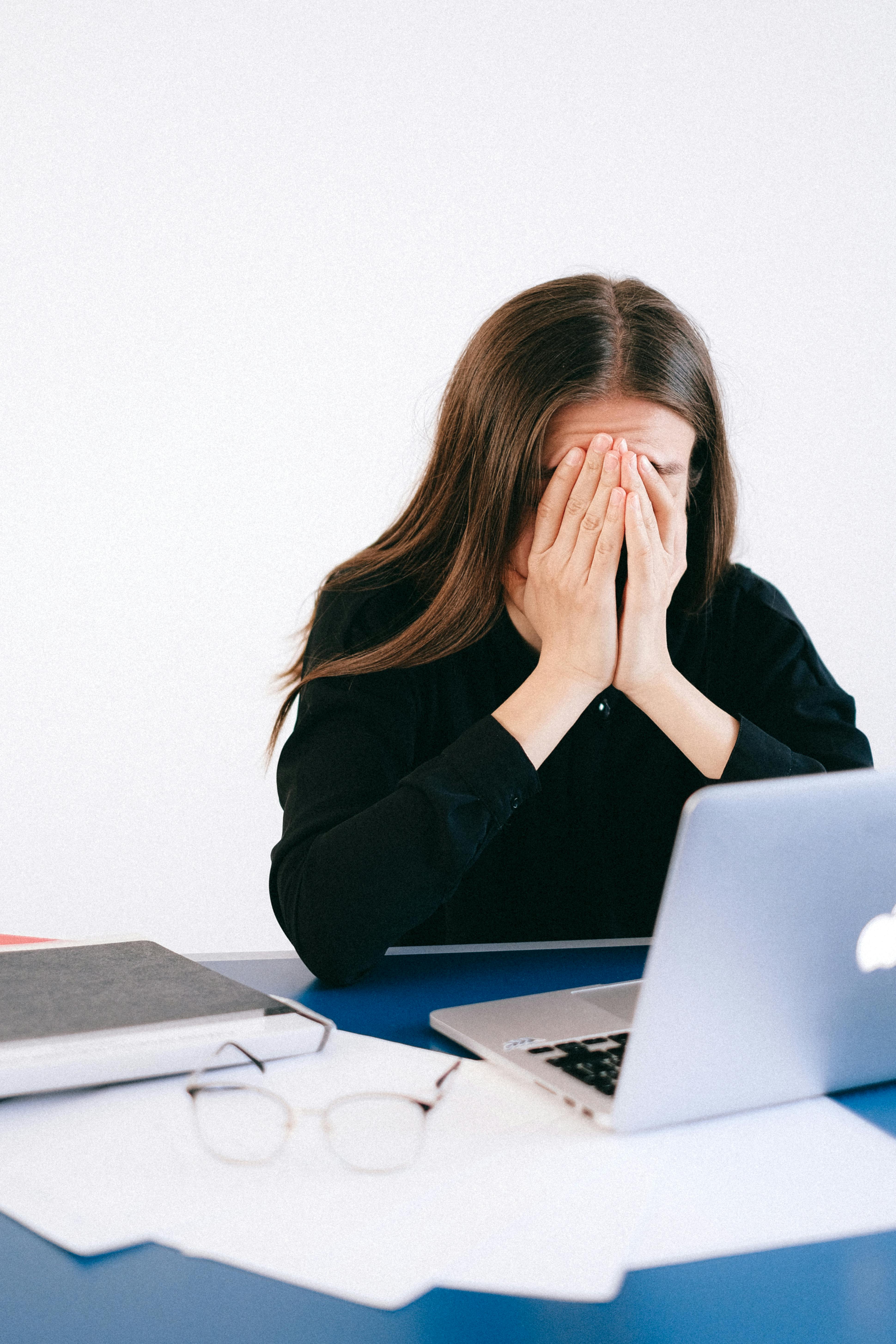
Nearly 71% of Americans report experiencing more holiday-related stress than the previous year, with concerns ranging from financial pressures to complicated family dynamics. Understanding how holidays affect mental health and learning effective coping strategies can help you navigate this season with greater ease and enjoyment.
Key Takeaways
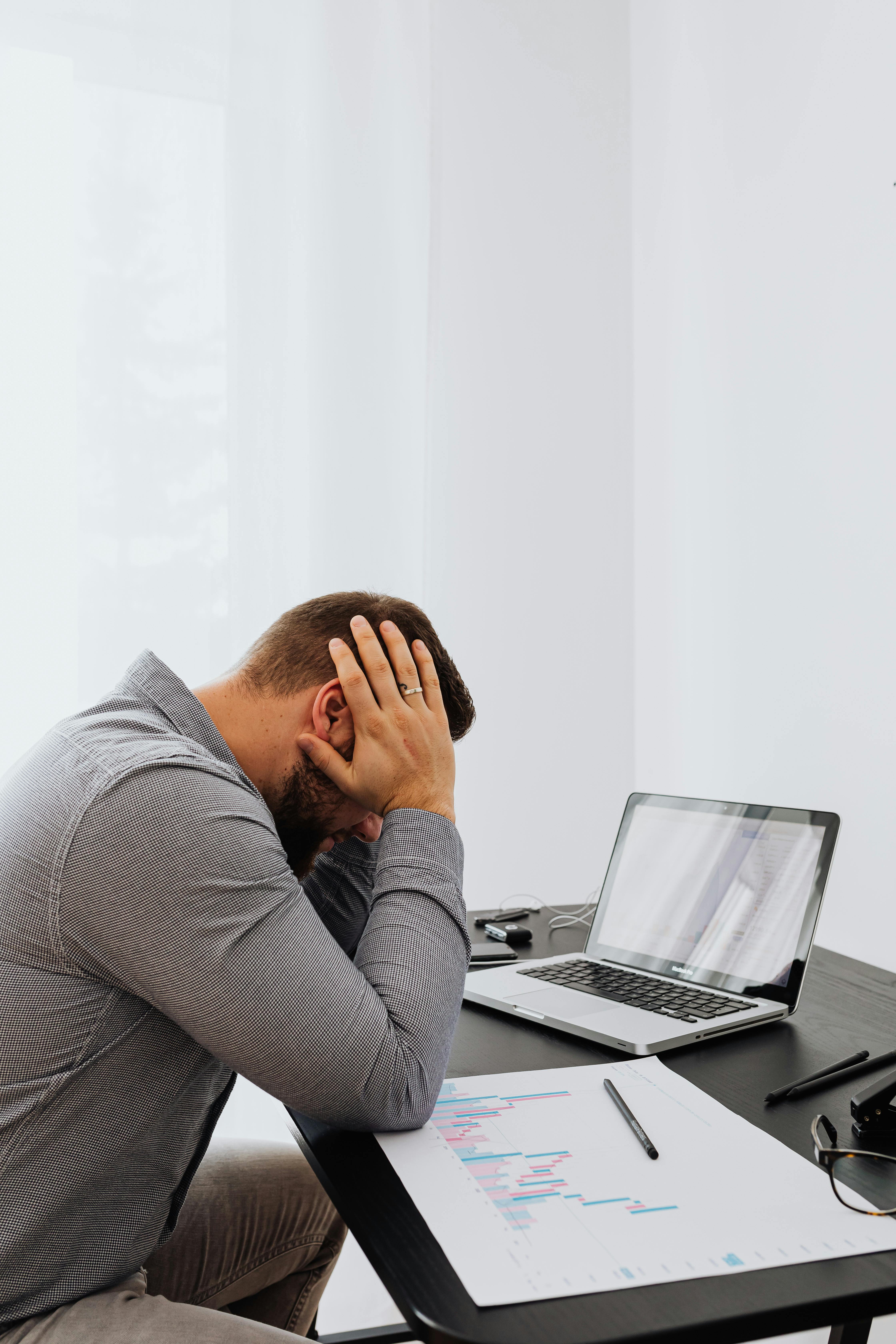
Holiday stress affects the majority of Americans, with many finding the holiday season more stressful than tax season, primarily due to financial concerns, time constraints, and family obligations.
People with existing mental health conditions often experience worsened symptoms during the holidays.
Evidence-based coping strategies include setting realistic expectations, maintaining self-care routines, establishing boundaries with family members, and seeking professional support when stress becomes overwhelming.
Why the Holidays Affect Mental Health
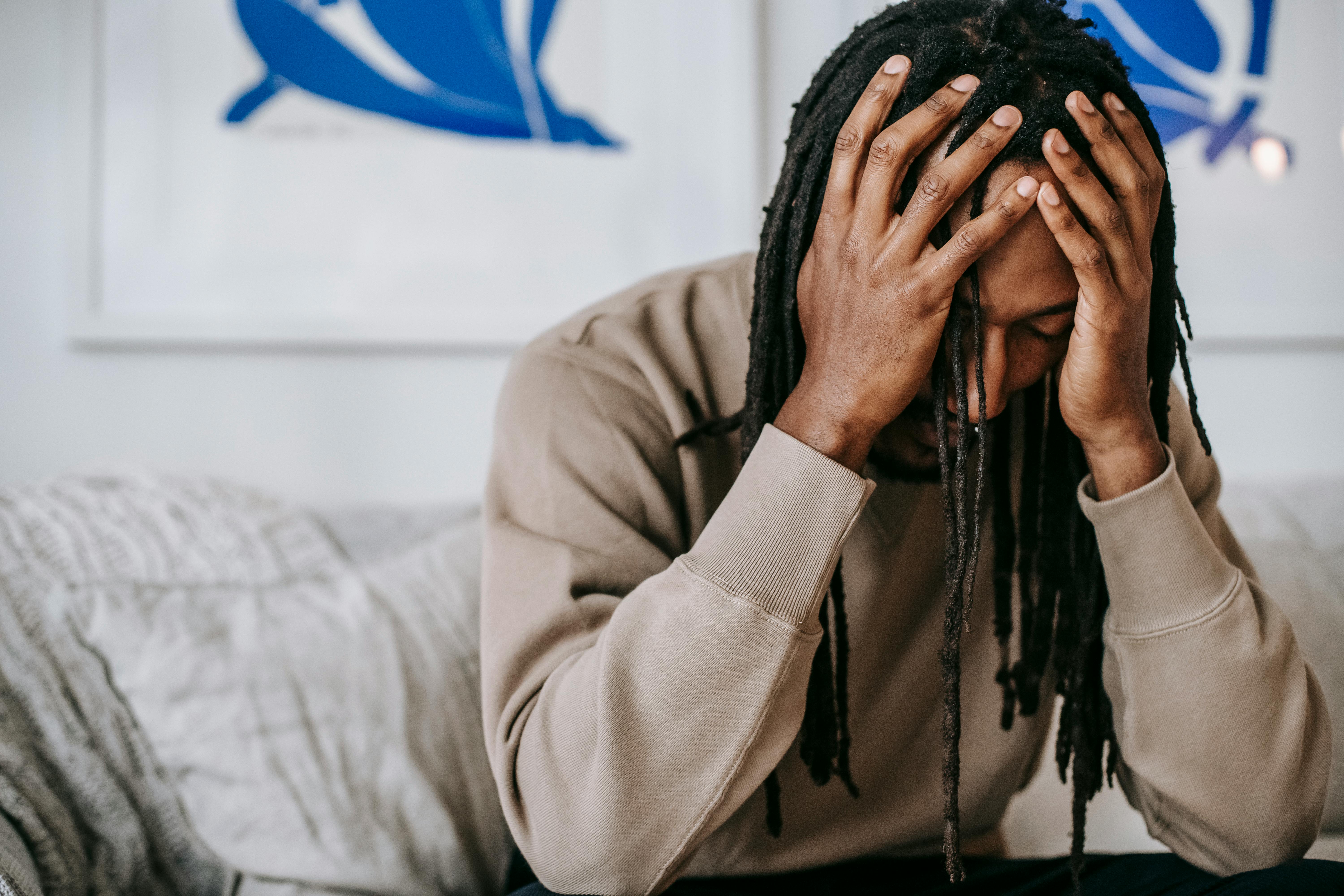
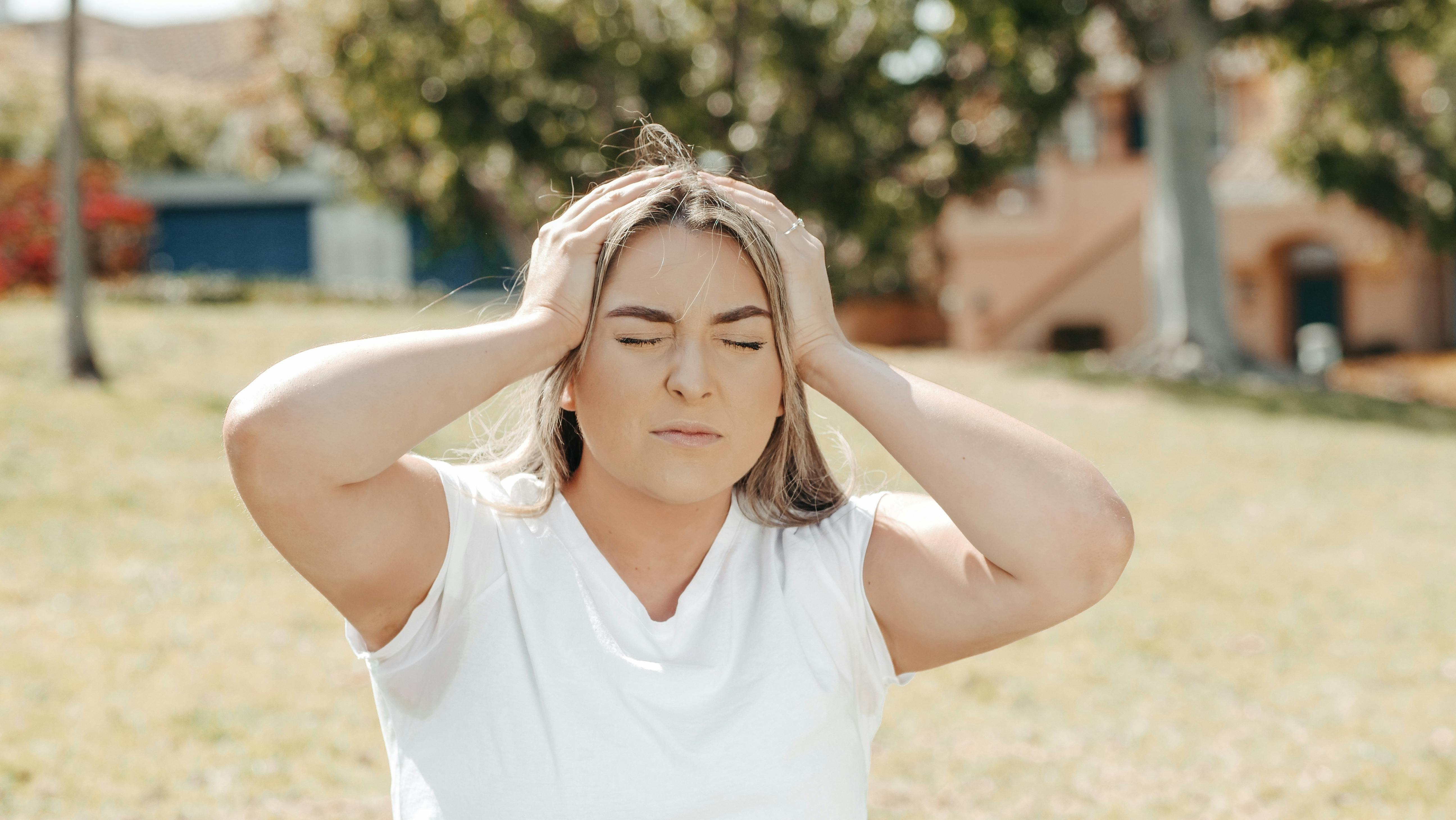
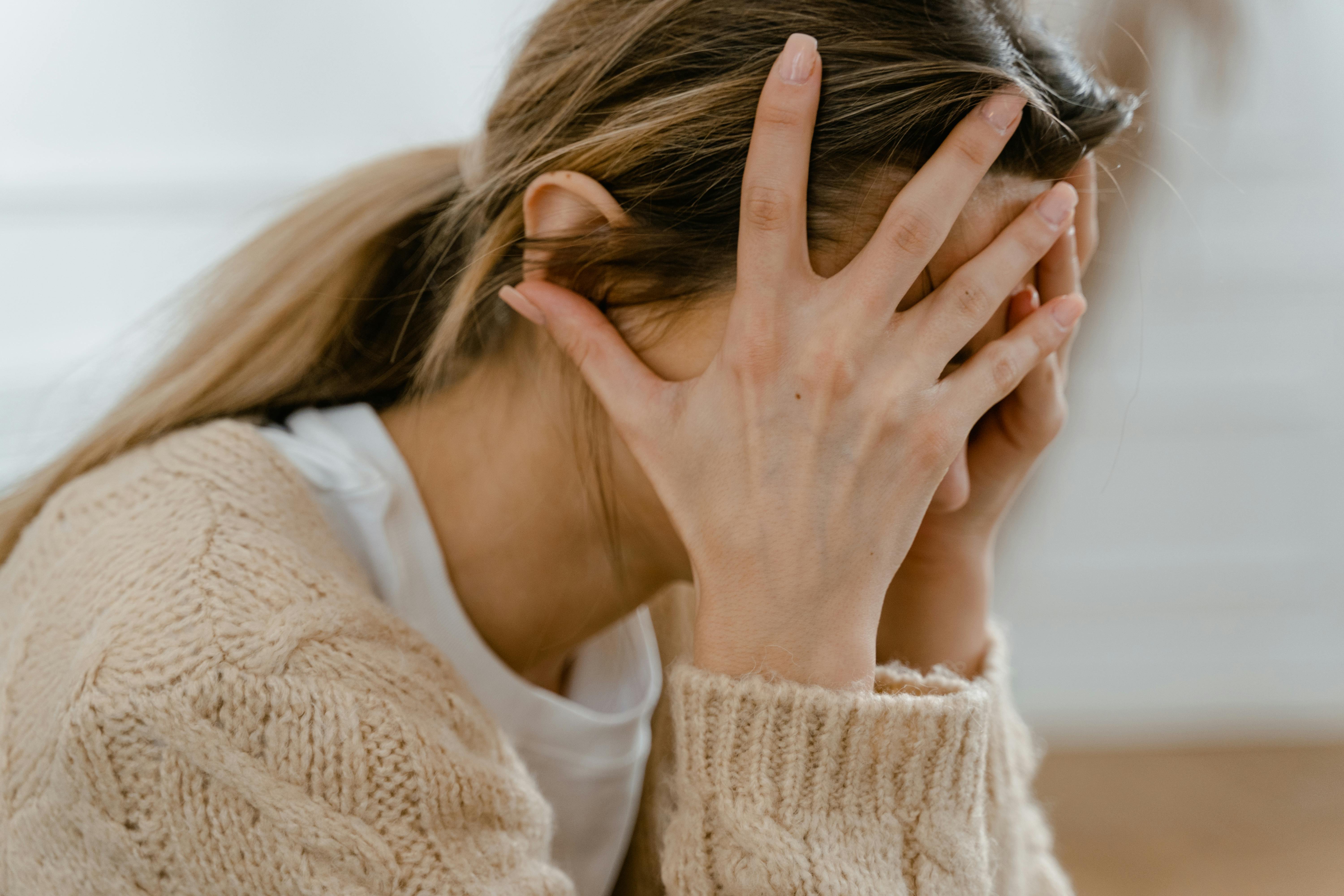
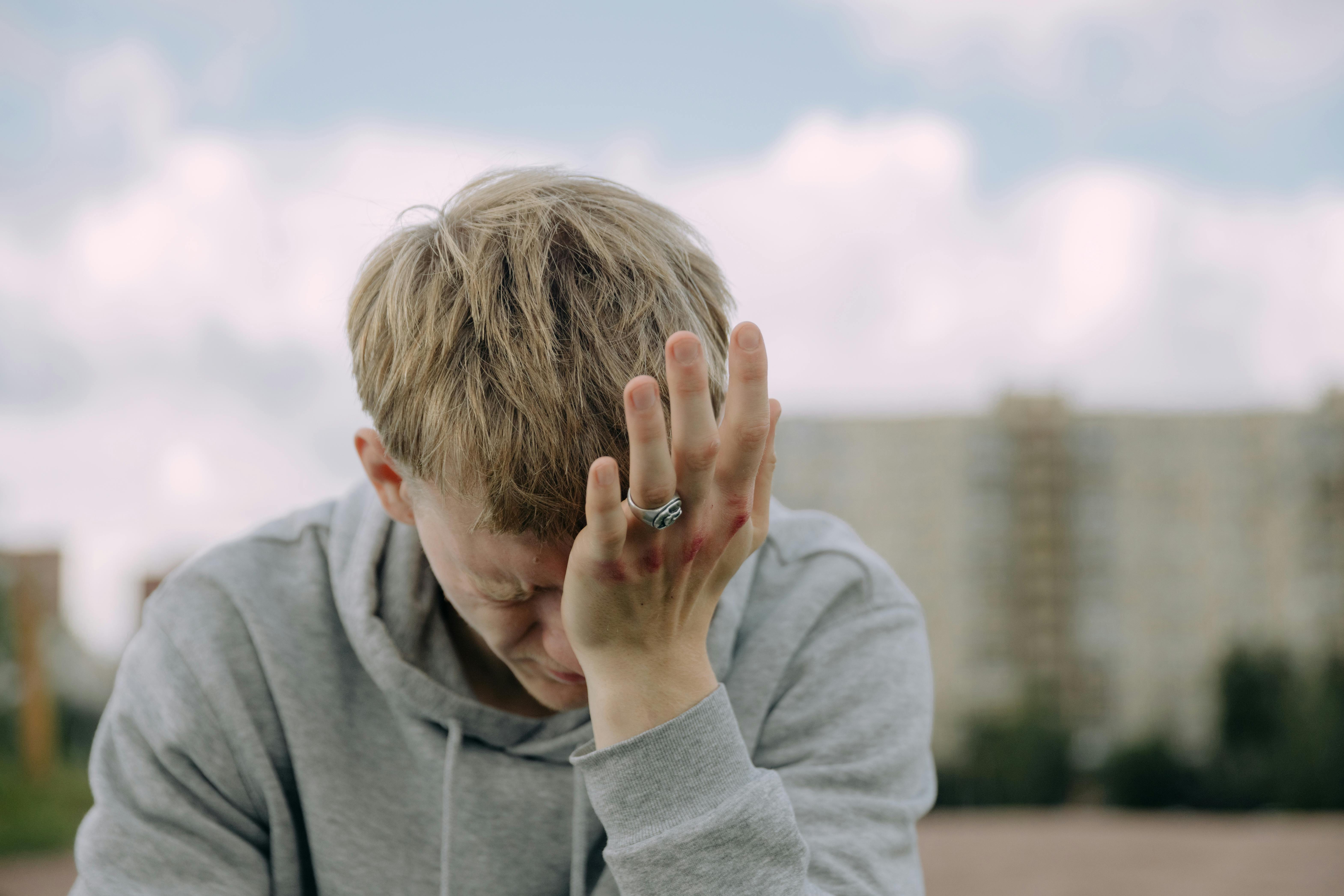
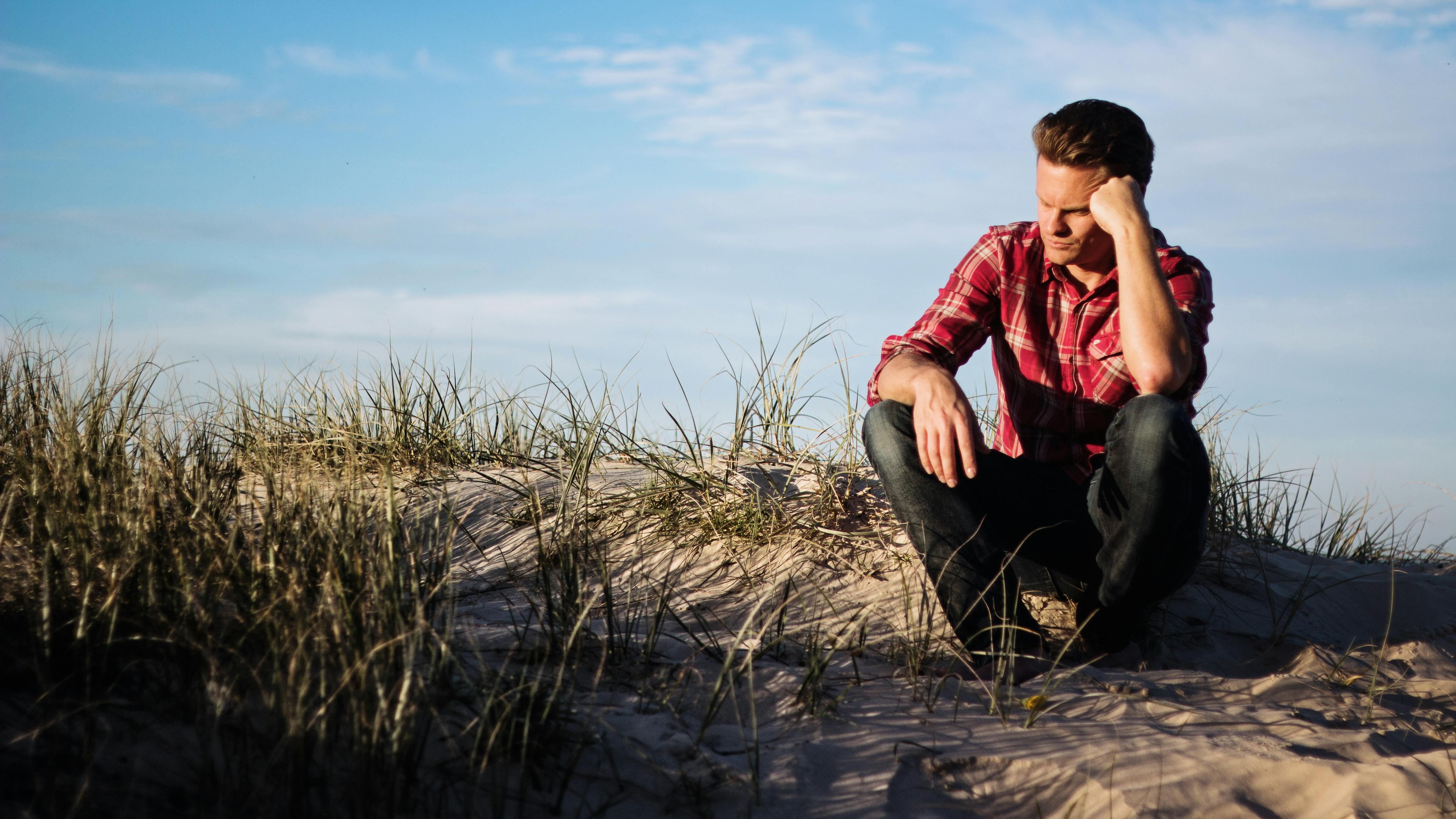
The winter holiday season creates a perfect storm of stressors that can challenge even the most resilient individuals. While cultural narratives often portray this time as purely joyful, the reality includes increased demands, heightened expectations, and emotional complexity that can strain mental well-being.
Common Holiday Stressors
Research identifies several key factors that contribute to holiday stress.
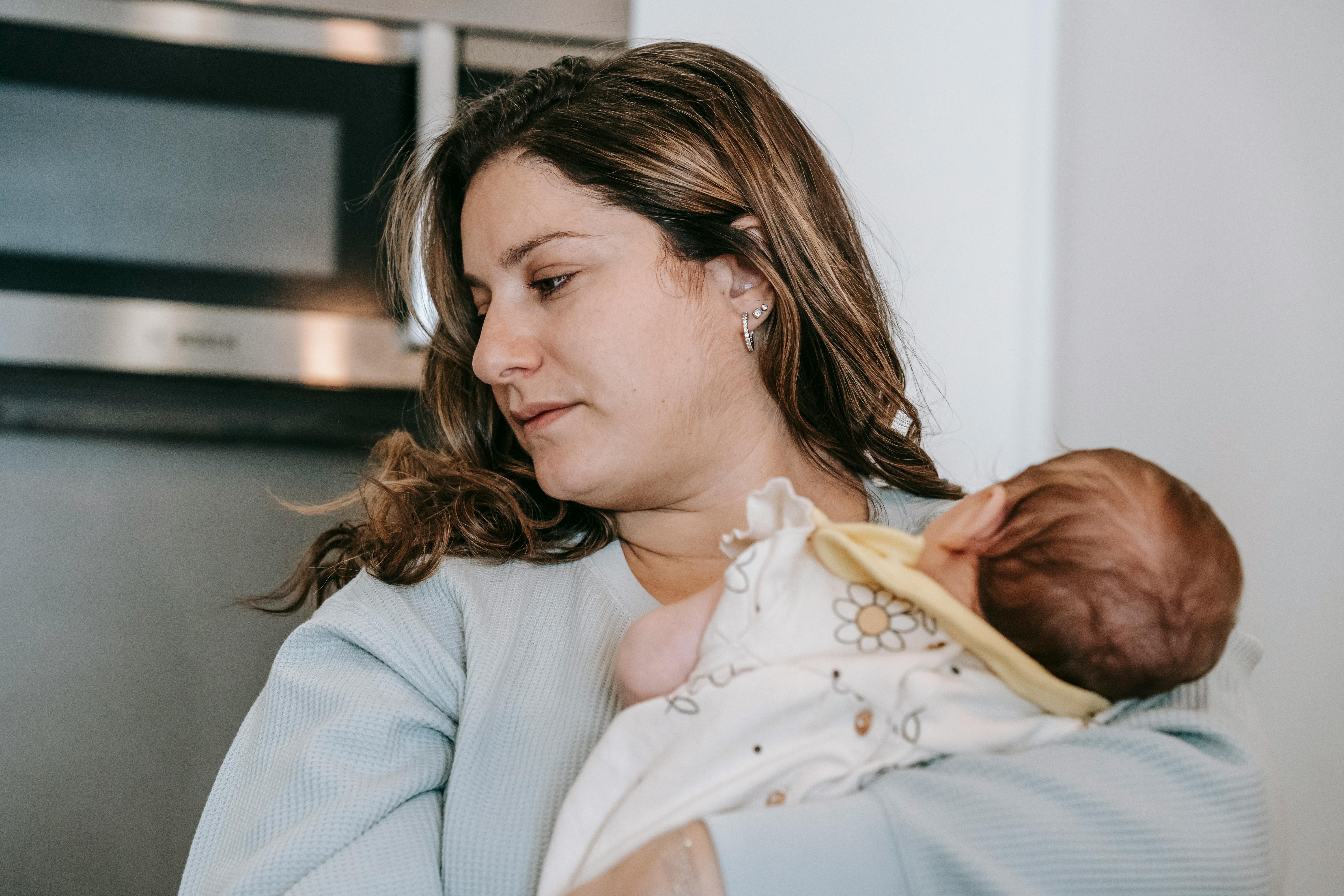
Financial concerns top the list, and many are concerned about meal costs. Beyond money matters, time pressures create significant strain as people juggle work obligations, social commitments, and personal responsibilities.
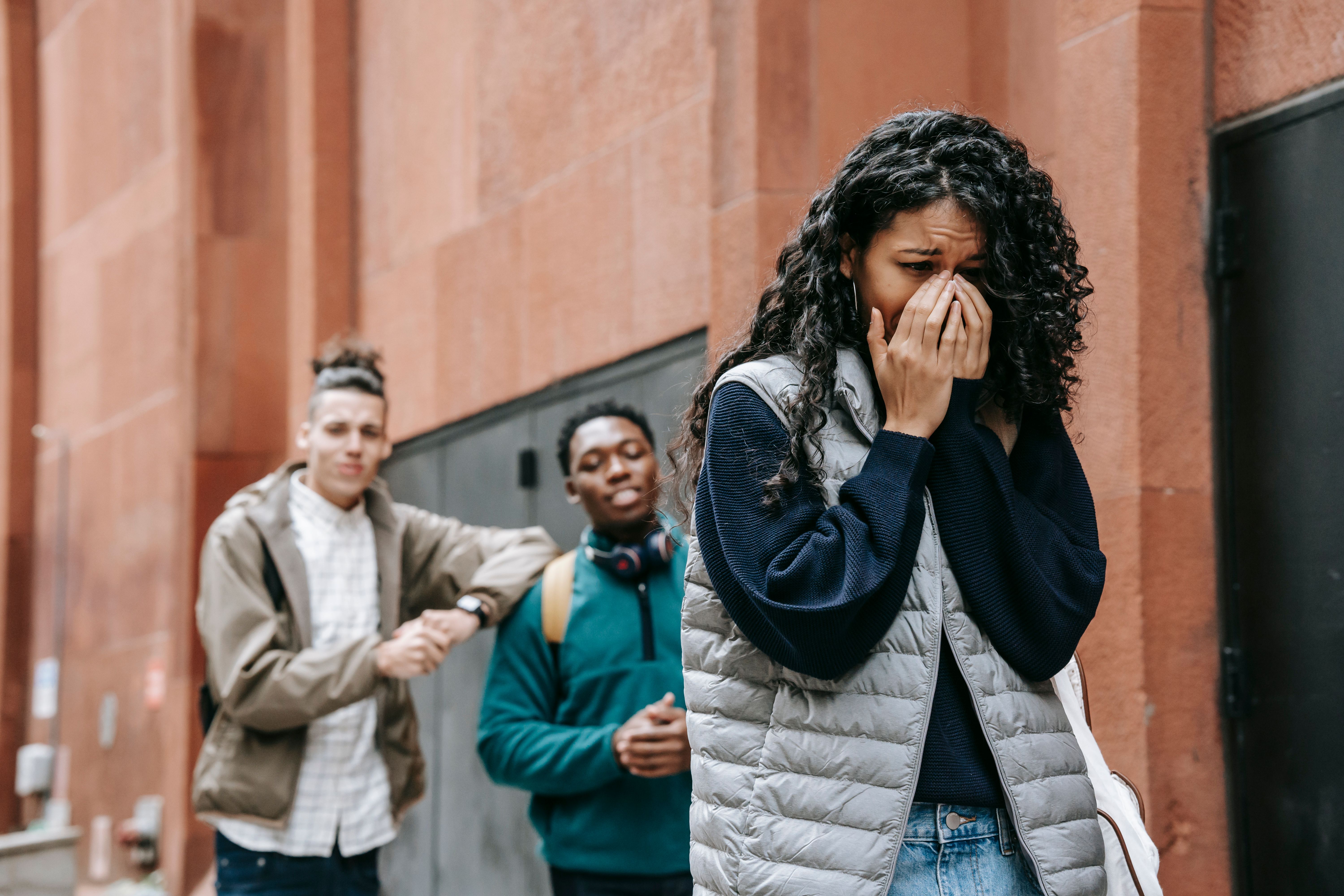
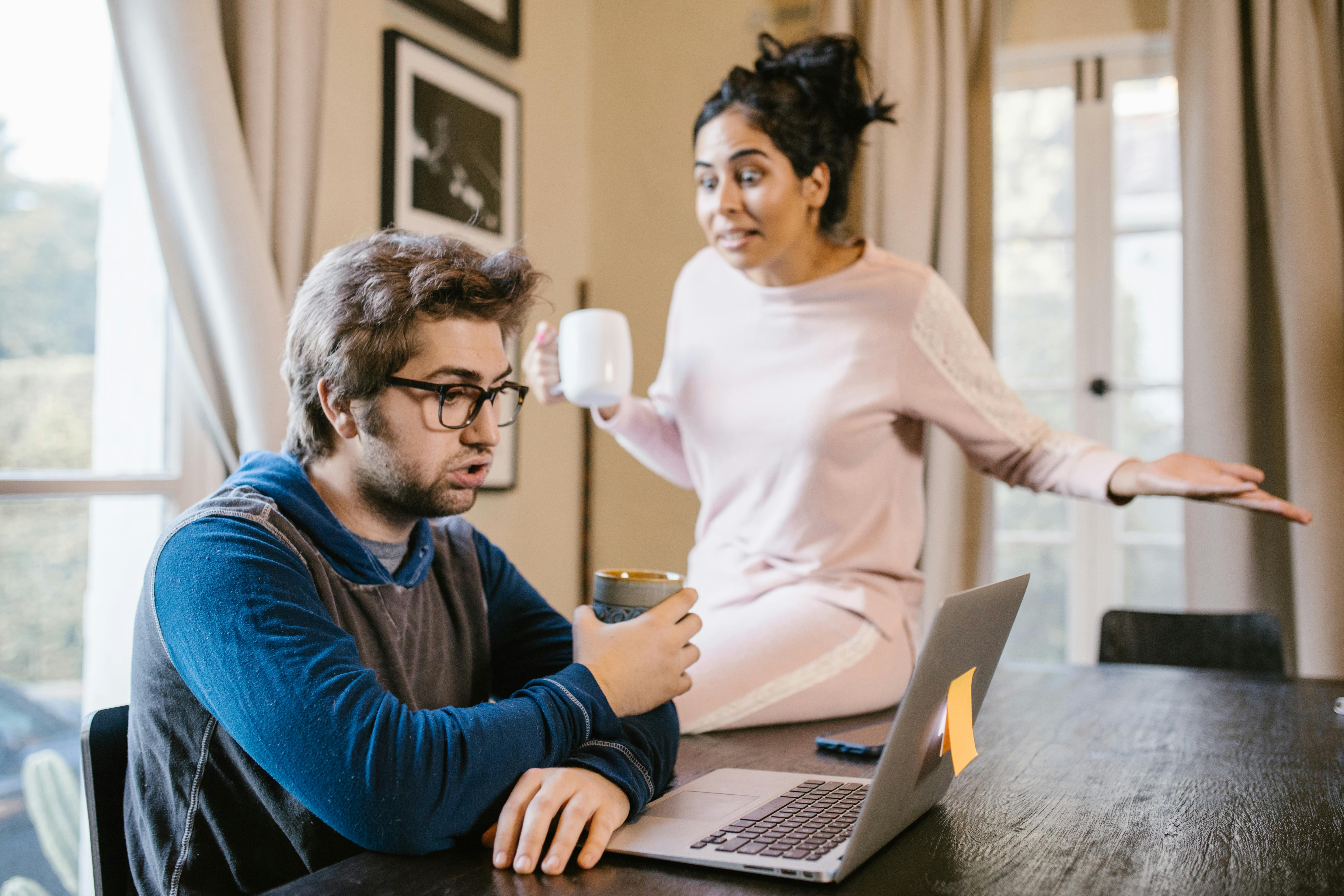
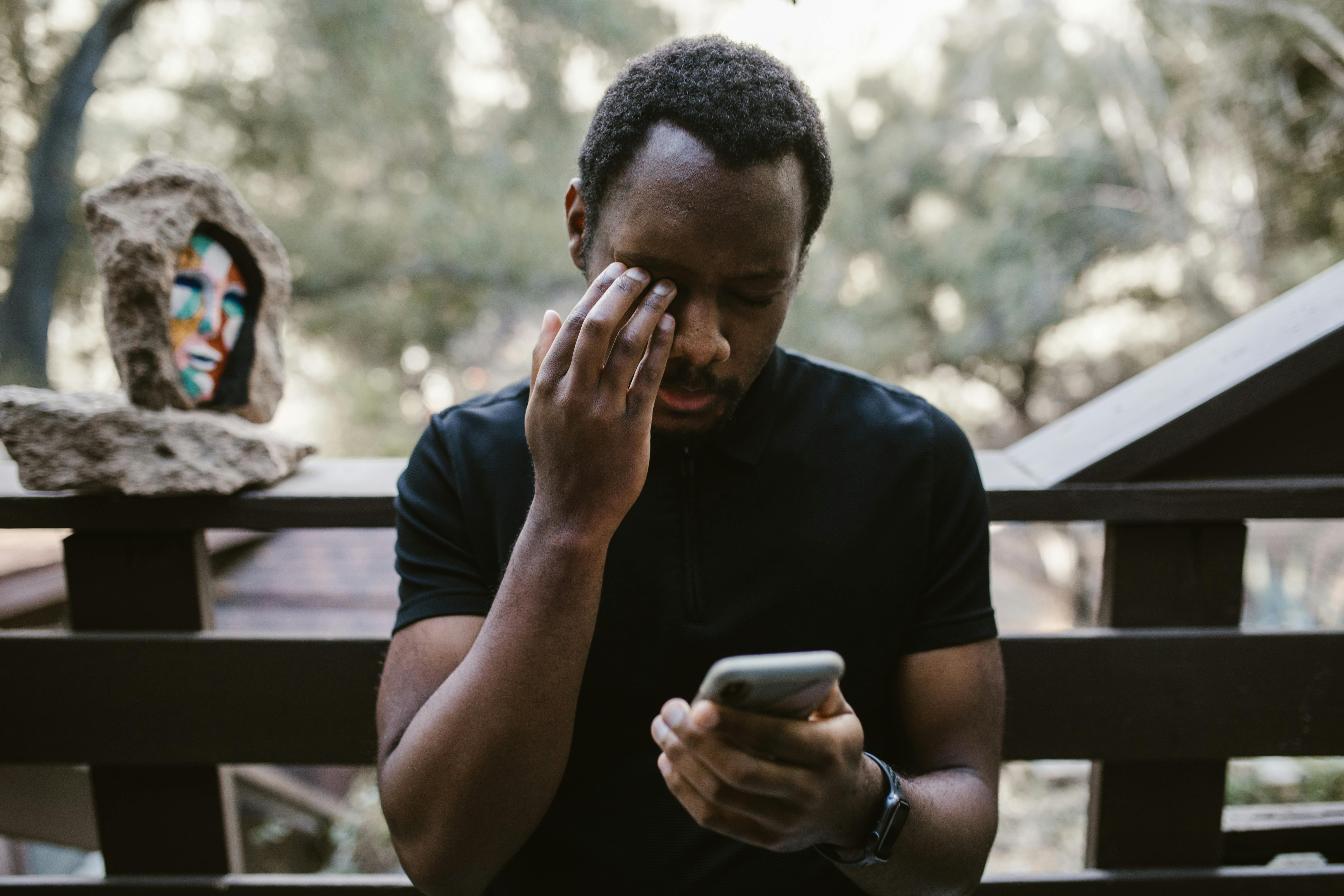
The commercialization and constant social media presence during holidays can amplify feelings of inadequacy. When everyone's feeds showcase picture-perfect gatherings and elaborate celebrations, it's easy to feel like your own holiday experience falls short.
Impact on Existing Mental Health Conditions
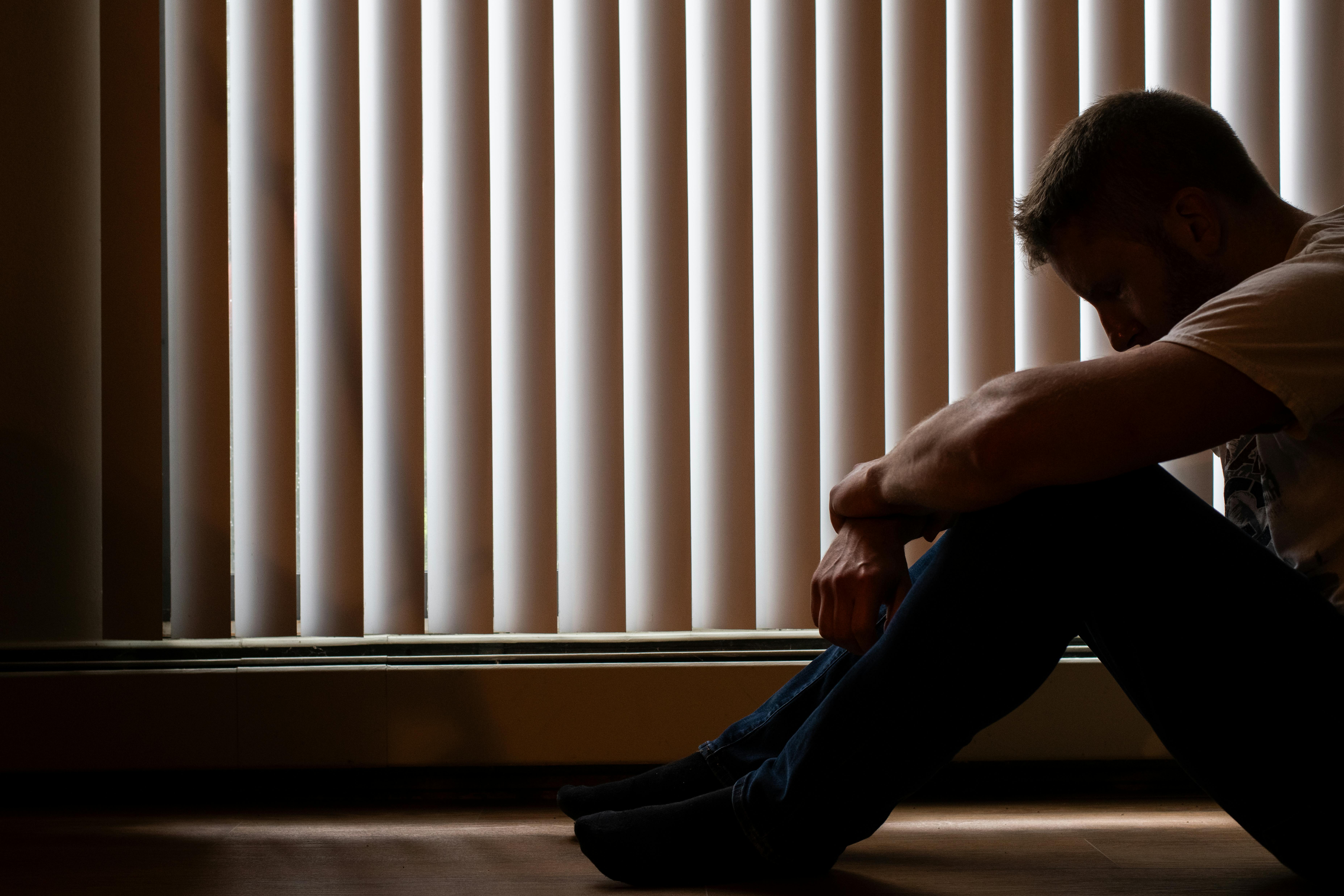
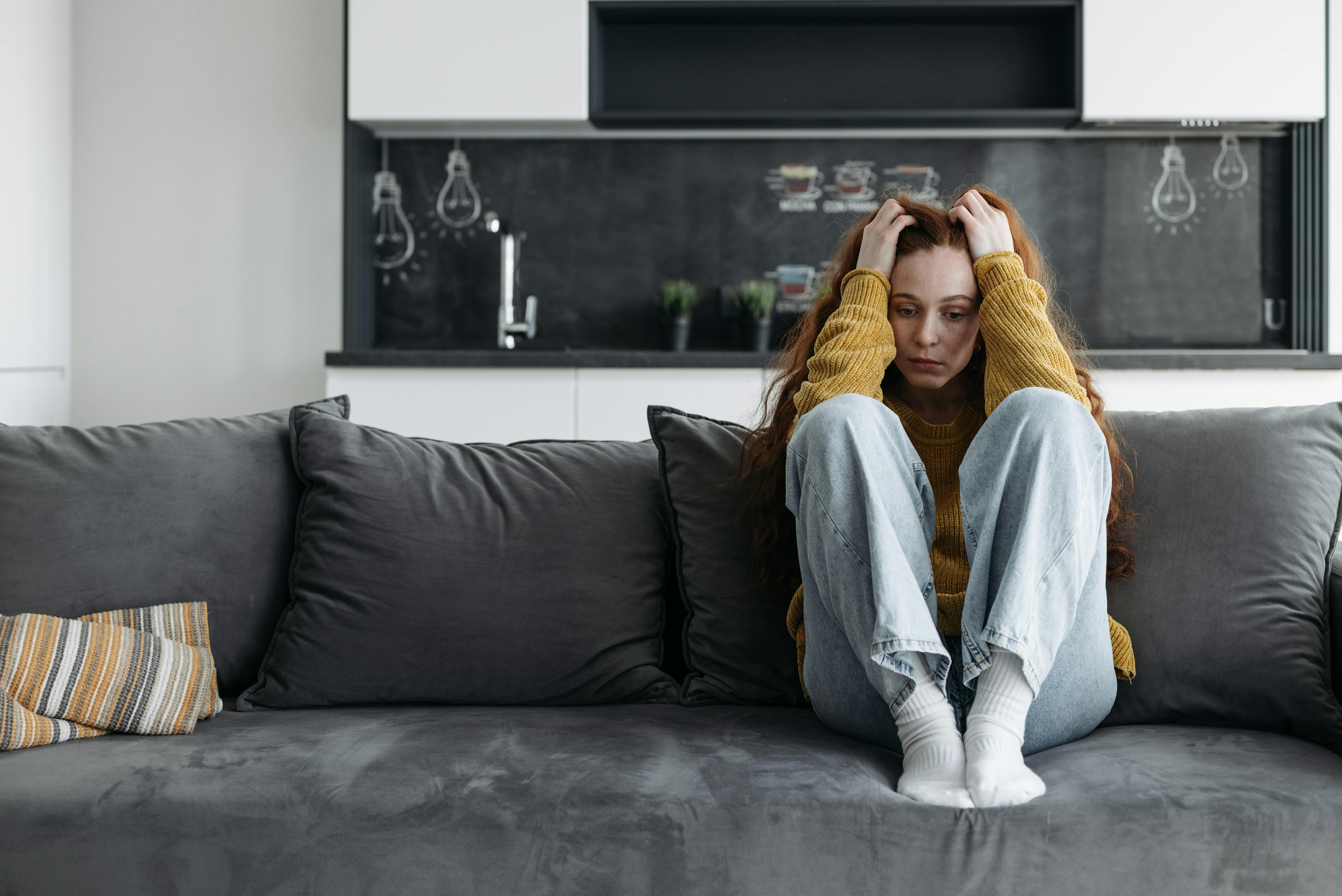
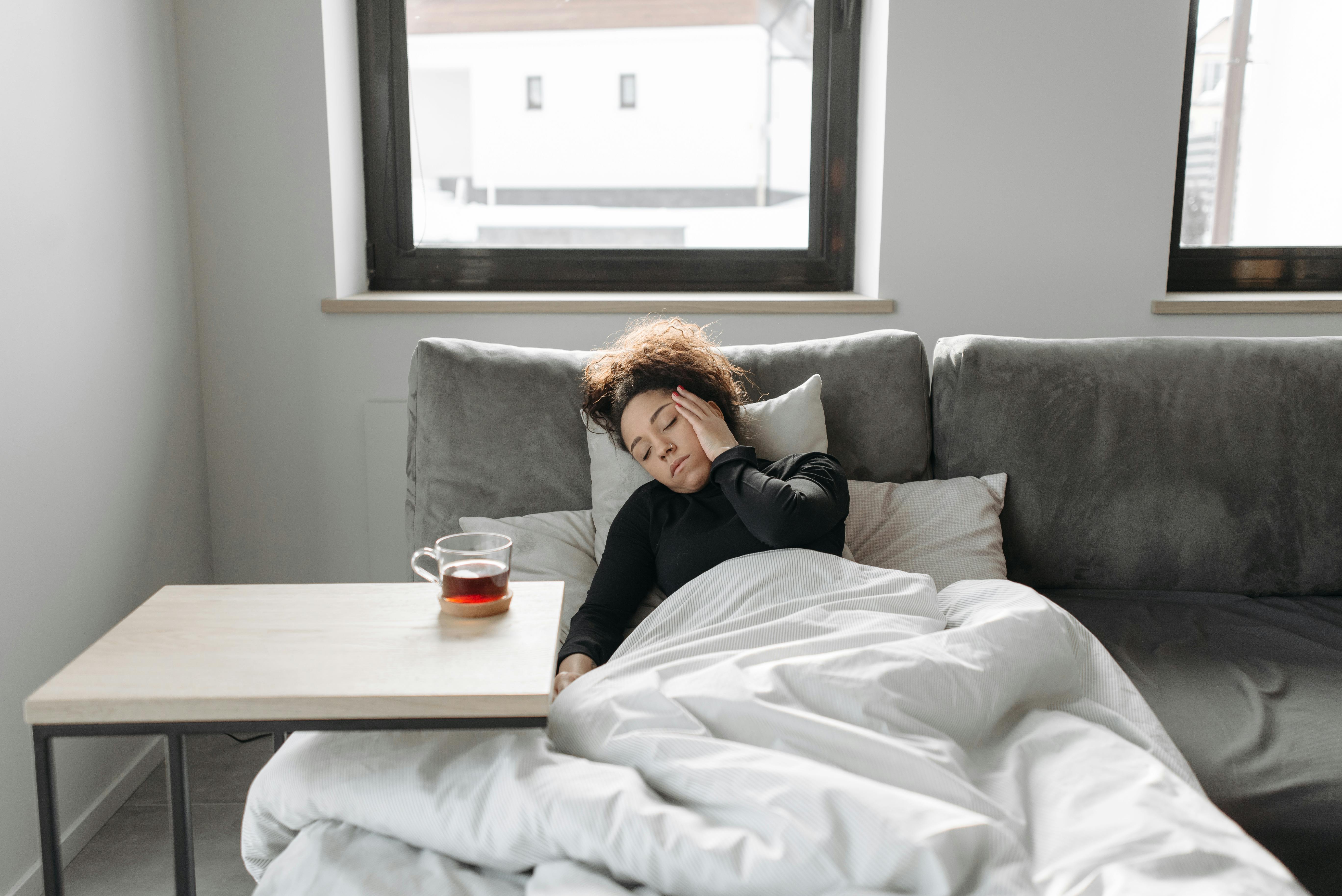
For people managing depression, anxiety, or other mental health conditions, the holidays present additional challenges. The combination of disrupted routines, altered sleep schedules, increased alcohol consumption, and family stress can trigger symptom flare-ups.
This increased stress can lead to physical illness, worsened depression and anxiety, and in some cases, increased substance use.
Understanding Holiday Blues vs. Depression
It's important to distinguish between temporary holiday stress and more serious mental health concerns. The "holiday blues" describe a general feeling of sadness or stress that's directly tied to seasonal pressures and typically resolves once the holidays end.
Recognizing Temporary Holiday Stress
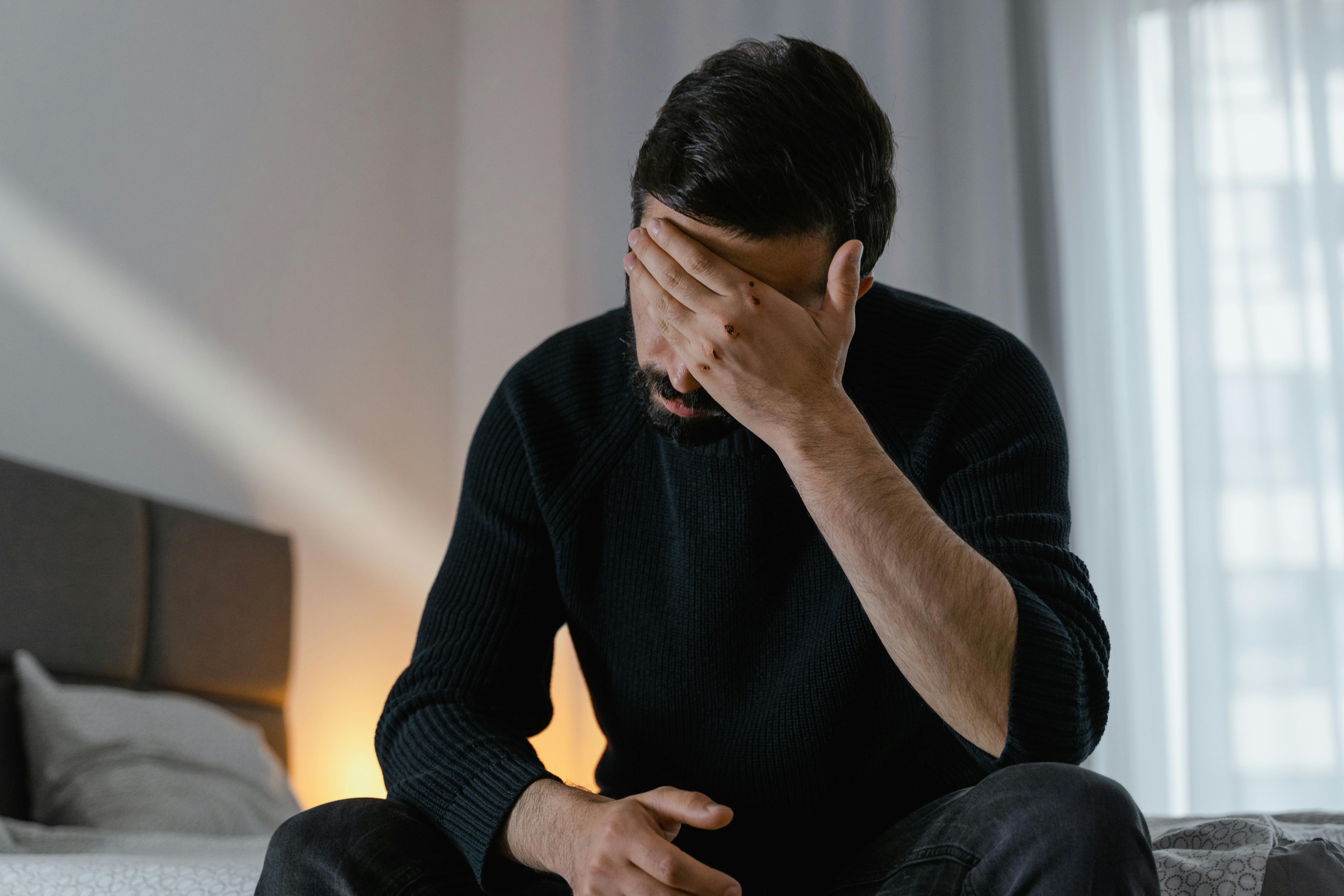
Holiday blues might include feeling overwhelmed by obligations, experiencing mild sadness when thinking about absent loved ones, or feeling frustrated by family dynamics. These feelings are normal responses to situational stress and usually don't significantly interfere with daily functioning.
When Symptoms Indicate Something More Serious
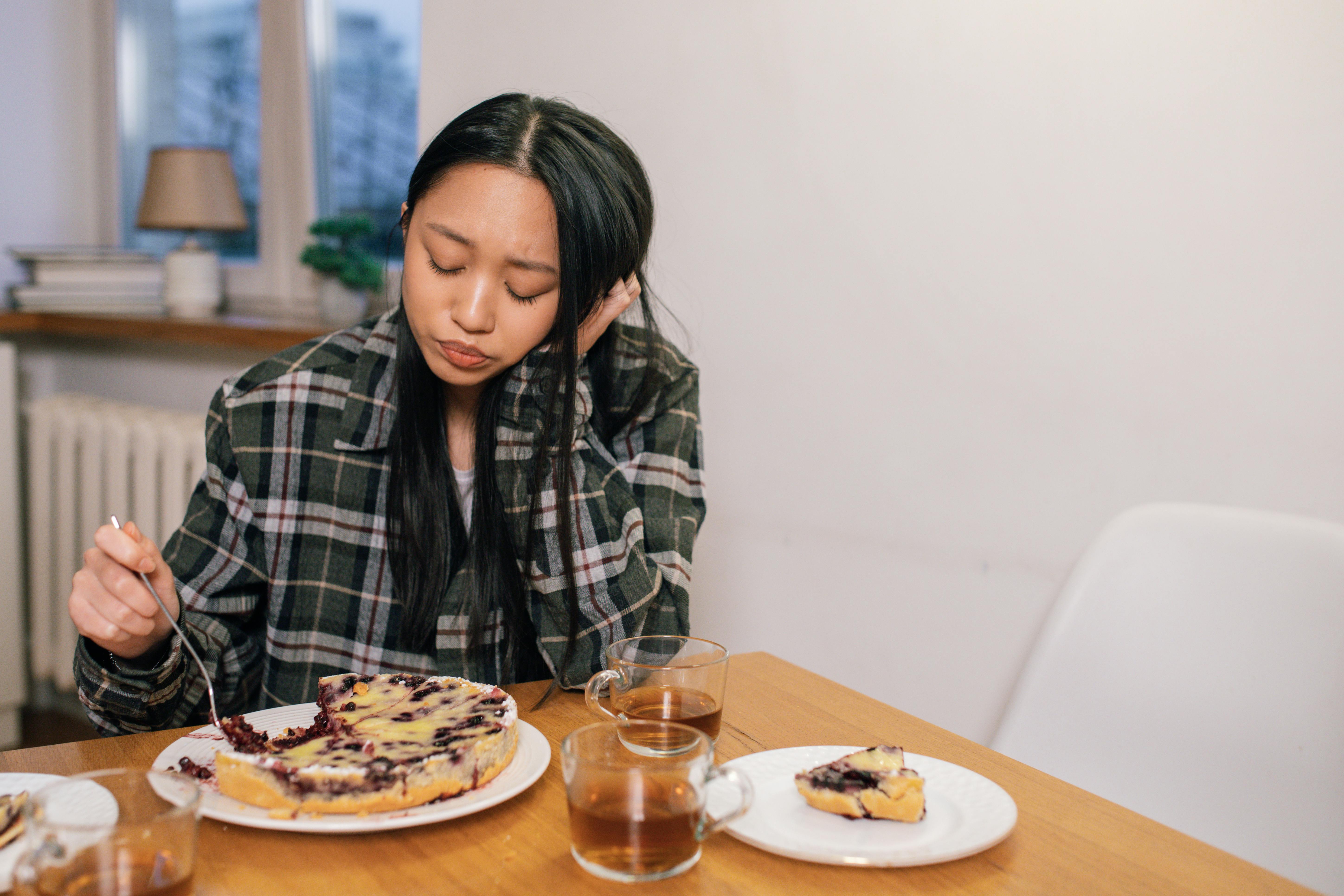
More concerning signs include persistent sad mood lasting most of the day, loss of interest in activities you normally enjoy, significant changes in sleep or appetite, difficulty concentrating, or thoughts of self-harm. If you experience these symptoms for more than two weeks, professional help is warranted.
Some people also experience Seasonal Affective Disorder during winter months, which differs from holiday stress because it's triggered by reduced daylight rather than seasonal events. This condition requires specific treatment approaches that may include light therapy or medication.
Managing Family Dynamics During Gatherings
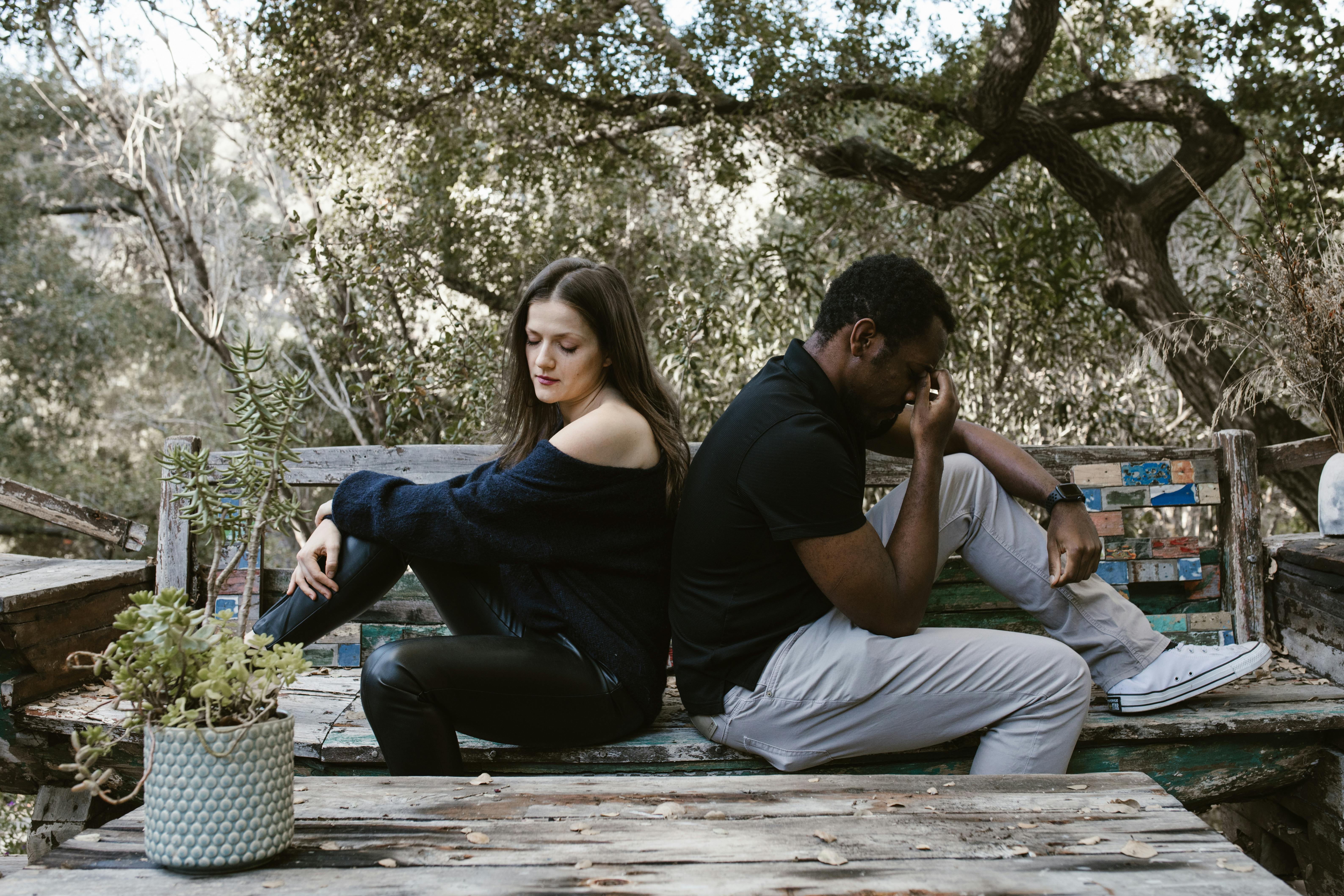
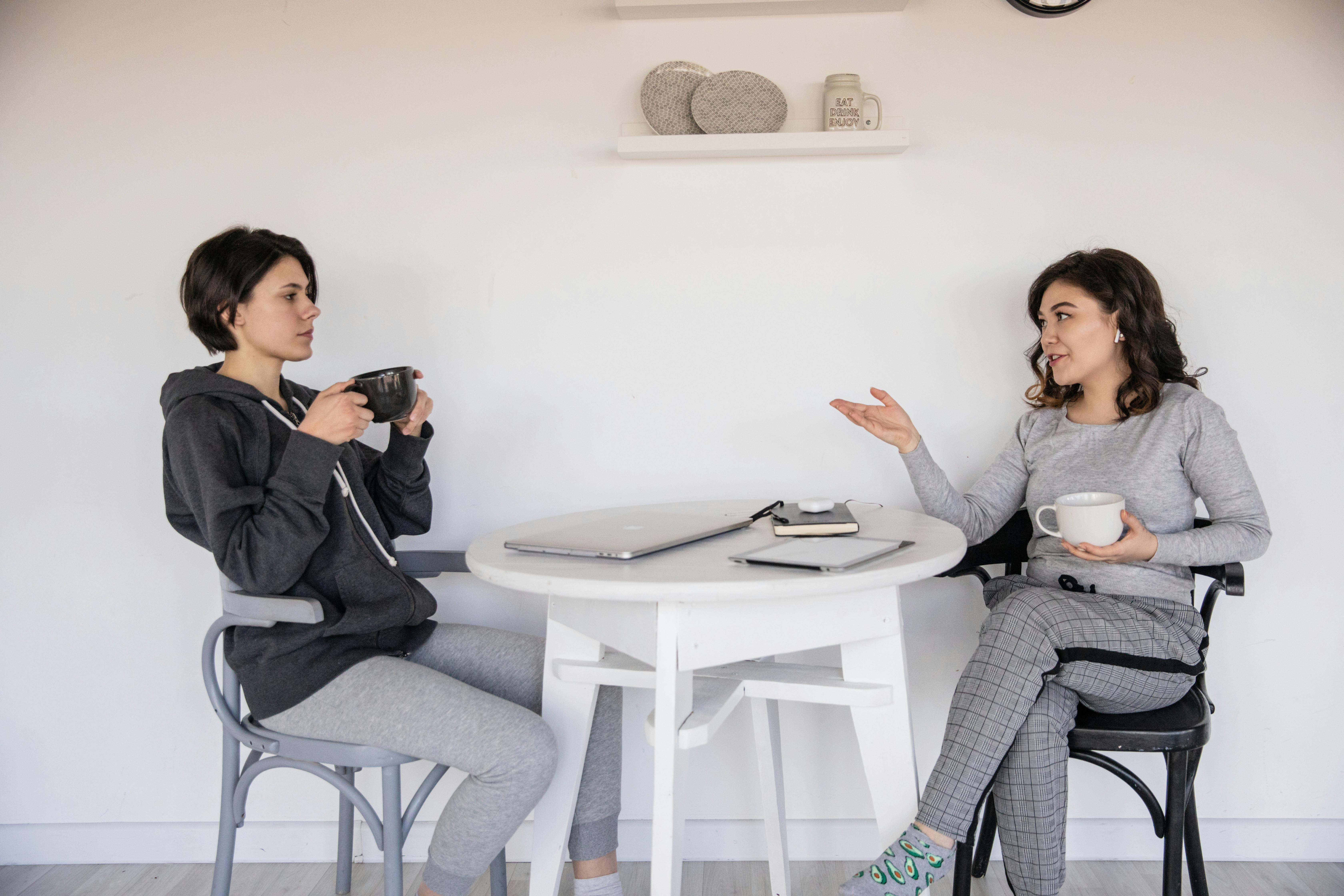
Family gatherings often represent both the best and most stressful aspects of the holidays. Navigating different personalities, political views, and old family patterns requires preparation and emotional intelligence.
Setting Boundaries Before Events
Experts recommend communicating boundaries clearly, redirecting conversations to shared interests, and practicing mindfulness techniques to manage stress. Before attending gatherings, identify your limits regarding time spent at events, topics you're willing to discuss, and behaviors you'll tolerate.
If you're partnering with someone, align on expectations beforehand. Discuss how long you'll stay, what conversations might be off-limits, and create signals for when one person needs support or wants to leave.
Strategies During Difficult Interactions
When conversations turn tense, having an exit strategy helps. Polite excuses like "I need to check on something in the kitchen" or "I'll be back in a moment" allow you to step away without creating conflict.
Suggest going for a walk, organizing a family game, or watching something together. Activities that require concentration, physical movement, or laughter make it difficult to get drawn into arguments.
Managing Alcohol Consumption
Alcohol flows freely at many holiday gatherings, but it can amplify emotions and lower inhibitions. If you choose to drink, set limits before the event and alternate alcoholic beverages with water. Be mindful of how alcohol affects you personally, and limit interactions with people who've had too much to drink.
Financial Stress and Holiday Spending
Money concerns create substantial holiday anxiety for many families. The pressure to buy gifts, host meals, and participate in festivities can strain budgets and create debt that lingers well into the new year.
Creating Realistic Budgets
Before the season begins, determine what you can comfortably afford and stick to that number. Remember that small, thoughtful gifts convey the same care as expensive ones. Many people appreciate homemade items, shared experiences, or simply spending quality time together.
Focus on celebrating together and showing affection by being present, engaging, and supporting each other rather than through expensive gifts.
Alternative Gift-Giving Approaches
Consider organizing a family gift exchange where each person buys for only one other person. Secret Santa arrangements, white elephant exchanges, or setting spending limits can reduce financial pressure while maintaining the fun of gift-giving.
Some families choose to skip gifts entirely and instead pool resources for a shared experience or donate to causes they care about collectively.
Maintaining Self-Care During Busy Times
When schedules overflow with obligations, self-care often gets pushed aside. However, maintaining basic health habits becomes even more crucial during stressful periods.
Protecting Sleep and Physical Health
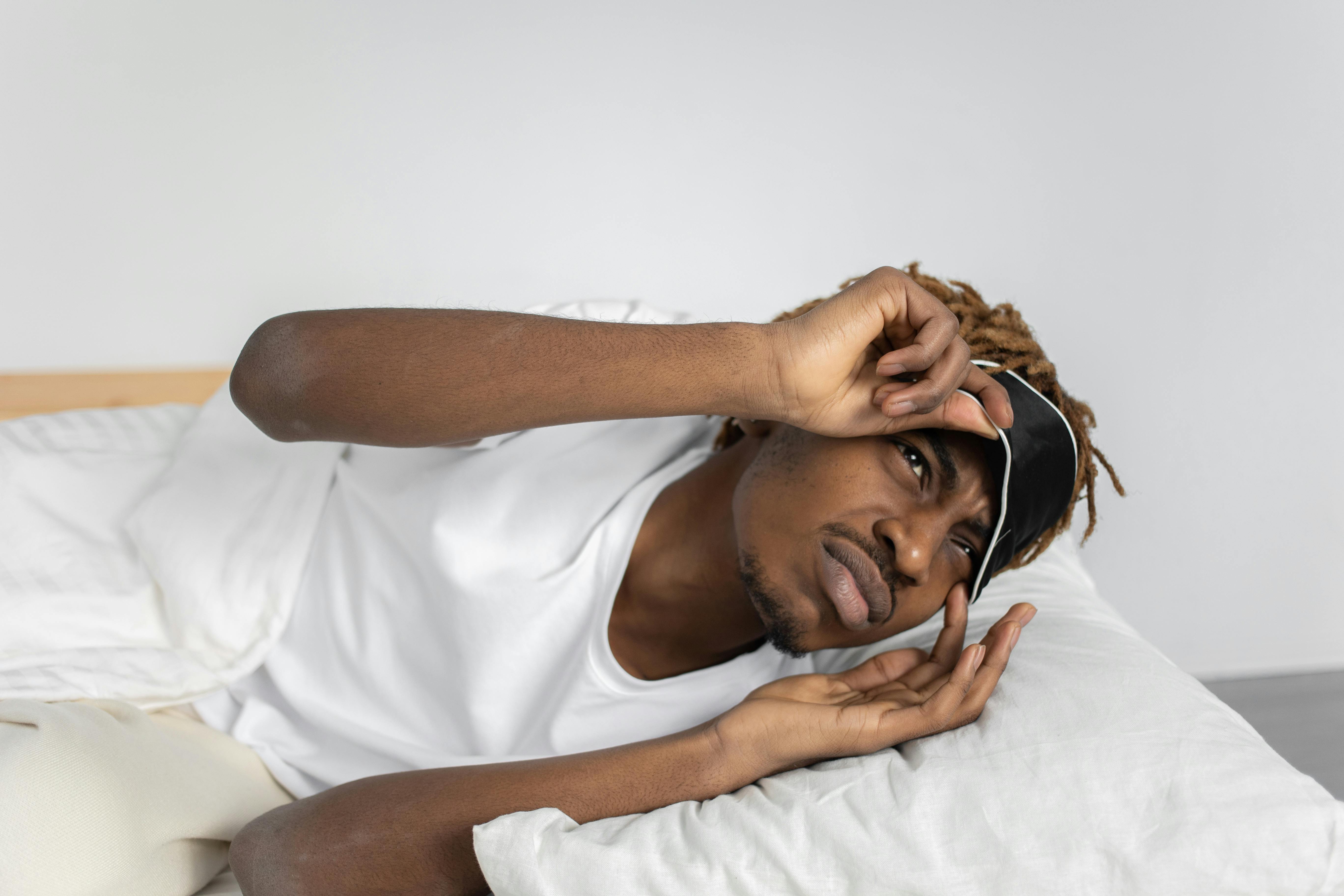
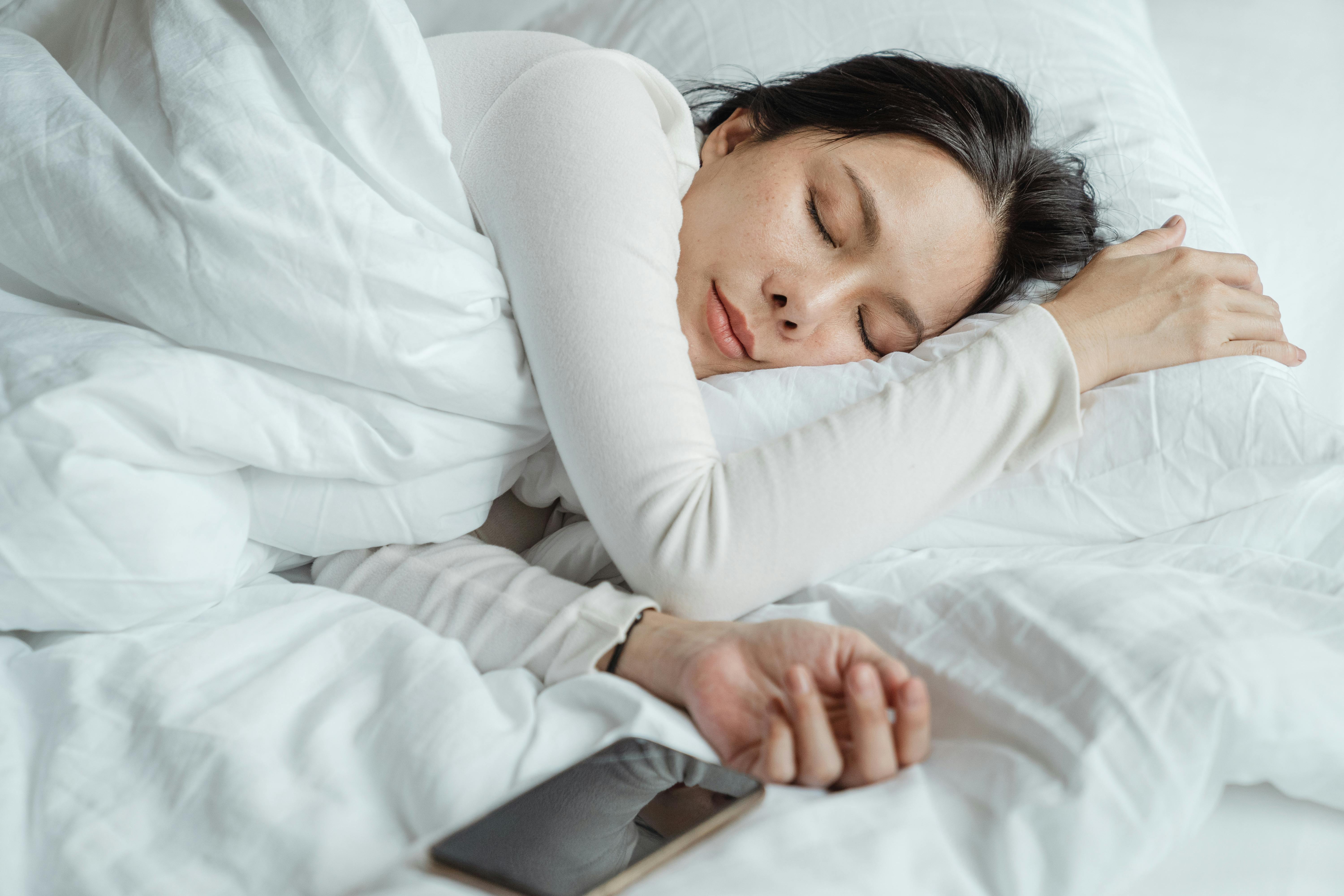
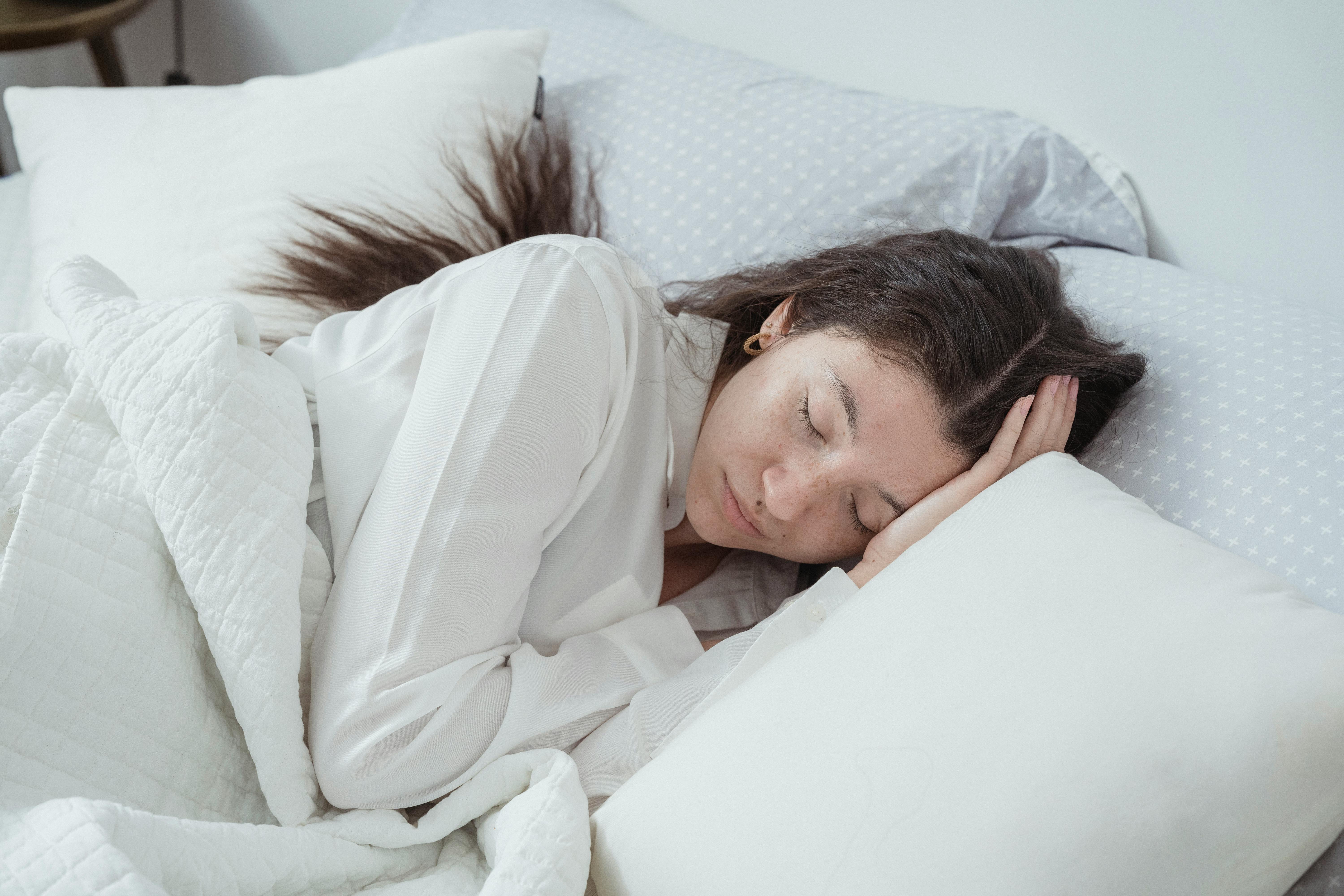
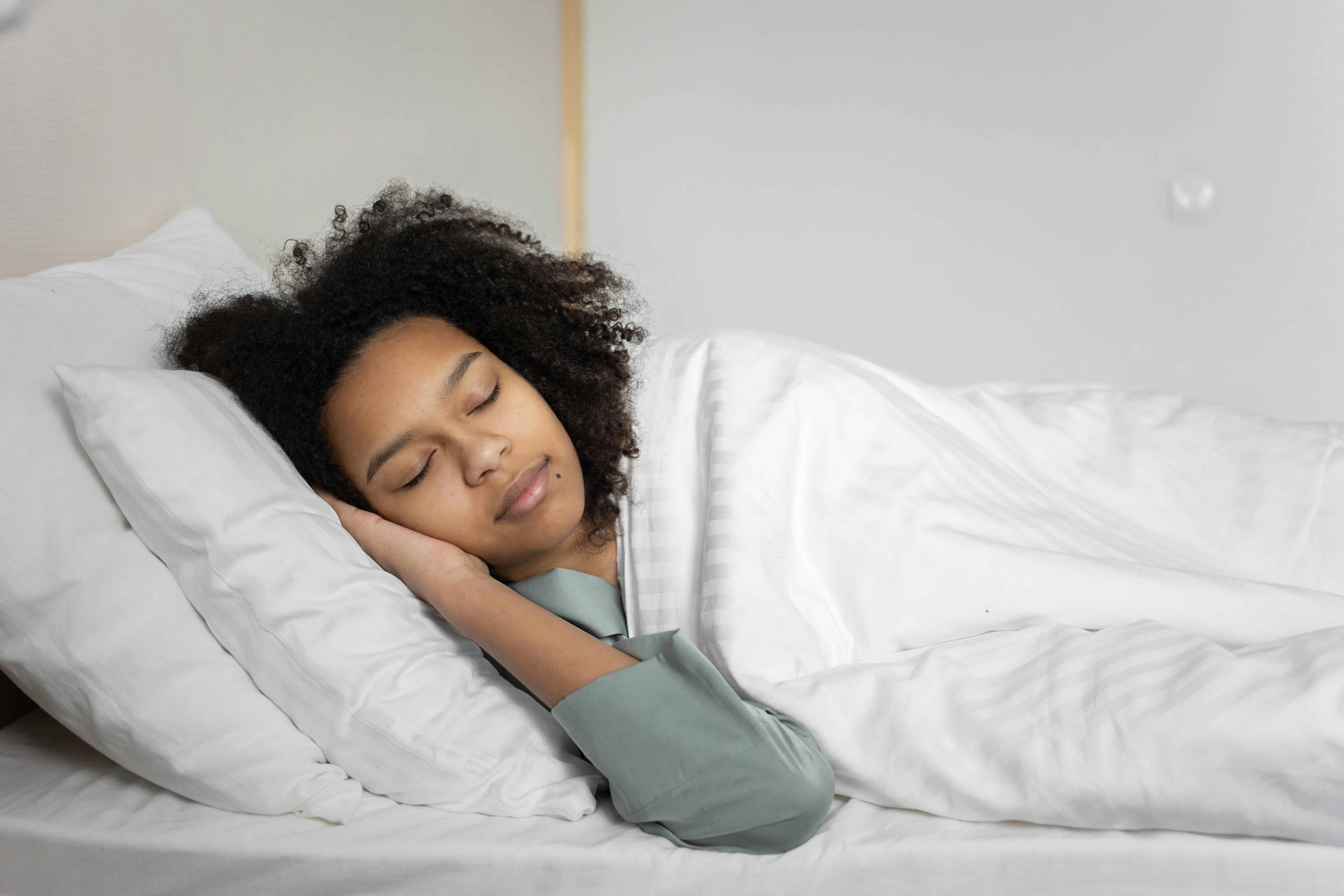
Despite the temptation to sacrifice sleep for extra time wrapping gifts or meal prepping, adequate sleep keeps your immune system strong, memory sharp, and metabolism healthy. Aim for consistent sleep and wake times even during holiday weeks.
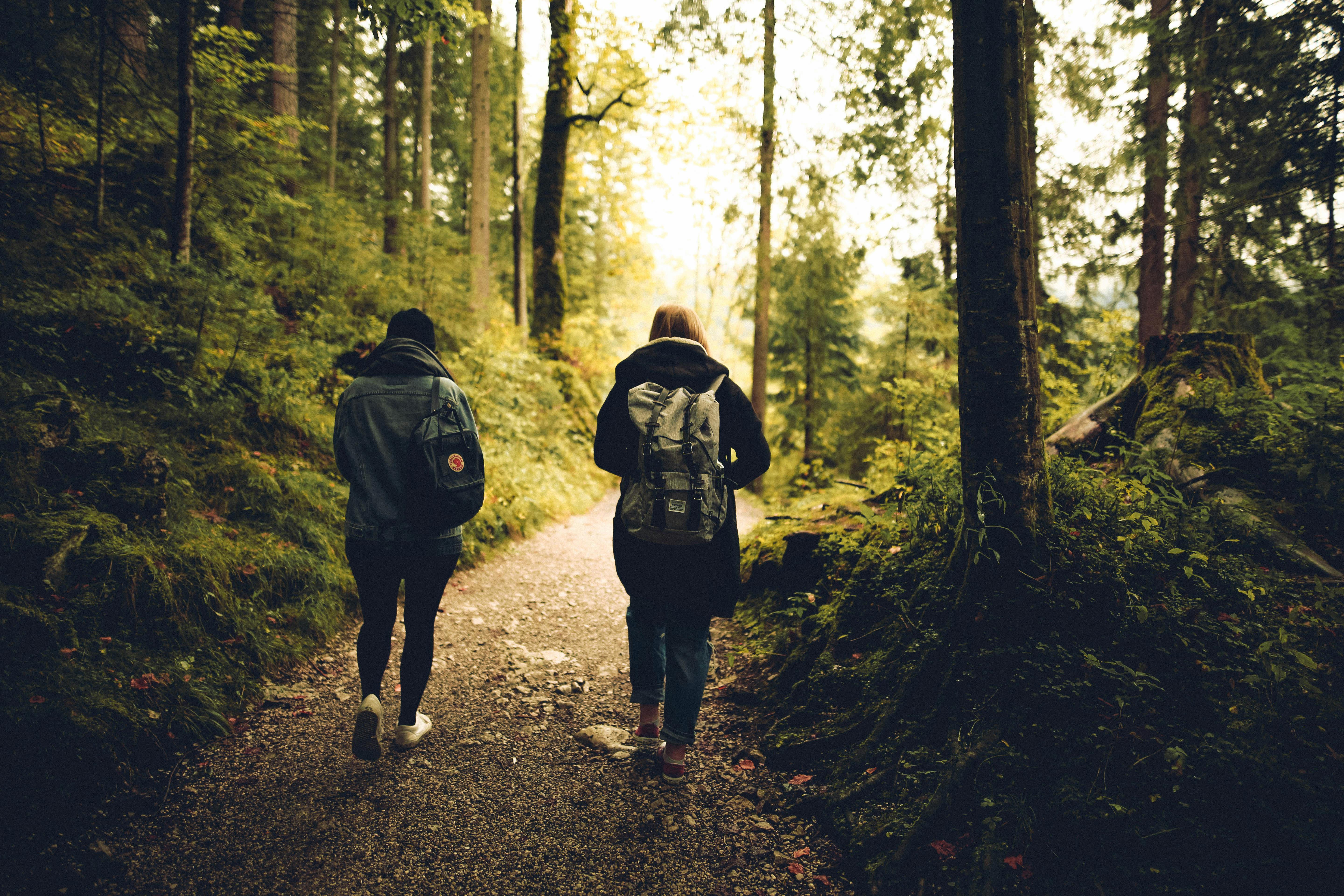
Regular exercise serves as a powerful antidote to stress and anxiety. Even short walks or brief workout sessions help regulate mood and provide mental breaks from holiday chaos.
Prioritizing Mental Health Appointments
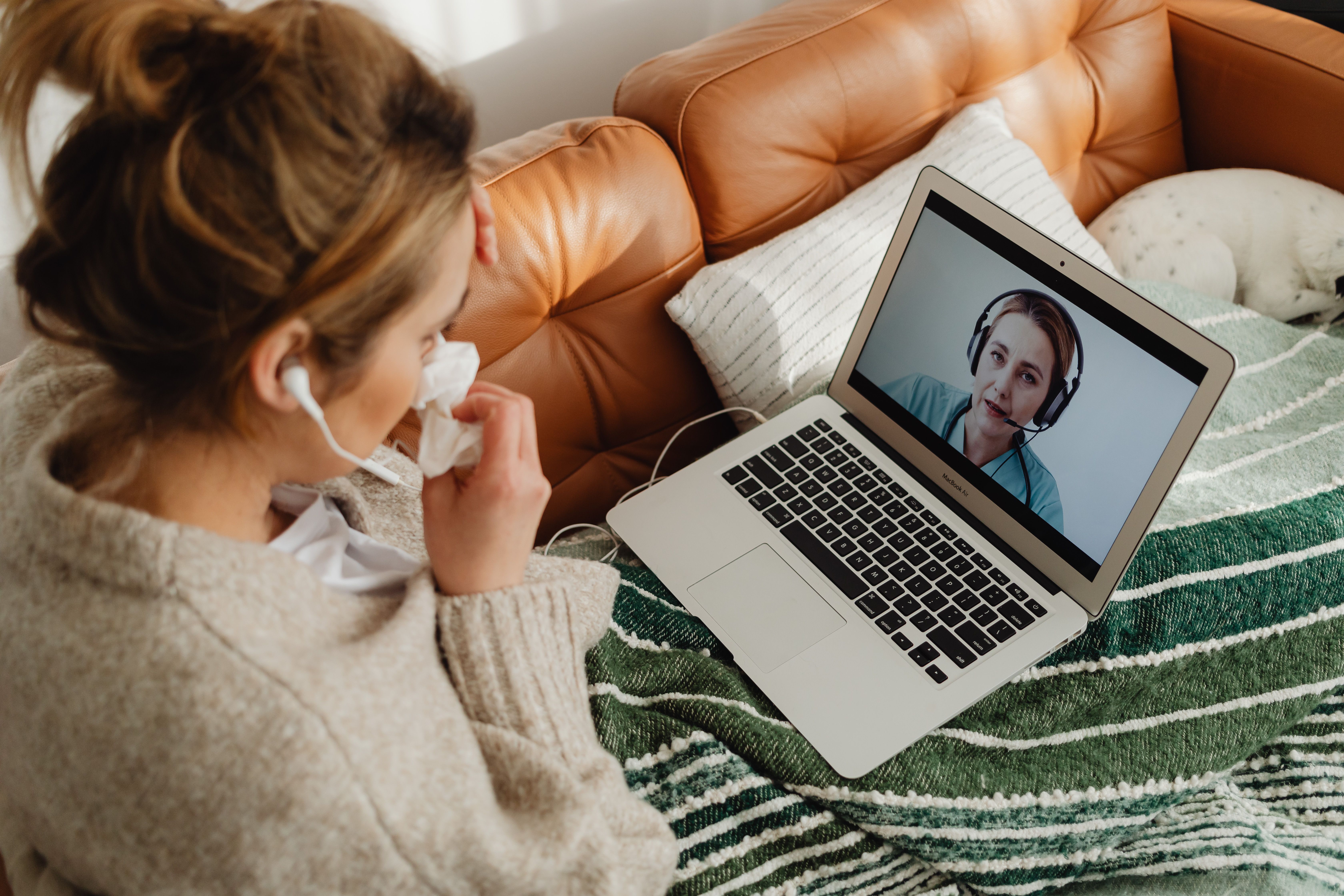
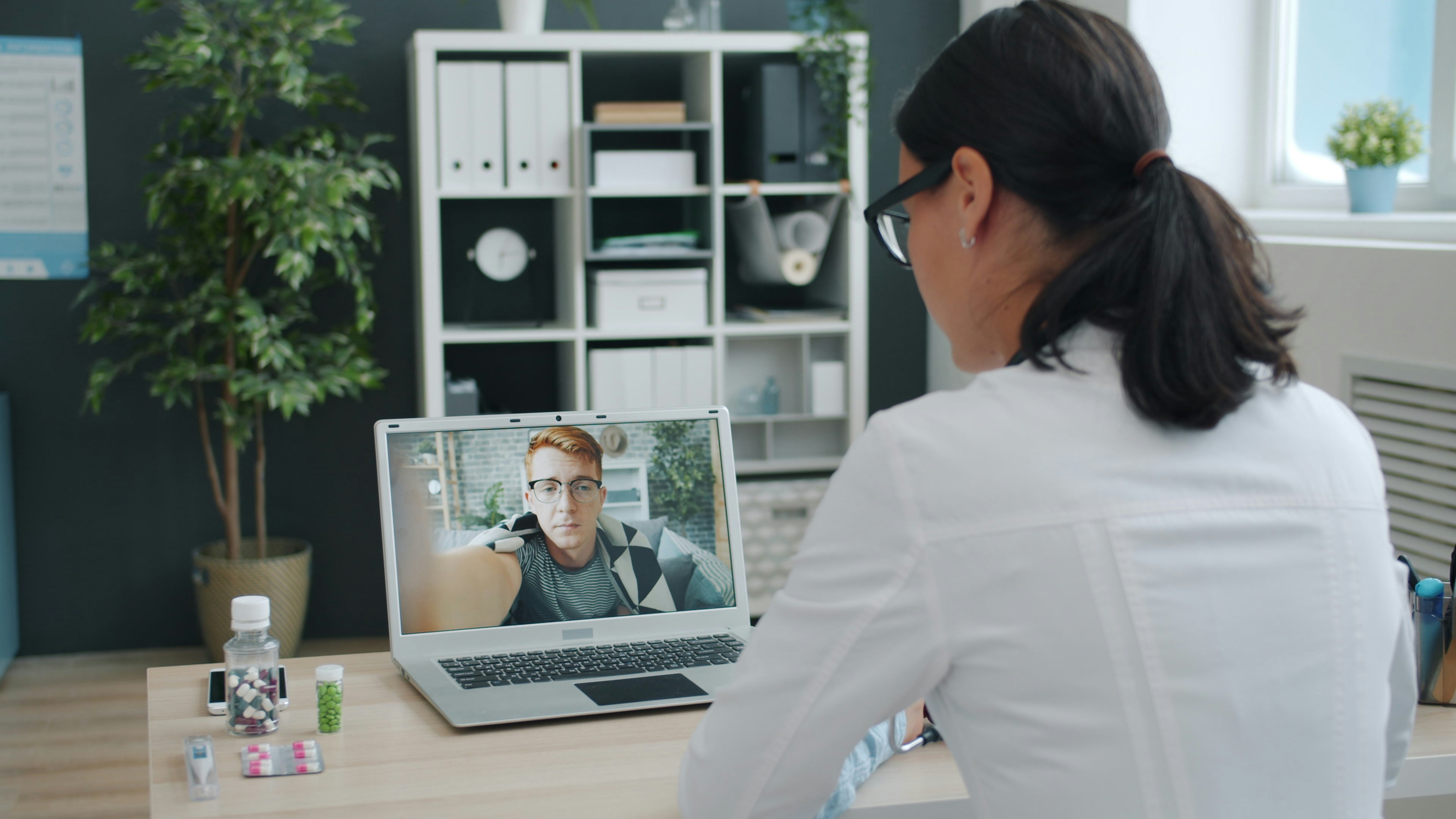
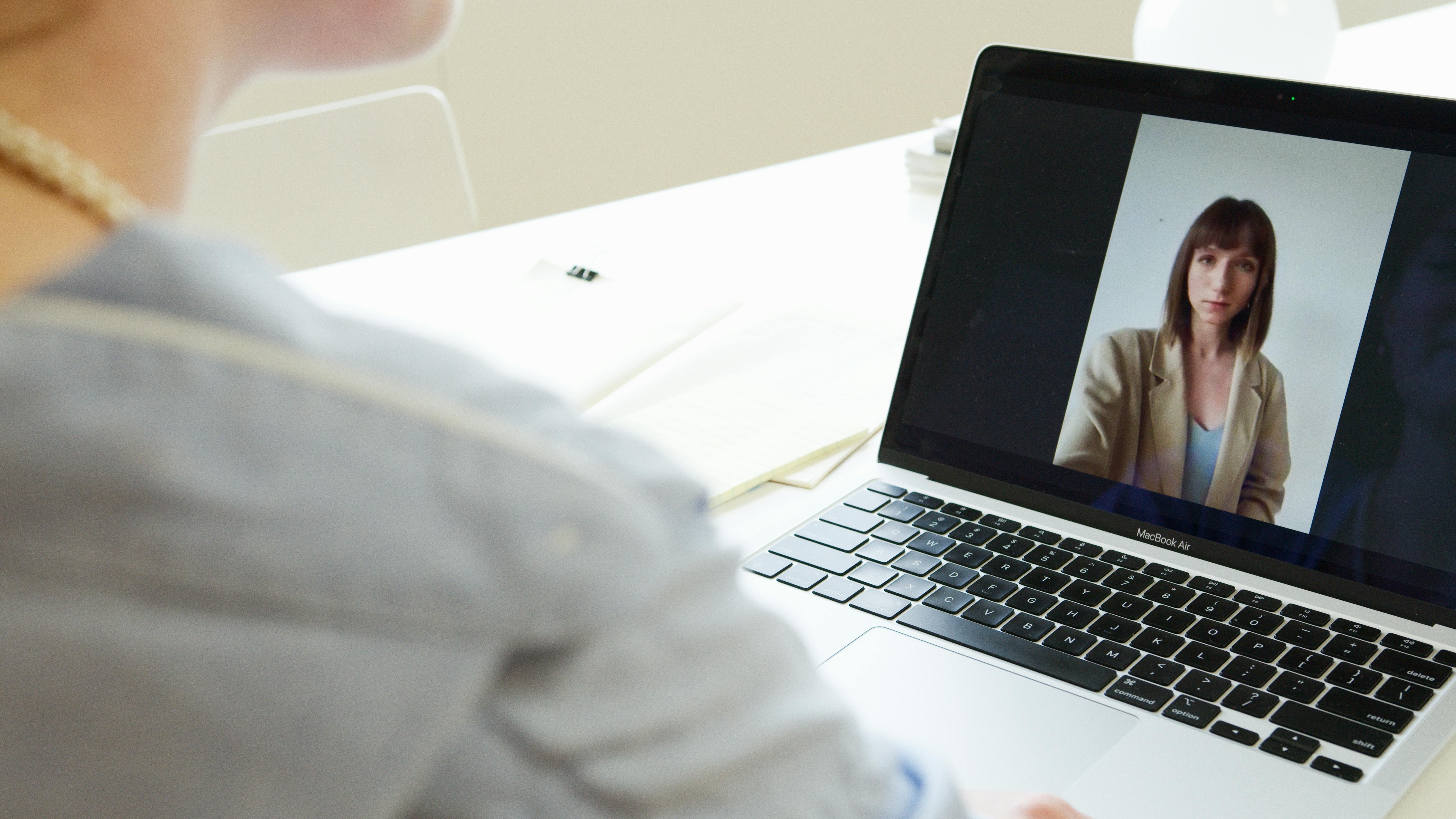
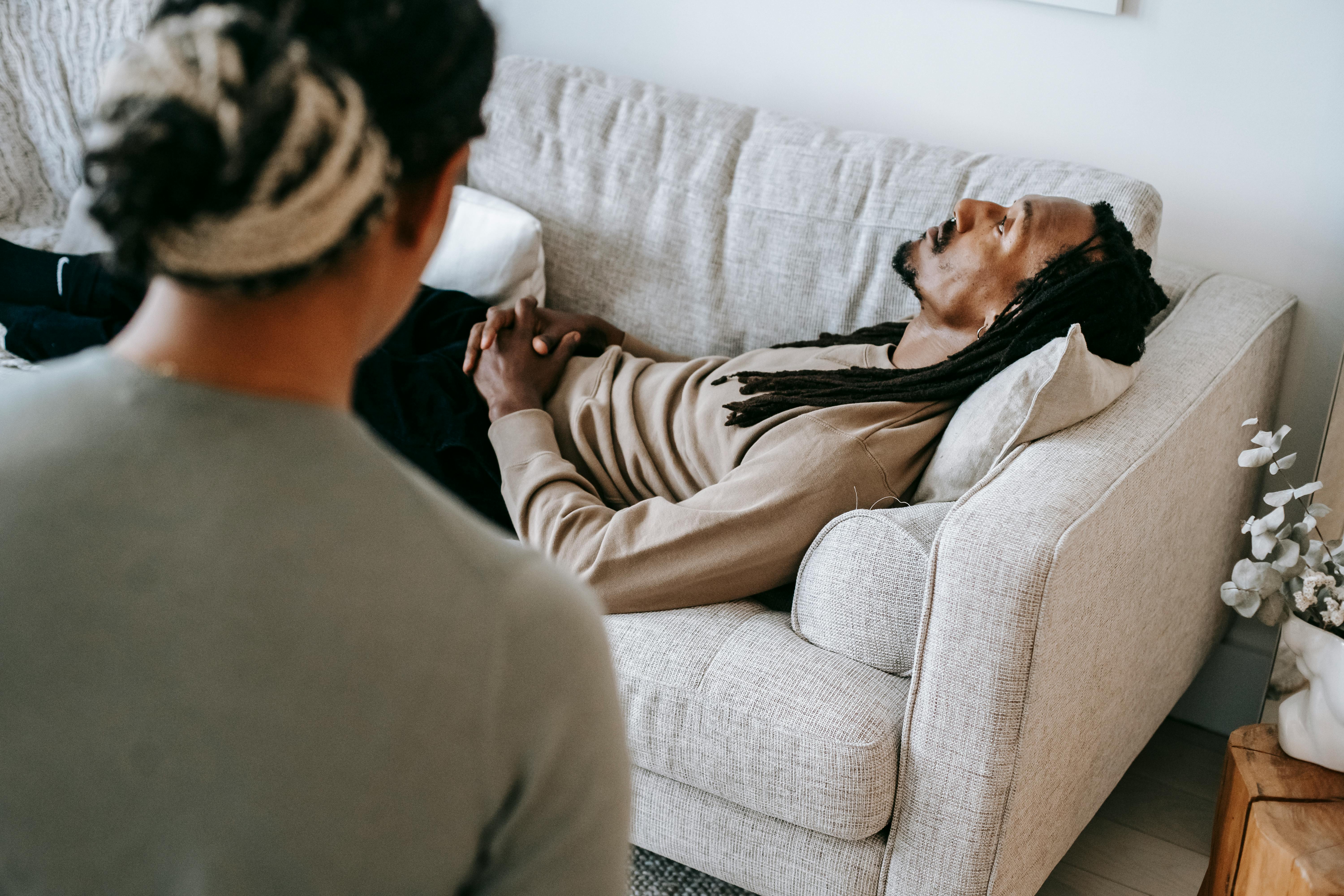
If you see a therapist regularly, maintain those appointments throughout the holiday season. Keeping scheduled therapy sessions ensures you have built-in time to explore any difficult emotions that arise during the holidays. If traveling, ask about virtual sessions to maintain continuity of care.
Practicing Mindfulness and Stress Management
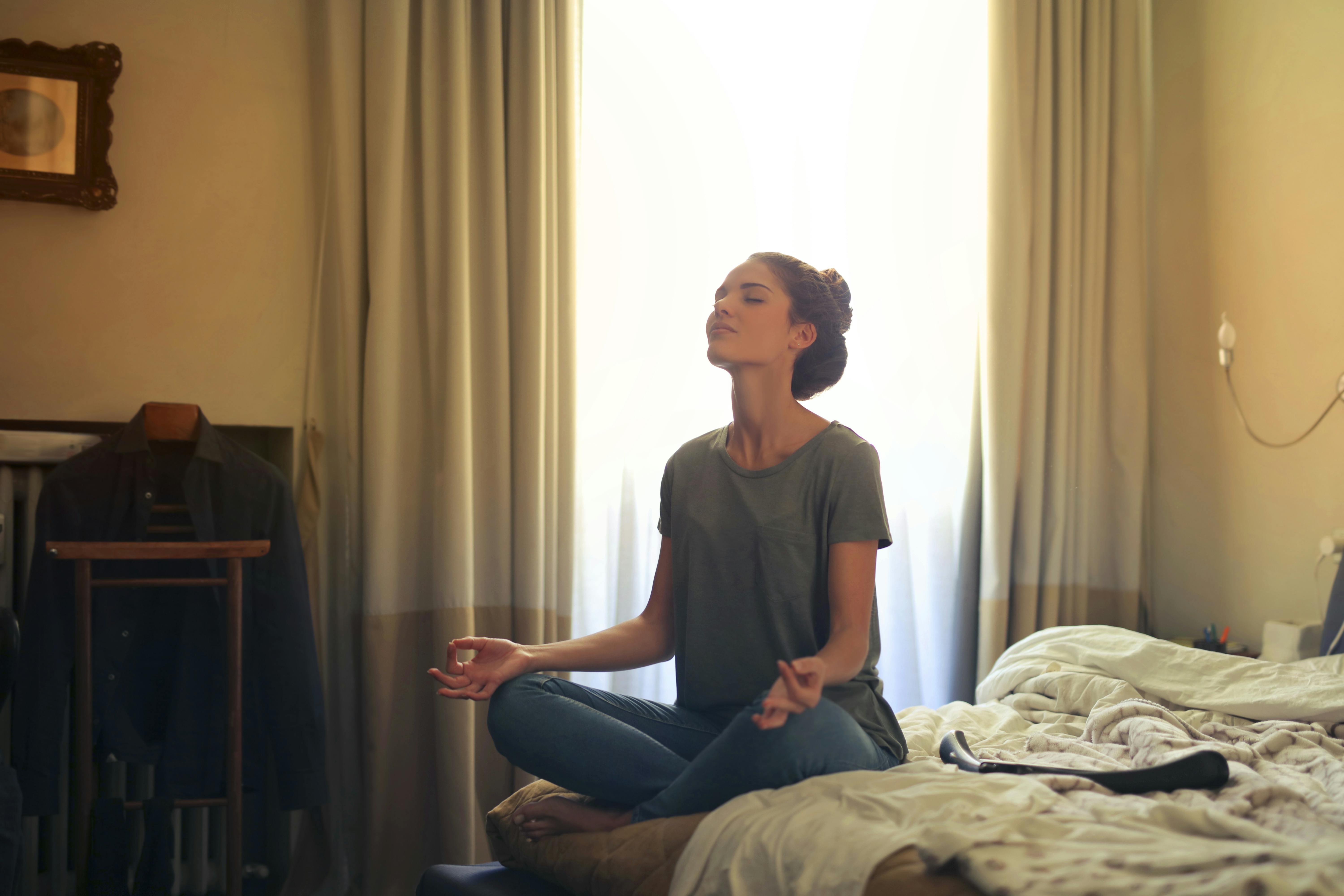
Simple mindfulness techniques can help ground you during overwhelming moments. Deep breathing exercises, brief meditation sessions, or spending time in nature all reduce stress and improve mental clarity.
Research consistently points to the mental health benefits of spending time in nature, including stress relief, better concentration, lower inflammation levels, and improved mental energy.
Coping With Grief and Loss
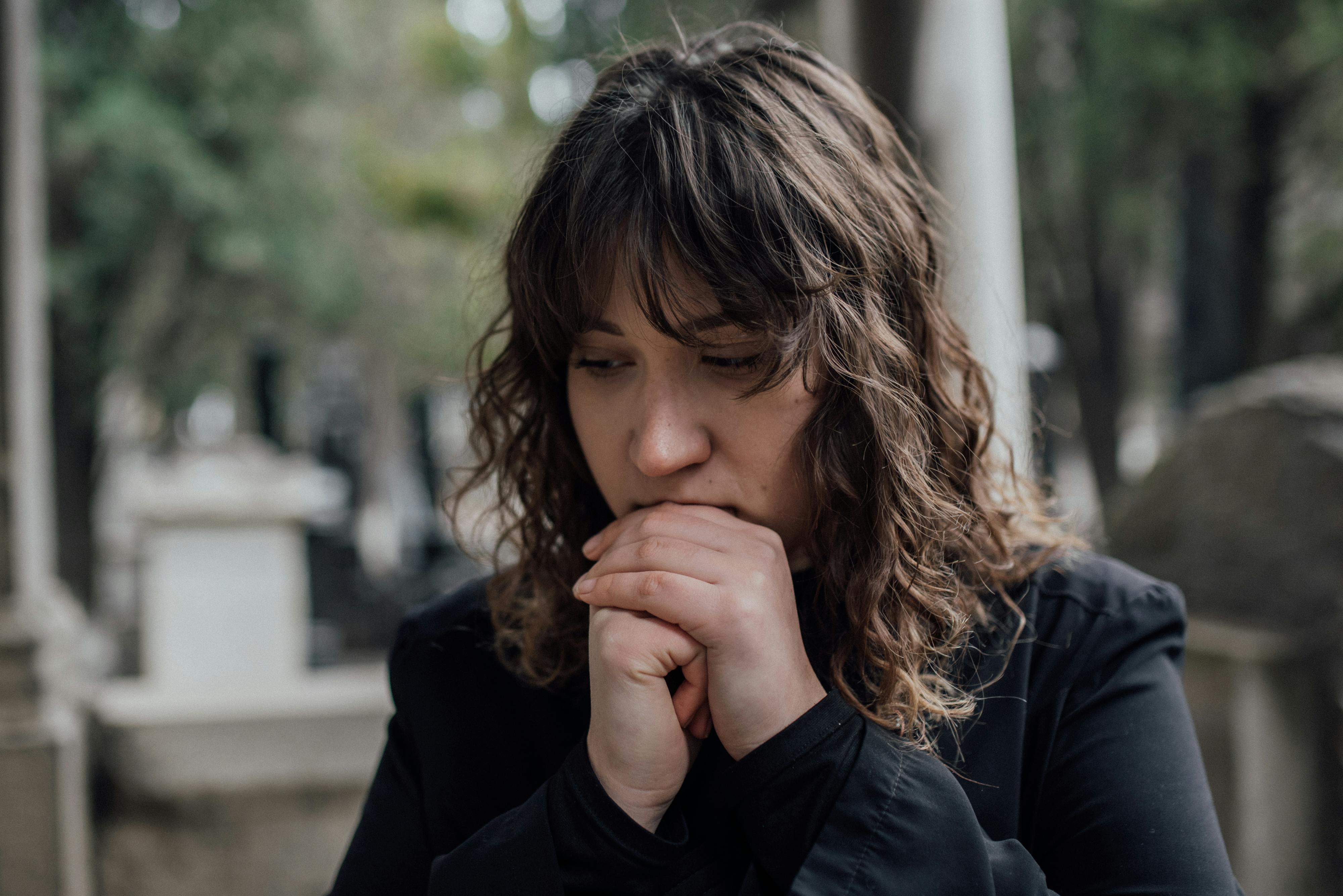
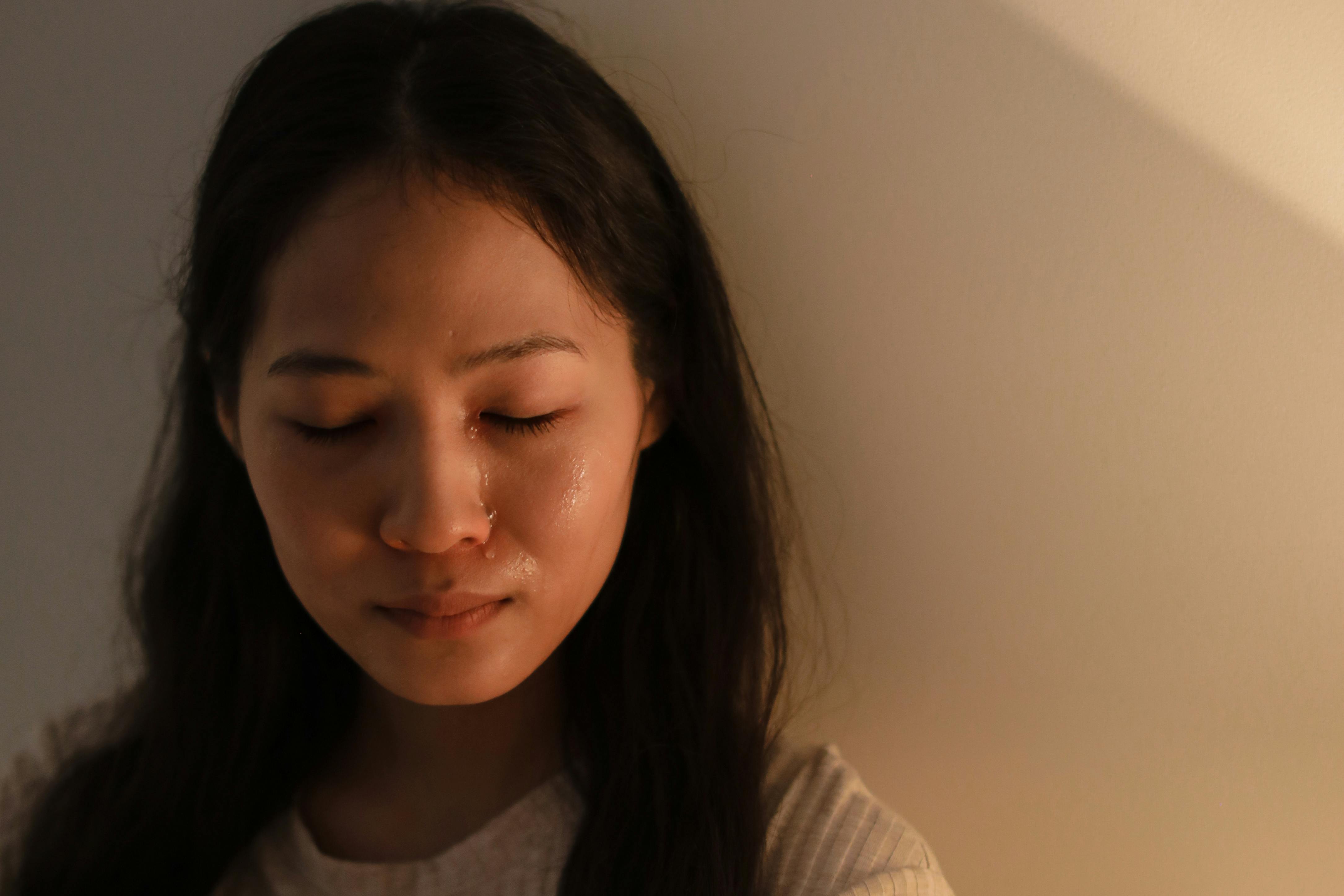
The holidays can intensify feelings of grief for those who've lost loved ones, especially during the first holiday season after a death. The absence of someone important becomes more pronounced when traditions center around togetherness.
Honoring Loved Ones During the Holidays
Rather than avoiding thoughts of those who've passed, consider honoring and celebrating them by gathering with family and friends to share life stories that highlight important aspects of their life and personality.
Some families create new traditions that acknowledge their loss while still celebrating the season. This might include lighting a candle, sharing favorite memories, or incorporating elements that remind them of their loved one into existing celebrations.
Adjusting Traditions Respectfully
If certain traditions feel too painful, it's okay to modify or skip them. Consider creating entirely new traditions that honor both your grief and your need to move forward. There's no right way to grieve during the holidays, so give yourself permission to celebrate in whatever way feels manageable.
Managing Loneliness and Isolation
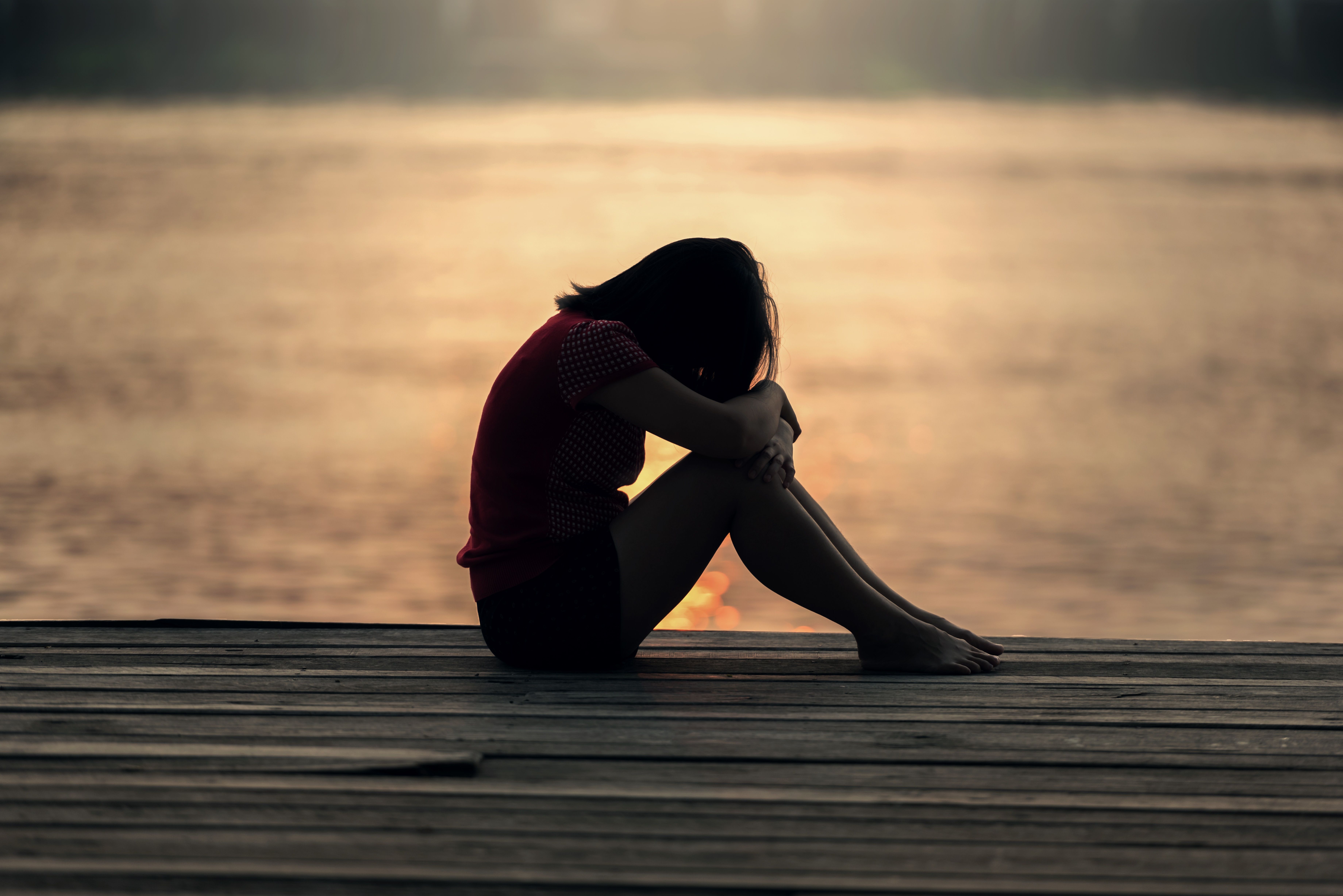
Not everyone has family nearby or feels welcomed at traditional gatherings. Loneliness during a season focused on togetherness can feel particularly acute.
Building Community Connections
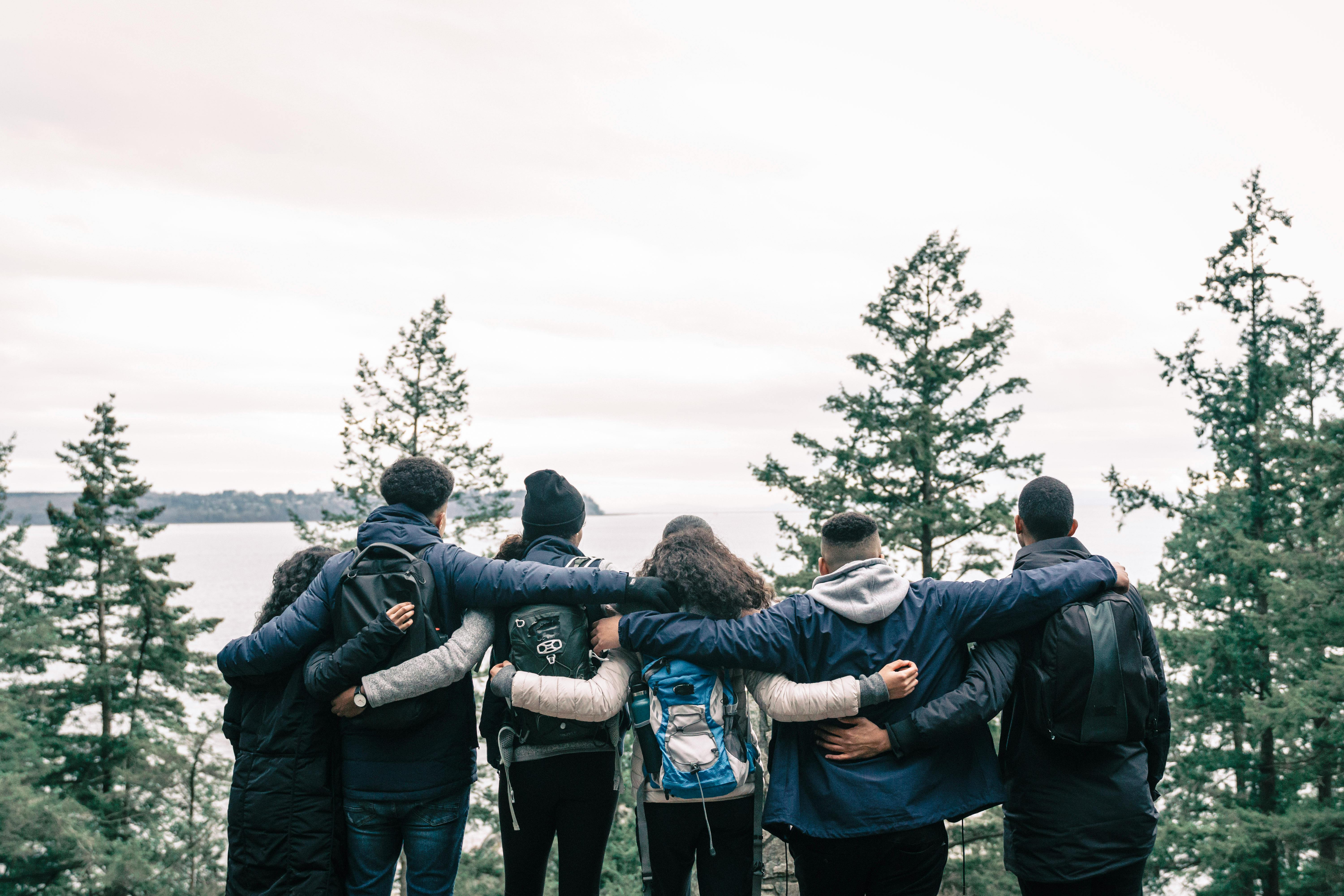
Finding supportive community through clubs, support groups, community centers, local meetups, and faith communities can help reduce feelings of loneliness and isolation. Many organizations host special events during the holidays specifically for people who might otherwise be alone.
Volunteering offers another way to combat loneliness while contributing to your community. Soup kitchens, shelters, and community organizations often need extra help during the holidays.
Virtual Connections
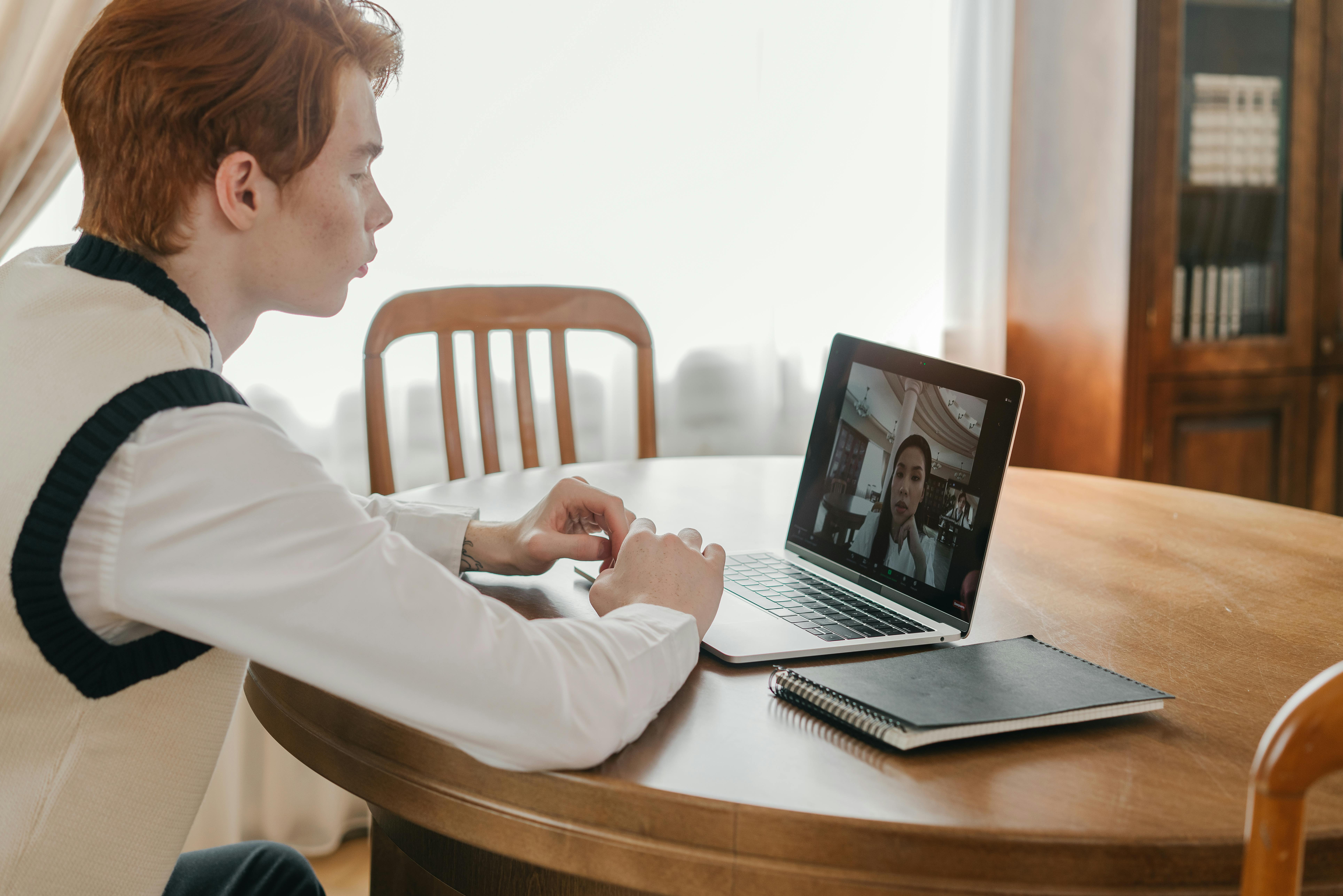
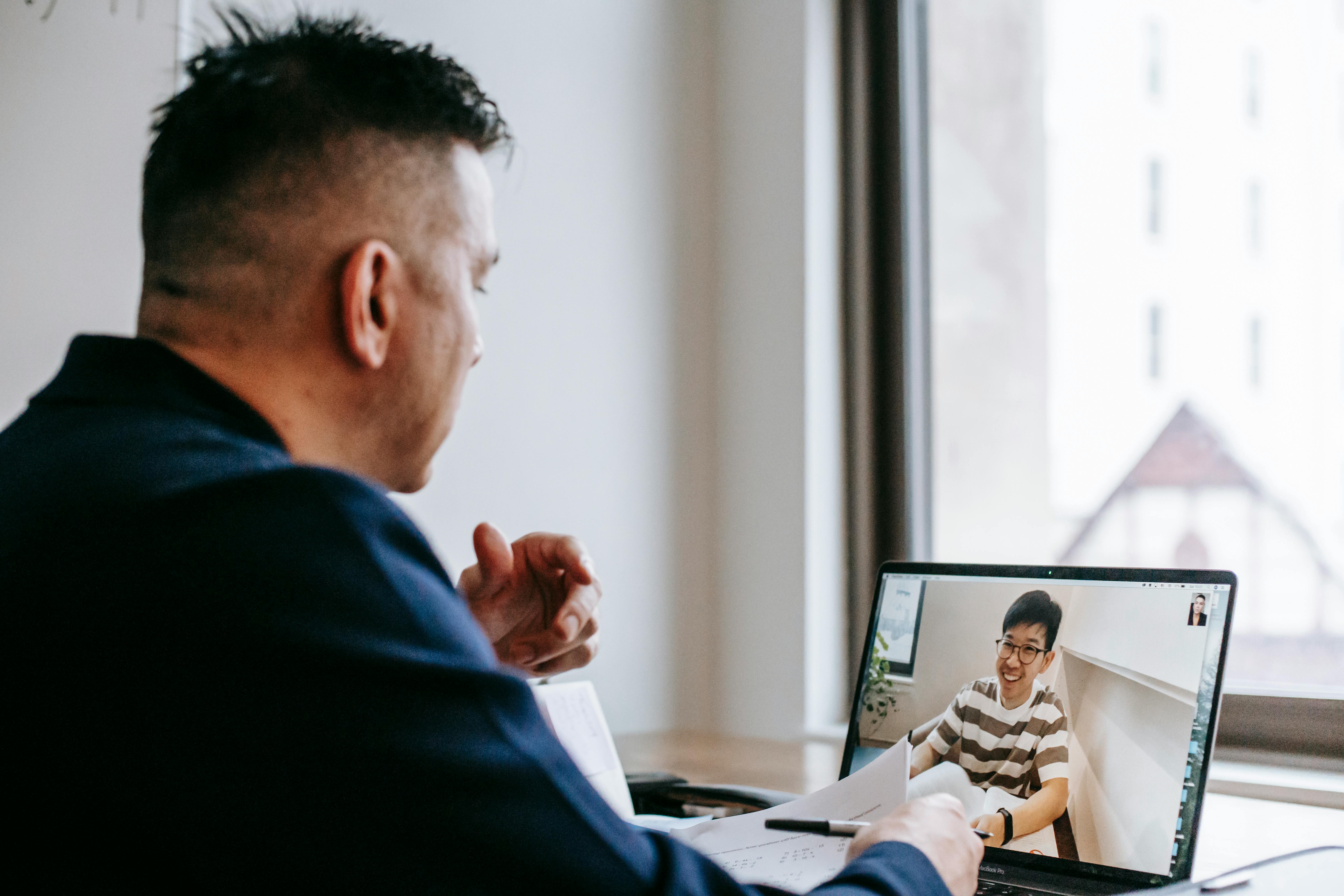
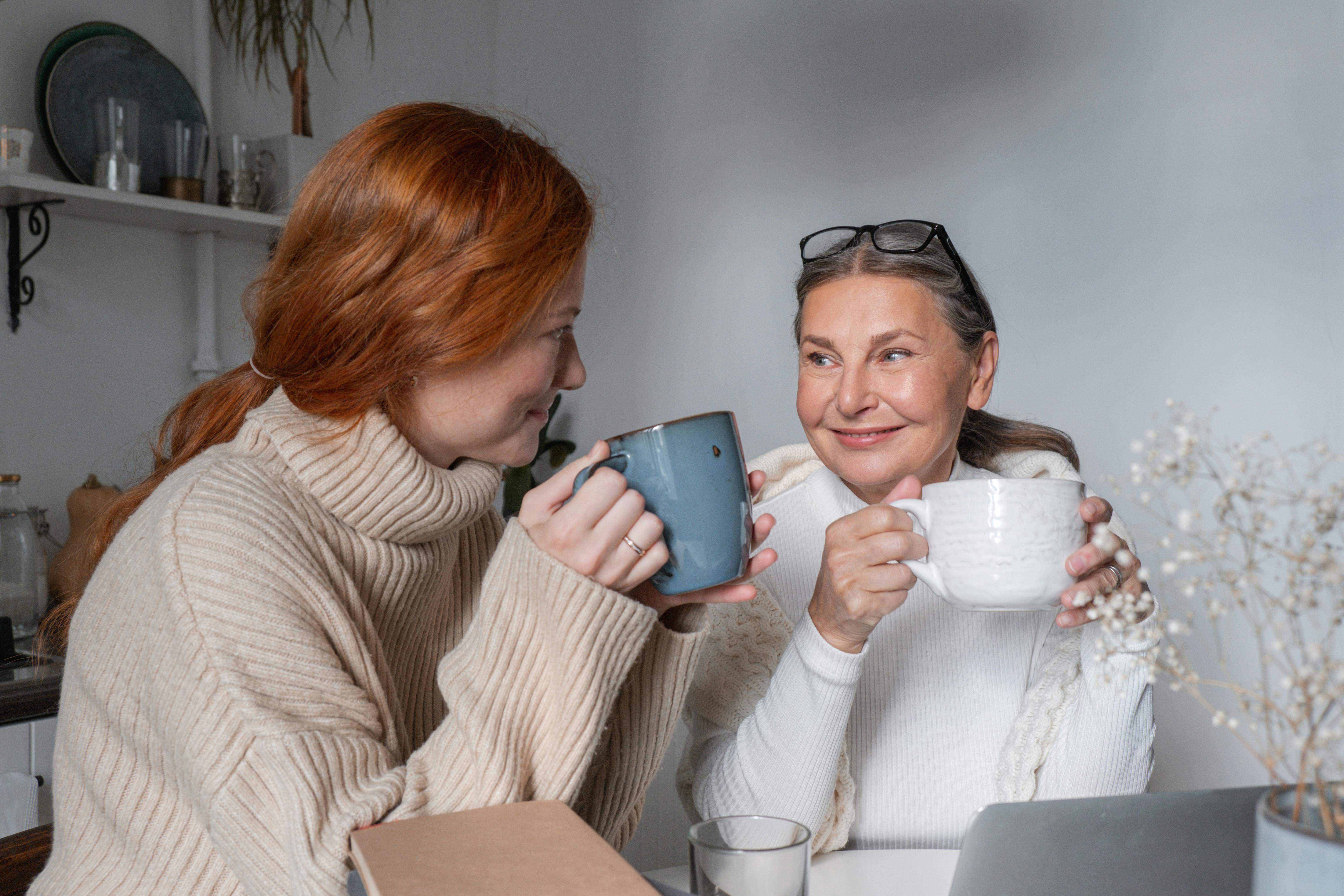
If you can't be near loved ones, schedule regular video calls or phone conversations. Even brief check-ins can provide meaningful connection and remind you that others care about your wellbeing.
When to Seek Professional Help
While holiday stress is common, some symptoms warrant professional attention. Understanding when to reach out for help ensures you get support before problems become more serious.
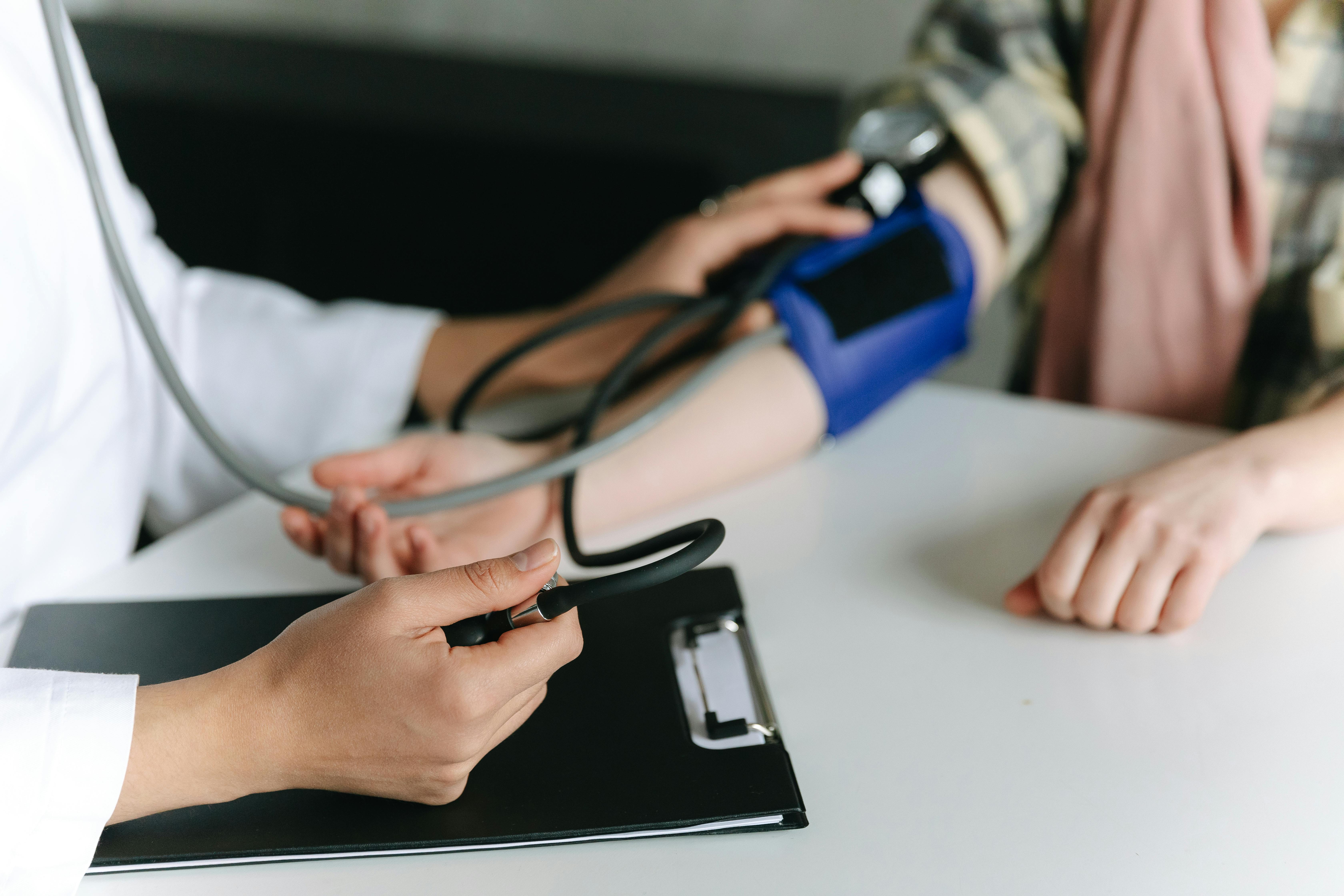
Seek professional help if you experience persistent sadness lasting more than two weeks, thoughts of self-harm, significant changes in appetite or sleep that interfere with functioning, or inability to complete daily tasks. Sudden increases in alcohol or drug use also signal a need for intervention.
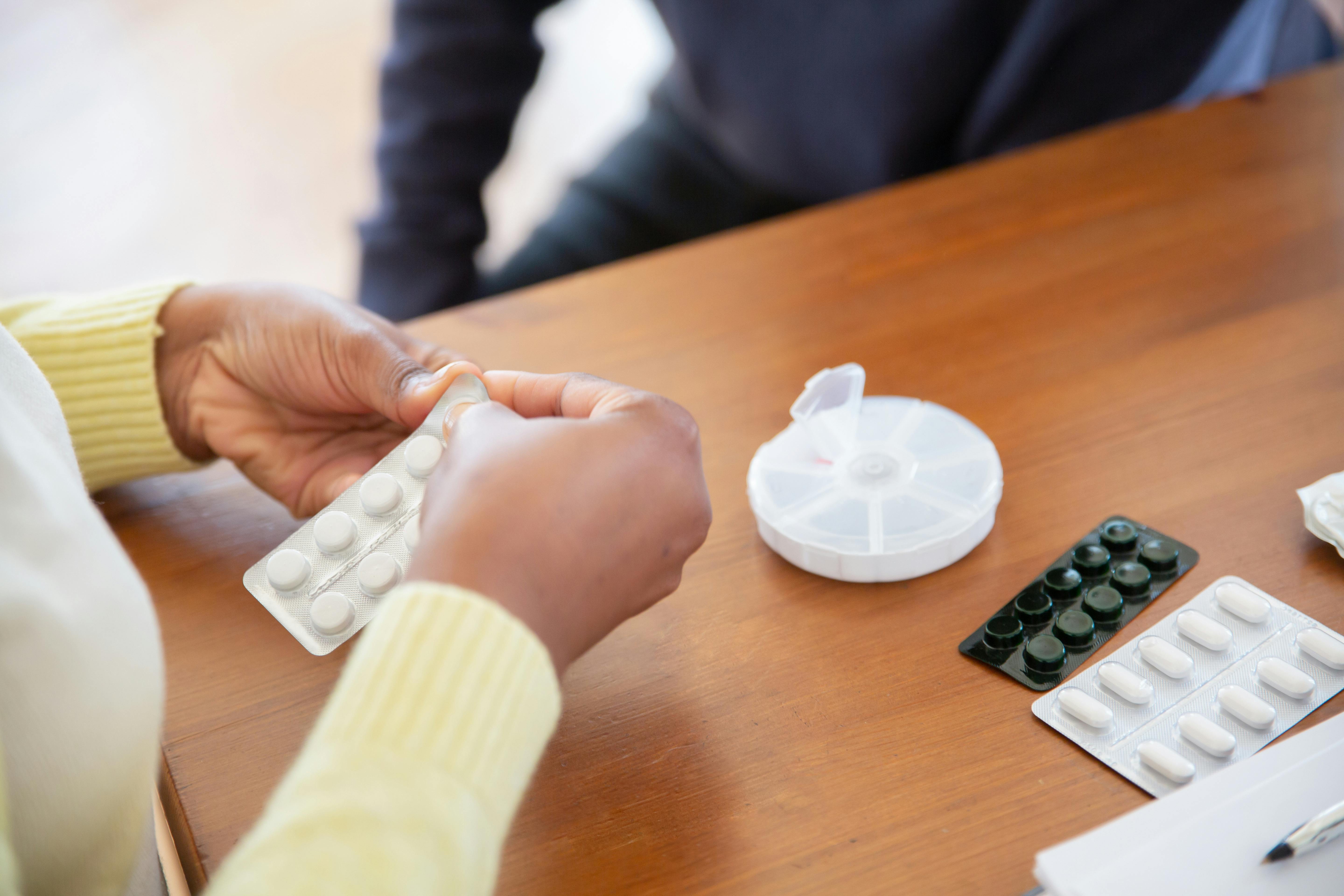
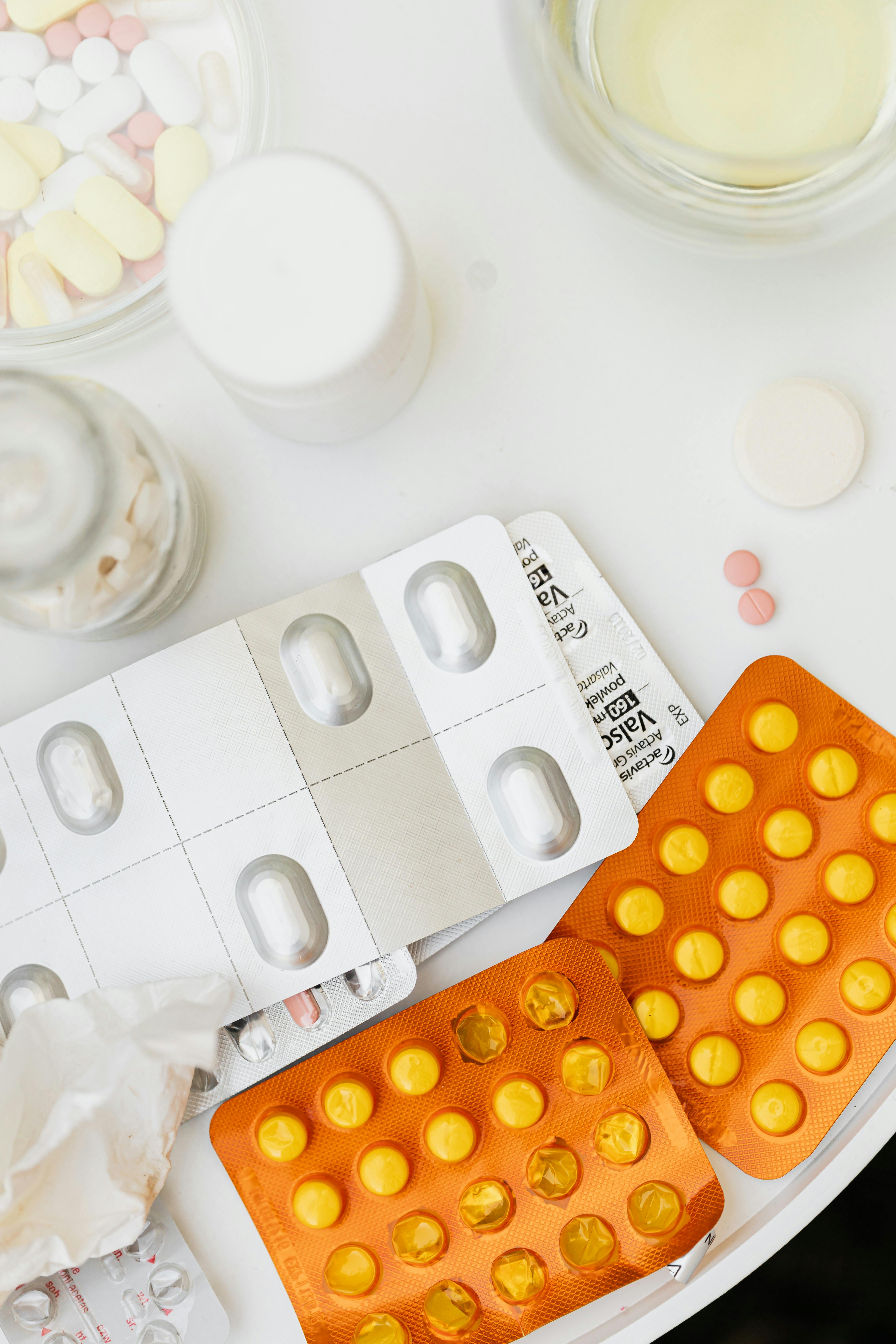
If existing mental health conditions worsen significantly or medications stop working effectively, contact your healthcare provider promptly.
Crisis Resources Available
For mental health crises, call or text 988 to reach the Suicide and Crisis Lifeline for 24/7 support. This free, confidential service connects you with trained counselors who can provide immediate assistance.
For non-emergency support, contact your primary care provider or mental health professional. Many practices offer additional appointment slots during the holidays because they recognize increased need during this time.
Medical Disclaimer
This article is for informational purposes only and is not a substitute for professional medical advice, diagnosis, or treatment. Always seek the advice of your physician or other qualified healthcare provider with any questions you may have regarding a medical condition. If you are experiencing a mental health crisis, contact the 988 Suicide and Crisis Lifeline by calling or texting 988.
Sources
American Psychiatric Association. One Quarter of Americans Say They Are More Stressed This Holiday Season. https://www.psychiatry.org/news-room/news-releases/one-quarter-of-americans-say-they-are-more-stresse
American Heart Association. New Survey: 79% of survey respondents overlook their health needs during the holidays. https://newsroom.heart.org/news/new-survey-79-of-survey-respondents-overlook-their-health-needs-during-the-holidays-find-the-holidays-more-stressful-than-tax-season
McLean Hospital. The Holiday Survival Guide for Your Mental Health. https://deconstructingstigma.org/guides/holidays
SAMHSA. Supporting Your Mental Health During the Holiday Season. https://www.samhsa.gov/blog/supporting-your-mental-health-during-holiday-season
American Psychiatric Association. As Holiday Season Begins, America's Stress Rises. https://www.psychiatry.org/news-room/news-releases/as-holiday-season-begins-americas-stress-rises
Emory University. Under the holiday lights: 8 expert tips for managing stress and family dynamics. https://news.emory.edu/stories/2024/12/som_bhc_holiday_tips_stress/story.html
Scripps Health. Dealing With Difficult Relatives During the Holidays. https://www.scripps.org/news_items/5074-10-ways-to-cope-with-difficult-relatives-during-the-holidays
UC Davis Health. 10 tips to reduce stress and take care of yourself during the holidays. https://health.ucdavis.edu/blog/cultivating-health/10-tips-to-reduce-stress-and-take-care-of-yourself-during-the-holidays/2023/12
American Psychiatric Association. Seven Ways to Cope with Holiday Stress. https://www.psychiatry.org/news-room/apa-blogs/seven-ways-to-cope-with-holiday-stress
UT Southwestern Medical Center. 7 ways to manage family stress during the holidays. https://utswmed.org/medblog/family-stress-holidays/