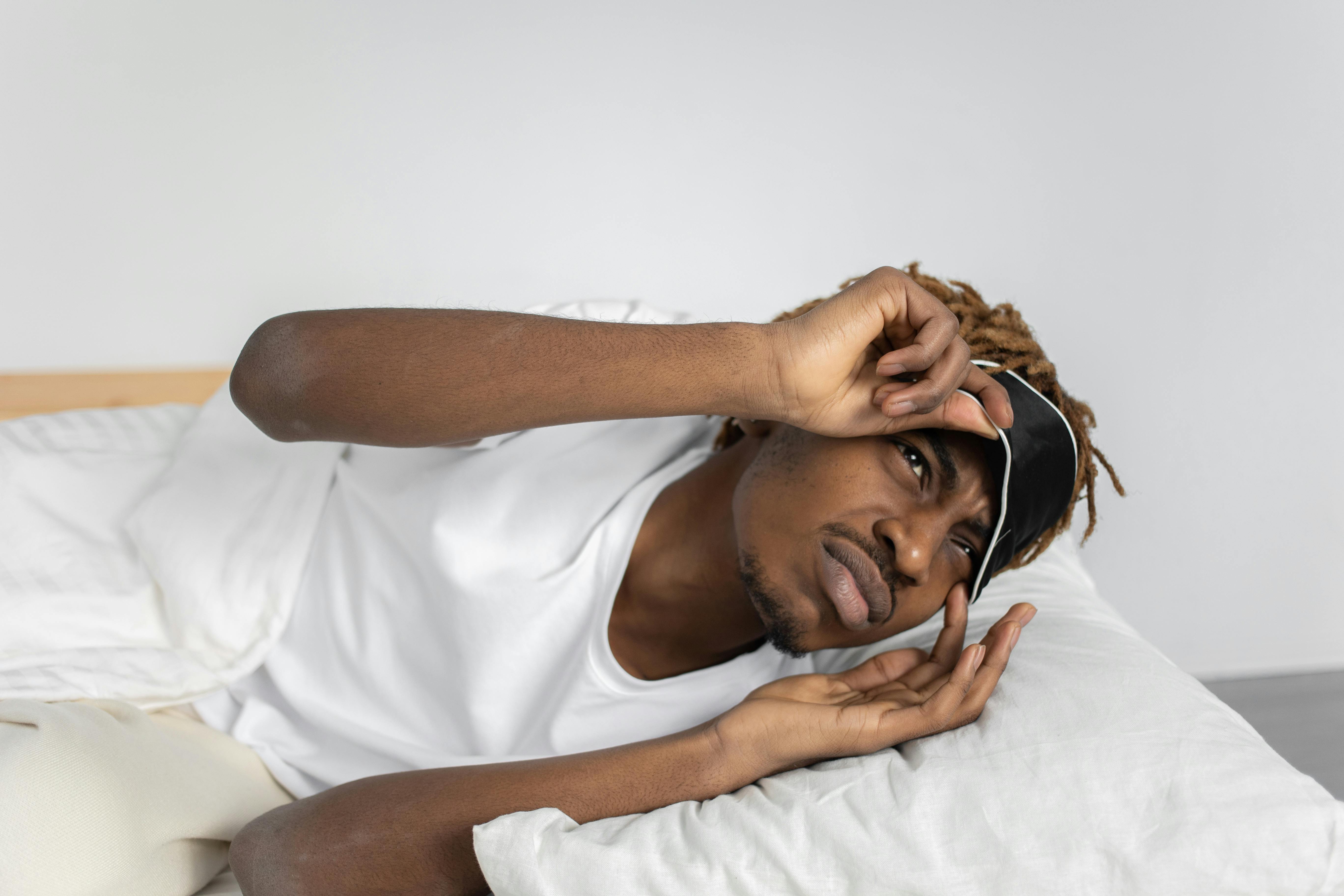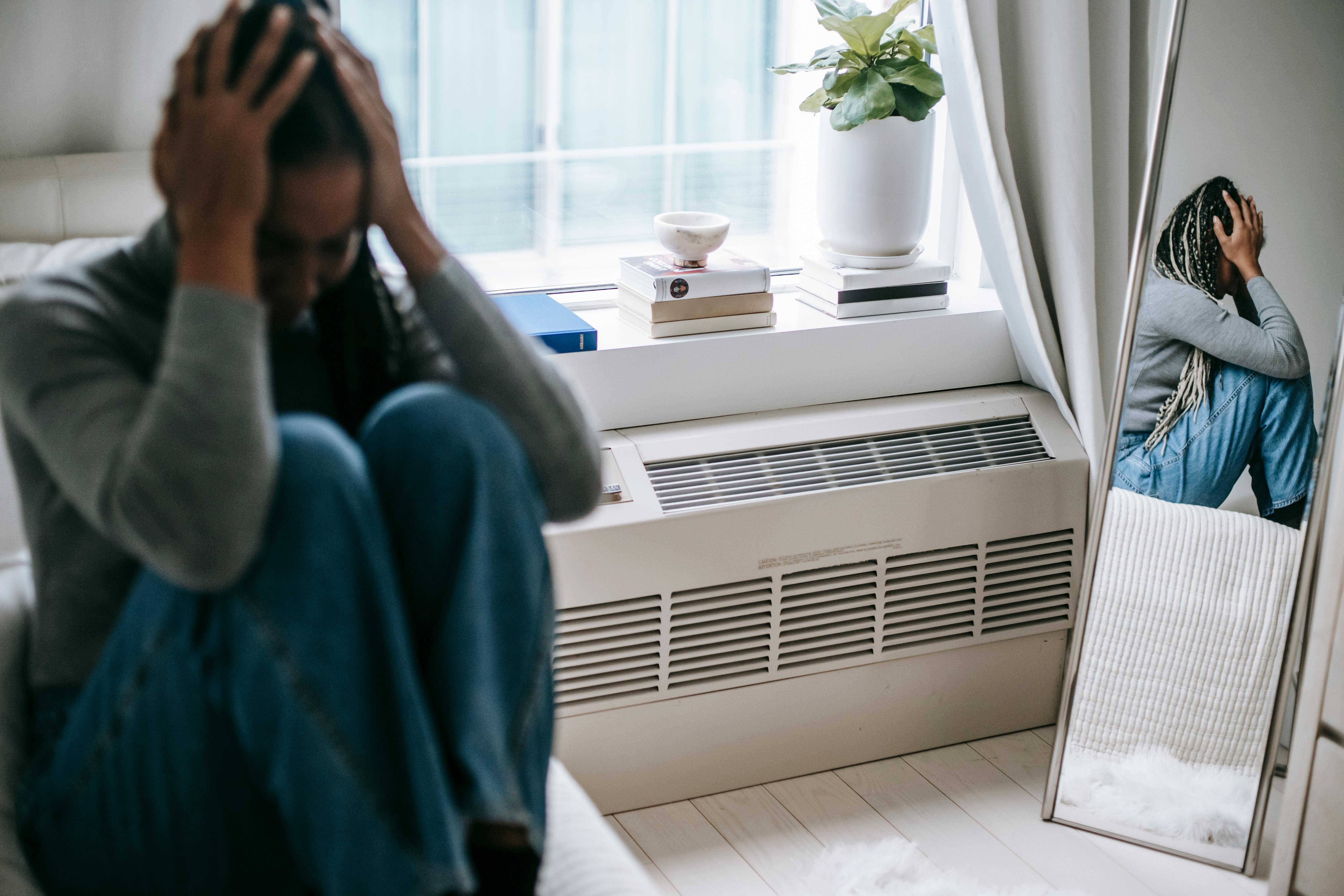

Depression can cause genuine physical symptoms and illness, affecting your body alongside emotional and cognitive health. Although diagnosed as a mental health condition, depression often triggers biological changes that can lead to headaches, digestive problems, chronic pain, weakened immunity, and numerous other physical health issues.
According to the National Institute of Mental Health, depression is also associated with increased risk for various physical health conditions such as heart disease, diabetes, and stroke. Understanding the connection between depression and physical health can help you recognize when mental health symptoms are affecting your body and seek appropriate comprehensive treatment.
Key Takeaways
Depression causes real physical symptoms: Brain chemistry changes from depression affect your nervous system, immune function, and stress hormones, leading to legitimate physical illness, including pain, fatigue, and digestive issues.
The mind-body connection is bidirectional: Depression can cause physical symptoms, and chronic physical illness increases depression risk, creating cycles where each condition worsens the other if left untreated.
Physical symptoms require comprehensive treatment: Addressing both the mental and physical aspects through therapy, medication, lifestyle changes, and medical care produces better outcomes than treating either issue alone.
How Depression Affects Your Body
Depression is a medical condition involving changes in brain chemistry, hormones, and body systems. These biological changes create tangible physical effects throughout your entire body.
When you experience depression, several physiological processes are disrupted:
Biological changes in depression include:
Alterations in neurotransmitters (serotonin, norepinephrine, dopamine) that regulate both mood and physical sensations
Dysregulation of the hypothalamic-pituitary-adrenal (HPA) axis, which controls stress response
Chronic elevation of cortisol and other stress hormones
Increased inflammatory markers throughout the body
Changes in immune system functioning
Disruption of circadian rhythms affecting sleep and energy
According to research, depression is associated with chronic low-grade inflammation, which contributes to numerous physical health problems, including cardiovascular disease, diabetes, and chronic pain conditions.
Common Physical Symptoms of Depression
Depression manifests physically in numerous ways, and these symptoms are often what prompt people to seek medical care before recognizing the underlying mental health condition.
Fatigue and Low Energy
Persistent exhaustion is one of the most common physical complaints in depression. Unlike tiredness that improves with rest, fatigue caused by depression makes basic activities feel overwhelming.
A recent study determined that over 90% of depressed patients experienced fatigue despite a majority of them taking antidepressant medication. The exhaustion stems from multiple sources, including disrupted sleep, changes in brain chemistry, chronic stress-induced elevation of stress hormones, and the mental energy required to manage negative thoughts and emotions.
Sleep Disturbances
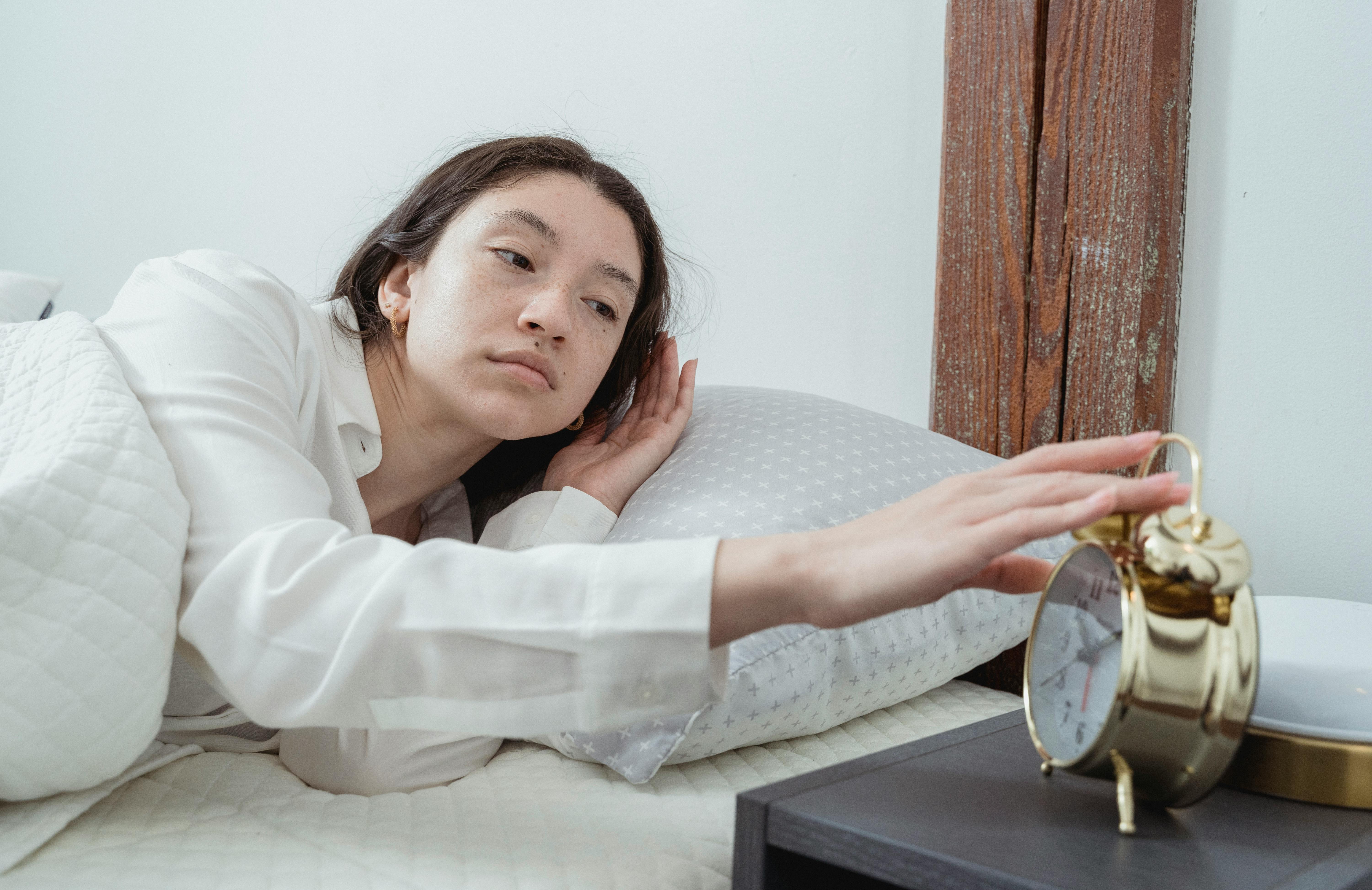
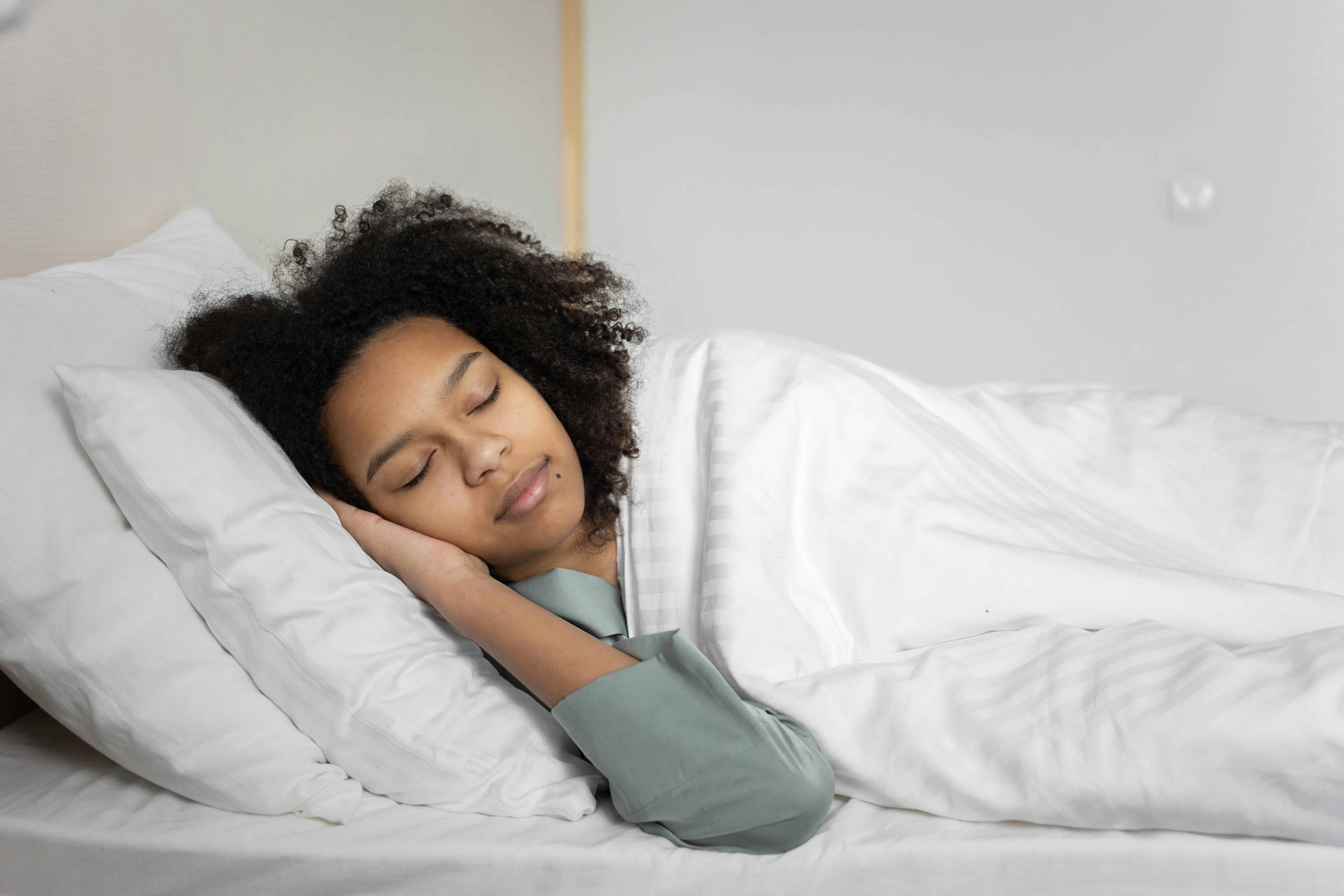
Depression profoundly affects sleep patterns in various ways. Some people experience insomnia and difficulty falling or staying asleep, while others sleep excessively but wake feeling unrefreshed.
Common sleep problems in depression:
Difficulty falling asleep despite feeling exhausted
Waking frequently during the night
Early morning awakening (3-4 AM) with inability to return to sleep
Hypersomnia (sleeping more than usual yet still feeling tired)
Non-restorative sleep that doesn't provide adequate rest
These sleep disturbances create additional physical symptoms, including reduced immune function, impaired cognitive performance, and increased pain sensitivity.
Chronic Pain and Aches
Depression and chronic pain share overlapping biological pathways, with many of the same neurotransmitters regulating both mood and pain perception. Studies show that patients are three times more likely to have coexisting chronic pain and depression than chronic pain alone.
Pain symptoms commonly associated with depression:
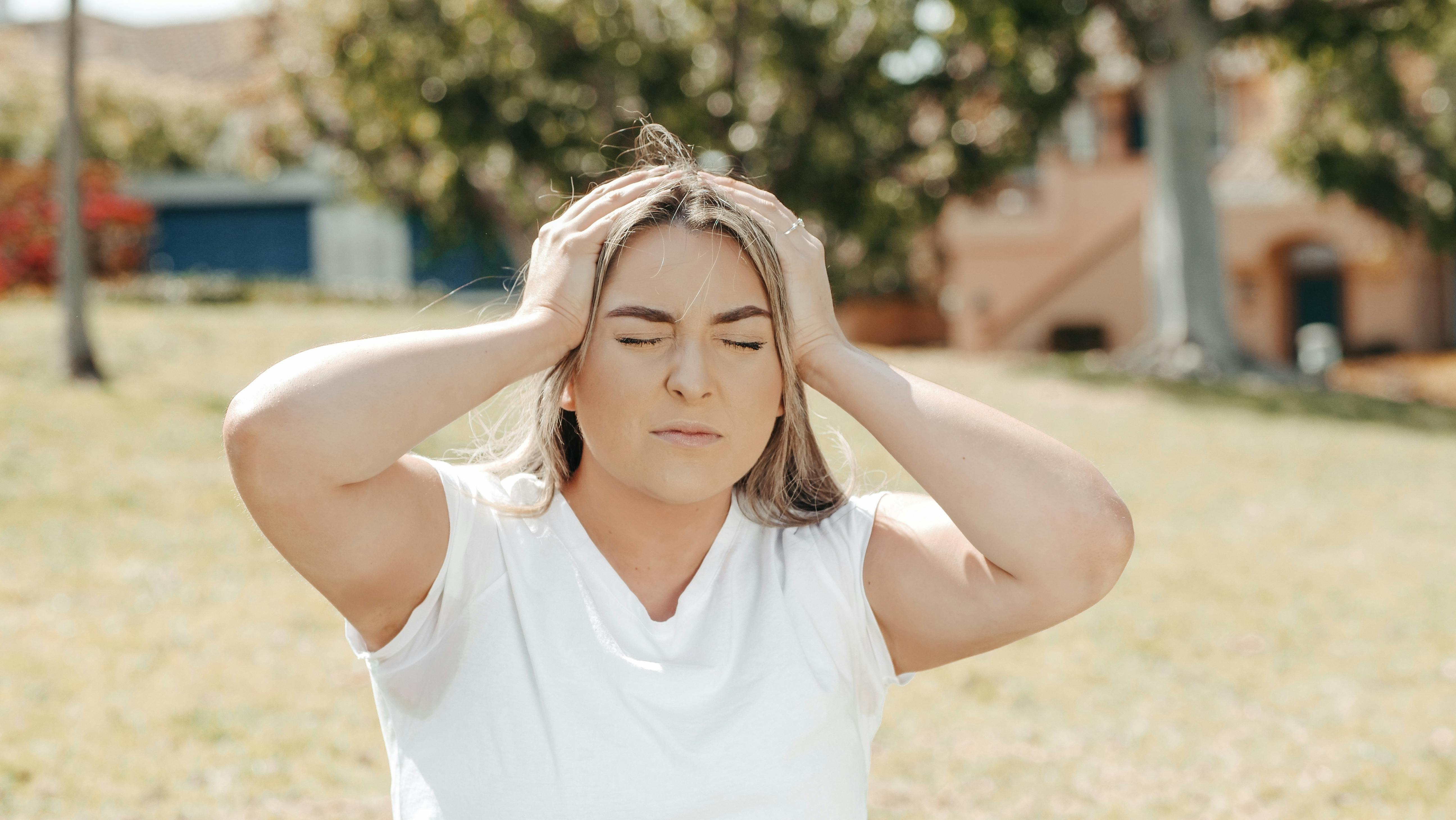
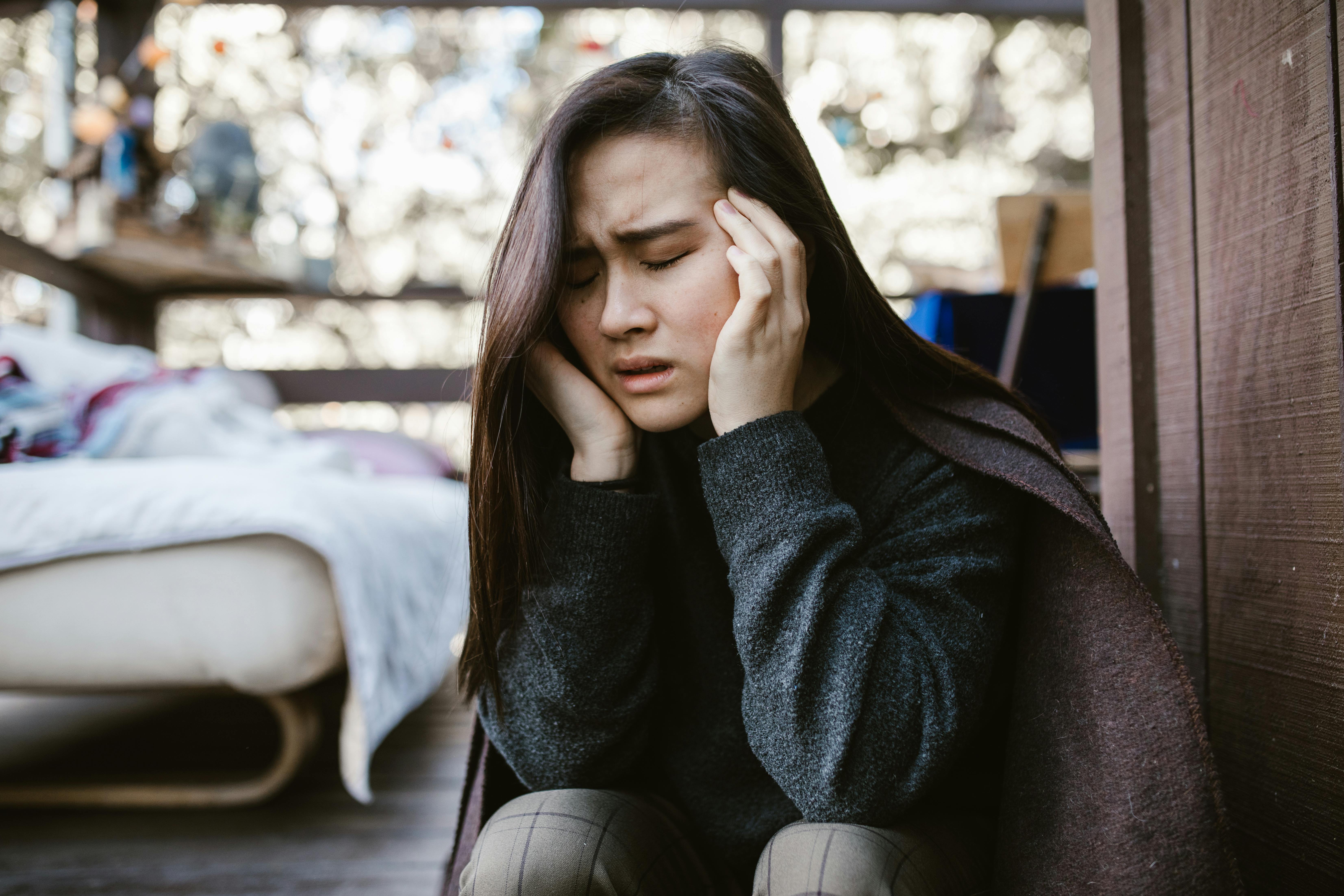
Persistent headaches or migraines
Back pain without clear injury
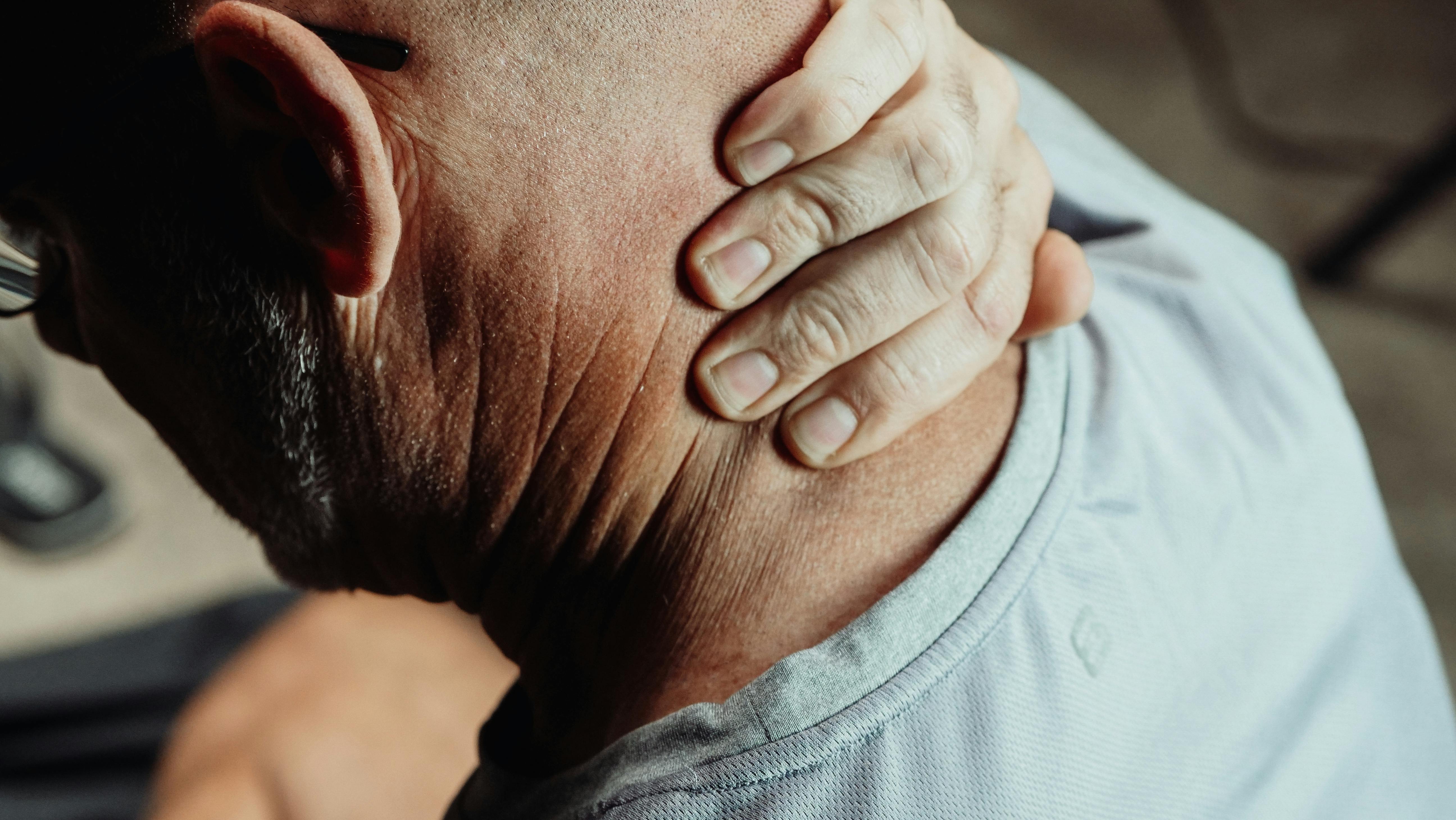
Muscle aches and tension
Joint pain
Chest tightness or discomfort
Increased sensitivity to pain
Epidemiological studies indicate that over 59% of patients with depression reported recurrent or chronic pain, and the relationship works both ways, which means chronic pain also increases the risk for developing depression.
Depression also increases the risk of developing chronic pain conditions later in life, including fibromyalgia, and the severity of pain associated with arthritis and neuropathic pain.
Digestive Issues
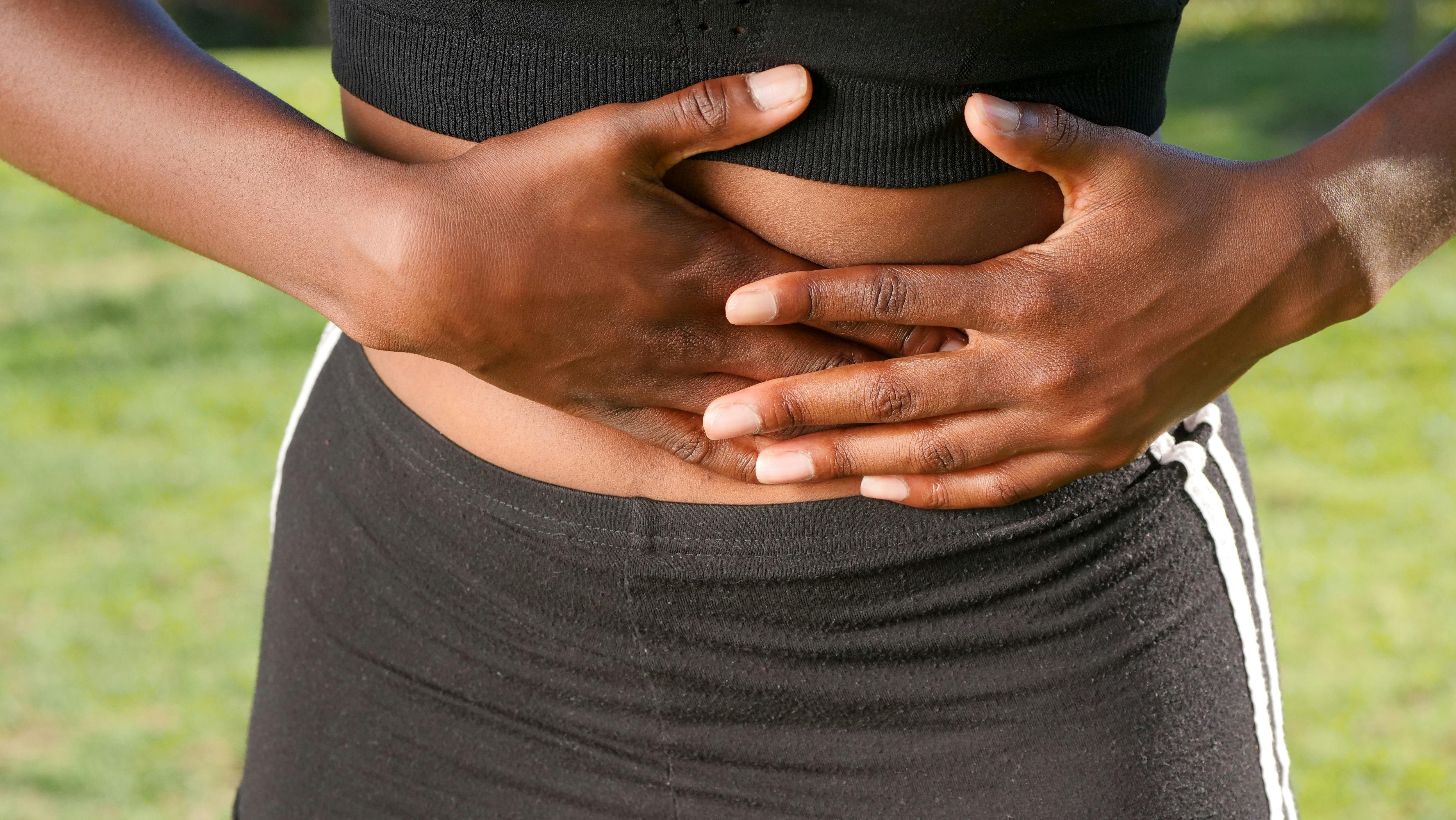
The gut-brain connection is particularly strong and bidirectional, and depression frequently causes gastrointestinal symptoms. The enteric nervous system in your gut, also called the “second brain”, communicates directly with your brain through the vagus nerve, and disruptions in mental health can manifest as digestive problems.
These digestive problems are termed functional gastrointestinal disorders (FGIDs).
Common digestive symptoms include:
Nausea or upset stomach
Changes in appetite (decreased or increased)
Constipation or diarrhea
Stomach pain or cramping
Irritable bowel syndrome (IBS) symptoms
Research published in the journal Clinical Gastroenterology & Hepatology found that a majority of people (66%) diagnosed with functional gastrointestinal disorders had depression/anxiety preceding the diagnosis. The time period between depression diagnosis and the onset of digestive symptoms was an average of 3.5 years.
Weakened Immune System
Chronic depression suppresses immune system function, which may affect susceptibility to infections and immune responses. The persistent elevation of stress hormones like cortisol interferes with immune cell function and inflammatory responses.
Research demonstrates that people with depression have:
Reduced activity of natural killer cells that fight infections
Altered cytokine production affecting immune response
Slower wound healing
Increased susceptibility to colds and infections
Reactivation of latent viruses
Weight Changes
Depression commonly causes significant changes in weight, either gain or loss, through multiple mechanisms, including altered appetite, changes in metabolism, medication side effects, and decreased activity levels.
Some people lose interest in food entirely and lose weight, while others experience increased appetite (particularly for carbohydrates and comfort foods) and gain weight. Both patterns are recognized symptoms of depression and can contribute to additional health complications.
The Depression-Physical Illness Cycle
Depression and physical illness often create reinforcing cycles where each condition worsens the other, making comprehensive treatment essential. Conditions particularly associated with higher depression rates include diabetes, heart disease, chronic pain disorders, autoimmune disorders, and neurological diseases.
In many cases, the relationship between depression and physical illness is bidirectional. For instance, depression increases the risk of cardiovascular disease due to a combination of factors, including elevated stress, heightened inflammation, and lifestyle causes. People with cardiovascular disease may also be subsequently diagnosed with depression, with a recent study estimating prevalence rates of around 20%.
Co-occurring depression and chronic disease are often associated with poor prognosis, including rising healthcare costs and higher mortality rates, in the absence of timely diagnosis and treatment.
Specific Physical Conditions Linked to Depression
Research has identified particularly strong connections between depression and certain physical health conditions.
Cardiovascular Disease
Depression has substantial effects on heart health and vice versa, both through biological mechanisms and behavioral factors. The condition increases inflammation of the immune system and affects blood vessel function, heart rate variability, and blood clotting.
Studies show that depression increases the risk of developing cardiovascular disease by around 16% and heart attack by up to 28%. Moreover, it worsens outcomes for people who already have heart conditions. In 2014, the American Heart Association issued a scientific statement that recommended depression as a risk factor for recurrent cardiovascular events in acute coronary syndrome survivors.
Diabetes
People with diabetes are two to three times more likely to experience depression compared to the general population, and depression makes diabetes management more difficult. According to Nature, depression increases the risk of developing type 2 diabetes by nearly 60%.
Depression affects diabetes outcomes by:
Influencing glycemic and lipid parameters
Reducing motivation for blood sugar monitoring and medication adherence
Increasing stress hormone levels that elevate blood glucose
Promoting poor dietary choices and reduced physical activity
Worsening diabetes complications
Autoimmune Disorders
As with other medical conditions, autoimmune diseases also have a bidirectional relationship with depression. Based on findings from a longitudinal study from 2015, depression is associated with a 1.25-times higher incidence rate for autoimmune diseases compared to those without a history of depression.
Research also shows elevated depression rates in people with autoimmune conditions like rheumatoid arthritis, lupus, multiple sclerosis, and inflammatory bowel disease. The relationship likely involves shared inflammatory pathways and the stress of managing chronic illness.
When Physical Symptoms Might Indicate Depression
Certain patterns suggest that depression may be causing or contributing to physical complaints.
Consider depression as a possible cause when:
Multiple physical symptoms exist without clear medical explanation
Medical tests come back normal despite persistent complaints
Symptoms don't respond to standard medical treatments
Physical problems coincide with mood changes or stress
Symptoms include fatigue, pain, sleep problems, and digestive issues together
You have a family history of depression or previous episodes
It's important to pursue a thorough medical evaluation to rule out other conditions, but remaining open to the possibility of depression can lead to more effective treatment when physical symptoms stem from mental health issues.
Diagnosing Depression When Physical Symptoms Dominate
Healthcare providers use specific diagnostic criteria to identify depression, even when physical symptoms are the primary complaint.
According to DSM-5 criteria, a major depression diagnosis requires five or more of the following symptoms persisting for at least two weeks:
Depressed mood most of the day
Loss of interest or pleasure in activities
Significant weight change or appetite disturbance
Sleep disturbances (insomnia or hypersomnia)
Psychomotor agitation or slowing
Fatigue or loss of energy
Feelings of worthlessness or excessive guilt
Difficulty concentrating or making decisions
Recurrent thoughts of death or suicide
Notice that several criteria are primarily physical symptoms (sleep, appetite, energy, psychomotor changes). Depression can be diagnosed even when emotional symptoms are less prominent than physical ones.
Treating Depression to Improve Physical Health
Effectively treating depression typically improves physical symptoms as well, often dramatically. Comprehensive treatment addressing both mental and physical aspects produces the best outcomes.
Psychotherapy
Talk therapy, particularly cognitive-behavioral therapy (CBT), is highly effective for depression and can reduce physical symptoms even without medication. CBT helps identify and change thought patterns that contribute to both emotional and physical distress.
Psychotherapy for depression can lead to measurable improvements in immune function, inflammation markers, and physical symptom severity.
Antidepressant Medications
Medications that treat depression work by adjusting brain chemistry, which often alleviates physical symptoms alongside mood improvements. Different medication classes affect various neurotransmitter systems.
Common antidepressants that may help physical symptoms:
SSRIs (selective serotonin reuptake inhibitors) like sertraline and escitalopram can reduce pain sensitivity and improve sleep
SNRIs (serotonin-norepinephrine reuptake inhibitors) like duloxetine are FDA-approved for both depression and certain pain conditions
Tricyclic antidepressants (older medications) are sometimes used specifically for chronic pain with depression
Many people notice improvements in energy, sleep, and pain within the first few weeks of starting medication, sometimes before mood improvements become apparent.
Lifestyle Interventions
Behavioral changes support both mental and physical health through multiple mechanisms.
Evidence-based lifestyle interventions include:
Regular physical activity, which reduces inflammation and improves mood
Sleep hygiene practices to restore healthy sleep patterns
Anti-inflammatory dietary patterns emphasizing whole foods
Stress reduction techniques like meditation and deep breathing
Social connection and meaningful activities
Limiting alcohol and avoiding recreational drugs
Research published in JAMA Psychiatry found that lifestyle interventions can be as effective as medication for mild to moderate depression and provide substantial physical health benefits.
Integrated Medical Care
When depression coexists with other medical conditions, integrated treatment coordinating mental and physical healthcare produces superior outcomes compared to treating conditions separately.
This might involve collaboration between your psychiatrist, primary care physician, and relevant specialists to address all aspects of your health comprehensively.
Blossom Health: Comprehensive Psychiatric Care
If you're experiencing physical symptoms alongside low mood, loss of interest, or other signs of depression, a professional psychiatric evaluation can help identify underlying causes and develop an effective treatment plan. Blossom Health connects you with board-certified psychiatrists through convenient virtual appointments covered by in-network insurance.
Our psychiatric providers understand the complex relationships between mental and physical health and can prescribe medications, recommend therapy, and coordinate with your other healthcare providers to address both the emotional and physical aspects of depression.
Medical Disclaimer
This article is for informational purposes only and is not a substitute for professional medical advice, diagnosis, or treatment. Always seek the advice of your physician or other qualified healthcare provider with any questions you may have regarding a medical condition. If you are experiencing a mental health crisis, contact the 988 Suicide and Crisis Lifeline by calling or texting 988, or call 911 for immediate assistance.
Sources
National Institute of Mental Health. (2024). Understanding the link between chronic disease and depression. U.S. Department of Health and Human Services, National Institutes of Health. https://www.nimh.nih.gov/health/publications/chronic-illness-mental-health
Bernier, V., Alsaleh, G., Point, C., Wacquier, B., Lanquart, J.-P., Loas, G., & Hein, M. (2024). Low-grade inflammation associated with major depression subtypes: A cross-sectional study. Brain Sciences, 14(9), 850. https://www.mdpi.com/2076-3425/14/9/850
Targum, S. D., & Fava, M. (2011). Fatigue as a residual symptom of depression. Innovations in clinical neuroscience, 8(10), 40–43. https://pmc.ncbi.nlm.nih.gov/articles/PMC3225130/
Brookfield, R. (2025). Coexisting Conditions: A Discussion of Chronic Pain and Depression. Pain Management Nursing, 26(2), e236. https://www.sciencedirect.com/science/article/abs/pii/S1524904225000992
Vadivelu, N., Kai, A. M., Kodumudi, G., Babayan, K., Fontes, M., & Burg, M. M. (2017). Pain and Psychology-A Reciprocal Relationship. Ochsner journal, 17(2), 173–180. https://pmc.ncbi.nlm.nih.gov/articles/PMC5472077
Agüera-Ortiz, L., Failde, I., Mico, J.A., et al. (2011). Pain as a symptom of depression: Prevalence and clinical correlates in patients attending psychiatric clinics. Journal of Affective Disorders, 130(1-2), 106-112. https://www.sciencedirect.com/science/article/abs/pii/S0165032710006361
Yepez, D., Grandes, X. A., Talanki Manjunatha, R., Habib, S., & Sangaraju, S. L. (2022). Fibromyalgia and Depression: A Literature Review of Their Shared Aspects. Cureus, 14(5), e24909. https://pmc.ncbi.nlm.nih.gov/articles/PMC9187156
American Heart Association. (2025). Depression and heart disease. https://www.heart.org/en/health-topics/depression-and-heart-disease
Harvard Health Publishing. (2021, May). The gut-brain connection: How it works and why it matters. Harvard Medical School. https://www.health.harvard.edu/diseases-and-conditions/the-gut-brain-connection
Jones, M. P., Tack, J., Oudenhove, L. V., et al. (2017). Mood and anxiety disorders precede the development of functional gastrointestinal disorders in patients but not in the population. Clinical Gastroenterology and Hepatology, 15(7), 1014–1020.e4. https://www.cghjournal.org/article/s1542-3565(17)30013-7/fulltext
Shao, M., Lin, X., Jiang, D., et al. (2020). Depression and cardiovascular disease: Shared molecular mechanisms and clinical implications. Psychiatry research, 285, 112802. https://pubmed.ncbi.nlm.nih.gov/32036152/
Krittanawong, C., Maitra, N. S., Qadeer, Y. K., et al. (2023). Association of depression and cardiovascular disease: A meta-analysis. The American Journal of Medicine, 136(9), 881–895. https://www.amjmed.com/article/S0002-9343(23)00334-0/fulltext
Zeng, J., Qiu, Y., Yang, C., Fan, X., et al. (2025). Cardiovascular diseases and depression: A meta-analysis and Mendelian randomization analysis. Molecular psychiatry, 30(9), 4234–4246. https://pmc.ncbi.nlm.nih.gov/articles/PMC12339367
The American Heart Association Council on Clinical Cardiology, Council on Arteriosclerosis, Thrombosis and Vascular Biology, Council on Cardiovascular and Stroke Nursing, & Council on Lifestyle and Cardiometabolic Health. (2021). Psychological health, well-being, and the mind-heart-body connection: A scientific statement from the American Heart Association. Circulation, 143(10), E763–E783. https://www.ahajournals.org/doi/10.1161/CIR.0000000000000947
Bădescu, S. V., Tătaru, C., Kobylinska, L., Georgescu, E. L., et al. (2016). The association between Diabetes mellitus and Depression. Journal of medicine and life, 9(2), 120–125. https://pmc.ncbi.nlm.nih.gov/articles/PMC4863499/
Zheng, C., Yin, J., Wu, L. et al. (2024). Association between depression and diabetes among American adults using NHANES data from 2005 to 2020. Scientific Reports (Nature), 14, 27735. https://www.nature.com/articles/s41598-024-78345-y
Renn, B. N., Feliciano, L., & Segal, D. L. (2011). The bidirectional relationship of depression and diabetes: a systematic review. Clinical psychology review, 31(8), 1239–1246. https://pubmed.ncbi.nlm.nih.gov/21963669/
Li, Y., Zhao, C., Sun, S., Mi, G., Liu, C., Ding, G., Wang, C., & Tang, F. (2024). Elucidating the bidirectional association between autoimmune diseases and depression: a systematic review and meta-analysis. BMJ mental health, 27(1), e301252.
Andersson, N. W., Gustafsson, L. N., Okkels, N., Taha, F., Cole, S. W., Munk-Jørgensen, P., & Goodwin, R. D. (2015). Depression and the risk of autoimmune disease: a nationally representative, prospective longitudinal study. Psychological medicine, 45(16), 3559–3569. https://pubmed.ncbi.nlm.nih.gov/26271451/
Mayo Clinic. (2019, April 21). Depression (major depressive disorder): Symptoms and causes. Mayo Clinic. https://www.mayoclinic.org/diseases-conditions/depression/symptoms-causes/syc-20356007
Harvard Health Publishing. (2025, August 8). Physical symptoms of depression: Can depression contribute to pain? Harvard Health. https://www.health.harvard.edu/mind-and-mood/depression-and-pain