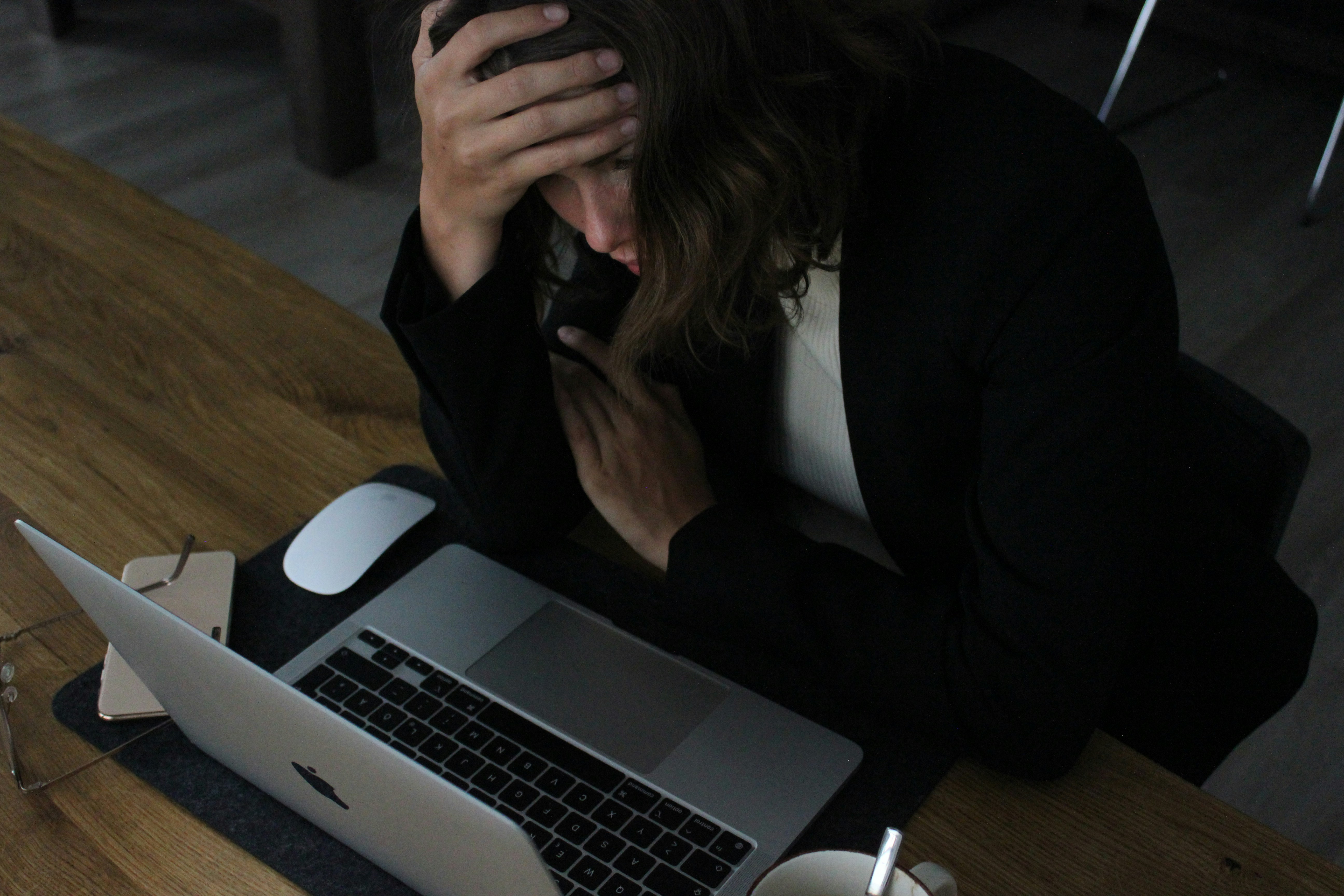

Anxiety and headaches often go hand in hand, creating a frustrating cycle that affects many people. Research shows that people with anxiety disorders experience headaches at significantly higher rates than the general population, with tension-type headaches and migraines being particularly common among those dealing with chronic worry and stress.
Understanding the connection between anxiety and headaches can help you identify triggers, seek appropriate treatment, and break the cycle of pain that may be disrupting your daily life.
Key Takeaways
Anxiety frequently triggers headaches: Studies indicate that people with anxiety disorders are 2-3 times more likely to experience tension headaches and migraines compared to those without anxiety, with the connection working in both directions.
Multiple mechanisms link anxiety to head pain: Anxiety causes headaches through muscle tension, stress hormone release, changes in blood flow, and altered pain perception—creating a complex relationship between mental and physical symptoms.
Effective treatment addresses both conditions: Managing anxiety through therapy, medication, lifestyle changes, and stress reduction techniques can significantly reduce headache frequency and intensity, often providing relief for both issues simultaneously.
What Is the Connection Between Anxiety and Headaches?
Anxiety and headaches share a bidirectional relationship, meaning each condition can trigger or worsen the other. According to research published in the journal Headache, individuals with anxiety disorders have a substantially elevated risk of developing chronic headaches, while people with frequent headaches are more likely to develop anxiety disorders.
This connection isn't just coincidental. Anxiety triggers physiological changes in your body that directly contribute to headache development, including muscle tension, hormonal fluctuations, and altered blood flow patterns. At the same time, chronic pain from headaches can increase anxiety levels, creating a reinforcing cycle that becomes difficult to break without intervention.
The National Institute of Mental Health notes that anxiety affects approximately 19% of U.S. adults annually, and many of these individuals report headaches as a significant symptom of their anxiety disorder.
How Does Anxiety Cause Headaches?
Anxiety triggers several physiological responses that can lead to different types of headaches. Understanding these mechanisms can help you recognize when anxiety might be contributing to your head pain.
Muscle Tension and Contraction
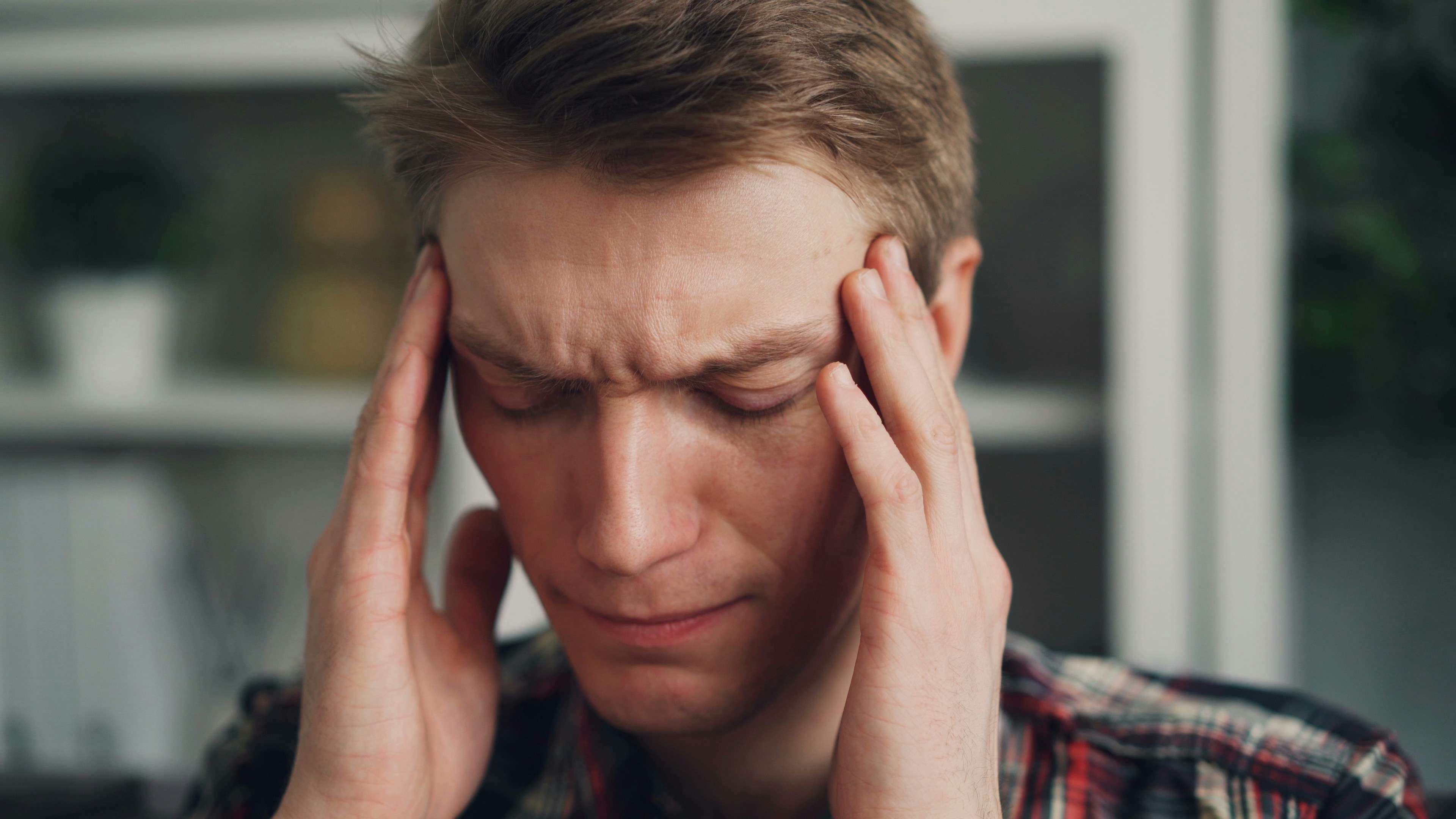
When you experience anxiety, your body activates the "fight or flight" response, causing muscles throughout your body to tense up—particularly in your neck, shoulders, and scalp. This sustained muscle tension is the primary cause of tension-type headaches, which feel like a tight band squeezing around your head.
The tension typically builds gradually and can persist for hours or even days if the underlying anxiety isn't addressed. According to the Cleveland Clinic, tension headaches are the most common type of headache, affecting up to 80% of adults at some point.
Stress Hormone Release
Anxiety triggers the release of stress hormones like cortisol and adrenaline. These hormones cause various changes in your body, including:
Increased blood pressure
Altered blood vessel constriction and dilation
Changes in pain sensitivity
Inflammation throughout the body
Research published in Cephalalgia suggests that elevated cortisol levels can increase headache susceptibility and severity, particularly in people prone to migraines.
Changes in Blood Flow
Anxiety can cause blood vessels in your head to constrict and then dilate, a process that's particularly associated with migraine headaches. This vascular instability creates the throbbing, pulsating pain characteristic of migraines.
Altered Pain Perception
Chronic anxiety can change how your brain processes pain signals, making you more sensitive to headache triggers and more likely to experience severe pain from relatively minor stimuli. This phenomenon, called central sensitization, helps explain why people with anxiety often report more intense headaches.
Sleep Disruption
Anxiety frequently interferes with sleep quality and duration, and poor sleep is a well-established headache trigger. The relationship works in multiple directions: anxiety causes sleep problems, sleep deprivation increases anxiety, and both contribute to more frequent headaches.
Types of Headaches Associated with Anxiety
Anxiety doesn't cause just one type of headache—it can trigger or worsen several different headache patterns, each with distinct characteristics.
Tension-Type Headaches
These are the most common headaches linked to anxiety. Tension headaches typically cause:
Dull, aching pain on both sides of the head
Feeling of tightness or pressure around the forehead or back of the head
Tenderness in scalp, neck, and shoulder muscles
Mild to moderate intensity that doesn't worsen with physical activity
According to the American Migraine Foundation, tension-type headaches can last from 30 minutes to several days and often respond well to stress management techniques.
Migraine Headaches
Research shows a strong association between anxiety disorders and migraines. Studies indicate that people with anxiety are 2-5 times more likely to experience migraines compared to those without anxiety.
Anxiety-related migraines typically feature:
Intense, throbbing pain, usually on one side of the head
Sensitivity to light, sound, or smells
Nausea or vomiting
Visual disturbances (aura) before or during the headache
Duration of 4-72 hours if untreated
Chronic Daily Headaches
When headaches occur 15 or more days per month for at least three months, they're classified as chronic daily headaches. Anxiety is a significant risk factor for this pattern, with studies published in The Journal of Headache and Pain showing that anxiety disorders substantially increase the likelihood of headache chronification.
Cluster Headaches
While less common, some research suggests anxiety may trigger cluster headaches in susceptible individuals. These extremely painful headaches occur in cyclical patterns and are characterized by severe pain around one eye.
Risk Factors That Strengthen the Anxiety-Headache Connection
Certain factors can increase the likelihood that anxiety will trigger headaches or that headaches will worsen anxiety symptoms.
Individual susceptibility factors include:
Personal or family history of migraines: Genetic predisposition makes you more vulnerable to anxiety-triggered headaches
Pre-existing anxiety disorder: Generalized anxiety disorder, panic disorder, and social anxiety all increase headache risk
High stress levels: Chronic stress amplifies both anxiety and headache frequency
Poor sleep habits: Irregular sleep schedules and insufficient sleep worsen both conditions
Caffeine consumption patterns: Both excessive caffeine use and sudden withdrawal can trigger headaches in anxious individuals
Female gender: Women experience both anxiety disorders and migraines at higher rates than men, possibly due to hormonal influences
Age factors: The anxiety-headache connection is particularly strong in young and middle-aged adults
Recognizing When Anxiety Is Causing Your Headaches
Identifying whether anxiety is contributing to your headaches can help guide treatment decisions and management strategies.
Signs that anxiety may be triggering your headaches:
Headaches that begin or worsen during stressful situations
Pain that accompanies other anxiety symptoms like rapid heartbeat, sweating, or worry
Headaches that improve when anxiety decreases
Muscle tension in your neck and shoulders before the headache starts
Difficulty relaxing or "turning off" worried thoughts
Headaches that follow a pattern related to anxiety-provoking events
Keep a headache diary that tracks not just your pain but also your stress levels, anxiety symptoms, sleep quality, and potential triggers. This information can help you and your healthcare provider identify patterns and develop effective treatment strategies.
When to Seek Professional Help
While occasional headaches related to stress are common, certain situations warrant professional medical evaluation to rule out other conditions and develop an appropriate treatment plan.
Contact a healthcare provider if you experience:
Headaches that significantly interfere with daily activities
Increasing frequency or severity of headaches over time
Headaches accompanied by severe anxiety symptoms
New headache patterns or characteristics
Headaches that don't respond to over-the-counter treatments
Physical symptoms like vision changes, weakness, or difficulty speaking
Seek immediate medical attention for:
Sudden, severe headache unlike any you've experienced before
Headache with fever, stiff neck, confusion, or vision changes
Headache following a head injury
Headache with numbness, weakness, or difficulty speaking
These symptoms could indicate serious conditions requiring urgent evaluation.
Telehealth Options for Anxiety and Headache Treatment
Virtual psychiatric care has become increasingly accessible for people dealing with anxiety and related headaches. Research published in Telemedicine and e-Health shows that telehealth is effective for treating anxiety disorders, with outcomes comparable to in-person care.
Telehealth psychiatry offers several advantages for managing anxiety-related headaches:
Convenience: Access care from home without travel-related stress
Reduced barriers: Easier scheduling and no transportation concerns
Comprehensive evaluation: Virtual appointments allow thorough assessment of both anxiety and headache symptoms
Medication management: Psychiatrists can prescribe and monitor medications for both conditions
Ongoing support: Regular virtual check-ins help track progress and adjust treatment
Platforms like Blossom Health connect patients with board-certified psychiatrists for virtual, in-network care, making professional treatment for anxiety and related symptoms more accessible.
Medical Disclaimer
This article is for informational purposes only and is not a substitute for professional medical advice, diagnosis, or treatment. Always seek the advice of your physician or other qualified healthcare provider with any questions you may have regarding a medical condition. Never disregard professional medical advice or delay seeking it because of something you have read in this article.
If you are experiencing severe headaches, sudden changes in headache patterns, or headaches accompanied by other concerning symptoms, seek immediate medical attention. For mental health emergencies or if you're experiencing thoughts of self-harm, contact the 988 Suicide and Crisis Lifeline by calling or texting 988.
Sources
American Migraine Foundation. Tension-Type Headache. https://americanmigrainefoundation.org/resource-library/tension-type-headache/
National Institute of Mental Health (NIMH). Anxiety Disorders. https://www.nimh.nih.gov/health/topics/anxiety-disorders
Cleveland Clinic. Tension Headaches. https://my.clevelandclinic.org/health/diseases/8257-tension-type-headaches
National Center for Biotechnology Information (NCBI). The Relationship Between Headache and Anxiety Disorders. https://www.ncbi.nlm.nih.gov/pmc/articles/PMC8467891/
American Academy of Neurology. Evidence-Based Guideline Update: Pharmacologic Treatment for Episodic Migraine Prevention. https://www.aan.com/Guidelines/home/GuidelineDetail/597
JAMA Internal Medicine. Mindfulness Meditation for Chronic Headache. https://jamanetwork.com/journals/jamainternalmedicine/fullarticle/2648926
National Center for Biotechnology Information (NCBI). Cognitive Behavioral Therapy for Chronic Pain. https://www.ncbi.nlm.nih.gov/pmc/articles/PMC7481866/
National Center for Biotechnology Information (NCBI). Telehealth for Anxiety Disorders. https://www.ncbi.nlm.nih.gov/pmc/articles/PMC8591573/