How to Recognize and Treat Seasonal Affective Disorder (SAD)
Author:
Blossom Editorial



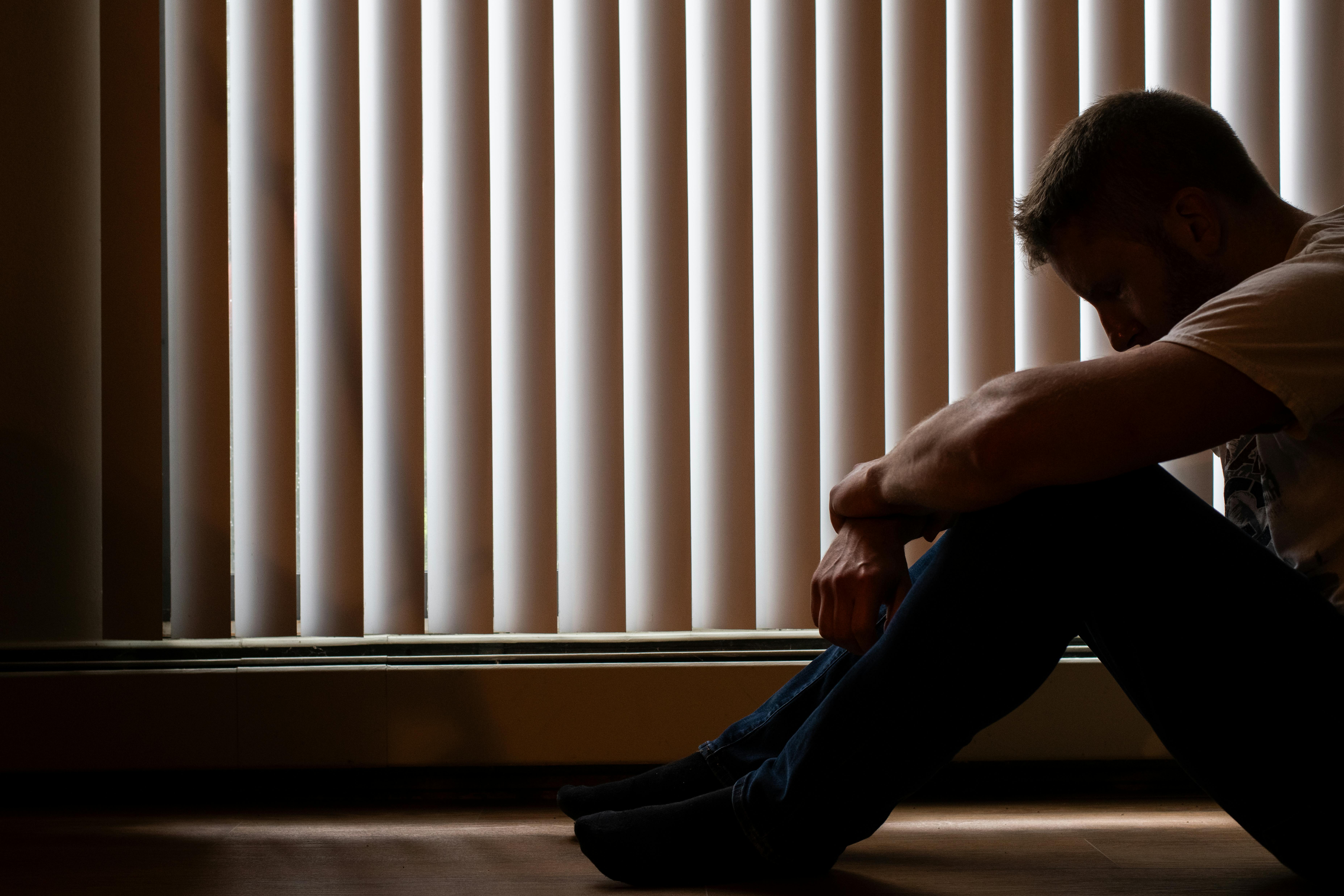
As daylight dwindles and temperatures drop, many people notice shifts in their mood and energy levels. While some experience mild changes, approximately 5% of Americans develop Seasonal Affective Disorder, a form of depression triggered by seasonal changes. Understanding the difference between temporary winter blues and clinical SAD can help you find the right strategies to maintain your wellbeing throughout the darker months.
Key Takeaways
Seasonal Affective Disorder affects about 5% of Americans and is four times more common in women than men, with symptoms typically lasting 4-5 months during fall and winter before improving in spring.
Light therapy using a 10,000 lux light box for 20-30 minutes daily may show results in significant symptom improvement within one to two weeks of starting treatment.
Multiple evidence-based strategies, including light therapy, vitamin D supplementation, regular exercise, cognitive behavioral therapy, and maintaining consistent sleep schedules, can effectively prevent and treat winter-related mood changes.
Understanding the Winter Blues vs. Seasonal Affective Disorder
Not everyone who feels a bit down during winter has Seasonal Affective Disorder. The distinction between temporary mood changes and clinical depression matters for getting appropriate care.
What Are the Winter Blues?
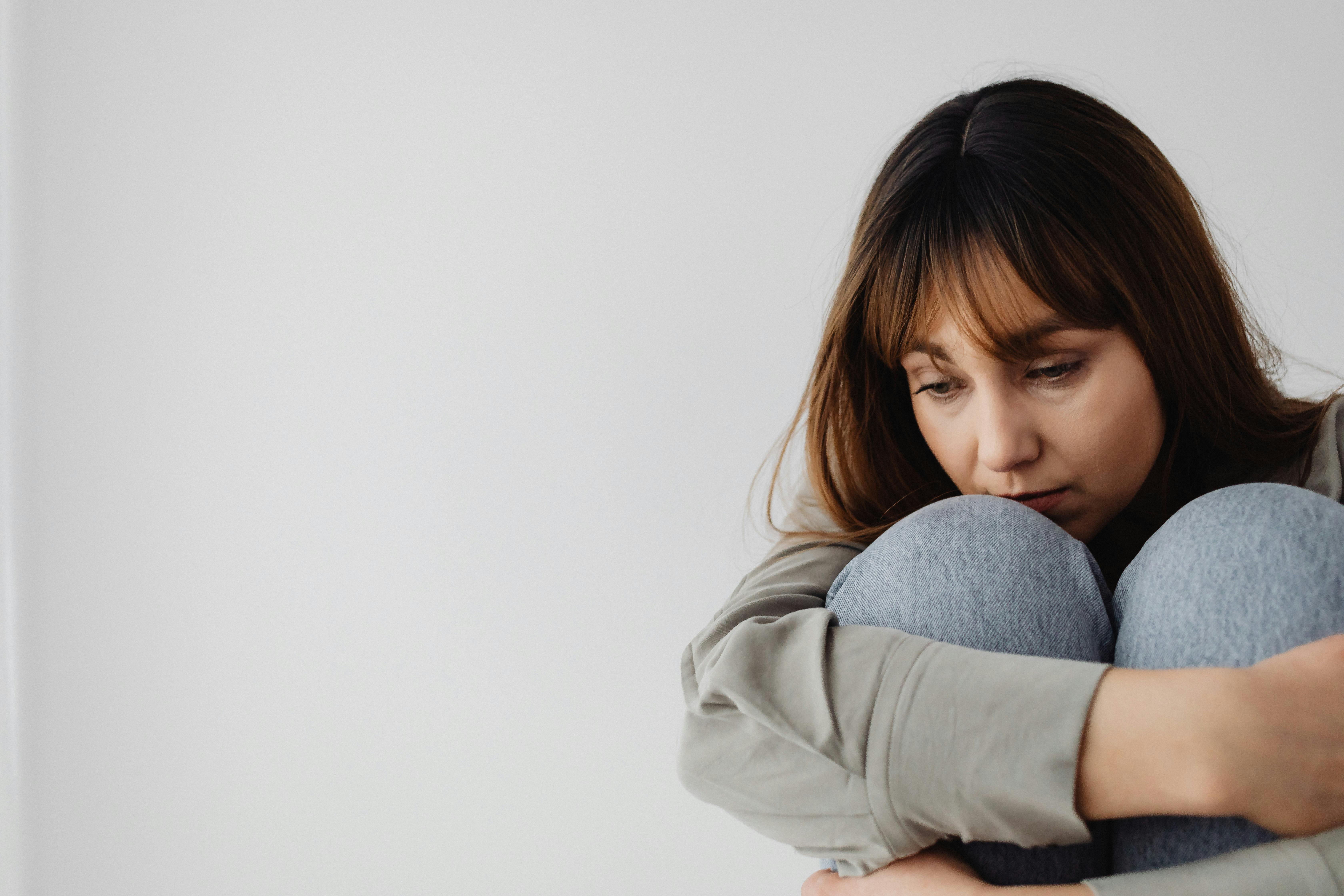
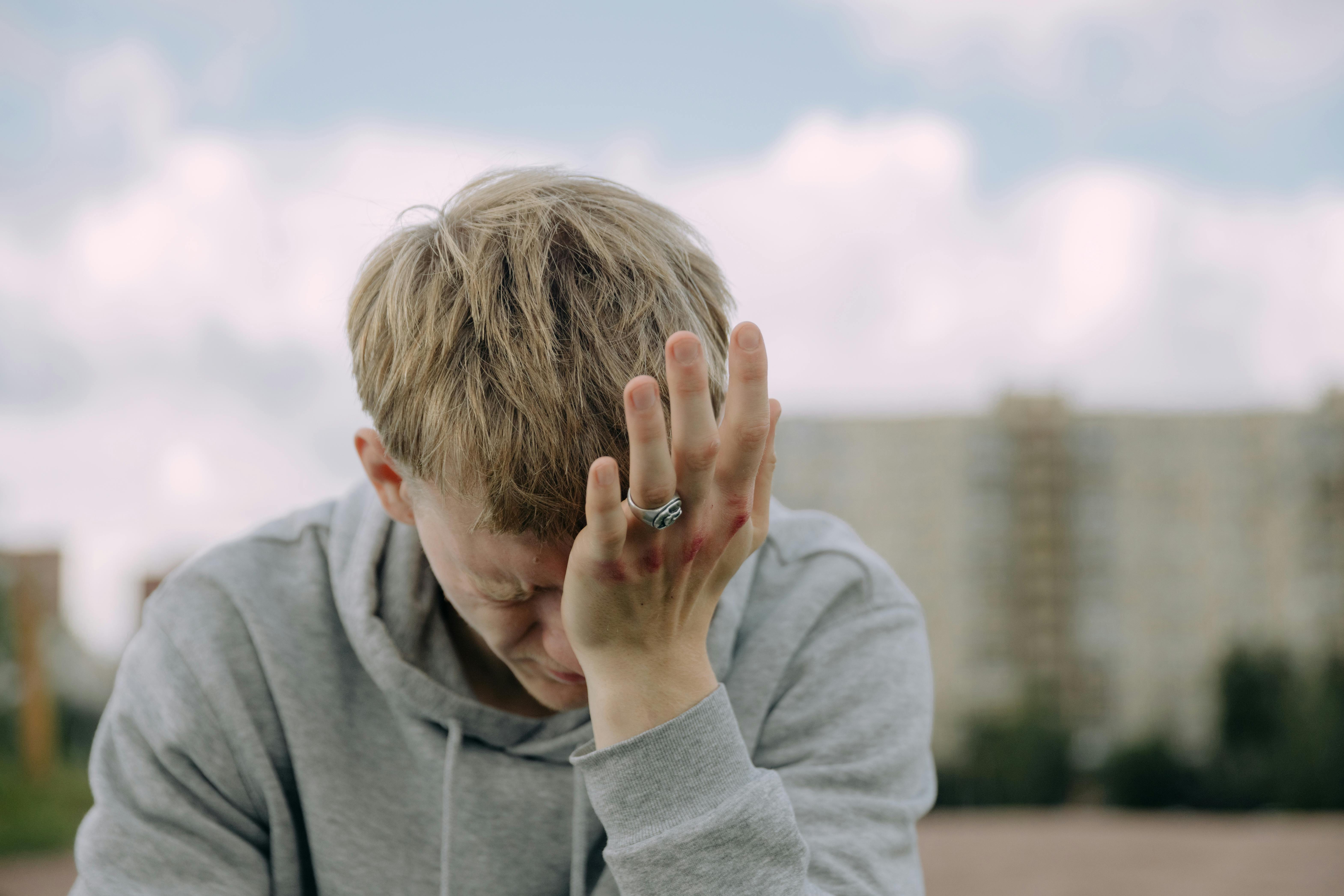
The winter blues describe mild mood changes that many people experience when days get shorter and darker. You might feel slightly less motivated, want to stay inside more, or notice you're eating more comfort foods. These feelings are common responses to environmental changes, but may not significantly interfere with your ability to function in daily life.
You might still enjoy life and can engage with activities you normally find pleasurable, though you might pull back a little. Winter blues could also relate to external stressors like difficult life events that happen to coincide with the season.
What Is Seasonal Affective Disorder?
Seasonal Affective Disorder (SAD) represents a more serious condition classified as major depressive disorder with seasonal patterns. SAD is a subtype of recurrent mood disorder that follows a predictable annual pattern, with symptoms appearing during late fall or early winter and resolving during spring and summer.
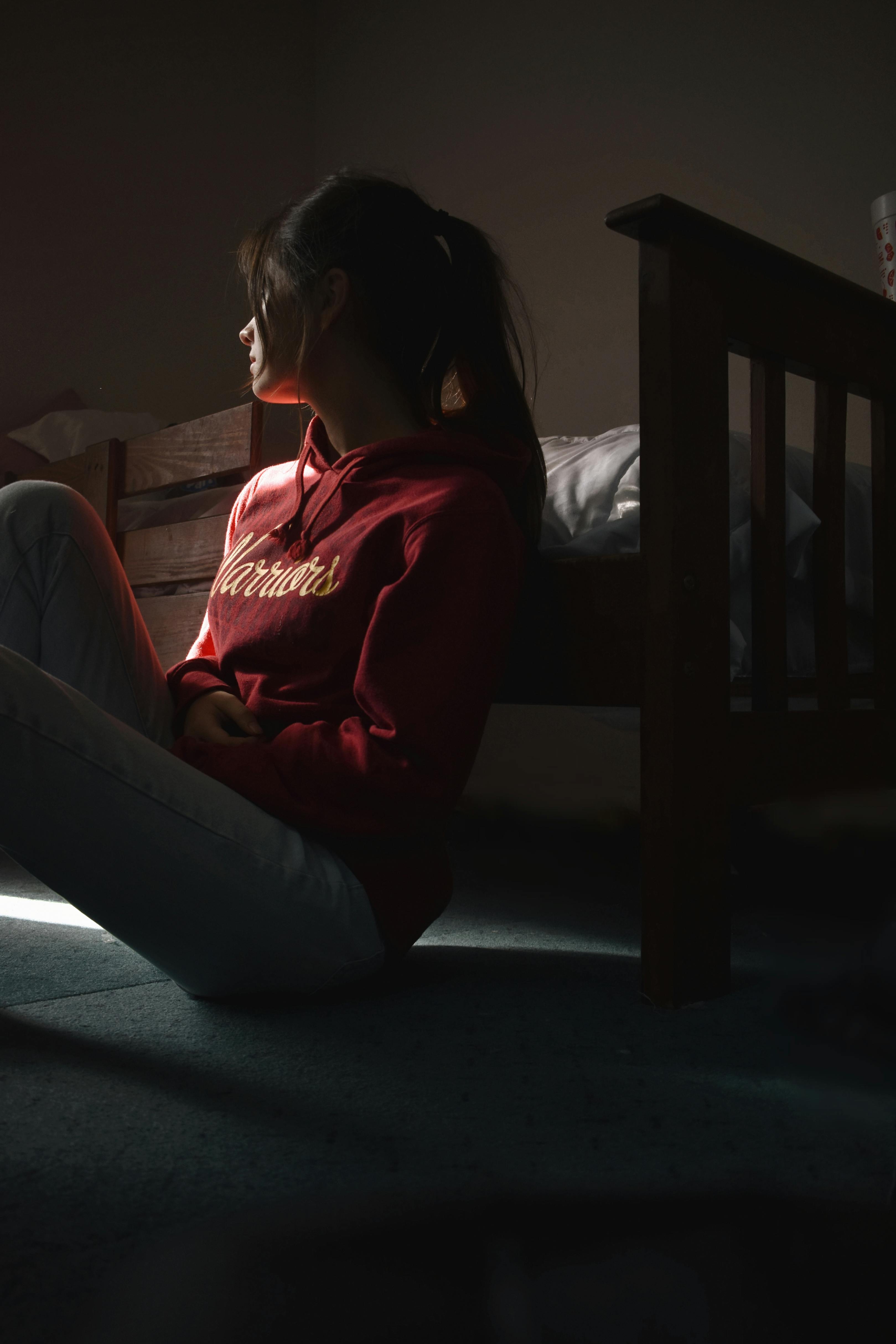
With SAD, you may lose interest in many areas of life on a global scale. You may want to stay home, but don't want to watch shows you like or eat your favorite foods.
To meet diagnostic criteria, symptoms must appear during the same season for at least two consecutive years, and seasonal episodes must outnumber any non-seasonal depressive episodes.
SAD affects people differently based on geography, with higher prevalence in northern states like the Pacific Northwest, Alaska, and New England where daylight hours are most dramatically reduced during winter.
Recognizing the Symptoms
Understanding specific symptoms helps distinguish SAD from other conditions and guides treatment decisions.
Core Depression Symptoms
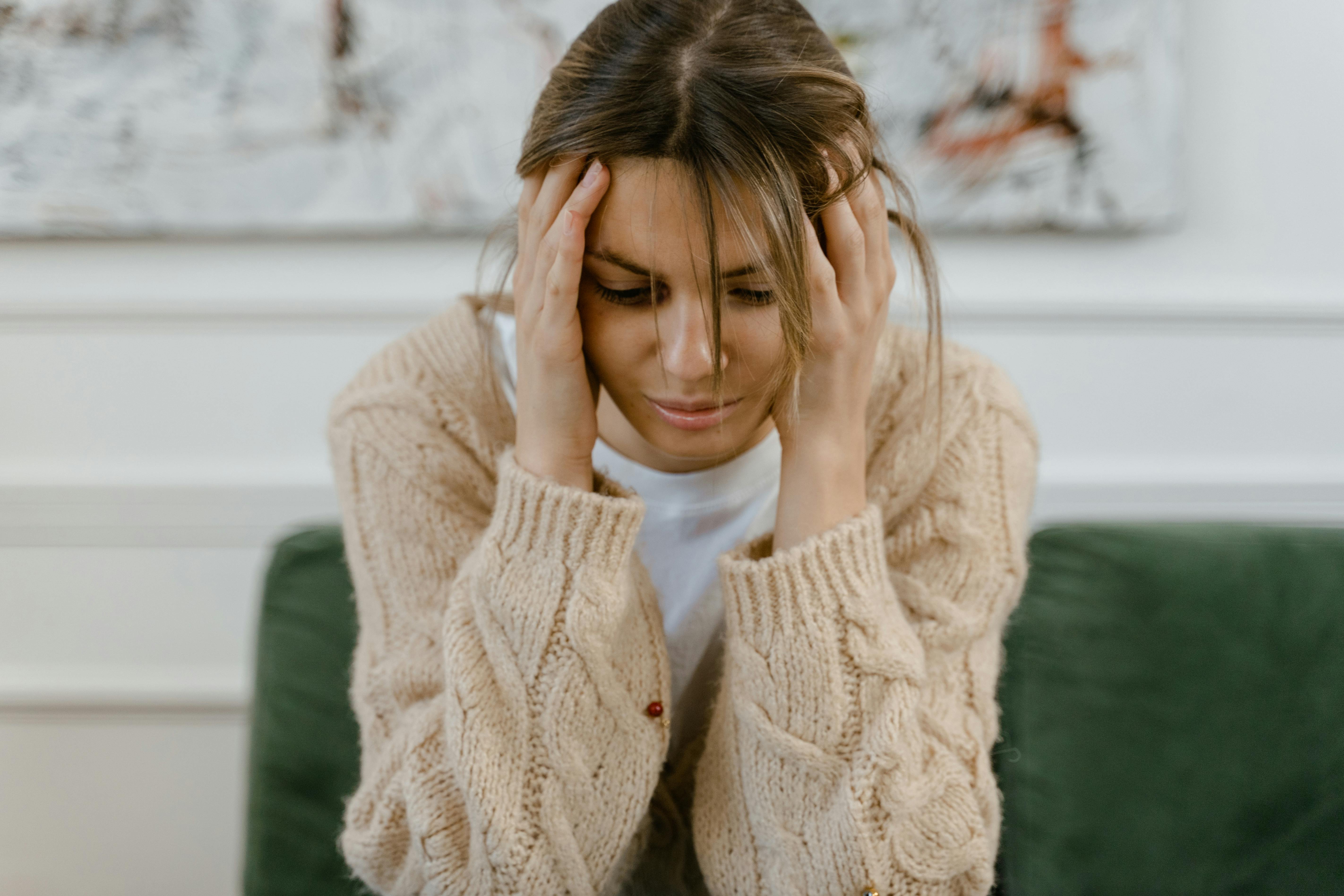
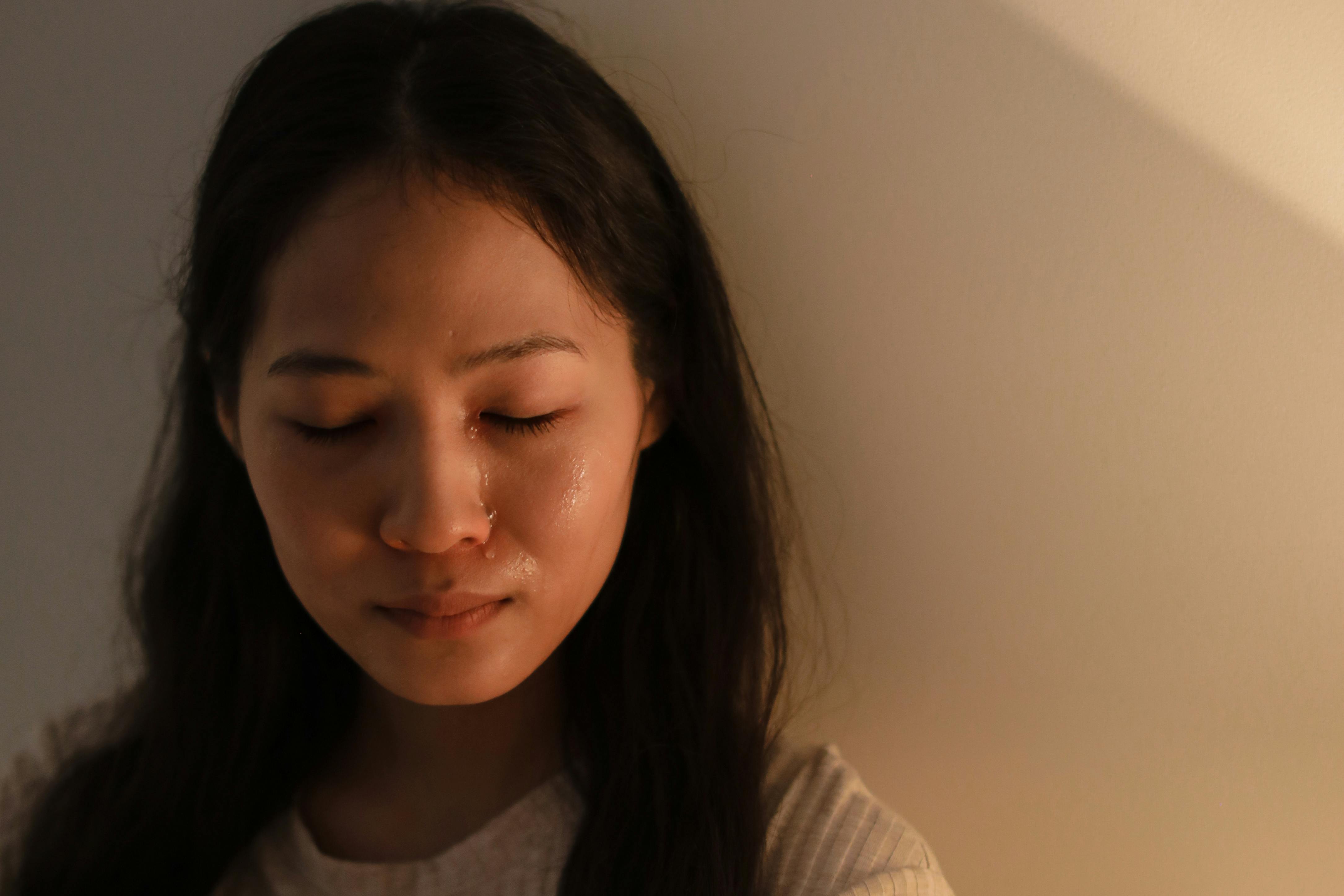
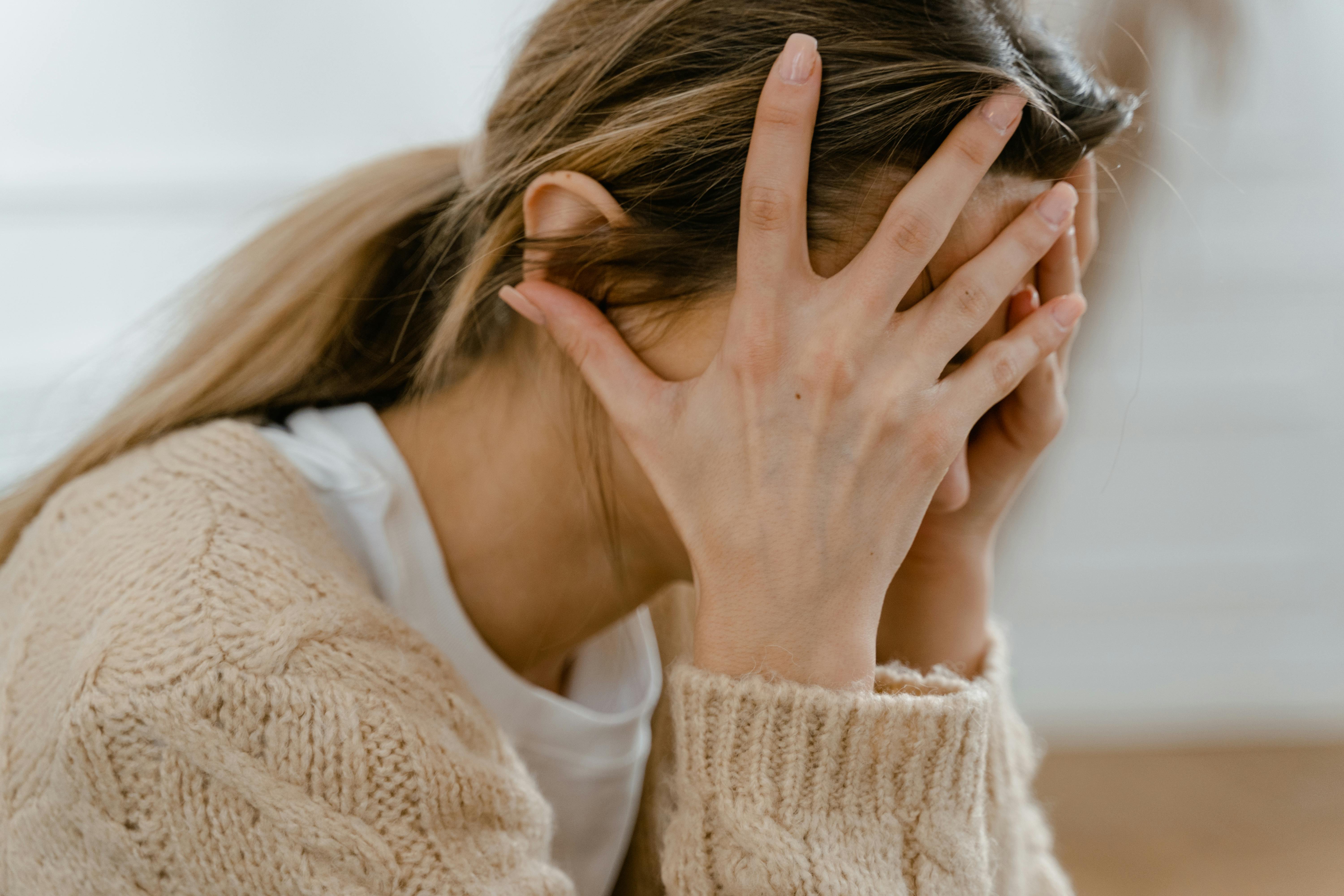
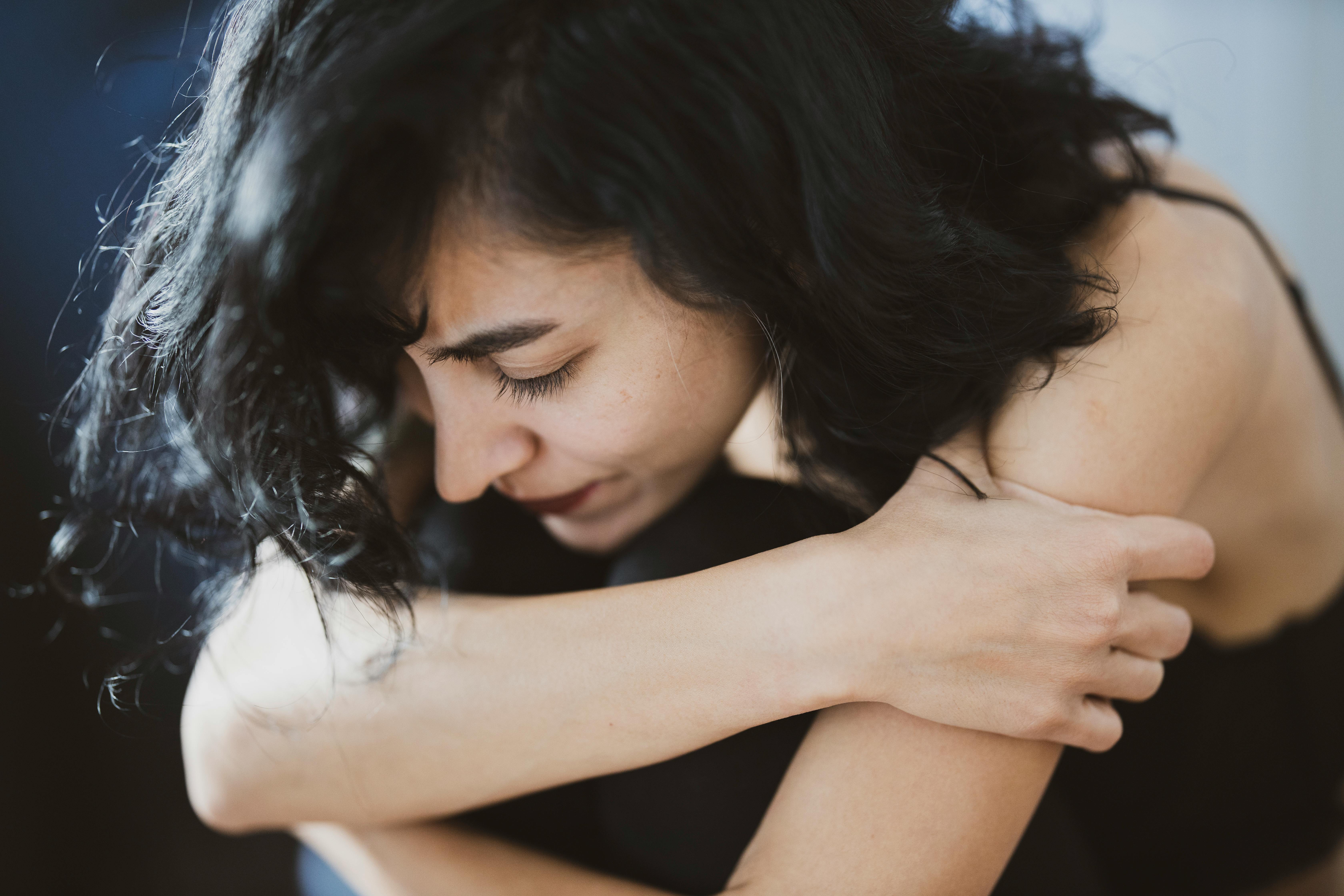
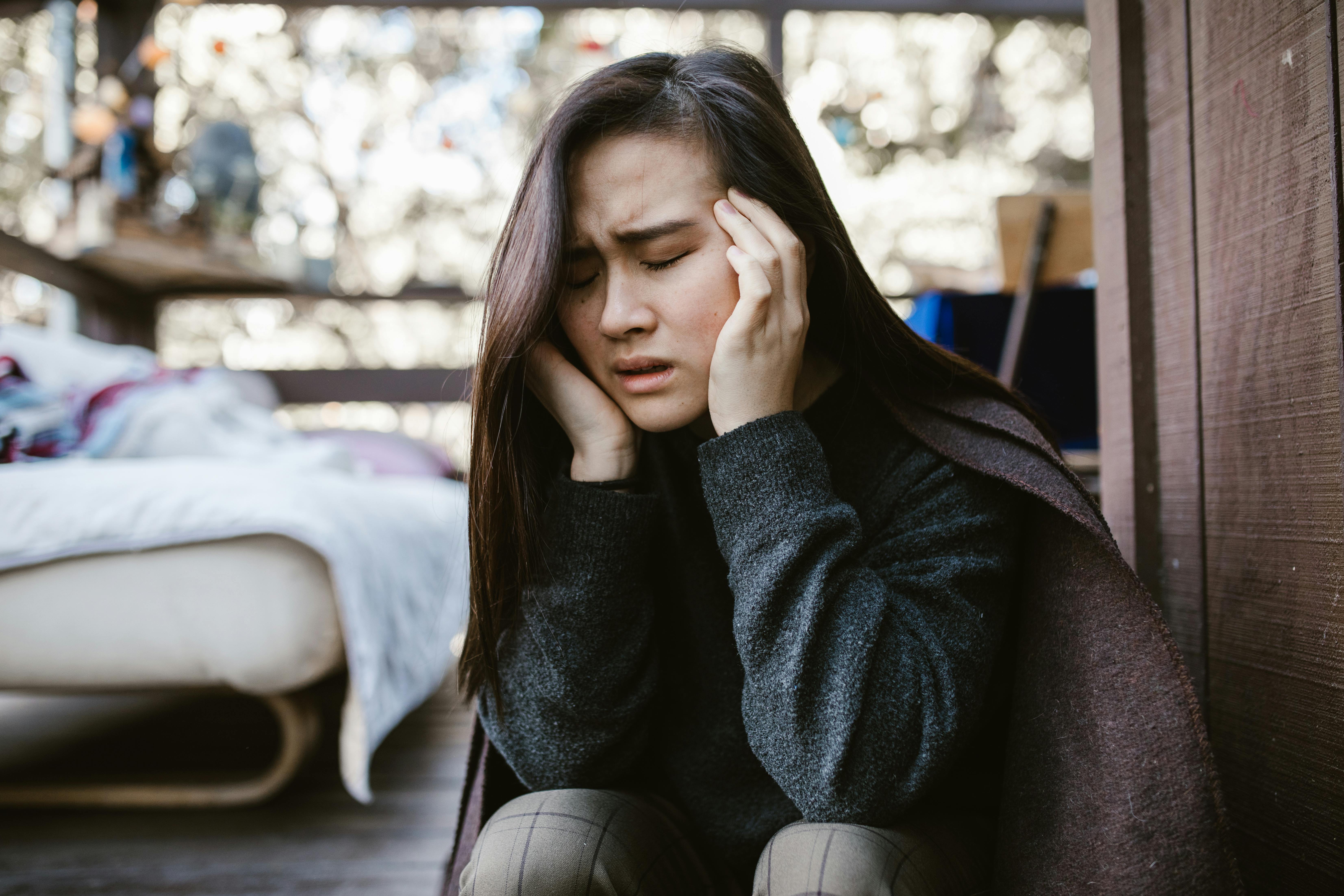
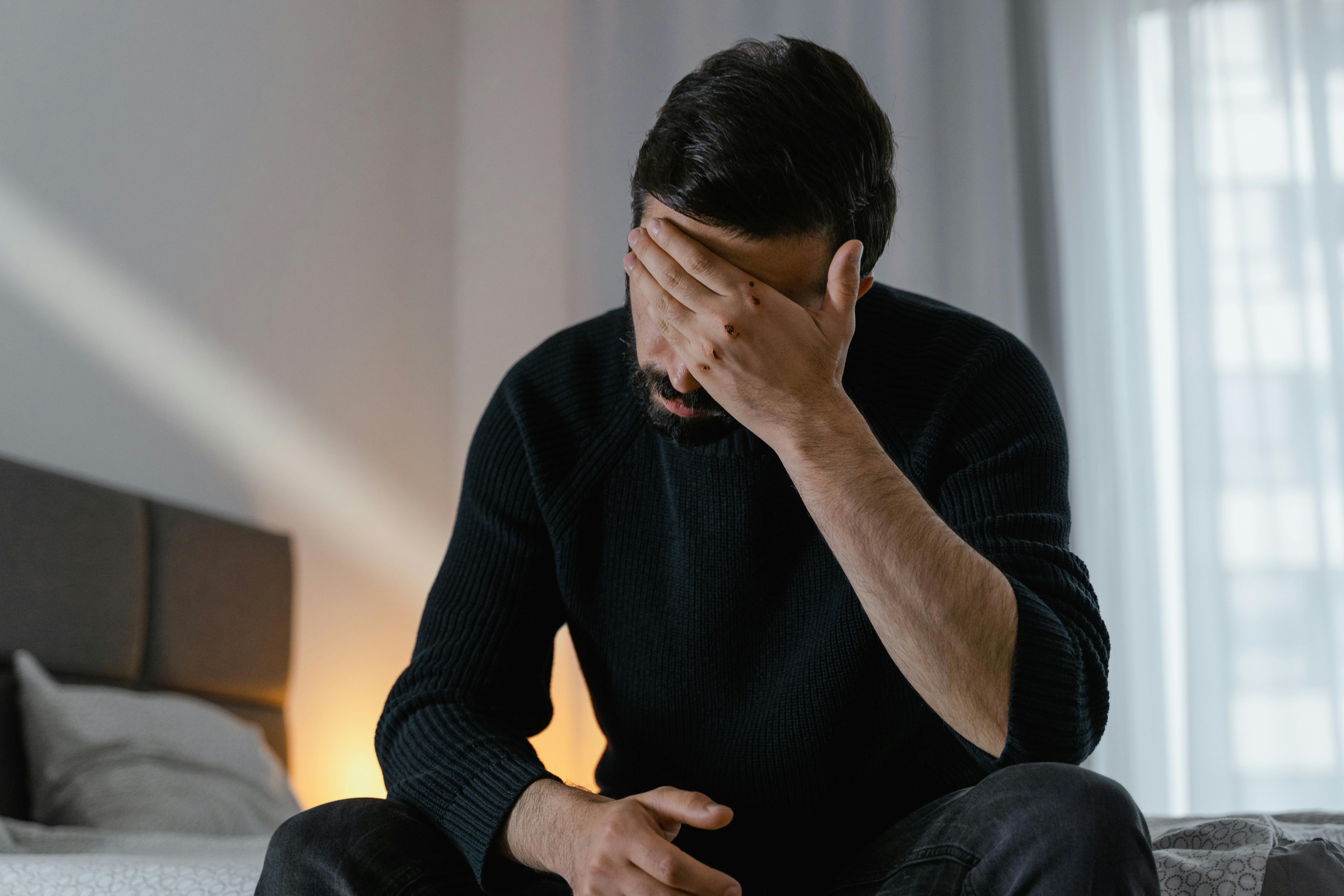
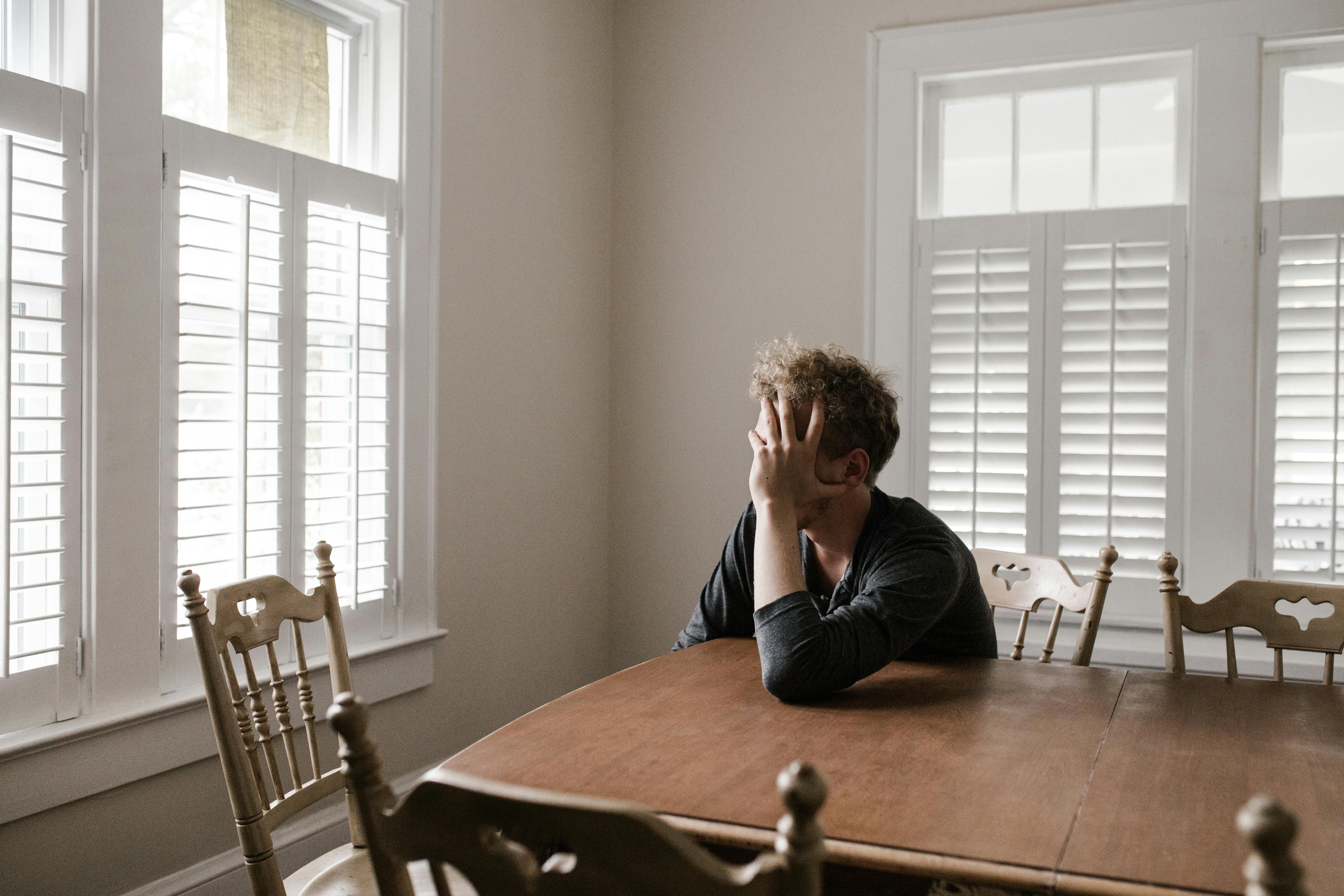
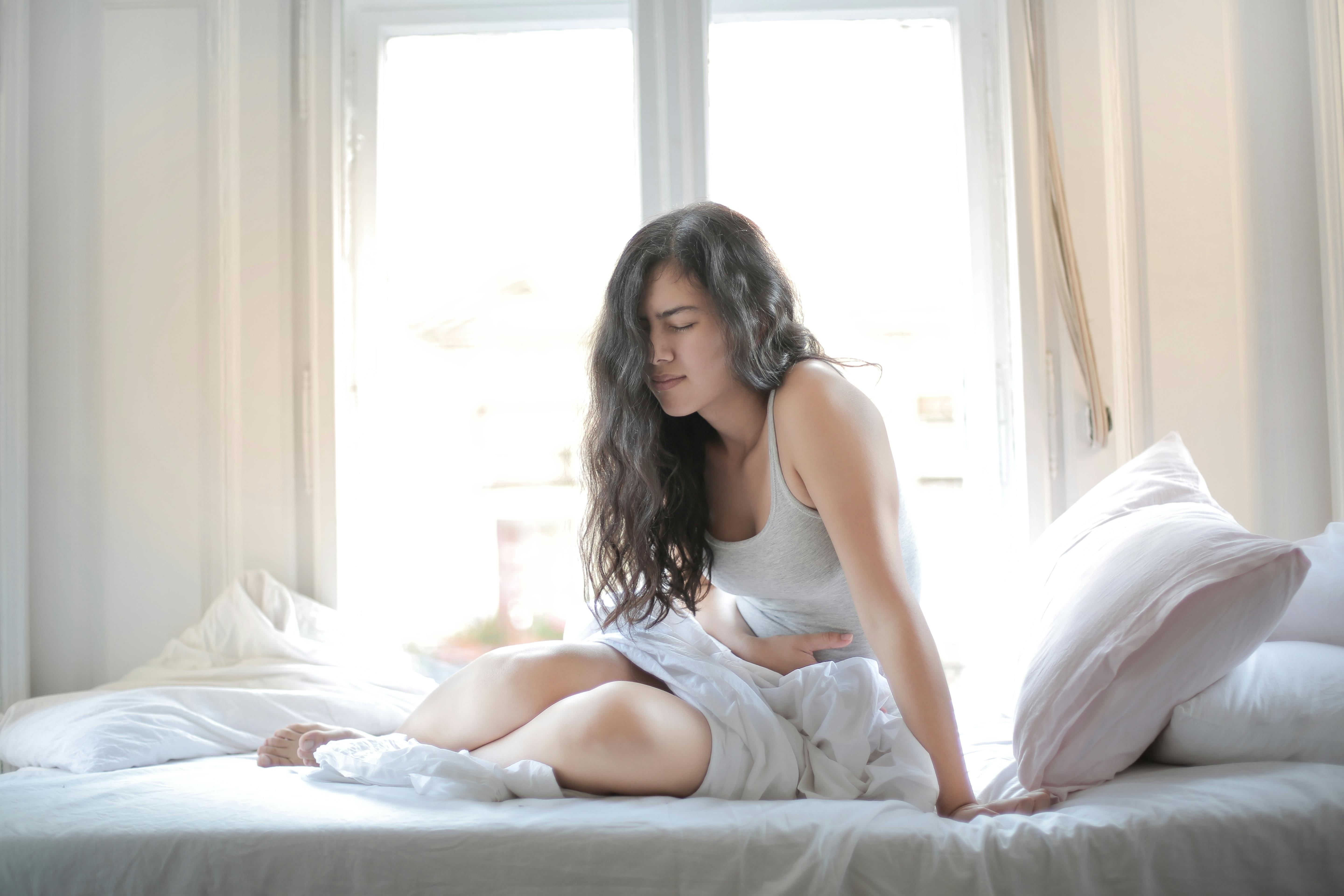
SAD tends to share many symptoms with other forms of depression. These include persistent sad, anxious, or empty mood most of the day, nearly every day, loss of interest in activities you previously enjoyed, difficulty concentrating or making decisions, feelings of hopelessness or worthlessness, and physical symptoms like headaches or digestive problems without clear physical causes.
Winter-Specific Symptoms
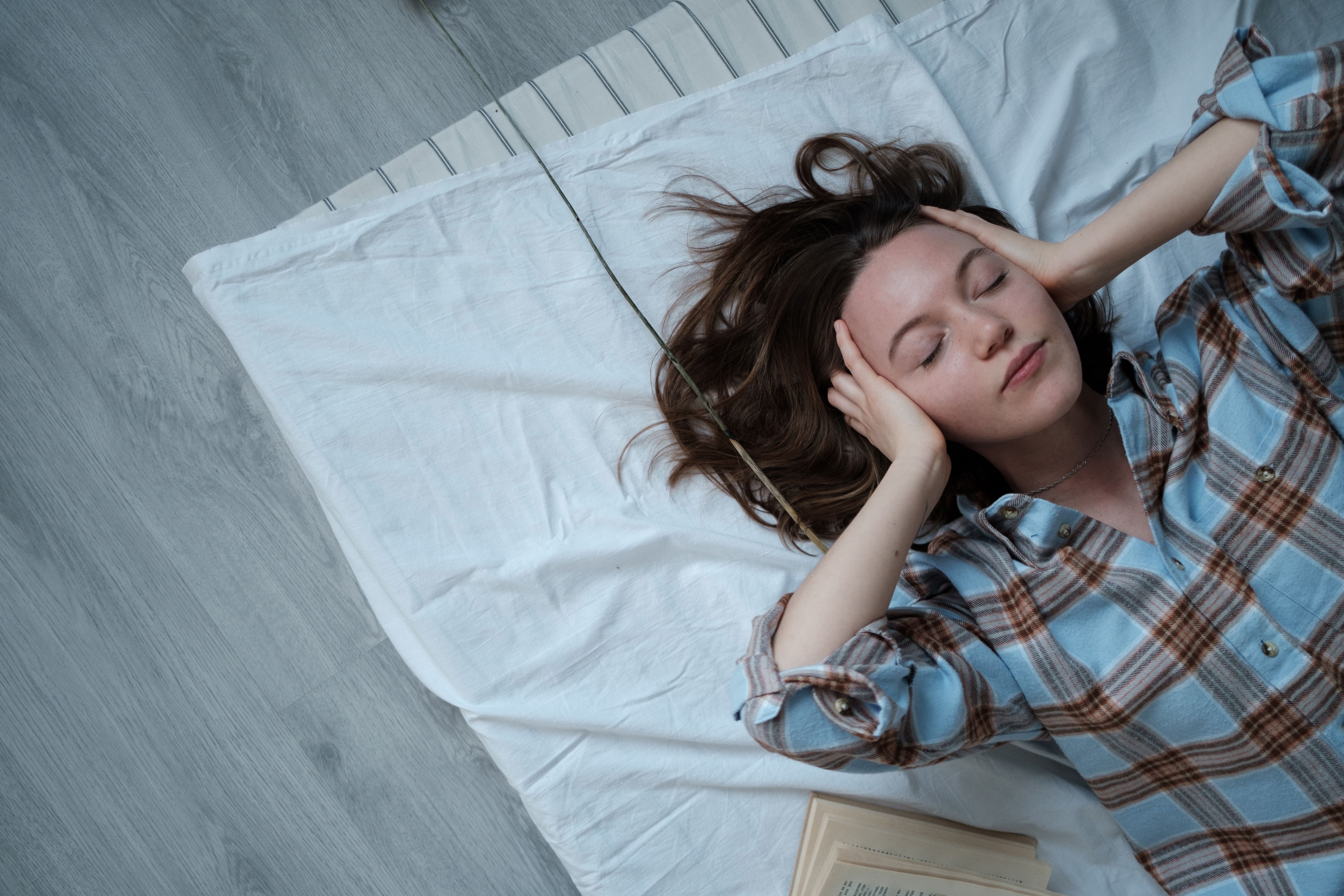
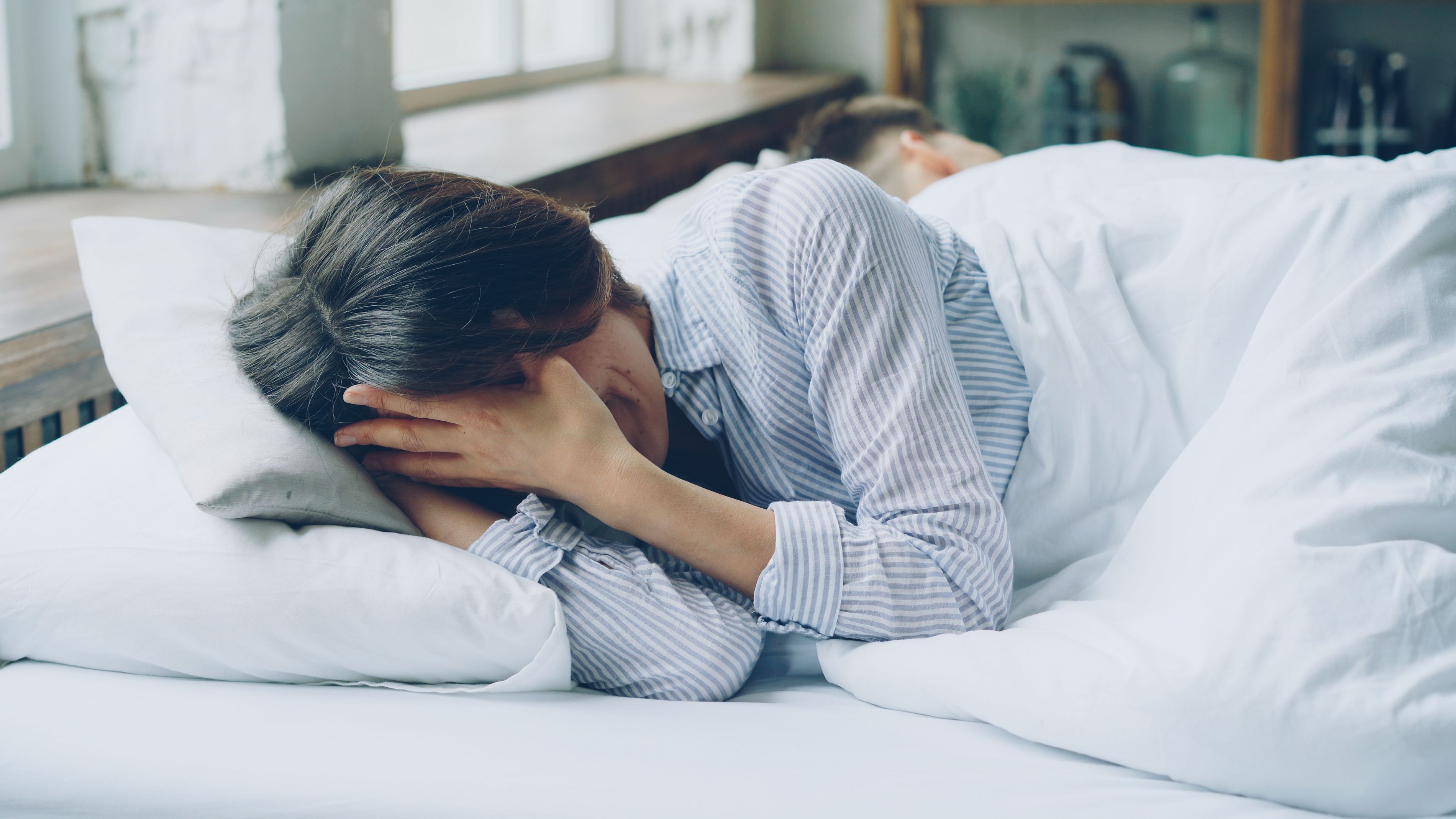
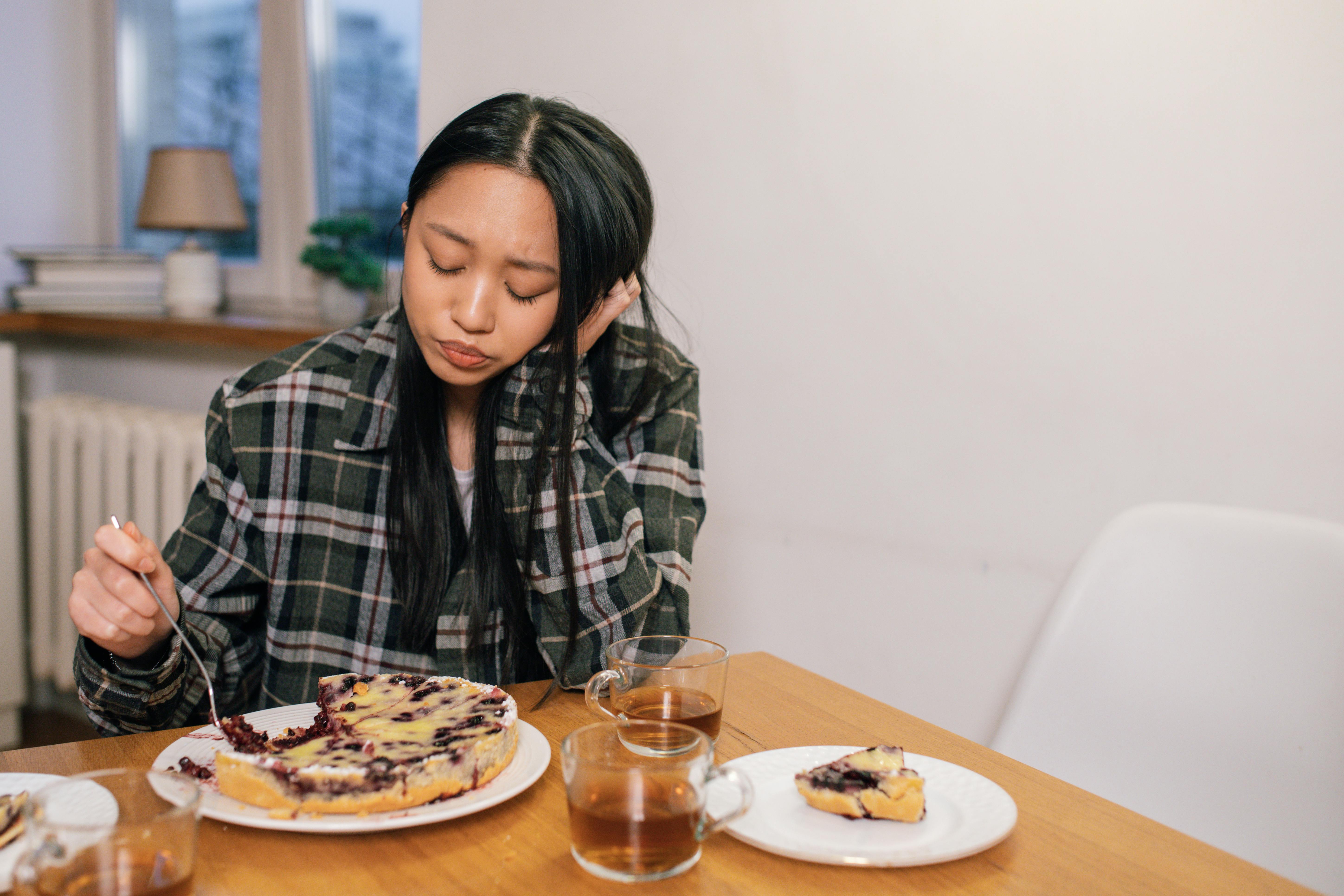
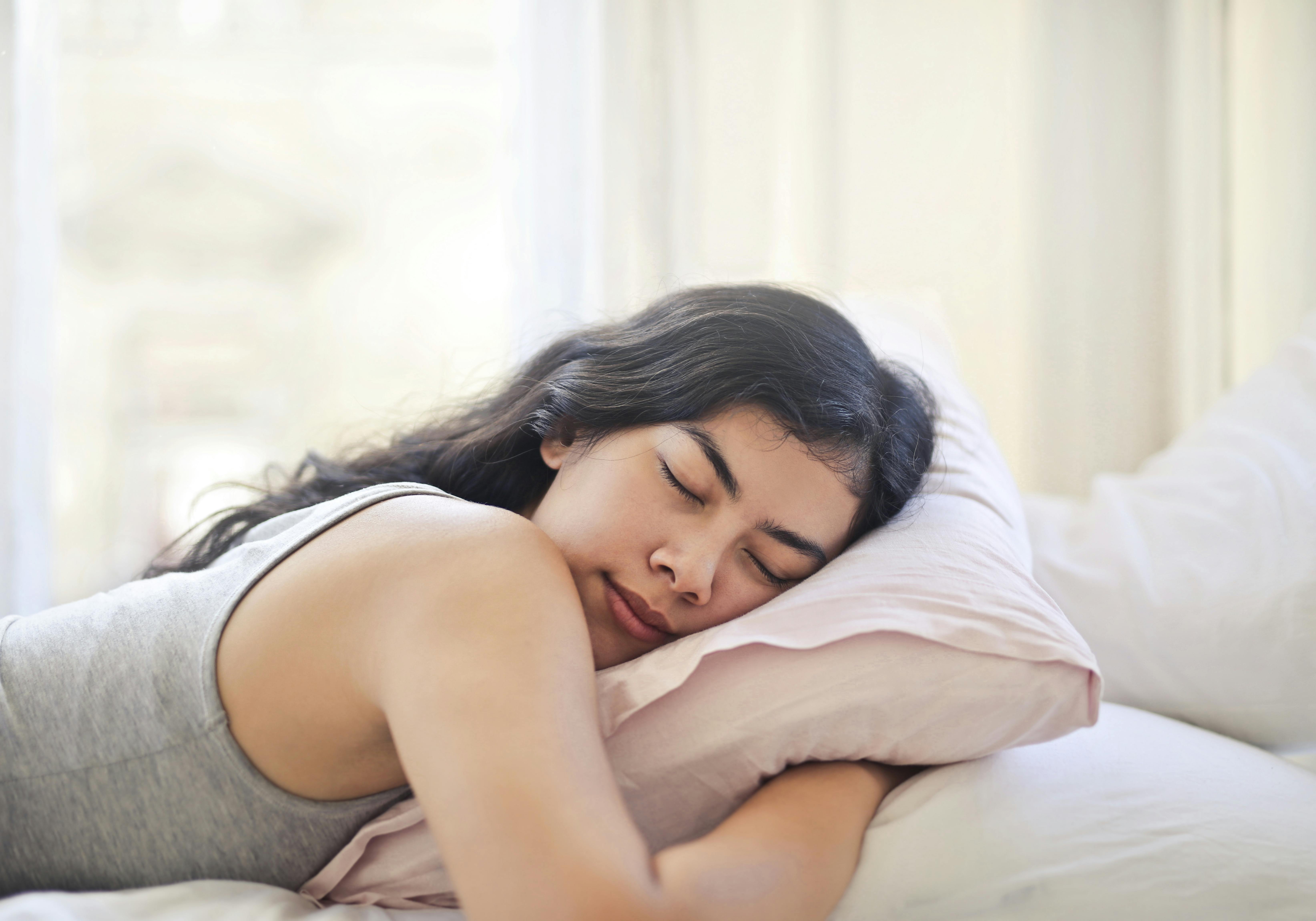
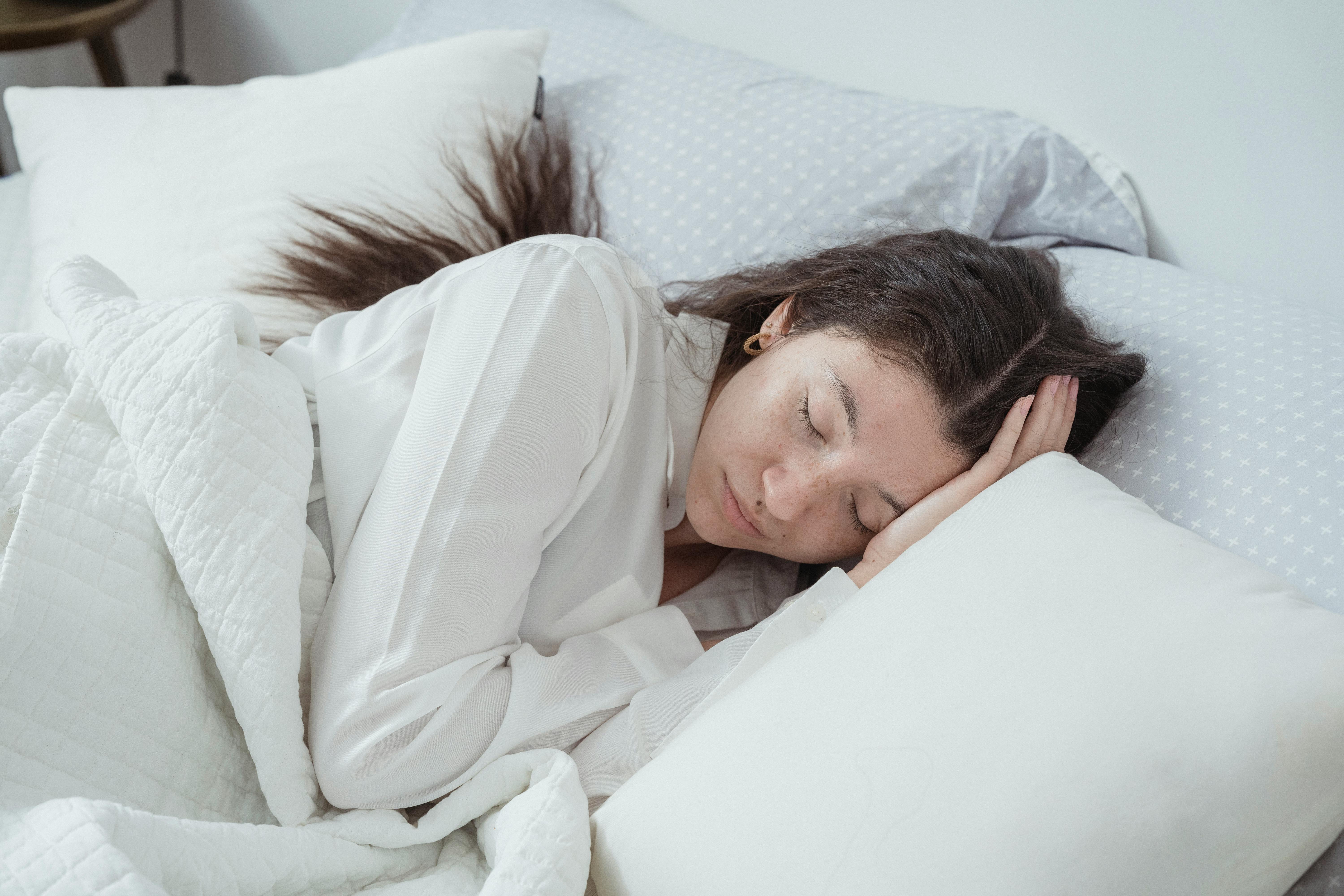
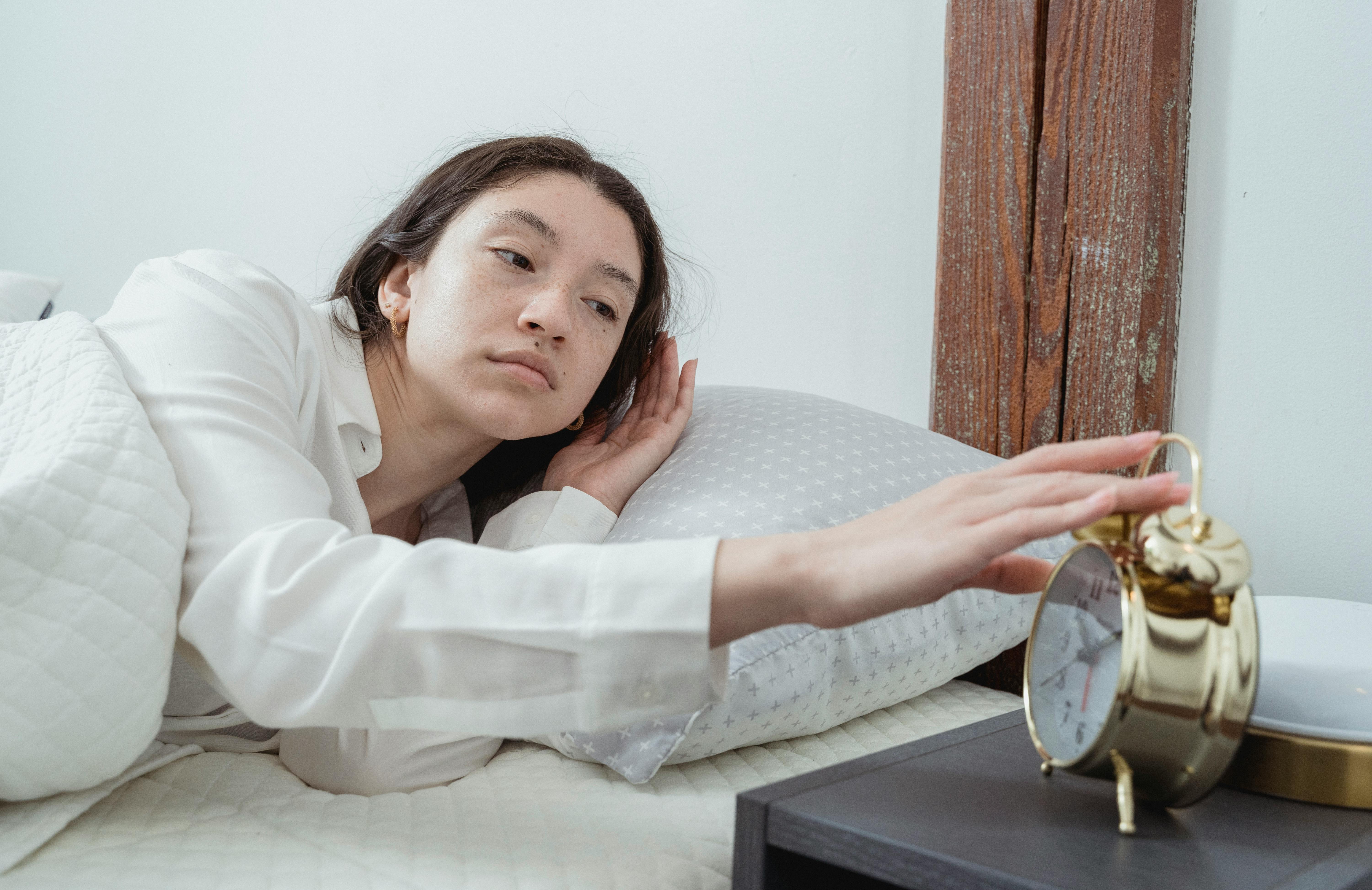
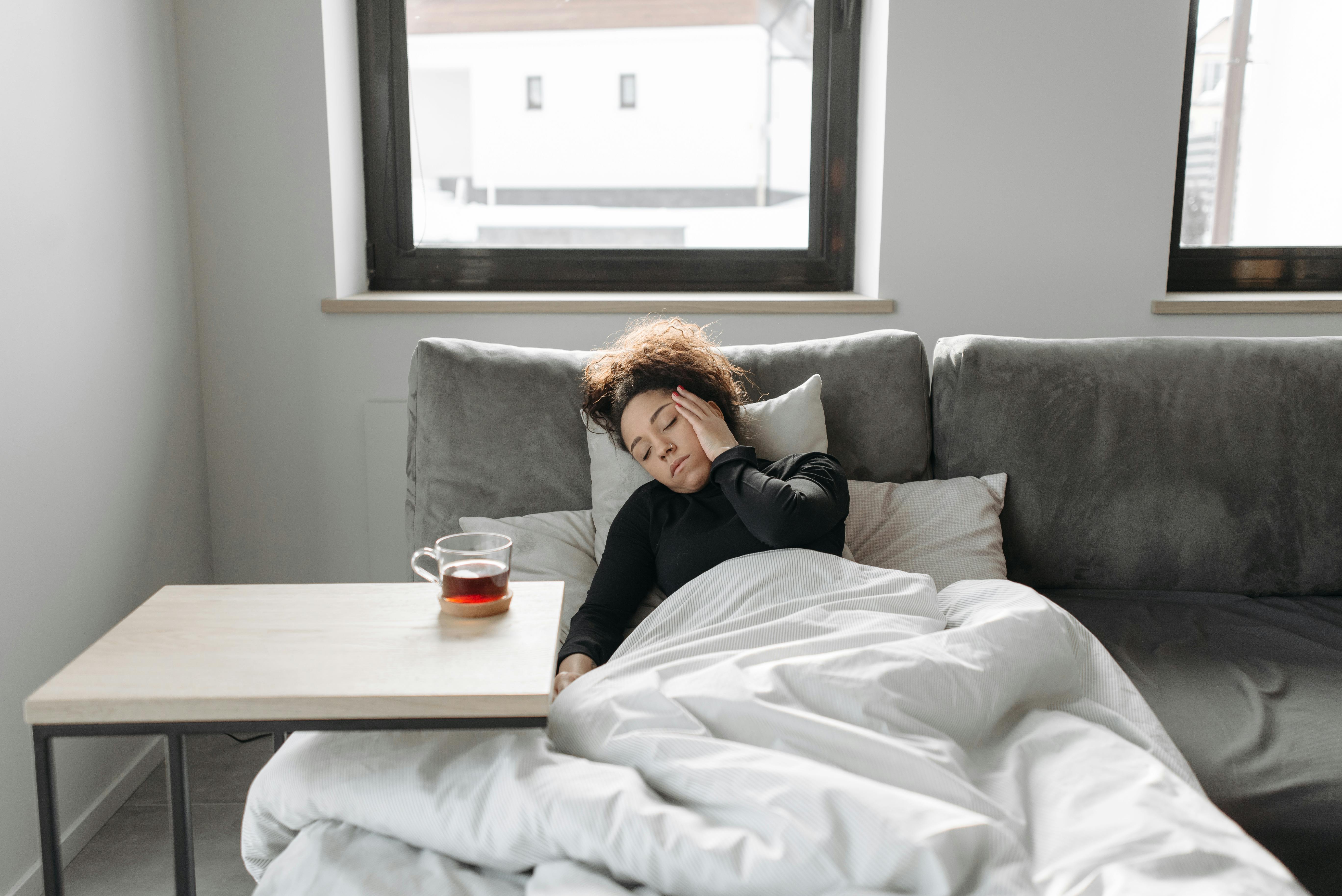
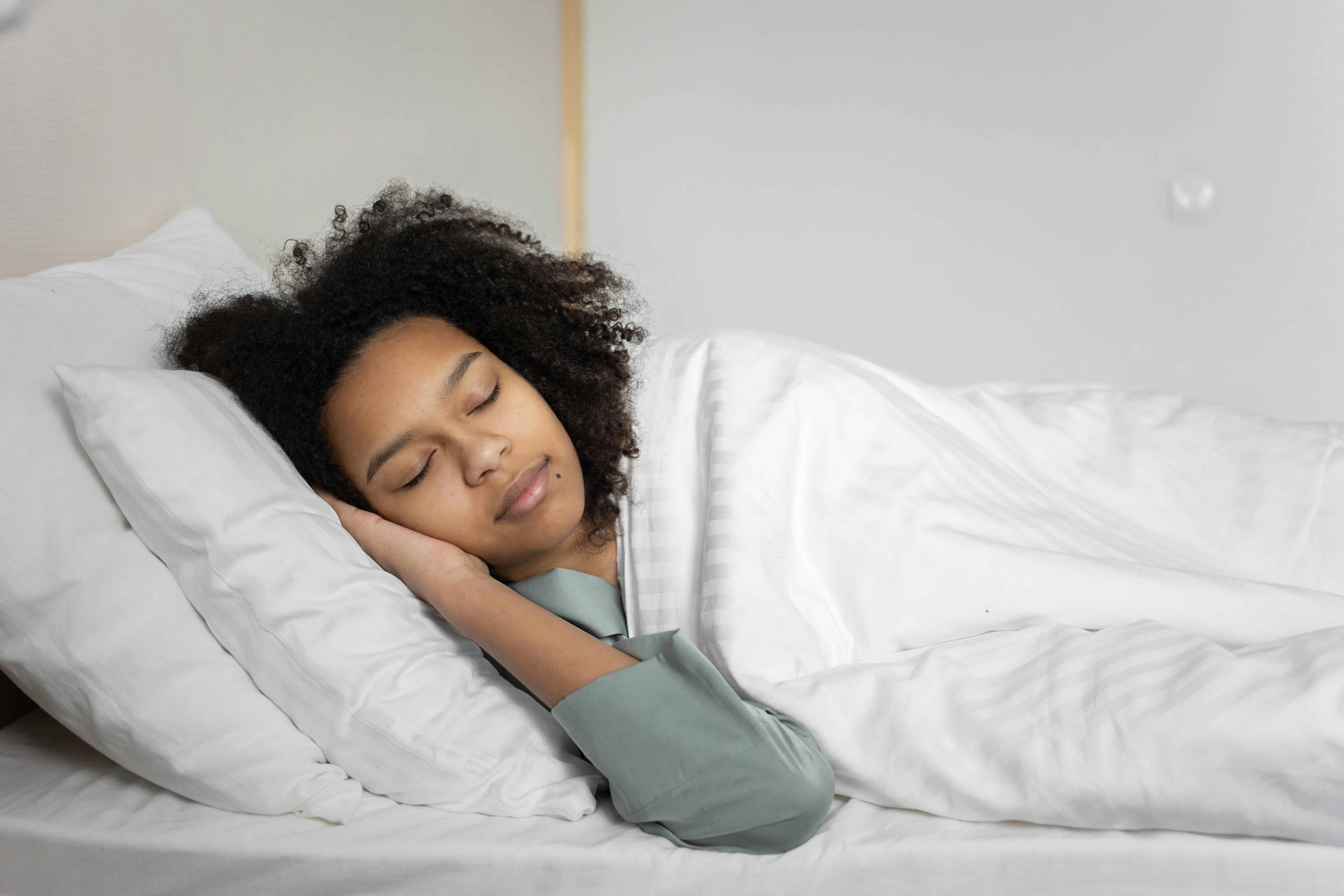
What sets winter-pattern SAD apart are specific symptoms that differ from typical depression. These include oversleeping or feeling unable to get enough rest despite sleeping many hours, increased appetite with particular cravings for carbohydrates and sweet foods, weight gain, feelings of heaviness in arms and legs, and social withdrawal often described as "hibernating."
The pattern of excessive sleep distinguishes SAD from typical depression, where insomnia is more common. Similarly, increased appetite and weight gain contrast with the decreased appetite often seen in other forms of depression.
Less Common Summer-Pattern SAD
While most people associate seasonal depression with winter, some experience summer-pattern SAD. This less common form begins in late spring or early summer and ends in fall. Summer SAD may involve different symptoms, including insomnia, decreased appetite, weight loss, agitation, and anxiety.
Triggers for summer-pattern SAD may include excessive heat, longer daylight hours disrupting sleep, social pressure to participate in activities and maximize enjoyment of the season, financial barriers limiting participation in summer activities, and physical discomfort from allergies or heat sensitivity.
What Causes Seasonal Affective Disorder
Scientists continue to study the biological mechanisms underlying SAD, though several factors likely contribute to its development.
Changes in Brain Chemistry
Reduced sunlight during winter may affect complex systems that govern the body's 24-hour circadian clock, which regulates sleep-wake cycles, digestion, hormonal activity, and other important bodily functions. Special receptors in the retina transmit information about light to the suprachiasmatic nucleus—the body's master clock—deep in the brain.
Research suggests that SAD may involve disruptions in serotonin, a neurotransmitter that affects mood. Reduced sunlight may contribute to changes in serotonin activity, which can influence mood.
People with SAD may also experience problems regulating melatonin, a hormone that affects sleep patterns and mood. Shorter days may affect melatonin regulation, contributing to increased sleepiness and lethargy.
Vitamin D Deficiency
Some researchers believe vitamin D levels play a role in SAD development. Vitamin D is produced in the skin when exposed to sunlight, and it helps boost serotonin activity. Less sunlight combined with insufficient vitamin D from food sources and supplements may result in low vitamin D levels in the body, potentially contributing to depressive symptoms.
Circadian Rhythm Disruption
The body's internal clock naturally responds to changes in daylight. When seasons change dramatically, this clock can become misaligned with daily schedules. People with SAD may have brains that are more sensitive to light, meaning shorter days directly affect mood and energy in ways that wouldn't impact someone without this sensitivity.
Studies show that brain regions handling mood, emotions, and reward may function differently in people with SAD, with these changes appearing and disappearing with the seasons, unlike in other forms of depression.
Risk Factors for Developing SAD
While anyone can develop Seasonal Affective Disorder, certain factors increase vulnerability to the condition.
Demographic and Geographic Factors
Women are four times more likely than men to experience SAD. The condition typically begins in young adulthood, usually between ages 18 and 30, though it can develop at any age. People living farther from the equator face higher risk because of more dramatic changes in daylight hours during winter.
Interestingly, Iceland appears to be an exception to the latitude rule. Research of more than 2,000 people found lower prevalence of SAD in Iceland than expected based on its northern location, possibly due to genetic factors or cultural adaptations to long dark winters.
Personal and Family History
Having a personal or family history of depression or other mental health conditions increases SAD risk. People with bipolar disorder are at particularly high risk. In some people with bipolar disorder, spring and summer can trigger symptoms of mania or hypomania, anxiety, agitation, and irritability, while fall and winter may bring depressive episodes.
Having a family member with SAD or other forms of depression also elevates your risk, suggesting genetic factors may play a role.
Treatment Options
Light Therapy
Light therapy involves sitting near a specialized light box that emits very bright light while filtering out harmful ultraviolet rays. The typical therapeutic dose is 10,000 lux—much brighter than ordinary indoor lighting but dimmer than direct sunlight.
The therapeutic effects of light therapy appear to work through the eyes via light-activated pathways to the brain. Experiments attempting to deliver light therapy to other body parts without eye exposure have shown no therapeutic benefit.
Vitamin D Supplementation
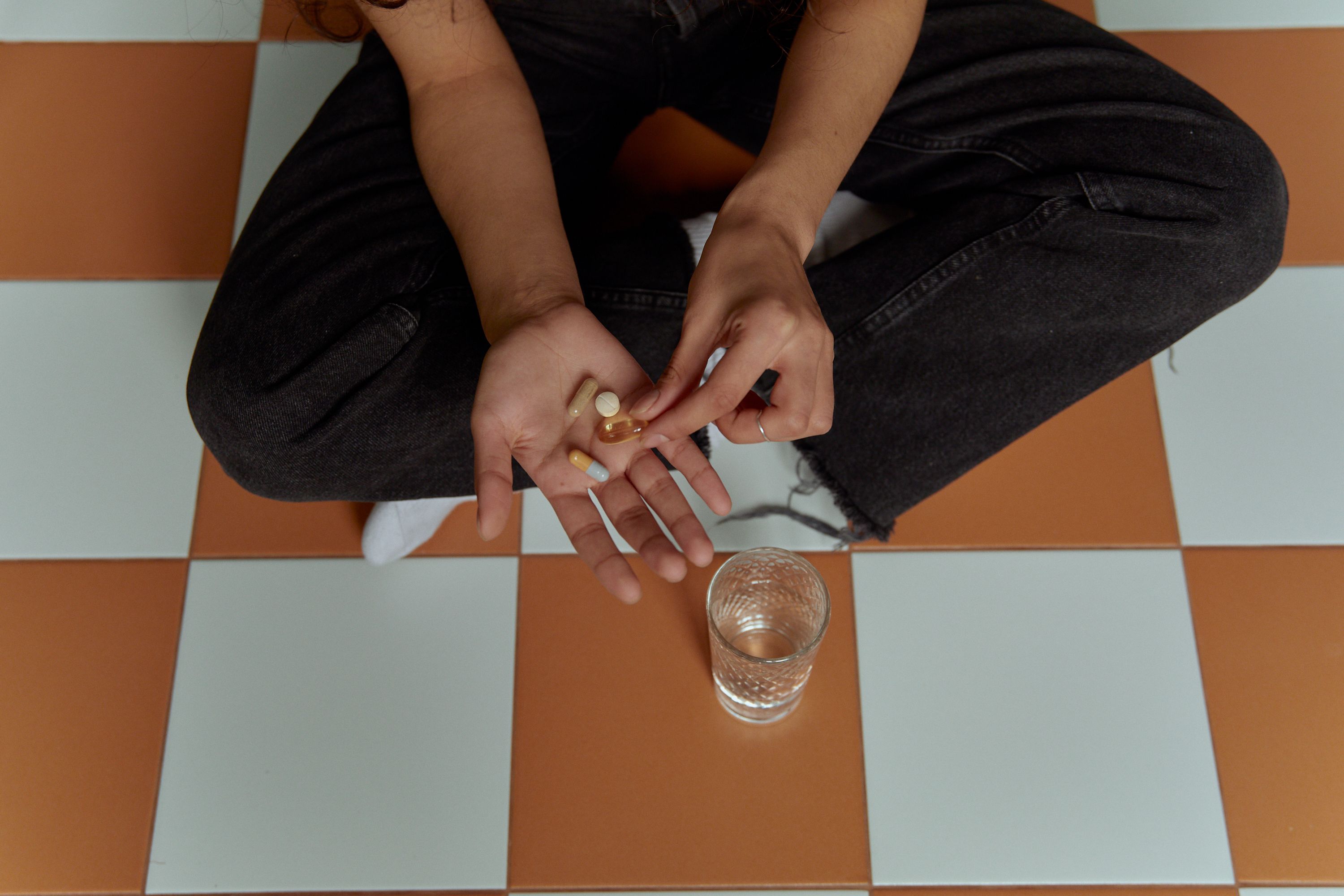
Given the connection between reduced sunlight, low vitamin D levels, and depression, vitamin D supplementation represents another treatment approach worth considering.
Vitamin D is produced when skin is exposed to sunlight, and it helps regulate serotonin activity in the brain. During winter months, especially in northern latitudes, many people don't get enough sun exposure to produce adequate vitamin D naturally.
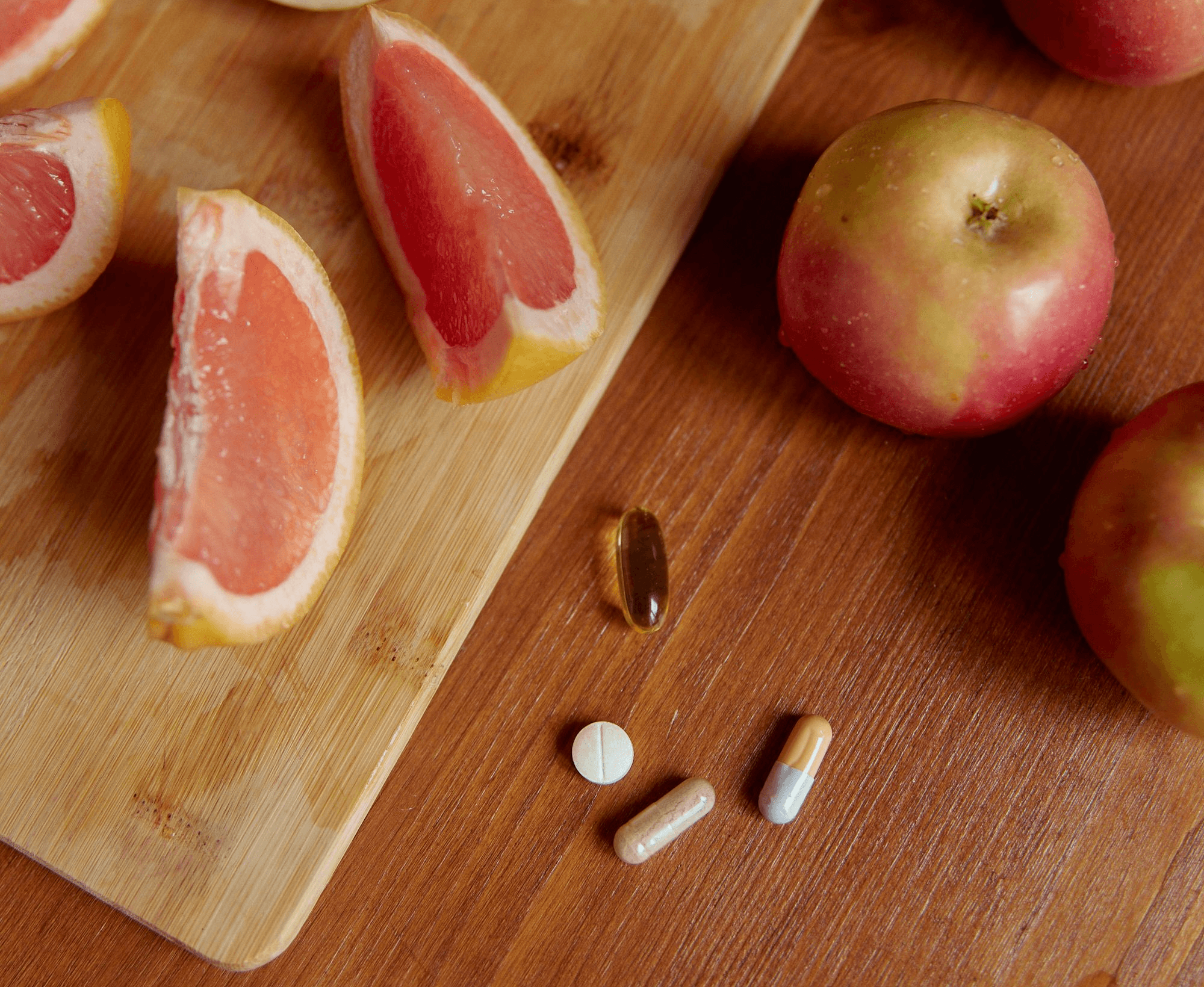
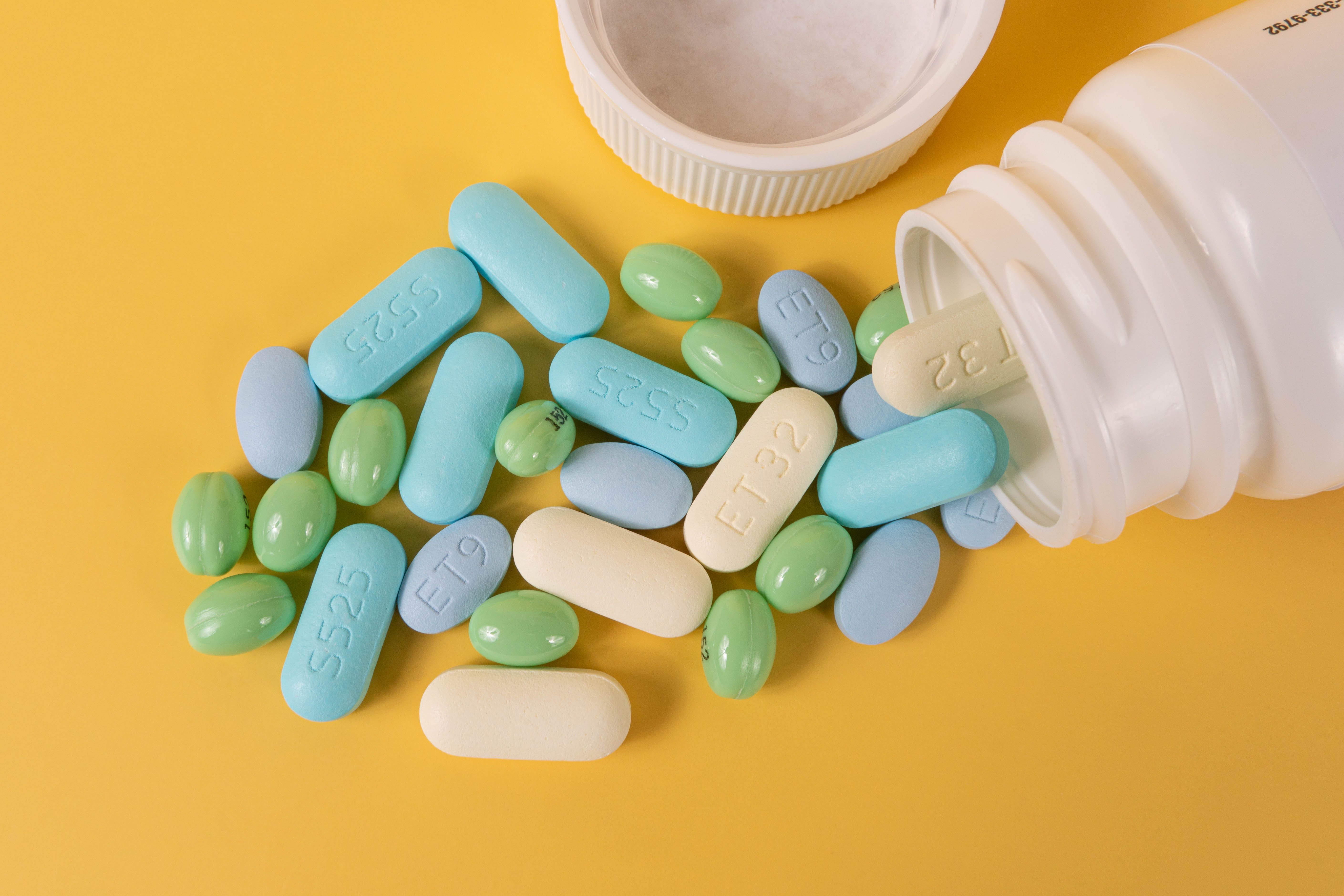
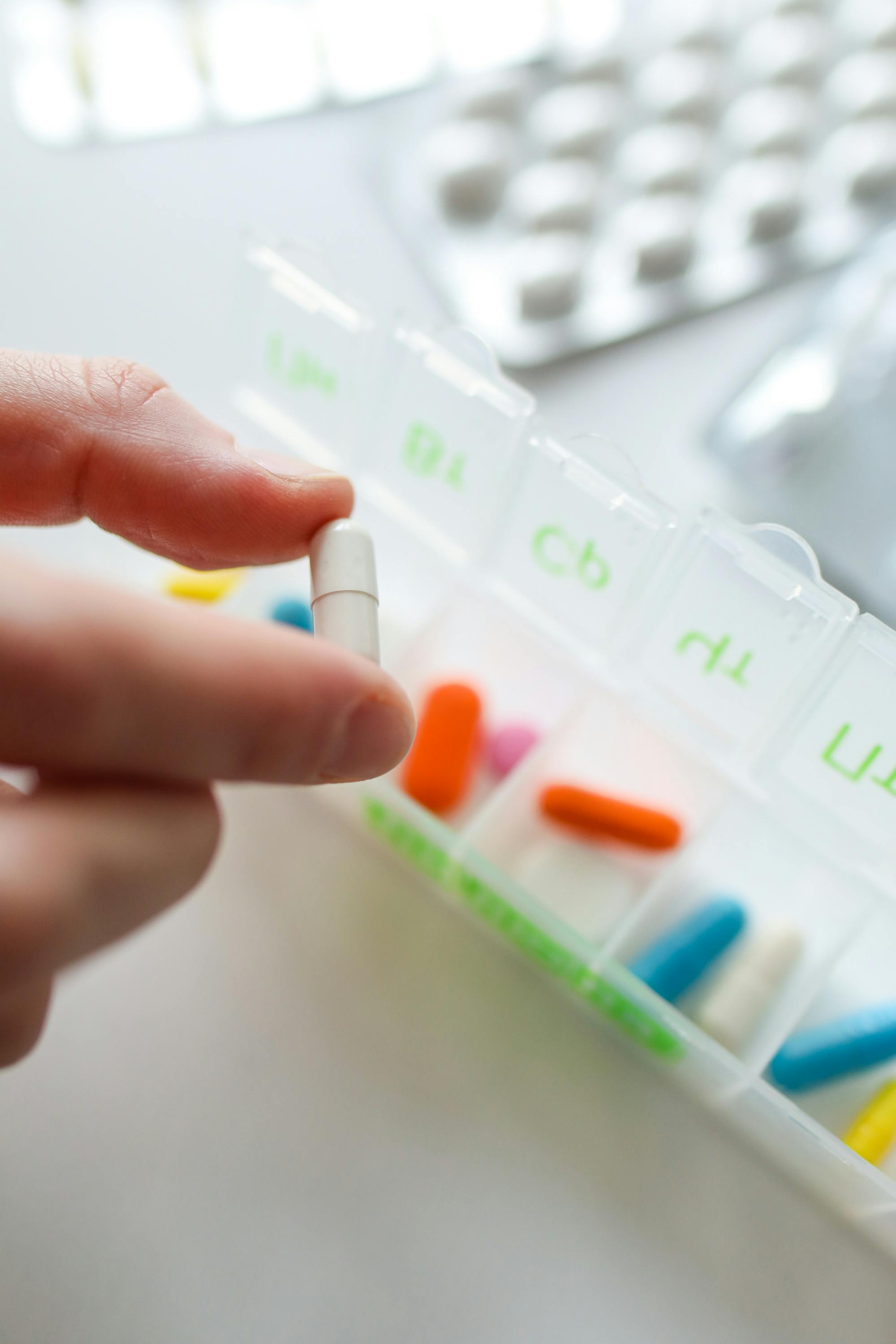
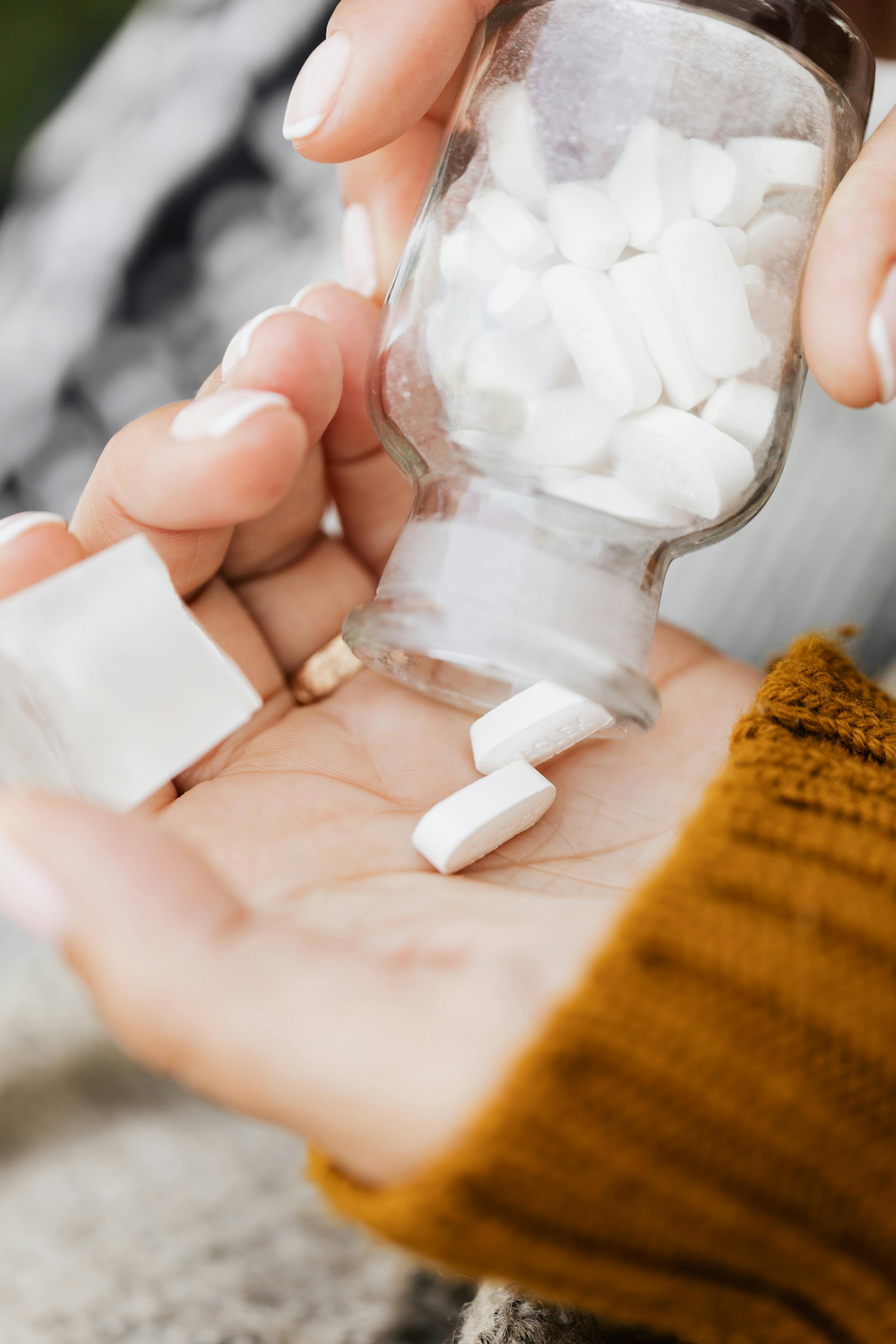
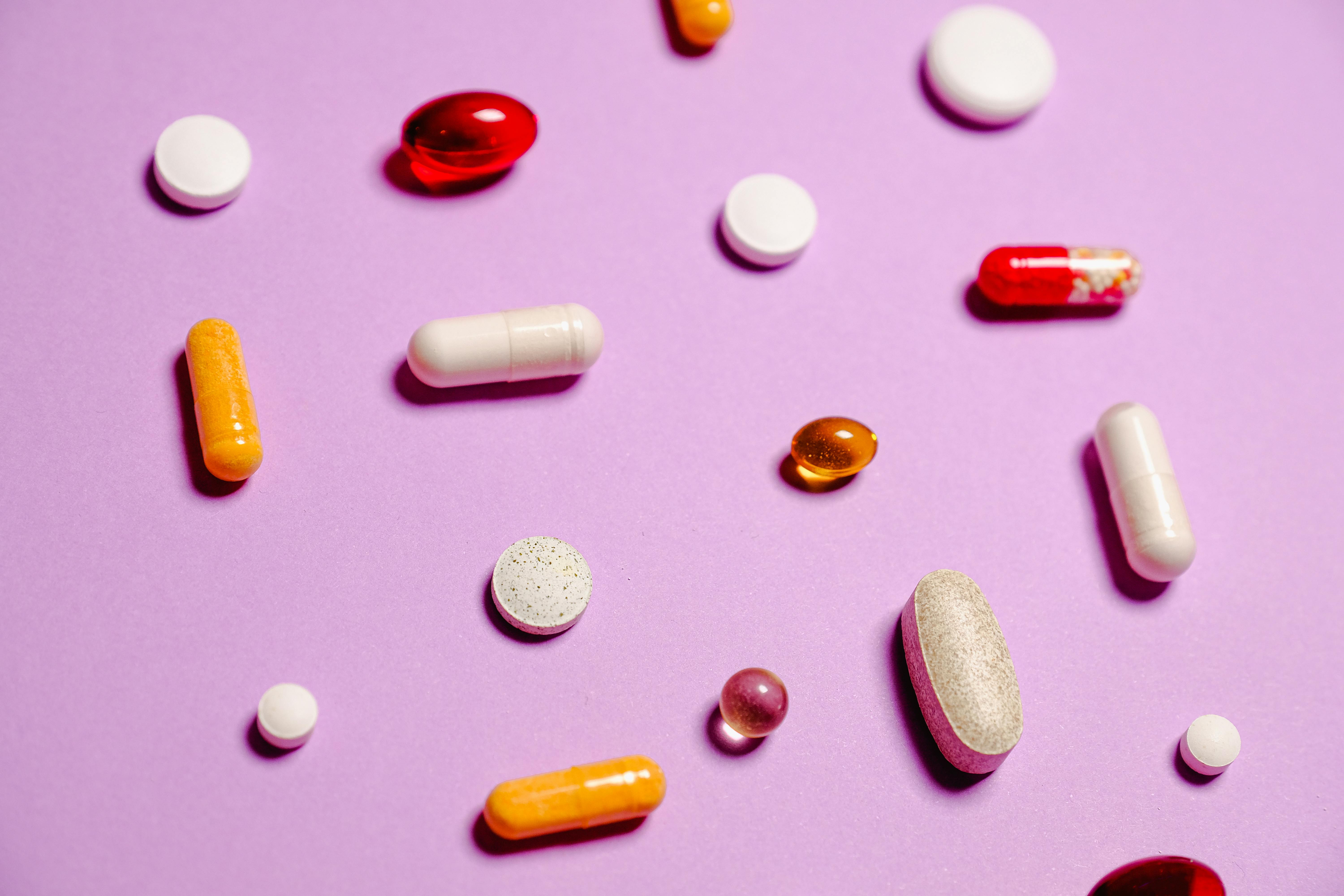
Vitamin D supplementation may help prevent or reduce SAD symptoms when combined with other treatments. Healthcare providers often recommend adding vitamin D to your diet through supplements or foods like fatty fish, fortified dairy products, and egg yolks.
Antidepressant Medication
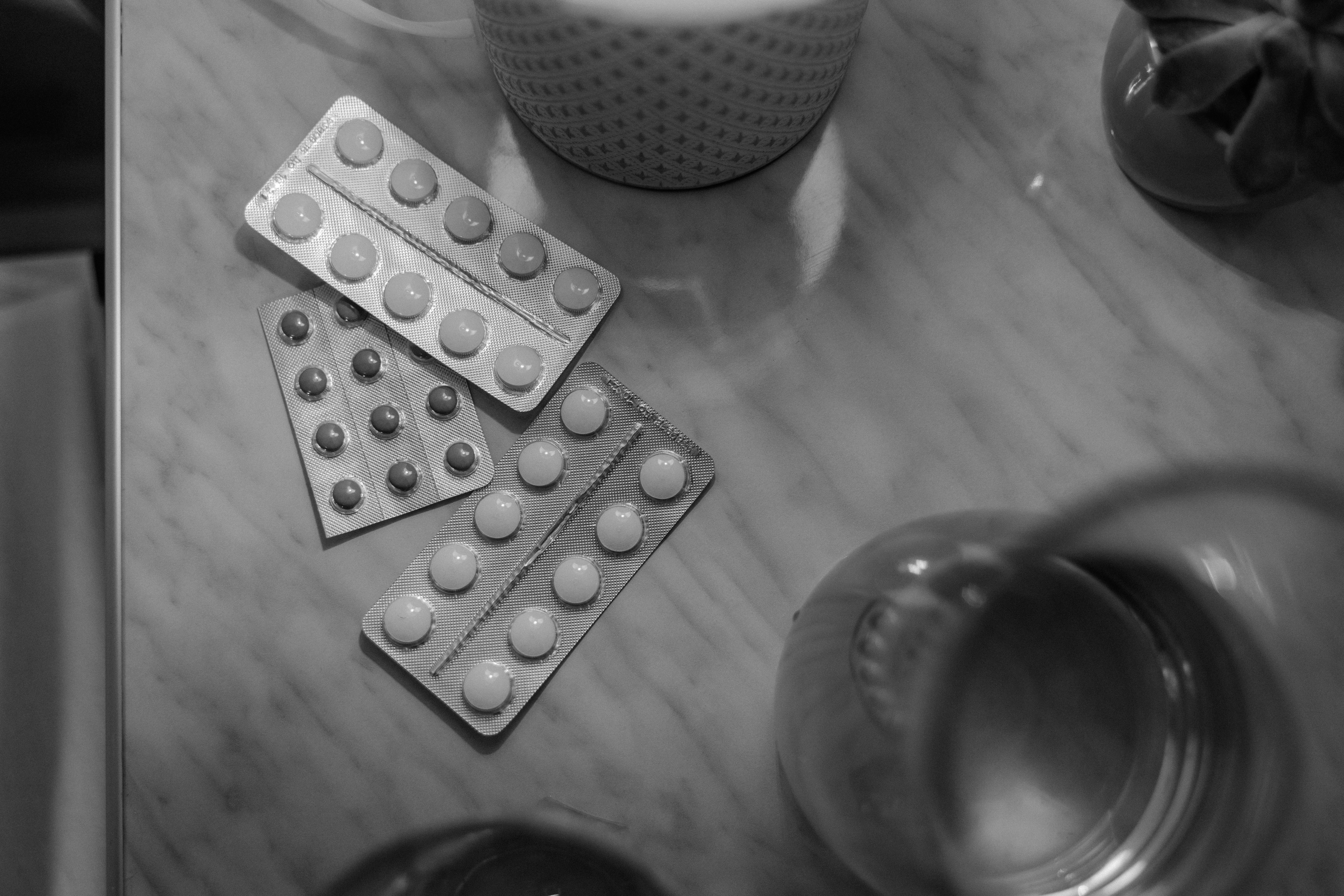
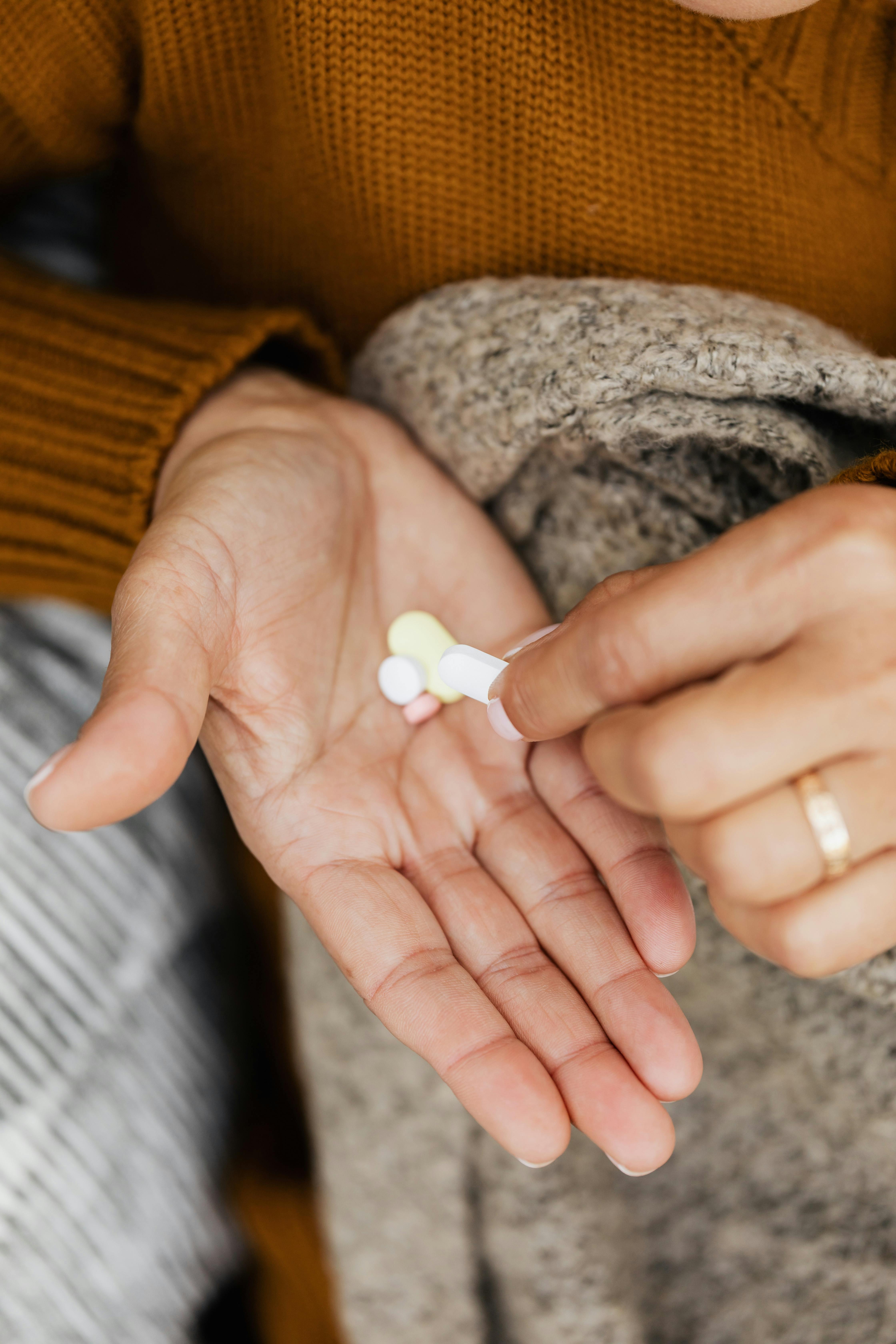
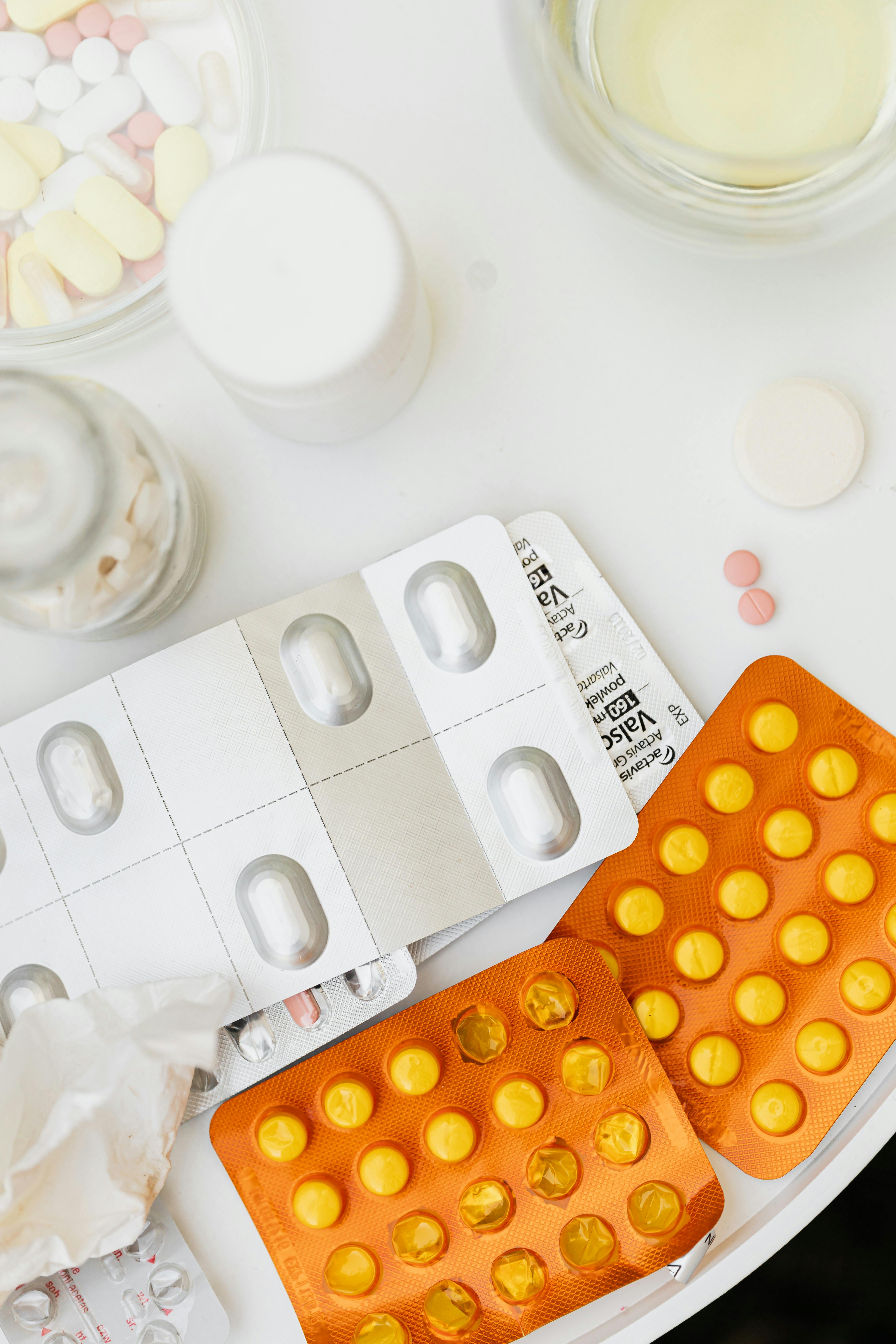
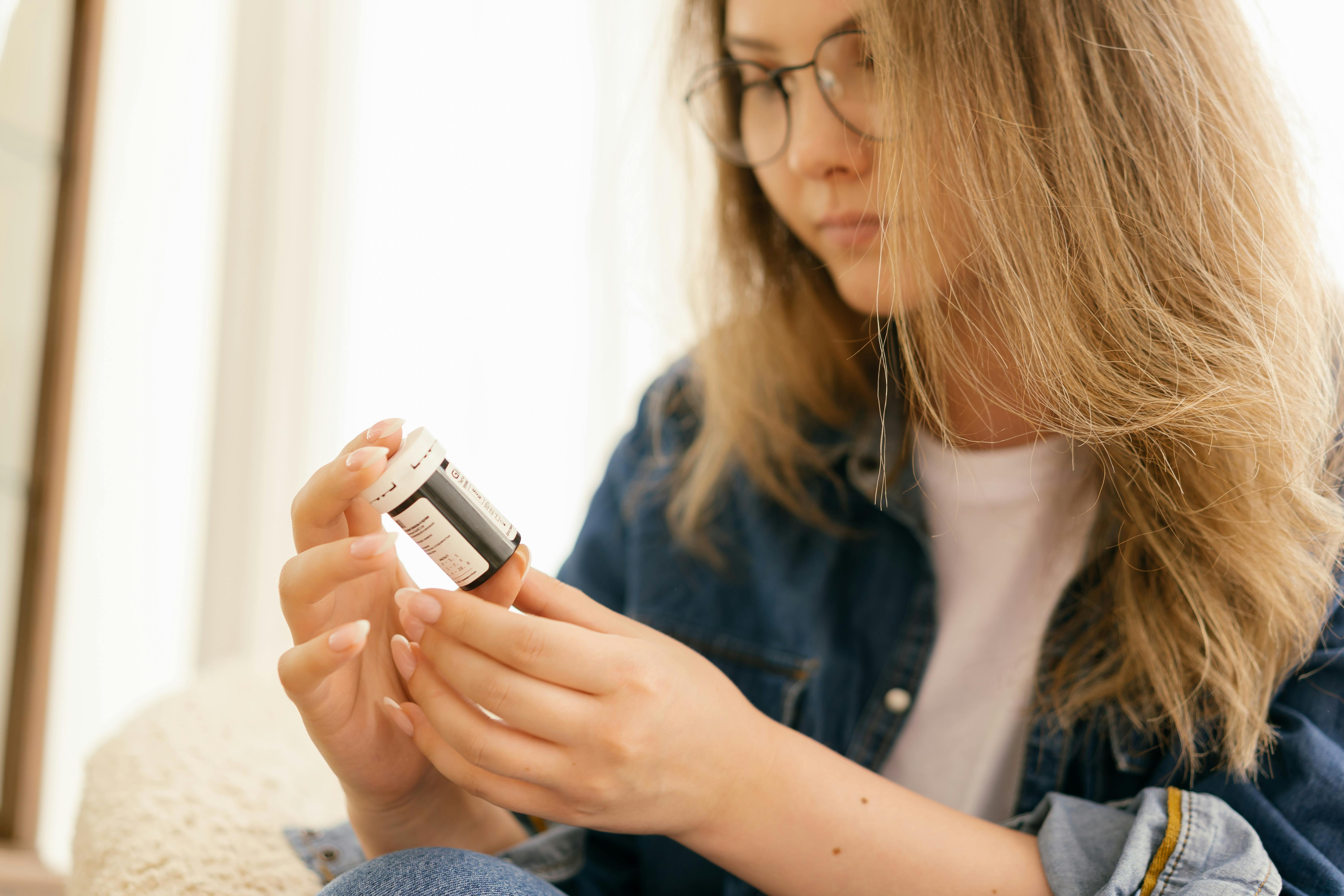
Selective serotonin reuptake inhibitors (SSRIs) and bupropion XL are commonly used to treat SAD. Some people start medication in early fall before symptoms begin. A healthcare provider can help determine whether medication, therapy, light therapy, or a combination is most appropriate.
Cognitive Behavioral Therapy for SAD (CBT-SAD)
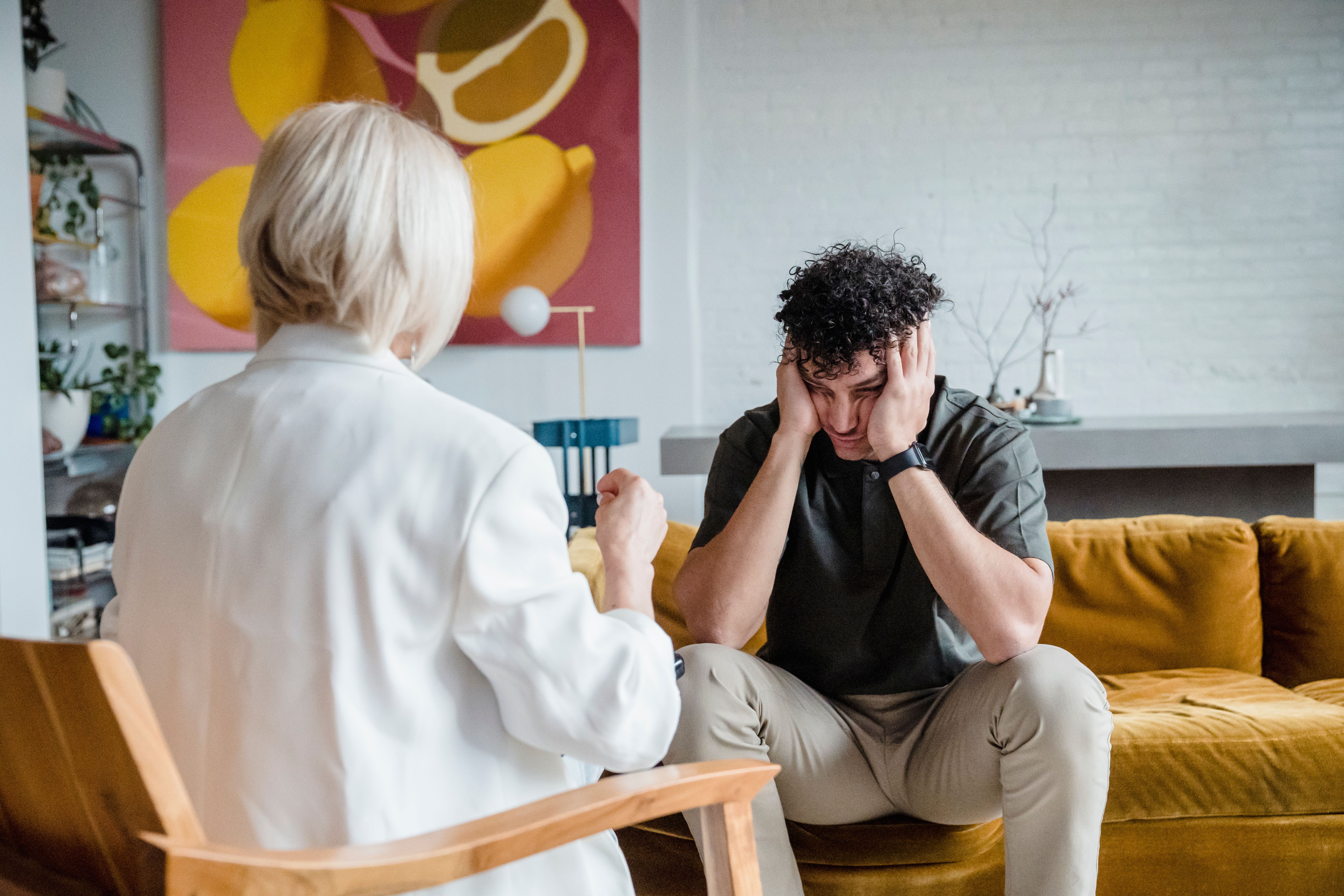
CBT-SAD is a structured form of therapy shown to be as effective as light therapy in many cases. It focuses on identifying negative thoughts related to the season, increasing engagement in meaningful activities, and building coping strategies to manage winter triggers. Studies suggest CBT-SAD may offer longer-lasting benefits than light therapy alone.
Working With Healthcare Providers
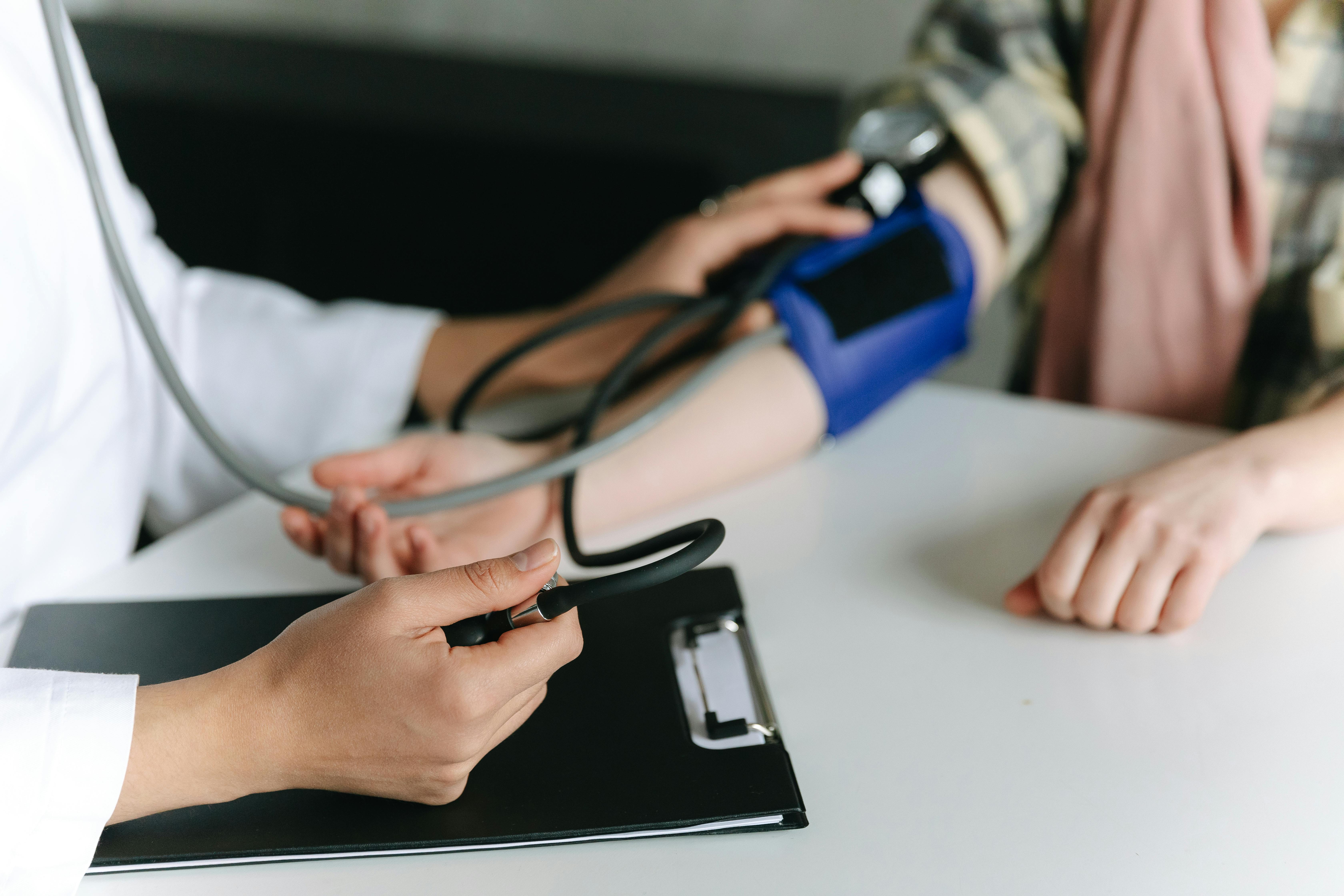
Before starting vitamin D supplements, consult with your healthcare provider or nutritionist. They can test your vitamin D levels and recommend appropriate dosages. Some people need higher doses than others to achieve therapeutic levels, and excessive vitamin D can cause problems, so medical guidance helps ensure safe, effective supplementation.
When to Seek Professional Help
Knowing when self-help strategies aren't sufficient ensures you get appropriate care before symptoms worsen significantly.
Seek professional evaluation if you notice marked changes in mood and behavior when seasons change, if symptoms persist for most of the day nearly every day for at least two weeks, or if you experience thoughts of self-harm. Don't wait for symptoms to become severe before reaching out.
Although SAD is formally diagnosed after two years of pattern-related symptoms, you shouldn't delay seeking care when experiencing SAD symptoms for the first time. Early intervention can prevent suffering and potentially reduce the likelihood of future episodes.
Medical Disclaimer
This article is for informational purposes only and is not a substitute for professional medical advice, diagnosis, or treatment. Always seek the advice of your physician or other qualified healthcare provider with any questions you may have regarding a medical condition. If you are experiencing a mental health crisis, contact the 988 Suicide and Crisis Lifeline by calling or texting 988.
Sources
National Institute of Mental Health. Seasonal Affective Disorder. https://www.nimh.nih.gov/health/publications/seasonal-affective-disorder
Cleveland Clinic. Seasonal Depression (Seasonal Affective Disorder). https://my.clevelandclinic.org/health/diseases/9293-seasonal-depression
Mayo Clinic. Seasonal affective disorder (SAD) - Symptoms & causes. https://www.mayoclinic.org/diseases-conditions/seasonal-affective-disorder/symptoms-causes/syc-20364651
UC Davis Health. Seasonal affective disorder, winter blues and self-care tips. https://health.ucdavis.edu/blog/cultivating-health/seasonal-affective-disorder-winter-blues-and-self-care-tips-to-get-ahead-of-symptoms/2023/11
American Journal of Managed Care. Beyond the "Winter Blues": The Clinical Reality and Complexities of Seasonal Affective Disorder. https://www.ajmc.com/view/beyond-the-winter-blues-the-clinical-reality-and-complexities-of-seasonal-affective-disorder
Johns Hopkins Medicine. Seasonal Affective Disorder. https://www.hopkinsmedicine.org/health/conditions-and-diseases/seasonal-affective-disorder
American Psychiatric Association. Seasonal Affective Disorder (SAD). https://www.psychiatry.org/patients-families/seasonal-affective-disorder
Harvard Health. Light therapy: Not just for seasonal depression? https://www.health.harvard.edu/blog/light-therapy-not-just-for-seasonal-depression-202210282840
PMC/NCBI. Bright Light Therapy: Seasonal Affective Disorder and Beyond. https://pmc.ncbi.nlm.nih.gov/articles/PMC6746555/
American Journal of Psychiatry. The Can-SAD Study: A Randomized Controlled Trial of the Effectiveness of Light Therapy and Fluoxetine in Patients With Winter Seasonal Affective Disorder. https://psychiatryonline.org/doi/10.1176/ajp.2006.163.5.805