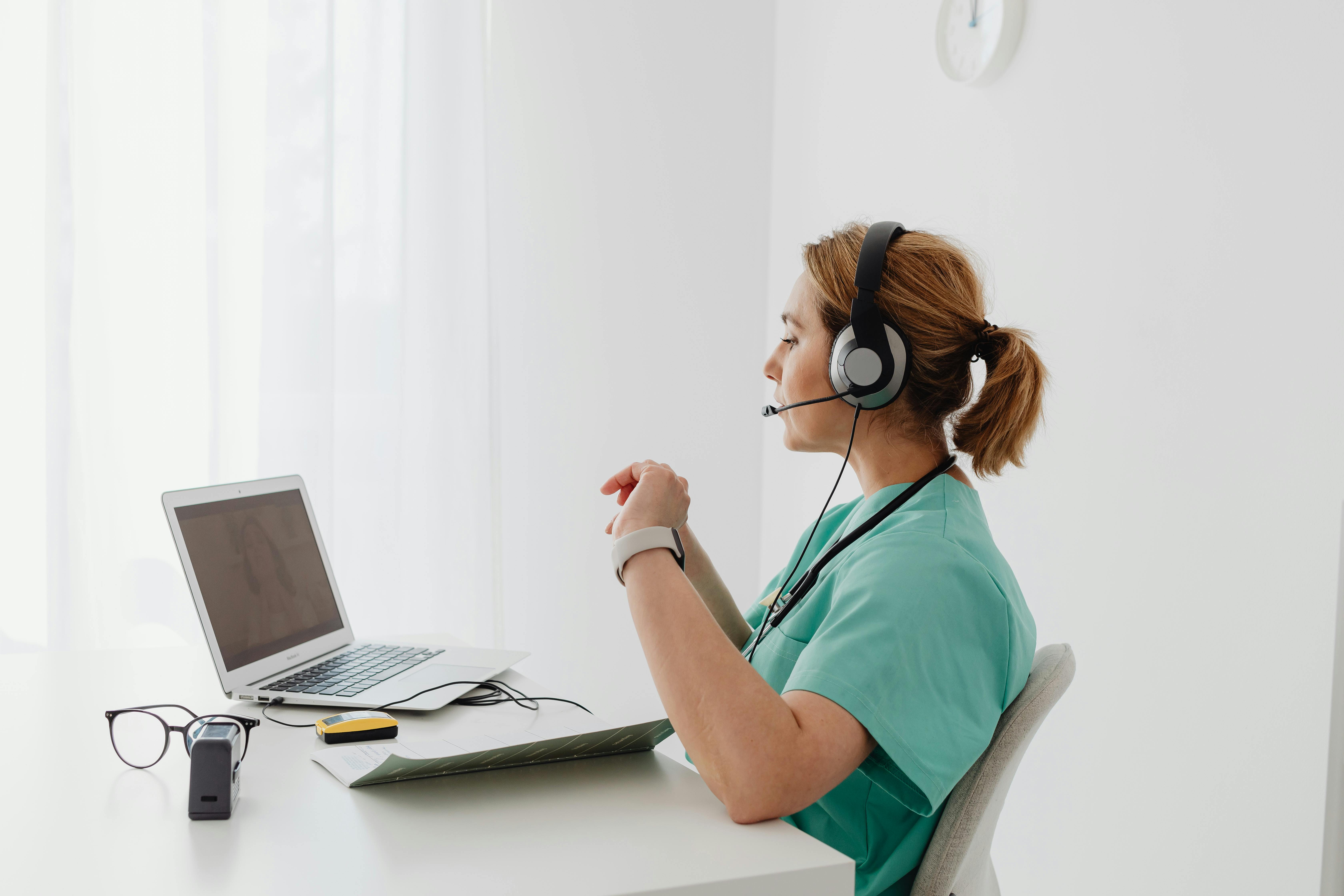

Online anxiety medication refers to prescription medications for anxiety disorders that are prescribed through virtual healthcare appointments rather than traditional in-person visits. Licensed psychiatrists and nurse practitioners can evaluate your symptoms, diagnose, and prescribe appropriate medications through secure video consultations from the comfort of your home.
Research shows that telehealth works just as well as in-person therapy for many mental health concerns, including anxiety. That’s why more people are choosing it as a convenient way to get support. Understanding how online prescriptions work, what medications are available, and how to get started can help you determine if this approach might be right for your mental health needs.
Key Takeaways
Telehealth is effective: Research confirms that virtual mental health care produces outcomes comparable to in-person treatment for anxiety disorders, with high patient satisfaction rates.
Most anxiety medications available: Licensed providers can prescribe most FDA-approved anxiety medications online, including selective serotonin reuptake inhibitors (SSRIs) and serotonin and norepinephrine reuptake inhibitors (SNRIs), though controlled substances like benzodiazepines typically require an in-person visit due to federal regulations.
Fast access to care: Online platforms often provide appointments within days rather than weeks or months, with medication delivered directly to your pharmacy or home after the consultation.
Types of Anxiety Medications Available Online
Licensed online providers can prescribe most FDA-approved medications for anxiety disorders, with some important exceptions.
Selective Serotonin Reuptake Inhibitors
SSRIs are typically the first-line treatment for anxiety disorders and are commonly prescribed through telehealth platforms. These medications increase serotonin levels in the brain to help regulate mood and reduce anxiety.
Common SSRIs prescribed online include:
Sertraline (Zoloft): Often prescribed for generalized anxiety disorder, panic disorder, and social anxiety disorder
Escitalopram (Lexapro): Effective for generalized anxiety disorder and often well-tolerated.
Fluoxetine (Prozac): Used for panic disorder and other anxiety conditions.
Paroxetine (Paxil): FDA-approved for multiple anxiety disorders, including social anxiety.
Citalopram (Celexa): Prescribed for generalized anxiety and panic disorder.
SSRIs typically take 4-8 weeks to reach full effectiveness, though some people notice improvements earlier.
Serotonin-Norepinephrine Reuptake Inhibitors
SNRIs work on two neurotransmitters, namely, serotonin and norepinephrine, and are another first-line option for anxiety treatment.
Common SNRIs include:
Venlafaxine XR (Effexor XR): FDA-approved for generalized anxiety disorder, social anxiety, and panic disorder
Duloxetine (Cymbalta): Effective for generalized anxiety disorder
Buspirone
Buspirone (BuSpar) is a non-benzodiazepine anti-anxiety medication specifically designed to treat generalized anxiety disorder. Unlike SSRIs and SNRIs, buspirone is taken specifically for anxiety rather than depression, though it may take several weeks to become effective.
Beta-Blockers
For situational or performance anxiety, providers may prescribe beta-blockers like propranolol (Inderal). These medications work by blocking the physical effects of anxiety, such as rapid heartbeat and trembling, and are typically used on an as-needed basis for specific situations.
What Medications Are NOT Available Online
Due to federal regulations regarding controlled substances, most telehealth platforms cannot prescribe benzodiazepines without an in-person visit. This restriction applies to:
Alprazolam (Xanax)
Lorazepam (Ativan)
Clonazepam (Klonopin)
Diazepam (Valium)
The FDA classifies benzodiazepines as controlled substances due to their potential for misuse and physical dependence. Some states require an in-person evaluation before these medications can be prescribed through any means.
Benefits of Getting Anxiety medication online
Virtual mental health care offers several advantages over traditional in-person appointments.
Accessibility and Convenience
No travel required: Attend appointments from home, work, or anywhere with internet access, eliminating transportation barriers and time off work.
Faster access to care: Many online platforms offer appointments within days, compared to weeks or months waiting for in-person psychiatric appointments.
Flexible scheduling: Evening and weekend appointments are often more readily available through telehealth platforms.
Rural access: People in areas with limited mental health resources can connect with providers in other locations within their state.
Privacy and Comfort
Many people feel more comfortable discussing mental health concerns from the privacy of their own home. The familiar environment can reduce anxiety about attending appointments and make it easier to speak openly with providers.
Cost Considerations
Online platforms usually make pricing clear and predictable. Some let you pay out of pocket without needing insurance, while others accept major insurance plans. First visits often run around $49–$200, and follow-up appointments are usually cheaper.
Continuity of Care
Virtual appointments make it much easier to keep up with regular check-ins since you don’t have to deal with travel or scheduling hassles. Staying consistent like this often leads to better results and smoother medication management.
Is Online Treatment as Effective as In-Person Care?
Research strongly supports the effectiveness of telehealth for mental health treatment.
A study has found that telehealth is as effective as in-person care for treating depression, anxiety, PTSD, and other mental health conditions. Reports show high levels of patient satisfaction with virtual mental health services. Moreover, virtual behavioral health care produces comparable outcomes to traditional face-to-face treatment across multiple mental health conditions.
How to Get Started With Online Anxiety Medication
Accessing anxiety medication through telehealth platforms involves straightforward steps.
Choosing a Platform
When selecting an online mental health service, consider:
Provider credentials: Ensure psychiatrists and nurse practitioners are board-certified and licensed in your state.
State availability: Online prescribing requires providers to be licensed in the state where they're located during the appointment.
Insurance acceptance: Check whether the platform accepts your insurance or offers affordable self-pay options.
Treatment approach: Some platforms focus solely on medication management, while others integrate therapy and offer more comprehensive care.
Follow-up care: Understand how ongoing monitoring and prescription refills are handled.
The Initial Consultation
Your first appointment may typically last for about 30-60 minutes and includes:
Detailed discussion of your anxiety symptoms and when they started
Review of your medical and mental health history
Discussion of any previous treatments and their effectiveness
Assessment of other factors affecting your mental health (sleep, stress, substance use)
Development of a treatment plan if medication is deemed appropriate
What to Expect After Starting Medication
Once prescribed, anxiety medications are typically:
Sent electronically to your preferred pharmacy
Started at a low dose and gradually increased if needed
Monitored through regular follow-up appointments (often every 2-4 weeks initially)
Adjusted based on your response and any side effects
Most platforms recommend follow-up appointments every 1-3 months once your medication is stabilized.
Safety Considerations for Online Prescribing
While online prescribing is generally safe when done through reputable platforms, it's important to understand safety protocols.
Red Flags to Watch For
Be cautious of online services that:
Prescribe medications without a live consultation
Don't require a medical history or symptom assessment
Promise immediate prescriptions for controlled substances
Lack clear information about provider credentials
Don't offer ongoing monitoring or follow-up care
Online Anxiety Treatment Through Blossom Health
Blossom Health offers comprehensive telehealth psychiatry services for anxiety disorders through a streamlined, patient-friendly approach. Our board-certified psychiatrists provide evidence-based treatment that's covered by in-network insurance.
How Blossom Health Works
Fast appointment scheduling: Be seen within days rather than weeks or months. Simply enter your state and insurance information, choose an appointment time, and we'll match you with a qualified provider.
Comprehensive initial evaluation: Your first 60-minute video appointment includes a thorough assessment of your symptoms, medical history, and mental health goals.
Personalized treatment plans: Your psychiatrist will develop an individualized approach that may include medication management, therapy referrals, or both, depending on your needs.
Ongoing support: Regular follow-up appointments ensure your treatment is working effectively, with medication adjustments made as needed.
Insurance accepted: Blossom Health works with major insurance plans to make treatment accessible and affordable.
Learn more about our approach to anxiety treatment at Blossom Health.
When to Seek Immediate Help
While online medication management is appropriate for many people with anxiety, some situations require immediate in-person attention.
Seek Emergency Care If You Experience
Thoughts of harming yourself or others
Severe panic attacks that don't respond to usual coping strategies
Inability to function in daily life due to anxiety
Concerning physical symptoms (chest pain, difficulty breathing) that might indicate a medical emergency
Severe side effects from medication
For mental health crises, contact the 988 Suicide and Crisis Lifeline by calling or texting 988. For medical emergencies, call 911 or go to your nearest emergency room.
Medical Disclaimer
This article is for informational purposes only and is not a substitute for professional medical advice, diagnosis, or treatment. Always seek the advice of your physician or other qualified healthcare provider with any questions you may have regarding a medical condition. If you are experiencing a mental health crisis, contact the 988 Suicide and Crisis Lifeline by calling or texting 988.
Sources
Bulkes NZ, Davis K, Kay B, Riemann BC. 2022. Comparing efficacy of telehealth to in-person mental health care in intensive-treatment-seeking adults. J Psychiatr Res. https://pmc.ncbi.nlm.nih.gov/articles/PMC8595951/
Palmer CS, Brown Levey SM, Kostiuk M, Zisner AR, Tolle LW, Richey RM, Callan S. 2022. Virtual Care for Behavioral Health Conditions. Prim Care. https://pmc.ncbi.nlm.nih.gov/articles/PMC9581698/
Telehealth.HHS.gov. How do I use telehealth for behavioral health care? https://telehealth.hhs.gov/patients/additional-resources/telehealth-and-behavioral-health
National Institute of Mental Health. Mental Health Medications. https://www.nimh.nih.gov/health/topics/mental-health-medications
Drugs.com. Anxiety Medications. https://www.drugs.com/condition/anxiety.html
American Psychiatric Association. What is Telepsychiatry? https://www.psychiatry.org/patients-families/telepsychiatry
Harvard Medical School. Benefits of Telehealth Visits for Mental Health Patients. https://hcp.hms.harvard.edu/news/benefits-telehealth-visits-mental-health-patients
National Alliance on Mental Illness. Treatments and Approaches. https://www.nami.org/treatments-and-approaches/
Centers for Disease Control and Prevention. Mental Health Treatment Among Adults Aged 18-44: United States, 2019-2021. https://www.cdc.gov/nchs/products/databriefs/db444.htm
National Institutes of Health. Anxiety Disorders. https://www.nimh.nih.gov/health/topics/anxiety-disorders