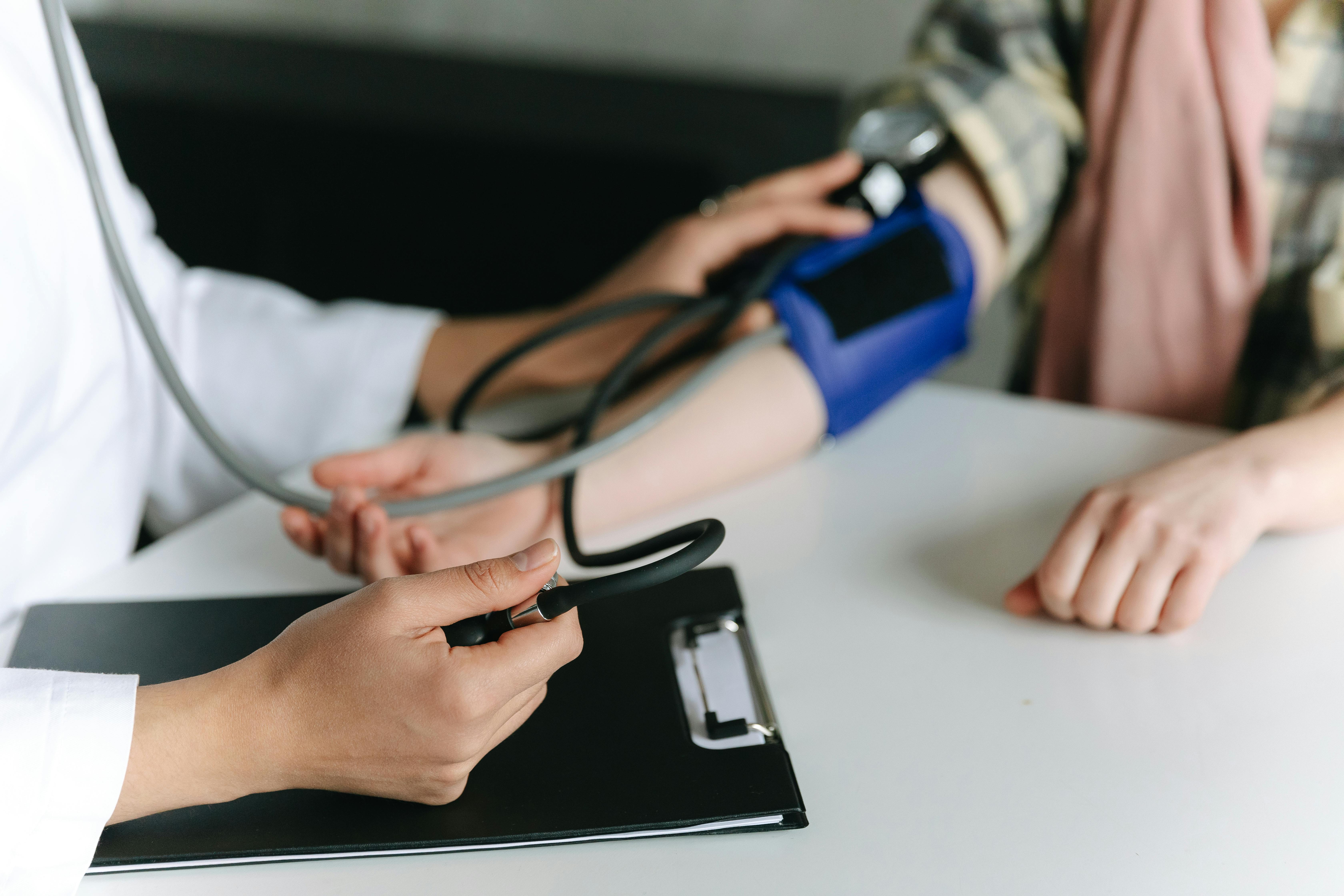
Propranolol is a beta-blocker medication widely prescribed for conditions ranging from high blood pressure and heart rhythm disorders to anxiety and migraine prevention.
While this medication can be highly effective, understanding its potential side effects helps you know what to expect and when to seek medical attention. Many side effects are mild and may improve as your body adjusts, though some can persist and may require dose adjustment or a medication change.
Key Takeaways
Many side effects are temporary: Common effects like fatigue, dizziness, and nausea typically improve within a few weeks as your body adjusts to propranolol, though they may require monitoring in the meantime.
Cardiovascular effects common but mostly manageable: Propranolol works by slowing your heart rate and lowering blood pressure, which can cause bradycardia (slow heart rate), hypotension (low blood pressure), and cold extremities; effects that are generally manageable but require medical attention if severe.
Never stop abruptly: Suddenly discontinuing propranolol can cause dangerous rebound effects, including increased blood pressure, chest pain, or heart attack, so any dosage changes must be made gradually under medical supervision.
What is Propranolol and How Does it Work?
Propranolol (Inderal LA) is a nonselective beta-adrenergic receptor blocker, meaning it blocks both beta-1 and beta-2 receptors throughout your body. This blocking action reduces the effects of stress hormones like epinephrine and norepinephrine on your heart and blood vessels, which slows your heart rate, lowers blood pressure, and reduces the heart's workload.
The FDA approved propranolol in 1967, making it one of the oldest beta-blockers available. It's prescribed for multiple conditions, including hypertension, angina, heart rhythm disorders, migraine prevention, essential tremor, performance anxiety, and hyperthyroidism management.
Common Propranolol Side Effects
The most frequently reported side effects tend to be mild and often resolve within a few weeks as your body adapts. Clinical studies show these effects are related to how propranolol alters cardiovascular and nervous system function.
Cardiovascular Effects
Propranolol intentionally slows your heart rate, which is beneficial for many conditions but can, for some people, become excessive.
Low blood pressure may cause lightheadedness when standing quickly, especially when first starting the medication. Cold hands and feet occur because propranolol blocks beta-2 receptors that normally help dilate blood vessels in your extremities, a condition known as Raynaud’s phenomenon.
Fatigue and Dizziness
Feeling tired or weak is commonly reported. Clinical data from the Beta-Blocker Heart Attack Trial showed fatigue affected propranolol patients (post-heart attack population) more frequently than those on placebo.
Many people experience dizziness when starting treatment or after dose increases, typically caused by blood pressure or heart rate changes. Taking propranolol at bedtime may help reduce daytime dizziness.
Gastrointestinal and Sleep Effects
Stomach upset is particularly common when first starting propranolol or at higher doses. Taking the medication with food may help.
Because propranolol readily crosses the blood–brain barrier, it may be more likely than some beta-blockers to affect sleep, causing insomnia, vivid dreams, and nightmares.
Sexual Side Effects
Sexual dysfunction is a less commonly discussed but possible side effect of propranolol, especially at higher doses. Studies examining beta-blockers and sexual function have found that propranolol may affect sexual health in several ways. However, findings are inconsistent, and clinical significance remains unclear at this point.
Erectile dysfunction: Research on beta-blockers suggests that older beta-blockers like propranolol are more likely to cause erectile difficulties than newer generation beta-blockers, owing to vascular constriction, which affects blood flow, and hormonal changes. Some small studies have suggested propranolol may be associated with changes in testosterone levels.
Decreased libido: Some people experience reduced sexual desire while taking propranolol. This may be related to the medication's effects on hormone levels, fatigue, or blood flow changes.
These effects appear to be dose-dependent, meaning higher doses may be more likely to cause problems. If you experience sexual side effects, discuss them openly with your healthcare provider; they may be able to adjust your dose or switch you to an alternative medication.
Respiratory and Metabolic Side Effects
Bronchospasm is one of the most serious potential side effects, particularly for people with asthma or chronic obstructive pulmonary disease (COPD). Because propranolol blocks beta-2 receptors in the lungs, it can cause airways to constrict, making breathing difficult. Propranolol is generally contraindicated or used with extreme caution in people with asthma or COPD.
Propranolol can mask warning signs of hypoglycemia (low blood sugar), like tachycardia (rapid heartbeat), flushing, and trembling, which is particularly concerning for people with diabetes. Research has shown that propranolol is associated with hypoglycemia, especially in insulin-treated diabetes or during fasting or prolonged physical activity. The medication may also modestly increase triglyceride levels and decrease HDL cholesterol.
Mood Effects
Some studies have reported associations with depressive symptoms or cognitive changes, though evidence is mixed, and no clear causal relationship has been established. If you notice significant mood changes while taking propranolol, discuss these with your provider.
Serious Side Effects
While rare, some effects require emergency medical care:
Severe allergic reactions (hives, difficulty breathing, facial swelling)
Signs of heart problems (chest pain, severe dizziness, fainting, very slow heartbeat)
Severe breathing difficulties or wheezing
Extreme lightheadedness or confusion
Signs of severe hypoglycemia in diabetic patients
Managing Side Effects and Higher Risk Groups
Many side effects improve with simple strategies:
Take propranolol with food for nausea
Stand up slowly to prevent dizziness
Dress warmly for cold extremities
Maintain good sleep hygiene
Take medication at bedtime to alleviate daytime symptoms
Certain groups face higher risks: older adults due to age-related metabolic changes, people with liver or kidney disease, those with diabetes, and individuals with respiratory conditions. Pregnant or breastfeeding individuals may also require closer monitoring, as propranolol crosses the placenta and is excreted in breast milk. Lower starting doses are typically recommended for elderly patients.
Drug Interactions and Never Stop Suddenly
Propranolol interacts with many medications:
Calcium channel blockers like verapamil or diltiazem can cause excessive heart rate slowing and dangerously low blood pressure. Other blood pressure medications may also increase hypotension risk.
Diabetes medications require careful monitoring due to hypoglycemia concerns
Nonsteroidal anti-inflammatory drugs (NSAIDs) may reduce propranolol's effectiveness
Always inform healthcare providers about all medications and supplements you take.
Never stop propranolol abruptly without medical supervision. Sudden discontinuation can cause serious rebound effects, including rapid blood pressure increases, chest pain, and, in people with underlying heart disease, an increased risk of heart attack.
In people with hyperthyroidism, abruptly stopping propranolol can cause potentially life-threatening thyroid storm. To prevent these rebound effects, your provider will create a tapering schedule that gradually reduces your dose over days to weeks.
When to Contact Your Healthcare Provider
Contact your provider if side effects persist beyond a few weeks, worsen over time, become difficult to manage, or if new symptoms develop. Also, reach out about significant mood changes, sexual dysfunction affecting quality of life, or difficulty managing symptoms with basic strategies. Your provider can adjust your dose, change timing, or switch you to an alternative treatment.
Getting Mental Health Treatment
If you're taking propranolol for anxiety or other mental health conditions and are experiencing troubling side effects, don't hesitate to reach for help. Modern telehealth options make it easy to access psychiatric care that can help you find the right medication and dosage for your needs.
Platforms like Blossom Health connect you with board-certified psychiatrists through virtual appointments covered by in-network insurance. A psychiatrist can evaluate whether propranolol is the best choice for your situation, adjust your dosage to minimize side effects, or recommend alternative treatments that may work better for you.
Medical Disclaimer
This article is for informational purposes only and is not a substitute for professional medical advice, diagnosis, or treatment. Always seek the advice of your physician or other qualified healthcare provider with any questions you may have regarding a medical condition. If you are experiencing a mental health crisis, contact the 988 Suicide and Crisis Lifeline by calling or texting 988. Never stop taking propranolol or make changes to your treatment plan without consulting your healthcare provider first, as abrupt discontinuation can cause serious health complications.
Sources
Wyeth Pharmaceuticals LLC. (2023). Inderal LA (propranolol hydrochloride) prescribing information [Prescribing information]. U.S. Food and Drug Administration. https://www.accessdata.fda.gov/drugsatfda_docs/label/2023/018553Orig1s048s052lbl.pdf
50-Year Historical Perspective. Annals of Indian Academy of Neurology, 22(1), 21–26. https://pmc.ncbi.nlm.nih.gov/articles/PMC6327687/
Shahrokhi M, Gupta V. Propranolol. [Updated 2023 May 1]. In: StatPearls [Internet]. Treasure Island (FL): StatPearls Publishing; 2025 Jan-. Available from: https://www.ncbi.nlm.nih.gov/books/NBK557801/
Khouri, C., Jouve, T., Blaise, S., Carpentier, P., Cracowski, J.-L., & Roustit, M. (2016). Peripheral vasoconstriction induced by β-adrenoceptor blockers: A systematic review and network meta-analysis. British Journal of Clinical Pharmacology, 82(2), 549–560. https://bpspubs.onlinelibrary.wiley.com/doi/10.1111/bcp.12980
Goldstein S. (1983). Propranolol therapy in patients with acute myocardial infarction: the Beta-Blocker Heart Attack Trial. Circulation, 67(6 Pt 2), I53–I57. https://pubmed.ncbi.nlm.nih.gov/6342840/
Cojocariu, S. A., Maștaleru, A., Sascău, R. A., Stătescu, C., Mitu, F., & Leon-Constantin, M. M. (2021). Neuropsychiatric Consequences of Lipophilic Beta-Blockers. Medicina (Kaunas, Lithuania), 57(2), 155. https://pmc.ncbi.nlm.nih.gov/articles/PMC7914867
Kathol, R. G., Noyes, R., Jr, Slymen, D. J., Crowe, R. R., Clancy, J., & Kerber, R. E. (1980). Propranolol in chronic anxiety disorders. A controlled study. Archives of general psychiatry, 37(12), 1361–1365. https://pubmed.ncbi.nlm.nih.gov/7447618/
Rosen, R. C., Kostis, J. B., & Jekelis, A. W. (1988). Beta-blocker effects on sexual function in normal males. Archives of sexual behavior, 17(3), 241–255. https://pubmed.ncbi.nlm.nih.gov/2900627/
Nicolai, M. P., Liem, S. S., Both, S., Pelger, R. C., et al. (2014). A review of the positive and negative effects of cardiovascular drugs on sexual function: a proposed table for use in clinical practice. Netherlands heart journal: monthly journal of the Netherlands Society of Cardiology and the Netherlands Heart Foundation, 22(1), 11–19. https://pmc.ncbi.nlm.nih.gov/articles/PMC3890007/
Czyzewski, B., Czyzewska, J., Dorota, A., Dorota, M., et al. (2025). The Impact of Commonly Used Medications on Erectile Dysfunction: Which Drugs Deserve Particular Attention?. Cureus, 17(9), e93259. https://pmc.ncbi.nlm.nih.gov/articles/PMC12554092
Gold, L. A., Merimee, T. J., & Misbin, R. I. (1980). Propranolol and hypoglycemia: The effects of beta-adrenergic blockade on glucose and alanine levels during fasting. Journal of Clinical Pharmacology, 20(1), 50–58. https://accp1.onlinelibrary.wiley.com/doi/abs/10.1002/j.1552-4604.1980.tb01666.x
Zarate, A., Gelfand, M., Novello, A., Knepshield, J., & Preuss, H. G. (1981). Propranolol-associated hypoglycemia in patients on maintenance hemodialysis. The International journal of artificial organs, 4(3), 130–134. https://pubmed.ncbi.nlm.nih.gov/7275342/
Bornand, D., Reinau, D., Jick, S. S., & Meier, C. R. (2022). β-Blockers and the Risk of Depression: A Matched Case-Control Study. Drug safety, 45(2), 181–189. https://pmc.ncbi.nlm.nih.gov/articles/PMC8857000
Stoudemire, A., Brown, J. T., Harris, R. T., Blessing-Feussner, C., Roberts, J. H., Nichols, J. C., & Houpt, J. L. (1984). Propranolol and depression: a reevaluation based on a pilot clinical trial. Psychiatric medicine, 2(2), 211–218. https://pubmed.ncbi.nlm.nih.gov/6400597/
A randomized trial of propranolol in patients with acute myocardial infarction. I. Mortality results. (1982). JAMA, 247(12), 1707–1714. https://pubmed.ncbi.nlm.nih.gov/7038157/
Maliqari, N., Duka, E., & Kuneshka, L. (2023). Cardiac side effects of propranolol in infants treated for infantile haemangiomas. Cardiology in the young, 33(12), 2616–2620. https://pubmed.ncbi.nlm.nih.gov/37078179/
Linde, K., & Rossnagel, K. (2017). WITHDRAWN: Propranolol for migraine prophylaxis. The Cochrane database of systematic reviews, 2(2), CD003225. https://pmc.ncbi.nlm.nih.gov/articles/PMC6464045/
U.S. National Library of Medicine. (2023, August 15). Propranolol (cardiovascular) drug information. MedlinePlus. https://medlineplus.gov/druginfo/meds/a682607.html
Mayo Clinic. (2026, January 1). Propranolol (oral route) — Drug description & uses. Mayo Clinic. https://www.mayoclinic.org/drugs-supplements/propranolol-oral-route/description/drg-20071164