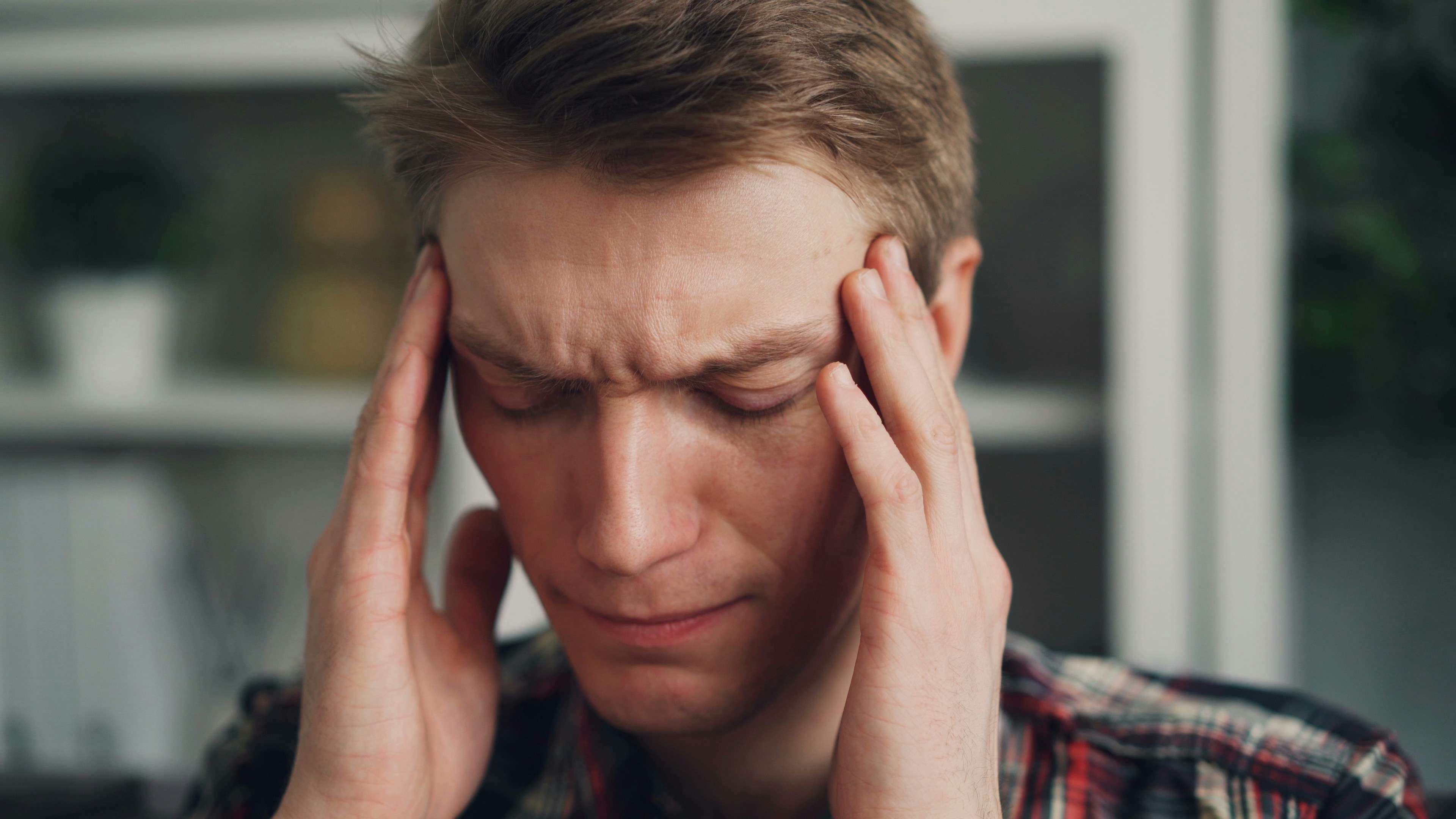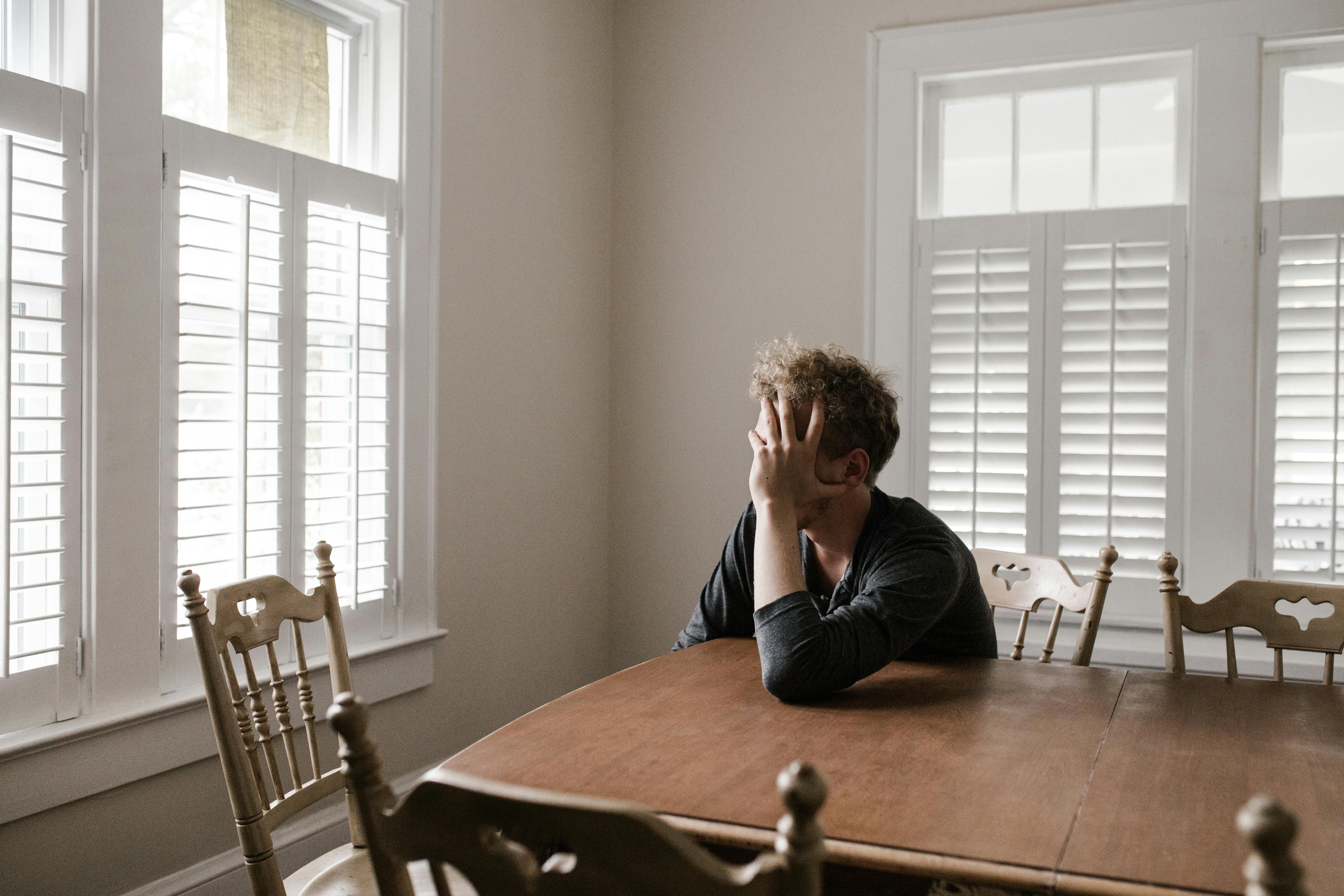

Burnout and depression share many symptoms, including exhaustion, loss of motivation, and difficulty concentrating, making it challenging to distinguish between the two conditions.
Despite the overlap, they differ fundamentally in scope and cause. Burnout is typically situation-specific and related to chronic workplace stress, while depression is a mental health condition that affects all areas of life and may arise from a combination of factors.
Understanding their differences and connections can help you identify what you're experiencing and seek appropriate support.
Key Takeaways
Burnout typically stems from chronic work-related stress and improves when stressors are addressed, while depression is a diagnosable mental health condition that often benefits from professional evaluation and evidence-based treatment, depending on severity and individual circumstances.
Both conditions can cause exhaustion, loss of interest, difficulty concentrating, and emotional distress, but depression includes additional symptoms like persistent guilt, worthlessness, and thoughts of death that aren't typical of burnout alone.
For some people, burnout can increase the risk of developing depression, and someone can experience both conditions simultaneously, with each potentially worsening the other.
What is Burnout?
Burnout describes a state of emotional, mental, and physical exhaustion resulting from prolonged exposure to high levels of stress. The term originated in the 1970s to describe the result of severe stress and high ideals typical in caregiving professions.
Currently, the World Health Organization recognizes burnout as an occupational phenomenon characterized by three main dimensions: feelings of energy depletion or exhaustion, increased mental distance from one's job or feelings of negativism or cynicism related to one's job, and reduced professional efficacy.
Although it is listed in the WHO’s International Classification of Diseases (ICD-11), it isn’t classified as a medical condition or illness.
While burnout is most commonly associated with workplace stress, research from 2019 notes that parental burnout, characterized by exhaustion related to parenting, is also recognized. In fact, burnout can develop from any situation involving chronic stress and high demands, including caregiving, academic pressure, or managing chronic health conditions.
Common Burnout Symptoms
People experiencing burnout typically report:
Chronic exhaustion that isn’t fully relieved by short-term rest
Cynicism or detachment from work
Reduced performance
Feeling ineffective or lacking accomplishment
Difficulty concentrating on tasks
Irritability and impatience
Reduced creativity
Physical symptoms like headaches or stomach problems
Withdrawal from responsibilities
What Causes Burnout?
Burnout develops when demands consistently exceed your capacity to meet them. Common factors include excessive workload and time pressure, lack of control, unclear expectations, dysfunctional workplace dynamics or workplace conflicts, lack of recognition, work-life imbalance, and values misalignment.
Outside of work, burnout can result from caregiving responsibilities, high-pressure academic environments, financial stress, or managing chronic health conditions without sufficient resources.
What is Depression?
Depression is a mental health condition involving persistent changes in mood, thinking, and physical functioning.
There are several types of depression with different levels of severity and treatment requirements: major depressive disorder (MDD), persistent depressive disorder, seasonal affective disorder (SAD), bipolar disorder, and more. Among them, major depressive disorder is the most common.
Clinical Definition
The Diagnostic and Statistical Manual of Mental Disorders (DSM-5) states that major depressive disorder is diagnosed when someone experiences at least five specific symptoms for at least two weeks, including either persistent low mood or loss of interest in activities.
According to the National Institute of Mental Health, depression (MDD) affects approximately 8.3% of adults in the United States annually. To receive a formal depression diagnosis, symptoms must cause significant impairment in daily functioning and cannot be better explained by another medical condition or substance use.
Depression Symptoms
Depression involves a constellation of symptoms affecting mood, thinking, behavior, and physical health:
Emotional Symptoms:
Persistent sadness, emptiness, or hopelessness
Loss of interest or pleasure in most activities
Feelings of worthlessness or excessive guilt
Recurrent thoughts of death or suicide
Physical Symptoms:
Significant changes in appetite or weight (more than 5% in a month)
Sleeping too much or too little
Physical restlessness or slowing (psychomotor agitation)
Fatigue and loss of energy
Cognitive Symptoms:
Difficulty thinking or concentrating
Trouble making decisions
Slowed thinking
These symptoms are present nearly all day, almost every day, regardless of circumstances, representing a key distinction from the situation-specific nature of burnout.
Causes of Depression
Depression has multiple potential contributing factors, including genetic predisposition, brain chemistry imbalances, hormonal changes, traumatic experiences, chronic stress, certain medical conditions, and substance use.
Unlike burnout, which has clear situational triggers, depression does not always have a single recognizable cause.
Differences Between Burnout and Depression
While burnout and depression share overlapping symptoms, several important distinctions help differentiate them.
Scope of Impact
A fundamental difference lies in how these conditions affect various life areas. Burnout is typically situation-specific, with symptoms relating to a specific stressor like work. When you're away from the source of stress, symptoms may improve or temporarily resolve.
Depression, in contrast, affects all aspects of life. In depression, negative thoughts and feelings aren't only about specific demands but about all areas of life, including relationships, hobbies, self-perception, and future outlook.
Response to Environmental Changes
Burnout symptoms often improve when the specific stressor is removed or reduced. Taking a vacation, changing jobs, or adjusting responsibilities might provide significant relief from burnout.
Depression typically persists despite environmental changes alone. A change in circumstances or surroundings does not inherently improve depression, and attempting to treat depression solely through life changes without professional help often proves ineffective.
Diagnostic Status
Burnout is not classified as a mental health disorder and lacks specific diagnostic criteria.
It's described as an occupational phenomenon rather than a medical condition. Depression is a recognized mental health disorder with clear diagnostic criteria defined in the DSM-5. This distinction affects how the conditions are assessed and treated.
Symptom Patterns
Research examining burnout and depression has identified nuanced differences in specific symptoms.
A study published in 2023 found that those meeting the criteria for depression had a greater likelihood of reporting depressed mood, anhedonia (loss of interest in once-enjoyable activities), trouble getting started with everyday tasks, lowered self-worth, passive suicidal ideation, and oversleeping compared to those with burnout.
The burnout group in this study showed lower social withdrawal and higher empathy loss compared to the depression groups, suggesting distinct patterns despite overlap. A depression diagnosis requires symptoms to persist for at least two weeks and cause significant impairment.
Burnout doesn't have a specific timeline requirement, but develops gradually through chronic exposure to stressors.
Treatment Approach
Treatment of major depressive disorder usually involves a combination of antidepressants and depression-focused psychotherapy, e.g. cognitive behavioral therapy. While medication addresses underlying imbalances, therapy helps identify and change negative thought patterns.
Burnout can be managed by improving coping mechanisms, removing the stressors (when possible, like changing jobs), establishing ways to manage stress (set boundaries at work, take breaks, share or delegate job responsibilities), and talking to a therapist, if needed.
The Relationship Between Burnout and Depression
Burnout and depression can occur together and influence each other. That said, research on the connection between burnout and depression is still evolving. Current research does not conclusively link burnout as a risk factor for depression, although it could be a risk factor for other conditions such as coronary heart disease and respiratory diseases.
However, burnout may trigger depressive episodes in people who are already at risk for depression. This is why it is essential to seek help if burnout severely impacts daily functioning, as it may be indicative of depression.
How Blossom Health Can Help
If you're experiencing burnout or depression or are unsure about what you’re going through, professional psychiatric care can make a significant difference. Blossom Health connects you with board-certified psychiatrists who provide comprehensive evaluation and personalized treatment through convenient virtual appointments covered by in-network insurance.
Whether you need evaluation, medication management and ongoing support, or referrals for additional services like therapy, Blossom makes accessing quality mental health care simple and affordable.
Medical Disclaimer
This article is for informational purposes only and is not a substitute for professional medical advice, diagnosis, or treatment. Always seek the advice of your physician or other qualified healthcare provider with any questions you may have regarding a medical condition. If you are experiencing a mental health crisis, contact the 988 Suicide and Crisis Lifeline by calling or texting 988.
Sources
World Health Organization. (2019, May 28). Burn-out an “occupational phenomenon”: International Classification of Diseases. https://www.who.int/news/item/28-05-2019-burn-out-an-occupational-phenomenon-international-classification-of-diseases
Institute for Quality and Efficiency in Health Care (IQWiG). (2024, April 15). Depression: Learn more — What is burnout? In InformedHealth.org (NBK279286). National Center for Biotechnology Information. https://www.ncbi.nlm.nih.gov/books/NBK279286/
National Institute of Mental Health. (2024, July). Major depression statistics. U.S. Department of Health and Human Services, National Institutes of Health. https://www.nimh.nih.gov/health/statistics/major-depression
Tolentino, J. C., & Schmidt, S. L. (2018). DSM-5 Criteria and Depression Severity: Implications for Clinical Practice. Frontiers in psychiatry, 9, 450. https://pmc.ncbi.nlm.nih.gov/articles/PMC6176119/
InformedHealth.org [Internet]. Cologne, Germany: Institute for Quality and Efficiency in Health Care (IQWiG); 2006-. Depression: Learn More – Types of depression. [Updated 2024 Apr 15]. Available from: https://www.ncbi.nlm.nih.gov/books/NBK279288/
Tavella, G., Hadzi-Pavlovic, D., Bayes, A., Jebejian, A., Manicavasagar, V., Walker, P., & Parker, G. (2023). Burnout and depression: Points of convergence and divergence. Journal of Affective Disorders, 339, 561–570. https://www.sciencedirect.com/science/article/pii/S0165032723009461
Schonfeld, I. S., Bianchi, R., & Palazzi, S. (2018). What is the difference between depression and burnout? An ongoing debate. Rivista di psichiatria, 53(4), 218–219. https://pubmed.ncbi.nlm.nih.gov/30087493/
Tee-Melegrito, R. A. (2023, February 28). Burnout vs. depression: Symptoms, causes, and treatment. Medical News Today. https://www.medicalnewstoday.com/articles/burnout-vs-depression
Gillette, H. (2024, October 10). Burnout vs. depression? Here is how to know. Healthline. https://www.healthline.com/health/burnout-or-depression
Bianchi, R., Verkuilen, J., Schönfeld, I. S., Hakanen, J. J., Jansson-Fröjmark, M., Manzano-García, G., Laurent, E., & Meier, L. L. (2021). Is burnout a depressive condition? A 14-sample meta-analytic and bifactor analytic study. Clinical Psychological Science, 9(4), 579–597. https://journals.sagepub.com/doi/10.1177/2167702620979597
Baptista, M. N., Hauck-Filho, N., & Cardoso, H. F. (2022). The overlap between burnout and depression through a different lens: A multi-method study. Journal of Affective Disorders Reports, 10, 100437. https://www.sciencedirect.com/science/article/pii/S2666915322001299
Schonfeld, I. S., & Bianchi, R. (2021). From Burnout to Occupational Depression: Recent Developments in Research on Job-Related Distress and Occupational Health. Frontiers in public health, 9, 796401. https://pmc.ncbi.nlm.nih.gov/articles/PMC8702721
Cuijpers, P., van Straten, A., Warmerdam, L., & Andersson, G. (2009). Psychotherapy versus the combination of psychotherapy and pharmacotherapy in the treatment of depression: a meta-analysis. Depression and anxiety, 26(3), 279–288. https://pubmed.ncbi.nlm.nih.gov/19031487/
Varma, S. (2025, February 3). Preventing burnout: A guide to protecting your well‑being. American Psychiatric Association. https://www.psychiatry.org/news-room/apa-blogs/preventing-burnout-protecting-your-well-being
National Institute of Mental Health. (2024). Depression. U.S. Department of Health and Human Services, National Institutes of Health. https://www.nimh.nih.gov/health/topics/depression
Koutsimani, P., Montgomery, A., & Georganta, K. (2019). The Relationship Between Burnout, Depression, and Anxiety: A Systematic Review and Meta-Analysis. Frontiers in psychology, 10, 284. https://pmc.ncbi.nlm.nih.gov/articles/PMC6424886