
The terms "sociopath" and "psychopath" are often used interchangeably in movies and everyday conversation, but there are important differences between them, which are understood and recognized by mental health professionals. Although both fall under antisocial personality disorder (ASPD), there are key differences between the terms.
According to the National Institute of Mental Health, personality disorders affect approximately 9% of adults in the US, with ASPD being one of the more commonly discussed conditions. While neither "sociopath" nor "psychopath" appears as an official diagnosis in the DSM-5 (the standard manual mental health professionals use), these terms remain useful in describing different presentations of antisocial traits.
Key Takeaways
Neither "sociopath" nor "psychopath" is an official psychiatric diagnosis—both describe patterns of behavior that fall under antisocial personality disorder (ASPD), which affects roughly 1-4% of the population.
Research indicates that psychopathy tends to have stronger biological roots, whereas sociopathic traits are more influenced by environment and life experiences. Individual expressions of these traits can vary greatly, and many people are still capable of forming emotional connections in their own ways.
People with psychopathic traits tend to be more calculated and controlled in their behavior, while those with sociopathic traits are more likely to be impulsive and visibly erratic, though both can cause significant harm to others.
What Is Antisocial Personality Disorder?
Before exploring the differences between sociopathy and psychopathy, it's vital to understand the umbrella diagnosis that encompasses both: antisocial personality disorder.
ASPD is a mental health condition characterized by a persistent pattern of disregard for the rights of others, lack of empathy, and violation of social norms. According to the American Psychiatric Association, ASPD is diagnosed when someone shows at least three of the following patterns, beginning by age 15:
Repeated violations of the law
Persistent lying or deceit for personal gain
Impulsivity and failure to plan ahead
Irritability and aggression, including physical fights
Reckless disregard for the safety of self or others
Consistent irresponsibility in work or financial obligations
Lack of remorse after hurting or mistreating others
Research published in the Journal of Clinical Psychiatry indicates that ASPD affects approximately 1-4% of the general population, with higher rates among men than women. The condition may typically emerge in childhood or early adolescence and can persist throughout adulthood, though some symptoms may become less severe with age.
Psychopathy
Psychopathy is a severe form of antisocial behavior with distinct neurological and personality characteristics. While it does not have a formal diagnosis in the DSM-5, psychopathy is well-researched and assessed using tools like the Hare Psychopathy Checklist-Revised.
Characteristics of Psychopathy
People with psychopathic traits typically display:
Emotional and interpersonal traits:
Superficial charm and charisma
Grandiose sense of self-worth
Pathological lying without remorse
Manipulation of others for personal gain
Complete lack of empathy or guilt
Shallow emotional responses
Failure to accept responsibility for actions
Behavioral patterns:
Calculated, planned behavior
Ability to appear normal in social situations
Controlled aggression when it serves their purposes
Maintenance of jobs and relationships as "covers"
Risk-taking behavior without emotional distress
The Biological Basis of Psychopathy
Research using brain imaging has revealed significant differences in the brains of individuals with psychopathic traits. Studies have found reduced activity in the amygdala (the brain region involved in processing emotions) and abnormalities in the prefrontal cortex (front part of the brain, behind the forehead) among people with psychopathy.
These neurological differences suggest that psychopathy may have strong biological and genetic components. Research indicates that psychopathic traits may be heritable, with genetic factors accounting for approximately 50% of the variance in psychopathic characteristics.
Sociopathy
Sociopathy, while sharing many features with psychopathy, is generally understood to develop primarily through environmental influences rather than biological predisposition.
Key Characteristics of Sociopathy
People with sociopathic traits often show:
Emotional and interpersonal traits:
Difficulty forming attachments, but capable of bonding with specific individuals
Awareness that their behavior is wrong, though they rationalize it
Nervousness or agitation that's more visible than in psychopathy
Less consistent charm—their manipulation is often more obvious
Some capacity for guilt or remorse, particularly toward those they're attached to
Behavioral patterns:
Impulsive, erratic behavior
Difficulty maintaining employment or stable relationships
Visible emotional outbursts and aggression
Less ability to blend into society seamlessly
Criminal behavior that's often spontaneous rather than planned
Environmental Factors in Sociopathy Development
Research suggests that sociopathic traits may develop primarily through environmental factors, particularly during childhood. Contributing factors include:
Childhood trauma or abuse
Neglect or inconsistent parenting
Exposure to violence
Unstable family environments
Peer influences and criminal associations
Studies indicate that adverse childhood experiences significantly increase the risk of developing antisocial traits, supporting the environmental model of sociopathy development.
Comparing Sociopathy and Psychopathy
Though sociopathy and psychopathy have many similarities, there are key differences between them
Origin and Development
Psychopathy: Primarily biological and genetic in origin. Present from birth or early childhood with neurological differences visible in brain scans.
Sociopathy: Primarily environmental in origin. Develops through traumatic experiences, abuse, or unstable upbringing during formative years.
Emotional Capacity
Psychopathy: Near-total absence of empathy, guilt, or genuine emotional connection. Emotions are often mimicked rather than felt.
Sociopathy: Limited but present emotional capacity. Can form selective attachments to specific individuals or groups, though empathy remains impaired.
Behavioral Control
Psychopathy: Highly controlled, calculated behavior. Can plan long-term and maintain a facade of normalcy. Violence and manipulation are purposeful.
Sociopathy: Impulsive, reactive behavior. Difficulty with long-term planning. Outbursts are more spontaneous and less controlled.
Social Integration
Psychopathy: Often successful at maintaining jobs, relationships, and social status. The "mask of sanity" allows them to blend in effectively.
Sociopathy: Struggle to maintain stable employment and relationships. Their difficulties are more visible to others, making social integration challenging.
Criminal Behavior Patterns
Psychopathy: Crimes are often premeditated and carefully executed. Less likely to leave evidence or get caught. If caught, shows no remorse.
Sociopathy: Crimes tend to be spontaneous and disorganized. More likely to get caught due to impulsive actions. May show some remorse, especially if it affects someone they care about.
How Common Are Psychopathic and Sociopathic Traits?
Understanding the prevalence of psychopathic and sociopathic traits provides crucial context for these conditions.
Research estimates that approximately 1% of the general population exhibits psychopathic traits, with higher rates found in prison populations. Studies indicate that 15-25% of incarcerated individuals meet criteria for psychopathy according to the Hare Psychopathy Checklist.
The prevalence of sociopathic traits is harder to quantify separately, as most research combines both psychopathy and sociopathy under ASPD. However, environmental factors that contribute to sociopathy—such as childhood trauma and abuse—are unfortunately common, suggesting that sociopathic presentations may be more prevalent than psychopathic ones in the general population.
Men are 3-5 times more likely to be diagnosed with ASPD than women, though recent research suggests this gap may be partly due to gender bias in diagnosis rather than true prevalence differences.
Can Psychopathy or Sociopathy Be Treated?
Treatment for ASPD and related traits remains a challenge in mental health care, though some approaches show modest promise.
Current Treatment Approaches
Cognitive-behavioral interventions: Research suggests that structured cognitive-behavioral therapy may help individuals with ASPD better understand consequences and develop behavioral controls, though effectiveness may be limited.
Mentalization-based treatment: This approach focuses on helping individuals understand their own mental states and others’, potentially improving interpersonal functioning.
Treatment of co-occurring conditions: Many people with ASPD may also experience depression, anxiety, or substance use disorders. Treating these conditions may improve overall functioning, even if core personality traits persist.
Challenges in Treatment
Several factors make treating psychopathy and sociopathy particularly difficult. These include:
Lack of motivation to change (Individuals often don't see their behavior as problematic)
Manipulation of therapists and treatment settings
Limited capacity for empathy or emotional connection
Poor insight into their own behavior and its impact
High dropout rates from treatment programs
Research suggests that early intervention, ideally during childhood and adolescence, when personality is still developing, offers the best chance for positive outcomes. However, once these patterns solidify in adulthood, meaningful change becomes increasingly difficult.
When to Seek Professional Help
If you're concerned about someone's behavior or your own:
Consult a mental health professional trained in personality disorders.
For safety concerns, contact the appropriate authorities.
Seek support for yourself if you're in a relationship with someone displaying these traits.
Consider therapy to process any trauma from interactions with individuals with antisocial traits.
Getting Help and Support
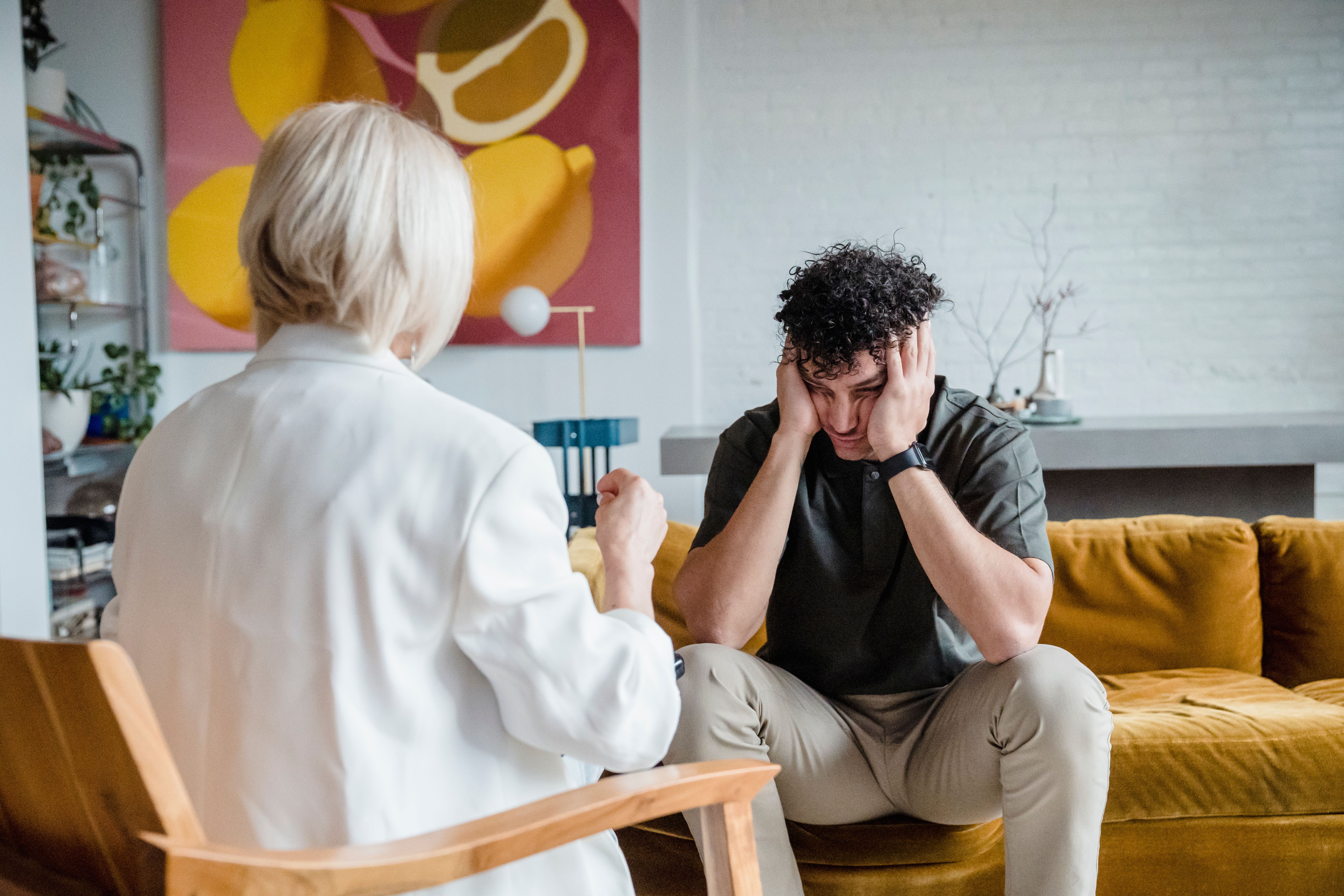
If you’re worried about yourself or someone else, there are resources available that can offer guidance and support.
For individuals concerned about their own behaviors, reaching out to a mental health professional is an important first step. While personality disorders are challenging to treat, early intervention and honest engagement with treatment can help manage symptoms and reduce harm to others.
If you're in a relationship with someone who displays these traits, prioritize your own safety and well-being. Consider working with a therapist who specializes in trauma and personality disorders to develop strategies for protecting yourself and processing your experiences.
Blossom Health offers virtual psychiatric care with board-certified providers who can assess complex mental health concerns, including personality-related issues, and create personalized treatment plans. Our in-network telehealth services make it easier to access professional support from home. Learn more about getting started with Blossom Health.
Medical Disclaimer
This article is for informational purposes only and is not a substitute for professional medical advice, diagnosis, or treatment. Neither "psychopath" nor "sociopath" is a formal psychiatric diagnosis, and this article should not be used to diagnose yourself or others. Always seek the advice of your physician or qualified mental health provider with any questions about mental health conditions. If you are experiencing a mental health crisis, contact the 988 Suicide and Crisis Lifeline by calling or texting 988.
Sources
American Psychiatric Association. Diagnostic and Statistical Manual of Mental Disorders (DSM-5). psychiatry.org
National Institute of Mental Health. Personality Disorders. nimh.nih.gov
Hare, R.D. The Hare Psychopathy Checklist-Revised (PCL-R). Multi-Health Systems. [Available through clinical assessment resources]
Tiihonen, J., Koskuvi, M., Lähteenvuo, M. et al. 2020. Neurobiological roots of psychopathy. Mol Psychiatry
American Psychological Association. Understanding Antisocial Personality Disorder. apa.org
Tuvblad C, Beaver KM. 2013. Genetic and environmental influences on antisocial behavior. J Crim Justice.
Mayo Clinic. Antisocial Personality Disorder. mayoclinic.org
Black D. 2017. The treatment of antisocial personality disorder. Springer
Cleveland Clinic. Antisocial Personality Disorder (ASPD). clevelandclinic.org
Hare RD. 2006. Psychopathy: a clinical and forensic overview. Psychiatr Clin North Am.