Signs Your Antidepressant Dose Is Too Low: When to Talk to Your Doctor
Author:
Blossom Editorial



Finding the right antidepressant dose can feel like solving a puzzle, and it's normal for this process to take time. If you've been taking an antidepressant but still struggle with persistent symptoms, your dose might be too low to provide the relief you need. Understanding the warning signs can help you understand whether or not your antidepressant medication dose needs to be adjusted.
Key Takeaways
Research indicates that 40-60% of people notice symptom relief within 6-8 weeks of taking antidepressants, though some improvement may begin earlier. If you've reached this timeframe without meaningful change, your dose may need to be adjusted.
If you continue to experience sadness, anxiety, sleep problems, or difficulty concentrating after giving your medication adequate time to work, it could indicate that your current dose isn't addressing your symptoms effectively.
Changing your medication without medical guidance can be dangerous and may cause withdrawal symptoms or worsening depression. It is always better to consult your healthcare provider to make any dosage changes safely.
How Long Should You Wait Before Evaluating Your Dose?
Antidepressants may take a few days to show their effects. Your brain needs time to adjust to the medication and for therapeutic effects to develop. Research on antidepressant timing shows that while some people may notice improvements within the first week or two, most medications take longer to reach their full effectiveness.
Studies indicate that improvement typically follows this timeline:
Week 1-2: Some people experience early symptom relief, though this may be subtle.
Week 4-6: Many people notice meaningful improvement in mood and functioning.
Week 6-8: Full therapeutic effects often become apparent.
According to research, about 55% of people who eventually respond to fluoxetine (Prozac) begin showing improvement by week 2, while about 75% start responding by week 4. However, some individuals may take up to 12 weeks to see benefits.
If you've been taking your antidepressant consistently for at least 6-8 weeks without improvement, it could suggest that your current dose may not be sufficient.
Common Signs Your Antidepressant Dose May Be Too Low
Persistent Low Mood
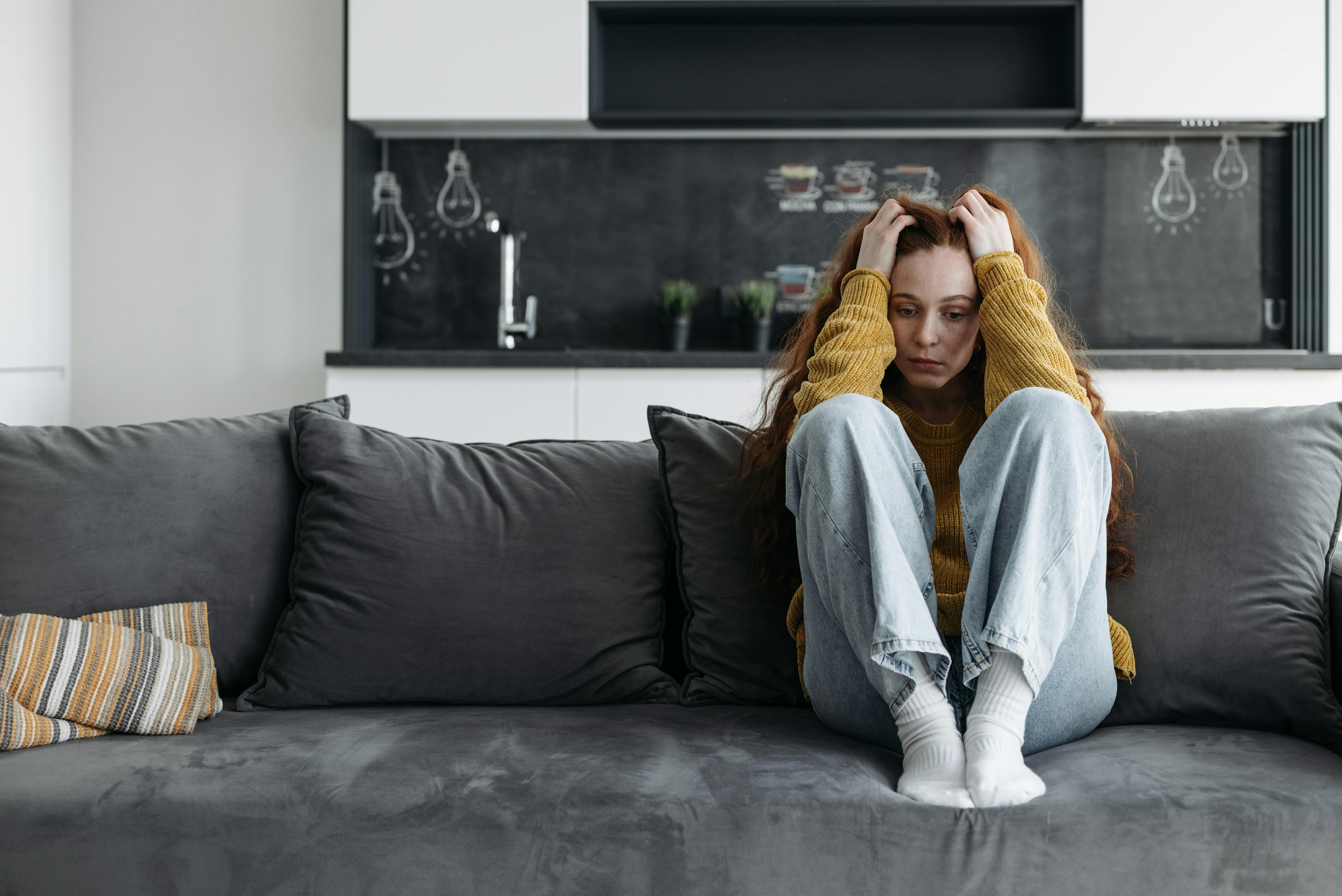
If you continue experiencing feelings of sadness, hopelessness, or emptiness despite taking your medication regularly, your dose may not be adequate. Antidepressants are designed to lift mood and restore emotional balance. While everyone has occasional bad days, a persistent low mood that doesn't improve over several weeks indicates your current treatment isn't working adequately.
Lack of Interest in Activities
One prominent symptom of depression is anhedonia – the inability to feel pleasure or interest in activities you once enjoyed. If you're still struggling to find joy in hobbies, time with friends, or other activities despite being on medication, your dose may need adjustment.
Ongoing Anxiety Symptoms
Many antidepressants also treat anxiety disorders. If you continue experiencing excessive worry, restlessness, panic attacks, or physical anxiety symptoms like rapid heartbeat or difficulty breathing, your current dose may not be providing adequate relief.
Sleep Problems
Antidepressants should help normalize sleep patterns over time. However, if you're still dealing with insomnia, trouble falling asleep, frequent waking during the night, or sleeping too much, then these persistent sleep disturbances may indicate insufficient dosing.
Difficulty Concentrating
Depression affects cognitive function, making it hard to focus, remember things, or make decisions. If you're still experiencing significant brain fog or difficulty concentrating at work or school after several weeks on medication, your dose may need adjustment.
Low Energy and Motivation
Fatigue and lack of motivation are common depression symptoms. If you continue feeling exhausted, struggling to get out of bed, or finding it difficult to complete daily tasks despite treatment, then your medication may not be working at an optimal level.
Mood Swings
While some mood variation is normal, experiencing intense emotional ups and downs can indicate that your antidepressant may not be providing enough stabilization. Effective treatment should help even out these fluctuations.
Physical Symptoms
Depression often causes physical symptoms like headaches, body aches, or digestive issues. If these symptoms persist unchanged, your dose may need to be adjusted.
Why Do Antidepressants Stop Working?
Sometimes, an antidepressant that once worked well can stop being effective over time. This phenomenon, called antidepressant tachyphylaxis or "poop-out," affects an estimated 9-33% of people taking antidepressants.
Tachyphylaxis can mean that your body has developed a tolerance to the medication, causing depression symptoms to return even though you're still taking the same dose. This is different from not responding to a medication.
Signs you may be experiencing tachyphylaxis include:
Previous good response to the medication followed by symptom return
Gradual worsening of depression despite continued treatment
Feelings of apathy, fatigue, or "the blahs" returning
Sleep disturbances returning after a period of improvement
It is in your best interest to speak to your healthcare provider if you suspect tachyphylaxis. They may recommend increasing your dose, switching to a different antidepressant, or adding another medication to your regimen.
What Can Affect Antidepressant Effectiveness?
Several things can impact the effectiveness of an antidepressant. These include:
Medication Adherence
Skipping doses or taking your antidepressant inconsistently can prevent it from working properly. These medications need to be at steady levels in your bloodstream to be effective.
Drug Interactions
If you’re taking other medications, supplements, or substances, then these may interfere with your antidepressant. Always inform your healthcare provider about everything you're taking, including over-the-counter products and herbal supplements.
Alcohol and Substance Use
Alcohol and recreational drugs can significantly reduce antidepressant effectiveness and worsen depression symptoms. These substances can also interact dangerously with certain antidepressants.
Medical Conditions
Underlying health issues like thyroid problems, vitamin deficiencies, or chronic pain can contribute to depression symptoms or interfere with treatment effectiveness.
Life Stressors
Major life changes, ongoing stress, relationship problems, or traumatic events can trigger depression symptoms even when you're on medication. Your antidepressant may work well until new stressors arise.
Pregnancy and Hormonal Changes
Pregnancy, the postpartum period, and hormonal changes can affect how your body processes antidepressants. Research shows that many people taking antidepressants during pregnancy still experience depression symptoms, suggesting dosage adjustments may be needed.
When to Talk to Your Doctor About Dose Adjustment
Schedule an appointment with your healthcare provider if you experience any of the following:
No improvement after 4-6 weeks of consistent use at the prescribed dose
Partial improvement, but still experiencing significant symptoms
Return of symptoms after a period of feeling better (possible tachyphylaxis)
New or worsening symptoms despite treatment
Side effects have resolved, but therapeutic benefits haven't appeared
Come to your appointment prepared to discuss:
How long you've been taking the current dose
Specific symptoms you're still experiencing
How these symptoms affect your daily life
Any side effects you've experienced
Whether you've been taking the medication as prescribed
Any other medications, supplements, or substances you use
Getting Help with Antidepressant Management
If you're struggling with depression symptoms despite medication, professional support can help optimize your treatment. Virtual psychiatry makes it easier than ever to access expert care and medication management from the comfort of home.
At Blossom Health, we connect you with board-certified psychiatrists who specialize in treating depression, anxiety, and other mental health conditions. Our providers work with you to find the right medication and dosage, all covered by your in-network insurance. Visit Blossom Health to schedule your first appointment and start working toward better mental health.
Medical Disclaimer
This article is for informational purposes only and is not a substitute for professional medical advice, diagnosis, or treatment. Always seek the advice of your physician or other qualified healthcare provider with any questions you may have regarding a medical condition. If you are experiencing a mental health crisis or having thoughts of self-harm or suicide, contact the 988 Suicide and Crisis Lifeline by calling or texting 988, or go to your nearest emergency room.
Sources
American Psychiatric Association. What is Psychiatry? https://www.psychiatry.org/patients-families/what-is-psychiatry
National Institute of Mental Health. Mental Health Medications. https://www.nimh.nih.gov/health/topics/mental-health-medications
Nierenberg AA, et al. 2000. Timing of onset of antidepressant response with fluoxetine treatment. American Journal of Psychiatry. https://psychiatryonline.org/doi/full/10.1176/appi.ajp.157.9.1423
Taylor MJ, et al. 2006. Early onset of selective serotonin reuptake inhibitor antidepressant action: systematic review and meta-analysis. Archives of General Psychiatry. https://pmc.ncbi.nlm.nih.gov/articles/PMC2211759/
Machado M, et al. 2014. The timing of antidepressant effects: a comparison of diverse pharmacological and somatic treatments. Pharmaceuticals. https://pmc.ncbi.nlm.nih.gov/articles/PMC3991019/
Coplan JD, et al. 2007. Onset of action of antidepressants. BMJ. 2007. https://pmc.ncbi.nlm.nih.gov/articles/PMC1865459/
Targum SD, et al. 2014. Identification and treatment of antidepressant tachyphylaxis. Innovations in Clinical Neuroscience.https://pmc.ncbi.nlm.nih.gov/articles/PMC4008298/
Fornaro M, et al. 2019. The emergence of loss of efficacy during antidepressant drug treatment for major depressive disorder: An integrative review. Journal of Affective Disorders. https://www.sciencedirect.com/science/article/abs/pii/S1043661818312015
Johns Hopkins Medicine. Why Aren't My Antidepressants Working? https://www.hopkinsmedicine.org/health/wellness-and-prevention/why-arent-my-antidepressants-working
NHS. Antidepressants - Dosage. https://www.nhs.uk/mental-health/talking-therapies-medicine-treatments/medicines-and-psychiatry/antidepressants/dosage/