Situational Depression: Symptoms, Duration, and When to Seek Help
Author:
Blossom Editorial



Life's challenges, like job loss, divorce, grief, or major transitions, can trigger intense sadness and emotional distress. When these feelings persist and interfere with daily functioning, you may be experiencing situational depression, a mental health condition formally known as adjustment disorder with depressed mood.
Unlike major depressive disorder, situational depression develops in direct response to specific stressful events or circumstances. Adjustment disorders affect approximately 5-20% of people seeking mental health treatment, though many cases go undiagnosed because people assume their symptoms are simply a normal stress reaction.
Understanding the difference between temporary sadness and situational depression can help you recognize when professional support might be beneficial and prevent symptoms from worsening into more serious mental health conditions.
Key Takeaways
Situational depression develops within 3 months of a specific stressor and typically resolves within 6 months once the stressor ends or you develop better coping strategies, distinguishing it from major depression, which isn't tied to external events.
Symptoms mirror major depression but are directly linked to identifiable life events like job loss, relationship changes, illness, or major transitions, making the cause clearer than with clinical depression.
Situational depression may fade on its own, but treatment helps you feel better faster and reduces the chance it becomes long-term by teaching helpful coping skills.
What Is Situational Depression?
Situational depression, clinically classified as adjustment disorder with depressed mood, occurs when you develop emotional or behavioral symptoms in response to an identifiable stressor within three months of that event. The symptoms of situational depression are more severe than what would be expected from normal stress reactions and significantly impair your ability to function in daily life.
According to the Diagnostic and Statistical Manual of Mental Disorders (DSM-5), adjustment disorders exist on a spectrum. The "depressed mood" subtype specifically involves symptoms like persistent sadness, frequent crying, and feelings of hopelessness that are disproportionate to the triggering event.
What distinguishes situational depression from major depressive disorder is its clear connection to external circumstances and its tendency to improve once the stressor is resolved or you've adapted to the new situation. Research suggests that without the triggering event, the depressive symptoms wouldn't have developed.
Common Triggers of Situational Depression
Situational depression can develop in response to various life stressors, both negative events and positive changes that require significant adjustment.
Major life changes and losses
Relationship changes: Divorce, breakup, or relationship conflict can trigger situational depression, particularly when the relationship was long-term or central to your identity.
Grief and loss: The death of a loved one, pet, or the end of a significant relationship commonly precipitates adjustment disorders with depressed mood.
Employment transitions: Job loss, retirement, demotion, or even promotion can trigger symptoms when the change disrupts your sense of identity or financial security.
Relocation: Moving to a new city, especially when it involves leaving behind social support networks, can lead to situational depression.
Health-related stressors
Getting a serious medical diagnosis, developing a disability, or living with chronic pain can be emotionally overwhelming and may trigger depressive symptoms as you adjust.
Financial and social stressors
Financial difficulties, legal problems, academic challenges, or major conflicts with family or friends can trigger situational depression. Even positive events like getting married, having a baby, or buying a home can cause adjustment-related depression due to the stress of adapting to new responsibilities.
Symptoms of Situational Depression
The symptoms of situational depression closely resemble those of major depressive disorder but are specifically tied to the triggering event.
Emotional symptoms
Persistent sadness or low mood most of the day
Frequent crying or feeling tearful
Feelings of hopelessness about the situation
Loss of pleasure in activities you typically enjoy
Excessive worry about the stressor or its consequences
Feeling overwhelmed or unable to cope
Physical symptoms
Research shows that depression, including situational depression, often manifests with physical symptoms that can be as distressing as emotional ones:
Changes in appetite (eating significantly more or less)
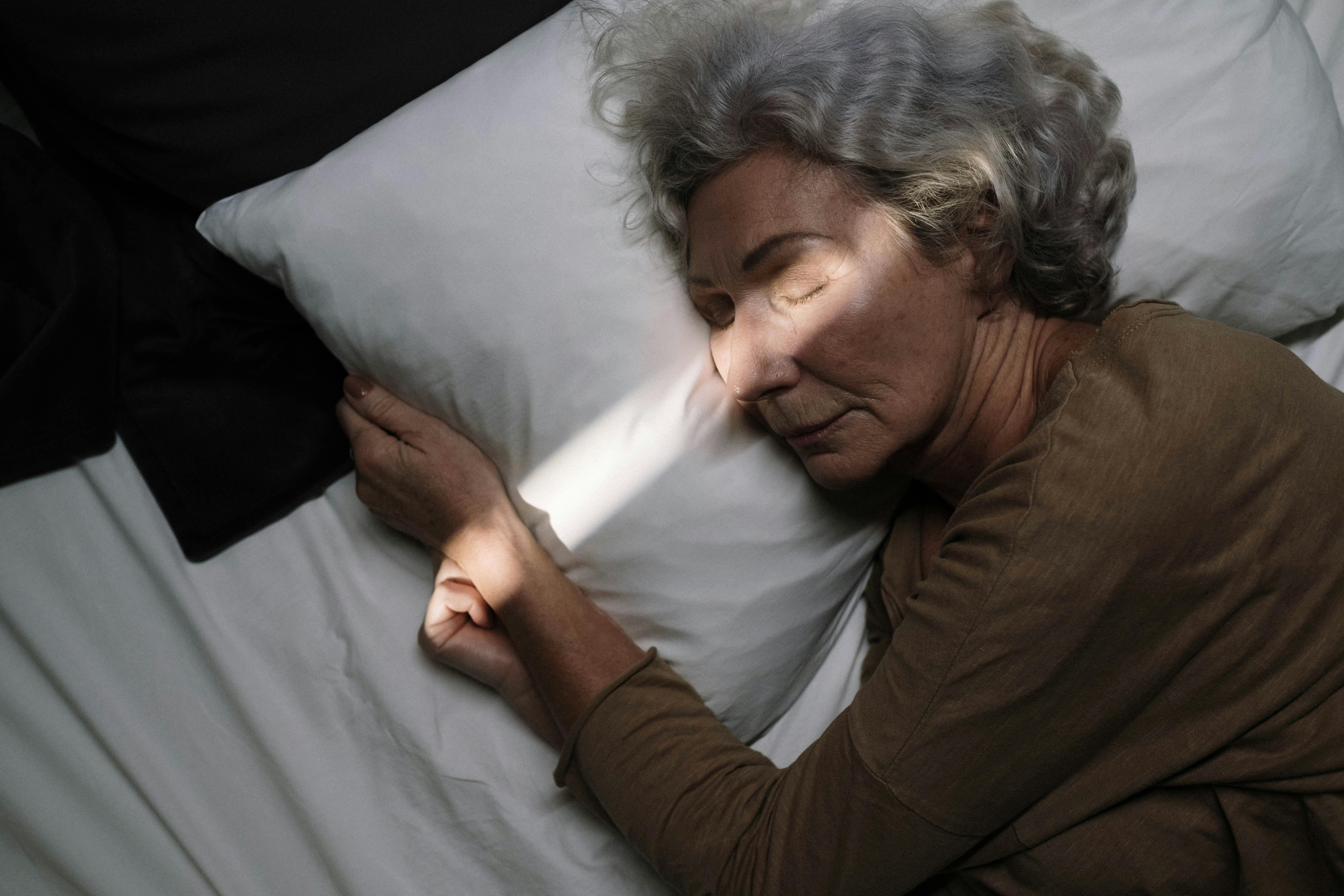
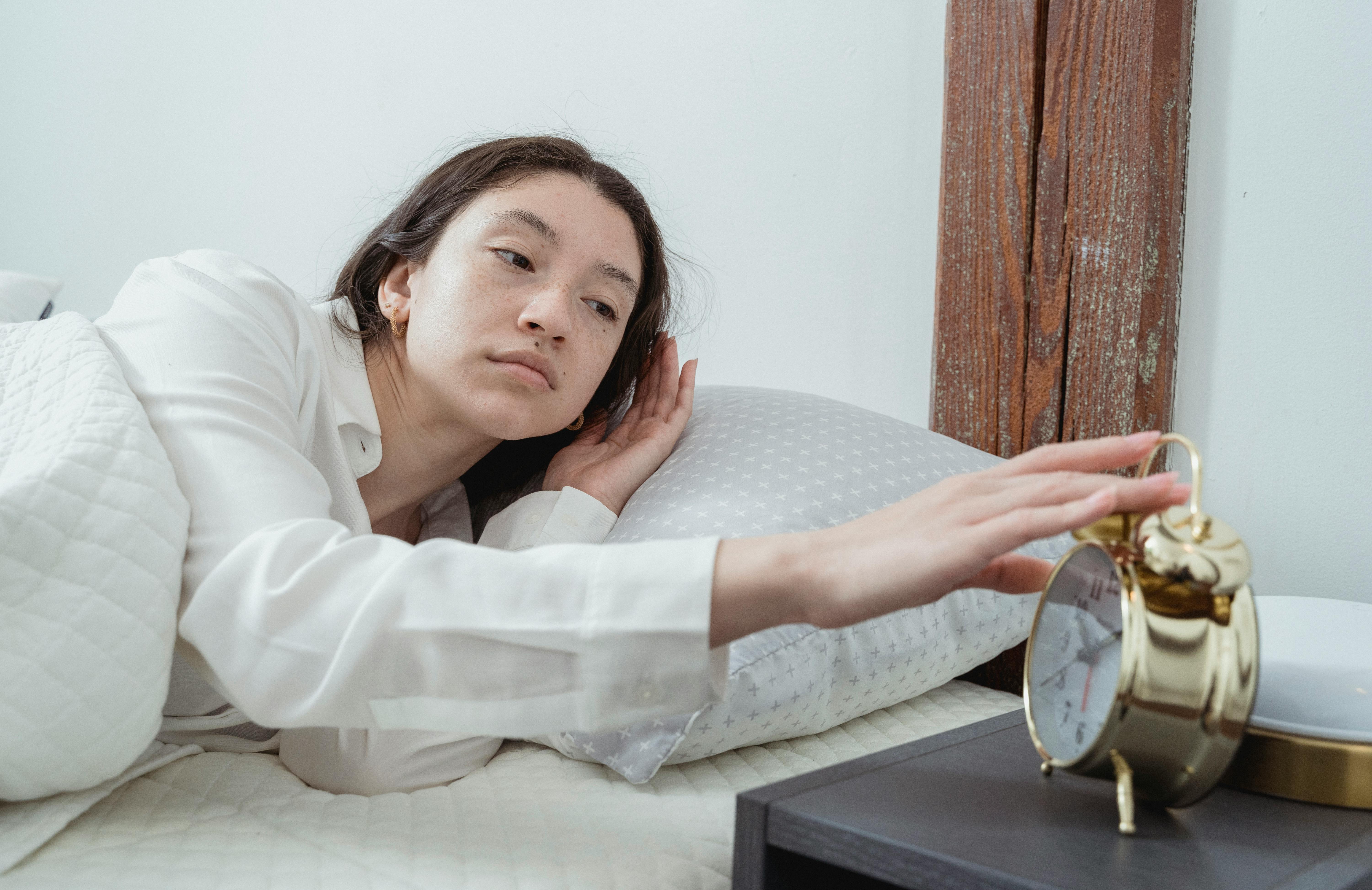
Sleep disturbances (insomnia or sleeping excessively)
Fatigue or low energy despite adequate rest
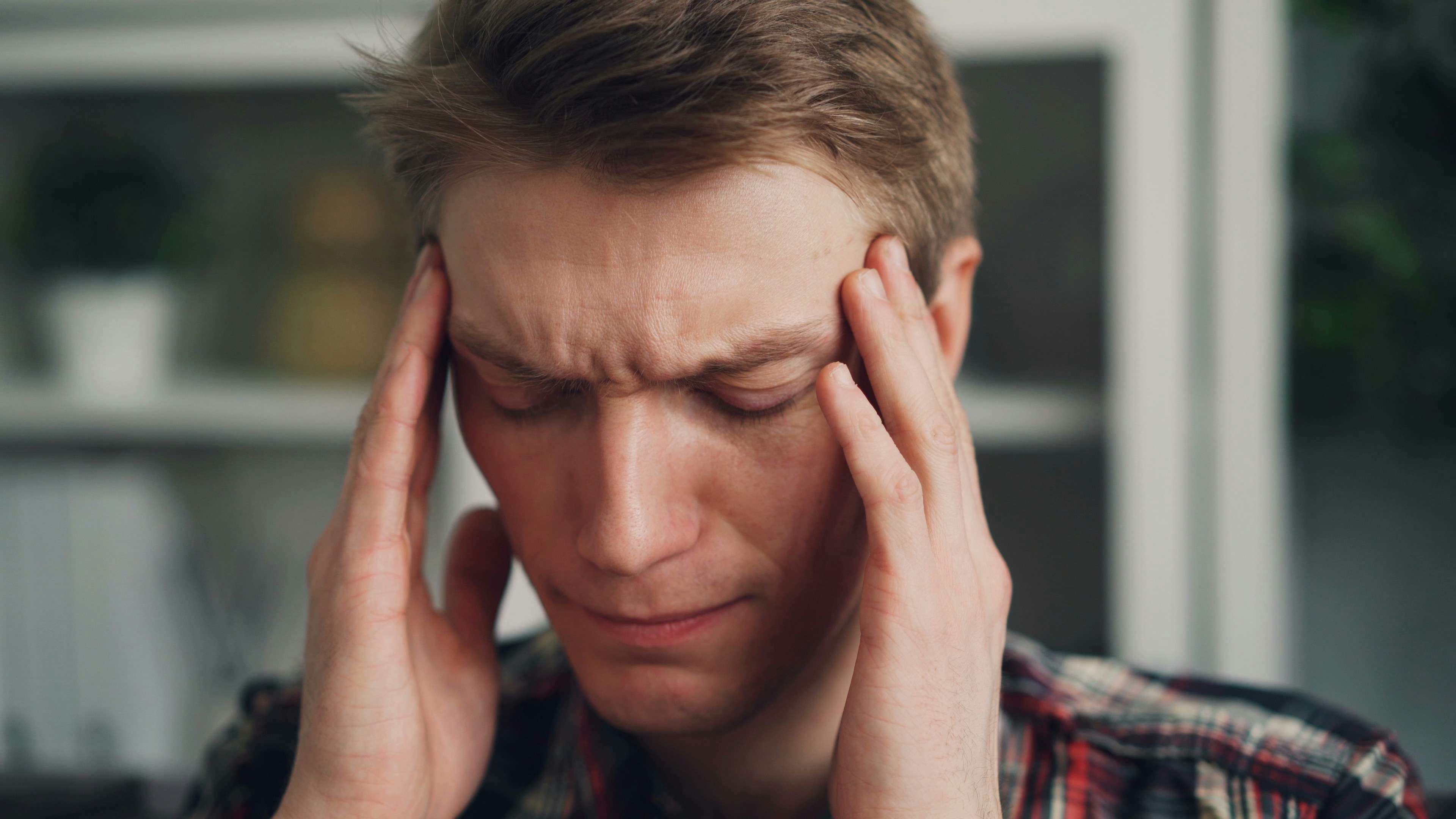
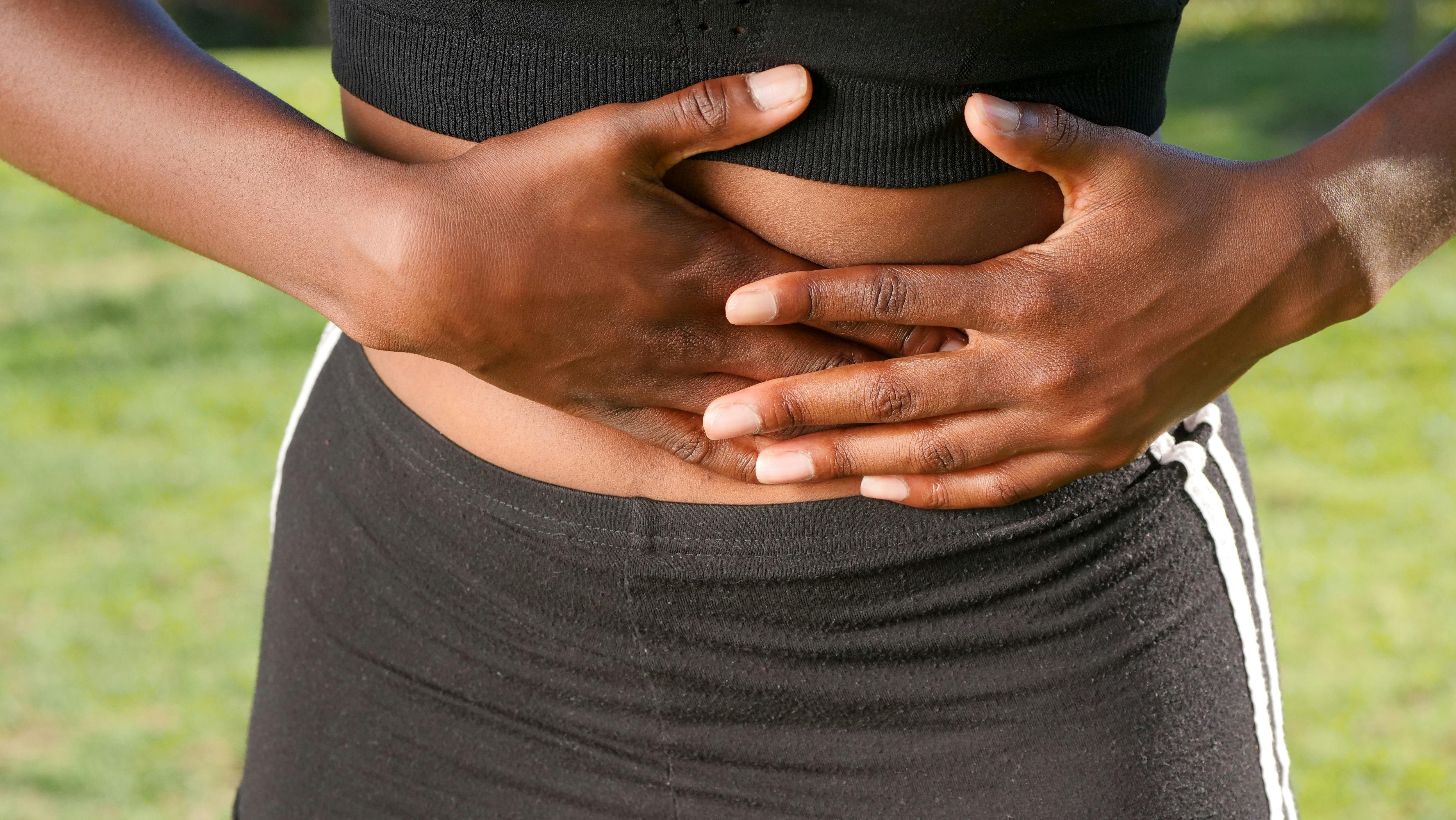
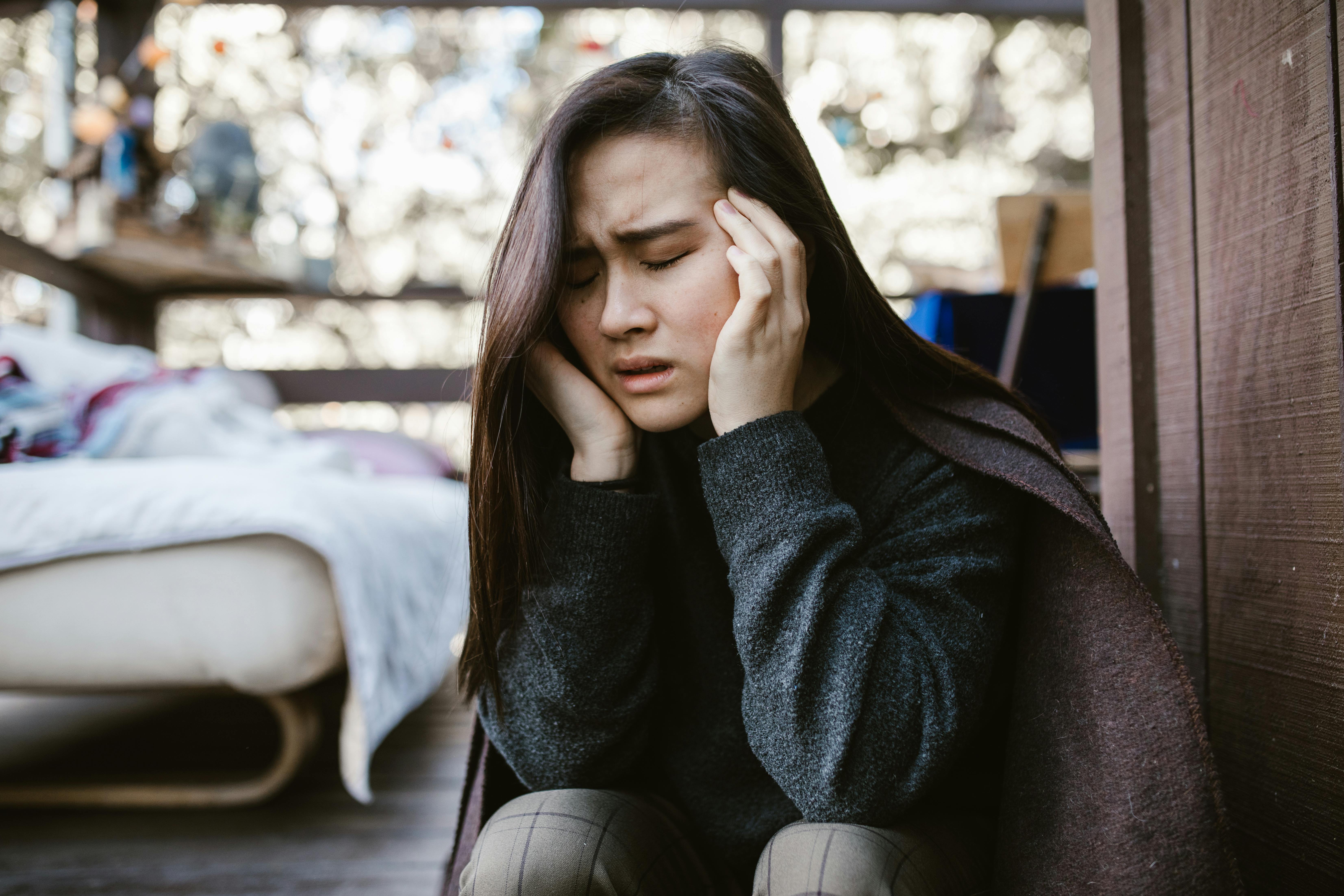
Headaches, muscle tension, or stomach problems
Difficulty concentrating or making decisions
Behavioral changes
Withdrawing from social activities and relationships
Avoiding work, school, or responsibilities
Decreased productivity or performance
Increased use of alcohol or substances to cope
Neglecting self-care and daily routines
Situational Depression vs. Major Depressive Disorder
While symptoms overlap significantly, several key differences distinguish situational depression from major depressive disorder.
Timing and causation
Situational depression develops within 3 months of an identifiable stressor and has a clear, direct relationship to that event. Major depression may occur without any obvious trigger or may develop gradually over time without connection to specific circumstances.
Duration
Situational depression typically resolves within 6 months after the stressor ends or you've adapted to it. Major depressive disorder episodes last longer on average, typically 6-8 months untreated, and aren't necessarily linked to the resolution of any particular life event.
Severity and symptoms
While both conditions can be severe, major depressive disorder more commonly involves symptoms like profound feelings of worthlessness, excessive guilt, psychomotor changes (moving or speaking noticeably slower), and thoughts of death or suicide. Research suggests that situational depression symptoms are generally proportionate to the triggering event, whereas major depression can be more severe than circumstances would explain.
Treatment response
Studies indicate that situational depression often responds well to targeted psychotherapy focused on problem-solving and coping strategies. Major depressive disorder more frequently requires medication in addition to therapy, particularly for moderate to severe cases.
How Long Does Situational Depression Last?
The duration of situational depression varies based on several factors, but understanding typical timelines can help set realistic expectations.
Under the DSM-5 guidelines, adjustment disorders usually improve within six months after the stress ends. If the stressor continues, symptoms may last as long as the situation does.
Approximately 70% of people with adjustment disorders achieve full recovery within 5 years, though many improve much sooner with appropriate support.
Treatment Options for Situational Depression
While some cases of situational depression resolve on their own, professional treatment can significantly shorten duration, reduce symptom severity, and prevent progression to more serious conditions.
Psychotherapy
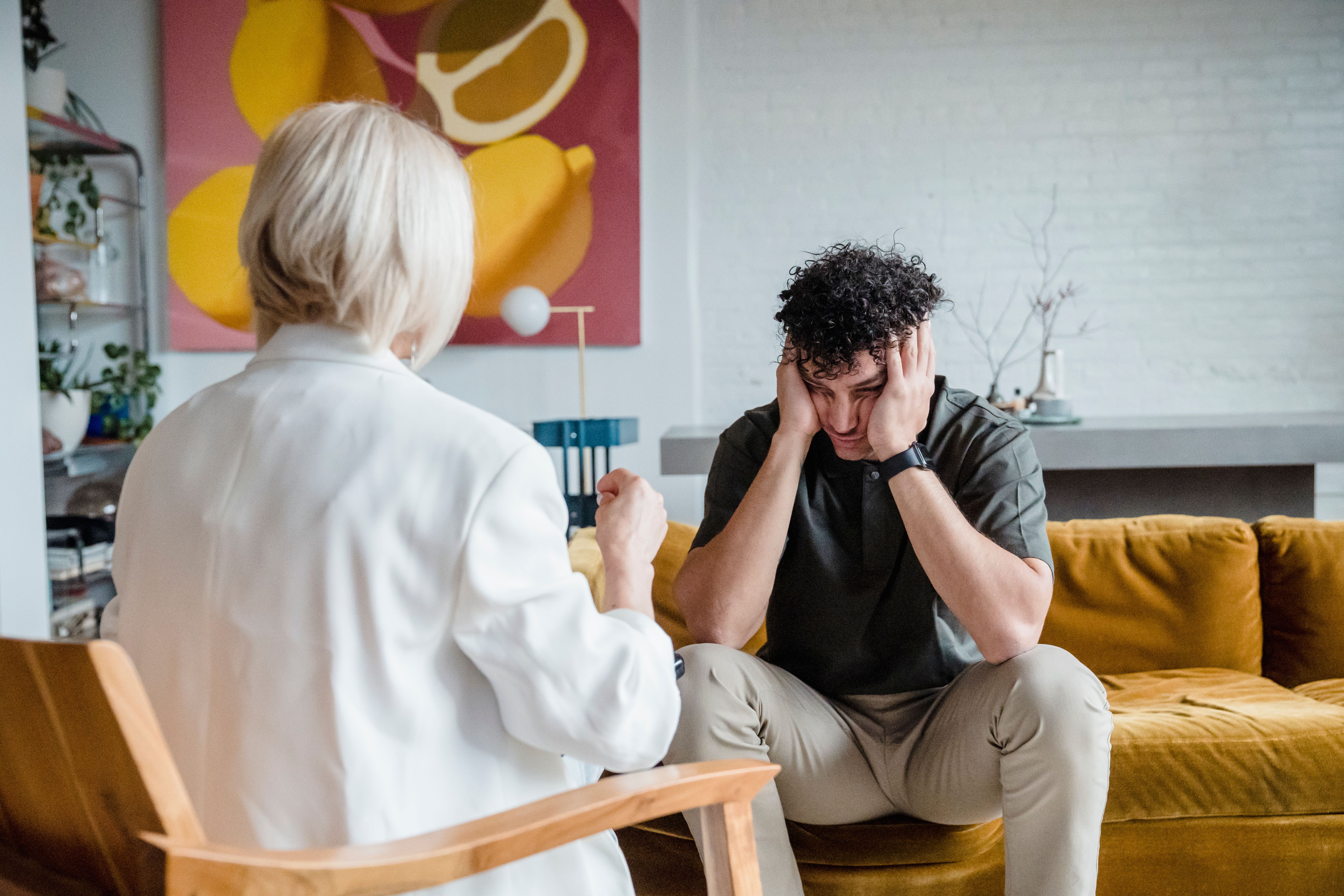
Therapy is considered the first-line treatment for situational depression, with several approaches showing strong effectiveness.
Cognitive-Behavioral Therapy (CBT): Helps identify negative thought patterns related to the stressor and develop healthier ways of thinking about and responding to the situation. Research shows CBT is highly effective for adjustment disorders.
Problem-Solving Therapy: Focuses on developing practical strategies to address or adapt to the triggering stressor. Studies demonstrate that the problem-solving therapy approach is particularly effective for situational depression.
Interpersonal Therapy (IPT): IPT addresses relationship issues and helps improve social support, and is especially useful when relationship changes trigger depression.
Brief Psychodynamic Therapy: Explores how past experiences influence your current response to stressors and helps develop insight into emotional reactions.
Medication
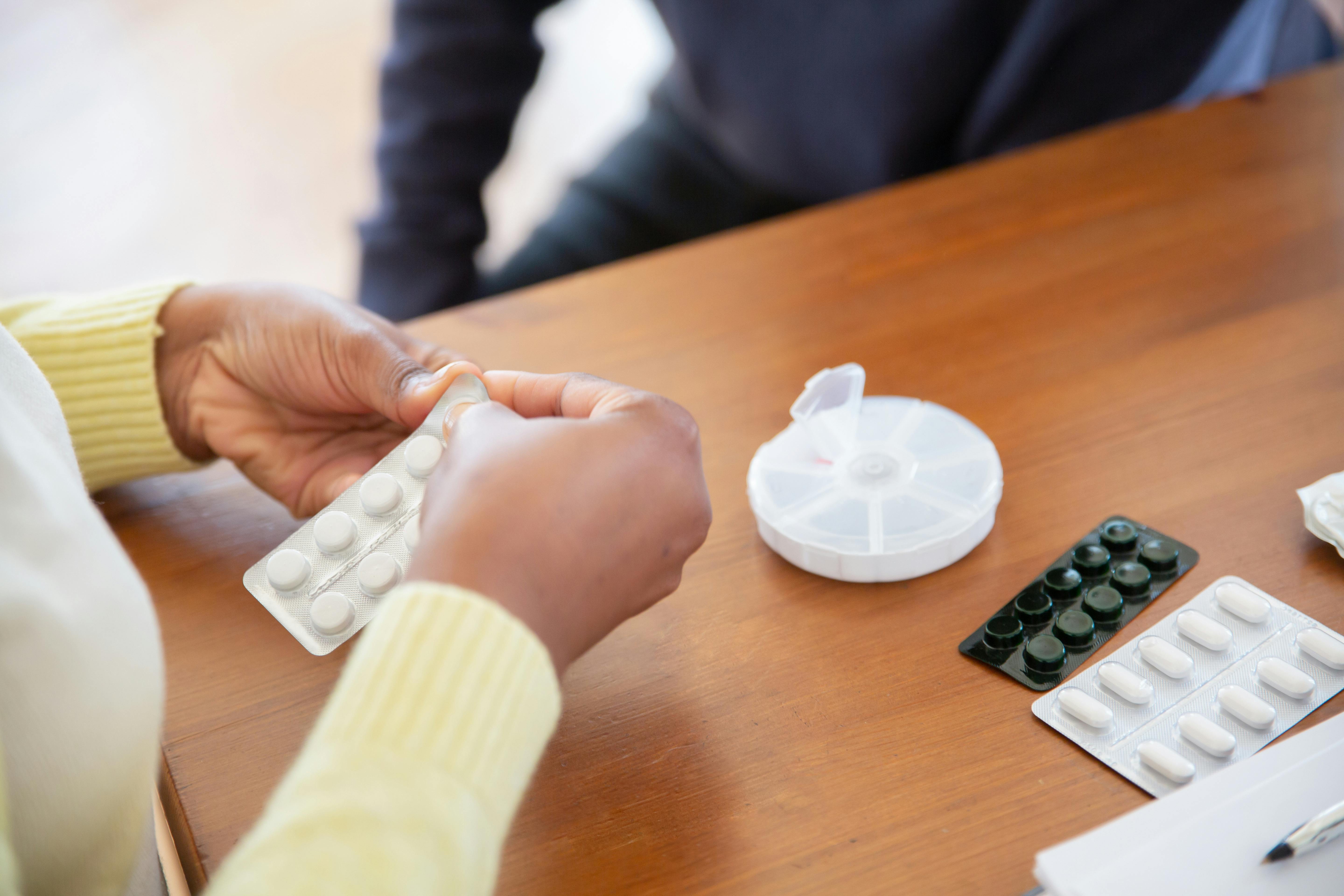
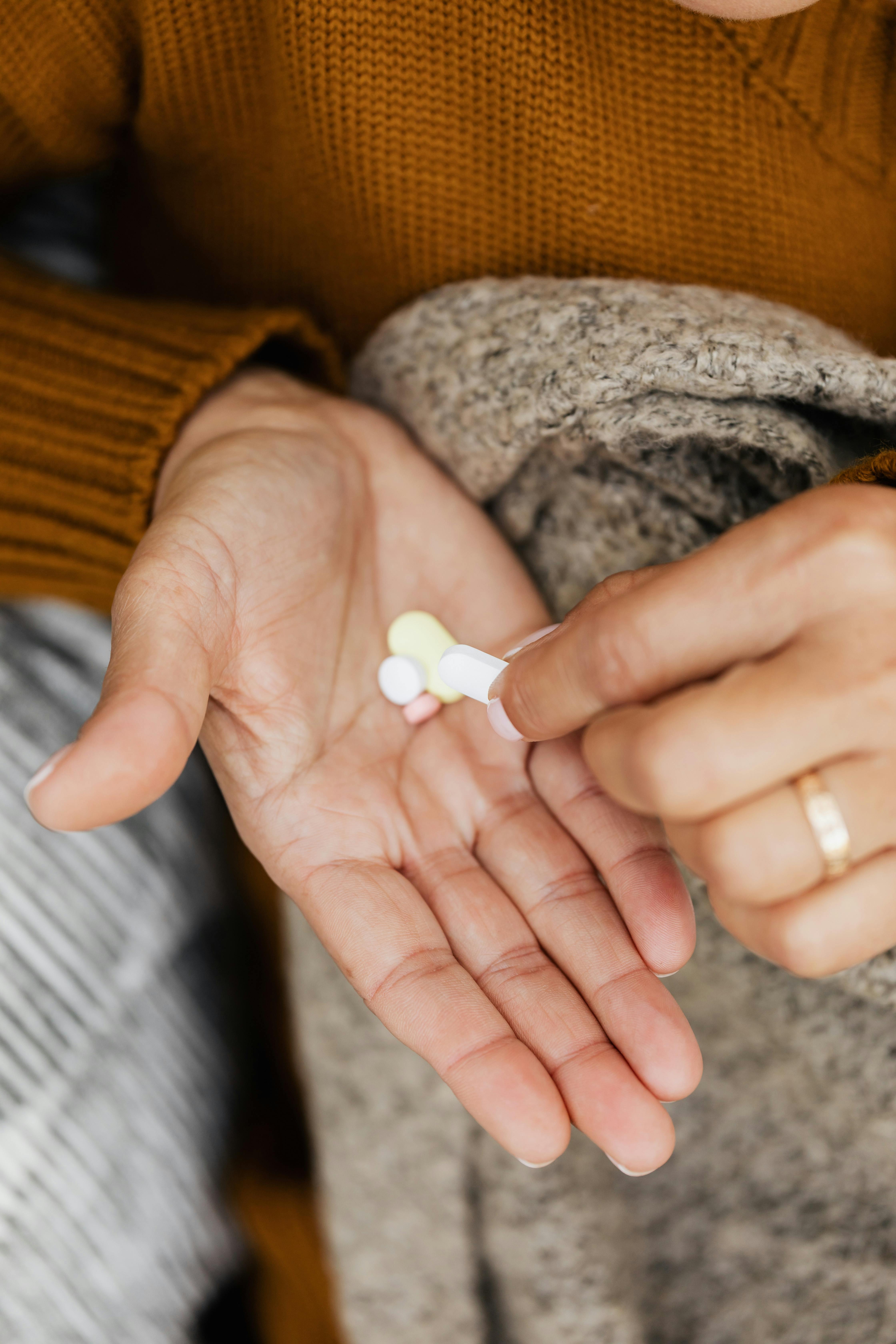
For situational depression, medication usually isn’t the first step unless symptoms are severe or therapy alone isn’t enough. When antidepressant medication is used, it’s often short-term and meant to support your mood while you build coping skills through therapy.
Selective serotonin reuptake inhibitors (SSRIs) may be helpful for people with severe adjustment disorder symptoms, though the evidence base is stronger for psychotherapy as the primary treatment.
Lifestyle and self-help strategies
While they’re not a substitute for professional help, these approaches can still support your recovery:
Maintain routines: Keeping regular sleep, eating, and activity schedules provides structure during difficult times.
Stay physically active: Exercise has been shown to reduce depressive symptoms and improve stress resilience.
Preserve social connections: Even when you don't feel like it, maintaining relationships provides crucial support.
Practice stress management: Techniques like deep breathing, meditation, or progressive muscle relaxation can help manage symptoms of depression.
Limit alcohol and avoid drugs: Substances may provide temporary relief, but ultimately worsen depression and delay recovery.
When to Seek Professional Help
Understanding when to shift from handling things on your own to getting professional help can make a big difference. It is recommended to seek professional help when:
Symptoms that interfere with work, school, or relationships for more than 2 weeks
Inability to perform daily responsibilities
Symptoms that worsen rather than gradually improve
Difficulty concentrating or making decisions
Changes in sleep or appetite that persist beyond initial adjustment
Using alcohol or drugs to cope with feelings
Withdrawing from all social support
Emergency Situations
Call 988 (Suicide and Crisis Lifeline) or go to your nearest emergency room if you experience:
Thoughts of suicide or self-harm
Detailed plans to hurt yourself
Feelings that life isn't worth living
Thoughts of harming others
Research shows that early intervention for adjustment disorders significantly reduces the risk of progression to major depressive disorder and improves long-term outcomes.
Virtual Psychiatric Care for Situational Depression
Virtual health care has made professional support more accessible for people experiencing situational depression.
Platforms like Blossom Health connect you with board-certified psychiatrists through secure video appointments covered by insurance, eliminating barriers like transportation, time off work, or difficulty finding local providers. This accessibility can be particularly valuable when you're already overwhelmed by life stressors. Learn more about Blossom Health and start your mental health recovery journey today.
Medical Disclaimer
This article is for informational purposes only and is not a substitute for professional medical advice, diagnosis, or treatment. Always seek the advice of your physician or other qualified healthcare provider with any questions you may have regarding a medical condition. If you are experiencing a mental health crisis, contact the 988 Suicide and Crisis Lifeline by calling or texting 988.
Sources
American Psychiatric Association. Diagnostic and Statistical Manual of Mental Disorders (DSM-5-TR). https://www.psychiatry.org/psychiatrists/practice/dsm
Casey P, Bailey S. Adjustment disorders: the state of the art. World Psychiatry. 2011 Feb;10(1):11-8. doi: 10.1002/j.2051-5545.2011. https://pmc.ncbi.nlm.nih.gov/articles/PMC3048515/#:~:text=Adjustment%20disorder%20is%20reported%20to,consulters%20with%20mental%20health%20problems
Cleveland Clinic. Adjustment Disorders. https://my.clevelandclinic.org/health/diseases/21760-adjustment-disorder
Yaseen YA. 2017. Adjustment disorder: Prevalence, sociodemographic risk factors, and its subtypes in outpatient psychiatric clinic. Asian J Psychiatr. https://pubmed.ncbi.nlm.nih.gov/28784404/
Carta MG, Balestrieri M, Murru A, Hardoy MC. 2009. Adjustment Disorder: epidemiology, diagnosis and treatment. Clin Pract Epidemiol Ment Health. 2009. https://pmc.ncbi.nlm.nih.gov/articles/PMC2710332/
National Institute of Mental Health (NIMH). Depression. https://www.nimh.nih.gov/health/topics/depression
Jonkers, Dominique & ten Klooster, Peter & Van Dijk, Maarten & Van der Heiden, Colin & Verbraak, Marc. 2023. Evaluation of the Effectiveness of Cognitive Behavioural Therapy for Patients Suffering From an Adjustment Disorder. https://www.jenvoh.com/jenvoh-articles/evaluation-of-the-effectiveness-of-cognitive-behavioural-therapy-for-patients-suffering-from-an-adjustment-disorder-99000.html
Mayo Clinic. Adjustment disorders. https://www.mayoclinic.org/diseases-conditions/adjustment-disorders/symptoms-causes/syc-20355224
Morgan MA, Kelber MS, Bellanti DM, Beech EH, Boyd C, Galloway L, Ojha S, Garvey Wilson AL, Otto J, Belsher BE. 2022. Outcomes and prognosis of adjustment disorder in adults: A systematic review. J Psychiatr Res. https://pubmed.ncbi.nlm.nih.gov/36347110/