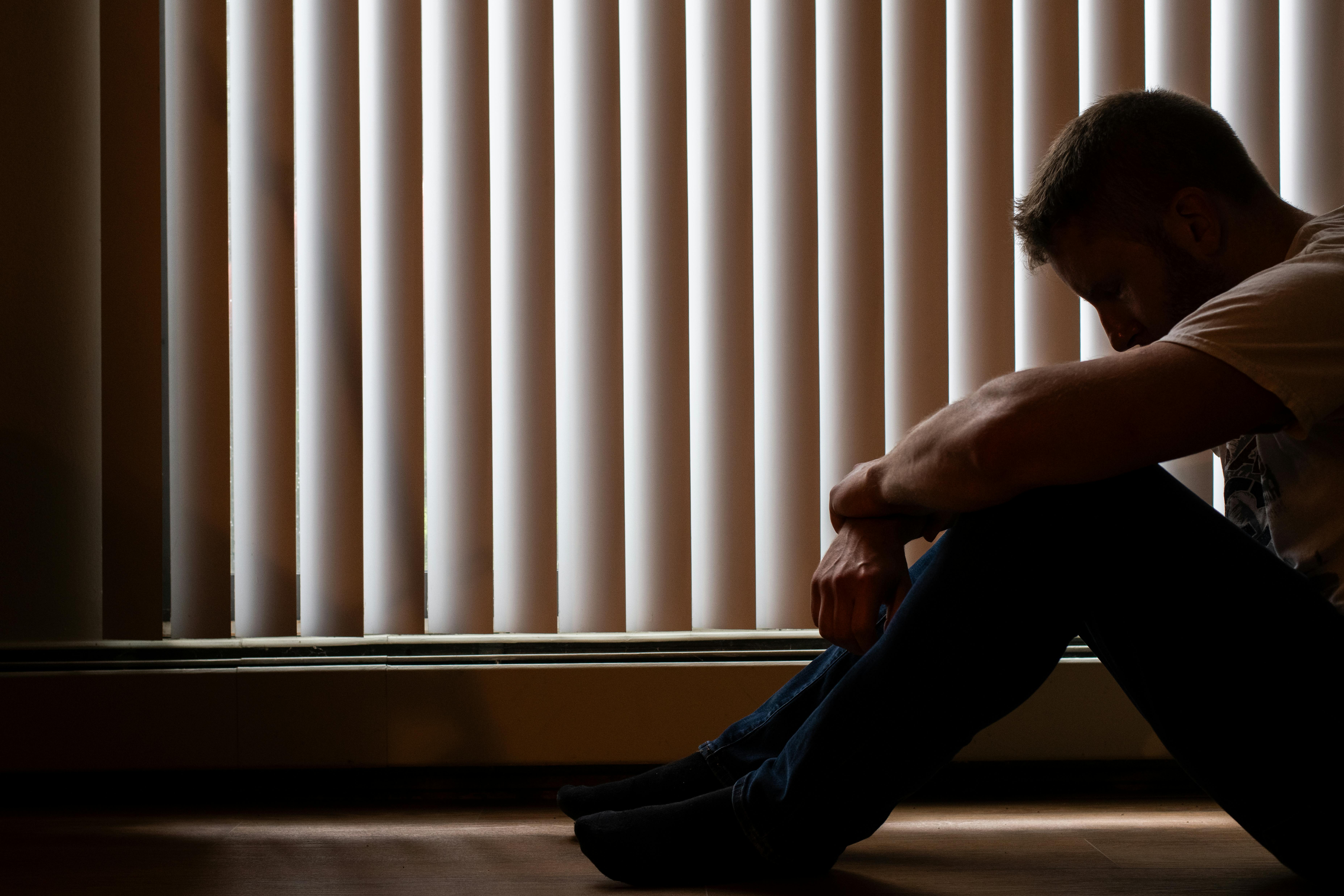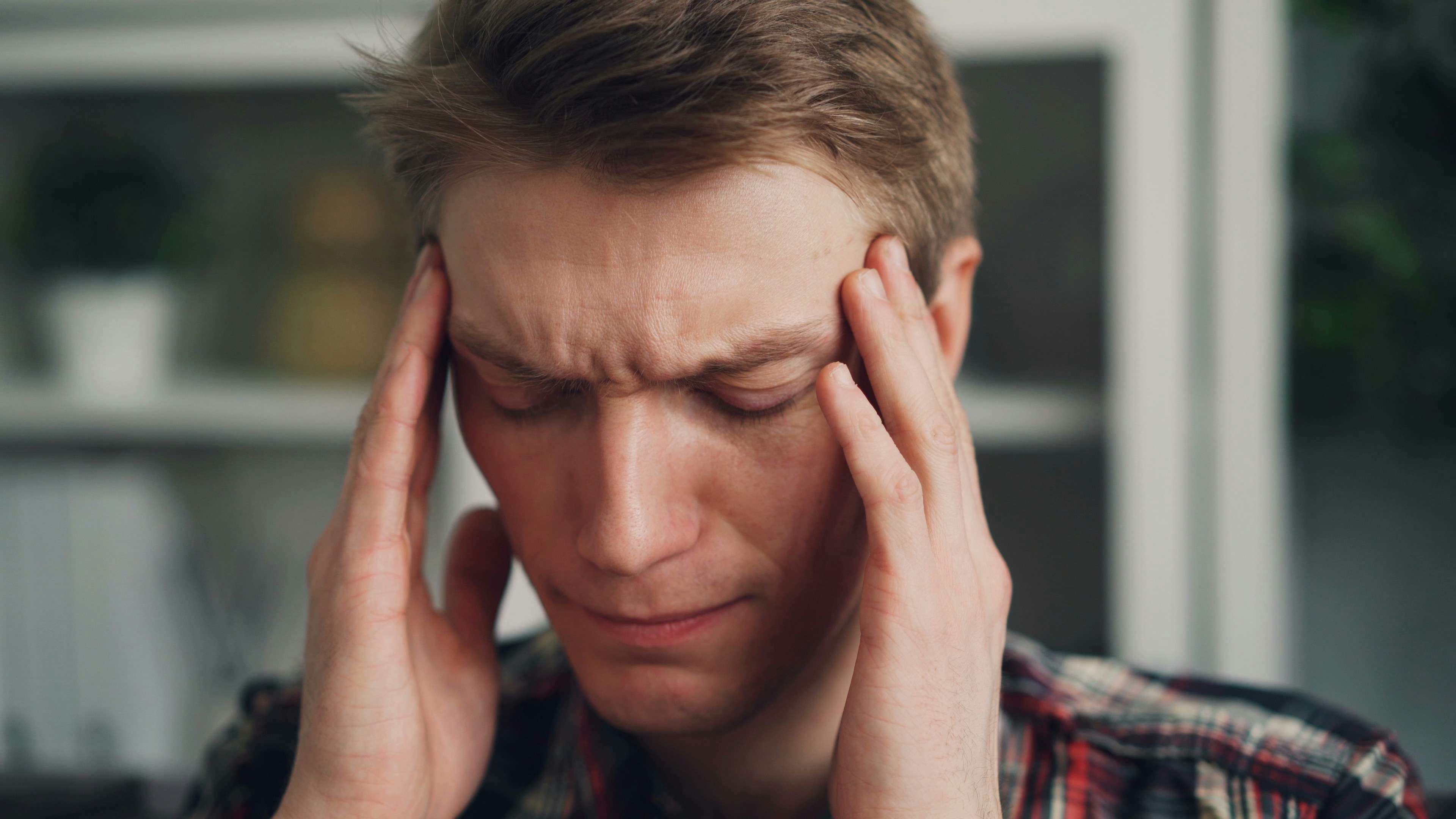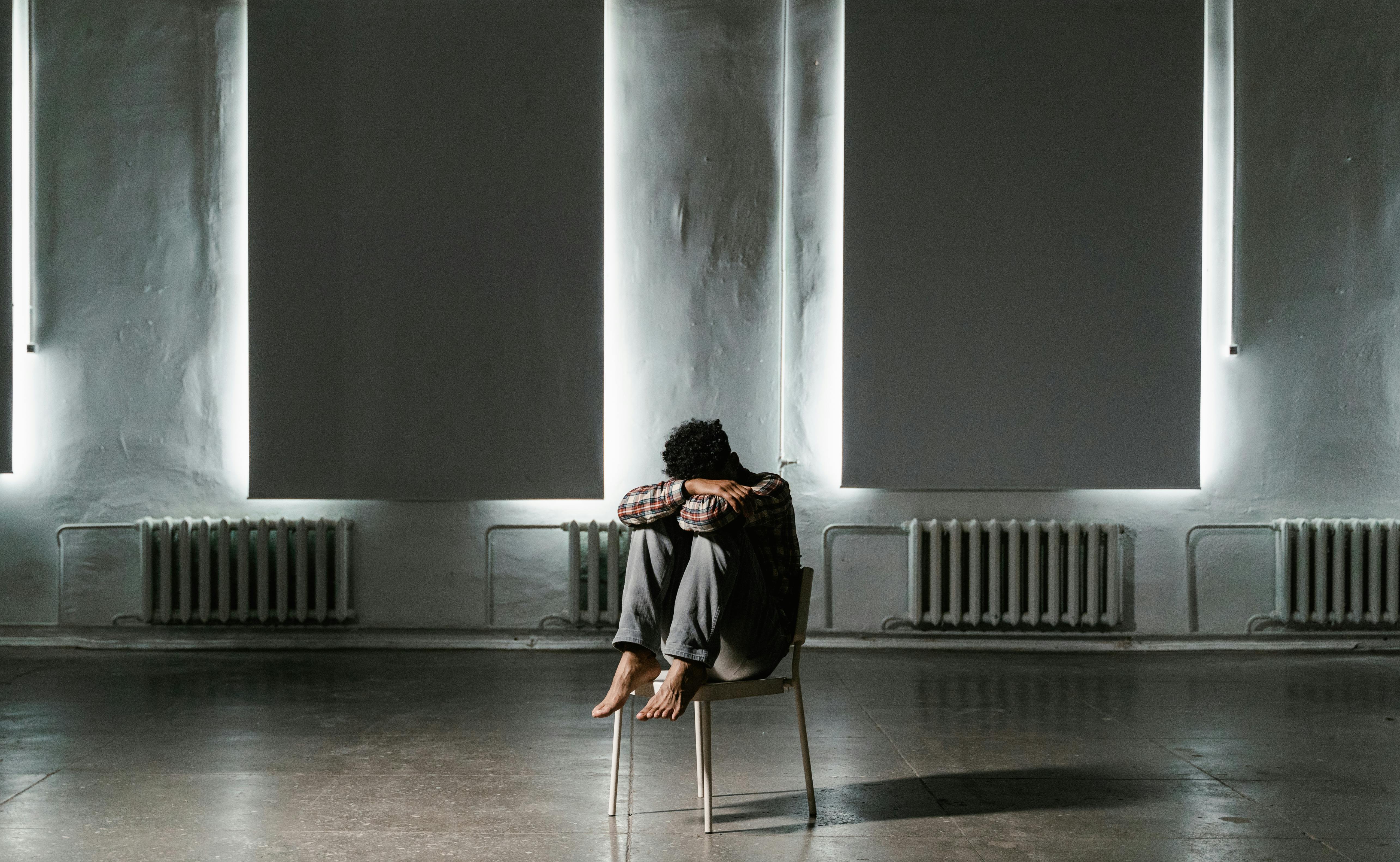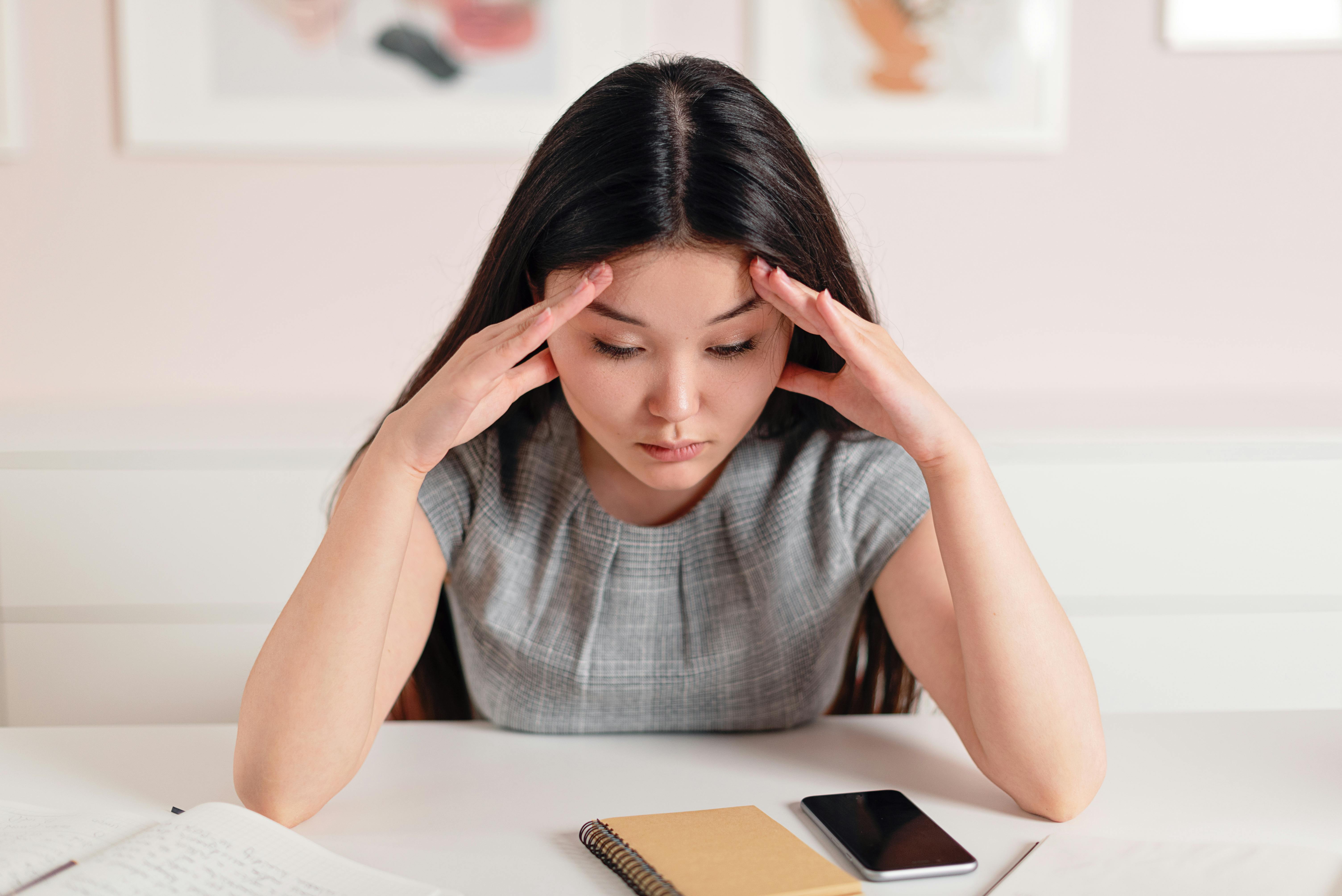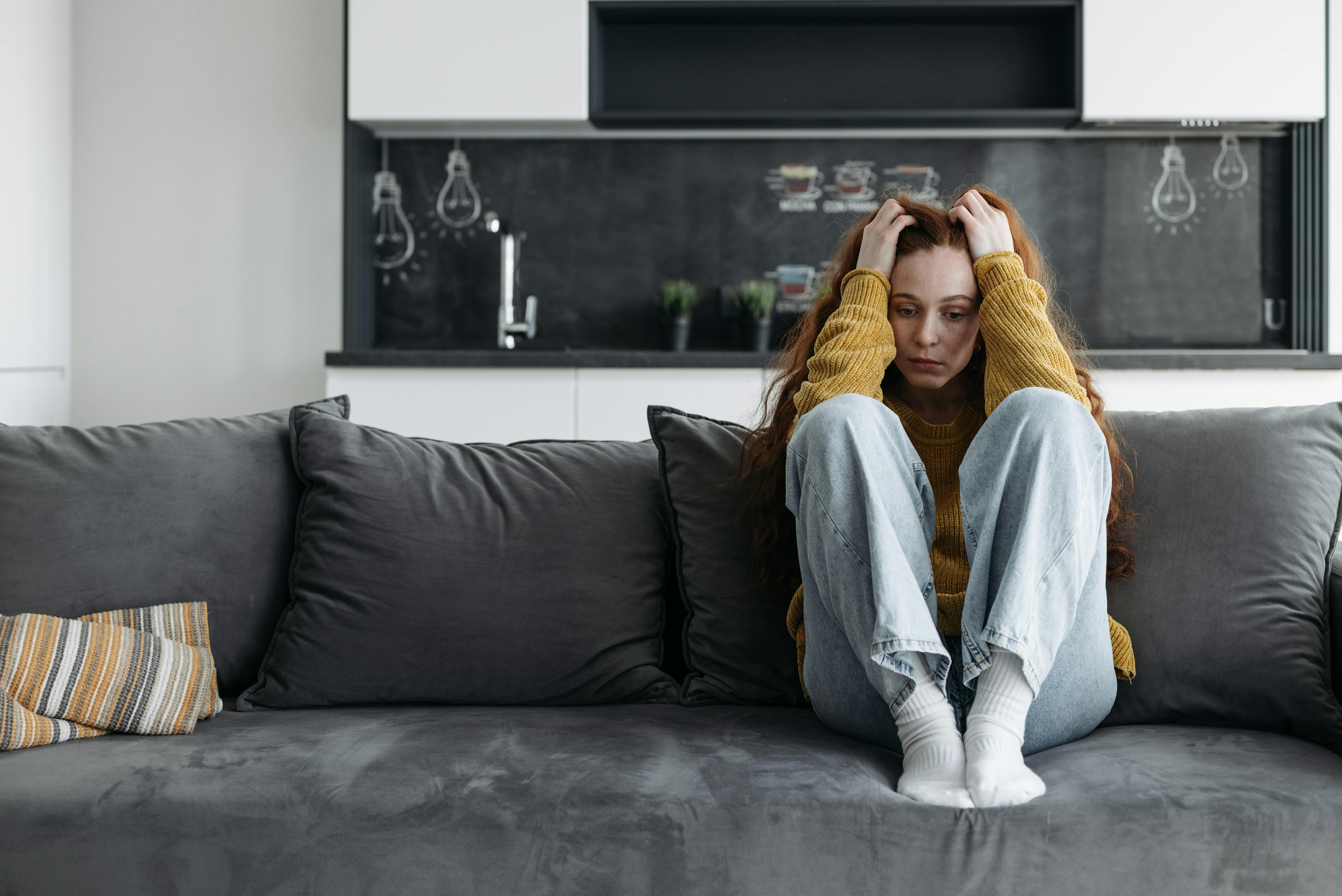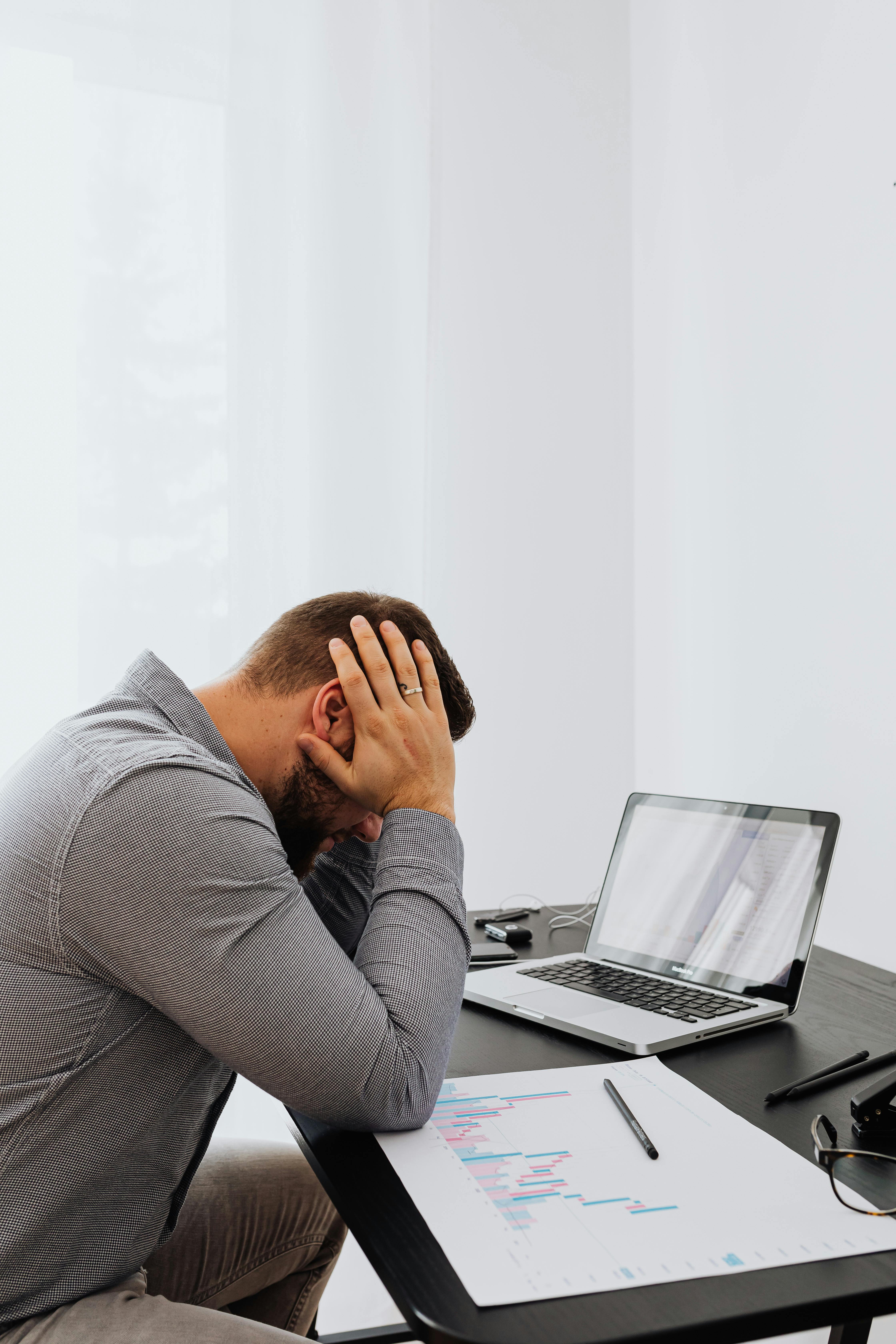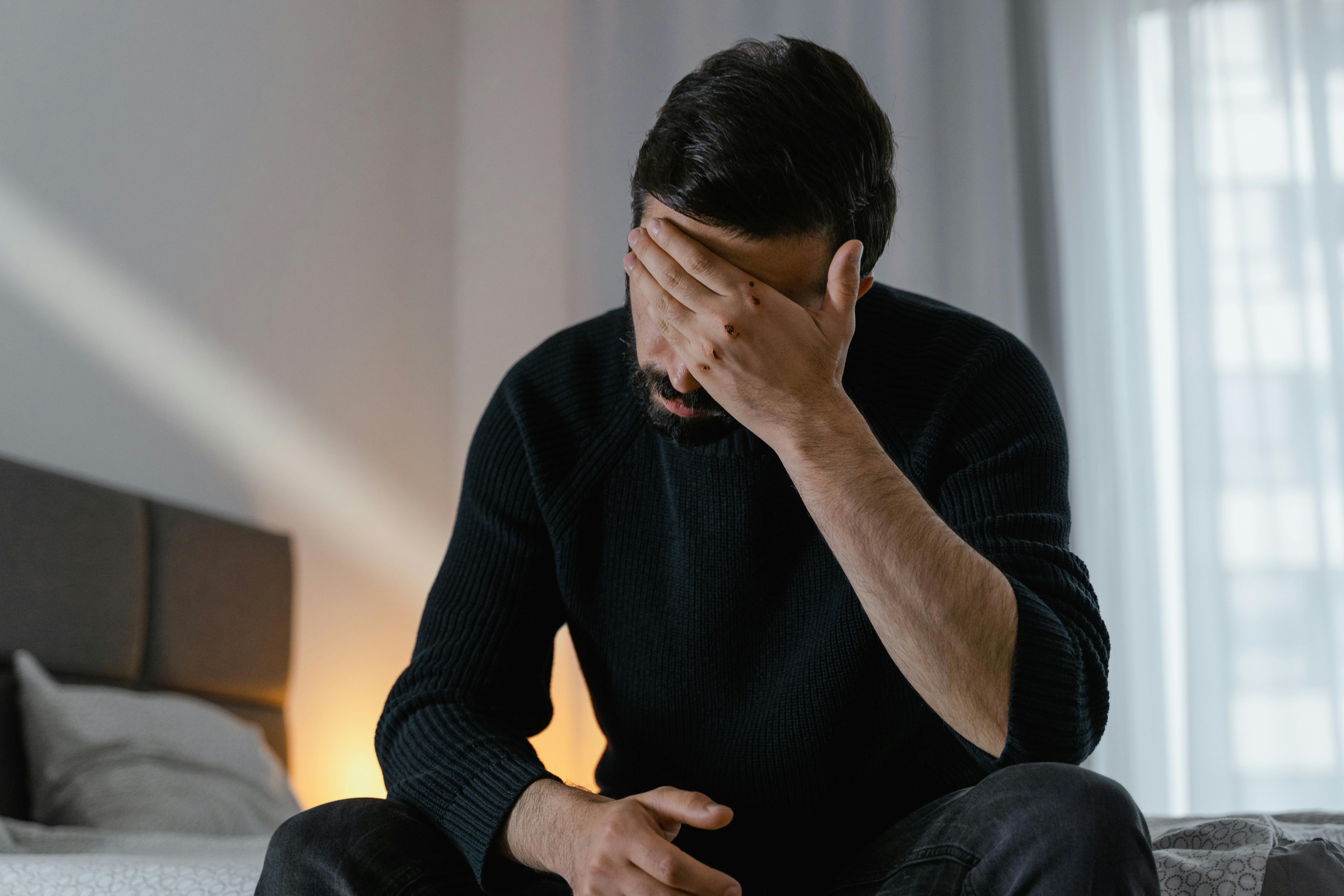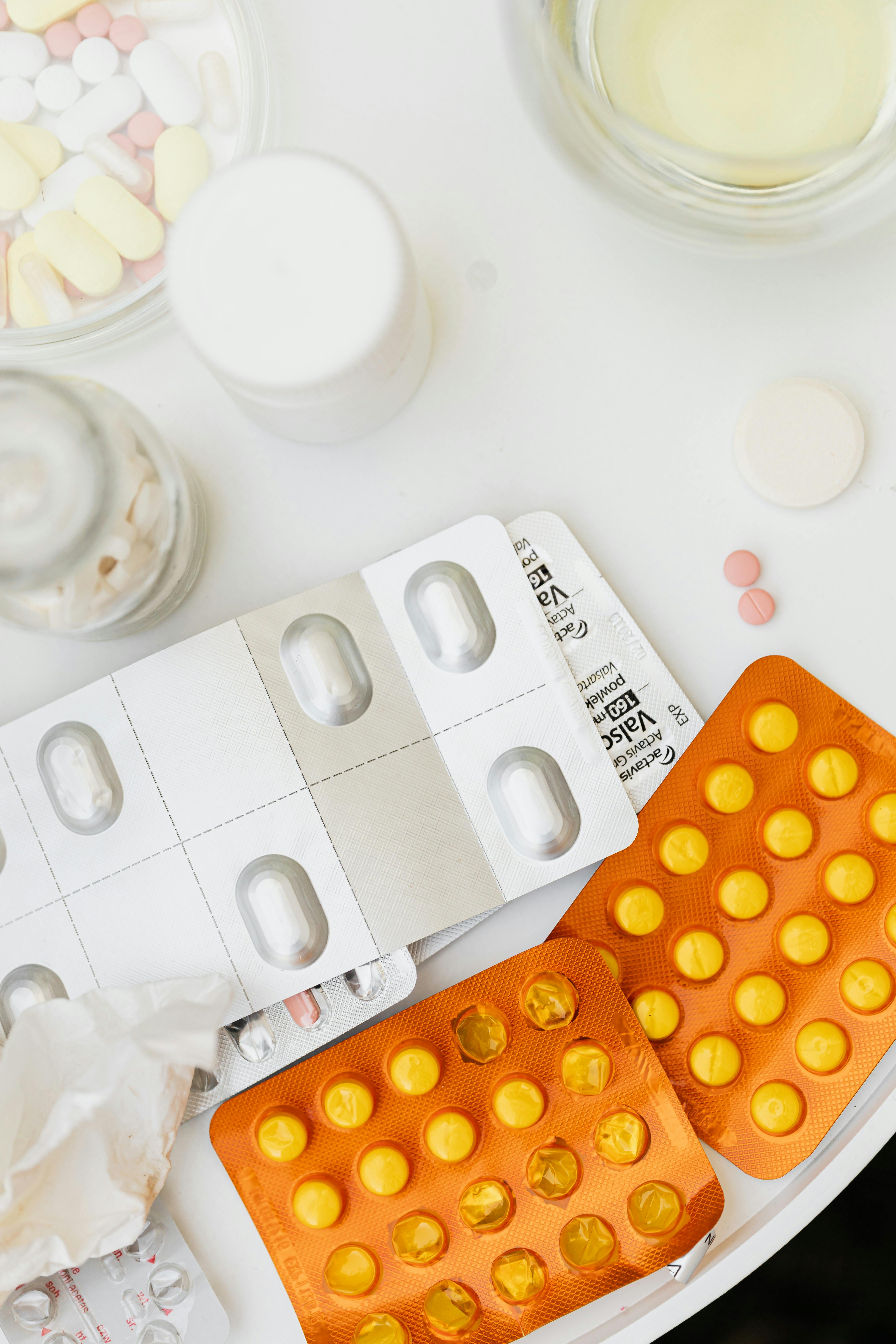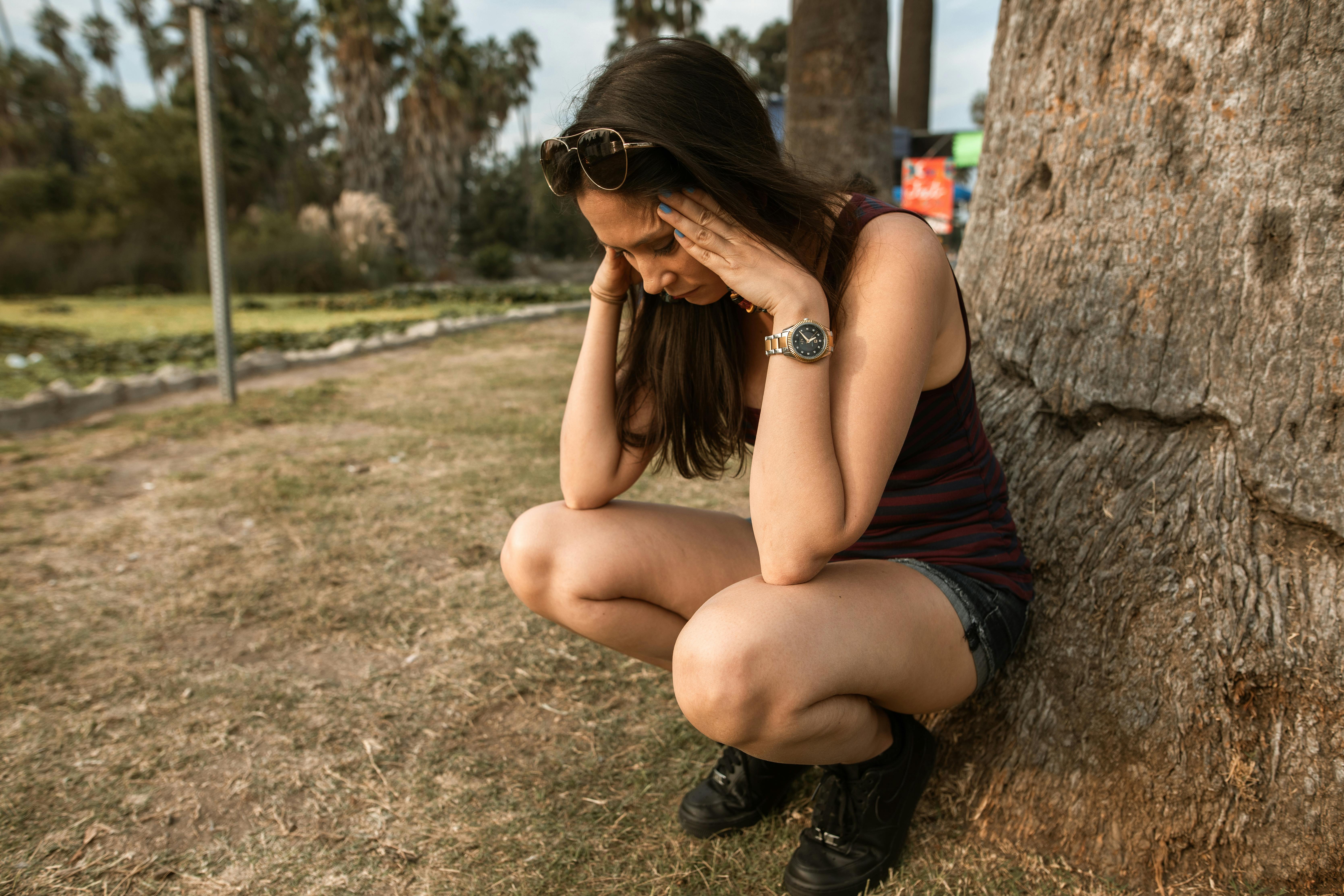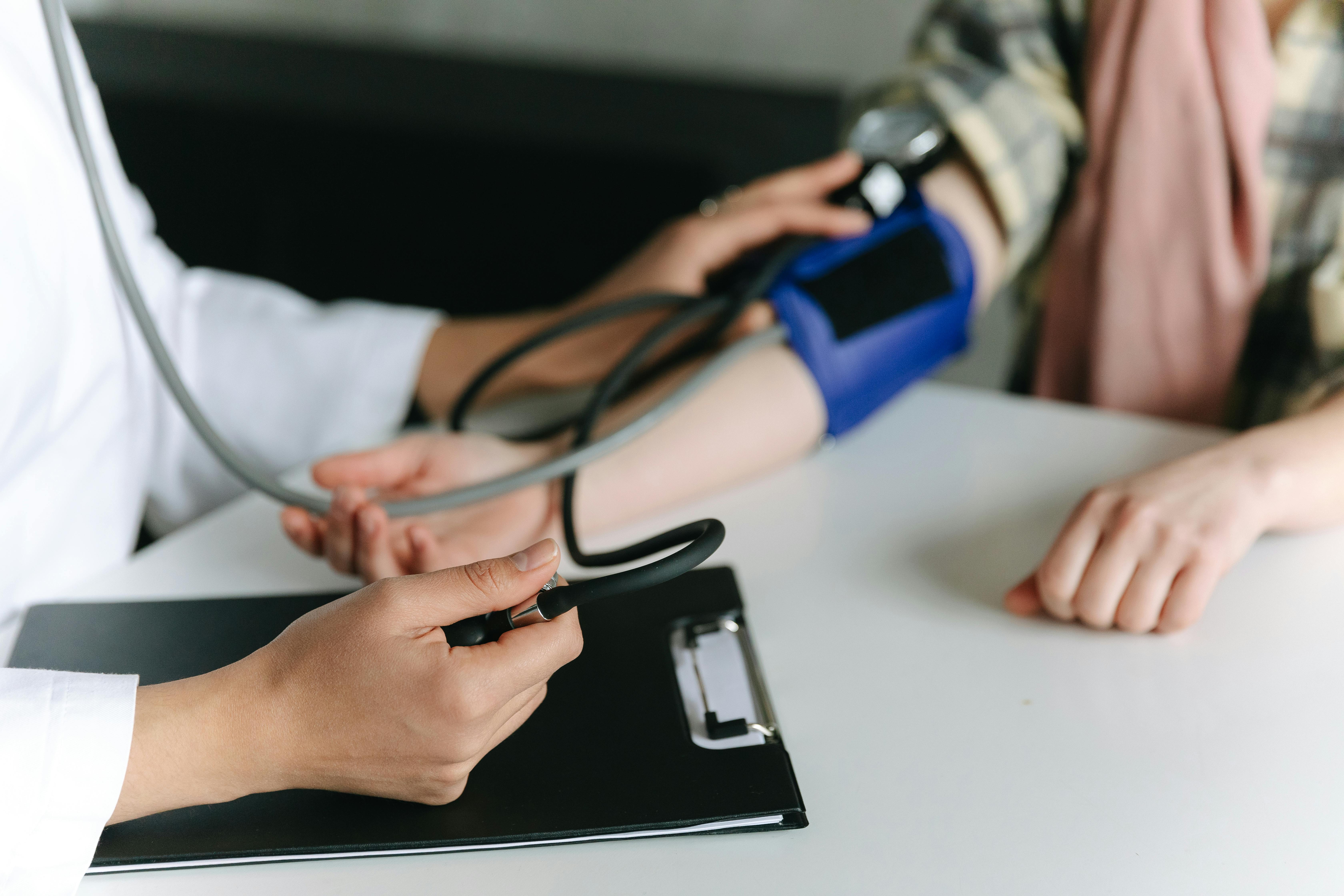

Depression doesn't follow a universal timeline. While some people experience episodes that resolve within weeks or months, others may struggle with symptoms that persist for years without proper treatment.
Understanding the typical duration of depression and the factors that influence recovery can help you set realistic expectations and make informed decisions about seeking help.
Major depressive disorder affects approximately 21 million U.S. adults annually, yet the course of the illness varies dramatically from person to person. Some individuals experience a single depressive episode, while others have recurring episodes throughout their lives. The good news is that with appropriate treatment, most people can significantly reduce both the severity and duration of their symptoms.
Key Takeaways
Without treatment, major depressive episodes can last 6-12 months on average, though they may resolve sooner or may take longer, highlighting why professional treatment is crucial rather than waiting it out.
Treatment significantly shortens depression duration: Research shows that people who receive evidence-based treatment like therapy and medication often experience substantial improvement within several weeks.
Depression type matters for timeline: Situational depression may resolve in weeks to months once stressors improve, while persistent depressive disorder (dysthymia) lasts at least 2 years by definition, and some forms become chronic without ongoing treatment.
What Is Depression?
Depression, clinically known as major depressive disorder (MDD), is more than temporary sadness or feeling down for a few days. It's a serious mental health condition characterized by persistent feelings of sadness, hopelessness, and loss of interest in activities that once brought joy.
According to the American Psychiatric Association, depression involves a combination of symptoms that interfere with daily functioning, including changes in sleep, appetite, energy levels, concentration, and self-worth. To be diagnosed with major depressive disorder, symptoms must last at least two weeks, though episodes often last much longer.
Depression exists on a spectrum, with some people experiencing mild symptoms that are manageable with lifestyle changes and therapy, while others face severe symptoms requiring more intensive treatment, including medication and sometimes hospitalization.
How Long Does a Major Depressive Episode Last?
The duration of a major depressive episode varies considerably based on individual factors and whether someone receives treatment.
Untreated Depression Timeline
Research indicates that without treatment, the median duration of a major depressive episode is approximately 6-12 months.
However, this represents a wide range, as some untreated episodes resolve within 3 months while others persist for a year or longer. About 20% of people with untreated depression still meet diagnostic criteria after one year, and around 10% continue to have symptoms for more than two years.
With Treatment
Treatment dramatically alters the duration of depression. According to clinical trials, people who receive evidence-based treatment typically begin noticing improvement within 4-6 weeks, with substantial symptom reduction by 8-12 weeks.
Treatment effectiveness timeline:
Weeks 1-2: Medication begins working at the neurochemical level, though symptoms may not yet improve noticeably.
Weeks 4-6: Many people start experiencing initial symptom relief, including better sleep and slightly improved mood.
Weeks 8-12: Significant improvement for many patients, with noticeable reduction in core depressive symptoms.
3-6 months: Continued improvement and symptom stabilization with ongoing treatment.
Research from the STAR*D trial, one of the largest depression treatment studies, found that approximately 30-35% of people achieve remission with their first treatment attempt, and cumulative remission rates increase with subsequent treatment adjustments.
Factors That Influence Depression Duration
Multiple factors determine how long depression lasts and how quickly someone recovers with treatment.
Severity of Symptoms
The severity of depression significantly impacts duration. According to research, people with mild to moderate depression tend to experience shorter episodes and respond more quickly to treatment compared to those with severe depression.
Severe depression, particularly when accompanied by psychotic features or suicidal thoughts, typically requires more intensive treatment and has a longer recovery timeline.
Type of Depression
Different depression subtypes have distinct duration patterns:
Major Depressive Disorder: Single episodes average 6-8 months untreated, but 50-85% of people experience recurrent episodes throughout their lifetime
Persistent Depressive Disorder (Dysthymia): By definition, it lasts at least 2 years, with symptoms being present on most days.
Seasonal Affective Disorder: Episodes typically last 4-5 months during fall and winter, resolving in spring.
Postpartum Depression: Without treatment, it can last several months to a year; with treatment, it typically improves within 3-6 months.
Situational Depression (Adjustment Disorder with Depressed Mood): Usually resolves within 6 months after the stressor improves or the person adapts.
Treatment Adherence
Consistent engagement with treatment dramatically shortens depression duration. Research shows that people who take medication as prescribed and attend therapy sessions regularly experience faster and more complete recovery than those with inconsistent treatment adherence.
Co-occurring Conditions
The presence of other mental health conditions or medical illnesses can extend the duration of depression. Anxiety disorders, substance use disorders, and chronic medical conditions like diabetes or heart disease are associated with longer depressive episodes and increased risk of chronicity.
Social Support and Life Circumstances
Strong social support networks and stable life circumstances are associated with shorter depression duration, while ongoing stressors, isolation, or adverse life events can prolong episodes.
Previous Episodes
People experiencing their first depressive episode tend to have shorter duration and better treatment response compared to those with multiple previous episodes. Recurrent depression often requires longer-term maintenance treatment to prevent relapse.
Chronic and Recurrent Depression
For some people, depression becomes a chronic or recurrent condition requiring long-term management strategies.
Persistent Depressive Disorder (Dysthymia)
Persistent depressive disorder (PDD) involves depressive symptoms that last for at least 2 years. While symptoms may be less severe than major depression, their chronic nature significantly impacts quality of life and functioning.
Studies show that approximately 75% of people with dysthymia will eventually experience a major depressive episode, a condition called "double depression." Treatment for PDD typically requires long-term medication and therapy to manage symptoms and prevent worsening.
Recurrent Depression
Research indicates that about 50% of people who experience one major depressive episode will have at least one more, 70% of those with two episodes will have a third, and 90% of those with three episodes will experience additional recurrences of depression.
Factors associated with increased recurrence risk:
Earlier age at first episode
Incomplete recovery from previous episodes
Family history of depression
Presence of chronic stressors or trauma history
Co-occurring anxiety or substance use disorders
Keeping up with antidepressants and therapy after you feel better can help prevent depression from coming back. Continuing medication for 6 to 12 months cuts relapse risk by roughly 70%.
When to Seek Professional Help
Knowing when to seek professional help can prevent depression from becoming chronic or worsening over time.
Warning Signs Requiring Immediate Attention
Contact a mental health professional or your primary care provider if you experience:
Persistent sad, anxious, or "empty" mood lasting more than 2 weeks
Loss of interest or pleasure in activities you once enjoyed
Significant changes in appetite or weight
Sleep disturbances (insomnia or oversleeping)
Fatigue or decreased energy nearly every day
Feelings of worthlessness or excessive guilt
Difficulty concentrating or making decisions
Thoughts of death or suicide
Emergency Situations
Seek immediate help by calling 988 (Suicide and Crisis Lifeline) or going to your nearest emergency room if you experience:
Active suicidal thoughts or plans
Thoughts of harming others
Severe depression with inability to function
Psychotic symptoms (hallucinations or delusions)
Virtual Psychiatric Care for Depression
Virtual psychiatric care has become an increasingly accessible option for depression treatment, with research demonstrating effectiveness comparable to in-person care.
Virtual appointments eliminate transportation barriers, reduce time off work, and provide access to specialists regardless of geographic location.
Platforms like Blossom Health connect patients with board-certified psychiatrists through secure video appointments covered by insurance, making evidence-based treatment more accessible for people experiencing depression.
Medical Disclaimer
This article is for informational purposes only and is not a substitute for professional medical advice, diagnosis, or treatment. Always seek the advice of your physician or other qualified healthcare provider with any questions you may have regarding a medical condition. If you are experiencing a mental health crisis, contact the 988 Suicide and Crisis Lifeline by calling or texting 988, or go to your nearest emergency room.
Sources
National Institute of Mental Health (NIMH). Major Depression. https://www.nimh.nih.gov/health/statistics/major-depression
American Psychiatric Association. What Is Depression? https://www.psychiatry.org/patients-families/depression/what-is-depression
Spijker J, de Graaf R, Bijl RV, Beekman AT, Ormel J, Nolen WA. 2022. Duration of major depressive episodes in the general population: results from The Netherlands Mental Health Survey and Incidence Study (NEMESIS). Br J Psychiatry. https://pubmed.ncbi.nlm.nih.gov/12204924/
Rush AJ, Trivedi MH, Wisniewski SR, Nierenberg AA, Stewart JW, Warden D, Niederehe G, Thase ME, Lavori PW, Lebowitz BD, McGrath PJ, Rosenbaum JF, Sackeim HA, Kupfer DJ, Luther J, Fava M. 2006. Acute and longer-term outcomes in depressed outpatients requiring one or several treatment steps: a STAR*D report. Am J Psychiatry. https://pubmed.ncbi.nlm.nih.gov/17074942/
Hardeveld F, Spijker J, De Graaf R, Hendriks SM, Licht CM, Nolen WA, Penninx BW, Beekman AT. 2013. Recurrence of major depressive disorder across different treatment settings: results from the NESDA study. J Affect Disord. https://pubmed.ncbi.nlm.nih.gov/23218899/
Cleveland Clinic. Depression. https://my.clevelandclinic.org/health/diseases/9290-depression
Cuijpers P, Sijbrandij M, Koole SL, Andersson G, Beekman AT, Reynolds CF 3rd. 2014. Adding psychotherapy to antidepressant medication in depression and anxiety disorders: a meta-analysis. World Psychiatry. https://pubmed.ncbi.nlm.nih.gov/24497254/
National Institute of Mental Health (NIMH). Persistent Depressive Disorder (Dysthymic Disorder). https://www.nimh.nih.gov/health/statistics/persistent-depressive-disorder-dysthymic-disorder
Craft LL, Perna FM. 2004. The Benefits of Exercise for the Clinically Depressed. Prim Care Companion J Clin Psychiatry. https://pmc.ncbi.nlm.nih.gov/articles/PMC474733/