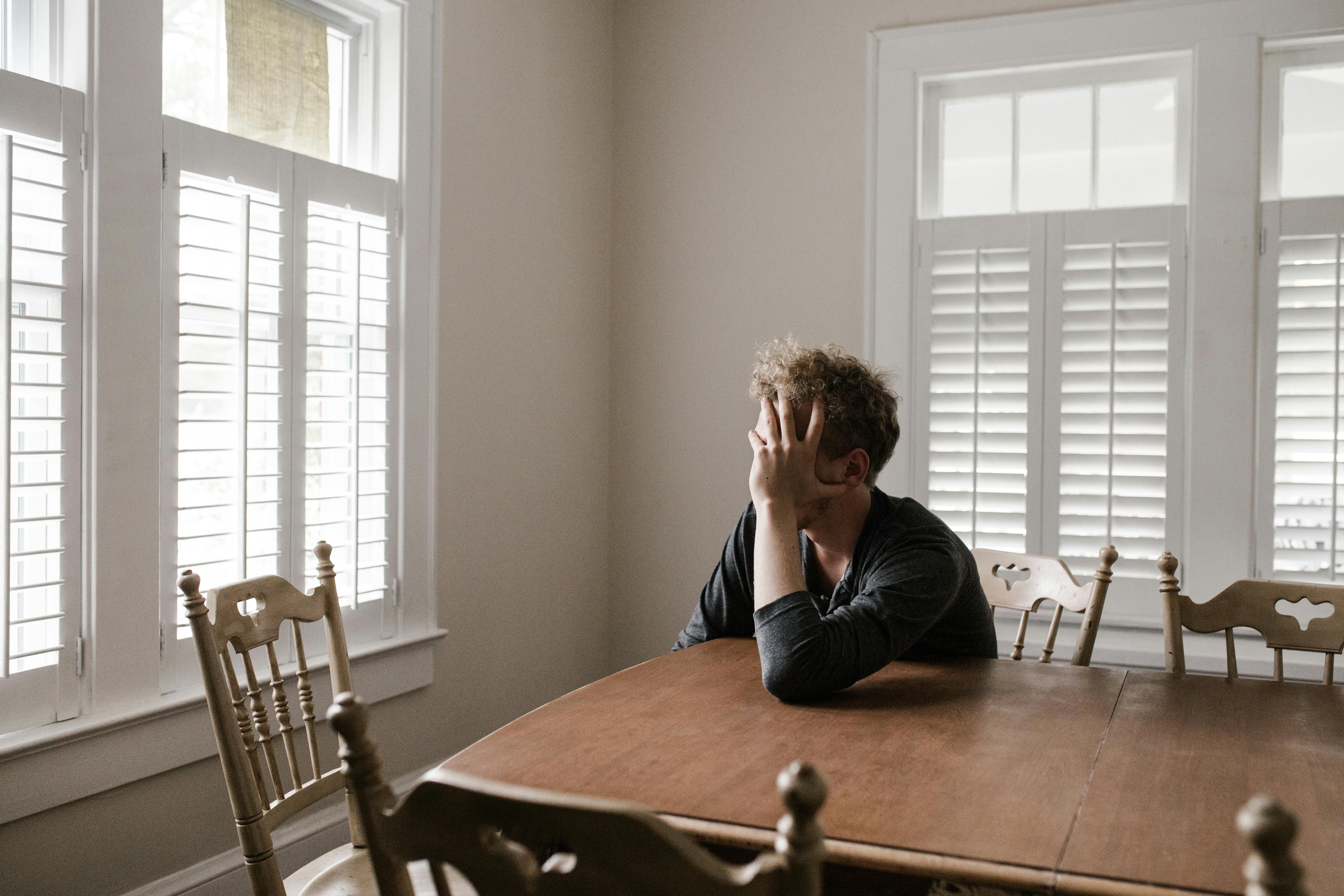
What Is Functional Depression? Understanding High-functioning Depression
Author:
Blossom Editorial



You're showing up to work, maintaining relationships, and checking off your daily to-do list, but inside, you feel chronically sad, exhausted, and empty.
This experience describes what many people call "functional depression" or "high-functioning depression," a form of depression where you continue meeting life's demands while silently struggling with persistent depressive symptoms.
Key Takeaways
Functional depression isn't an official diagnosis: The term describes managing daily responsibilities while living with depression symptoms, often related to persistent depressive disorder (PDD), a clinical condition involving chronic low-grade depression lasting at least two years.
Symptoms are real but less obvious: People with functional depression experience genuine symptoms, including persistent sadness, fatigue, low self-esteem, and difficulty concentrating, but they're often milder than major depression and may be hidden behind outward success.
Treatment is essential and effective: Just because you're "functioning" doesn't mean you should accept feeling this way. Evidence-based treatments, including therapy and medication, can significantly improve your quality of life.
What Is Functional Depression?
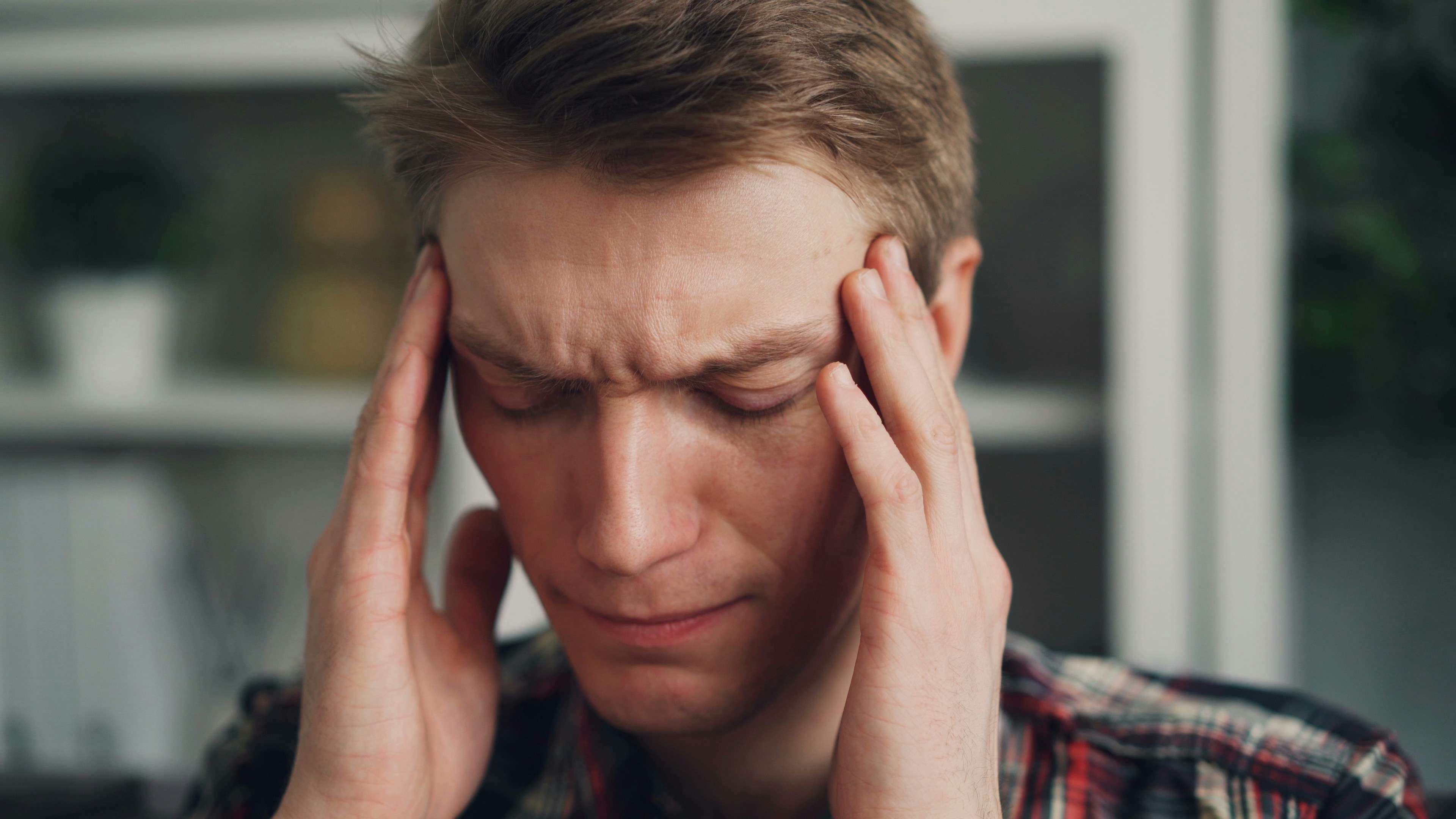
Functional depression describes the experience of living with depression symptoms while still managing daily activities like working, maintaining relationships, and fulfilling responsibilities. People with high-functioning depression may appear to be keeping up with life's demands on the outside while feeling depression symptoms on the inside.
"Functional depression" or "high-functioning depression" are not official psychiatric diagnoses in the DSM-5. Instead, these terms describe a pattern that often aligns with persistent depressive disorder (PDD), previously known as dysthymia.
Persistent Depressive Disorder: The Clinical Diagnosis
When mental health professionals evaluate what people describe as functional depression, they're often diagnosing PDD, which involves low-grade depression with symptoms that persist for at least two years, with depressed mood lasting most of each day.
Key features include depressed mood present most days for at least two years, never being symptom-free for more than two months during that period, symptoms causing distress but allowing for continued functioning, and the person has never experienced mania or hypomania.
Common Signs and Symptoms of Functional Depression
The symptoms of functional depression mirror those of clinical depression but may be less intense, making them easier to overlook or dismiss.
Emotional and mental symptoms
Persistent sadness or emptiness: A lingering feeling that doesn't go away even during positive experiences.
Low self-esteem: Chronic feelings of inadequacy that persist even when accomplishing goals.
Hopelessness about the future: Difficulty feeling optimistic or looking forward to things.
Difficulty concentrating: Struggling to focus on tasks, though you manage to push through.
Loss of interest or pleasure: Activities that once felt enjoyable now feel less appealing or meaningful.
Physical symptoms
Research from Columbia University indicates that people with high-functioning depression commonly experience chronic fatigue and low energy even after adequate sleep. Other physical symptoms include:
Sleep disturbances (insomnia or oversleeping)
Appetite changes (eating too much or too little)
Unexplained physical complaints (headaches, body aches)
Persistent tiredness that doesn't improve with rest
Behavioral symptoms
Perfectionism or overworking: Using achievement as a coping mechanism to manage internal distress.
Social withdrawal: Gradually pulling back from social activities and relationships.
Irritability: Expressing distress through frustration rather than obvious sadness.
Masking: Actively hiding symptoms from others and maintaining an appearance that everything is fine.
Why Functional Depression Often Goes Unrecognized
Several factors make functional depression particularly difficult to identify. When you're meeting obligations and appearing successful, both you and others may dismiss struggles. According to Columbia University, people describe this as "a floating duck”—everything seems calm on the surface, but they may be furiously paddling underneath.
Because functional depression doesn't involve severe impairment, like being unable to get out of bed, it's easy to minimize. When symptoms persist for years, they can feel like your normal baseline rather than a treatable condition.
The Anxiety and Depression Association of America notes that calling someone "high-functioning" with depression can minimize the condition's seriousness, potentially leading to delayed treatment.
Functional Depression vs. Major Depressive Disorder
Persistent depressive disorder involves chronic low-grade depression lasting at least two years, with symptoms present most days. Major depressive disorder involves episodes lasting at least two weeks, with more intense symptoms that significantly impair functioning.
People with PDD typically maintain the ability to work and manage relationships, though everything requires extra effort.
During major depressive episodes, functioning often deteriorates noticeably. Both conditions share many symptoms, but major depression may include marked loss of interest in nearly all activities, significant weight changes, psychomotor changes noticeable to others, intense feelings of worthlessness, and recurrent thoughts of death.
How Functional Depression Impacts Your Life
Just because you're functioning doesn't mean you're flourishing. Functional depression can take a significant toll on quality of life.
You may be meeting responsibilities but missing out on joy, connection, and fulfillment. Research indicates that people with PDDr are at higher risk of developing major depressive disorder. Chronic depression affects physical health through weakened immune function, increased inflammation, higher cardiovascular risk, and disrupted sleep.
When to Seek Professional Help
If you're experiencing symptoms of functional depression, professional help can significantly improve your quality of life.
Consider seeking support if you've felt depressed most days for months or years, life feels like "going through the motions," you can't remember genuine happiness, everything requires more effort than it should, you're using substances to cope, or friends express concern about your mood.
It is important to note that if symptoms cause significant distress or you're no longer able to maintain work or daily activities, you should seek professional help.
Treatment Options
The good news is that PDDresponds well to treatment. Psychotherapy, particularly cognitive behavioral therapy (CBT), helps identify and change negative thought patterns. Interpersonal therapy focuses on improving relationship patterns. Mindfulness-based therapies help reduce rumination.
When symptoms significantly impact functioning, antidepressant medication may be recommended. Selective serotonin reuptake inhibitors (SSRIs) and serotonin and norepinephrine reuptake inhibitors (SNRIs) are commonly prescribed for persistent depressive disorder. Research shows that combining medication with psychotherapy often produces better outcomes than either alone.
Lifestyle modifications that support recovery include regular exercise, consistent sleep schedule, balanced nutrition, stress management, social connection, and limiting alcohol.
How Blossom Health Can Help
If you recognize symptoms of functional depression, Blossom Health's board-certified psychiatrists can provide a comprehensive evaluation and personalized treatment through virtual appointments covered by in-network insurance.
Our providers understand that depression doesn't always look expected—you can be successful while struggling internally. You don't have to accept feeling this way as normal. Treatment can help you move from just functioning to actually thriving. Learn more at www.joinblossomhealth.com.
Medical Disclaimer
This article is for informational purposes only and is not a substitute for professional medical advice. If you are experiencing a mental health crisis, contact the 988 Suicide and Crisis Lifeline.
Sources
Cleveland Clinic. What Is High-Functioning Depression?. https://health.clevelandclinic.org/high-functioning-depression
Columbia University. Could You Have High-Functioning Depression?. https://www.columbiadoctors.org/news/could-you-have-high-functioning-depression
Medical News Today. High-functioning depression: Definition and symptoms. https://www.medicalnewstoday.com/articles/high-functioning-depression
Bridges to Recovery. Signs and Symptoms of High-Functioning Depression. https://www.bridgestorecovery.com/high-functioning-depression/signs-symptoms-high-functioning-depression/
ADAA. Dispelling Misconceptions About High-Functioning Depression. https://adaa.org/learn-from-us/from-the-experts/blog-posts/consumer/misconceptions-high-functioning-depression
American Psychiatric Association. Diagnostic and Statistical Manual of Mental Disorders (DSM-5). https://www.psychiatry.org/psychiatrists/practice/dsm
NIMH. Persistent Depressive Disorder (Dysthymic Disorder). https://www.nimh.nih.gov/health/statistics/persistent-depressive-disorder-dysthymic-disorder
WHO. Depression. https://www.who.int/news-room/fact-sheets/detail/depression