How Long Does Trazodone Last? Half-Life, Duration, and What to Expect
Author:
Blossom Editorial

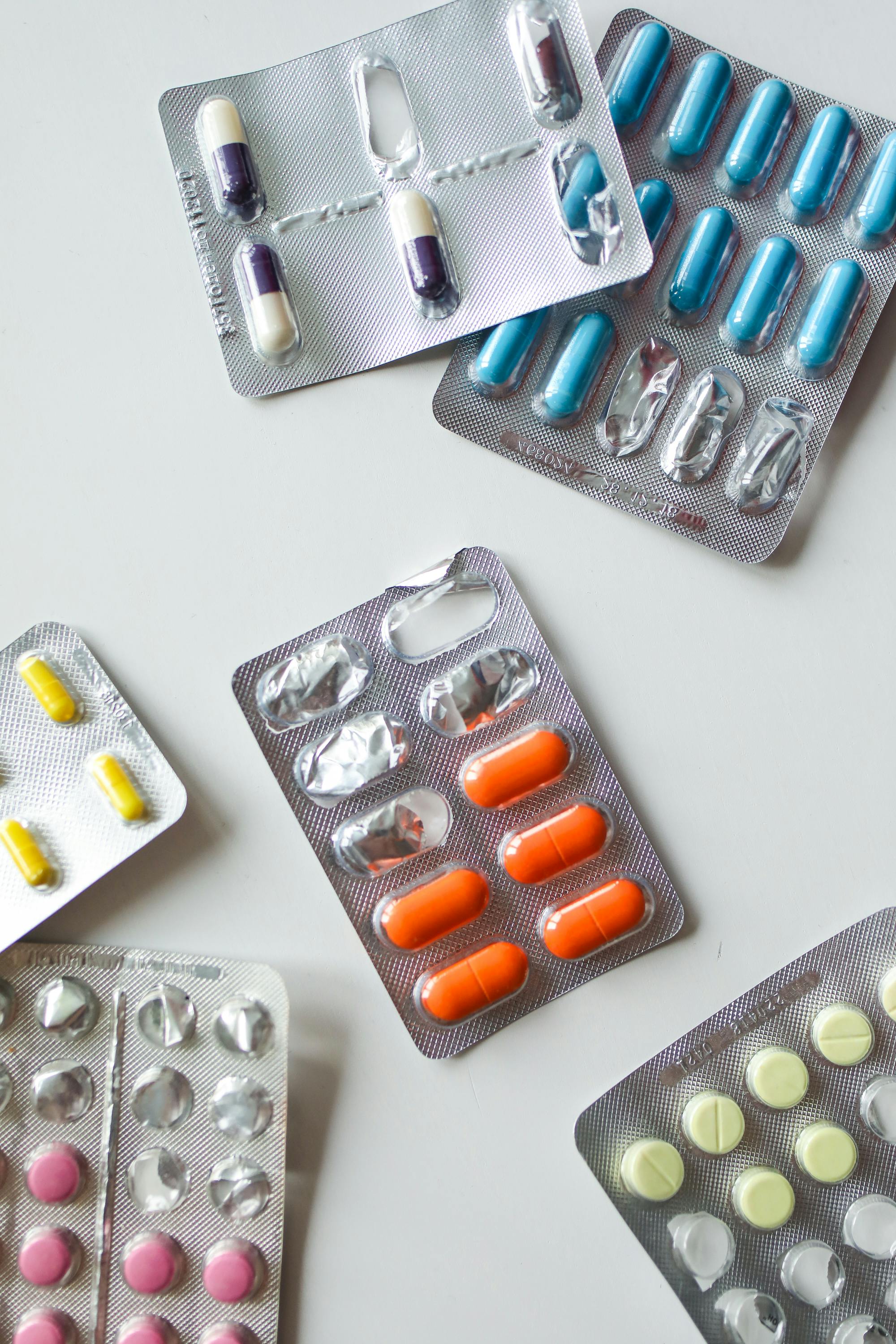

Trazodone is one of the most commonly prescribed medications for depression and sleep. However, its sedative effects typically wear off within several hours, while the medication itself may stay in your system for up to two days. And for its antidepressant effects to fully kick in, it can take weeks.
Understanding these timelines can help you take trazodone more effectively, manage side effects, and know what to expect from treatment.
Key Takeaways
Trazodone's sedative effects typically last 6 to 10 hours, making it well-suited for sleep when taken at bedtime, though next-day grogginess can occur.
The medication itself stays in your system for approximately 25 to 45 hours after a single dose, depending on your age, metabolism, and liver function.
For its antidepressant effects, trazodone generally takes two to four weeks to begin working, with full benefit often reached at six to eight weeks.
What Is Trazodone?
Trazodone is a serotonin antagonist and reuptake inhibitor (SARI), originally FDA-approved in 1981 for the treatment of major depressive disorder. It works by blocking certain serotonin receptors and slowing down how quickly serotonin is reabsorbed, which leaves more of it available in the brain. Because of this two-part effect, it can help with both mood and sleep.
Trazodone is also widely used off-label for insomnia, generalized anxiety disorder, PTSD-related sleep disturbances, and other conditions. In 2023, it ranked as the 21st most commonly prescribed medication in the United States.
How Long Does Trazodone Last in the Body?
To understand how long trazodone lasts, it helps to know about half-life, which is the amount of time it takes for the concentration of a drug in your bloodstream to decrease by half.
Trazodone's half-life ranges from approximately 5 to 9 hours for the immediate-release formulation. The extended-release version has a longer half-life of about 9 to 13 hours. It remains in your system for approximately 25 to 45 hours after a single dose, or roughly one to two days. However, trace amounts can linger somewhat longer.
Approximately 70 to 75% of trazodone is excreted in the urine within 72 hours of an oral dose, primarily as metabolites. Trazodone also has an active metabolite called m-chlorophenylpiperazine (mCPP), which has a longer half-life than trazodone itself and can contribute to both the drug's effects and some of its side effects.
Factors that can extend trazodone's half-life include:
Older age (metabolism slows with age)
Liver impairment (trazodone is broken down by the liver)
Kidney dysfunction
Taking other medications that interfere with liver enzymes, particularly CYP3A4 inhibitors (Medicines responsible for inhibiting the CYP3A4 enzyme, responsible for early metabolism).
How Long Do the Effects Last?
It is important to distinguish between how long trazodone stays in your system and how long its effects actually last.
Sedative Effects (for Sleep)
At low doses of 25 to 100 mg, trazodone produces sedation primarily by blocking histamine H1 and alpha-1 adrenergic receptors. Research shows that at these low doses, trazodone's sedative effects typically last about 6 to 8 hours, long enough to support a full night's sleep without significant next-day drowsiness for most people.
When taken at bedtime, peak blood levels occur roughly one to two hours after the dose (sooner on an empty stomach, somewhat later with food). Most people begin feeling drowsy within 30 to 60 minutes.
Next-Day Grogginess
Some people experience residual sedation the morning after taking trazodone. This is more likely with higher doses and in older adults or people with slower metabolism. If next-day grogginess is a consistent problem, speak with your prescriber; adjusting the dose or timing may help.
Antidepressant Effects
For depression, trazodone works differently than it does for sleep. Its antidepressant effect comes from both blocking certain serotonin receptors and increasing serotonin levels. This usually requires higher doses and takes time to build up in your system..
A study notes that initial effects of most antidepressants, including trazodone, begin to appear within two weeks, with full benefit generally not achieved until six to eight weeks of consistent use.
This is why it is important not to stop trazodone prematurely if you are using it for depression. The medication may not feel like it is "working" at first, but that does not mean it is not having an effect.
Trazodone for Depression vs. Sleep: Different Doses, Different Timelines
One of the notable aspects of trazodone is that the dose used for sleep is much lower than the dose required for its antidepressant effect.
For depression: Standard doses range from 150 to 400 mg per day, typically divided into multiple doses. At these higher doses, both serotonin reuptake inhibition and receptor blockade are active, and therapeutic effects build over several weeks.
For sleep (insomnia): Doses of 25 to 100 mg are commonly used. At this level, the sedating receptor-blocking effects dominate, while the antidepressant mechanism is less active. These effects are felt the same night.
A study has found that the 3-to-9-hour half-life of trazodone actually favors taking a weighted dose at bedtime, and that this approach produced better sleep with less daytime drowsiness compared to splitting doses throughout the day.
Reaching Steady State
When trazodone is taken consistently every day, it builds up to a steady state, a stable concentration in the bloodstream that does not fluctuate dramatically between doses. This typically happens after about five half-lives, or roughly three to five days of regular dosing.
At steady state, the antidepressant effects are more consistent, and any side effects (positive or negative) that have emerged tend to stabilize as well.
What Affects How Long Trazodone Lasts in Your Body?
Several factors influence how quickly or slowly your body processes trazodone:
Age: Older adults typically metabolize trazodone more slowly, meaning effects and side effects may last longer.
Liver health: Trazodone is metabolized primarily by the liver (through CYP3A4, CYP2D6, and CYP1A2 enzymes). Liver disease can significantly slow its clearance and lead to higher drug levels.
Drug interactions: Medications that inhibit these liver enzymes, such as certain antifungals, antibiotics, or other antidepressants, can cause trazodone to accumulate.
Dose: Higher doses take longer to clear and can produce longer-lasting effects.
Food: Taking trazodone with food slightly delays peak absorption but can improve tolerability and reduce stomach upset.
When to Talk to Your Provider
If you feel that trazodone's effects are not lasting long enough, wearing off too quickly, or lasting too long into the next day, bring it up with your prescriber. These are all manageable issues with dose adjustments or timing changes.
You should also contact your provider if you experience:
Persistent next-day sedation that interferes with work or driving
No improvement in sleep or mood after several weeks
Side effects that feel like they are lasting longer than expected
Do not adjust your dose on your own or stop taking trazodone suddenly, as this can cause discontinuation symptoms. If you require help managing your trazodone dose, visit Blossom Health. Our certified providers give the best advice on managing your trazadone dose so that you get the best care for your health. To learn more, visit https://www.joinblossomhealth.com/.
Medical Disclaimer
This article is for informational purposes only and is not a substitute for professional medical advice, diagnosis, or treatment. Always seek the advice of your physician or qualified healthcare provider with questions about your medication. If you are experiencing a mental health crisis, call or text 988.
Sources
NCBI StatPearls. Trazodone. ncbi.nlm.nih.gov
Jaffer KY, Chang T, Vanle B, Dang J, Steiner AJ, Loera N, Abdelmesseh M, Danovitch I, Ishak WW. 2017. Trazodone for Insomnia: A Systematic Review. Innov Clin Neurosci. https://pmc.ncbi.nlm.nih.gov/articles/PMC5842888/
Yu, Y., Sun, X., Hao, L. et al. 2025. A realworld pharmacovigilance study of trazodone based on the FDA adverse event reporting system. Sci Rep. https://www.nature.com/articles/s41598-025-89632-7#citeas
Fabre LF. 1990. Trazodone dosing regimen: experience with single daily administration. J Clin Psychiatry. https://pubmed.ncbi.nlm.nih.gov/2211561/
FDA. Trazodone Hydrochloride Prescribing Information. https://www.accessdata.fda.gov/drugsatfda_docs/label/2017/018207s032lbl.pdf
Mayo Clinic. Trazodone (Oral Route). https://www.mayoclinic.org/drugs-supplements/trazodone-oral-route/description/drg-20061280
Pelayo R, Bertisch SM, Morin CM, Winkelman JW, Zee PC, Krystal AD. 2023. Should Trazodone Be First-Line Therapy for Insomnia? A Clinical Suitability Appraisal. J Clin Med. https://pmc.ncbi.nlm.nih.gov/articles/PMC10146758/
MedlinePlus. Trazodone. https://medlineplus.gov/druginfo/meds/a681038.html
NIMH. Mental Health Medications. https://www.nimh.nih.gov/health/topics/mental-health-medications
American Psychiatric Association. What Is Psychiatry? https://www.psychiatry.org/patients-families/what-is-psychiatry