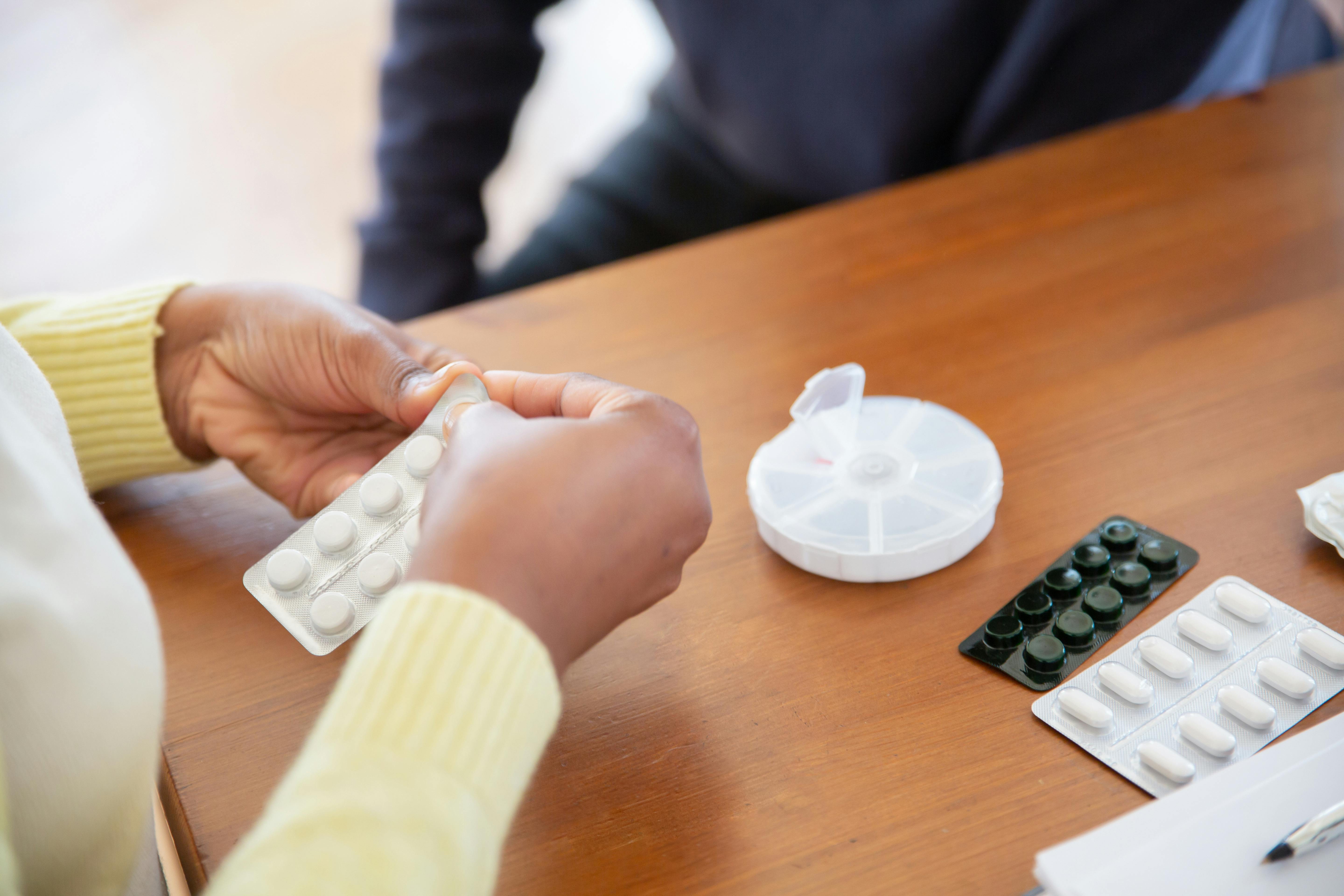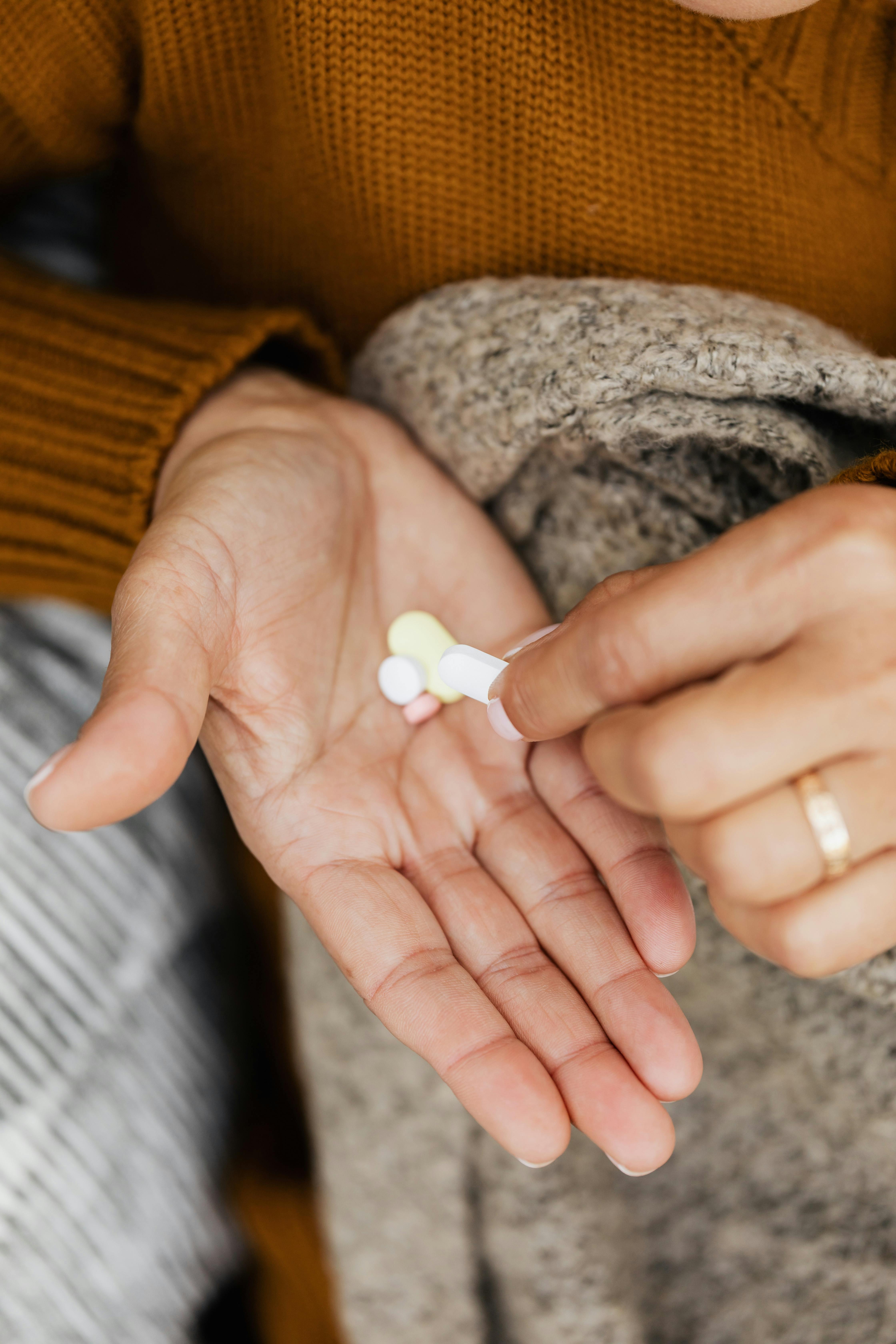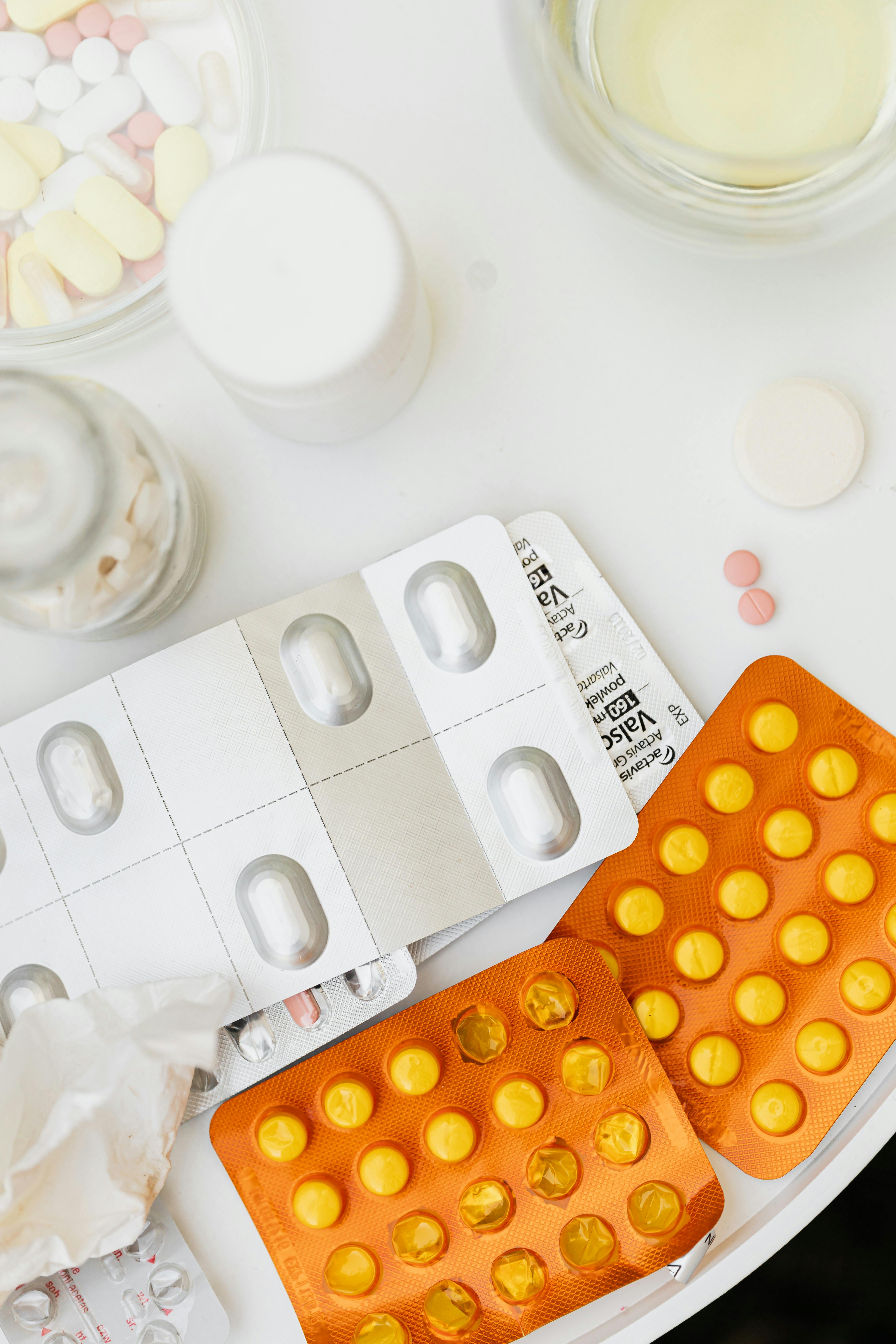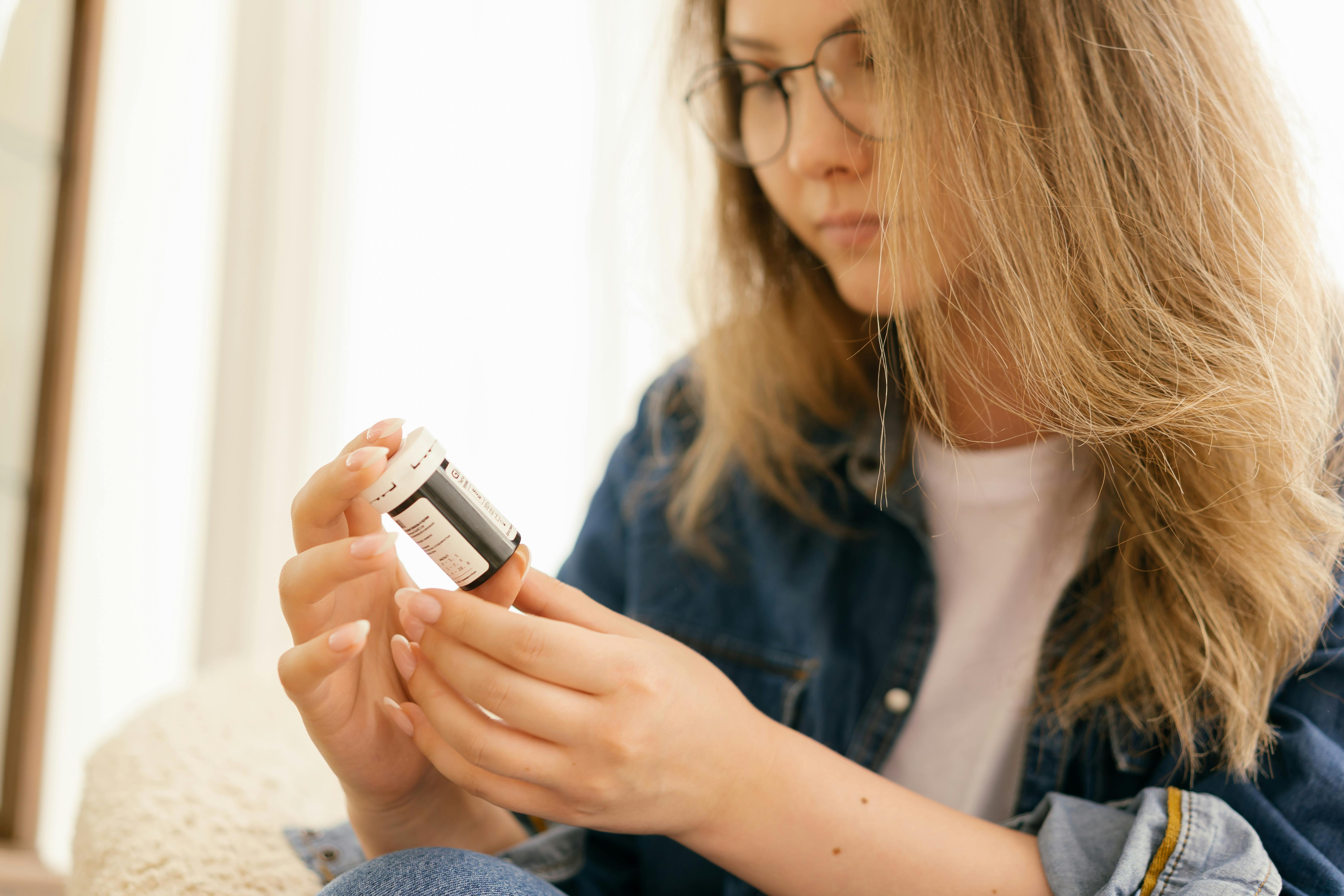

Propranolol is a beta-blocker medication that has been used in medicine for over 50 years. It was first developed to treat heart conditions, but it’s now used for treatment and management of several health concerns, including blood pressure, chest pains, irregular heartbeats, and migraine prevention. It is also used for the off-label treatment of performance anxiety.
If your doctor has prescribed propranolol or you’ve heard about it for managing anxiety symptoms, here’s what to know about how it works and what conditions it can treat.
Key Takeaways
Propranolol is FDA-approved to treat several heart conditions, including high blood pressure, angina, certain heart rhythm disorders, and essential tremor. It is also approved for migraine prevention and treatment of infantile hemangiomas (a type of skin tumour in infants).
It is also used off-label for performance anxiety and situational anxiety, where it can help control physical symptoms like a racing heart, trembling, and sweating. It typically begins working within 30 to 60 minutes.
Propranolol can help with physical symptoms of anxiety, but does not treat the emotional or cognitive aspects. It is not FDA-approved for anxiety and is usually used for specific, short-term situations rather than as a daily anxiety medication.
What Is Propranolol?
Propranolol is a nonselective beta-adrenergic receptor blocker—commonly called a beta-blocker. It works by blocking beta-1 and beta-2 receptors in the heart and blood vessels. This slows the heart rate, reduces the force of heart contractions, and lowers blood pressure.
It was first approved by the FDA in 1967 and is now used to treat a variety of heart conditions. A historical review published in PMC notes that it became “a powerful tool for physicians in the treatment of numerous conditions,” from cardiovascular disease to tremors and anxiety.
FDA-Approved Uses of Propranolol
Propranolol is FDA-approved for several conditions, including:
High blood pressure(Hypertension): Propranolol helps lower blood pressure by slowing the heart rate and reducing the pressure on blood vessels.
Chest pain (Angina pectoris): It reduces the heart’s oxygen demand, which in turn helps to prevent chest pain.
Heart rhythm disorders (Cardiac arrhythmias): It helps regulate certain abnormal heart rhythms including atrial fibrillation.
Migraine prevention: Propranolol is one of the most well-studied medications for reducing the frequency and severity of migraine headaches.
Essential tremor: It is the only FDA-approved drug for essential tremor, and helps reduce involuntary shaking.
Infantile hemangiomas: Under the brand name Hemangeol, liquid propranolol is approved for treating certain blood vessel growths in infants.
Post-heart attack: It may help reduce the risk of future heart problems in people who have had a heart attack.
Off-Label Use of Propranolol for Anxiety
Propranolol is sometimes used off-label to help manage the physical symptoms of anxiety, especially in performance or high-pressure situations.
How It Helps with Anxiety
When you feel anxious, your body releases stress hormones like adrenaline (also known as epinephrine). This triggers the “fight-or-flight” response in your body and can lead to a racing heart, shaking, sweating, and other physical symptoms.
Propranolol blocks the effects of these hormones, helping reduce these physical symptoms. It’s important to know that propranolol does not treat the emotional or cognitive aspects of anxiety. Meaning it won’t usually quiet your worried thoughts or feelings of dread. It is usually used for short-term or situational anxiety rather than chronic anxiety disorders like generalized anxiety disorder (GAD).
Who Uses It for Anxiety?
Propranolol has been used for performance anxiety by musicians, public speakers, students, and professionals. An article published in the Victorian Journal of Music Education noted that beta-blockers such as propranolol are used by musicians for performances. For example, pianists used it to reduce hand tremors, violinists used it to reduce shaking and sweaty palms, and performers used it to prevent dry mouth.
While it’s not FDA-approved to treat anxiety, some providers may recommend ‘off-label’ use of propranolol for situational anxiety before an anxiety-inducing event. The medication can take 1 to 2 hours to take effect. However, the timing and dose can vary, so it’s important to follow your provider’s guidance.
How Propranolol Compares to Other Anxiety Treatments
It’s helpful to understand what sets propranolol apart from anti-anxiety medications:
SSRIs and SNRIs (such as sertraline, escitalopram, venlafaxine): Often used as the first-line treatments for anxiety disorders. They work on the brain and may take several weeks to become fully effective.
Benzodiazepines (such as alprazolam, lorazepam): These work quickly to reduce both physical and psychological anxiety symptoms, but they carry a risk of dependence and are generally recommended only for short-term use.
Propranolol: Works quickly (within 1 to 2 hours) to reduce physical symptoms only. It does not affect emotional symptoms, or carry a risk of dependence and is usually used for occasional situations.
Because propranolol targets a different system than traditional anxiety medications, some providers may use it as a complement to SSRIs or therapy rather than a replacement.
Side Effects of Propranolol and Precautions
Common side effects of propranolol may include:
Fatigue or drowsiness
Cold hands and feet
Dizziness or lightheadedness
Nausea or stomach upset
Slow heart rate (bradycardia)
Propranolol should not be used by people with certain health conditions, including asthma, a history of severe heart failure, very slow heart rates, or certain heart block conditions. It can also mask signs of low blood sugar in people with diabetes, so careful monitoring is important.
If you’re considering medication for anxiety or other mental health symptoms, working with a well-trained and licensed psychiatrist can be an appropriate first step. Whether you’re exploring medication options, managing side effects, or looking for ongoing psychiatric support, our providers can help. Get started with Blossom Health today.
Medical Disclaimer
This article is for educational purposes only and does not constitute medical advice. The information provided should not replace consultation with a qualified healthcare provider. Individual responses to medications can vary significantly, and what applies to one person may not be the same for another.
Always consult with your doctor or pharmacist before making any decisions about medication changes, discontinuation, or interactions with other substances. If you’re experiencing concerning symptoms or side effects, please seek professional help from a healthcare provider.
In case of a medical emergency, contact your local emergency services immediately or call 911. For mental health emergencies, contact the National Suicide Prevention Lifeline at 988.
Sources
StatPearls, NCBI Bookshelf. (May 01, 2023). Propranolol. https://www.ncbi.nlm.nih.gov/books/NBK557801/
Srinivasan A. V. (2019). Propranolol: A 50-Year Historical Perspective. Annals of Indian Academy of Neurology, 22(1), 21–26. https://doi.org/10.4103/aian.AIAN_201_18 Patston, T., & Loughlan, T. (2014). Playing with performance: The use and abuse of beta-blockers in the performing arts. Victorian Journal of Music Education, (1), 3-10.
Drugs.com. (February 02, 2026). Propranolol. https://www.drugs.com/propranolol.html
FDA. Inderal (propranolol) Prescribing Information. accessdata.fda.gov
National Institute of Mental Health (NIMH). (December 2024). Anxiety Disorders. https://www.nimh.nih.gov/health/topics/anxiety-disorders
Silberstein, S. D., Holland, S., Freitag, F., Dodick, D. W., Argoff, C., Ashman, E., & Quality Standards Subcommittee of the American Academy of Neurology and the American Headache Society (2012). Evidence-based guideline update: pharmacologic treatment for episodic migraine prevention in adults: report of the Quality Standards Subcommittee of the American Academy of Neurology and the American Headache Society. Neurology, 78(17), 1337–1345. https://doi.org/10.1212/WNL.0b013e3182535d20
Cleveland Clinic. (April 17, 2025). Beta-Blockers. https://my.clevelandclinic.org/health/treatments/22318-beta-blockers
Mayo Clinic. (March 01, 2026). Propranolol (Oral Route). https://www.mayoclinic.org/drugs-supplements/propranolol-oral-route/description/drg-20071164