
Bringing home a new baby is one of the most significant transitions a person can experience. Alongside the joy, there is often worry, and for many new parents, that worry crosses the line into anxiety that is persistent, overwhelming, and hard to control. Postpartum anxiety is more common than most people realize, and it is often overlooked in favor of postpartum depression.
Anxiety disorders affect approximately 15–20% of women in the postpartum period, making postpartum anxiety at least as common as postpartum depression, if not more so. Despite this, postpartum anxiety often goes unrecognized and untreated.
Key Takeaways
Postpartum anxiety affects an estimated 15–20% of new mothers and can develop at any time within the first year after giving birth. It is not just "new parent nerves," but a clinical condition that interferes with daily functioning and bonding.
Symptoms include persistent, intrusive worry, physical tension, sleep problems (beyond newborn disruptions), and sometimes intrusive thoughts about harm coming to the baby. These symptoms often look different from postpartum depression.
Postpartum anxiety is highly treatable with therapy, medication, or both. Seeking help is a sign of strength, and effective treatment allows you to be more present for yourself and your baby.
What Is Postpartum Anxiety?
Postpartum anxiety is not a single diagnosis but a category of anxiety-related conditions that develop during the postpartum period, generally defined as the first 12 months after giving birth. It includes generalized postpartum anxiety, postpartum panic disorder, and postpartum OCD (characterized by intrusive thoughts, often about the baby's safety). Though fathers and non-birthing parents can experience postpartum anxiety as well, it is most extensively studied in mothers.
The condition is distinct from the "baby blues," the brief period of mood fluctuation, tearfulness, and emotional sensitivity that affects up to 80% of new mothers in the first week or two after delivery. Baby blues resolve on their own within two weeks. Postpartum anxiety, by contrast, is persistent, worsens rather than improves without treatment, and significantly interferes with daily life and parenting.
Postpartum Anxiety vs. Postpartum Depression: What's the Difference?
Postpartum anxiety and depression are often discussed together, and they can co-occur, but they have distinct presentations. Understanding the difference matters because the treatment approaches, while overlapping, are not identical.
Postpartum depression: Characterized by persistent sadness, hopelessness, emotional numbness, loss of interest in activities, and in some cases, intrusive thoughts. The primary emotional tone is low and flat.
Postpartum anxiety: Characterized by excessive, uncontrollable worry, often focused on the baby's health and safety, along with physical tension, restlessness, sleep disruption, and sometimes panic attacks. The primary emotional tone is fearful and hyperactivated.
Many women experience elements of both, with high rates of co-occurrence. Moreover, the comorbidity between postpartum anxiety and depression is substantial, with many women meeting criteria for both.
Symptoms of Postpartum Anxiety
Postpartum anxiety can look different in different people, but common symptoms include:
Emotional and Cognitive Symptoms
Constant, excessive worry about the baby's health, breathing, feeding, or safety, even when reassured that everything is fine
Intrusive, unwanted thoughts about something bad happening to the baby; these are ego-dystonic (meaning they feel disturbing and contrary to your values) and are not the same as intent
Feeling unable to relax even when the baby is sleeping safely
Racing thoughts or a mind that won't quiet down
Irritability or feeling on edge
Dread or a persistent sense that something is about to go wrong
Physical Symptoms
Heart racing or palpitations
Shortness of breath or chest tightness
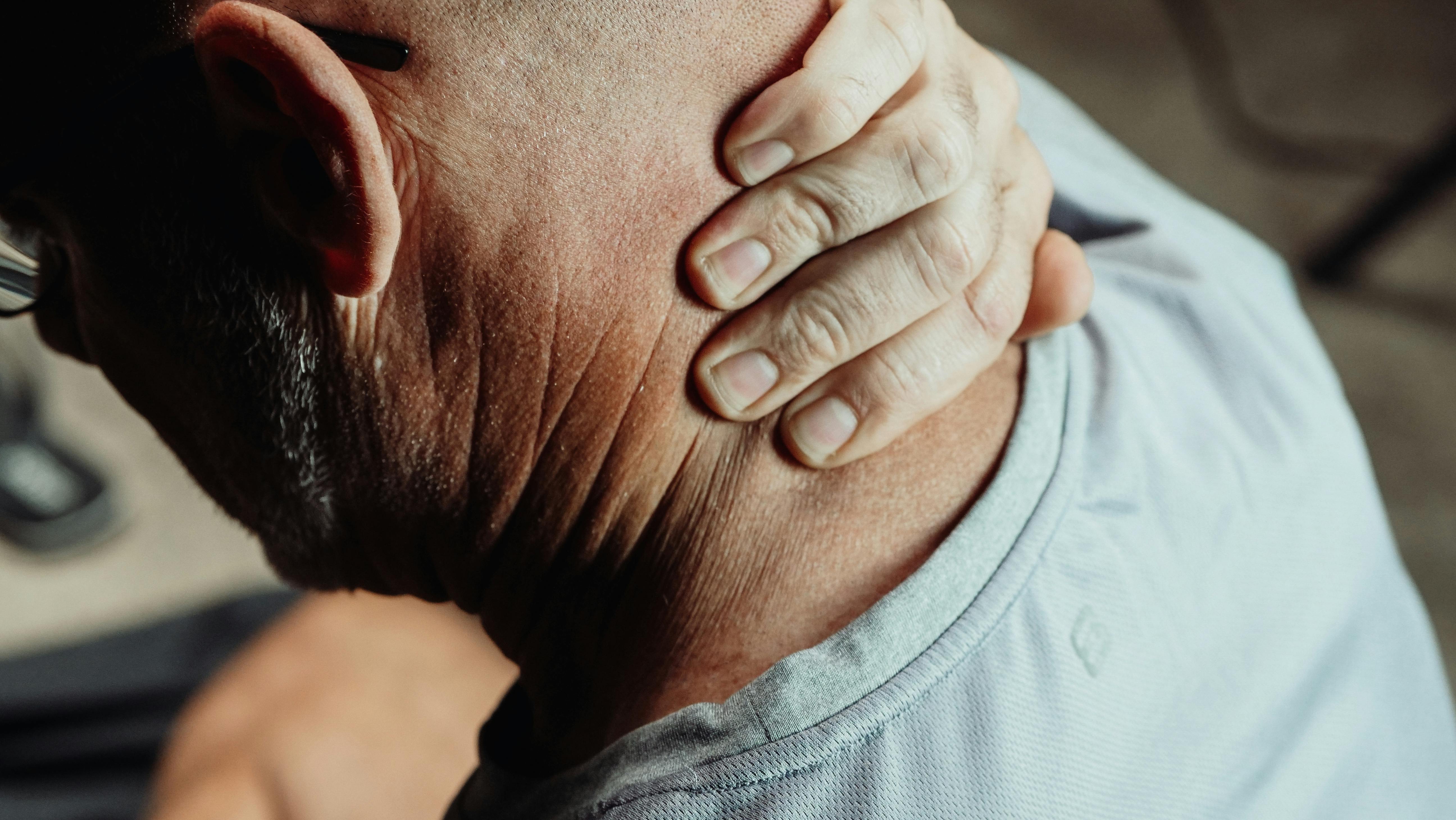
Muscle tension, especially in the shoulders, neck, or jaw
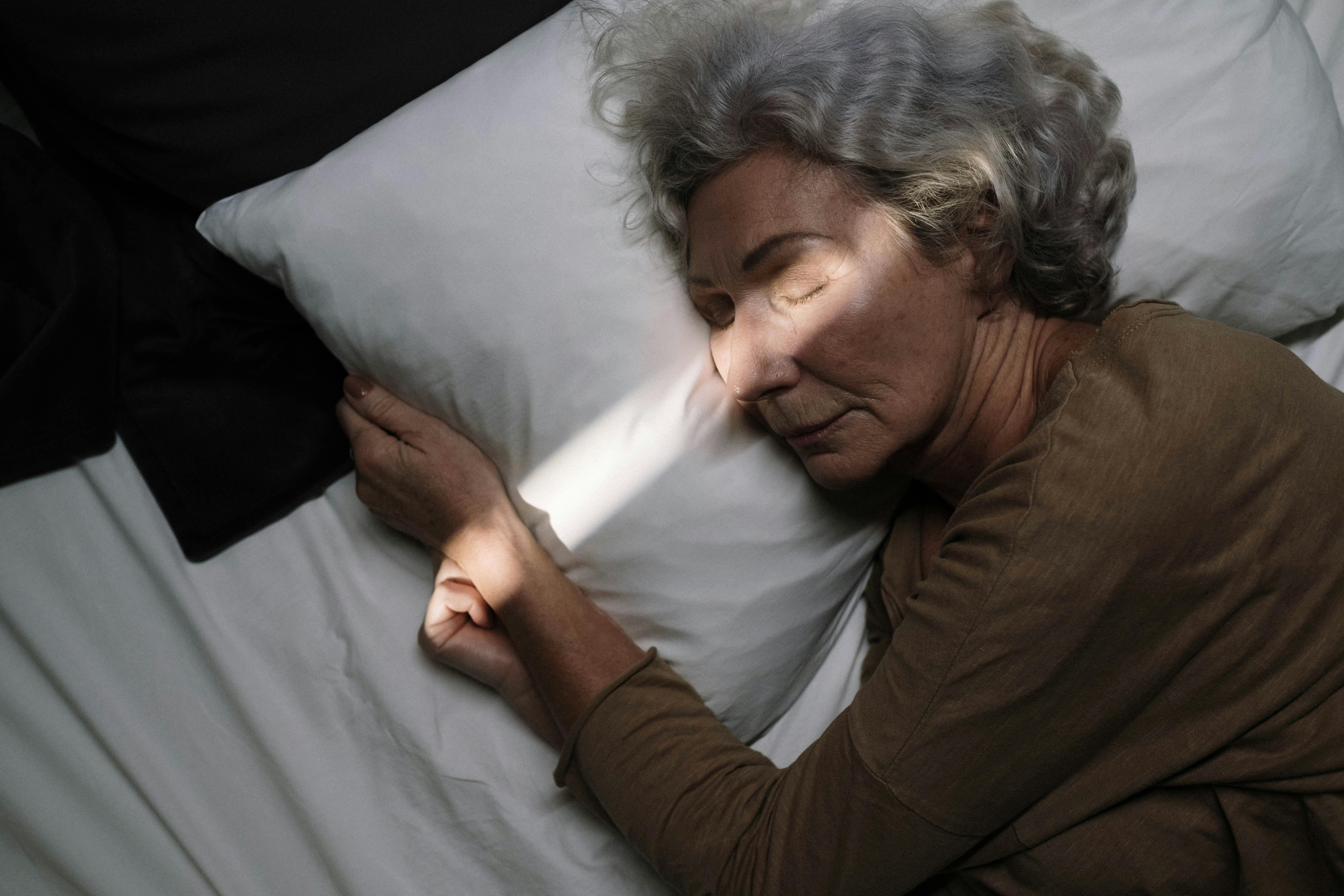
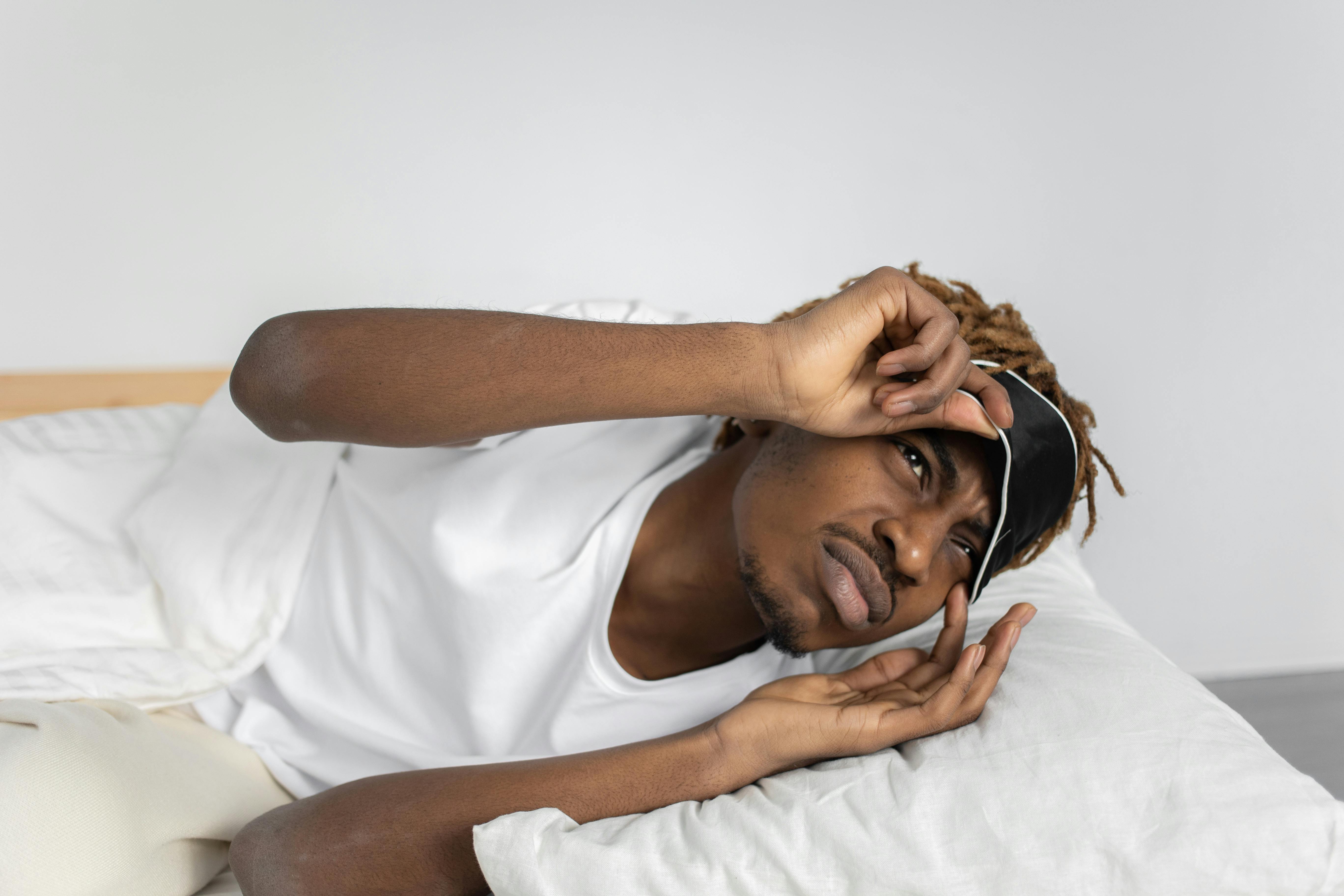
Trouble sleeping, not just because the baby wakes you, but because your mind won't stop when you do have the opportunity to rest
Nausea or gastrointestinal distress
Panic attacks, which are sudden surges of intense fear with physical symptoms like dizziness, chest pain, or feeling like you might lose control
What Causes Postpartum Anxiety?
Postpartum anxiety is not a sign that you are not ready to be a parent or that something is wrong with you. It results from a combination of biological, psychological, and situational factors.
Hormonal Shifts
The hormonal changes that occur after delivery are dramatic and rapid. Estrogen and progesterone, which are elevated throughout pregnancy, drop sharply in the days following birth. These hormones influence the brain's mood and stress regulation systems. Rapid postpartum hormonal decline can disrupt serotonin and GABA systems in ways that increase vulnerability to anxiety and mood disturbance.
Sleep Deprivation
Chronic sleep deprivation is one of the most potent triggers of anxiety, and it is nearly universal in the newborn period. When the brain is chronically fatigued, the threat-detection system, the amygdala, becomes hypersensitive. This is thought to contribute to the heightened worry, emotional reactivity, and intrusive thoughts characteristic of postpartum anxiety.
Prior History and Risk Factors
Certain factors increase the likelihood of developing postpartum anxiety:
Personal or family history of anxiety or mood disorders
History of premenstrual dysphoric disorder (PMDD) or sensitivity to hormonal fluctuation
Pregnancy complications, NICU experience, or traumatic birth
Limited social support or relationship stress
Financial stress or major life changes coinciding with the birth
First-time parenthood, though postpartum anxiety can develop with any pregnancy
A Note on Intrusive Thoughts
Many parents with postpartum anxiety experience intrusive thoughts, which include unwanted, disturbing mental images or fears about something terrible happening to their baby. These might include thoughts about dropping the baby, the baby stopping breathing, or other frightening scenarios. These thoughts are extremely common and do not mean you are dangerous or a bad parent.
It has been noted that a significant majority of new parents, including those without anxiety disorders, report intrusive thoughts about infant harm. The key distinction is intent: intrusive thoughts in postpartum anxiety are ego-dystonic, meaning they cause distress precisely because they are contrary to what you want. If you are troubled by intrusive thoughts, please speak with a provider.
Treatment for Postpartum Anxiety
Postpartum anxiety is a well-recognized and highly treatable condition. Most people experience meaningful improvement with the right treatment.
Therapy
Cognitive-behavioral therapy (CBT) is the most evidence-based therapy for postpartum anxiety. It helps identify and challenge anxiety-driven thought patterns and develop practical strategies for managing worry. CBT can be effective for postpartum anxiety and depression, with benefits that persisted over follow-up periods. Telehealth delivery of CBT is also effective and reduces the practical barriers of attending in-person therapy with a new baby.
Medication
Selective serotonin reuptake inhibitors (SSRIs) are considered safe and effective for postpartum anxiety. Several SSRIs, \ including sertraline and paroxetine, have extensive data supporting their use during breastfeeding, with minimal amounts passing into breast milk. The decision about medication during breastfeeding is an individual one, best made in collaboration with a psychiatric provider who can weigh the risks and benefits for your specific situation.
Support and Community
Peer support, which can include connecting with other parents who have experienced postpartum anxiety, can be a meaningful complement to professional treatment. Knowing that your experience is shared and survivable can reduce shame and isolation. Organizations like Postpartum Support International (PSI) offer helplines, support groups, and provider directories at postpartum.net.
When to Seek Help
You should contact a healthcare provider or psychiatrist if you are experiencing postpartum anxiety symptoms that persist for more than two weeks, are affecting your ability to care for yourself or your baby, or include panic attacks, intrusive thoughts, or thoughts of self-harm.
Postpartum anxiety can feel overwhelming, but getting professional support can make a big difference. Blossom Health connects you with board-certified psychiatric providers who understand the challenges new mothers face. Through convenient online appointments, personalized treatment plans, and insurance-covered care options, Blossom Health can help you manage anxiety symptoms, feel more supported, and regain confidence during the postpartum period.
Medical Disclaimer
This article is for informational purposes only and is not a substitute for professional medical advice, diagnosis, or treatment. Always seek the advice of your physician or other qualified healthcare provider with any questions you may have regarding a medical condition. If you are experiencing a mental health crisis, contact the 988 Suicide and Crisis Lifeline by calling or texting 988.
Sources
Ogallar MAD, Martínez Vázquez S, Martínez AH, Peinado Molina RA, Martínez Galiano JM. 2025. Prevalence and associated factors of anxiety in postpartum women. Eur J Midwifery. https://pmc.ncbi.nlm.nih.gov/articles/PMC12160062/.
Farr SL, Dietz PM, O'Hara MW, Burley K, Ko JY. 2014. Postpartum anxiety and comorbid depression in a population-based sample of women. J Womens Health (Larchmt). https://pmc.ncbi.nlm.nih.gov/articles/PMC7469256/
Hendrick V, Altshuler LL, Suri R. 1998. Hormonal changes in the postpartum and implications for postpartum depression. Psychosomatics. https://pubmed.ncbi.nlm.nih.gov/9584534/ .
Mason KA. Blenders, Hammers, and Knives: Postpartum Intrusive Thoughts and Unthinkable Motherhood. 2022. Anthropol Humanism. https://pmc.ncbi.nlm.nih.gov/articles/PMC9435669/
Pan J, Luo W, Zhang H, Wang Y, Lu H, Wang C, Li C, Fu L, Hu Y, Li Y, Shen M. 2025. The Effects of Online Cognitive Behavioral Therapy on Postpartum Depression: A Systematic Review and Meta-Analysis. Healthcare (Basel)
.https://pmc.ncbi.nlm.nih.gov/articles/PMC11989130/National Institute of Mental Health. Postpartum Depression. https://www.nimh.nih.gov/research/research-conducted-at-nimh/research-areas/clinics-and-labs/sbe/participate-in-research/postpartum-depression
Postpartum Support International. Perinatal Mental Health: Signs, Symptoms, and Treatment. https://postpartum.net/perinatal-mental-health/#Perinatal-Anxiety
Cleveland Clinic. Postpartum Anxiety. https://my.clevelandclinic.org/health/diseases/22693-postpartum-anxiety
Mayo Clinic. Postpartum Depression. https://www.mayoclinic.org/diseases-conditions/postpartum-depression/symptoms-causes/syc-20376617
Goodman JH, Watson GR, Stubbs B. 2016. Anxiety disorders in postpartum women: A systematic review and meta-analysis. J Affect Disord.https://pubmed.ncbi.nlm.nih.gov/27317922/