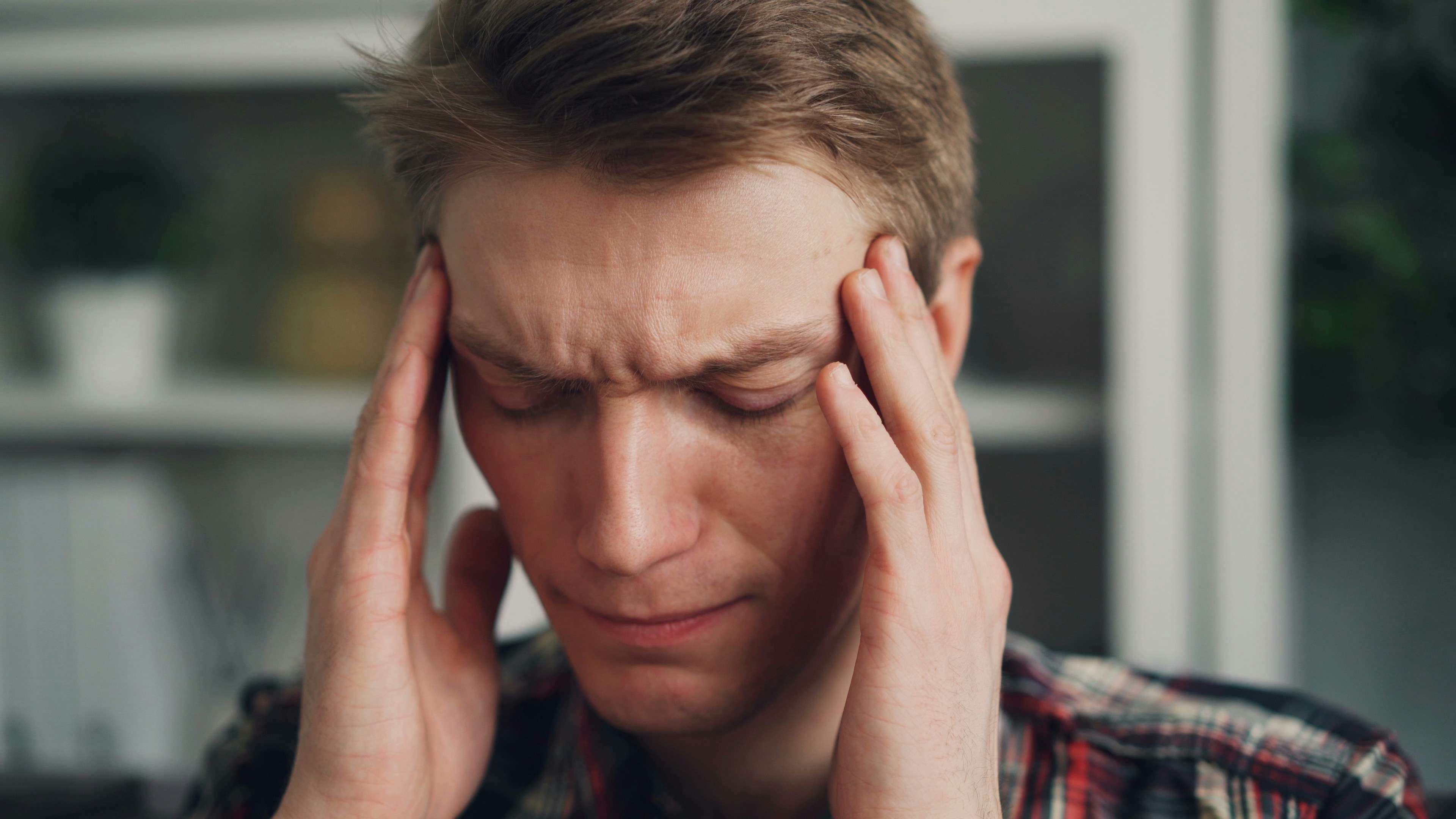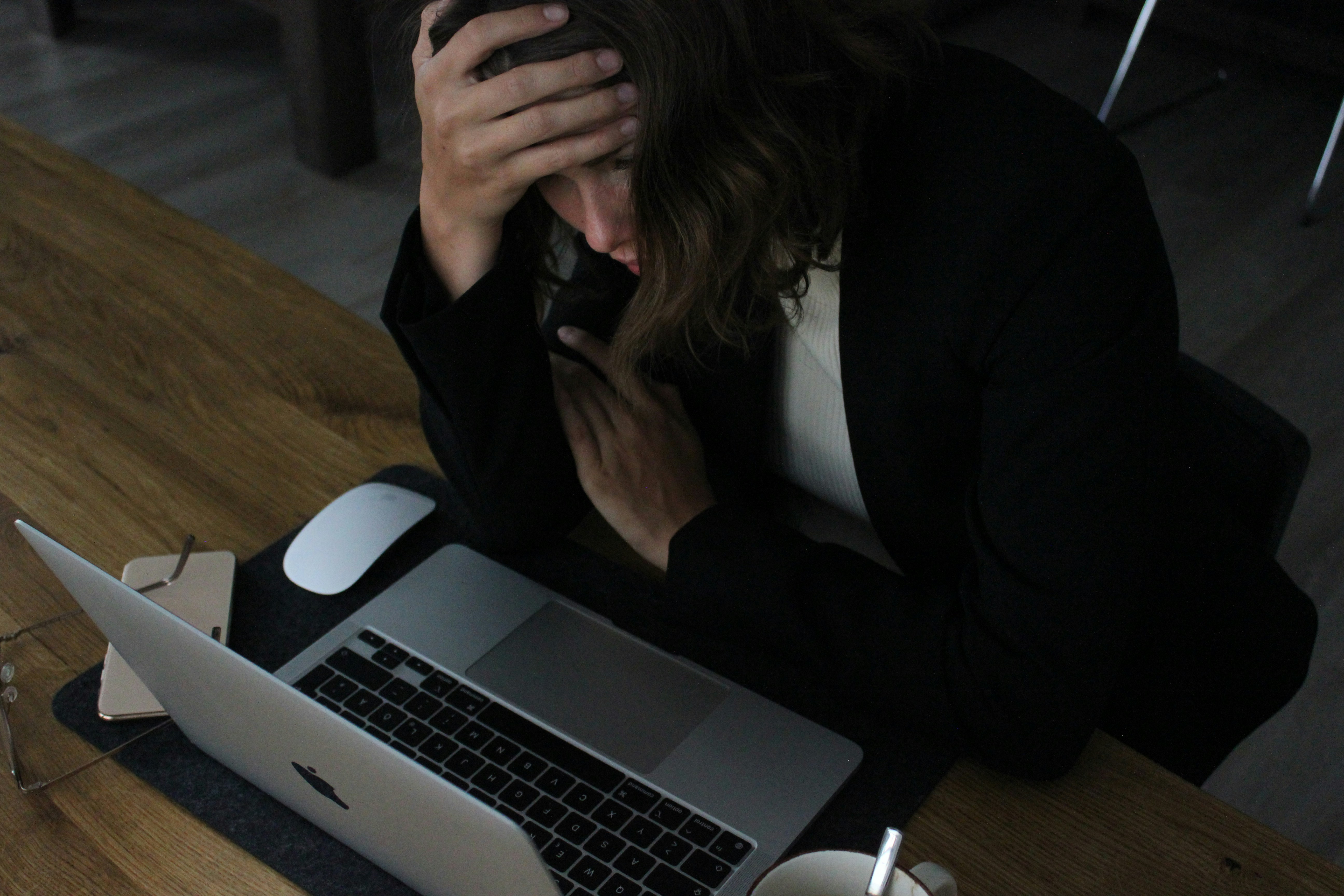

Many people feel nervous before a job interview or public speaking. But for people with social anxiety disorder (SAD), the fear of being judged, embarrassed, or rejected in social situations goes beyond typical nervousness. It can be persistent, overwhelming, and interfere with daily life.
SAD is one of the most common anxiety disorders. According to the National Institute of Mental Health (NIMH), it affects about 7.1% of U.S. adults each year, with lifetime prevalence estimates ranging from 8% to 12%.
Despite how common it is, many people with SAD do not seek treatment—often because they assume their anxiety is simply part of their personality. Recognizing the symptoms can be an important first step toward seeking support and treatment.
Key Takeaways
SAD affects about 7% of U.S. adults each year, making it one of the most common anxiety disorders. Symptoms typically begin in the early to mid-teen years, and many people report a history of social shyness or inhibition.
SAD goes beyond typical shyness. It involves a persistent, intense fear of being negatively evaluated in social situations, often with physical symptoms such as blushing, sweating, trembling, or nausea. For clinical diagnosis, symptoms must generally last at least 6 months and lead to noticeable distress or impairment.
SAD is treatable with approaches such as cognitive behavioral therapy (CBT), medication (particularly SSRIs), or a combination of both. If social anxiety is affecting your daily life, a mental health professional can help with evaluation and treatment planning.
What Is Social Anxiety Disorder?
Social anxiety disorder (SAD)—also known as social phobia—is a mental health condition characterized by an increased and persistent fear of social situations where you may feel scrutinized, judged, or embarrassed by others.
According to the DSM-5 criteria outlined in StatPearls (NCBI), the diagnosis typically requires that the fear or anxiety is present for 6 months or more. And lead to clinically noticeable distress or inability to manage work, school, or relationships. Understanding of social anxiety disorder has evolved over time. The DSM-5 criteria recognize that social anxiety can occur across a wide range of social interactions, not just performance situations like public speaking.
People with SAD may feel anxious in everyday situations such as making small talk, eating in front of others, or attending social gatherings.
How Common Is Social Anxiety Disorder?
SAD is relatively common, though it often goes undiagnosed. The MSD Manual notes that it affects about 2.8% of people worldwide in a given year, with a lifetime prevalence of about 5%. The rates appear to be even higher in the United States, ranging up to about 12%.
The average age of onset is between 8 and 15 years, and it is more commonly reported in women than in men. Research also suggests that people with a first-degree relative who has SAD may be twice as likely to develop the condition. This indicates that genes might also have a role to play.
Many people with SAD may view their anxiety as a fixed part of their personality rather than a treatable condition, which can contribute to delays in seeking support.
Emotional and Behavioral Symptoms
The emotional core of SAD is a fear of being negatively evaluated by others. This fear often involves concerns about embarrassment, humiliation, or rejection and may extend to worrying that others will notice your signs of anxiety (such as seeing you blush or hearing your voice shake).
Common emotional and behavioral symptoms may include:
Persistent worry before, during, and after social situations, often replaying interactions and analyzing what went wrong
Avoiding social situations altogether, or enduring them with noticeable discomfort
Fear of speaking up in meetings, ordering food at restaurants, or making phone calls
Increased self-consciousness and a strong focus on how others may perceive you
Difficulty making eye contact, initiating conversations, or being the center of attention
Avoiding new relationships or social opportunities due to fear of judgment
Using alcohol or other substances to cope with social situations
Many people with SAD develop avoidance patterns that can become so ingrained they feel like part of their personality. They may decline invitations, limit their social circle, or choose careers that reduce social interaction.Often without recognizing that these patterns are driven by anxiety rather than preference.
Physical Symptoms
While SAD can affect your thoughts and behavior, it can also lead to real, physical symptoms that may make social situations even more distressing. These symptoms are part of your body’s fight-or-flight response, triggered by the perceived threat of social evaluation.
Common physical symptoms may include:
Blushing (often considered a hallmark symptom of SAD)
Sweating, especially in the palms, face, or underarms
Trembling or shaking hands
Rapid heartbeat or palpitations
Nausea, stomach upset, or gastrointestinal distress
Dry mouth or difficulty swallowing
A shaky voice or difficulty finding words
Dizziness, lightheadedness, or feeling faint
Muscle tension or feeling “frozen”
These physical symptoms can create a cycle: you fear that others will notice your anxiety, which can further increase your anxiety, and may also worsen the physical symptoms. This cycle is a common sign of SAD and may help explain why it can feel difficult to manage without professional support.
Social Anxiety vs. Shyness: What’s the Difference?
Shyness is a common personality trait that involves feeling uncomfortable or reserved in social situations, especially with unfamiliar people. Many shy people can still push through their discomfort and engage when needed. SAD, on the other hand, involves a level of fear and avoidance that can significantly affect your ability to function in everyday life.
The key differences include:
Intensity: Shyness typically involves mild discomfort; while SAD may involve more intense fear or distress.
Duration: SAD symptoms typically persist for at least 6 months to meet diagnostic criteria. Shyness typically eases as you become more comfortable in a situation.
Functional impairment: SAD interferes with work, education, relationships, or daily activities. Shyness generally does not.
Avoidance patterns: People with SAD may structure their lives around avoiding feared situations. Shy people may feel uncomfortable but can typically participate when needed.
How Is Social Anxiety Disorder Treated?
SAD is considered one of the most treatable anxiety disorders. The main evidence-based approaches include psychotherapy and medication, and many people benefit from a combination of both.
Cognitive Behavioral Therapy (CBT)
CBT is one of the most well-studied psychotherapies for SAD. It helps you identify and challenge the distorted thought patterns that may contribute to your anxiety—such as overestimating how much others are paying attention to you or catastrophizing about social outcomes. CBT for SAD also often includes gradual exposure to feared social situations, which may help reduce avoidance and build confidence over time.
Medications
The first-line medication treatments for SAD typically include selective serotonin reuptake inhibitors (SSRIs) and serotonin-norepinephrine reuptake inhibitors (SNRIs). These medications may help reduce the intensity of anxiety in social situations. Beta-blockers may also be prescribed for the “performance only” situations to help manage physical symptoms such as, rapid heartbeat and trembling before specific events.
When to Seek Medical Attention
Consider reaching out to a mental health professional if:
Fear of social situations has lasted 6 months or longer
You frequently avoid work, school, or social events due to anxiety
Social anxiety is affecting your relationships or career
You’re using alcohol or substances to cope with social situations
You feel isolated, lonely, or overwhelmed because of your anxiety
You don’t have to wait until symptoms feel severe to seek help. SAD responds well to treatment, and the earlier support may help you gradually build confidence and reduce the impact of anxiety over time.
Is social anxiety holding you back?
You’re not alone. Social anxiety can be managed with the right support and tools. A mental health professional, such as a psychiatrist or therapist, can help assess symptoms and develop a treatment plan tailored to individual needs.
At Blossom health we help you connect with providers who offer virtual care options, including services that may be covered by insurance. Get started today.
Medical Disclaimer
This article is for educational purposes only and does not constitute medical advice. The information provided should not replace consultation with a qualified healthcare provider. Individual responses to medications can vary significantly, and what applies to one person may not be the same for another.
Always consult with your doctor or pharmacist before making any decisions about medication changes, discontinuation, or interactions with other substances. If you’re experiencing concerning symptoms or side effects, please seek professional help from a healthcare provider.
In case of a medical emergency, contact your local emergency services immediately or call 911. For mental health emergencies, contact the National Suicide Prevention Lifeline at 988.Sources
Sources
National Institute of Mental Health (NIMH). Social Anxiety Disorder. nimh.nih.gov
Rose GM, Tadi P. Social Anxiety Disorder. (Oct 25, 2022). In: StatPearls [Internet]. Treasure Island (FL): StatPearls Publishing; 2026 Jan-. Available from: https://www.ncbi.nlm.nih.gov/books/NBK555890/
MSD Manual Professional Edition. (January 2026). Social Anxiety Disorder. https://www.msdmanuals.com/professional/psychiatric-disorders/anxiety-and-stressor-related-disorders/social-anxiety-disorder
American Psychiatric Association. Diagnostic and Statistical Manual of Mental Disorders, 5th Edition (DSM-5). https://www.psychiatry.org/psychiatrists/practice/dsm
Katzman, M. A., Bleau, P., Blier, P., Chokka, P., Kjernisted, K., Van Ameringen, M., Canadian Anxiety Guidelines Initiative Group on behalf of the Anxiety Disorders Association of Canada/Association Canadienne des troubles anxieux and McGill University, Antony, M. M., Bouchard, S., Brunet, A., Flament, M., Grigoriadis, S., Mendlowitz, S., O'Connor, K., Rabheru, K., Richter, P. M., Robichaud, M., & Walker, J. R. (2014). Canadian clinical practice guidelines for the management of anxiety, posttraumatic stress and obsessive-compulsive disorders. BMC psychiatry, 14 Suppl 1(Suppl 1), S1. https://doi.org/10.1186/1471-244X-14-S1-S1
Grant, B. F., Hasin, D. S., Blanco, C., Stinson, F. S., Chou, S. P., Goldstein, R. B., Dawson, D. A., Smith, S., Saha, T. D., & Huang, B. (2005). The epidemiology of social anxiety disorder in the United States: results from the National Epidemiologic Survey on Alcohol and Related Conditions. The Journal of clinical psychiatry, 66(11), 1351–1361. https://doi.org/10.4088/jcp.v66n1102
Anxiety & Depression Association of America. Social Anxiety Disorder Facts & Statistics. https://adaa.org/understanding-anxiety/social-anxiety-disorder
Van Sprang, E. D., Maciejewski, D. F., Milaneschi, Y., Elzinga, B. M., Beekman, A. T. F., Hartman, C. A., van Hemert, A. M., & Penninx, B. W. J. H. (2022). Familial risk for depressive and anxiety disorders: associations with genetic, clinical, and psychosocial vulnerabilities. Psychological medicine, 52(4), 696–706. https://doi.org/10.1017/S0033291720002299
Mayo Clinic. (June 19, 2021). Social Anxiety Disorder (Social Phobia). https://www.mayoclinic.org/diseases-conditions/social-anxiety-disorder/symptoms-causes/syc-20353561
National Institute of Mental Health (NIMH). (December 2024). Anxiety Disorders. https://www.nimh.nih.gov/health/topics/anxiety-disorders
Stein, M. B., & Stein, D. J. (2008). Social anxiety disorder. Lancet (London, England), 371(9618), 1115–1125. https://doi.org/10.1016/S0140-6736(08)60488-2