Physical Symptoms of Anxiety: What Your Body Is Trying to Tell You
Author:
Blossom Editorial

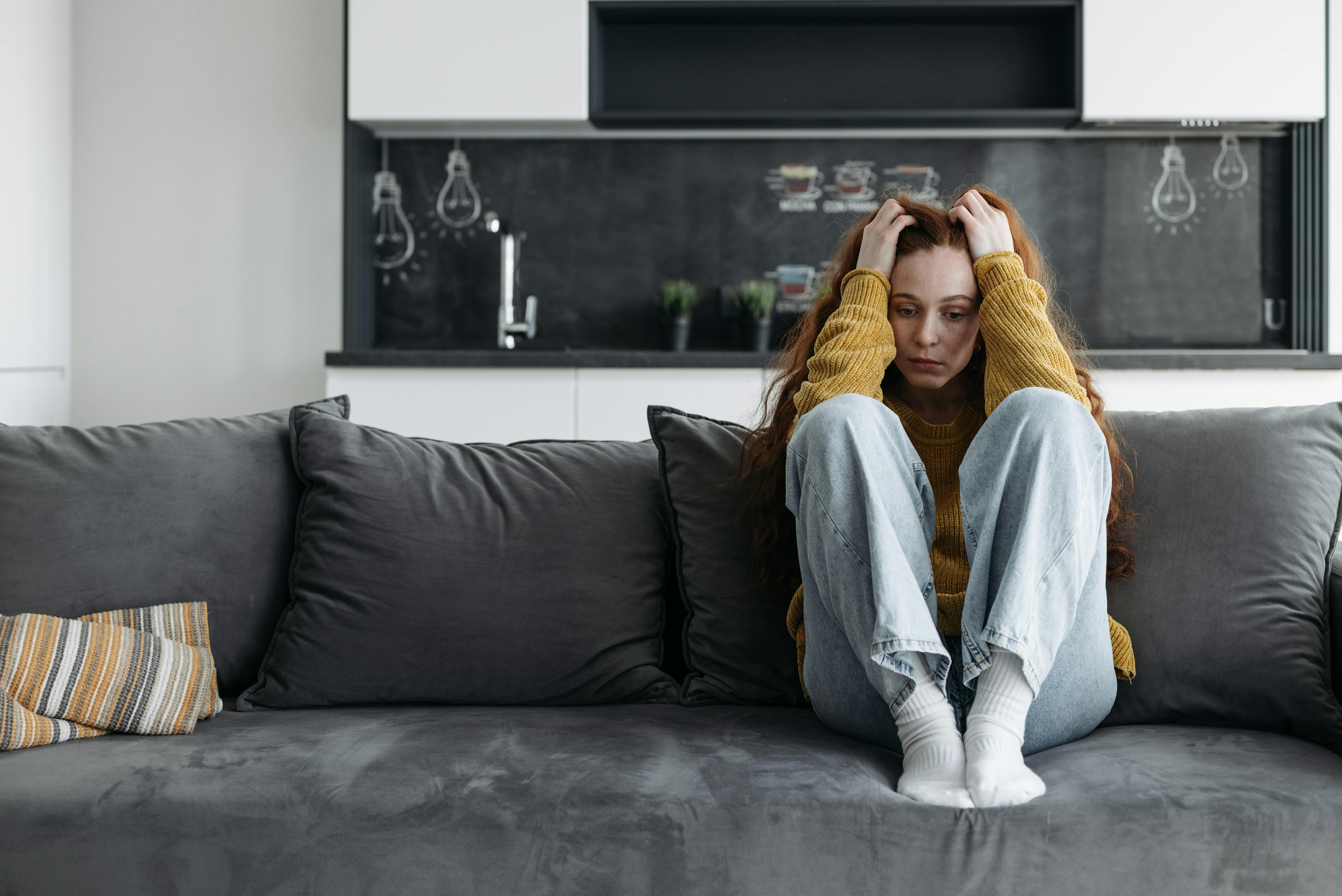

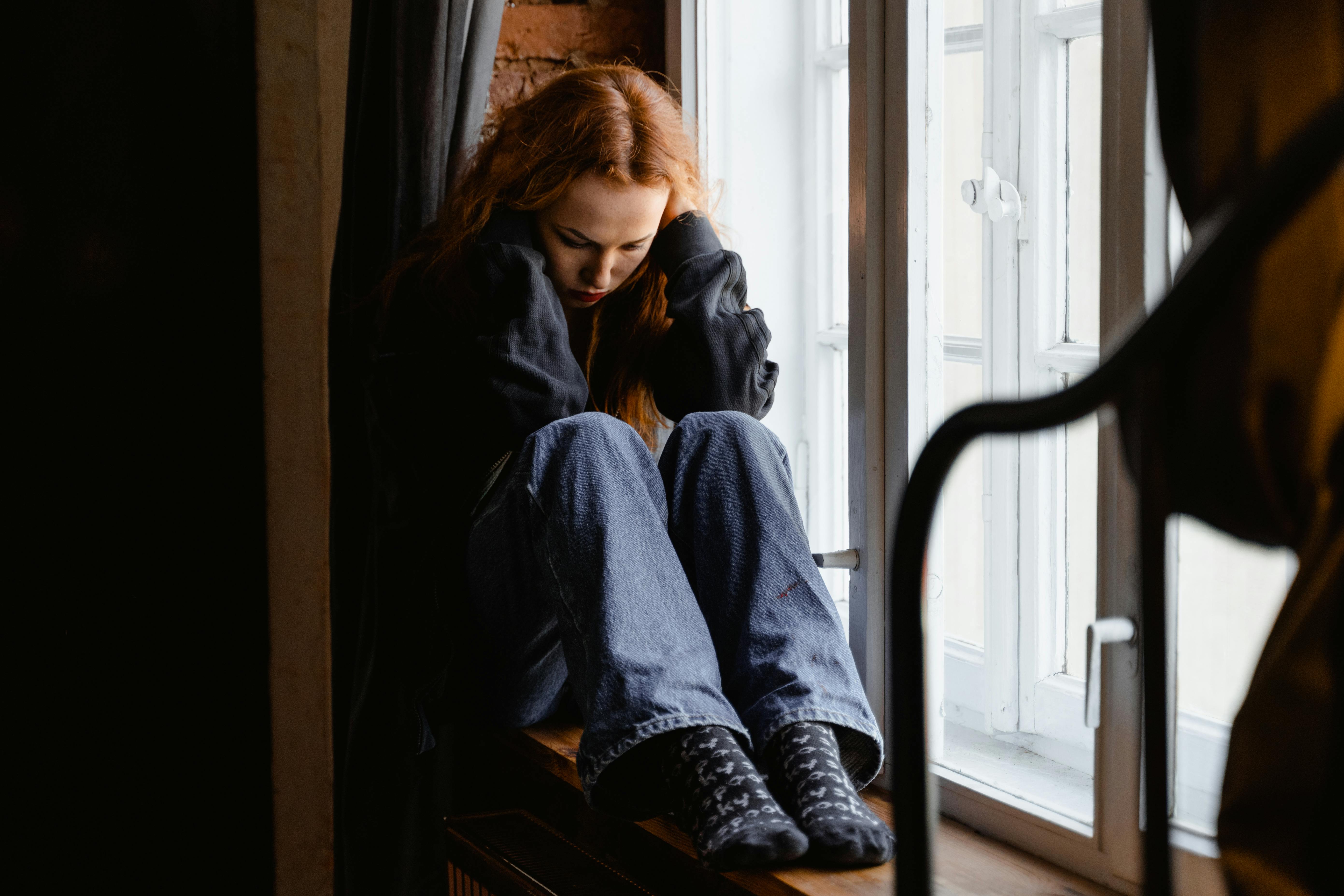
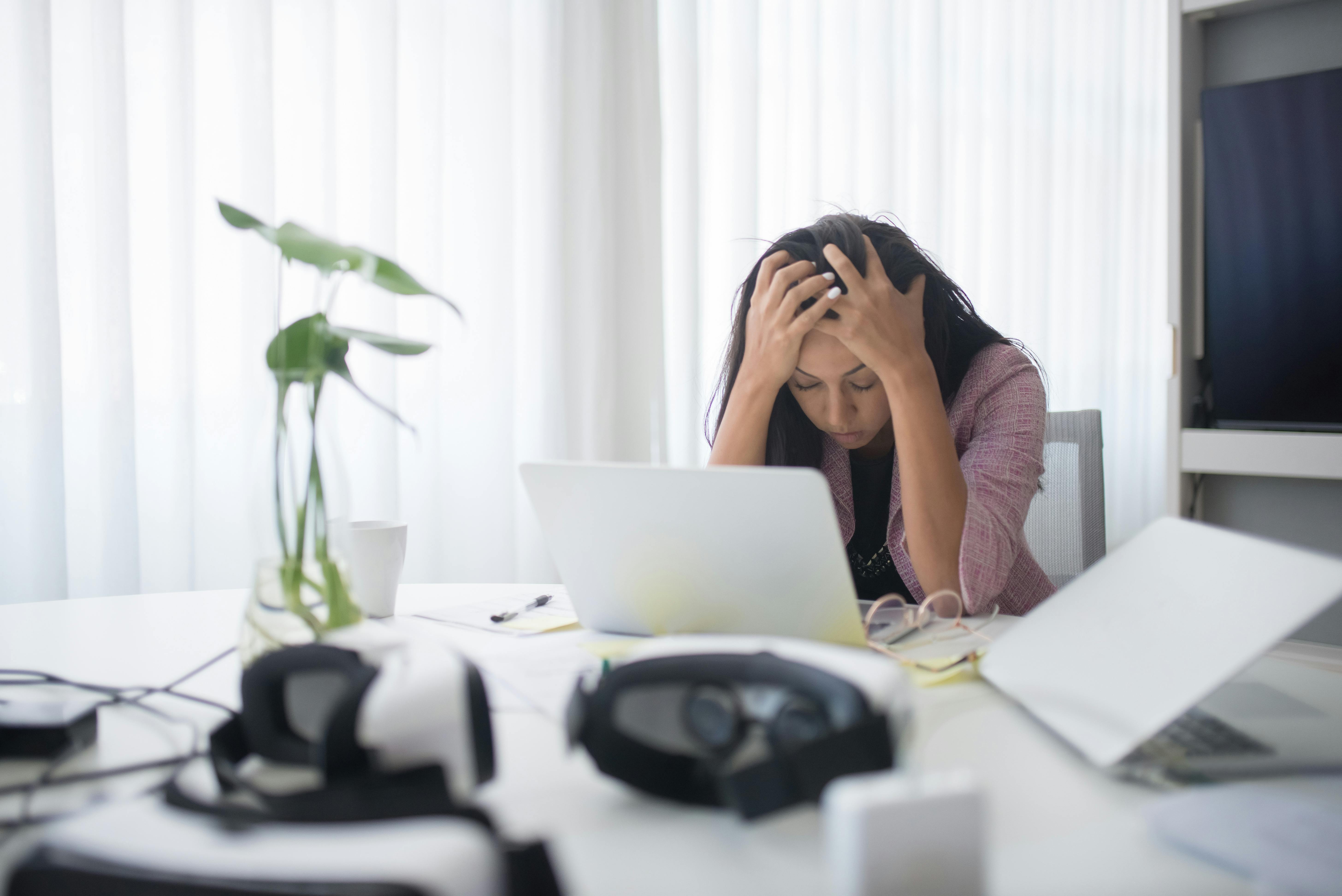
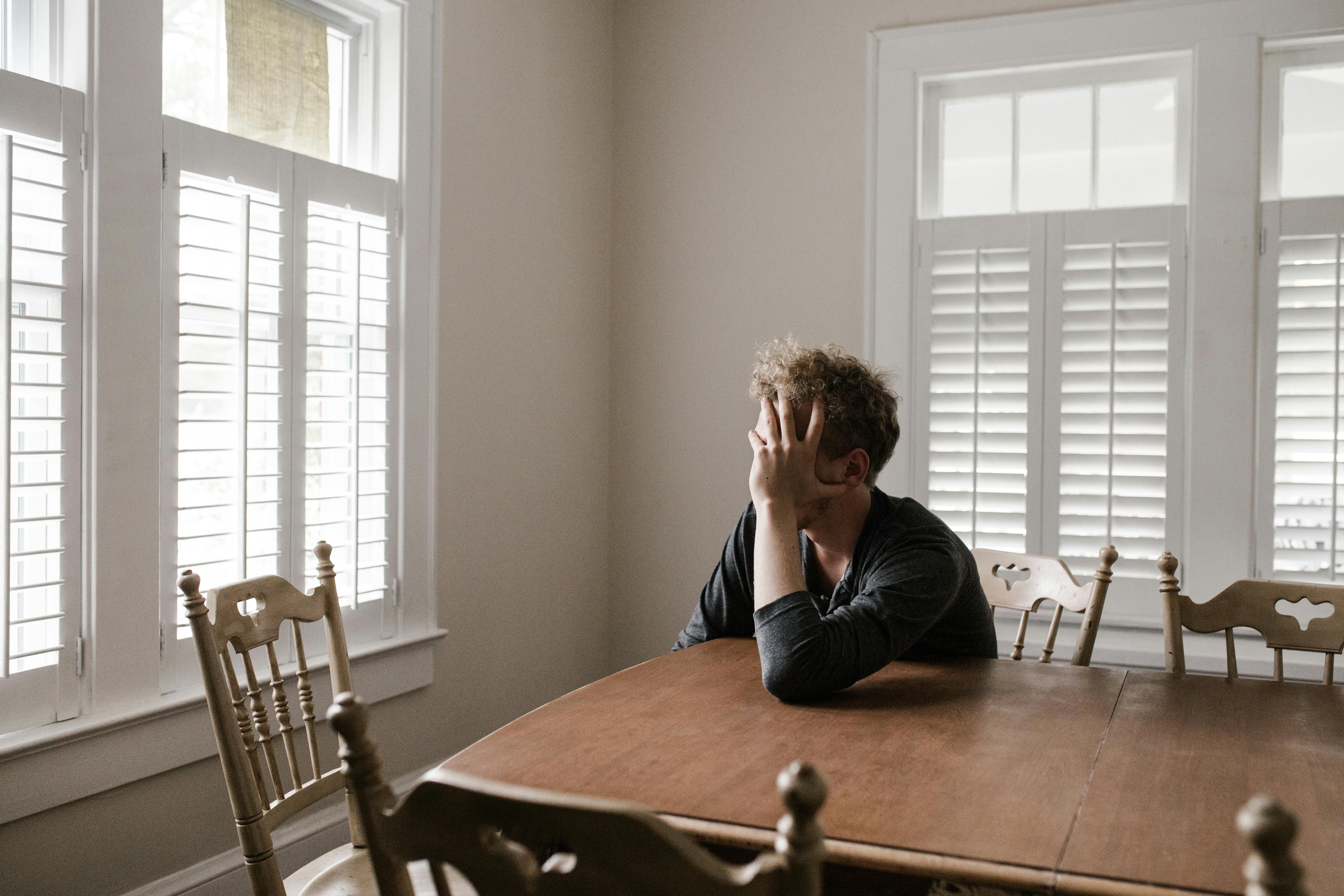
Most people think of anxiety as a mental experience, with racing thoughts, worry, and dread. But anxiety is also a full-body response, and for many people, the physical symptoms are just as real and disruptive as the emotional ones. Headaches, muscle tension, stomachaches, shortness of breath: these are not imagined. They are the body's stress response at work.
Understanding the physical side of anxiety can help you connect dots you may have been ignoring for years, and this can open the door to getting effective treatment.
Key Takeaways
Anxiety is a physical condition, not just a mental one: The body's stress response affects the heart, lungs, digestive system, and muscles, producing real, measurable physical symptoms.
Physical symptoms can be mistaken for other health conditions: Anxiety-related chest pain, digestive issues, and fatigue are frequently investigated with cardiac or gastrointestinal workups before anxiety is identified as the source.
Effective treatment relieves both mental and physical symptoms: Cognitive-behavioral therapy (CBT), medication, and lifestyle interventions have strong evidence for reducing both the emotional and physical experience of anxiety.
Why Does Anxiety Cause Physical Symptoms?
When your brain perceives a threat, whether real or imagined, it triggers a cascade of hormonal and neurological responses. The amygdala, a brain structure involved in fear processing, sends distress signals that activate the hypothalamic-pituitary-adrenal (HPA) axis and the sympathetic nervous system.
The result is what many people call the "fight-or-flight" response. Stress hormones like adrenaline and cortisol flood the body. Heart rate increases, breathing speeds up, muscles tense, and digestion slows. These changes are meant to prepare the body to respond to danger. In anxiety disorders, these changes occur frequently, sometimes constantly, even when no real threat exists.
A comprehensive study on generalized anxiety disorder notes that physical symptoms, including breathing difficulties, chest pain, heart palpitations, nausea, and stomach aches, are hallmark features of anxiety disorders and not incidental complaints.
Common Physical Symptoms of Anxiety
Anxiety can affect nearly every system in the body. Here is a breakdown of the most commonly reported physical symptoms:
Cardiovascular Symptoms
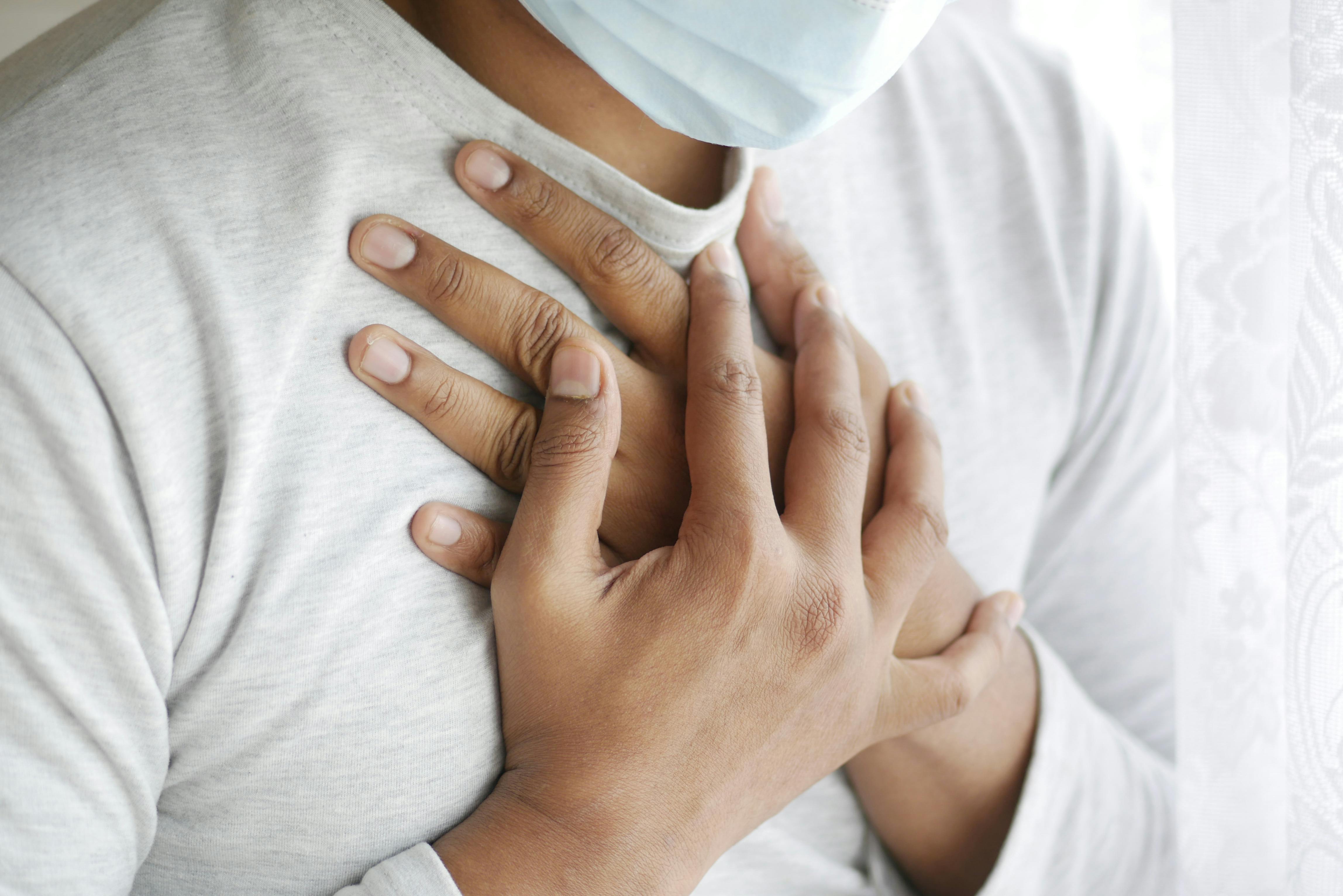
Heart palpitations (a fluttering, racing, or pounding sensation in the chest)
Chest tightness or pressure
Elevated heart rate (tachycardia)
Feeling faint or lightheaded
These symptoms can be alarming and are often mistaken for heart problems. Anxiety is one of the most common non-cardiac causes of palpitations, and in many cases, no arrhythmia or cardiac abnormality is found on evaluation.
Respiratory Symptoms
Shortness of breath or difficulty breathing deeply
A sense of tightness in the chest that makes breathing feel effortful
Hyperventilation (breathing too fast), which can cause dizziness or tingling
Breathing changes during anxiety are driven by the body preparing to "run or fight," taking in more oxygen. Paradoxically, rapid shallow breathing can cause carbon dioxide levels to drop, leading to tingling in the hands, feet, or face.
Gastrointestinal Symptoms
Nausea or stomach discomfort
Diarrhea or loose stools
Constipation or changes in bowel habits
Loss of appetite or difficulty eating
Irritable bowel symptoms
The gut and brain share a powerful bidirectional connection called the gut-brain axis. Anxiety can disrupt digestive motility, increase gut sensitivity, and cause or worsen conditions like irritable bowel syndrome (IBS). Many people with chronic gastrointestinal complaints are ultimately found to have anxiety as a primary driver.
Musculoskeletal Symptoms
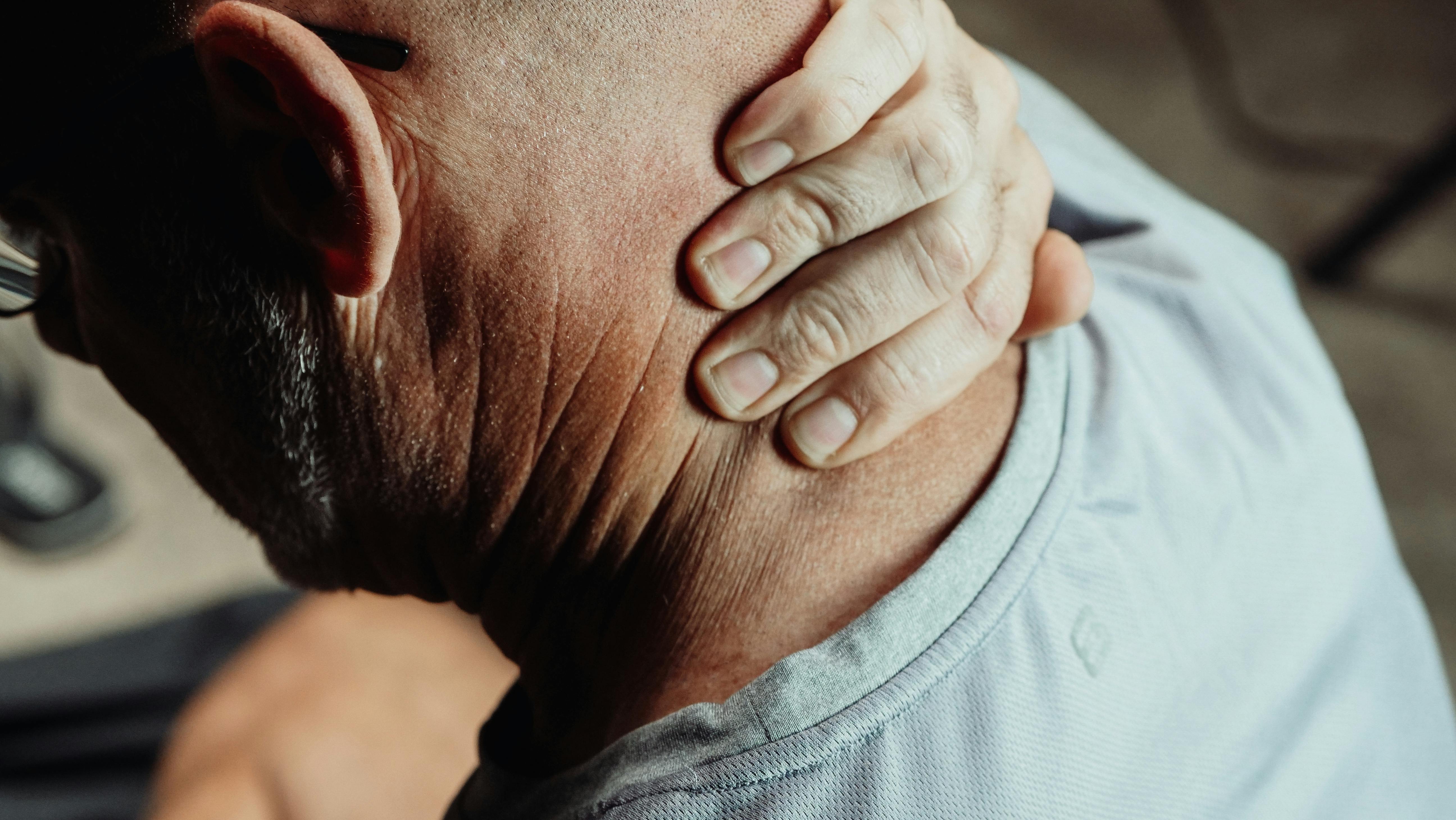
Muscle tension, especially in the neck, shoulders, and jaw
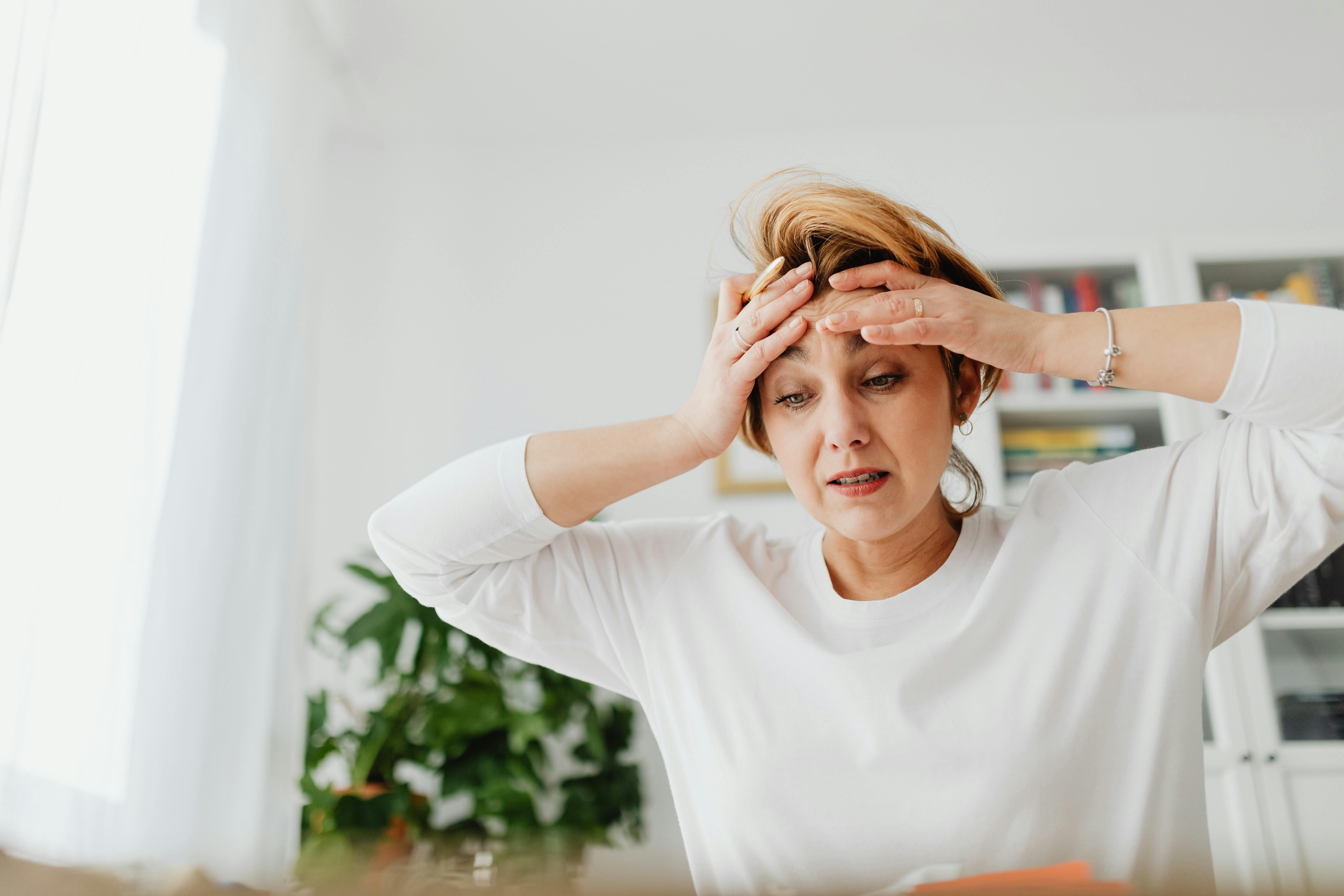
Headaches and migraines
Trembling or shaking
Fatigue from sustained muscle tension
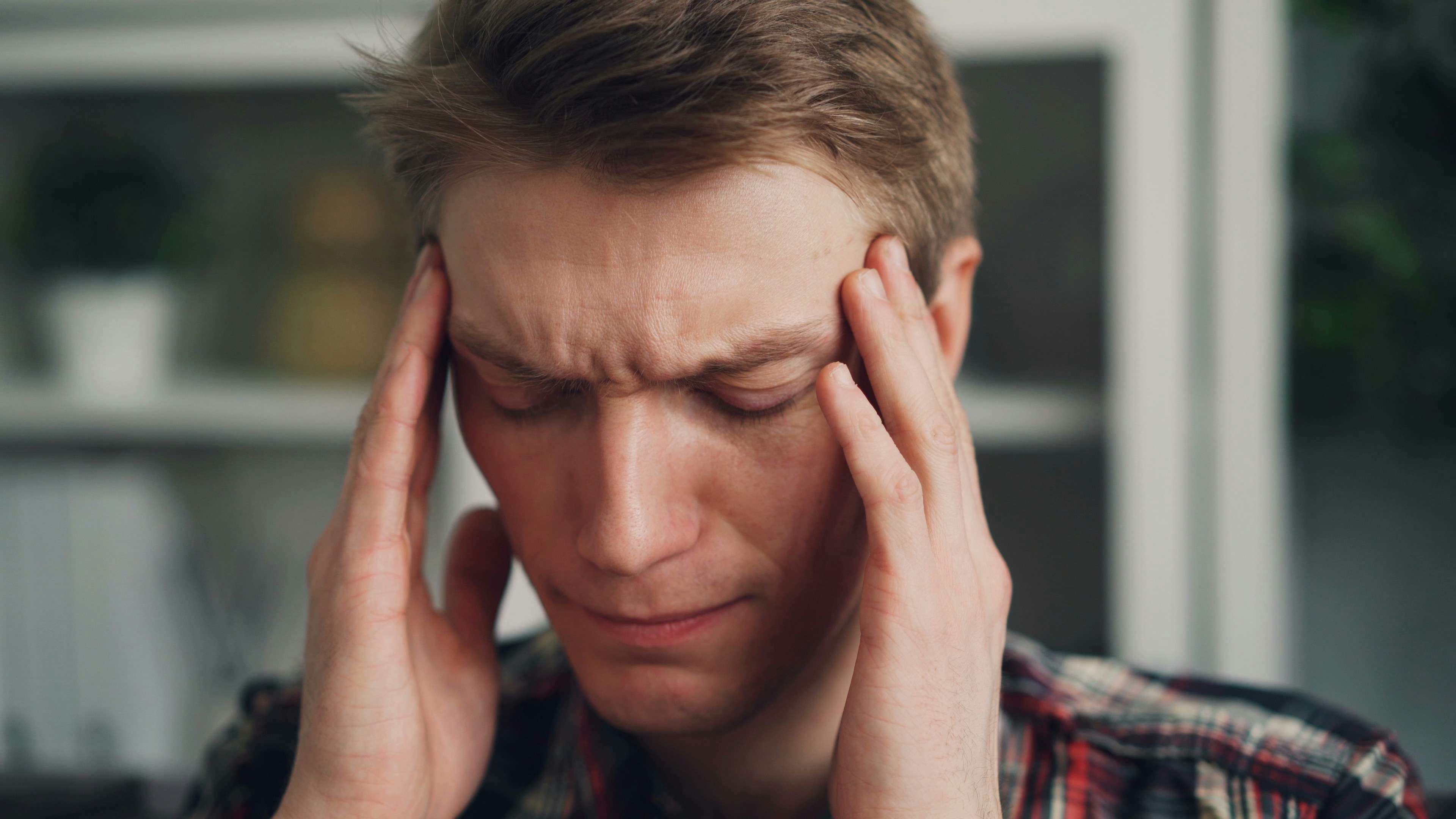
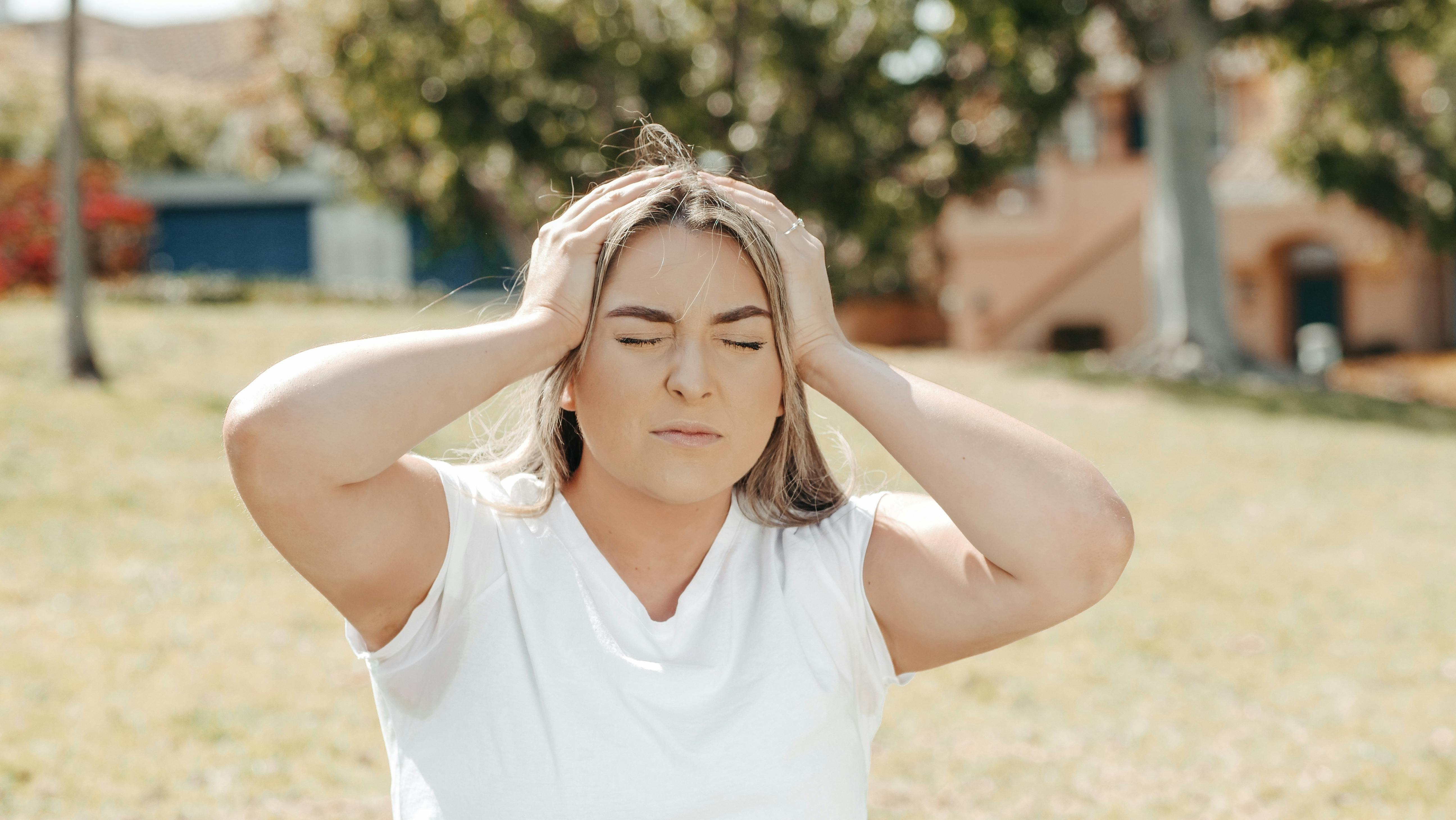
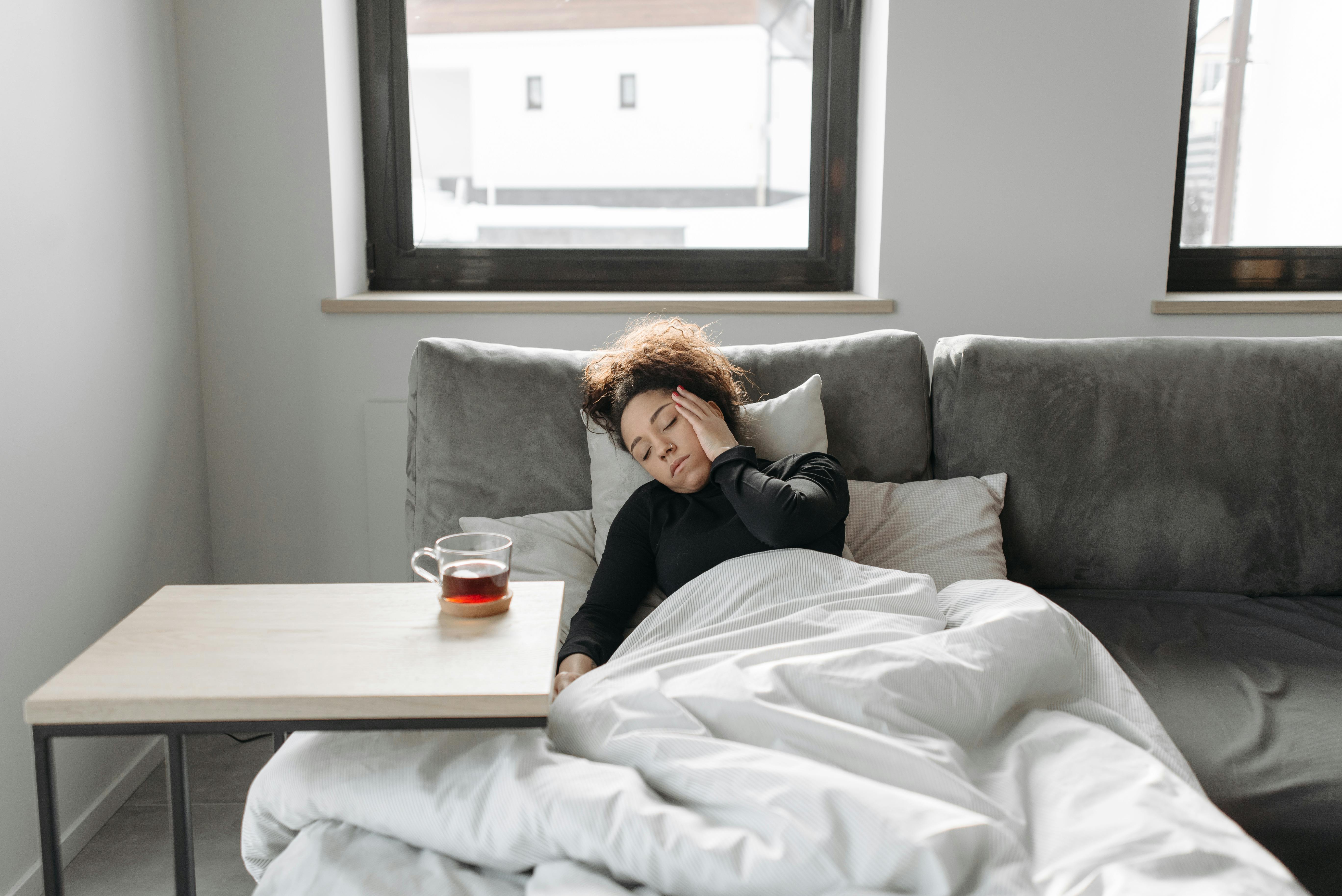
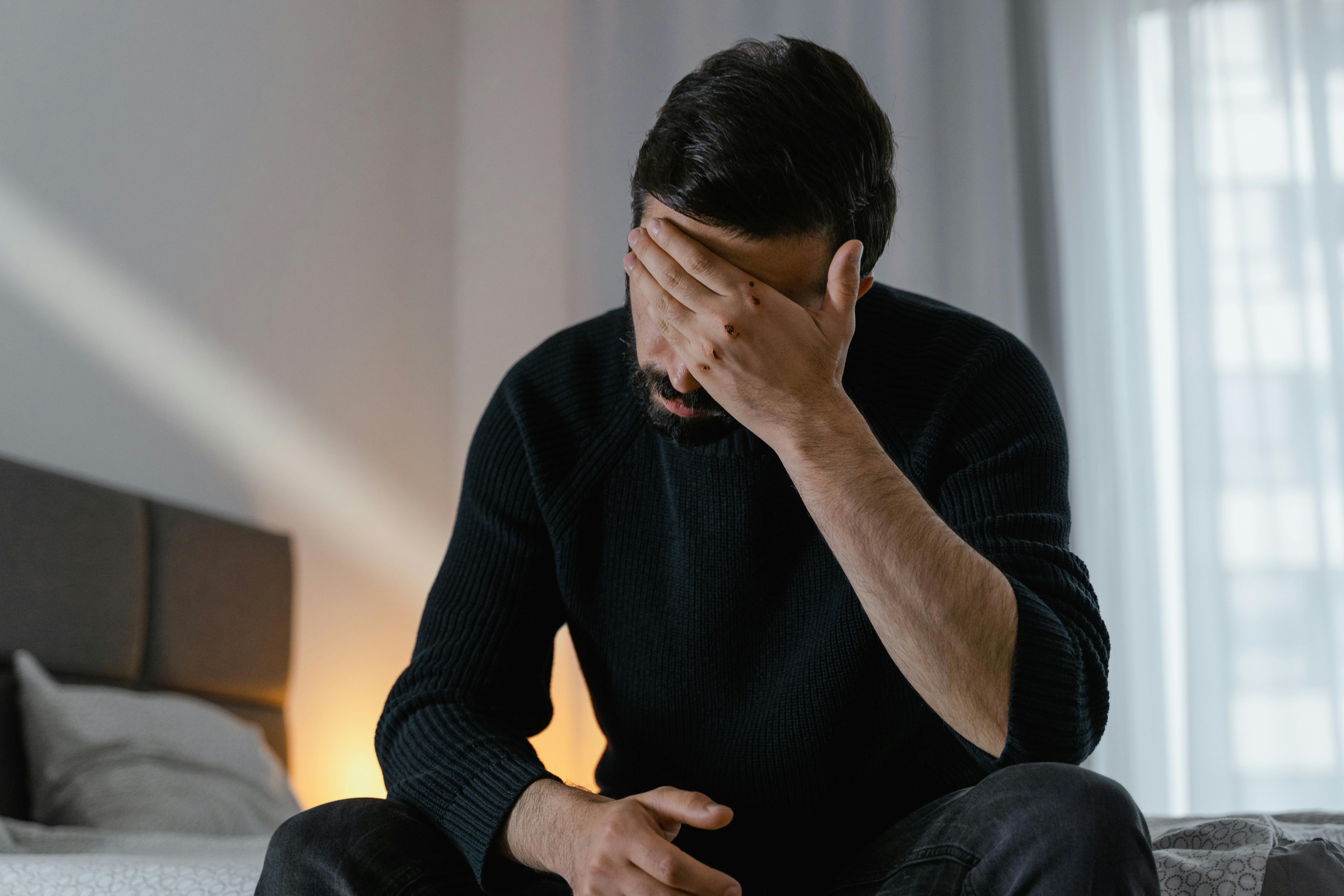
Chronic muscle tension from ongoing anxiety can lead to persistent pain, particularly in the upper back, neck, and head. People with anxiety disorders often report headaches that are directly related to stress and tension rather than neurological causes.
Skin and Sensory Symptoms
Sweating, hot flashes, or flushing
Tingling or numbness in extremities
Skin rashes or hives that worsen with stress
Dry mouth
A large study has noted that increased sweating and altered skin responses are measurable physiological features of anxiety disorders, particularly panic disorder and social anxiety disorder.
Sleep and Fatigue
Difficulty falling asleep or staying asleep
Waking during the night with worry or racing thoughts
Persistent fatigue even after rest
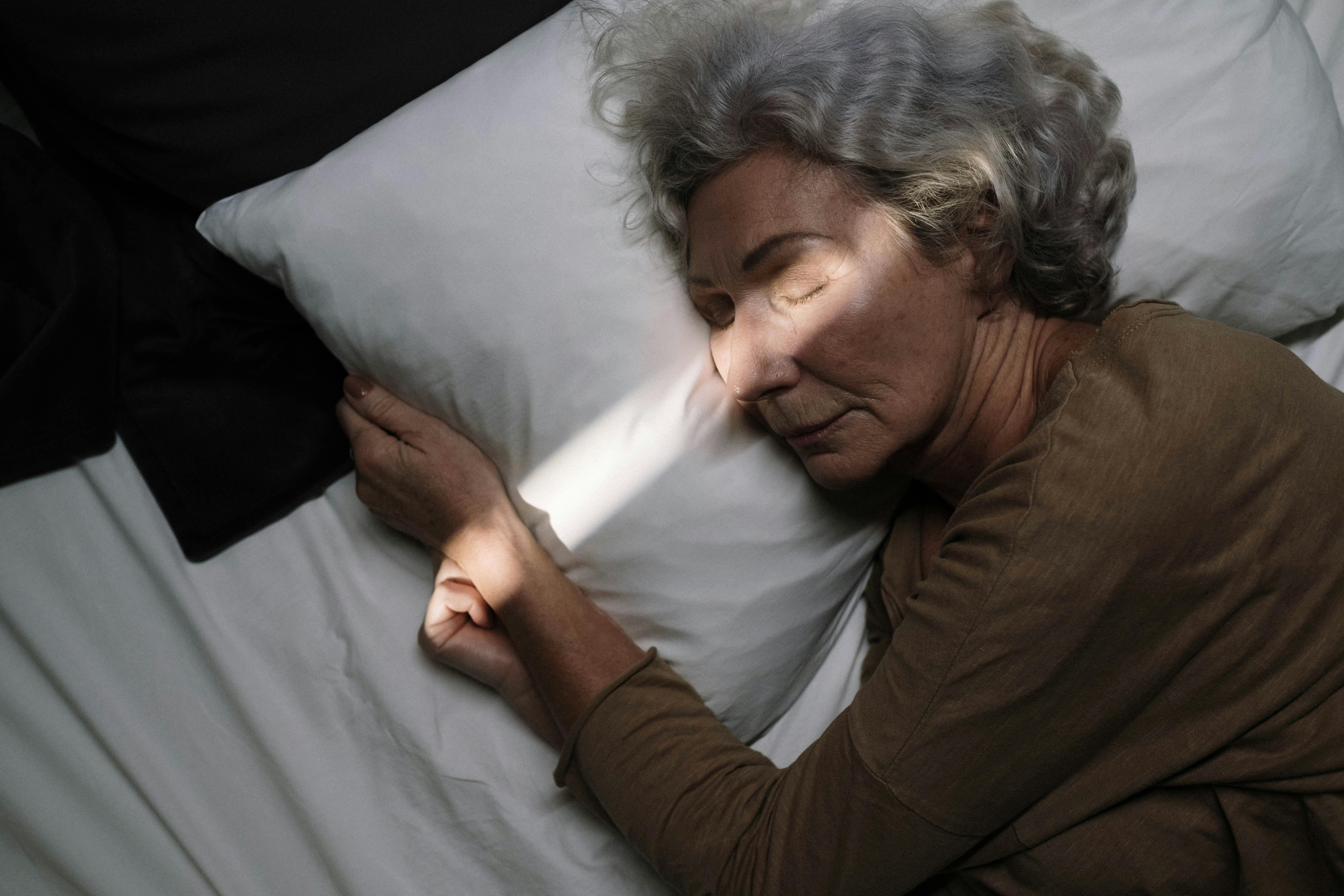
Anxiety keeps the nervous system in a state of high alert, which makes it hard for the body to fully relax into sleep. Over time, poor sleep deepens anxiety symptoms, creating a cycle that can be difficult to break without targeted treatment.
When Physical Symptoms Are Anxiety vs. a Medical Condition
One of the challenges of anxiety-related physical symptoms is that they often look identical to symptoms of medical conditions. Chest pain could be a cardiac issue or an anxiety response. Stomach pain could signal a gastrointestinal disorder or be driven by anxiety. This overlap is one reason many people spend significant time in medical workups before anxiety is identified.
A study on anxiety in medically ill patients found that anxiety frequently goes unrecognized in clinical settings, in part because physical symptoms are attributed to the underlying medical condition rather than co-occurring anxiety. The review also found that treating anxiety in medically ill patients often improves outcomes for the medical condition itself.
If you have had a medical workup for physical symptoms and no cause has been found, or if your symptoms are closely tied to times of stress or worry, anxiety may be worth evaluating. A mental health professional, particularly a psychiatrist, can assess whether anxiety could be at the root of what you are experiencing.
Treatment Options for the Physical Symptoms of Anxiety
Treating anxiety effectively typically reduces both the emotional and physical symptoms. The most evidence-supported approaches include:
Psychotherapy
Cognitive-behavioral therapy (CBT) is the most well-studied psychological treatment for anxiety disorders. CBT and pharmacological treatments both have strong evidence for reducing anxiety symptoms. CBT helps people identify the thought patterns and behaviors that sustain anxiety, and teaches practical strategies for reducing the body's stress response.
Medication
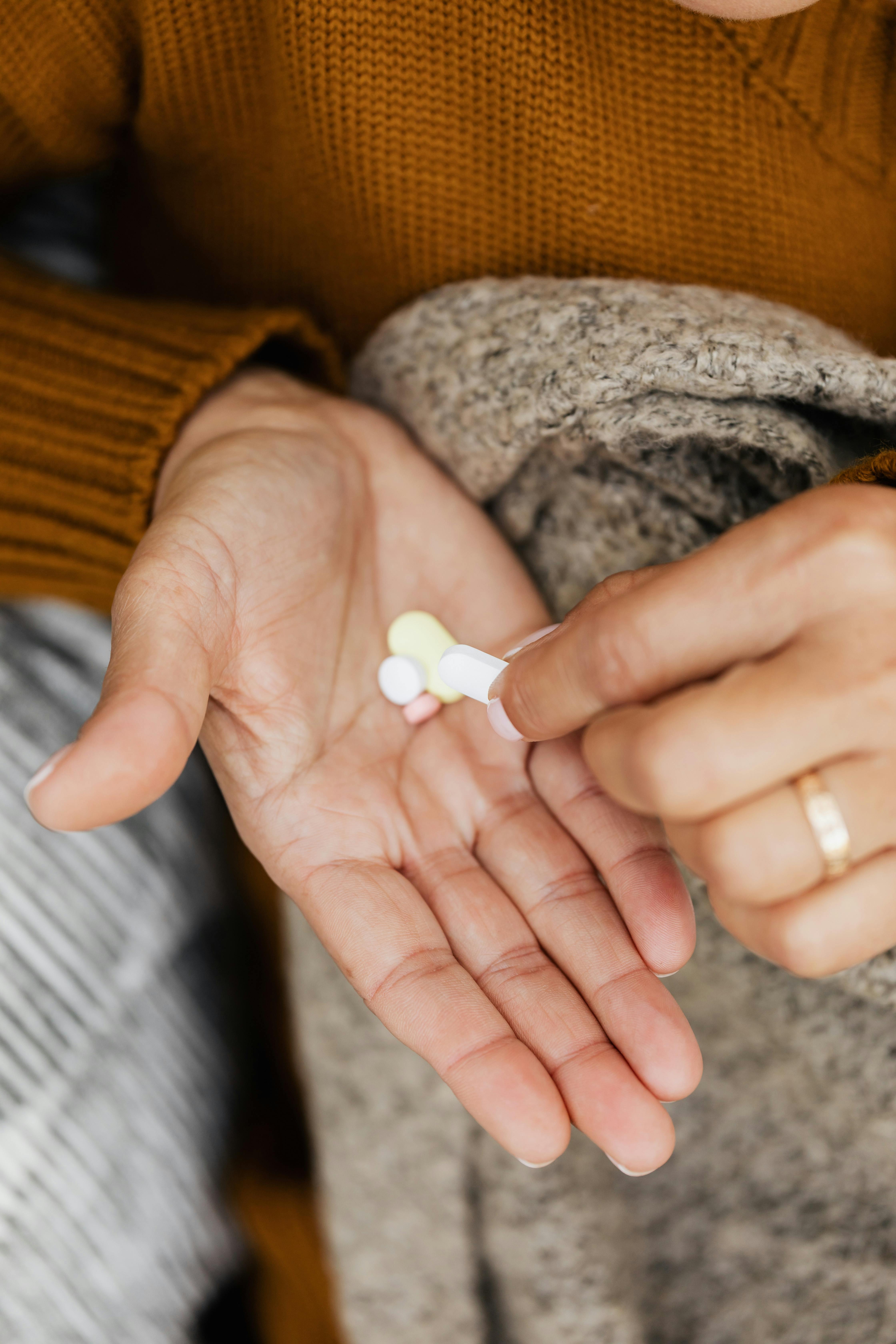
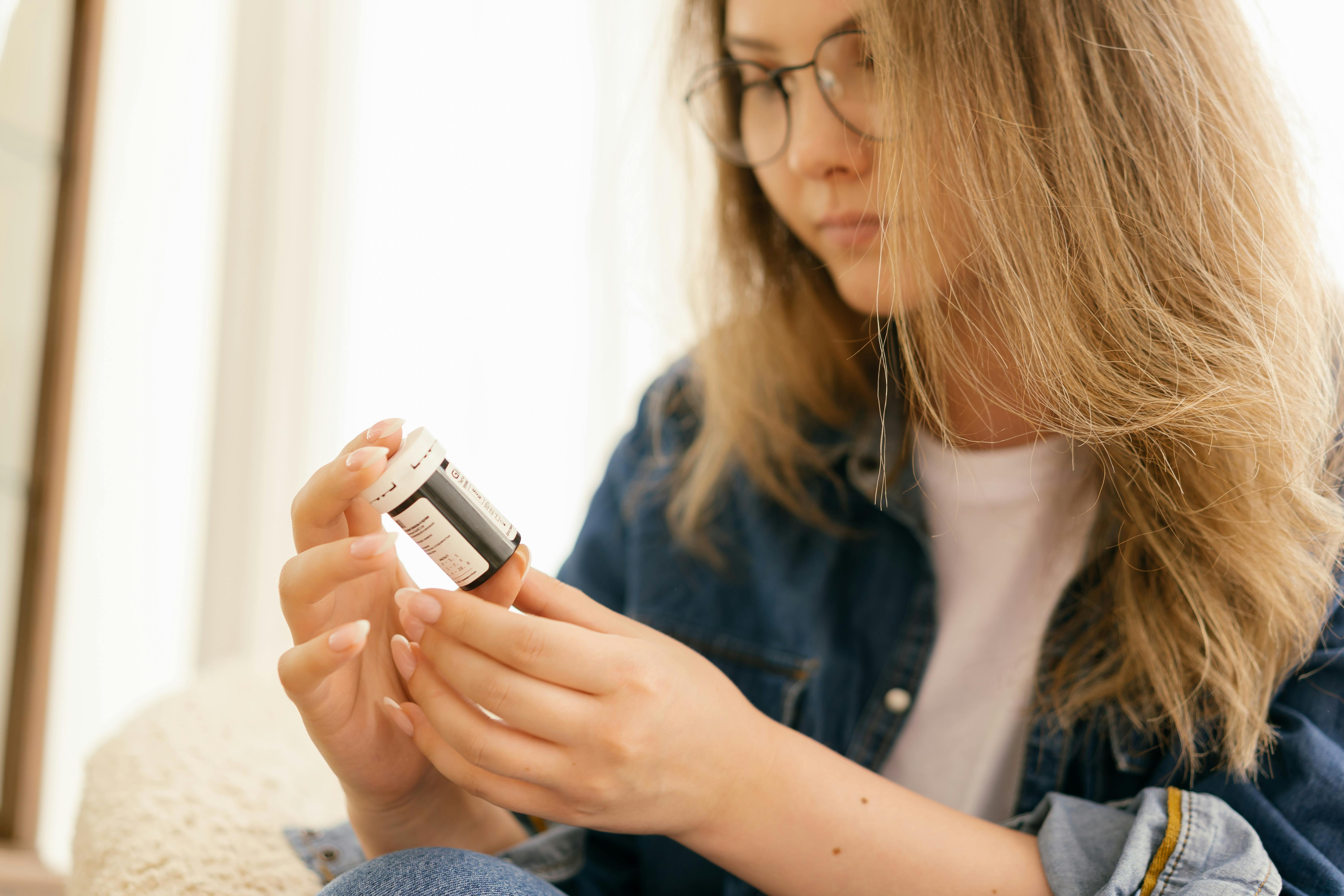
SSRIs (selective serotonin reuptake inhibitors) and SNRIs (serotonin-norepinephrine reuptake inhibitors) are the first-line medications for anxiety disorders. They work by modulating neurotransmitter levels in the brain and typically reduce both emotional and physical anxiety symptoms over four to eight weeks. Buspirone is another non-habit-forming option for generalized anxiety.
Lifestyle Interventions
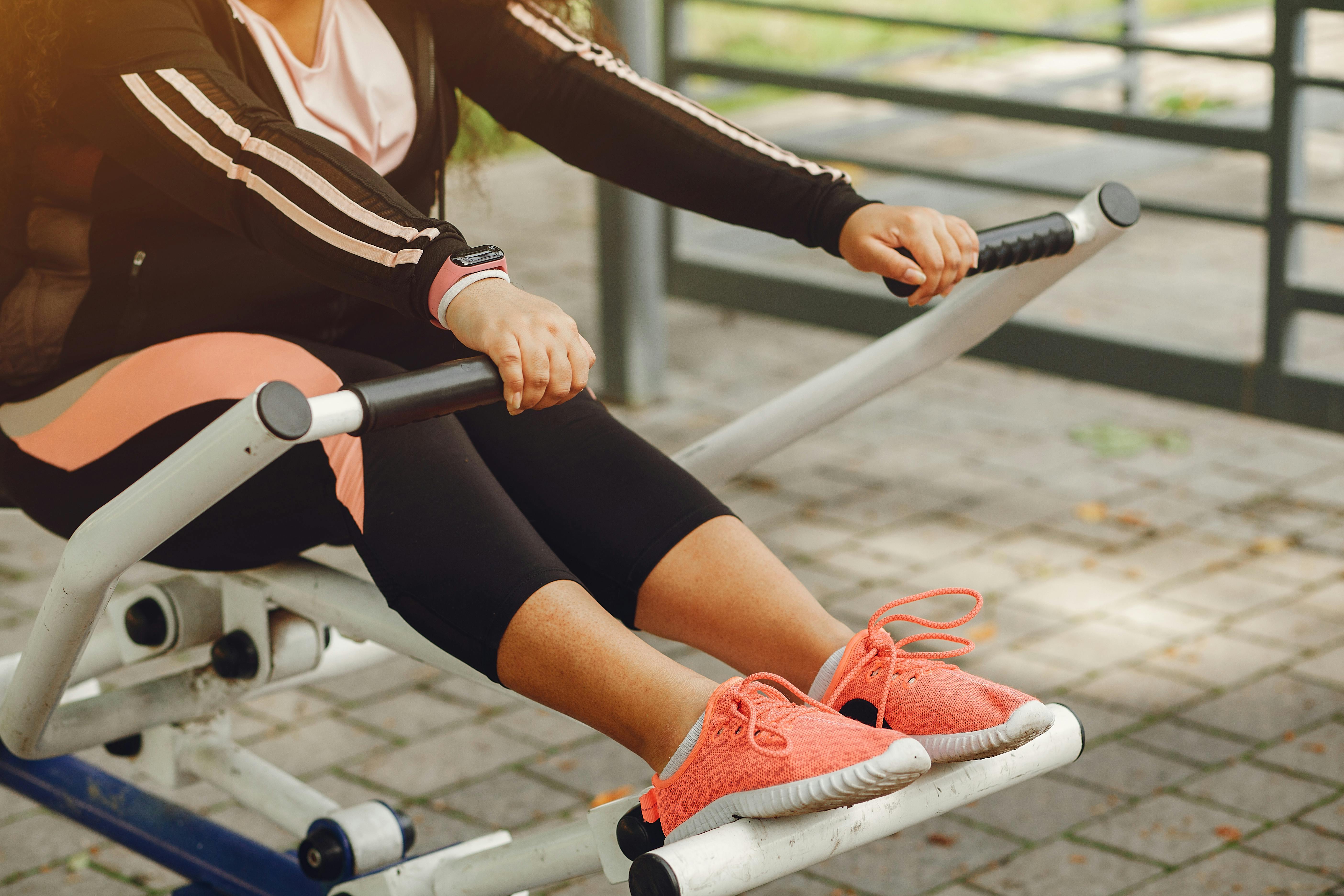
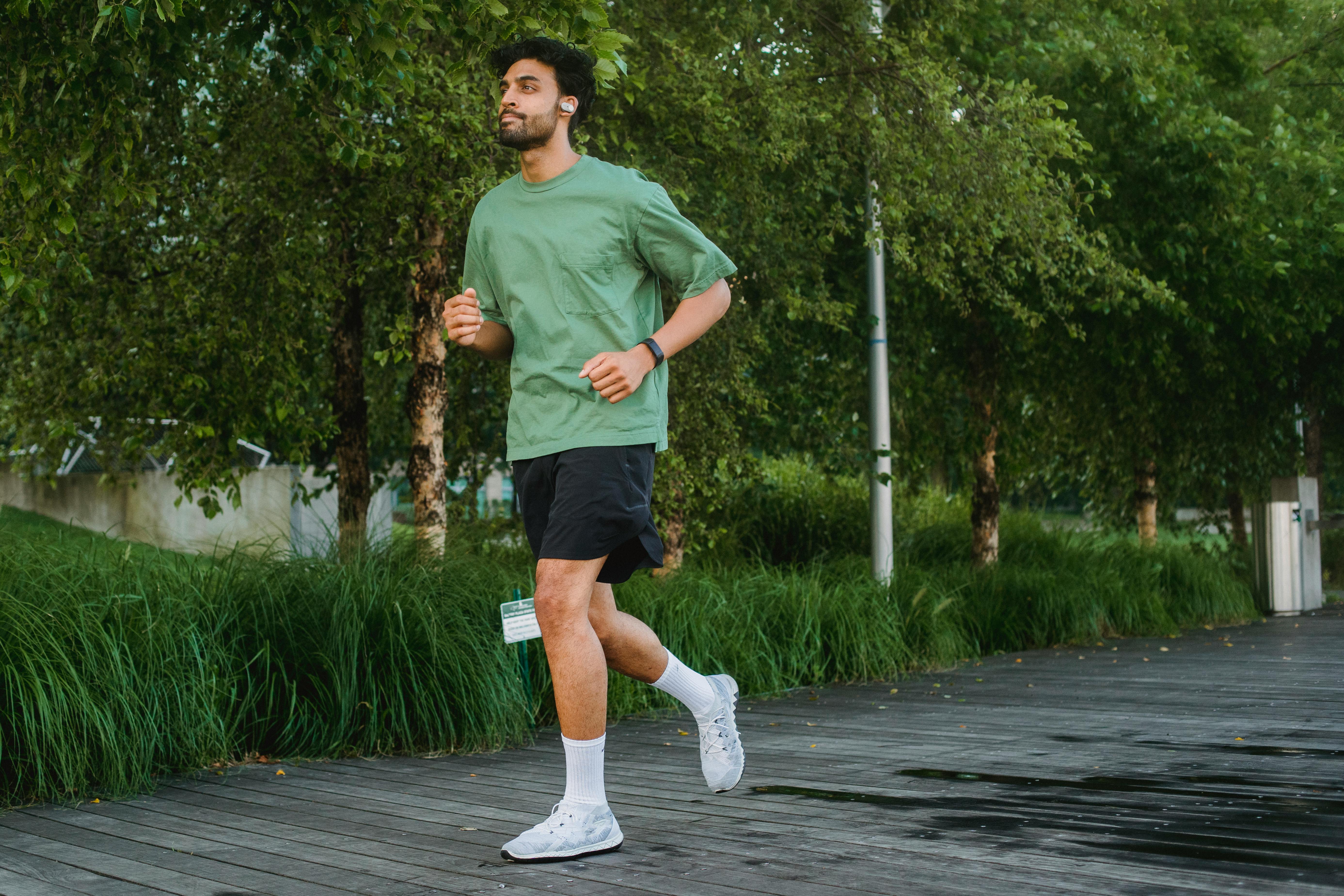
Regular physical activity has meaningful evidence for reducing anxiety symptoms. A study of more than 80,000 individuals found that physical activity was associated with reduced symptoms of anxiety over time. Other helpful strategies include reducing caffeine, prioritizing sleep, and practicing relaxation techniques such as deep breathing or progressive muscle relaxation.
When to Seek Help
You should speak to a healthcare provider if physical symptoms are:
Occurring frequently or consistently when you are stressed or worried
Interfering with work, sleep, relationships, or daily functioning
Causing you to avoid activities or situations out of fear that they will trigger symptoms
Accompanied by significant emotional distress, panic attacks, or constant worry
A psychiatrist can conduct a comprehensive evaluation to determine whether anxiety is contributing to your physical symptoms, rule out medical causes, and discuss treatment options tailored to your situation.
Ready to get started? Blossom Health connects you with board-certified psychiatrists online, covered by in-network insurance. Visit joinblossomhealth.com/start to book your appointment.
Medical Disclaimer
This article is for informational purposes only and is not a substitute for professional medical advice, diagnosis, or treatment. If you are experiencing a mental health crisis, contact the 988 Suicide and Crisis Lifeline by calling or texting 988.
Sources
Mishra AK, Varma AR. 2023. A Comprehensive Review of the Generalized Anxiety Disorder. Cureus. https://pmc.ncbi.nlm.nih.gov/articles/PMC10612137/
Fischer S, Haas F, Strahler J. 2021. A Systematic Review of Thermosensation and Thermoregulation in Anxiety Disorders. Front Physiol. https://www.ncbi.nlm.nih.gov/pmc/articles/PMC8685525/
Romanazzo S, Mansueto G, Cosci F. 2022. Anxiety in the Medically Ill: A Systematic Review of the Literature. Front Psychiatry. https://www.ncbi.nlm.nih.gov/pmc/articles/PMC9203680/
Swedish Council on Health Technology Assessment. 2005. Treatment of Anxiety Disorders: A Systematic Review [Internet]. SBU Yellow Report No. 171/1+2. https://pubmed.ncbi.nlm.nih.gov/28876726/
McDowell CP, Dishman RK, Gordon BR, Herring MP. 2019. Physical Activity and Anxiety: A Systematic Review and Meta-analysis of Prospective Cohort Studies. Am J Prev Med. https://pubmed.ncbi.nlm.nih.gov/31542132/
NIMH. Anxiety Disorders. https://www.nimh.nih.gov/health/topics/anxiety-disorders
Cleveland Clinic. Anxiety Disorders. https://my.clevelandclinic.org/health/diseases/9536-anxiety-disorders
American Psychiatric Association. What are Anxiety Disorders? https://www.psychiatry.org/patients-families/anxiety-disorders/what-are-anxiety-disorders
Mayo Clinic. Anxiety Disorders: Symptoms and Causes. https://www.mayoclinic.org/diseases-conditions/anxiety/symptoms-causes/syc-20350961
Kandiah JW, Blumberger DM, Rabkin SW. 2022. The Fundamental Basis of Palpitations: A Neurocardiology Approach. Curr Cardiol Rev. https://pmc.ncbi.nlm.nih.gov/articles/PMC9615214/