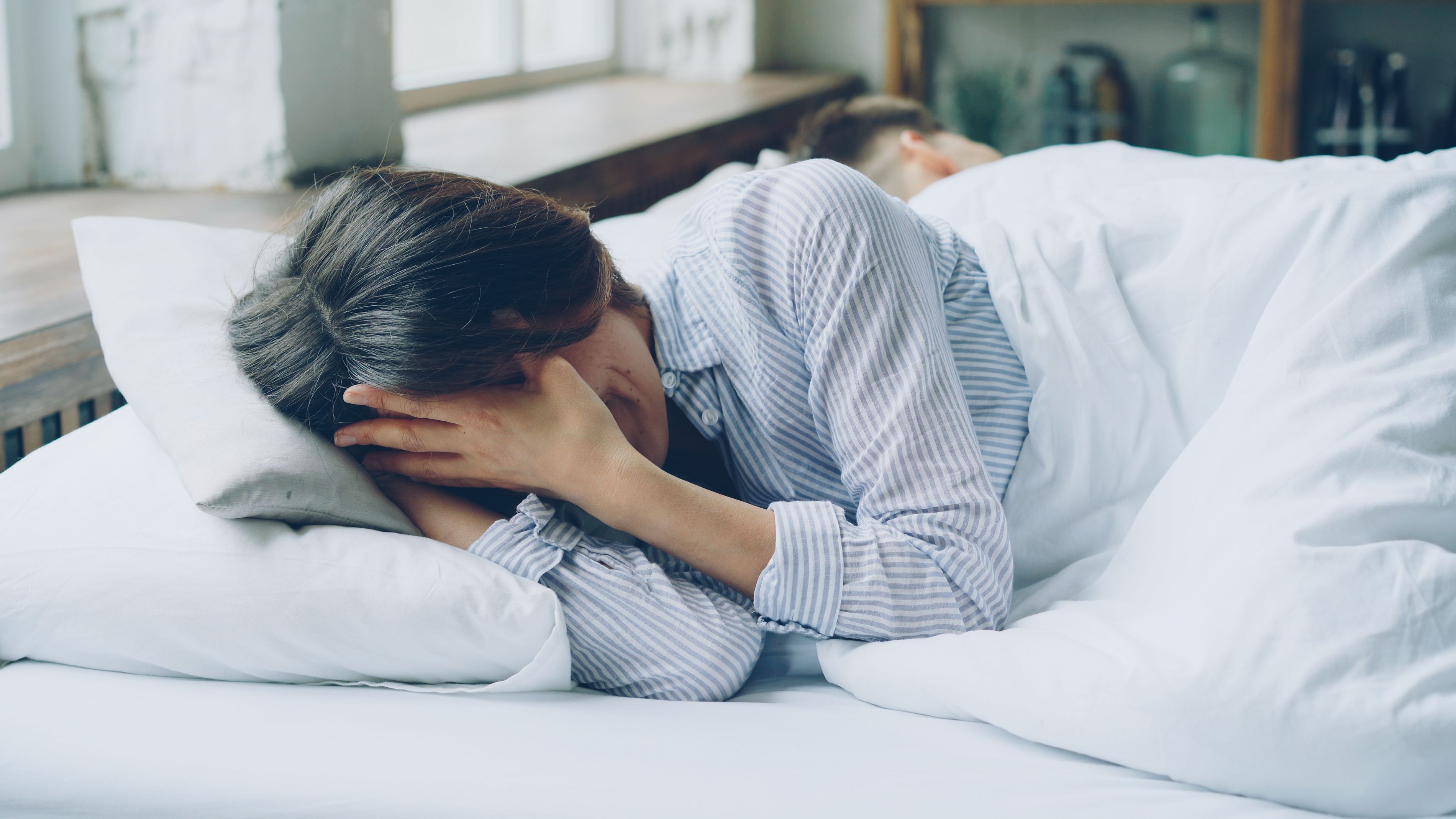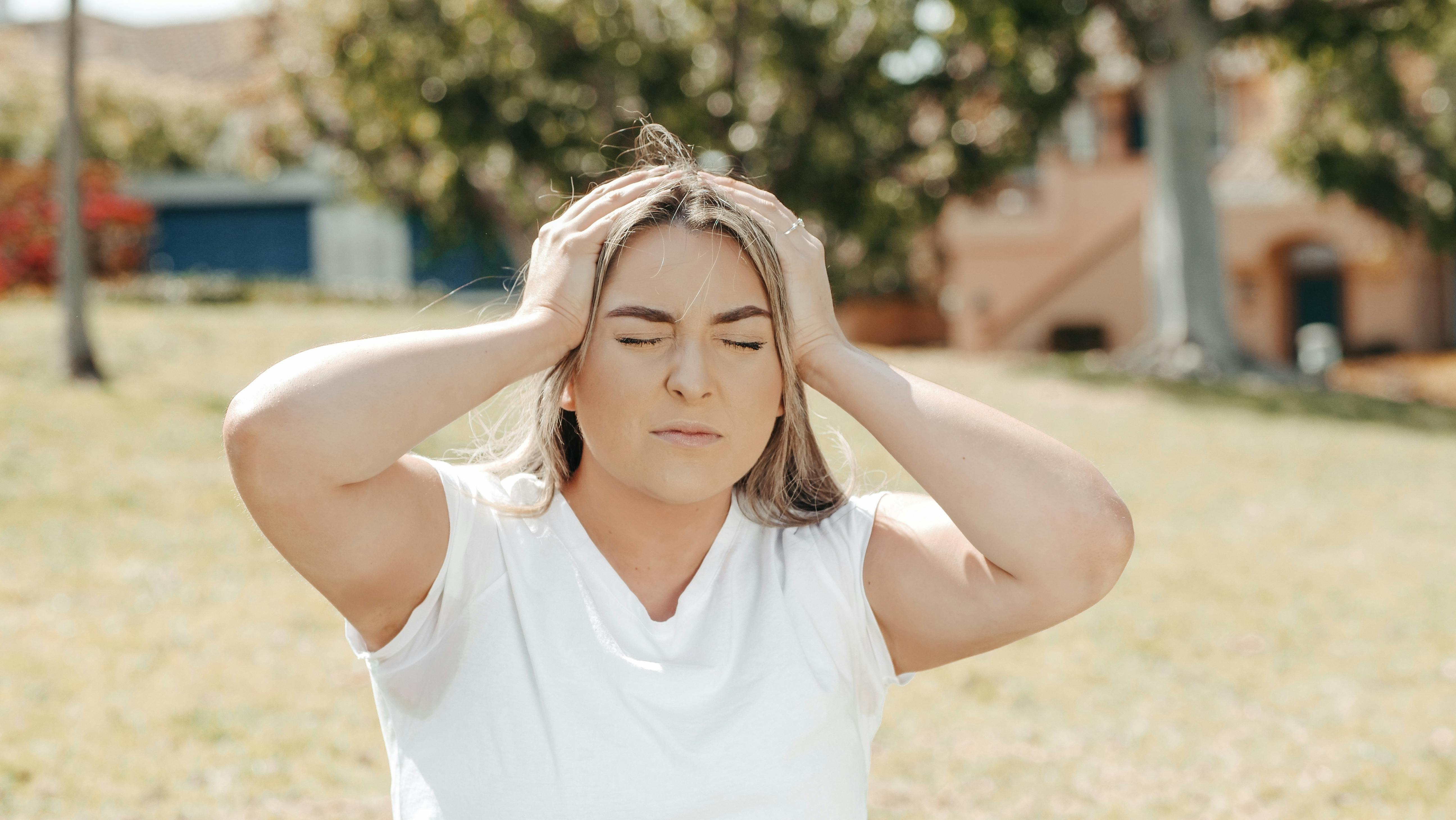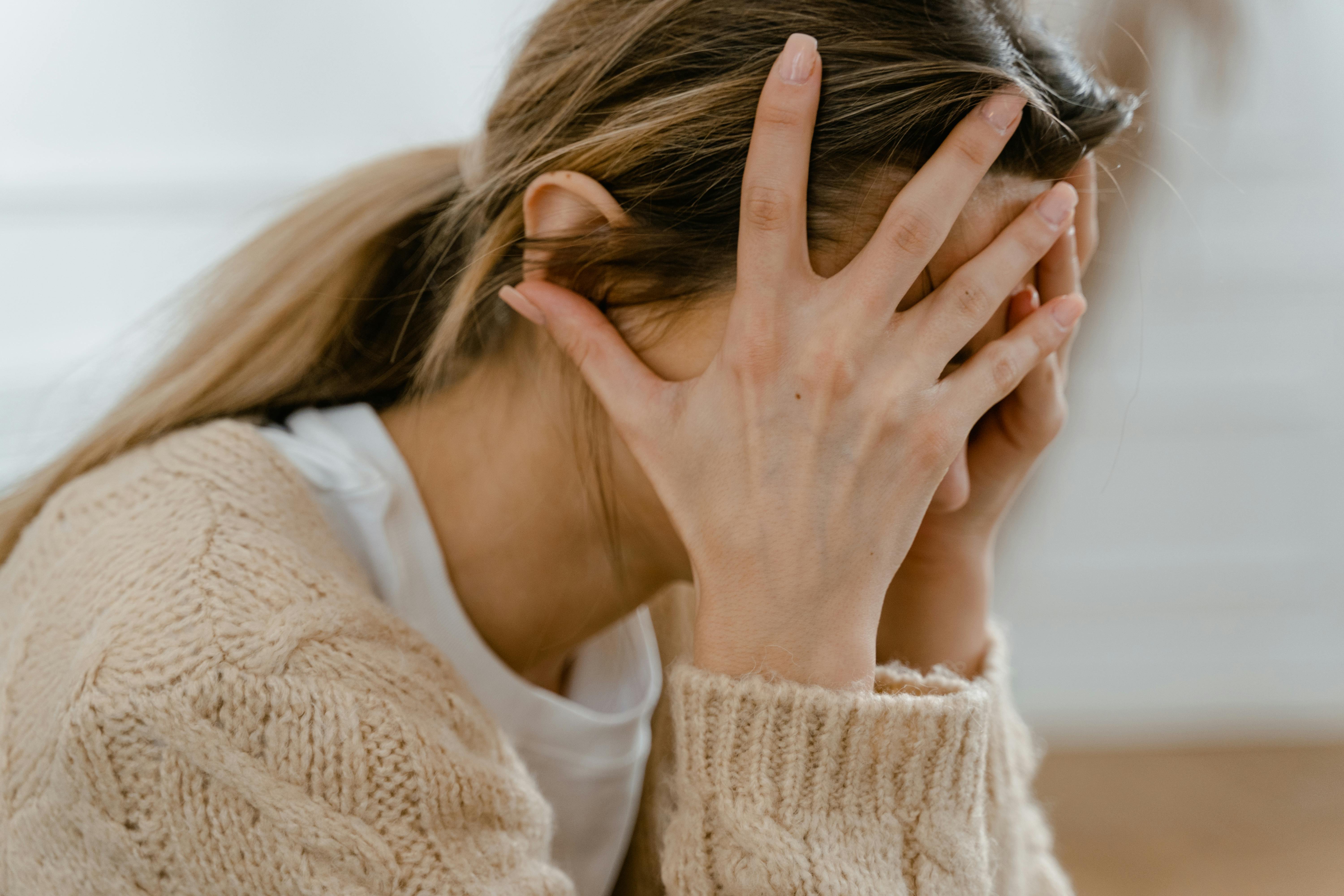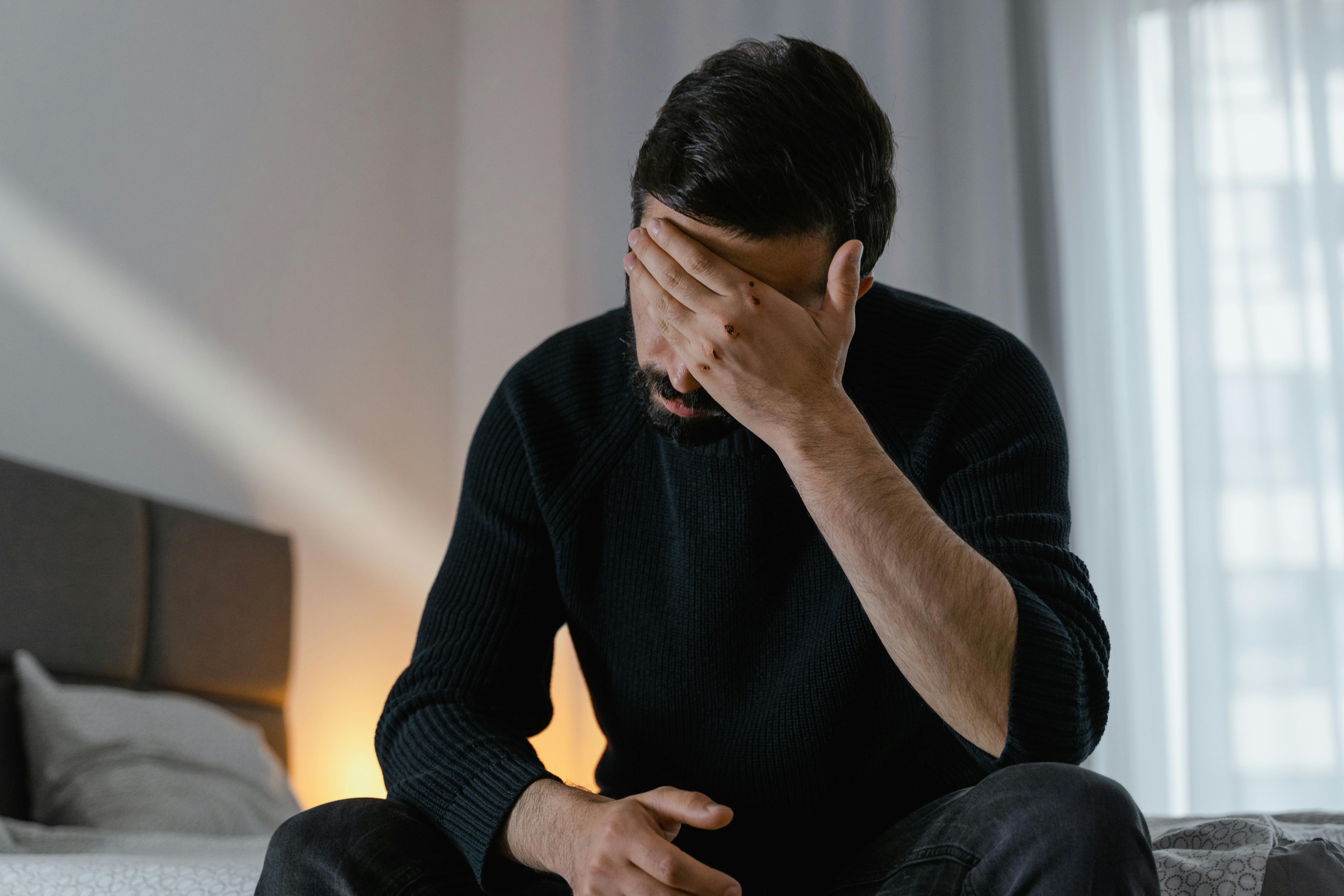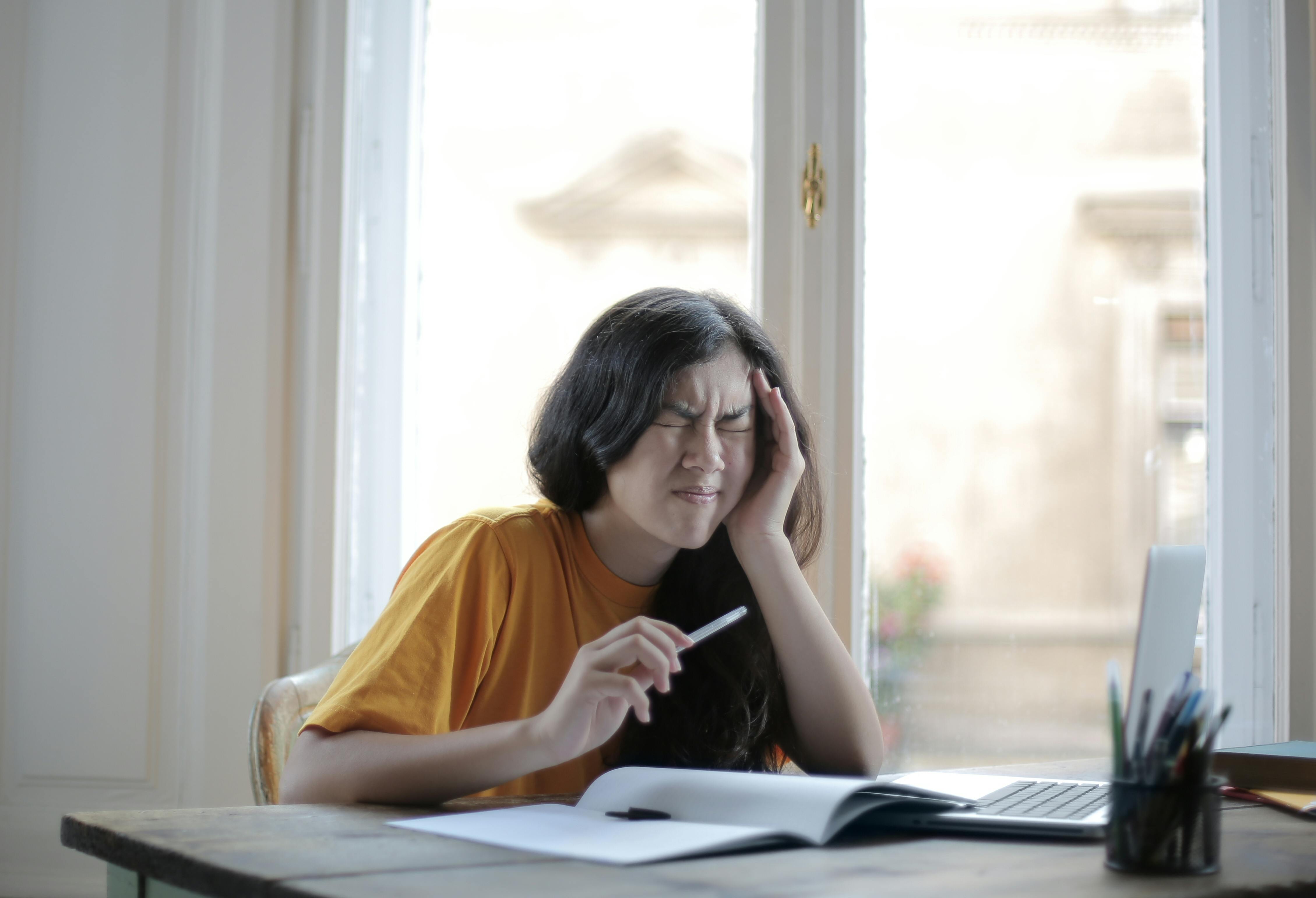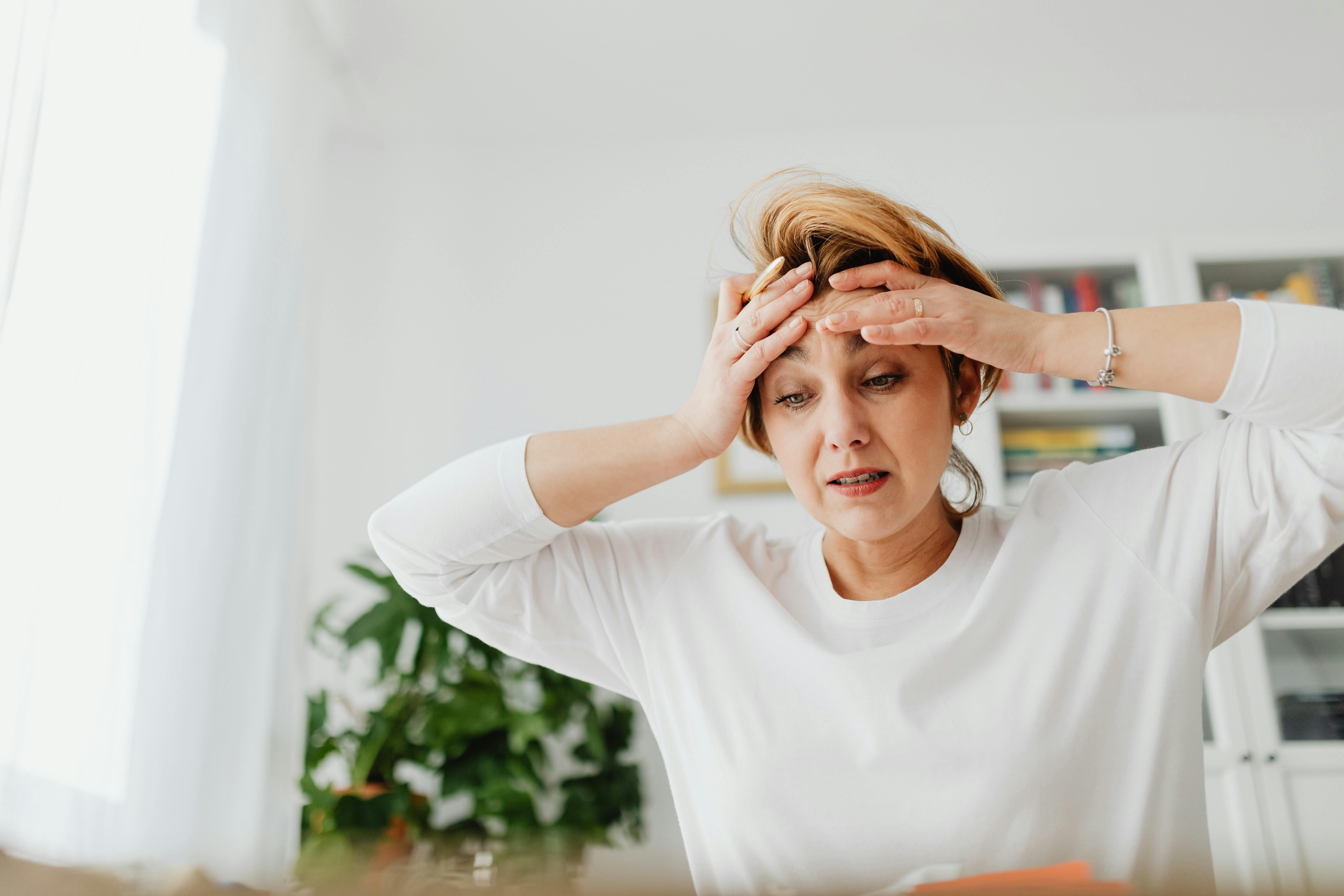

Many people anticipate perimenopause, the years leading up to menopause, as merely a physical change when the body begins its hormonal transition. What often comes as a surprise is the mental and emotional turbulence that can accompany it. Anxiety during perimenopause is common, clinically significant, and frequently undertreated.
Research suggests that women are more likely to experience depression and anxiety during the menopausal transition compared to premenopause, particularly those with prior vulnerability. Understanding why perimenopause can trigger or worsen anxiety, and what can be done about it, is essential for anyone navigating this stage of life.
Key Takeaways
Perimenopause typically begins in the mid-to-late 40s and can last several years. Fluctuating estrogen and progesterone levels during this transition are associated with changes in mood-regulating systems in the brain, contributing to anxiety, irritability, and sleep disruption.
Perimenopause-related anxiety can look like new-onset anxiety, worsening of existing anxiety, panic attacks, or heightened irritability, even in women who have never had a prior mental health diagnosis.
Effective treatment options include psychiatric medication, psychotherapy, hormone therapy, and lifestyle approaches, and some of these can be combined for the best outcomes. A psychiatric provider can help determine what's right for your situation.
What is Perimenopause?
Perimenopause refers to the transition period before menopause, during which the ovaries gradually produce less estrogen and progesterone. For many women, it begins in the mid-to-late 40s, though for some it can start as early as the late 30s or as late as the mid 50s.
According to the U.S. Department of Health & Human Services, perimenopause can last anywhere from two to eight years, with an average duration of four years. Menopause itself is defined as 12 consecutive months without a period.
During perimenopause, hormone levels do not decline in a smooth, predictable way. They fluctuate, sometimes dramatically, before eventually stabilizing at lower post-menopausal levels. These fluctuations are at the heart of many perimenopausal symptoms, including the mood and anxiety changes that many women find the most disruptive.
Why Does Perimenopause Cause Anxiety?
The connection between hormonal changes and anxiety is well established in the scientific literature. It operates through several interconnected pathways.
Hormones’ Role in Brain Chemistry
The female hormone estrogen has direct effects on the brain systems that regulate mood and stress response. Fluctuation in estrogen changes the levels of neurotransmitters such as serotonin, dopamine, norepinephrine, and gamma-aminobutyric acid (GABA), all of which affect mood regulation. .
The hormone progesterone has anti-anxiety properties, which it exerts through GABA receptor modulation. GABA is a neurotransmitter associated with a calming effect and improved sleep. Fluctuations in progesterone levels during perimenopause contribute to heightened anxiety, irritability, and emotional instability.
Sleep Disruption and Anxiety
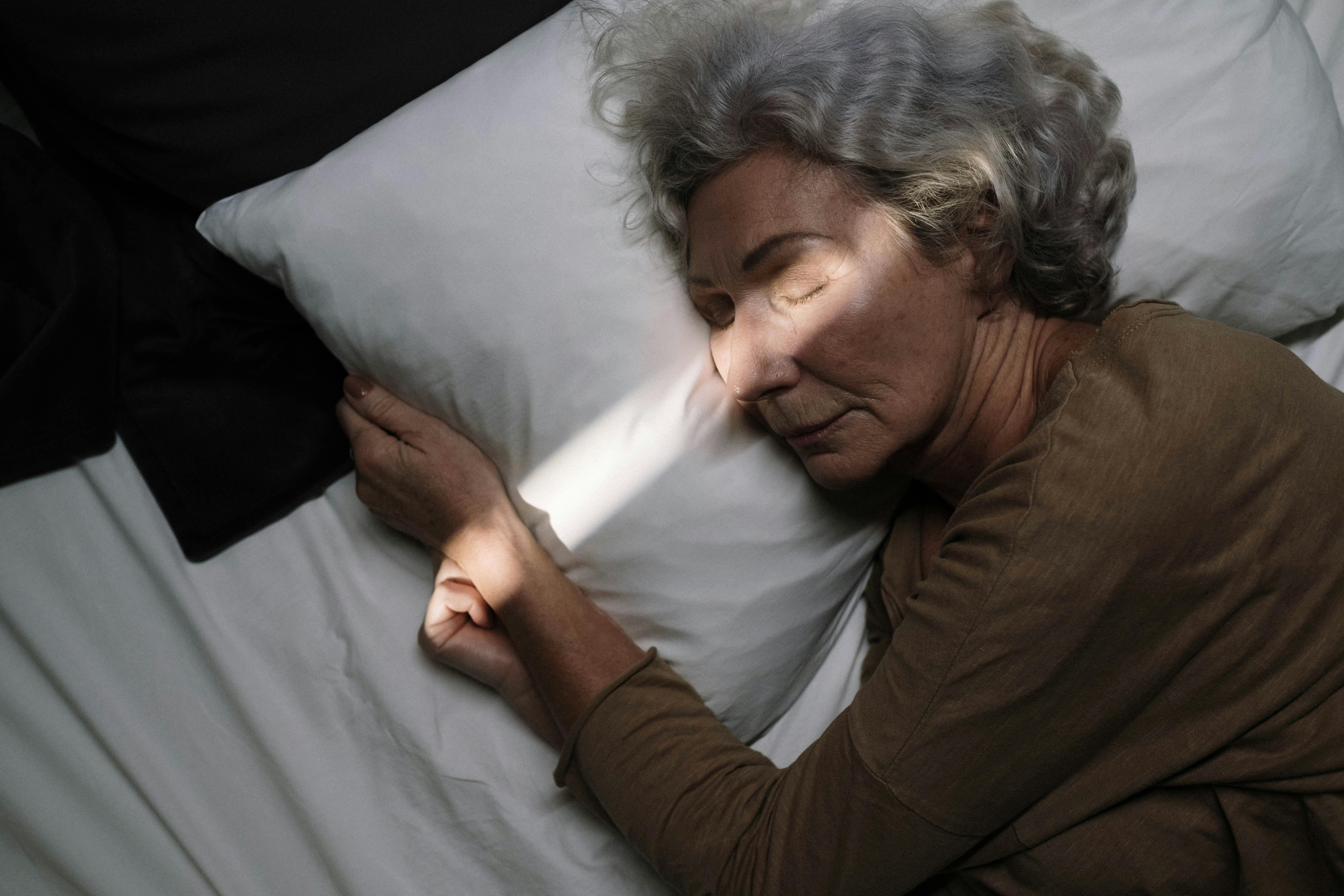
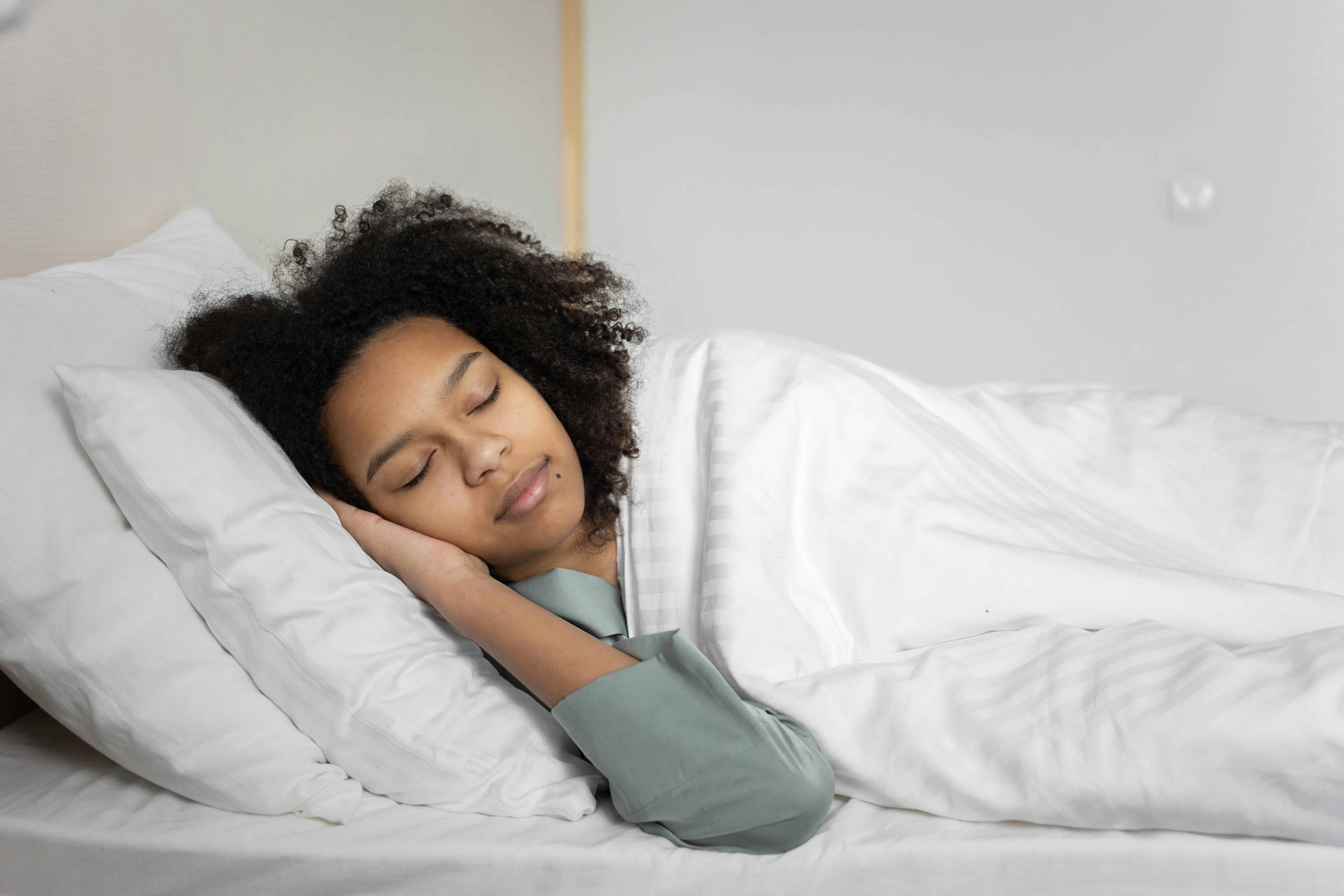
Hot flashes and night sweats, common physical symptoms of perimenopause, frequently disrupt sleep. Chronic sleep deprivation increases cortisol levels, leading to higher levels of stress, which is associated with anxiety and mood instability. When you're waking multiple times a night with hot flashes and are unable to return to sleep, the resulting fatigue, stress, and cognitive impairment feed directly into a heightened anxiety state.
HPA Axis Dysregulation
The hypothalamic-pituitary-adrenal (HPA) axis — the body's central stress response system — is sensitive to estrogen levels. As estrogen fluctuates during perimenopause, the HPA axis can become dysregulated in some women, making the stress response more reactive. As a result, the increased cortisol (stress hormone) activity in response to otherwise manageable stressors further amplifies anxiety.
Psychological and Life-Context Factors
Perimenopause does not occur in a vacuum. For many women, it coincides with other significant life stressors: aging parents, children leaving home, career transitions, relationship changes, and their own confrontation with aging and mortality. These contextual factors can amplify the biological vulnerability created by hormonal changes, making anxiety more likely to develop or worsen during this period.
What Does Perimenopausal Anxiety Look Like?
Some women who have never had anxiety before can develop it for the first time during perimenopause. This can be particularly disorienting and may lead to delayed recognition or misattribution to other causes.
While studies on anxiety linked to perimenopause are few, here are a few symptoms you may notice:
A new or worsening sense of nervousness, unease, or dread that you can't easily explain
Panic attacks or surges of intense physical anxiety — racing heart, shortness of breath, dizziness — sometimes during hot flashes
Physical symptoms of nausea, sweating, or muscle tension
Heightened irritability or emotional reactivity, feeling easily overwhelmed by things that would not normally bother you
Difficulty falling or staying asleep, with anxious thoughts racing at night
Worry about your health, your body, or your future, which feels hard to control
Difficulty concentrating or remembering things
A sense of losing control over your emotions or mental state
It’s important to remember that these symptoms can overlap with other medical or psychiatric conditions, including new-onset panic disorder, so a clinical evaluation is important. The Overlap Between Perimenopause and Anxiety Disorders
A growing body of research documents the increased risk of anxiety symptoms during the menopausal transition. A large longitudinal study published in Menopause found that women in the perimenopausal transition who previously had low anxiety levels were significantly more likely to report anxiety symptoms than premenopausal women, even after controlling for life stress and prior history of mood disorders. In contrast, women with high anxiety premenopausally did not report a significant change in their anxiety levels attributable to the menopause transition.
Depression is also common during perimenopause, and the two conditions can co-occur. Women with a prior history of depression, trauma, stress, or premenstrual dysphoric disorder (PMDD), both hormonally linked conditions, appear to be at elevated risk for significant mood and anxiety disturbance during perimenopause. At the same time, a study published in JAMA Psychiatry reported that women with no history of depression prior to the menopause transition had a low risk of continuing depression two years after menopause.
Treatment Options for Perimenopause Anxiety
Perimenopausal anxiety is treatable. The most effective approach depends on the severity of symptoms, your overall health history, and your preferences.
Psychiatric Medication
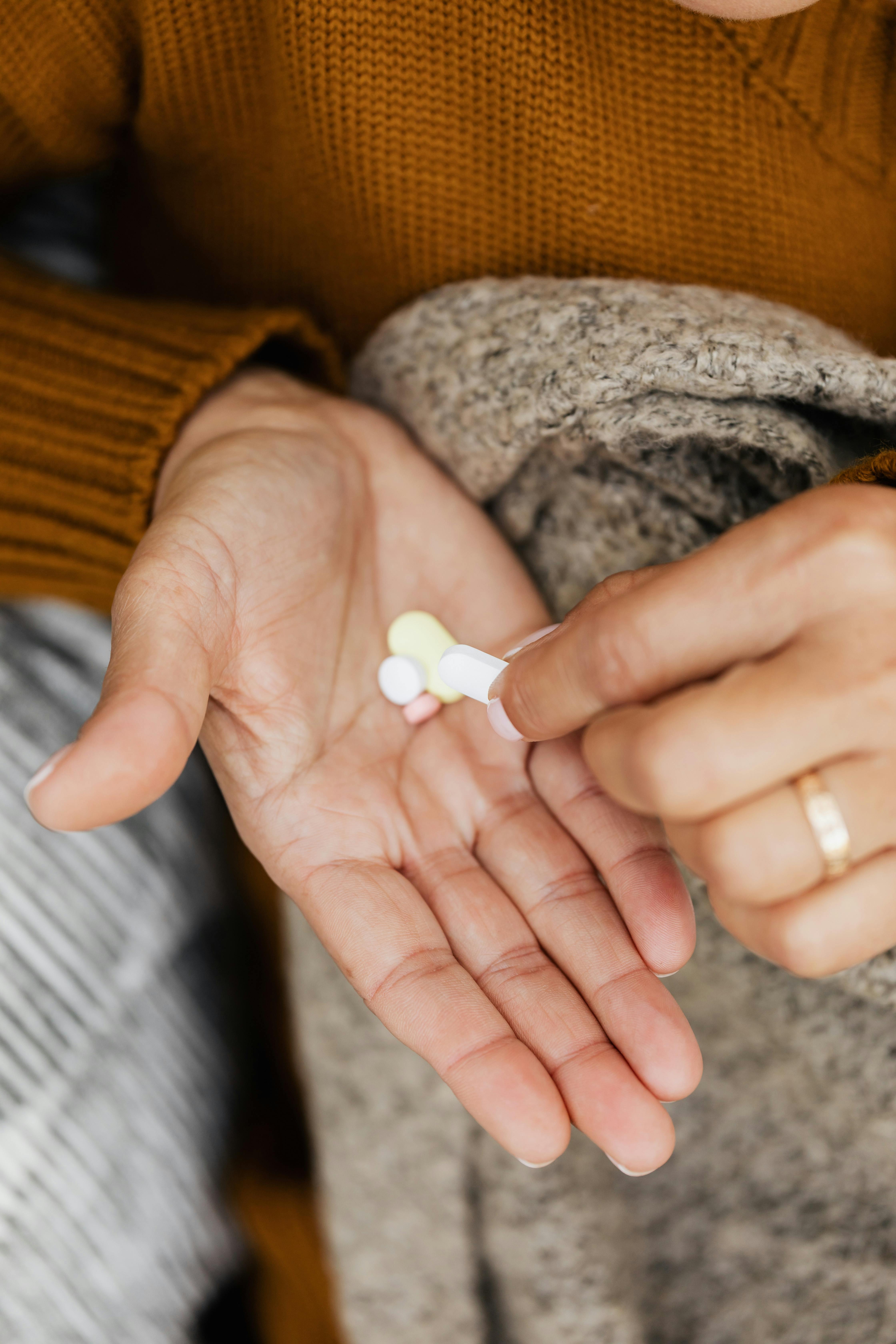
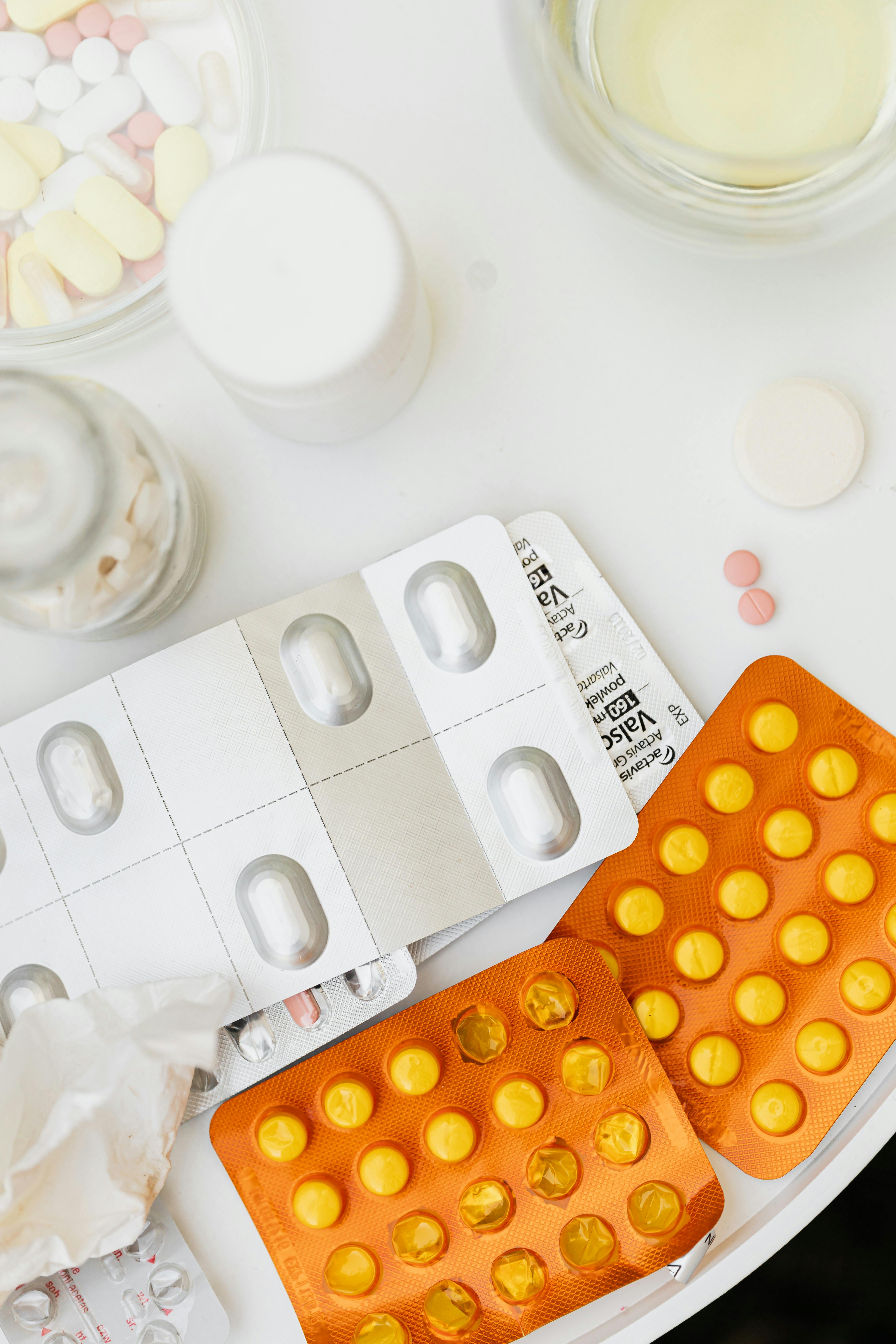
SSRIs (selective serotonin reuptake inhibitors) and SNRIs (serotonin-norepinephrine reuptake inhibitors) are commonly used first-line medications for anxiety and depression. According to treatment guidelines published in Menopause, SSRIs can be prescribed for mild cases without vasomotor symptoms (VMS) such as hot flashes and night sweats, while SNRIs like venlafaxine (Effexor) can be prescribed for co-occurring depression or anxiety and VMS.
These antidepressants do not affect hormones but work on the neurotransmitter systems disrupted by hormonal fluctuation. They are a good option to help with hot flashes for those who prefer not to use hormone therapy.
Psychotherapy
Cognitive-behavioral therapy (CBT) is effective for anxiety at any stage of life. For perimenopausal anxiety specifically, CBT can help with catastrophic thinking about symptoms, sleep-related anxiety, and adjustment to life changes that coincide with the menopausal transition.
Mindfulness-based therapies have also shown promise. A study published in 2018 found that mindfulness-based stress reduction improved menopause-specific quality of life in perimenopausal and postmenopausal women.
Hormone Therapy
Menopausal hormone therapy (HT), which includes administering estrogen with or without progesterone, may improve depressive symptoms associated with perimenopause. The benefits are most evident when VMS, such as hot flashes, are also present.
Despite evidence of possible antidepressant effects, hormone therapy is not currently approved to treat perimenopausal depression. However, the FDA has approved hormone therapy in cases of VMS, as a preventative measure for bone loss, and for some other conditions.
It is important to note that hormone therapy is associated with an increased risk of estrogen-sensitive cancers, heart disease, stroke, venous thromboembolism, and dementia, particularly among women over 60. Thus, any decision to undertake hormone therapy must include a careful risk vs. benefit evaluation with a gynecologist.
Lifestyle Approaches
Several lifestyle interventions have evidence supporting their role in managing perimenopausal anxiety:
Regular aerobic exercise has been shown to reduce anxiety and improve mood in midlife women
Reducing caffeine and alcohol — both of which can worsen anxiety and disrupt sleep
Prioritizing sleep hygiene, including consistent sleep and wake times
Stress reduction practices such as yoga, deep breathing, or meditation
When to Seek Professional Help
You should consider speaking with a psychiatric provider if perimenopausal anxiety is:
Interfering with your work, relationships, or daily functioning
Causing significant sleep disruption, self-help strategies haven't improved
Accompanied by symptoms of depression, such as persistent sadness, hopelessness, or loss of interest
Involving panic attacks or severe physical anxiety symptoms
Not improving with lifestyle changes after a few weeks
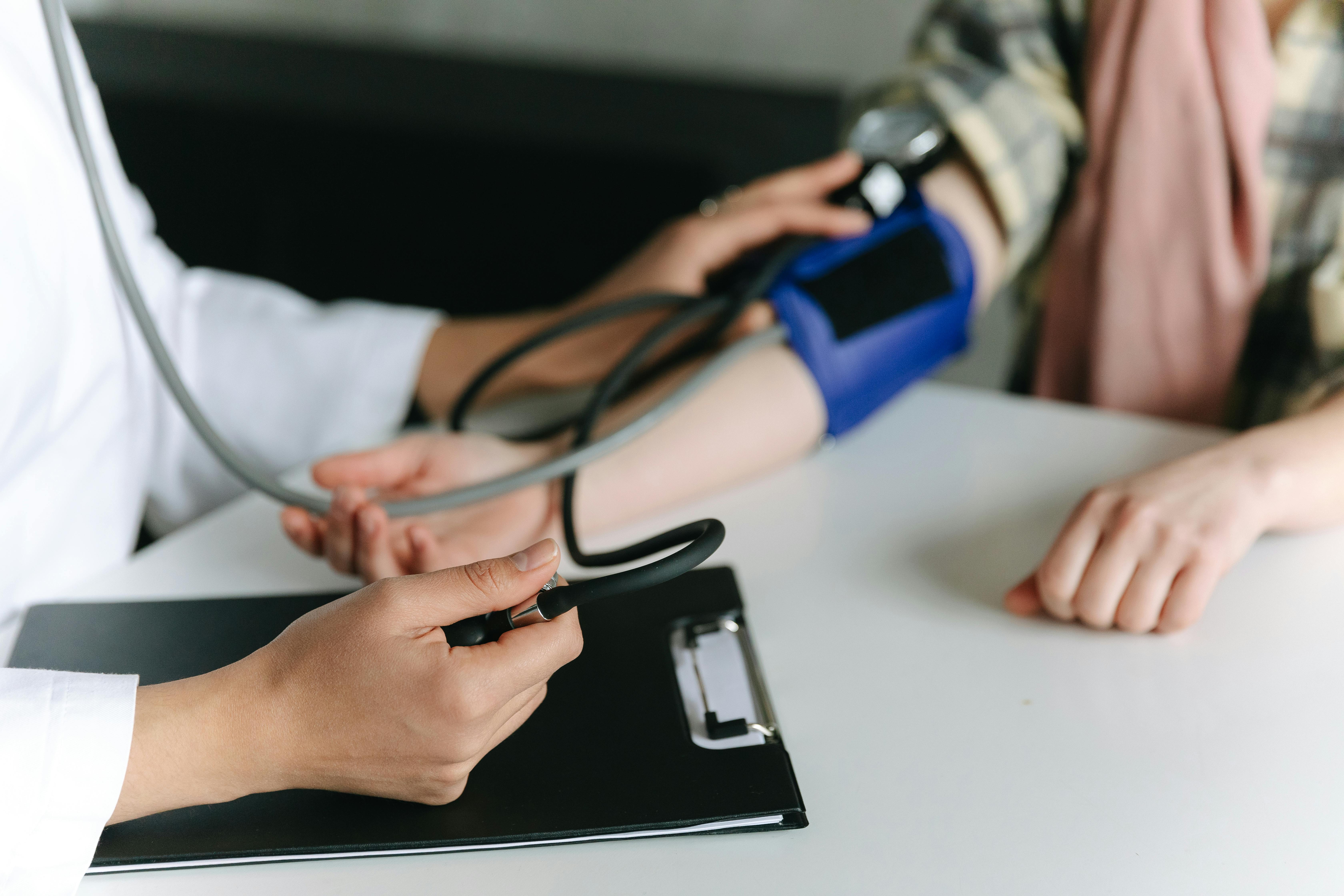
Perimenopause is a normal life transition, but the anxiety it can bring is not something you have to simply endure. Effective treatment is available. If you're struggling, know that psychiatric care through Blossom Health is available virtually, covered by insurance, and designed to meet you where you are.
Medical Disclaimer
This article is for informational purposes only and is not a substitute for professional medical advice, diagnosis, or treatment. Always seek the advice of your physician or other qualified healthcare provider with any questions you may have regarding a medical condition. If you are experiencing a mental health crisis, contact the 988 Suicide and Crisis Lifeline by calling or texting 988.
Sources
Office on Women’s Health. (2026, April 2). Menopause basics. U.S. Department of Health and Human Services. https://womenshealth.gov/menopause/menopause-basics
Garg, R., & Munshi, A. (2025). Menopause and Mental Health. Journal of mid-life health, 16(2), 119–123. https://pmc.ncbi.nlm.nih.gov/articles/PMC12237151/
Bromberger, J. T., Kravitz, H. M., Chang, Y., Randolph, J. F., Jr, Avis, N. E., Gold, E. B., & Matthews, K. A. (2013). Does risk for anxiety increase during the menopausal transition? Study of women's health across the nation. Menopause (New York, N.Y.), 20(5), 488–495. https://pmc.ncbi.nlm.nih.gov/articles/PMC3641149
Freeman, E. W., Sammel, M. D., Boorman, D. W., & Zhang, R. (2014). Longitudinal pattern of depressive symptoms around natural menopause. JAMA Psychiatry, 71(1), 36–43. https://jamanetwork.com/journals/jamapsychiatry/fullarticle/1772342
Maki, P. M., Kornstein, S. G., Joffe, H., Bromberger, J. T., Freeman, E. W., Athappilly, G., Bobo, W. V., Rubin, L. H., Koleva, H. K., Cohen, L. S., & Soares, C. N. (2018). Guidelines for the evaluation and treatment of perimenopausal depression: Summary and recommendations. Menopause, 25(10), 1069–1085. https://journals.lww.com/menopausejournal/abstract/2018/10000/guidelines_for_the_evaluation_and_treatment_of.5.aspx
van Driel, C., de Bock, G. H., Schroevers, M. J., & Mourits, M. J. (2019). Mindfulness-based stress reduction for menopausal symptoms after risk-reducing salpingo-oophorectomy (PURSUE study): a randomised controlled trial. BJOG: an international journal of obstetrics and gynaecology, 126(3), 402–411. https://pmc.ncbi.nlm.nih.gov/articles/PMC6587763/
Del Río, J. P., Alliende, M. I., Molina, N., Serrano, F. G., Molina, S., & Vigil, P. (2018). Steroid Hormones and Their Action in Women's Brains: The Importance of Hormonal Balance. Frontiers in public health, 6, 141. https://pmc.ncbi.nlm.nih.gov/articles/PMC5974145
The NAMS 2017 Hormone Therapy Position Statement Advisory Panel (2017). The 2017 hormone therapy position statement of The North American Menopause Society. Menopause (New York, N.Y.), 24(7), 728–753. https://pubmed.ncbi.nlm.nih.gov/28650869/
National Institute of Mental Health. (2024, December). Anxiety disorders. https://www.nimh.nih.gov/health/topics/anxiety-disorders
National Institute on Aging. (2023, April 10). What is menopause? https://www.nia.nih.gov/health/what-menopause
Mayo Clinic Staff. (2025, December 18). Perimenopause: Symptoms and causes. Mayo Clinic. https://www.mayoclinic.org/diseases-conditions/perimenopause/symptoms-causes/syc-20354666
Santoro, N., Epperson, C. N., & Mathews, S. B. (2015). Menopausal Symptoms and Their Management. Endocrinology and metabolism clinics of North America, 44(3), 497–515. https://pmc.ncbi.nlm.nih.gov/articles/PMC4890704/
Cleveland Clinic. (2024, August 8). Perimenopause: Age, stages, signs, symptoms & treatment. https://my.clevelandclinic.org/health/diseases/21608-perimenopause
The Menopause Society. (n.d.). Perimenopause. https://menopause.org/patient-education/menopause-topics/perimenopause
American College of Obstetricians and Gynecologists. (2025, February). Mood changes during perimenopause are real: Here’s what to know. https://www.acog.org/womens-health/experts-and-stories/the-latest/mood-changes-during-perimenopause-are-real-heres-what-to-know