Buspirone 5mg: Is It Enough for Anxiety, and How Does It Fit Into Treatment?
Author:
Blossom Editorial



Buspirone 5mg is the smallest available tablet strength of this FDA-approved anxiety medication. Many people wonder whether such a low dose can treat anxiety on its own.
For most adults with generalized anxiety disorder (GAD), 5mg is generally not considered a full therapeutic dose on its own. Instead it is used as a starting point to help providers gradually reach the dose range where buspirone works best.
Understanding how buspirone 5mg fits in the overall dosing strategy can help you have a more informed conversation with your provider.
Key Takeaways
Buspirone 5mg alone is usually not a therapeutic dose. The typical FDA-recommended starting dose is 15 mg per day, with an effective range of 20–30 mg per day in clinical trials.
The 5mg tablet helps build an effective dose. It is often taken three times daily (5mg TID) to reach the 15 mg starting dose, or used for gradual dose increase.
Underdosing is common in practice. Some people may feel buspirone ‘doesn’t work’ because they never reach the dose range shown to reduce anxiety in clinical trials.
What Is Buspirone 5mg?
Buspirone is an antianxiety medication approved by the U.S. Food and Drug Administration to treat generalized anxiety disorder (GAD). Buspirone works mainly by affecting serotonin receptors in the brain, which may help regulate anxiety over time.
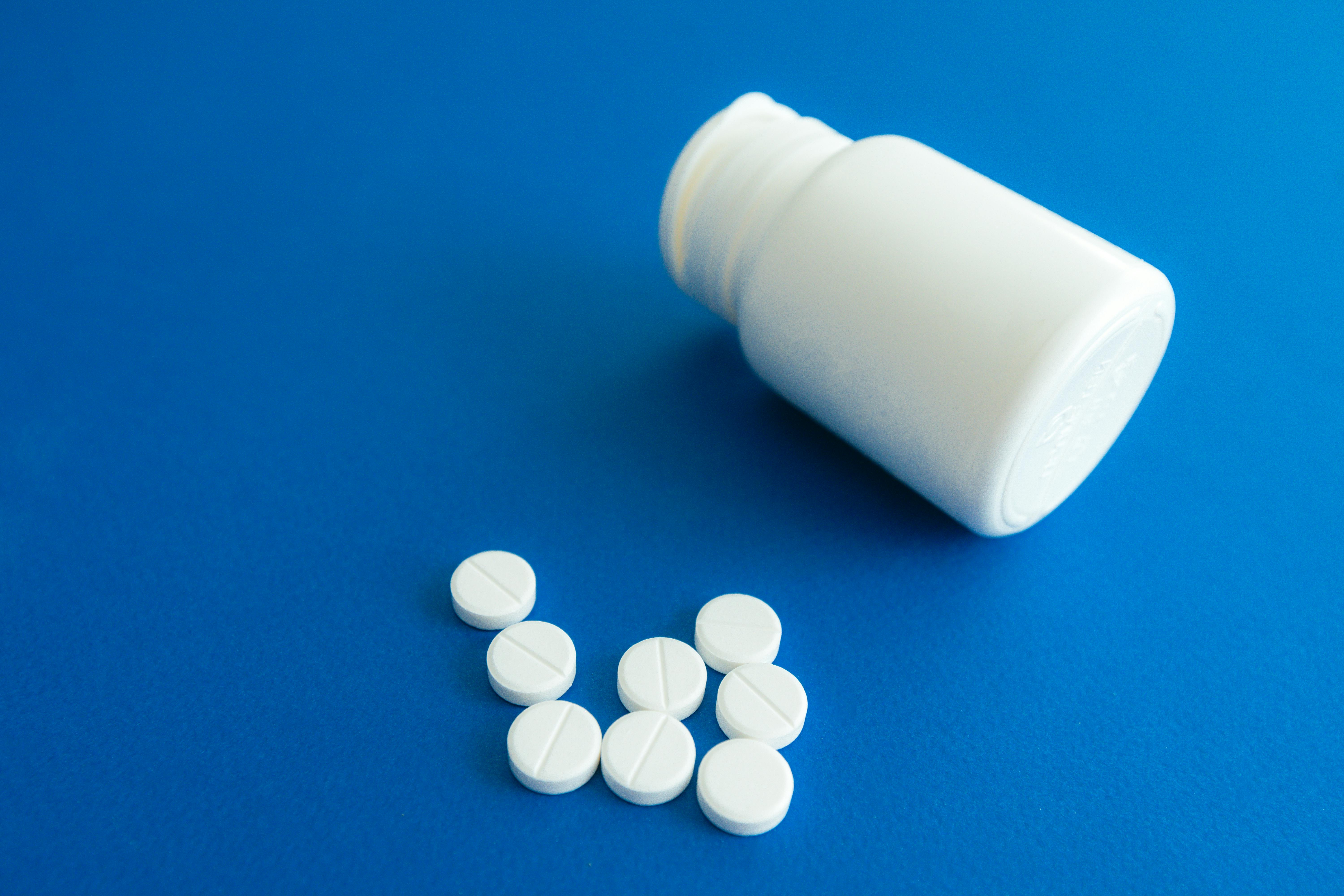
It is available in tablet strengths of 5 mg, 10 mg, 15 mg, and 30 mg. The 5mg and 10 mg tablets are scored, meaning they can be split into two to deliver 2.5mg or 5 mg doses as well. The 5mg tablet is the smallest commercially available strength and helps providers increase doses gradually.
According to FDA prescribing information, the recommended starting dose for anxiety is 15 mg daily. This can be taken in two ways: 7.5 mg twice daily or 5 mg three times daily.
So the 5mg tablet is typically used as a starting dose taken three times per day to achieve the total recommended 15 mg.
The Full Buspirone Dosing Spectrum
To understand where 5mg fits, it helps to see the full dosing picture:
5 mg TID (three times daily) = 15 mg/day — the recommended starting dose per FDA prescribing information
7.5 mg BID (twice daily) = 15 mg/day — an alternative starting approach
20–30 mg/day — Dose used in many clinical trials
60 mg/day — the upper safety limit
According to NCBI StatPearls, the results from clinical trials suggest most patients experience meaningful anxiety relief when doses reach 20–30 mg per day.A long-term multicenter trial published in PubMed found that most patients were effectively managed on 15–30 mg per day for up to one year with no unexpected side effects.
A single 5mg dose is rarely enough to treat anxiety on its own— it is more accurately a starting point.
When 5mg Buspirone May Be Prescribed
There are specific situations where lower doses, like 5mg can be prescribed:
As part of a gradual titration start: Some providers prefer starting at a lower-than-standard dose for patients who are particularly sensitive to medications. Beginning with 5 mg once or twice daily may reduce early side effects such as dizziness and nausea before increasing to the standard starting dose. You can read more about it in our article on buspirone side effects in the first week.
For people with liver or kidney conditions: Buspirone is metabolized in the liver and cleared by the kidneys. Per FDA prescribing information, patients with such conditions may need lower starting doses and closer monitoring.
Dose adjustments: Buspirone is typically increased in 5 mg increments every 2 to 3 days.he 5mg tablet allows providers and patients to make precise, stepwise adjustments. For example, going from 20 mg to 25 mg per day can be accomplished by adding one 5mg dose to the existing regimen.
For elderly or medication-sensitive patients: Older adults may process medications more slowly.Some people also process buspirone differently because of natural differences in how their bodies metabolize drugs. A lower initial dose in these populations may provide a safety margin while still allowing gradual increases.
Why 5mg Alone Usually Isn't Enough
One of the most common reasons why buspirone appears ineffective for patients is underdosing. Research published in Pharmacy Times found that buspirone is often prescribed at lower doses in clinical settings. As a result, some people may not experience enough symptom relief and may assume the medication itself does not work.
For anxiety, consistent exposure to therapeutic doses is needed for buspirone to affect serotonin receptors involved in anxiety regulation. Most studies find benefits once patients reach about 20–30 mg per day. Taking 5mg once daily is far below this range.
If your provider has started you on a low dose, you can confirm whether they have a plan to gradually increase the dose to reach the therapeutic range. If you are unsure what signs indicate your antidepressant or anxiety medication dose is too low, the article can help you identify the patterns worth raising at your next appointment.
How to Use 5mg Tablets Effectively
If you have been prescribed 5mg tablets, here are the most common ways they are used:
5mg TID as a starting dose: Taking one 5mg tablet three times per day gives you the 15 mg/day starting dose recommended by the FDA.
5mg incremental increases: Your provider may increase your dose by adding one 5mg dose every two to three days — for example, going from 15 mg to 20 mg to 25 mg per day in weekly steps.
Split doses for dose flexibility: Buspirone 5mg tablets are scored, meaning they can be split into 2.5 mg pieces for even finer adjustments when needed.
Consistency is important when taking buspirone regardless of dose. As per NCBI, buspirone has a short half-life of about two to three hours. Because of thisdoses are usually spaced evenly throughout the day to help keep medication levels steady. Missing doses may reduce how well the medication works.
It is recommended that you take buspirone the same way each time in relation to food — either consistently with meals or consistently without. Food can increase how much buspirone the body absorbs, so changing this routine may affect the amount of medication in your system.
Does 5mg Buspirone Have Side Effects?
Yes, side effects can occur with buspirone, though they are generally milder at lower doses. The most common side effects include:
Dizziness
Nausea
Headache
Occasional nervousness
Lower doses usually cause fewer side effects. Many patients start with 5 mg and tolerate it well before increasing to a higher treatment dose.
Side effects are often most noticeable during the first 1 to 2 weeks and improve as the body adjusts. If you are taking 5mg as a starting point with plans to increase the dose, some side effects may temporarily become more noticeable as your dose rises. However, many people still find buspirone generally well-tolerated.
Buspirone is less likely than many other antianxiety medications to cause weight gain, sedation, sexual side effects, or physical dependence. If you are concerned about weight changes, you can learn more in our article on Buspar and weight gain.
Medical Disclaimer
This article is for informational purposes only and is not a substitute for professional medical advice, diagnosis, or treatment. Always seek the advice of your physician or qualified healthcare provider with questions about your medication. If you are experiencing a mental health crisis, call or text 988.
Sources
FDA Prescribing Information. (November, 2010). BuSpar (buspirone HCl). accessdata.fda.gov
NCBI StatPearls. (January 17, 2023). Buspirone. ncbi.nlm.nih.gov
Rakel R. E. (1990). Long-term buspirone therapy for chronic anxiety: a multicenter international study to determine safety. Southern medical journal, 83(2), 194–198. https://doi.org/10.1097/00007611-199002000-00014 pubmed.ncbi.nlm.nih.gov
Sramek, J. J., Tansman, M., Suri, A., Hornig-Rohan, M., Amsterdam, J. D., Stahl, S. M., Weisler, R. H., & Cutler, N. R. (1996). Efficacy of buspirone in generalized anxiety disorder with coexisting mild depressive symptoms. The Journal of clinical psychiatry, 57(7), 287–291.pubmed.ncbi.nlm.nih.gov
Pharmacy Times. (May 3, 2025). Research Identifies Need for Evidence-Based Use of Buspirone. pharmacytimes.com
Drugs.com. (October 22, 2025). BuSpar Dosage Guide. drugs.com
GoodRx. (February 12, 2024). Buspar Dosage Guide. goodrx.com
DrugBank. Buspirone. go.drugbank.com
Newton, R. E., Marunycz, J. D., Alderdice, M. T., & Napoliello, M. J. (1986). Review of the side-effect profile of buspirone. The American journal of medicine, 80(3B), 17–21. https://doi.org/10.1016/0002-9343(86)90327-x pubmed.ncbi.nlm.nih.gov
NIMH. (December 2023). Mental Health Medications. nimh.nih.gov