How to Get Rid of Depression: Evidence-Based Strategies for Feeling Better
Author:
Blossom Editorial



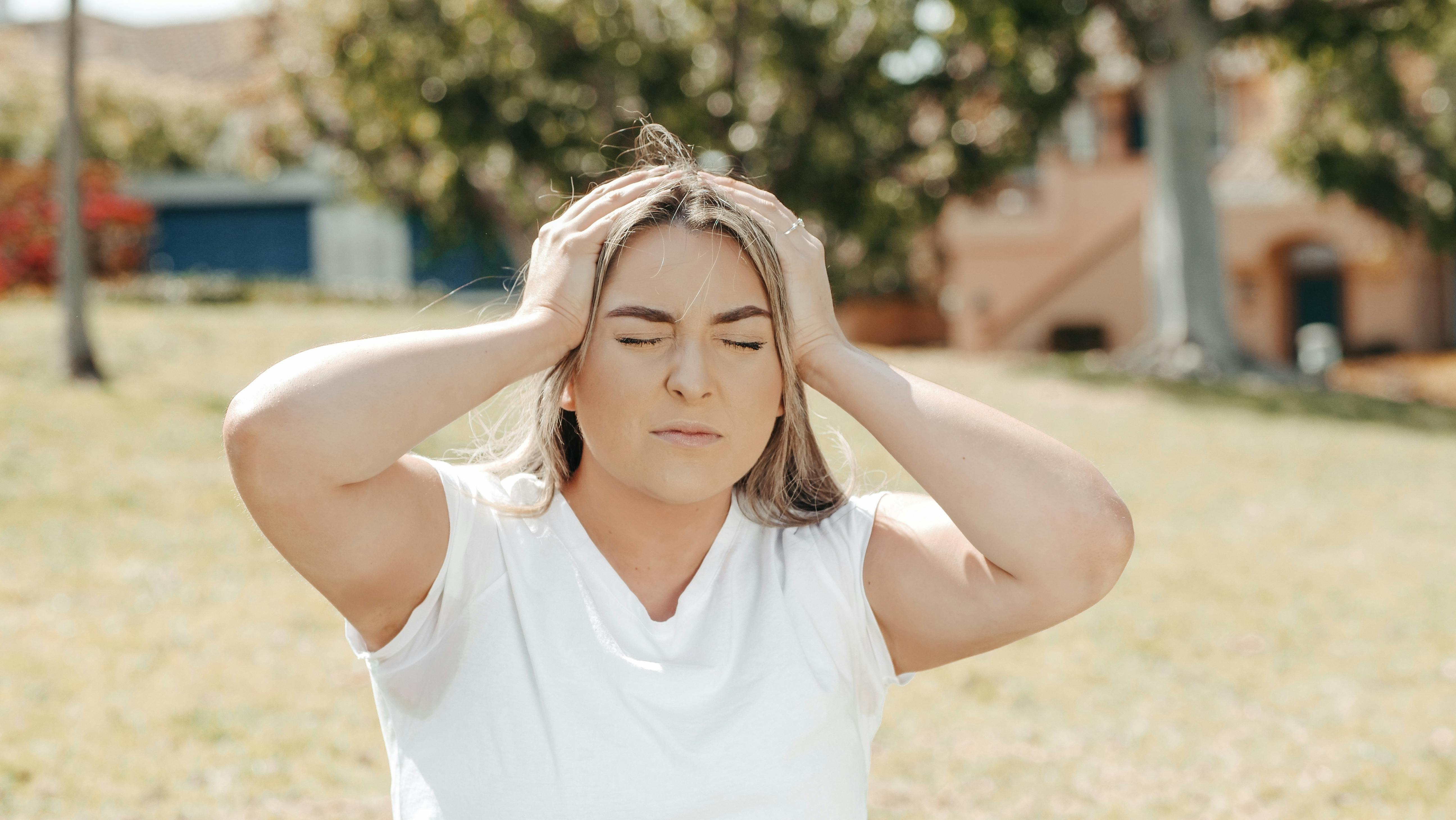
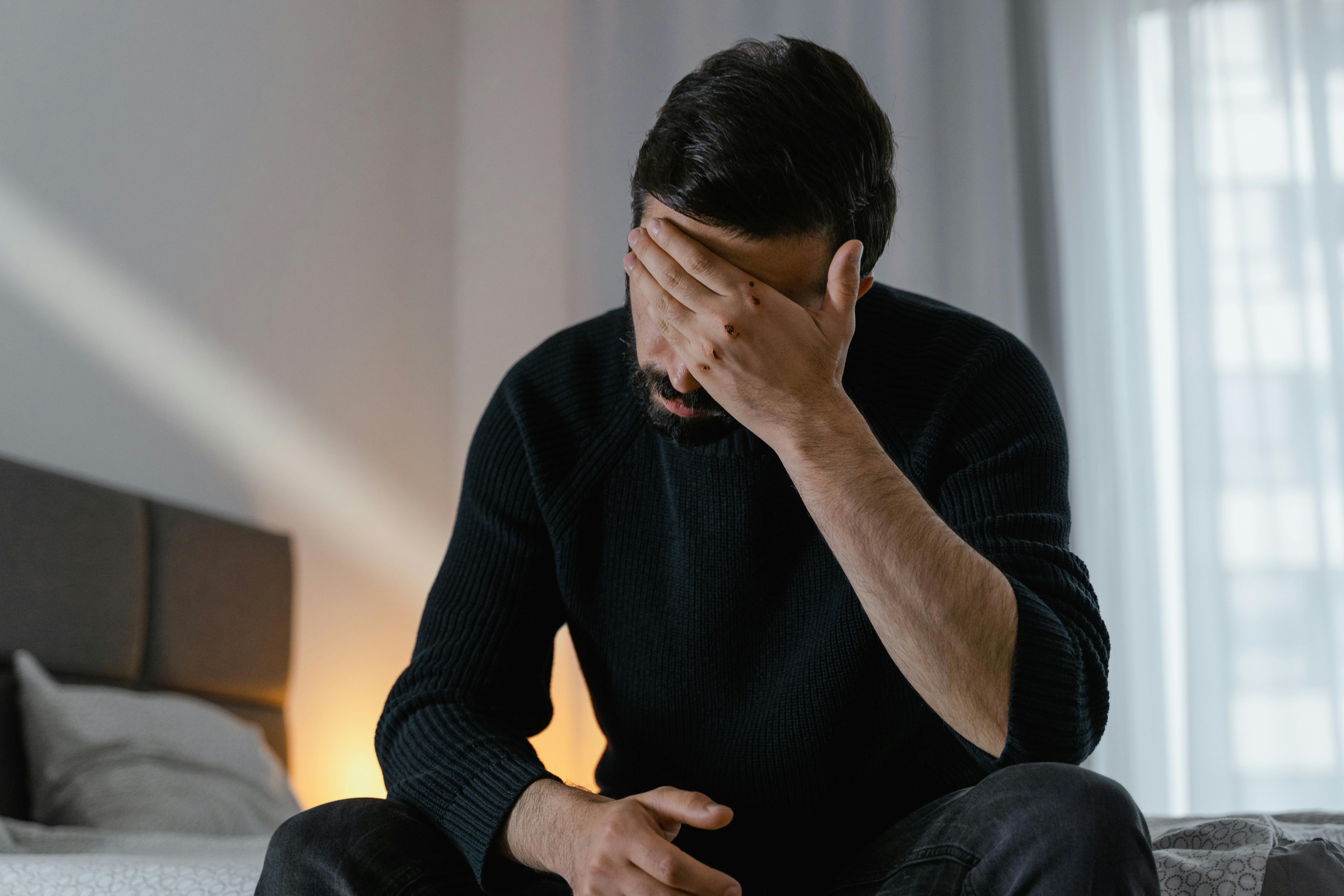
If you’re searching for how to get rid of depression, you’re not alone, and you’re already taking an important step. Depression is a medical condition that affects millions of people, and while it cannot always be “cured” in the traditional sense, it is highly treatable. With the right combination of professional support, evidence-based therapies, and healthy lifestyle habits, most people with depression can achieve significant improvement and reclaim their quality of life.
Key Takeaways
Depression is a treatable medical condition. Professional treatment, including therapy, medication, or both, is the most effective path to recovery for most people.
Exercise has strong research support as a complement to professional treatment. A 2024 large assessment of 218 studies found that walking, yoga, and strength training all produced meaningful reductions in depression symptoms.
Recovery takes time and looks different for everyone. Antidepressants typically take four to eight weeks to show full effects, and finding the right treatment plan often requires patience and ongoing communication with your provider.
Why Professional Treatment Matters
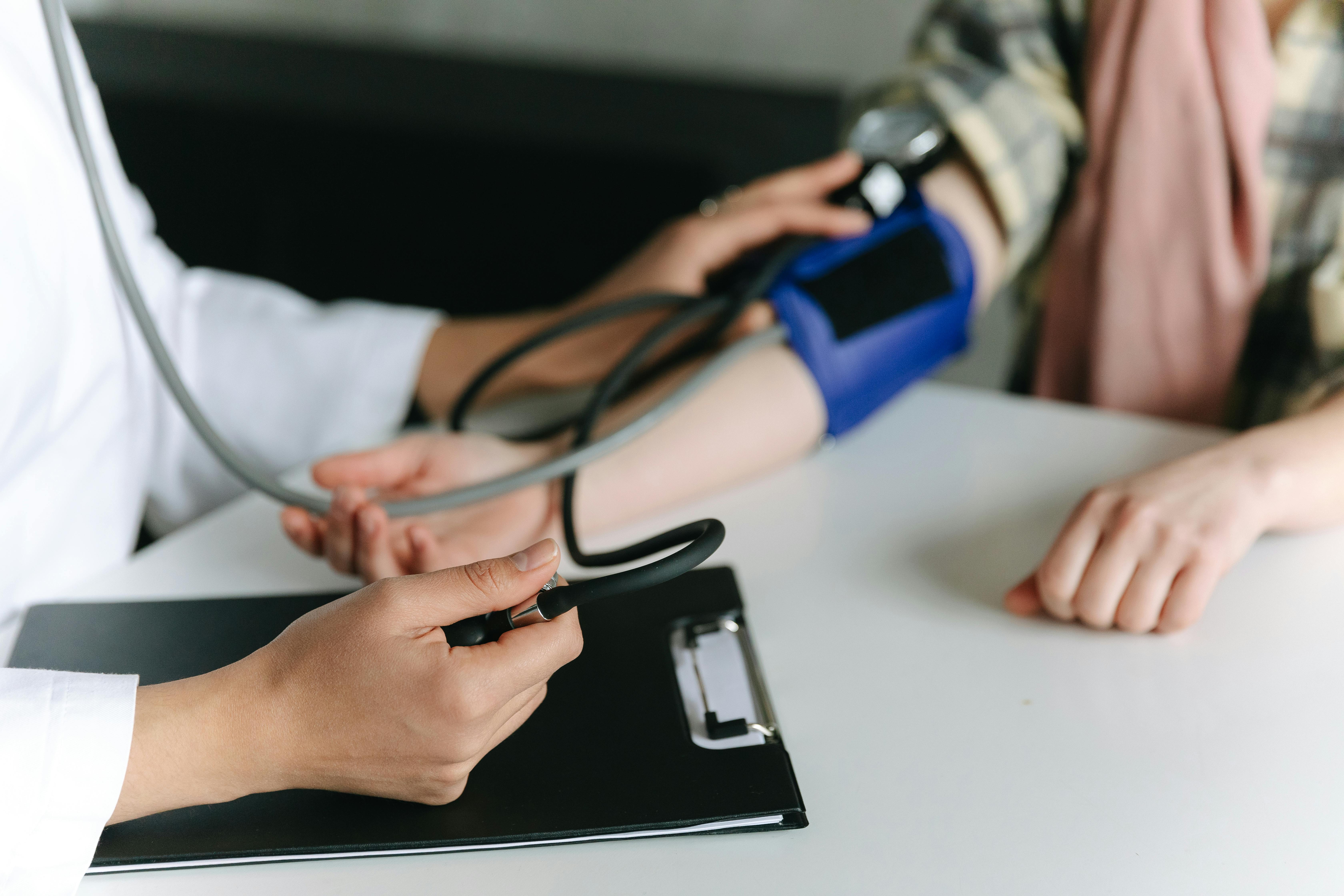
While self-help strategies can support your recovery, depression is a medical condition that typically requires professional treatment. Most people with depression benefit from mental health treatment, and the earlier you begin, the better your outcomes are likely to be.
Professional treatment provides what self-help alone cannot: an accurate diagnosis, a personalized treatment plan, monitoring for side effects, and adjustments based on your response. Depression exists on a spectrum from mild to severe, and the right approach depends on where your symptoms fall. If you’ve been struggling with depressive symptoms for more than two weeks, reaching out to a mental health provider is the most important step you can take.
Psychotherapy for Depression
Psychotherapy, or talk therapy, is one of the most effective treatments for depression. Several types of therapy have strong research support:
Cognitive behavioral therapy (CBT): CBT is the most widely studied therapy for depression. It works by helping you identify and change the negative thinking patterns and behaviors that maintain depressive symptoms. Research has shown that CBT produces medium-to-large effects for depression. CBT is typically delivered in 12 to 20 sessions and gives you practical skills you can continue using long after treatment ends.
Behavioral activation: This approach focuses on increasing engagement in meaningful and rewarding activities, which can counteract the withdrawal and inactivity that often accompany depression. It is based on the principle that changing what you do can change how you feel, even when motivation is low.
Interpersonal therapy (IPT): IPT focuses on improving your relationships and communication patterns, addressing social factors that may contribute to depression. It is particularly helpful when depression is linked to grief, relationship conflict, or major life transitions.
Psychodynamic therapy: This approach explores how past experiences and unconscious patterns influence current emotions and behaviors. Psychodynamic therapy can be especially useful for people with longstanding patterns of depression or difficulty identifying the root causes of their symptoms.
Medication for Depression
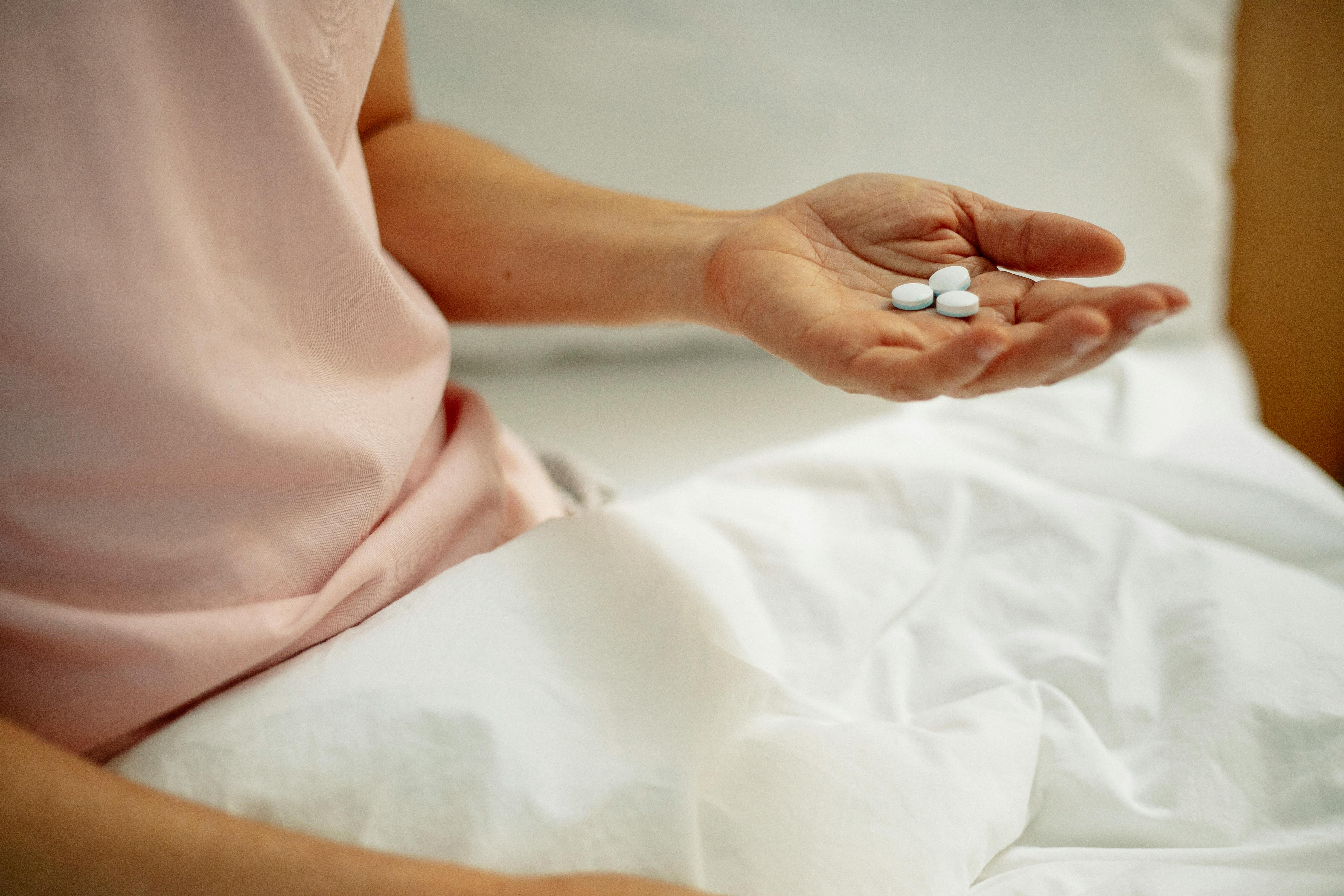
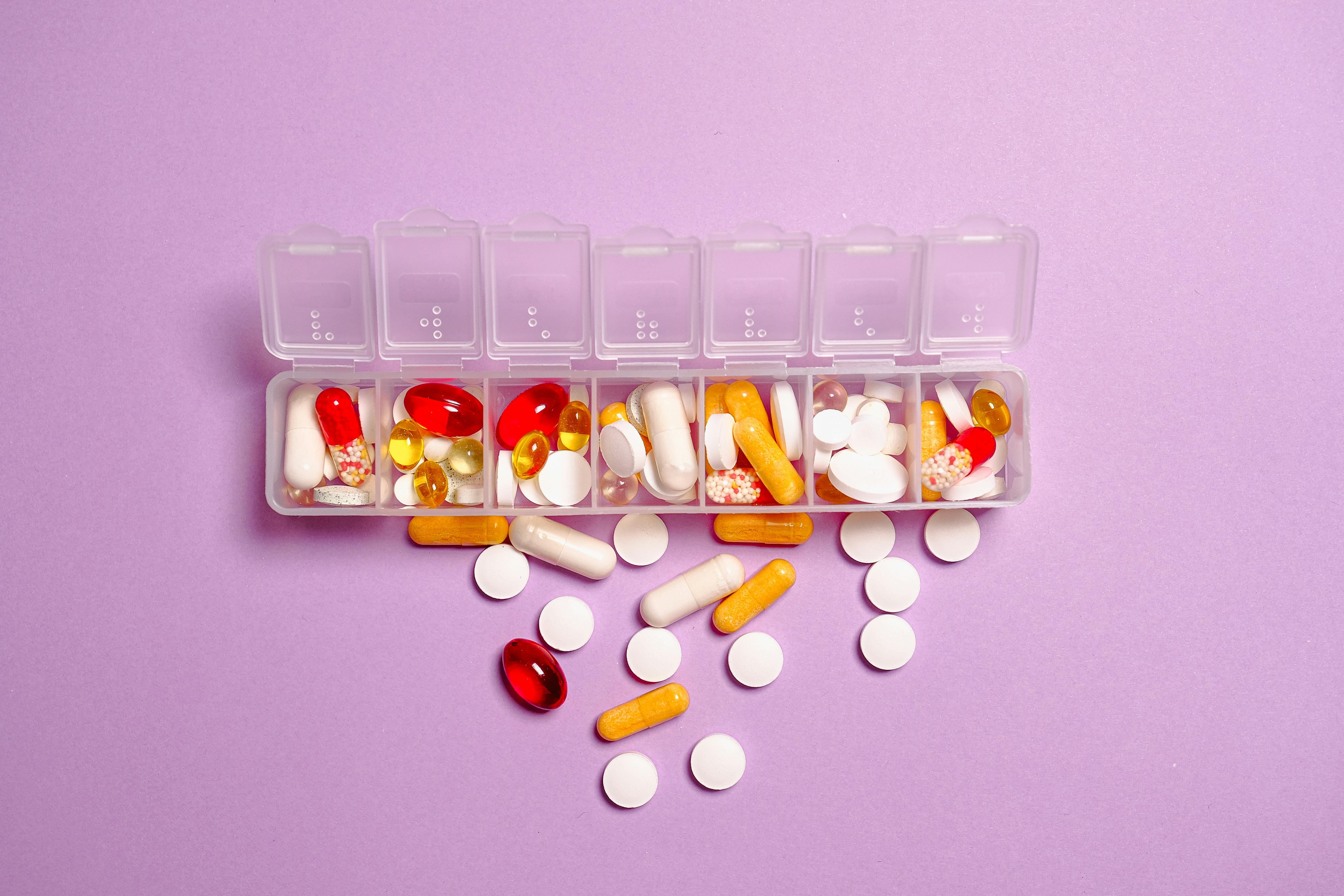
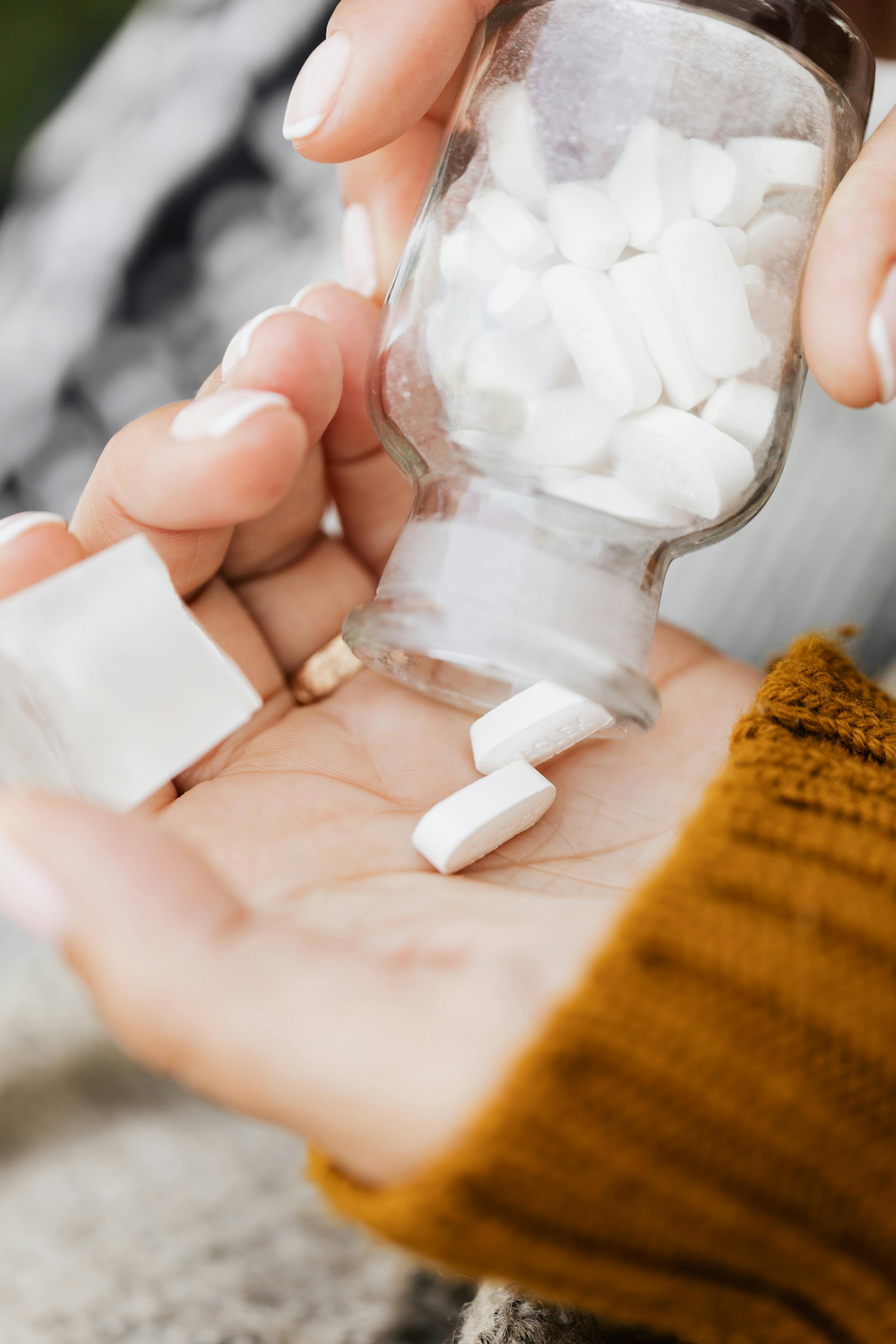
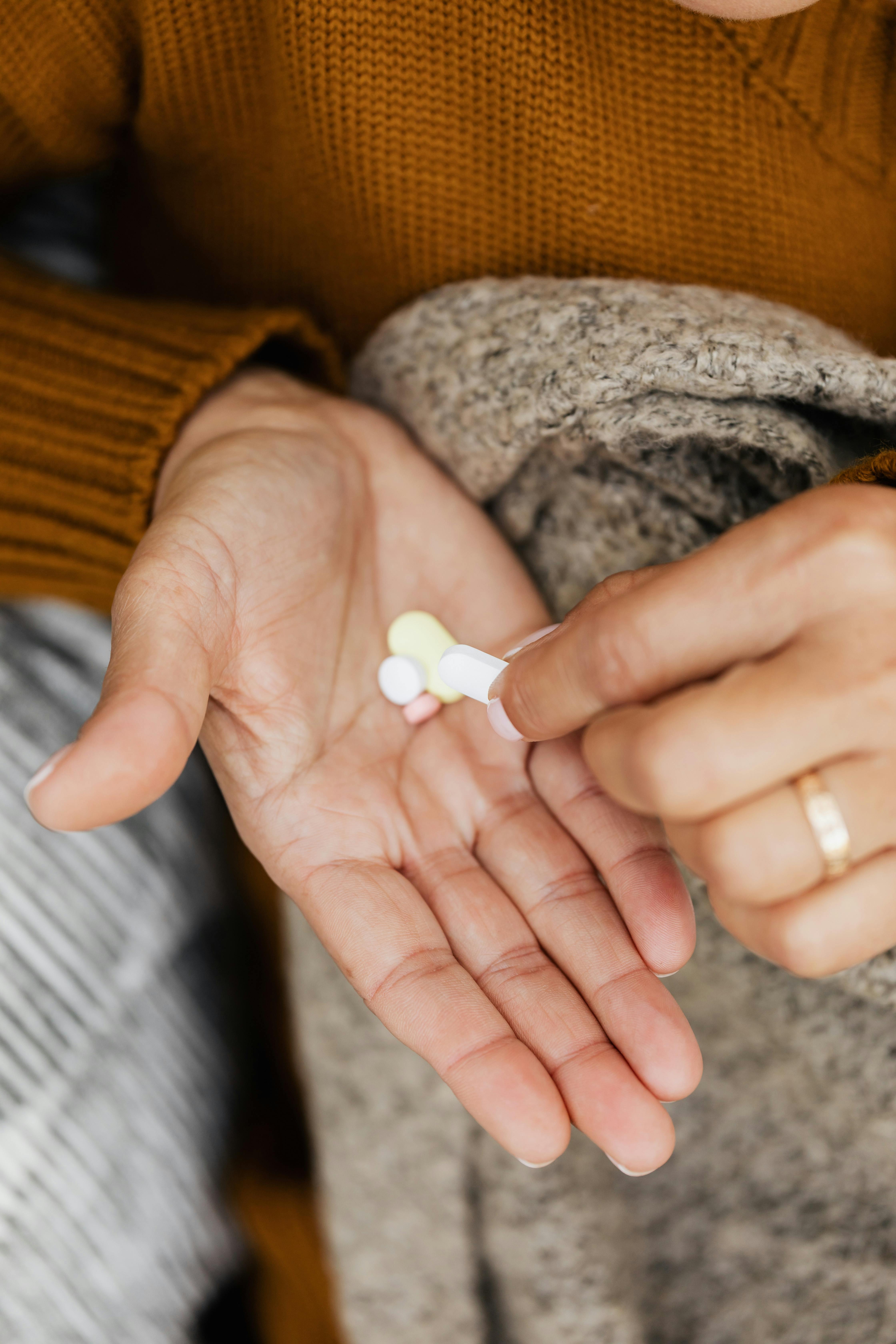
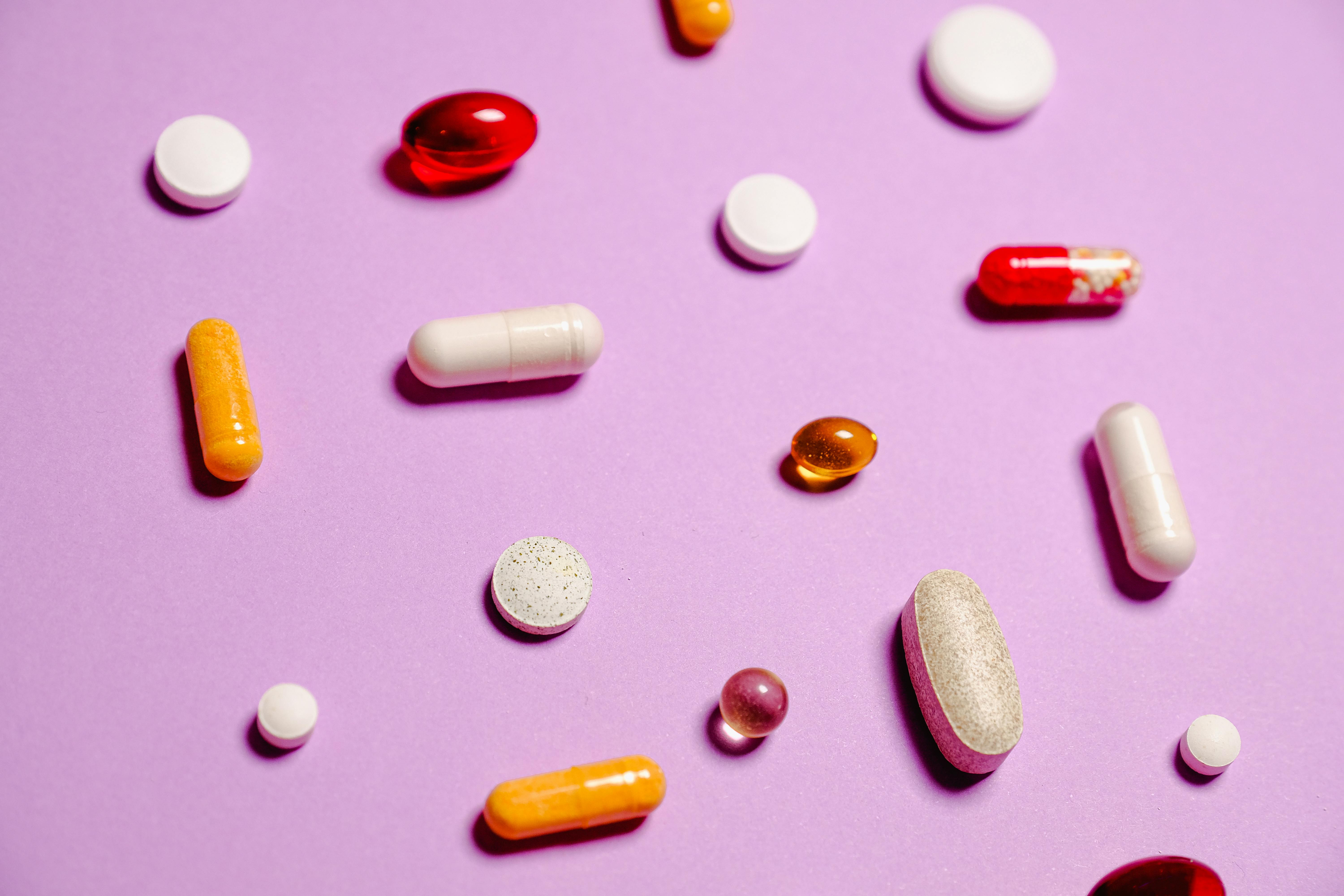
Antidepressants are a vital part of treatment, particularly for moderate to severe depression. The most commonly prescribed antidepressants include:
SSRIs (selective serotonin reuptake inhibitors) such as sertraline, escitalopram, and fluoxetine, these are typically the first-line choice due to their effectiveness and relatively mild side effect profile.
SNRIs (serotonin-norepinephrine reuptake inhibitors) such as venlafaxine and duloxetine, often used when SSRIs haven’t provided adequate relief, or when pain is also a significant symptom.
Atypical antidepressants such as bupropion and mirtazapine, which work through different mechanisms and may be chosen based on specific symptom profiles or to minimize certain side effects.
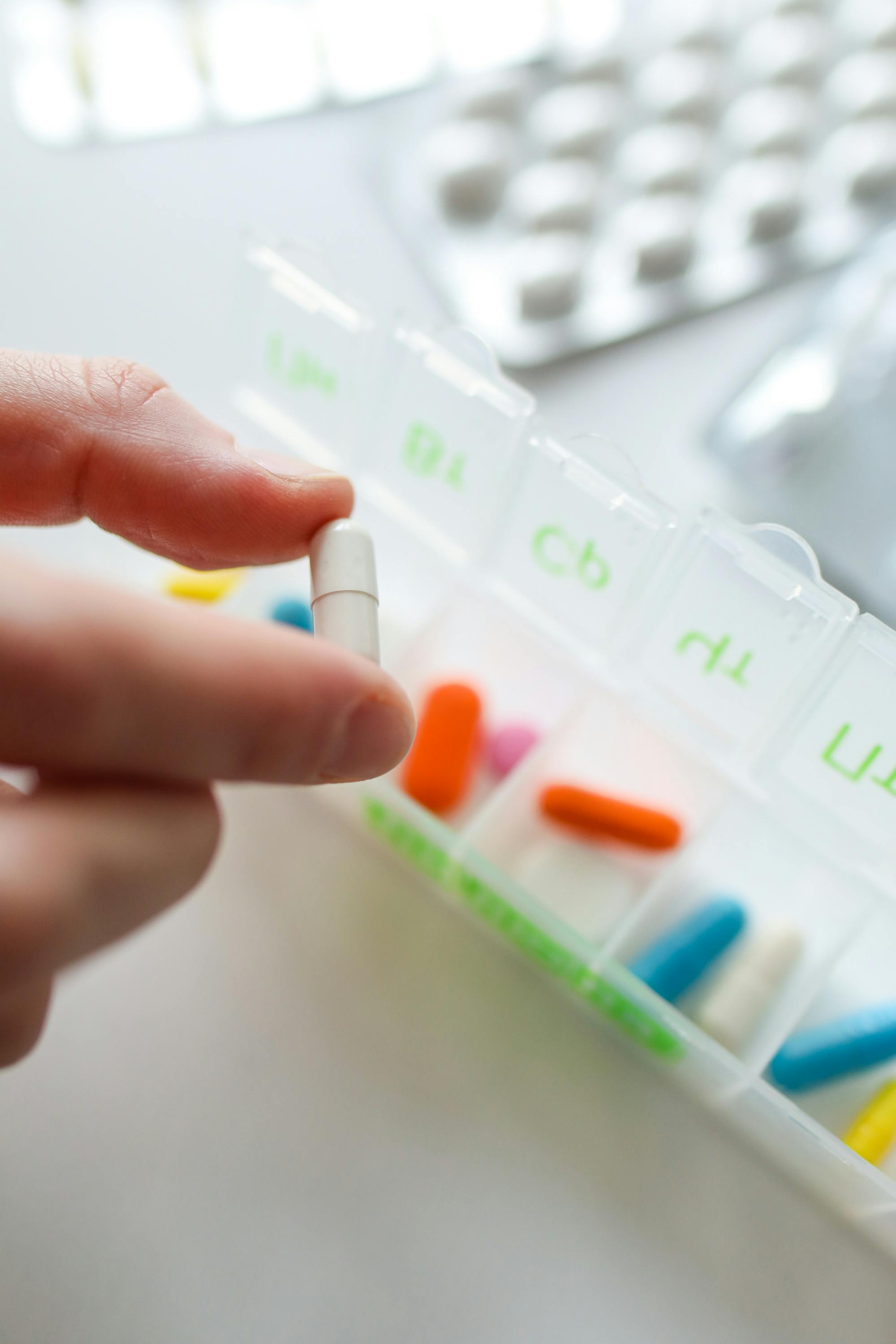
Antidepressants typically take four to eight weeks to reach their full effect. During this time, sleep, appetite, and energy often improve before mood lifts, so it’s important not to give up too early. Communicate with your provider about how you’re feeling, as adjustments to dosage or type of medication may be needed to find what works best for you.
If two or more antidepressants have not provided adequate relief, your provider may discuss options for treatment-resistant depression, including esketamine (Spravato), an FDA-approved nasal spray that acts more rapidly than traditional antidepressants, or brain stimulation therapies like transcranial magnetic stimulation (TMS).
Lifestyle Changes That Support Recovery
Professional treatment should still be the foundation of your recovery plan, but certain lifestyle changes can also help improve depression symptoms. Research shows that habits like regular exercise, better sleep, and healthy routines can make a real difference. These strategies work best when you use them alongside therapy and medication, not as a replacement for them.
Exercise
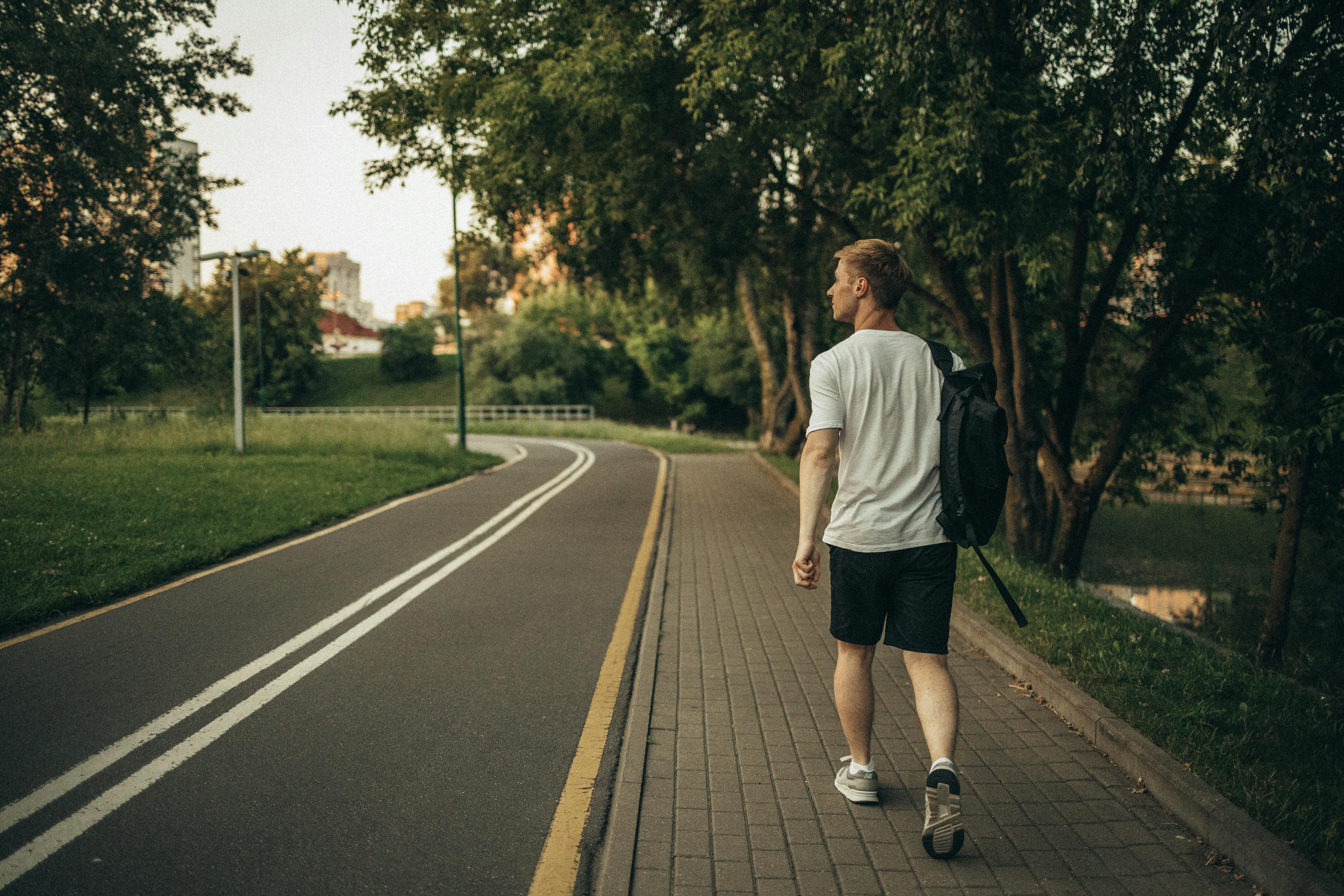
A large 2024 review of 218 studies involving over 14,000 participants found that exercise produces moderate reductions in depression. Walking or jogging, yoga, and strength training were the most effective forms of exercise, and benefits were proportional to exercise intensity. t These forms of exercise could be considered alongside psychotherapy and antidepressants as core treatments for depression.
You don’t need to train for a marathon. Even 30 minutes of walking per day can boost your mood. Starting small and building gradually is far more sustainable than an ambitious plan you abandon after a week. Here are some tips for getting started:
Choose something you at least prefer. It can be walking, swimming, cycling, dancing, or even gardening counts.
Schedule it like an appointment rather than waiting until you “feel like it.”
Bring a friend or listen to music/podcasts to make it more enjoyable.
Track your mood before and after to build awareness of how movement affects how you feel.
Sleep Hygiene
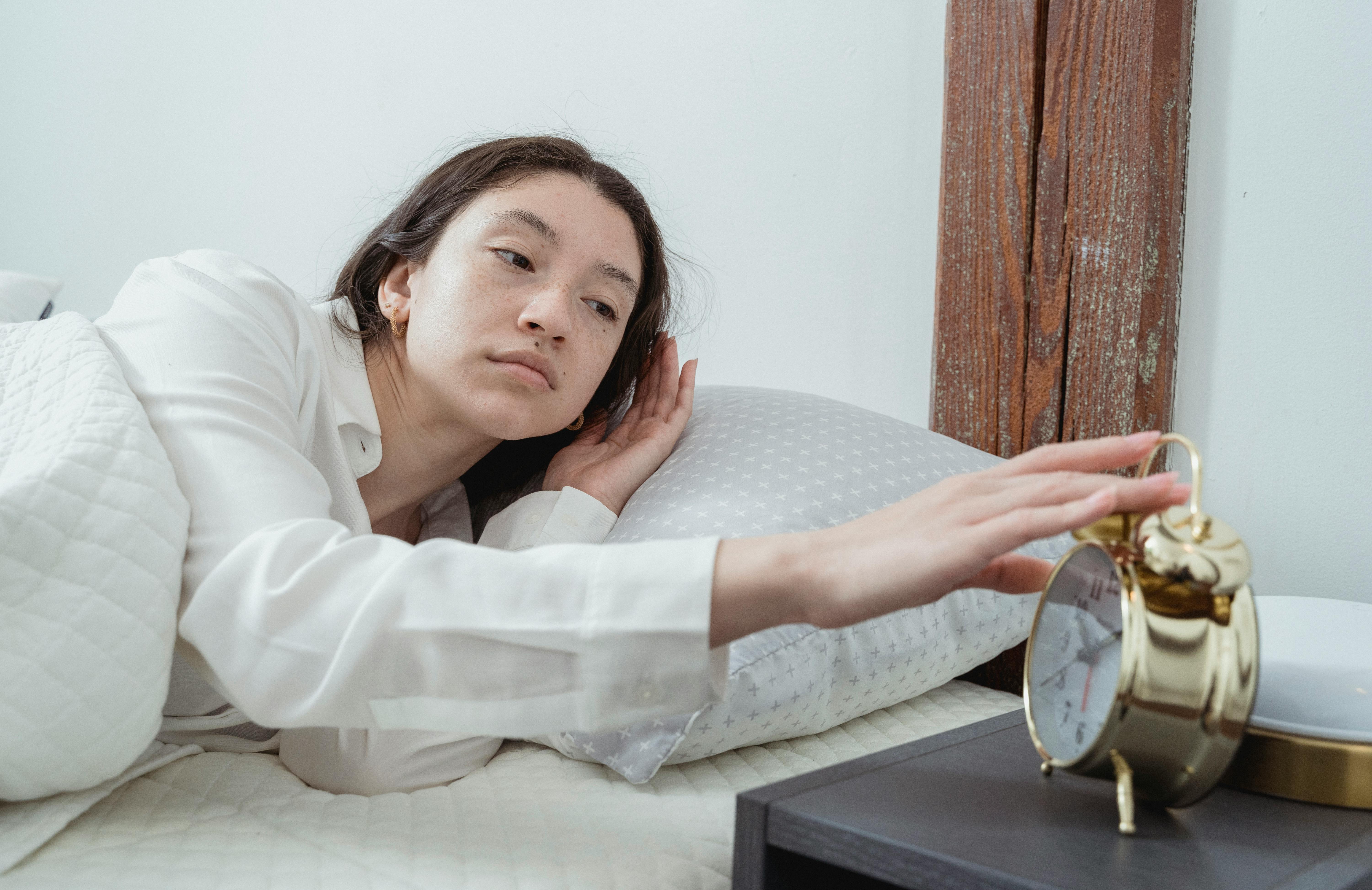
Depression and sleep problems often affect each other. Improving your sleep habits can help support your treatment. Try keeping a consistent sleep schedule, avoiding screens before bed, limiting caffeine later in the day, and keeping your bedroom cool and dark.
Social Connection
Isolation can make depression worse, while staying connected with others can help you feel better. Depression often makes you want to withdraw, but reaching out to friends, family, or a support group can help break that cycle. It doesn’t have to be a deep conversation, sometimes just spending time together, sharing a meal, or going for a walk can make a difference.
Nutrition
Eating regular, balanced meals can help support your brain and energy levels. While no diet can cure depression, research shows that nutrient-rich foods, like fruits, vegetables, whole grains, lean proteins, and healthy fats, may help improve mood. Try to limit excess sugar, and if depression affects your appetite, focus on eating small, regular meals instead of skipping them.
Mindfulness and Stress Reduction
Mindfulness-based practices, including meditation, deep breathing exercises, and body scan techniques, can help reduce rumination, which is the repetitive negative thinking pattern that often fuels depression. Research shows that mindfulness-based cognitive therapy (MBCT) can be especially helpful for people who’ve had multiple episodes of depression. It may lower the chances of relapse by teaching you how to notice negative thought patterns without getting pulled into them.
What to Avoid
When you’re dealing with depression, certain habits can make symptoms worse:
Alcohol and recreational drugs may provide temporary relief but worsen depression over time and can interfere with the effectiveness of antidepressant medication.
Isolating yourself from others, even though social withdrawal feels natural during depression.
Making major life decisions while in a depressive episode, as your judgment and perspective may be significantly clouded by the illness.
Stopping medication without consulting your provider, which can cause withdrawal symptoms or trigger a relapse.
Comparing your recovery timeline to others; depression treatment is highly individual, and progress that feels slow is still progress.
What Does Recovery Look Like?
Recovery from depression usually isn’t a straight line. Most people improve gradually, not all at once. Some symptoms, like sleep or appetite, may get better before your mood fully lifts.
It’s also normal to have setbacks. A bad day or week doesn’t mean treatment isn’t working. What matters is the overall progress over time. Staying in touch with your healthcare provider can help you adjust your treatment and stay on track.
For some people, depression happens once and improves with treatment. For others, it can come back and may need ongoing management. Either way, effective treatment is available, and it’s absolutely possible to live well while managing depression.
Professional Care for Depression
Managing depression can feel overwhelming, but the right professional support can make a real difference. At Blossom Health, board-certified psychiatrists provide personalized care to help you understand your symptoms and find the treatment that works best for you. Through convenient online visits, they can guide you with evidence-based treatment options, adjust medications when needed, and support your progress over time, often with insurance-covered appointments that make care more accessible.
Medical Disclaimer
This article is for informational purposes only and is not a substitute for professional medical advice, diagnosis, or treatment. Always seek the advice of your physician or other qualified healthcare provider with any questions you may have regarding a medical condition. If you are experiencing a mental health crisis, contact the 988 Suicide and Crisis Lifeline by calling or texting 988.
Sources
National Institute of Mental Health. Depression. https://www.nimh.nih.gov/health/publications/depression
Noetel M et al. 2024. Effect of exercise for depression: systematic review and network meta-analysis of randomised controlled trials. BMJ. https://pubmed.ncbi.nlm.nih.gov/38355154/
National Institute of Mental Health. Mental Health Medications. https://www.nimh.nih.gov/health/topics/mental-health-medications
American Psychiatric Association. What Is Depression? https://www.psychiatry.org/patients-families/depression/what-is-depression
Hallgren M et al. 2016. Exercise and internet-based cognitive behavioral therapy for depression: multicenter randomised controlled trial with 12-month follow-up. Br J Psychiatry. https://pubmed.ncbi.nlm.nih.gov/27609813/
.Bourbeau K et al. 2020. The Combined Effect of Exercise and Behavioral Therapy for Depression and Anxiety: Systematic Review and Meta-Analysis. Behav Sci (Basel). Int J Environ Res Public Health. https://pmc.ncbi.nlm.nih.gov/articles/PMC7407099/
National Institute of Mental Health. Major Depression. https://www.nimh.nih.gov/health/statistics/major-depression
StatPearls. NCBI Bookshelf. Persistent Depressive Disorder. https://www.ncbi.nlm.nih.gov/books/NBK541052/ .
National Alliance on Mental Illness. Mental Health By the Numbers. https://www.nami.org/mental-health-by-the-numbers/
MedlinePlus. Persistent depressive disorder. https://medlineplus.gov/ency/article/000918.htm