
Depression is one of the most common mental health conditions in the United States, yet many people still wonder whether it qualifies as a true illness. The fact is depression, also known as major depressive disorder (MDD), is a clinically recognized mental illness as defined in the Diagnostic and Statistical Manual of Mental Disorders (DSM-5) and the International Classification of Diseases (ICD-11).
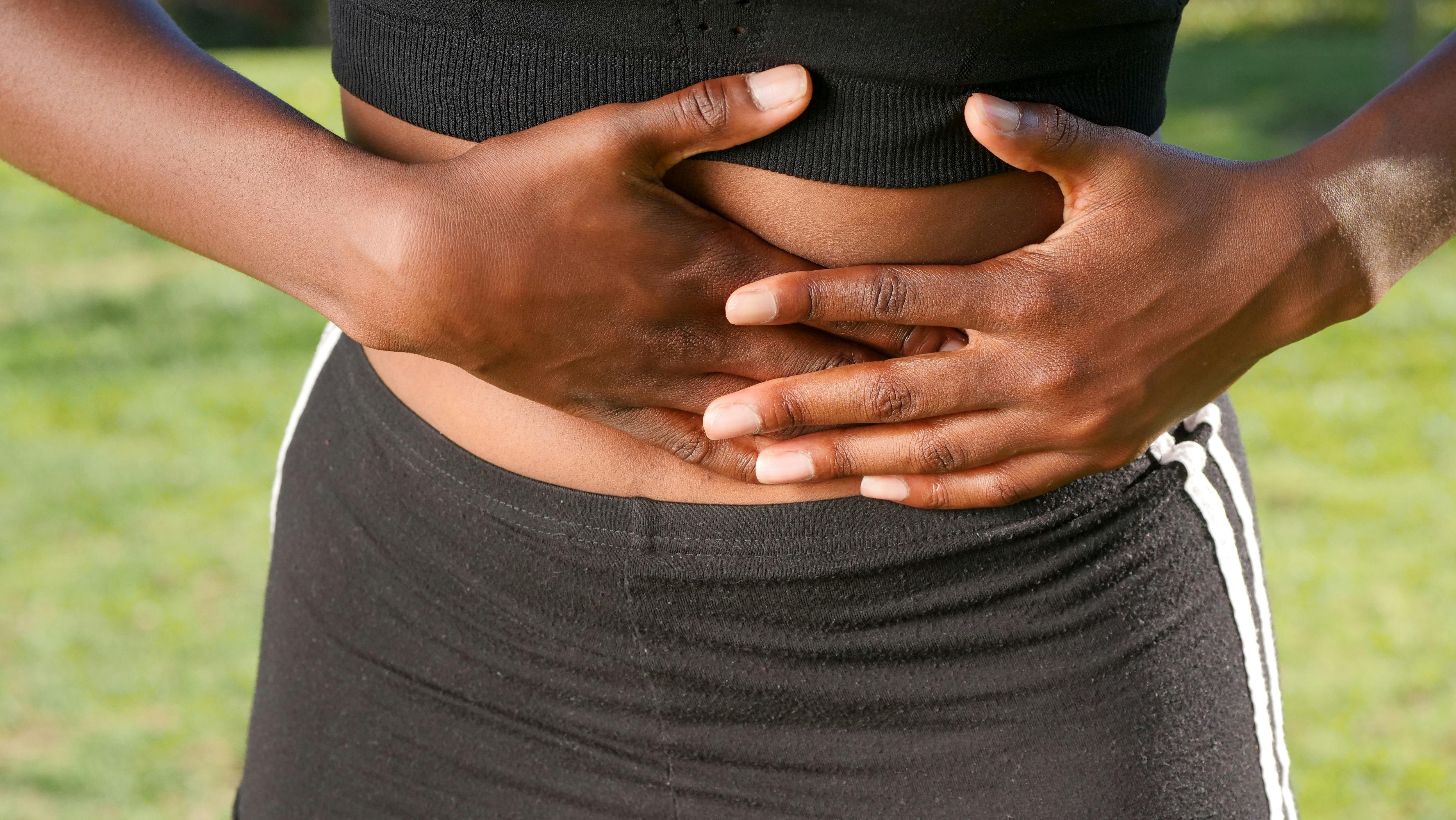
Just as physical illness can be debilitating, depression is a mental illness that affects how you think, feel, and function in daily life. Depression can present as physical symptoms, including fatigue, unexplained aches, and gastrointestinal issues. There is also functional depression, where you continue attending to daily responsibilities while living with depressive symptoms.
Understanding depression as a medical condition, rather than a personal weakness or passing mood, is the first step toward getting the help you or a loved one needs.
Key Takeaways
Depression is a clinically recognized mental illness listed in the DSM-5, the standard guide used by mental health professionals to diagnose psychiatric conditions. In 2021, an estimated 21 million (8.3%) adults in the United States experienced at least one major depressive episode.
Depression is associated with complex changes in brain function, including neurotransmitter systems and neural circuits; it is not merely sadness or a character flaw. Many people benefit from professional treatment, just like any other medical condition.
Effective treatments are available, including therapy, medication, and lifestyle changes. Many people with depression see improvement with the right combination of care, and early treatment leads to better outcomes.
What is Depression?
Depression, formally known as major depressive disorder (MDD), is a mood disorder that causes persistent feelings of sadness, emptiness, or hopelessness and a loss of interest in activities you once enjoyed. According to the National Institute of Mental Health (NIMH), depression can cause severe symptoms that affect how a person feels, thinks, and handles daily activities such as sleeping, eating, or working.
To be diagnosed with depression, five or more depressive symptoms must be present for at least two weeks and represent a change from your previous level of functioning. Unlike a general feeling of sadness that passes, depression is a persistent condition that can significantly impair your quality of life if left untreated.
How is Depression Classified as a Mental Illness?
Depression is classified as a mental illness under the depressive disorders category in the DSM-5, which is the standard reference used by healthcare providers to diagnose mental health conditions.
The American Psychiatric Association defines depression as a common and serious medical illness that negatively affects how you feel, think, and act.
The World Health Organization (WHO) also recognizes depression as a leading cause of disability worldwide. It is listed in the ICD-11 alongside other psychiatric conditions. These classifications confirm that depression meets the criteria for a mental illness: it involves measurable changes in brain function, produces clinically significant symptoms, and responds to medical treatment.
What Causes Depression?
Research suggests that depression does not have a single cause. Instead, it arises from a combination of genetic, biological, environmental, and psychological factors. These contributing factors can include:
Genetics and family history of depression or other mood disorders
Changes in brain chemistry, particularly involving neurotransmitters like serotonin, norepinephrine, and dopamine
Hormonal changes related to pregnancy, menopause, thyroid conditions, or other medical issues
Stressful or traumatic life events, including loss, abuse, or major transitions
Chronic medical conditions such as heart disease, diabetes, or chronic pain
Understanding that depression has biological roots helps explain why it cannot simply be “willed away” and why professional treatment is crucial.
Types of Depression
Depression is not a one-size-fits-all diagnosis. The DSM-5 recognizes several types of depressive disorders, each with its own features:
Major depressive disorder (MDD): The most common form of clinical depression, involving persistent depressed mood or loss of interest lasting at least two weeks.
Persistent depressive disorder (dysthymia): A chronic, mild or moderate form of depression lasting at least two years, with symptoms that may be less severe but more enduring.
Seasonal affective disorder (SAD): Depression that follows a seasonal pattern, typically worsening during fall and winter months.
Perinatal and postpartum depression: Depression that occurs during pregnancy or within the postpartum period, which may affect both the mother’s and child’s well-being.
Each type requires a tailored approach to treatment, which is why working with a qualified mental health provider is essential. How Common is Depression?
Depression is one of the most prevalent mental health conditions worldwide. According to data from the 2021 survey on National Drug Use and Health, an estimated 21 million adults in the United States had at least one major depressive episode in 2021, representing about 8.3% of all U.S. adults. The condition is more common in women, younger adults (18-25 years), and individuals reporting two or more races.
Despite its prevalence, many people with depression do not receive treatment. The same data indicate that only around 61% of U.S. adults who experienced a major depressive episode received treatment in 2021, underscoring the importance of raising awareness and reducing stigma.
How is Depression Treated?
Depression is a treatable condition, and many people improve with appropriate care. The most common approaches include psychotherapy, medication, or a combination of both.
Psychotherapy
Cognitive behavioral therapy (CBT) is one of the most well-studied treatments for depression. A comprehensive meta-analysis from 2023, including over 400 trials comparing CBT to other forms of psychotherapy, pharmacotherapy (treatment using medication), and combined treatment, showed that CBT was significantly more effective than other psychotherapies and produced moderate to large effects compared to control conditions (continuing care as usual or being in a waitlist).
While the study concluded that the effects of psychotherapy did not differ significantly from pharmacotherapy in the short term, over the long term (6-12 months), the difference was much larger. This would suggest CBT is an effective, long-term treatment for depression.
CBT works by helping people identify and change negative thought patterns that contribute to depressive feelings. They are taught to change behavior patterns by including productive or enjoyable activities, and develop coping skills to handle stressful situations in the future and prevent relapse.
Medication
Antidepressant medications, particularly selective serotonin reuptake inhibitors (SSRIs) and serotonin-norepinephrine reuptake inhibitors (SNRIs), are commonly prescribed for depression. These medications can be effective for many people, though they typically take four to eight weeks to reach full effectiveness.
Although safer and better tolerated than first-generation antidepressants (MAOIs and tricyclic antidepressants), SSRI and SNRI antidepressants typically produce side effects during the first few weeks of use, including anxiety, nausea, headache, dry mouth, diarrhea/constipation, insomnia, and sexual side effects. For many people, these side effects get better over time, while for others, some side effects persist.
For people who find SSRI/SNRI treatment ineffective or intolerable, doctors may prescribe other antidepressants, including bupropion and mirtazapine. In the case of treatment-resistant depression, augmentation with atypical antipsychotics, lithium, or esketamine may be considered.
Combination Treatment
This involves combined treatment using medication and therapy. The 2023 meta-analysis determined that combination treatment was more effective than medication alone, both in the short and long term, and not more effective than CBT alone at either time point.
Moreover, studies indicate that combined treatment is associated with better long-term results, including lower relapse, recurrence, and rehospitalization rates than pharmacotherapy alone. However, the difference between the long-term outcomes of combined treatment and psychotherapy for depression is minimal.
Lifestyle Changes
Research increasingly supports the role of exercise in managing depression. A large network meta-analysis of 218 studies found that walking, jogging, yoga, and strength training all produced moderate reductions in depression symptoms. Regular physical activity, adequate sleep, and social connection can all support recovery alongside professional treatment.
When to Seek Help
Depression is associated with an increased risk of suicide. Seek professional help if symptoms last more than two weeks, interfere with daily life, or include thoughts of self-harm. If you are having thoughts of harming yourself, seek immediate help.
Medical Disclaimer
This article is for informational purposes only and is not a substitute for professional medical advice, diagnosis, or treatment. Always seek the advice of your physician or other qualified healthcare provider with any questions you may have regarding a medical condition. If you are experiencing a mental health crisis, contact the 988 Suicide and Crisis Lifeline by calling or texting 988.
Sources
National Institute of Mental Health. (2024). Depression (NIH Publication No. 24-MH-8079). U.S. Department of Health and Human Services, National Institutes of Health. https://www.nimh.nih.gov/health/publications/depression
National Institute of Mental Health. (2023, July). Major depression. U.S. Department of Health and Human Services, National Institutes of Health. https://www.nimh.nih.gov/health/statistics/major-depression
American Psychiatric Association. (n.d.). What is depression? https://www.psychiatry.org/patients-families/depression/what-is-depression
O'Connor, E. A., Whitlock, E.P., Gaynes, B., et al. Screening for Depression in Adults and Older Adults in Primary Care: An Updated Systematic Review [Internet]. Rockville (MD): Agency for Healthcare Research and Quality (US); 2009 Dec. (Evidence Syntheses, No. 75.) Table 1, Primary DSM-IV depression disorders, criteria for adults. Available from:
World Health Organization. (2023). Depression. https://www.who.int/news-room/fact-sheets/detail/depression
Centers for Disease Control and Prevention. (2023, October 13). Mental health conditions: Depression and anxiety. https://www.cdc.gov/tobacco/campaign/tips/diseases/depression-anxiety.html
National Institute of Mental Health. (n.d.). Mental health medications. U.S. Department of Health and Human Services, National Institutes of Health. https://www.nimh.nih.gov/health/topics/mental-health-medications
Clark, L. A., Cuthbert, B., Reed, G. M., et al. (2017). Three approaches to understanding and classifying mental disorder: ICD-11, DSM-5, and the National Institute of Mental Health’s Research Domain Criteria (RDoC). Psychological Science in the Public Interest, 18(2), 72–145.
Cuijpers, P., Miguel, C., Harrer, M., et al. (2023). Cognitive behavior therapy vs. control conditions, other psychotherapies, pharmacotherapies and combined treatment for depression: a comprehensive meta-analysis including 409 trials with 52,702 patients. World psychiatry: official journal of the World Psychiatric Association (WPA), 22(1), 105–115. https://pmc.ncbi.nlm.nih.gov/articles/PMC9840507/
Ramic, E., Prasko, S., Gavran, L., & Spahic, E. (2020). Assessment of the Antidepressant Side Effects Occurrence in Patients Treated in Primary Care. Materia socio-medica, 32(2), 131–134.
Voderholzer, U., Barton, B. B., Favreau, M., Zisler, E. M., Rief, W., Wilhelm, M., & Schramm, E. (2024). Enduring effects of psychotherapy, antidepressants and their combination for depression: a systematic review and meta-analysis. Frontiers in psychiatry, 15, 1415905.
Noetel, M., Sanders, T., Gallardo-Gómez, D., Taylor, P., Del Pozo Cruz, B., van den Hoek, D., Smith, J. J., Mahoney, J., Spathis, J., Moresi, M., Pagano, R., Pagano, L., Vasconcellos, R., Arnott, H., Varley, B., Parker, P., Biddle, S., & Lonsdale, C. (2024). Effect of exercise for depression: systematic review and network meta-analysis of randomised controlled trials. BMJ (Clinical research ed.), 384, e075847. https://pubmed.ncbi.nlm.nih.gov/38355154/
Patel, R.K., Aslam, S.P., Rose, G.M. Persistent Depressive Disorder. [Updated 2024 Aug 11]. In: StatPearls [Internet]. Treasure Island (FL): StatPearls Publishing; 2026 Jan-. Available from: https://www.ncbi.nlm.nih.gov/books/NBK541052/
National Alliance on Mental Illness. (2025). Mental health by the numbers. https://www.nami.org/about-mental-illness/mental-health-by-the-numbers/
Johns Hopkins Medicine. (n.d.). Dysthymia. https://www.hopkinsmedicine.org/health/conditions-and-diseases/dysthymia