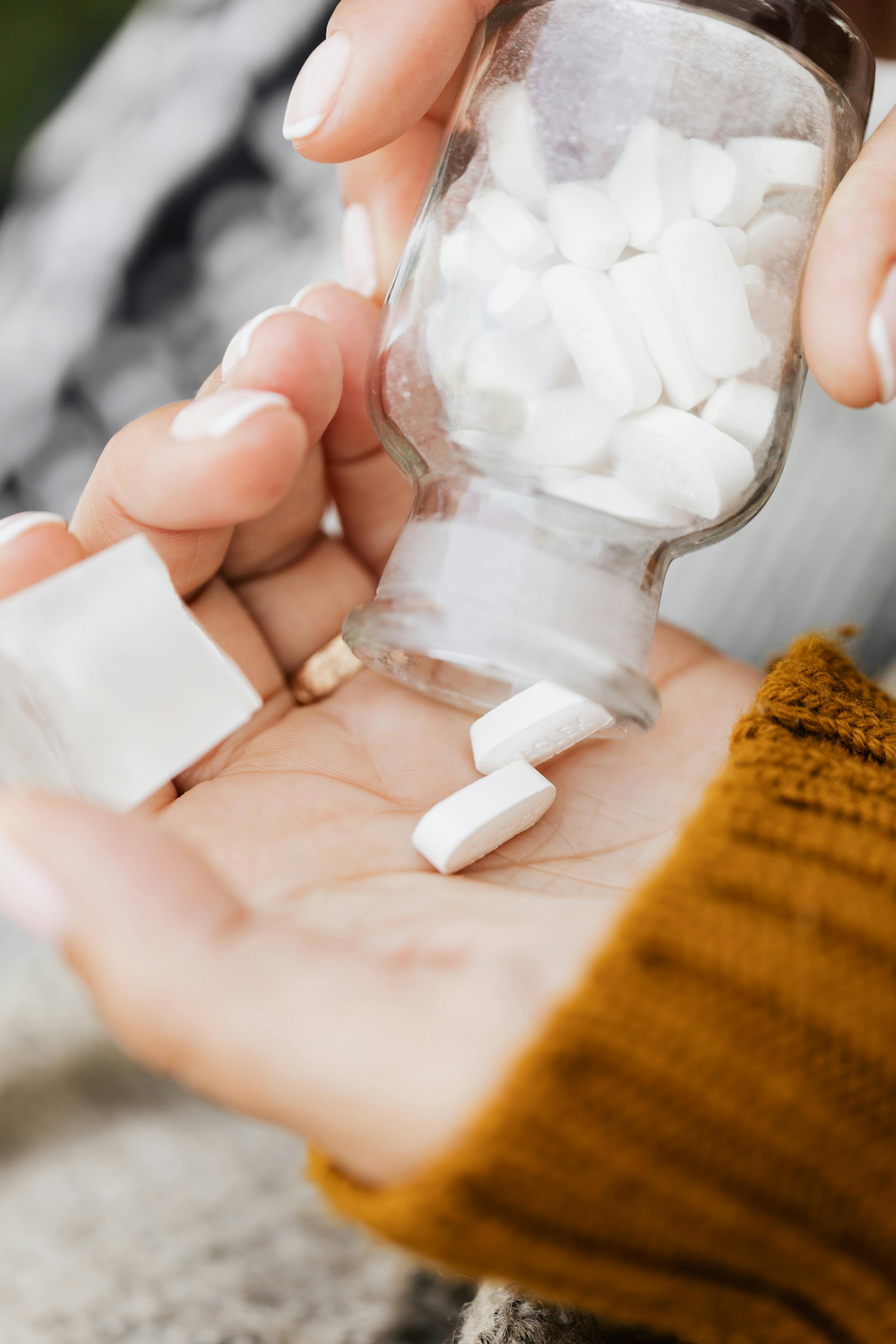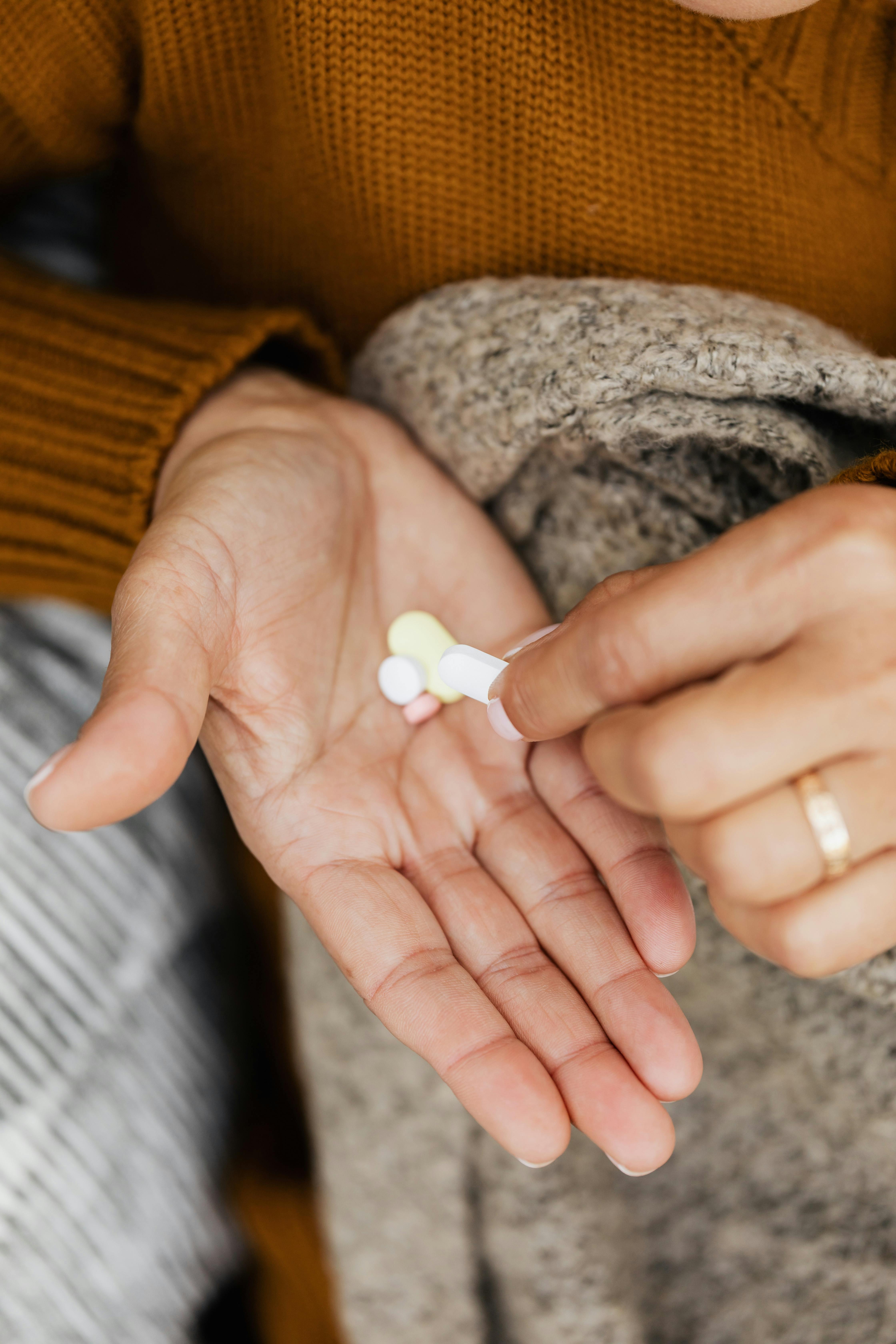

If your antidepressant is helping but not quite enough, or you feel stuck at a plateau, your provider may recommend increasing your dose. This is a common and normal part of finding the right treatment, and it does not mean your medication is failing. Many people need a dose adjustment before they find the level that works best for them.
Knowing what to expect during a dose increase can help you feel more prepared and reduce anxiety about the change. A provider can guide you through medication adjustments and help you understand what to expect during follow-ups.
Key Takeaways
Dose increases are a routine part of antidepressant treatment and do not mean your medication is not working
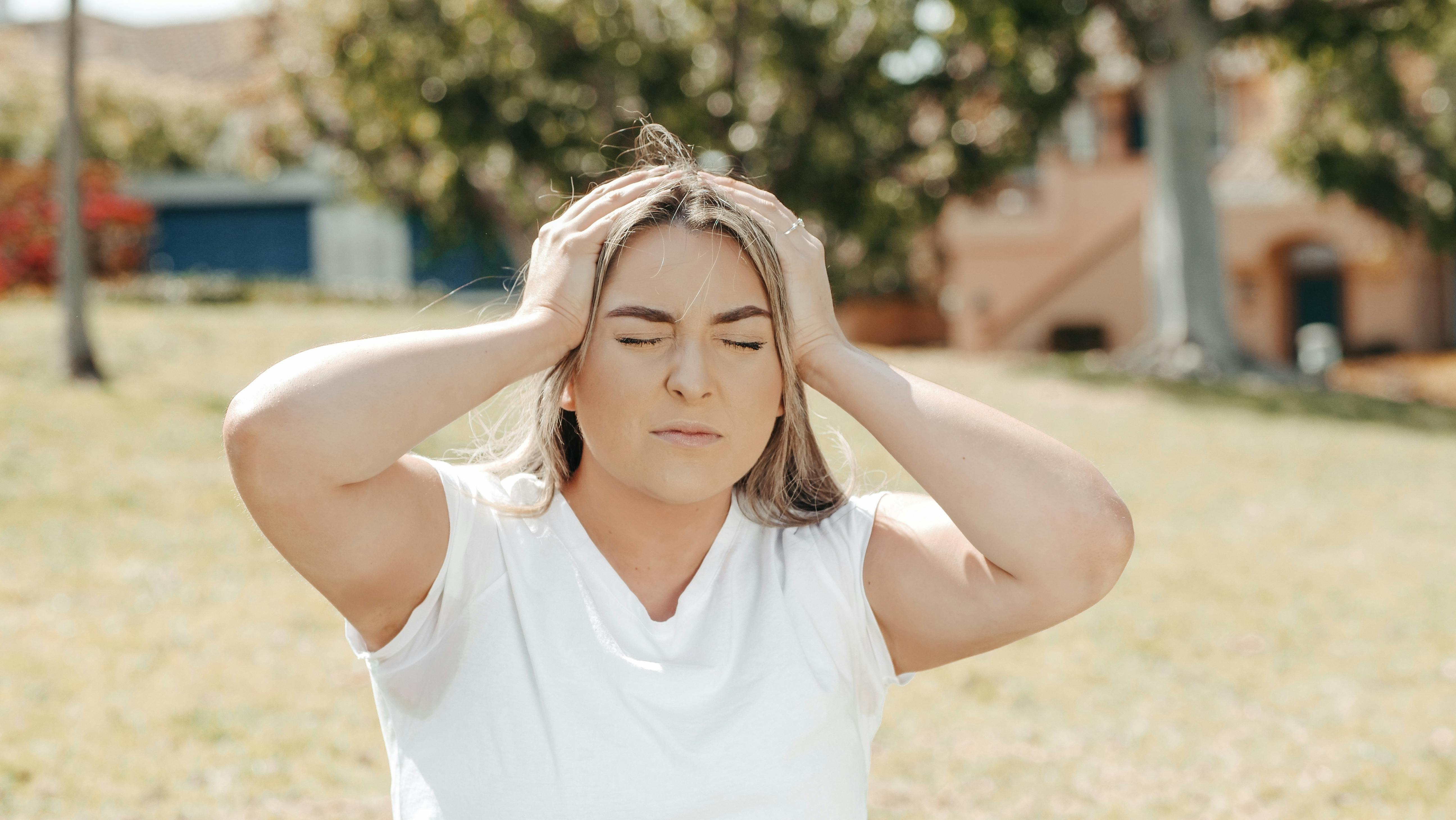
Upon increasing the dose, you may experience a temporary return of side effects, such as nausea, headache, or changes in sleep, similar to when you first started the medication
It typically takes 2 to 4 weeks to feel the full benefit of a dose increase, though some people may notice changes sooner. Dose changes should be guided by your prescribing provider and not made on your own
Why Your Provider May Increase Your Dose
There are several reasons your provider might recommend a higher dose.
The most common is a partial response, meaning the medication is helping with some symptoms but not providing enough relief. For example, you may notice improvements in sleep and energy but still feel persistent sadness or difficulty concentrating.
This can be because many antidepressants are started at a low dose to allow your body time to adjust and reduce side effects. The initial dose is not always the ‘therapeutic dose’ - the amount that produces the full antidepressant effect. Which is then increased gradually to achieve desired health benefits.
If you still feel like your medication is not working or is causing bothersome side effects, your health care provider can help you make adjustments to your current medications or transition to a different medication.
Other reasons for a dose increase may include:
Symptoms returning after a period of improvement (sometimes called breakthrough symptoms)
Changes in weight
Changes in metabolism that affect how the drug is processed
Increased stress or life changes that are making your symptoms harder to manage
Insufficient response after an adequate trial at the current dose (usually 4 to 8 weeks).
Common Side Effects After a Dose Increase
When your dose increases, your body generally needs time to adjust to this increased dose. Some people may experience a temporary return of side effects similar to when they first started the antidepressant. The common side effects may include:
Nausea or stomach upset
Headache
Dizziness
Changes in appetite
Difficulty sleeping or increased drowsiness
Increased anxiety or restlessness
Fatigue.
These effects are usually mild and temporary, often resolving within 1 to 2 weeks as your body adapts. If side effects are severe or persist longer than expected, consider contacting your provider. In some cases, your provider may recommend going back to your previous dose or trying a different approach.
How Long Until You Feel the Benefit?
Just like when you first started your antidepressant, a dose increase takes time to produce its full effect. Many people may begin to notice improvement within 2 to 4 weeks, though some changes may be apparent sooner. Antidepressant medications may need a few weeks to reach a new steady level in your body and lead to changes in the brain that help relieve depression symptoms.
It is important to be patient and avoid the temptation to make changes on your own if you do not feel different right away. Your provider can help you set realistic expectations and schedule follow-up appointments to check on your progress.
What to Watch For During a Dose Increase
While most dose increases are generally tolerable, there are a few things to watch for.
If you are under 25, the FDA recommends close monitoring for any increase in suicidal thoughts or behavior when starting or adjusting antidepressant medication. This risk is considered low but important to be aware of.
It can also help to watch for signs that the dose may be too high. These can include:
Feeling overly jittery, anxious, or "wired,"
Excessive sweating
Rapid heartbeat
Significant changes in sleep patterns
Feeling emotionally flat or numb
Increased agitation.
If you experience one or more of these symptoms, consider talking to your healthcare provider.
Tips for a Smooth Transition
Give it time. It may take 2-4 weeks to fully evaluate the new dose. Try giving the increased dose some time before evaluating its benefits.
Keep a symptom log. Tracking your mood, energy, sleep, appetite, and any side effects on a daily basis can give your provider valuable information to guide next steps.
Maintain your routine. Sticking to consistent sleep and wake times, regular meals, and your usual activities can help your body adjust more smoothly.
Stay in touch with your provider. Regular follow-up appointments are important to monitor progress and side-effects during dose adjustments. Blossom Health's online platform makes it easy to schedule check-ins without the hassle of commuting to an office.
Avoid adjusting your dose on your own. Changes in dose should only be guided by a board-certified healthcare provider. Avoid making any changes to how much medication you take even if you are feeling better or worse.
What If the Dose Increase Does Not Help?
If you’re on a higher dose for 4 to 8 weeks without adequate improvement, your provider may consider other treatment options.A review of treatment strategies for resistant depression suggests several approaches such as:
Increasing the dose further (if there is room within the medication's approved therapeutic range)
Adding a second medication
Switching to a different antidepressant
Adding psychotherapy
The process of finding the right antidepressant and dose can take time, and that is considered a normal part of treatment. It’s important that you are working with a board-certified and experienced provider who is actively engaged in your treatment and willing to make adjustments as needed.
The Bottom Line
Increasing your antidepressant dose is a common and often necessary part of treatment. Temporary side effects may occur and usually subside on their own as your body adjusts to the increased dose. The full benefit of the new dose may take a few weeks to appear and during this time, it’s recommended that you stay in close communication with your provider. Blossom Health's online psychiatric platform makes regular follow-up simple and convenient, so you never have to navigate medication changes alone.
Medical Disclaimer
This article is for educational purposes only and does not constitute medical advice. The information provided should not replace consultation with a qualified healthcare provider. Individual responses to medications can vary significantly, and what applies to one person may not be the same for another.
Always consult with your doctor or pharmacist before making any decisions about medication changes, discontinuation, or interactions with other substances. If you’re experiencing concerning symptoms or side effects, please seek professional help from a healthcare provider.
In case of a medical emergency, contact your local emergency services immediately or call 911. For mental health emergencies, contact the National Suicide Prevention Lifeline at 988.Sources
Sources
MayoClinic (September 23, 2022). Antidepressants: Selecting one that's right for you. https://www.mayoclinic.org/diseases-conditions/depression/in-depth/antidepressants/art-20046273
Medical News Today. (February 28, 2023). Signs your antidepressant dose is too low. https://www.medicalnewstoday.com/articles/signs-your-antidepressant-dose-is-too-low
WebMD. (May 20, 2021). Managing the Side Effects of Depression Treatment. https://www.webmd.com/depression/features/coping-with-side-effects-of-depression-treatment
NHS. (12 June, 2025). Antidepressants. https://www.nhs.uk/medicines/antidepressants/
MayoClinic. (March 19, 2022). Antidepressants for children and teens. https://www.mayoclinic.org/diseases-conditions/teen-depression/in-depth/antidepressants/art-20047502
Ruberto, V. L., Jha, M. K., & Murrough, J. W. (2020). Pharmacological Treatments for Patients with Treatment-Resistant Depression. Pharmaceuticals (Basel, Switzerland), 13(6), 116. https://doi.org/10.3390/ph13060116