Xanax (Alprazolam): Uses, Side Effects, Risks, and What You Should Know
Author:
Blossom Editorial



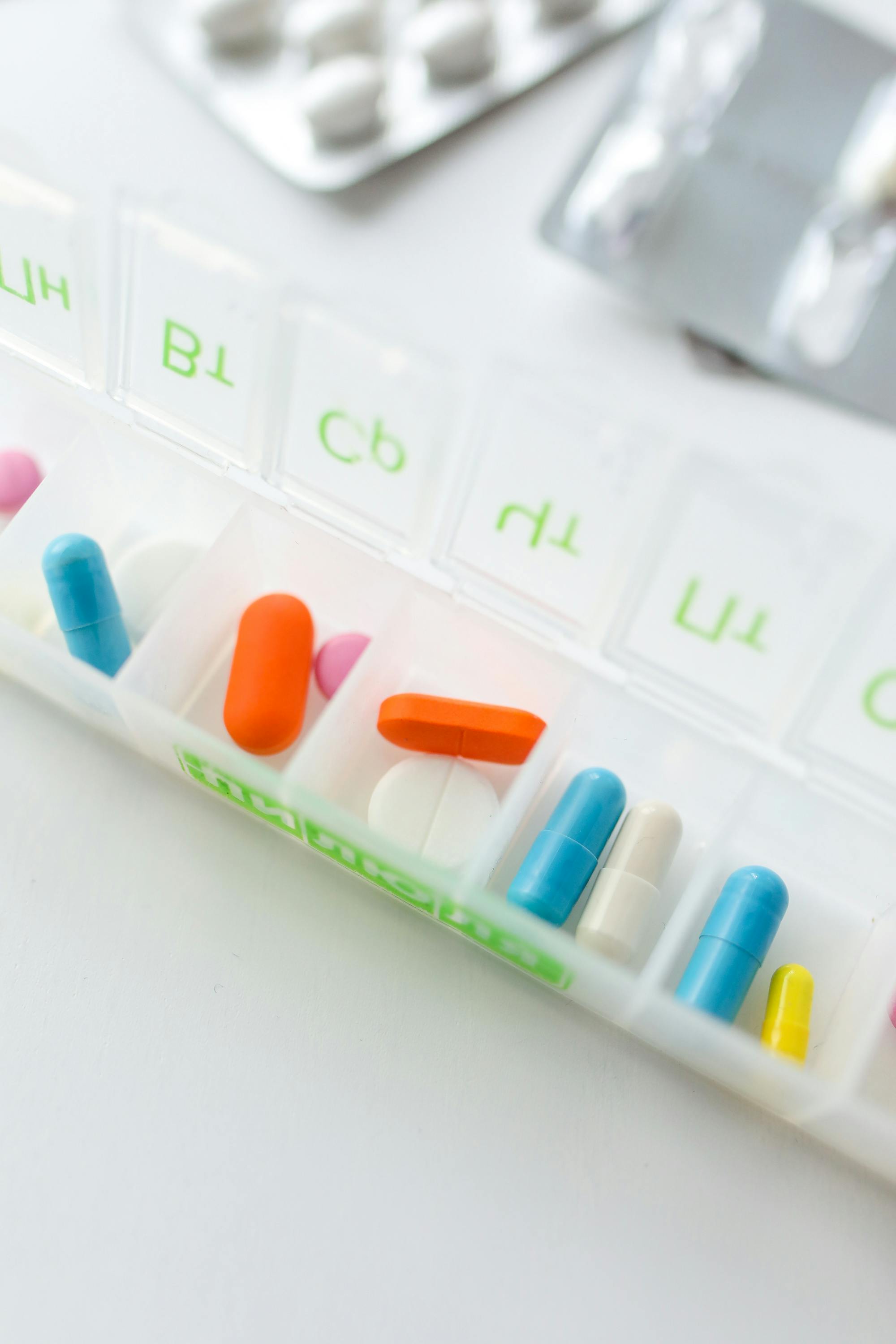
Xanax is a widely prescribed psychiatric medication in the United States. It belongs to a class of drugs called benzodiazepines, which work by calming the nervous system. While Xanax can be very effective for short-term relief of anxiety and panic, it also carries real risks, including dependence and withdrawal, that are important to understand before starting treatment.
Alprazolam (the generic name for Xanax) is one of the most commonly prescribed benzodiazepines in the country. Whether your doctor has suggested Xanax or you’re trying to learn more about it, this guide covers how it works, what it’s used for, its side effects, and safer alternatives for long-term anxiety treatment.
Key Takeaways
Xanax is FDA-approved for the acute treatment of generalized anxiety disorder and the treatment of panic disorder in adults. It works quickly, usually within 15 to 45 minutes, but is usually prescribed for short-term use. Clinical studies have established effectiveness for up to 4 months in anxiety and up to 10 weeks in panic disorder.
Xanax carries a risk of physical dependence, meaning your body can become reliant on the medication. Stopping suddenly after regular use can cause dangerous withdrawal symptoms, so it should always be tapered under a doctor’s supervision.
Safer long-term alternatives exist. For ongoing anxiety, SSRIs, SNRIs, buspirone, and therapy are generally recommended over benzodiazepines because they treat anxiety without the same risks of dependence.
What is Xanax?
Xanax is the brand name for alprazolam, a medication in the benzodiazepine drug class. Benzodiazepines are anxiolytics, or medications designed to relieve anxiety. They work by increasing the activity of a neurotransmitter in the brain called GABA (gamma-aminobutyric acid). GABA acts like a brake on the nervous system — it slows things down, which helps reduce feelings of anxiety, muscle tension, and restlessness.
According to the FDA, Xanax is approved for treating generalized anxiety disorder (GAD) and panic disorder, with or without agoraphobia, in adults. It is available in immediate-release tablets (0.25 mg, 0.5 mg, 1 mg, and 2 mg) and an extended-release version called Xanax XR (0.5 mg, 1 mg, 2 mg, and 3 mg). Xanax XR is FDA-approved for treating panic disorder, with or without agoraphobia, in adults.
Xanax works fast. Most people feel its effects within 15 to 45 minutes of taking a dose. This quick action is one of the reasons it’s so widely prescribed, but it’s also part of why it can become habit-forming.
How Common is Xanax and Benzodiazepine Use?
Benzodiazepines, including Xanax, are among the most widely used prescription medications in the U.S. According to data from the 2015 and 2016 National Survey on Drug Use and Health, t 30.6 million American adults (12.6%) reported using a benzodiazepine in the past year. Of those, roughly 25.3 million (10.4%) used them as prescribed, while about 5.3 million (2.2%) reported some form of misuse.
A study published in the Journal of the American Medical Association in 2021 revealed that alprazolam was the most commonly prescribed benzodiazepine, accounting for 38% of all benzodiazepine prescriptions.
Nationally representative surveys between 2018 and 2022 found that annual benzodiazepine use has declined from 4.7% to 3.4%, especially among older adults. This shift is likely due to growing awareness of risks, updated clinical guidelines, and an FDA black box warning added in 2020 about the dangers of dependence and withdrawal.
How Xanax is Typically Prescribed
Doctors generally prescribe Xanax at the lowest effective dose for the shortest time needed. According to the FDA, the starting dose for acute anxiety treatment is usually 0.25 mg to 0.5 mg taken three times per day. The maximum recommended dosage for GAD is 4 mg per day in divided doses.
For panic disorder, the dose may be higher. The starting dose is 0.5 mg three times per day. In controlled trials, the maximum dose permitted for panic disorder was 10 mg per day. Occasionally, some people may require up to 10 mg per day, though most people take much less.
It’s important to know that clinical trials on Xanax have established its safety and effectiveness for acute anxiety treatment lasting up to 4 months, and for panic disorder treatment lasting 10 weeks. Long-term safety and effectiveness beyond these durations have not been established. This is why Xanax is considered a short-term medication, not a solution for ongoing, day-to-day anxiety management.
Note: Any dosage information for Xanax presented here is for general guidance only and must not be taken as a prescription or medical advice. Please consult your healthcare provider before starting, changing, or stopping benzodiazepine treatment.
Common Side Effects of Xanax
Like all medications, Xanax can cause side effects. Many of these are related to how the drug slows down the nervous system. According to a review in the Journal of Addiction Medicine, the most commonly reported side effects include:
Drowsiness and fatigue
Dizziness or lightheadedness
Memory problems or difficulty concentrating
Headaches
Slurred speech at higher doses (dysarthria)
Depression or mood changes
These side effects can affect your ability to drive, operate machinery, or do tasks that require full attention. Drinking alcohol while taking Xanax is especially dangerous because both substances slow the central nervous system, and combining them can lead to severe drowsiness, breathing problems, or even death.
Serious Risks: Dependence, Withdrawal, and Misuse
Physical Dependence
One of the most important risks of Xanax is physical dependence. This means your body gets used to the medication and starts to rely on it to function normally. Dependence can develop even when Xanax is taken exactly as prescribed, especially if used for more than a few weeks.
Once your body is dependent, stopping the medication suddenly can trigger withdrawal symptoms. The FDA’s prescribing information warns that withdrawal from Xanax can be life-threatening and should always be managed by a doctor using a slow, gradual taper, meaning the dose is reduced little by little over time.
A typical taper amounts to a reduction of 0.5 mg every three days, although for some people, it could be even slower.
Withdrawal Symptoms
Withdrawal symptoms can begin within hours to days after the last dose and may include:
Increased anxiety or panic (sometimes worse than before treatment)
Trouble sleeping
Fatigue and tiredness
Headaches
Tremors or shaking
Sweating and nausea
Cognitive disorder
Memory impairment
Seizures (in severe cases)
Confusion or hallucinations (in severe cases)
According to the FDA, some withdrawal symptoms can last for weeks to more than 12 months (protracted withdrawal syndrome) after stopping the medication. Moreover, the withdrawal syndrome associated with discontinuation is generally regarded as being more severe than other benzodiazepines, even with a gradual taper.
Some older studies have reported rebound anxiety, a recurrence/increase in panic attacks, and significant somatic symptoms even after a four-week taper.
A meta-analysis from 2004 showed that long-term benzodiazepine users did not experience a complete restitution of cognitive function even 6 months after withdrawal, suggesting that some deficits may be permanent or take longer than 6 months to recover.
Risk of Misuse
Xanax is a Schedule IV controlled substance, which means the federal government recognizes it has potential for misuse. Alprazolam is sometimes misused for its calming and euphoric effects. Most serious cases of alprazolam overdose involve using it alongside other substances like alcohol or opioids.
The FDA also warns that combining benzodiazepines with opioids can lead to severe sedation, breathing problems, coma, or death.
Safer Alternatives for Long-Term Anxiety Treatment
Because of the risks associated with long-term benzodiazepine use, most clinical guidelines recommend other medications as first-line treatments for ongoing anxiety. These options treat anxiety effectively without the same level of dependence risk.
SSRIs (selective serotonin reuptake inhibitors): Medications like sertraline (Zoloft) and escitalopram (Lexapro) are among the most commonly prescribed treatments for anxiety disorders. They take a few weeks to reach full effect but are safe for long-term use.
SNRIs (serotonin-norepinephrine reuptake inhibitors): Medications like venlafaxine (Effexor) and duloxetine (Cymbalta) also treat anxiety and can help with co-occurring depression.
Buspirone: This is an anti-anxiety medication that is not a benzodiazepine and is not associated with a risk of dependence as seen with benzodiazepines. It takes 2 to 4 weeks to work and is FDA-approved for generalized anxiety disorder.
Therapy: Cognitive-behavioral therapy (CBT) is one of the most effective treatments for anxiety disorders. Research shows it can produce lasting improvements, and many people use it alongside or instead of medication.
Talking with a psychiatrist can help you find the treatment approach that fits your situation best.
When to Talk to a Doctor About Anxiety Treatment
If anxiety is interfering with your daily life — making it hard to work, sleep, maintain relationships, or enjoy things you used to — it’s worth talking to a healthcare provider. Anxiety disorders are among the most treatable mental health conditions, and a psychiatrist can help you find a treatment plan that works safely for both the short and long term.
If you’re currently taking Xanax and have concerns about dependence or want to explore other options, bring those concerns to your prescriber. There are effective, evidence-based alternatives that can provide lasting relief without the same risks.
Medical Disclaimer
This article is for informational purposes only and is not a substitute for professional medical advice, diagnosis, or treatment. Always seek the advice of your physician or other qualified healthcare provider with any questions you may have regarding a medical condition. If you are experiencing a mental health crisis, contact the 988 Suicide and Crisis Lifeline by calling or texting 988.
Sources
U.S. Food and Drug Administration. (2023). Xanax (alprazolam) prescribing information. https://www.accessdata.fda.gov/drugsatfda_docs/label/2023/018276s059lbl.pdf
George TT, Tripp J. Alprazolam. [Updated 2023 Apr 24]. In: StatPearls [Internet]. Treasure Island (FL): StatPearls Publishing; 2026 Jan-. Available from: https://www.ncbi.nlm.nih.gov/books/NBK538165/
Hirschtritt, M. E., Olfson, M., & Kroenke, K. (2021). Balancing the Risks and Benefits of Benzodiazepines. JAMA, 325(4), 347–348. https://pubmed.ncbi.nlm.nih.gov/33416846/
Ait-Daoud, N., Hamby, A. S., Sharma, S., & Blevins, D. (2018). A Review of Alprazolam Use, Misuse, and Withdrawal. Journal of addiction medicine, 12(1), 4–10. https://pmc.ncbi.nlm.nih.gov/articles/PMC5846112/
Maust, D. T., Lin, L. A., & Blow, F. C. (2019). Benzodiazepine Use and Misuse Among Adults in the United States. Psychiatric services (Washington, D.C.), 70(2), 97–106. https://pmc.ncbi.nlm.nih.gov/articles/PMC6358464/
Olfson, M., McClellan, C., Zuvekas, S. H., & Blanco, C. (2026). Trends in Benzodiazepine Prescribing to Adults in the United States: Results From the Medical Expenditure Panel Survey. The Journal of clinical psychiatry, 87(1), 25m16125. https://pubmed.ncbi.nlm.nih.gov/41734365/
Pecknold, J. C., Swinson, R. P., Kuch, K., & Lewis, C. P. (1988). Alprazolam in panic disorder and agoraphobia: results from a multicenter trial. III. Discontinuation effects. Archives of general psychiatry, 45(5), 429–436. https://pubmed.ncbi.nlm.nih.gov/3282479/
Fyer, A. J., Liebowitz, M. R., Gorman, J. M., Campeas, R., Levin, A., Davies, S. O., Goetz, D., & Klein, D. F. (1987). Discontinuation of alprazolam treatment in panic patients. The American journal of psychiatry, 144(3), 303–308. https://pubmed.ncbi.nlm.nih.gov/3826428/
Chang, Y.-J., Chang, Y., Xie, X., Liu, Y., Liu, M., & Zhang, H. (2024). Exploring clinical applications and long-term effectiveness of benzodiazepines: An integrated perspective on mechanisms, imaging, and personalized medicine. Biomedicine & Pharmacotherapy, 173, 116329. https://doi.org/10.1016/j.biopha.2024.116329
Barker, M. J., Greenwood, K. M., Jackson, M., & Crowe, S. F. (2004). Persistence of cognitive effects after withdrawal from long-term benzodiazepine use: A meta-analysis. Archives of Clinical Neuropsychology, 19(3), 437–454. https://www.sciencedirect.com/science/article/pii/S0887617703000969#aep-abstract-id8
Mayo Clinic. (2025). Alprazolam (oral route). https://www.mayoclinic.org/drugs-supplements/alprazolam-oral-route/description/drg-20061040
National Institute of Mental Health. (2024, December). Anxiety disorders. https://www.nimh.nih.gov/health/topics/anxiety-disorders
Santo, L., Rui, P., & Ashman, J. J. (2020, January 17). Physician office visits at which benzodiazepines were prescribed: Findings from the 2014–2016 National Ambulatory Medical Care Survey (National Health Statistics Reports No. 137). U.S. Department of Health and Human Services, Centers for Disease Control and Prevention, National Center for Health Statistics. https://www.cdc.gov/nchs/data/nhsr/nhsr137-508.pdf