Is There an Over-the-Counter Antidepressant? What You Should Know
Author:
Blossom Editorial



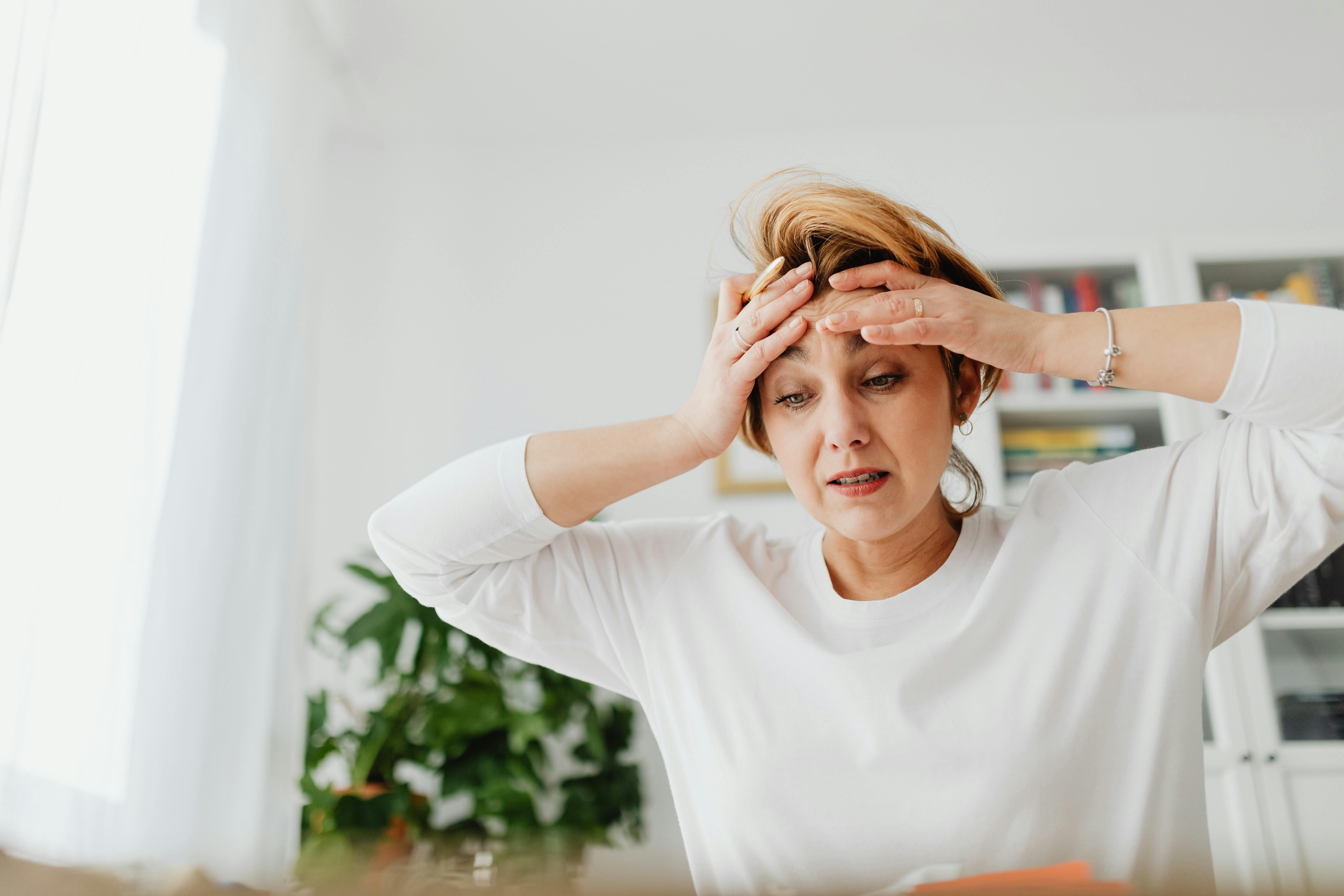
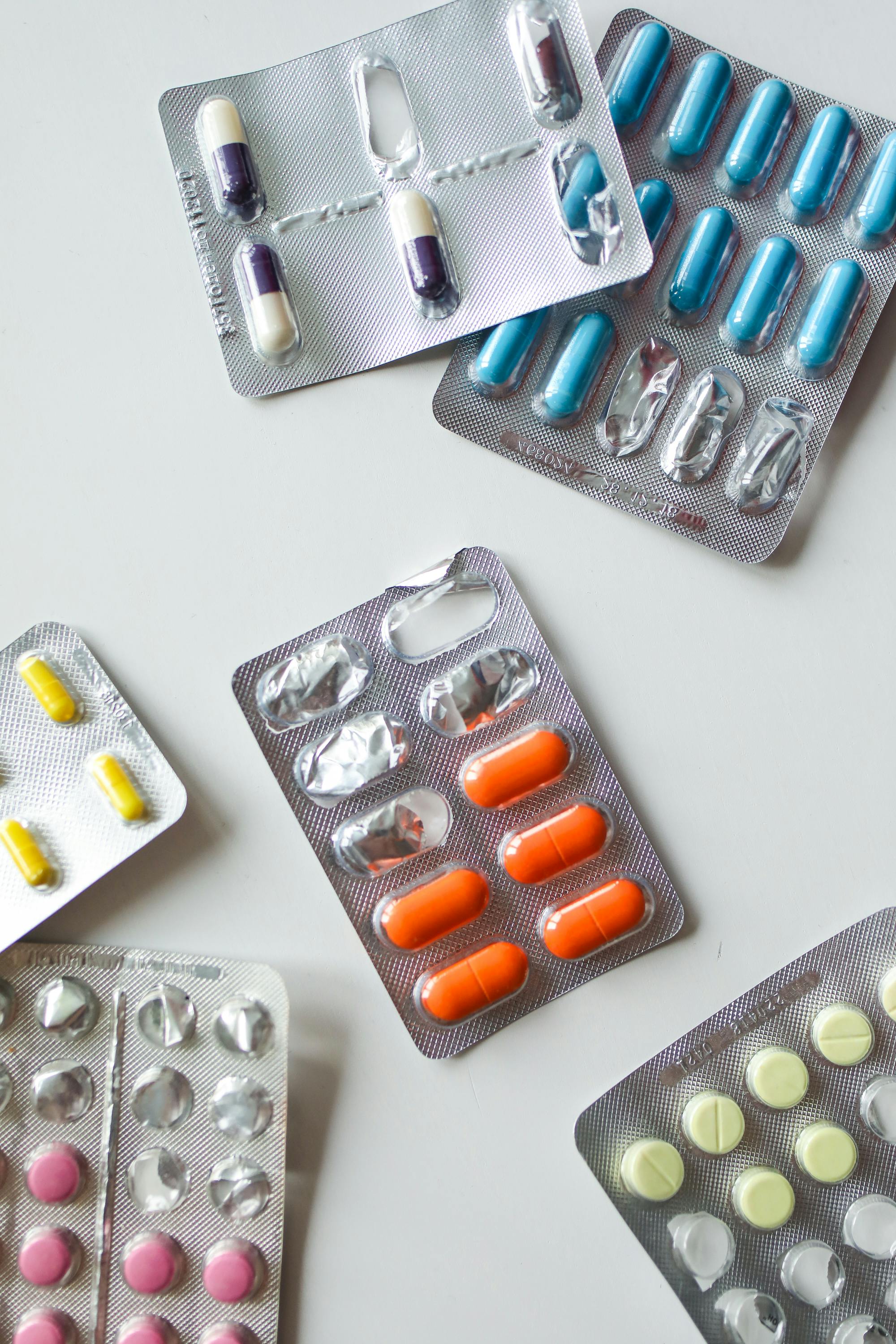
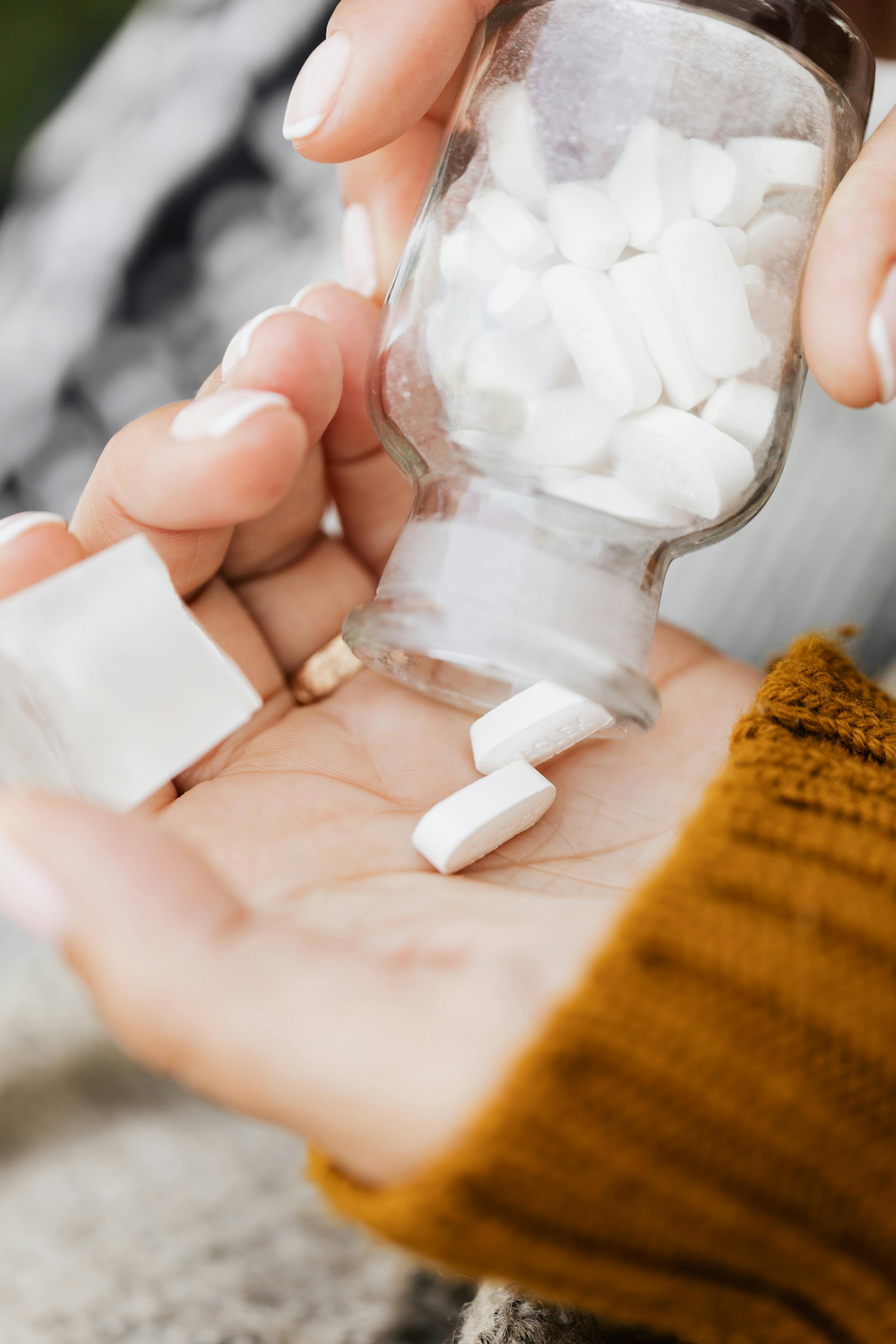
If you’re dealing with depression, you might wonder if there’s something you can buy at the drugstore to help. Unfortunately, there are no over-the-counter (OTC) antidepressants in the U.S. approved by the FDA. But some herbal products and supplements have been studied for their effects on mood. A few have shown modest benefits, mainly for mild or moderate symptoms.
Knowing the difference between these products and prescription antidepressants, and the risks that come with each, can help you make an informed choice about your care. Here’s what the research shows.
Key Takeaways
No over-the-counter product is FDA-approved to treat depression. All prescription antidepressants (like SSRIs) require a doctor’s order.
St. John’s Wort has the most evidence among supplements. It may help with mild to moderate depression, but it has serious drug interactions and should never be mixed with prescription antidepressants. Evidence for its long-term safety and effectiveness is limited.
If you’re feeling depressed, talk to a healthcare provider before trying any supplement. They can give you a proper diagnosis and help you avoid harmful interactions.
Note: Always consult with a healthcare provider before starting or stopping a supplement to help with depression, especially if you are on antidepressant treatment or are taking medication for other conditions. Some supplements can interact with medication and can cause dangerous effects, if not taken under medical supervision.
Why Do Antidepressants Need a Prescription?
Prescription antidepressants are powerful drugs that affect neurotransmitter systems in the brain, such as serotonin, norepinephrine, and dopamine. They need the right dose and treatment duration to work, and your doctor has to watch for side effects. That’s why the FDA requires a prescription.
Antidepressants need time to work, with most needing four to eight weeks to work fully. During this time, monitoring is essential to make sure the drug is safe for you.
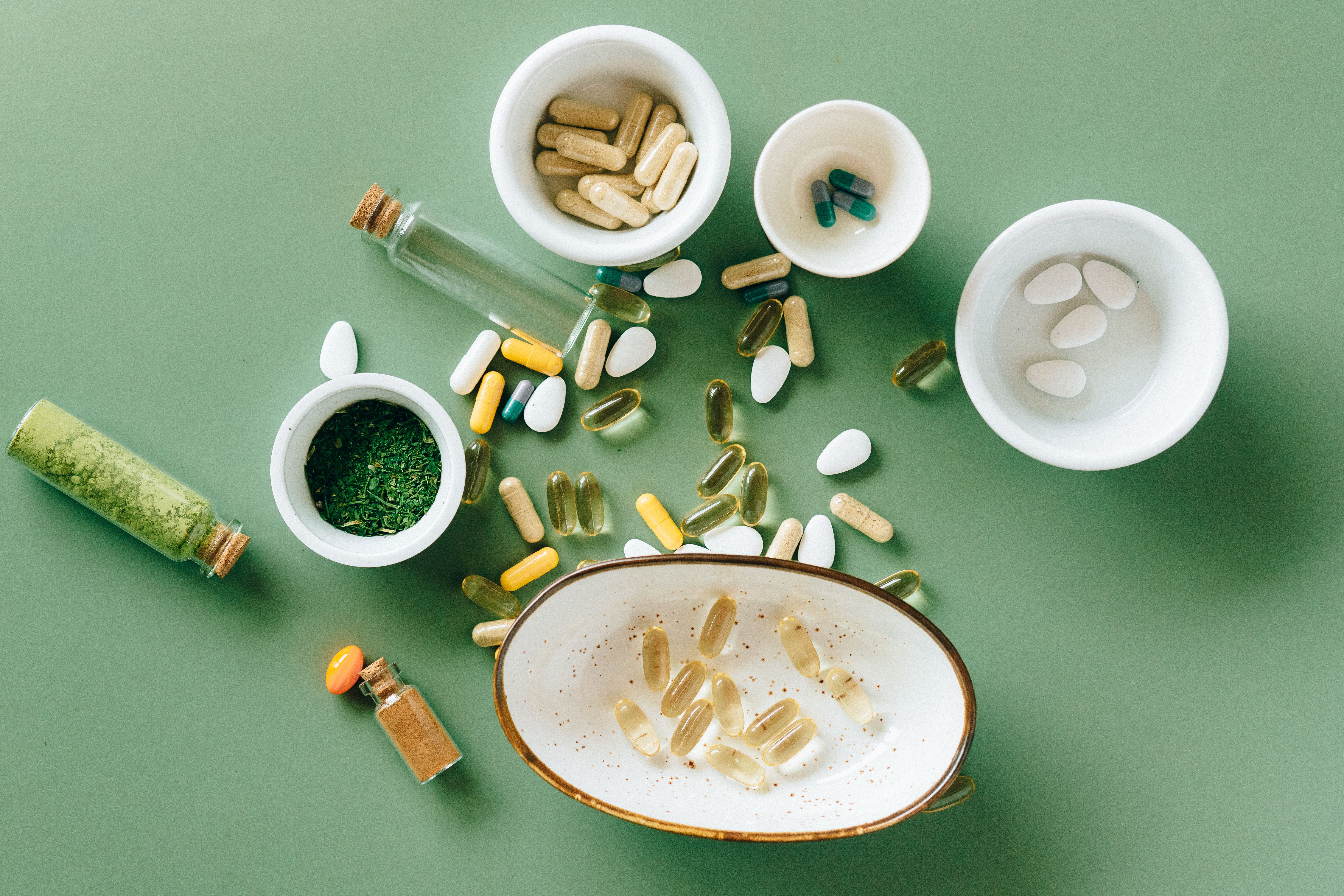
Supplements are different. The FDA labels them as dietary supplements, not drugs. That means companies don’t have to prove they work before selling them. Unlike drugs, they don’t require pre-market approval or clinical trials to prove their safety or efficacy. As a result, the amount of active ingredient can vary a lot between brands or even between bottles of the same brand.
Supplements That Have Been Studied for Depression
While no supplement can replace professional care, some have been tested in clinical studies. Here’s what the evidence says about the most common ones.
St. John’s Wort
This is the most studied herbal supplement for depression. It comes from a yellow flowering plant. In Europe, doctors have prescribed it for decades. In the U.S., the FDA hasn’t approved St. John’s Wort to treat depression.
According to the NCCIH, a review of 29 studies from 2008 found that it may work about as well as standard antidepressants for mild to moderate depression, with fewer side effects. A larger review of 35 studies from 2016 with nearly 7,000 people found similar results.
More recently, a large-scale meta-analysis of 27 clinical trials involving over 3800 patients compared the use of St. John’s Wort with SSRIs for depression. In patients with mild to moderate depression, St. John’s Wort demonstrated comparable response and remission rate, coupled with lower discontinuation rates, compared to standard SSRIs. However, the supplement’s long term safety and efficacy could not be established, due to a limited treatment duration between 4 and 12 weeks.
Despite modest evidence of its benefits, the picture isn’t all good. Studies done in the U.S. have shown weaker results than European studies. And there’s no sufficient data that it helps with severe depression.
The biggest concern with St. John’s Wort is drug interactions. It speeds up the way your liver breaks down many common drugs, which can make them less effective. According to the Mayo Clinic, drugs affected include:
Monoamine oxidase inhibitors (MAOIs used to treat depression)
Benzodiazepenes (anxiety medications)
Tricyclic antidepressants
Antipsychotics like clozapine
Birth control pills
Blood thinners like warfarin
HIV medications
Drugs that prevent organ rejection after a transplant
Some cancer drugs
Heart drugs like digoxin
Never mix St. John’s Wort with a prescription antidepressant. The combination can cause serotonin syndrome, a dangerous condition with symptoms like a fast heartbeat, unusual blood pressure changes, high fever, muscle twitches, and confusion. The Cleveland Clinic strongly warns against this combination. St. John’s Wort can also trigger mania in people with bipolar disorder.
Keep in mind that in the U.S., St. John’s Wort products are regulated differently than prescription drugs. This means the amount of active ingredient can differ a lot from brand to brand. In Germany, where it’s prescribed by doctors, the products are held to higher standards.
SAMe
SAMe (S-adenosylmethionine) is a natural compound in your body that helps make brain chemicals like serotonin. Some early studies suggested the synthetic form of the chemical might help with depression, and it’s used as a prescription drug for depression in parts of Europe. However, in the U.S., SAMe isn’t FDA-approved to treat depression.
A recent systematic review and meta-analysis on the effectiveness of SAMe for depression revealed it was superior to placebo with a moderate effect size. There was moderate-certainty evidence that SAMe monotherapy may offer a modest therapeutic benefit in improving depression.
.However, its effectiveness as an adjunct to antidepressant treatment remains highly uncertain. It may also trigger manic episodes in people with bipolar disorder and possibly serotonin syndrome when combined with SSRI antidepressants. SAMe also tends to be expensive compared to vitamin supplements.
Omega-3 Fatty Acids
Omega-3s are found in fish oil and some plant foods like flaxseed. Some studies have found a small benefit when omega-3s are added to an antidepressant, but the results are mixed. If you do consider adding an omega-3 supplement, consider ones with at least 60% EPA relative to DHA (two types of omega-3), which may be more effective.
However, at present, the evidence isn’t strong enough to use fish oil as a main treatment for depression.
Saffron
Saffron is a spice that has shown some promise in studies. A systematic review and meta-analysis of 8 studies showed that saffron produces a comparable result to fluoxetine, an SSRI, and imipramine, a tricyclic antidepressant. However, the review was limited by the small number and duration of studies included.
Moreover, saffron supplements can be pricey. More large-scale studies are needed.
Probiotics and Vitamin D
There’s growing interest in the gut-brain connection and in how vitamin D affects mood. Both probiotics (good bacteria) and vitamin D have shown a possible association with improved mood. But the evidence isn’t strong enough yet to recommend them as treatments for clinical depression. They might help as add-ons to other treatments, but not as stand-alone fixes.
Other Supplements with Early Evidence
A few other products have shown hints of promise in small studies:
Folic acid: May help antidepressants work better, especially in people with low folate levels.
Zinc: Low zinc has been linked to depression. Some small studies found benefits when zinc was added to an antidepressant.
Rhodiola rosea: An herb with early evidence for mild depression and fatigue.
Magnesium: Magnesium plays a crucial role in regulating serotonin and glutamate, which modulate brain function. Adjunctive treament with antidepressant therapy may help some people, especially those who are low in magnesium.
Why Supplements Can’t Replace Professional Treatment
There are several key reasons to be careful about relying solely on supplements for depression:
No quality control: What’s on the label may not match what’s in the bottle. Products aren’t tested by the FDA before they go on sale.
Delayed treatment: Using a supplement for moderate or severe depression may delay access to treatments with stronger evidence. Early treatment is associated with better outcomes, in many cases.
Missed conditions: Depression can look like other problems, such as thyroid issues, anemia, or bipolar disorder. A healthcare provider can tell the difference and get you the right care.
Dangerous interactions: Supplements like St. John’s Wort and SAMe can cause serious problems when mixed with other drugs.
When to Seek Professional Help
If you’ve been feeling sad most of the day for more than two weeks, lost interest in things you used to enjoy, have trouble sleeping or eating, feel tired all the time, or have thoughts of hurting yourself, it’s time to talk to a healthcare provider.
Depression is a highly treatable mental health condition, especially with appropriate care. A psychiatrist can figure out what’s going on and create a treatment plan that may include medication, therapy, or both.
Providers like Blossom Health make it easy to get medical consultations from the comfort of your home. Healthy habits like exercise, good sleep, social time, and a balanced diet can also help your mood. But for moderate to severe depression, these work best alongside — not instead of — professional treatment.
Need Help with Depression? Blossom Health offers virtual psychiatric care covered by insurance. A licensed provider can review your symptoms and talk through all your options — often with appointments available within days. Get started today. |
Medical Disclaimer
This article is for informational purposes only and is not a substitute for professional medical advice, diagnosis, or treatment. Always seek the advice of your physician or other qualified healthcare provider with any questions you may have regarding a medical condition. If you are experiencing a mental health crisis, contact the 988 Suicide and Crisis Lifeline by calling or texting 988.
Sources
National Institute of Mental Health. (n.d.). Mental health medications.https://www.nimh.nih.gov/health/topics/mental-health-medications
National Center for Complementary and Integrative Health. (n.d.). St. John’s wort and depression: In depth. https://www.nccih.nih.gov/health/st-johns-wort-and-depression-in-depth
National Center for Complementary and Integrative Health. (n.d.). Depression and complementary health approaches: Science. https://www.nccih.nih.gov/health/providers/digest/depression-and-complementary-health-approaches-science
Ng, Q. X., Venkatanarayanan, N., Ho, C. Y. X. (2017). Clinical use of Hypericum perforatum (St John's wort) in depression: A meta-analysis. Journal of Affective Disorders, 210, 211-221.
https://www.sciencedirect.com/science/article/abs/pii/S0165032716315920
Mayo Clinic Staff. (2025, March 21). St. John's wort. Mayo Clinic. https://www.mayoclinic.org/drugs-supplements-st-johns-wort/art-20362212
Cleveland Clinic. (n.d.). St. John’s wort. https://my.clevelandclinic.org/health/drugs/9304-st--johns-wort
Canenguez Benitez, J. S., Hernandez, T. E., Sundararajan, R., et al. (2022). Advantages and Disadvantages of Using St. John's Wort as a Treatment for Depression. Cureus, 14(9), e29468. https://pmc.ncbi.nlm.nih.gov/articles/PMC9587902/
InformedHealth.org [Internet]. Cologne, Germany: Institute for Quality and Efficiency in Health Care (IQWiG); 2006-. Depression: Research summaries – Can St. John’s wort products help relieve depression? [Updated 2024 Apr 15]. Available from: https://www.ncbi.nlm.nih.gov/books/NBK279279/
Cuomo, A., Beccarini Crescenzi, B., Bolognesi, S., Goracci, A., Koukouna, D., Rossi, R., & Fagiolini, A. (2020). S-Adenosylmethionine (SAMe) in major depressive disorder (MDD): a clinician-oriented systematic review. Annals of general psychiatry, 19, 50. https://pmc.ncbi.nlm.nih.gov/articles/PMC7487540/
Limveeraprajak, N., Nakhawatchana , S., et al. (2024). Efficacy and acceptability of S-adenosyl-L-methionine (SAMe) for depressed patients: A systematic review and meta- analysis. Progress in Neuro-Psychopharmacology and Biological Psychiatry, 132, 110985.
https://www.sciencedirect.com/science/article/abs/pii/S0278584624000538
Burhani, M. D., & Rasenick, M. M. (2017). Fish oil and depression: The skinny on fats. Journal of integrative neuroscience, 16(s1), S115–S124. https://pmc.ncbi.nlm.nih.gov/articles/PMC6087692
Mischoulon, D. (2020, October 27). Omega-3 fatty acids for mood disorders. Harvard Health Publishing. https://www.health.harvard.edu/blog/omega-3-fatty-acids-for-mood-disorders-2018080314414
Khaksarian, M., Behzadifar, M., et al. (2019). The efficacy of Crocus sativus (Saffron) versus placebo and Fluoxetine in treating depression: a systematic review and meta-analysis. Psychology research and behavior management, 12, 297–305. https://pmc.ncbi.nlm.nih.gov/articles/PMC6503633
Siddiqui, M. J., Saleh, M. S. M., et al. (2018). Saffron (Crocus sativus L.): As an Antidepressant. Journal of pharmacy & bioallied sciences, 10(4), 173–180. https://pmc.ncbi.nlm.nih.gov/articles/PMC6266642
Altaf, R., Gonzalez, I., et al. (2021). Folate as adjunct therapy to SSRI/SNRI for major depressive disorder: Systematic review & meta-analysis. Complementary Therapies in Medicine, 61, 102770.
https://www.sciencedirect.com/science/article/pii/S0965229921001114
Lai, J., Moxey, A., et al. (2012). The efficacy of zinc supplementation in depression: Systematic review of randomised controlled trials. Journal of Affective Disorders, 136(1-2), e31-e39.
https://www.sciencedirect.com/science/article/abs/pii/S0165032711003533
Jurcic, J., Pereira, J. A., & Kavanaugh, D. (2007). St John's wort versus paroxetine for depression. Canadian family physician Medecin de famille canadien, 53(9), 1511–1513. https://pmc.ncbi.nlm.nih.gov/articles/PMC2234633/
U.S. Food and Drug Administration. (n.d.). Dietary supplements. https://www.fda.gov/food/dietary-supplements
National Institute of Mental Health. (2024). Depression. U.S. Department of Health and Human Services, National Institutes of Health. https://www.nimh.nih.gov/health/topics/depression