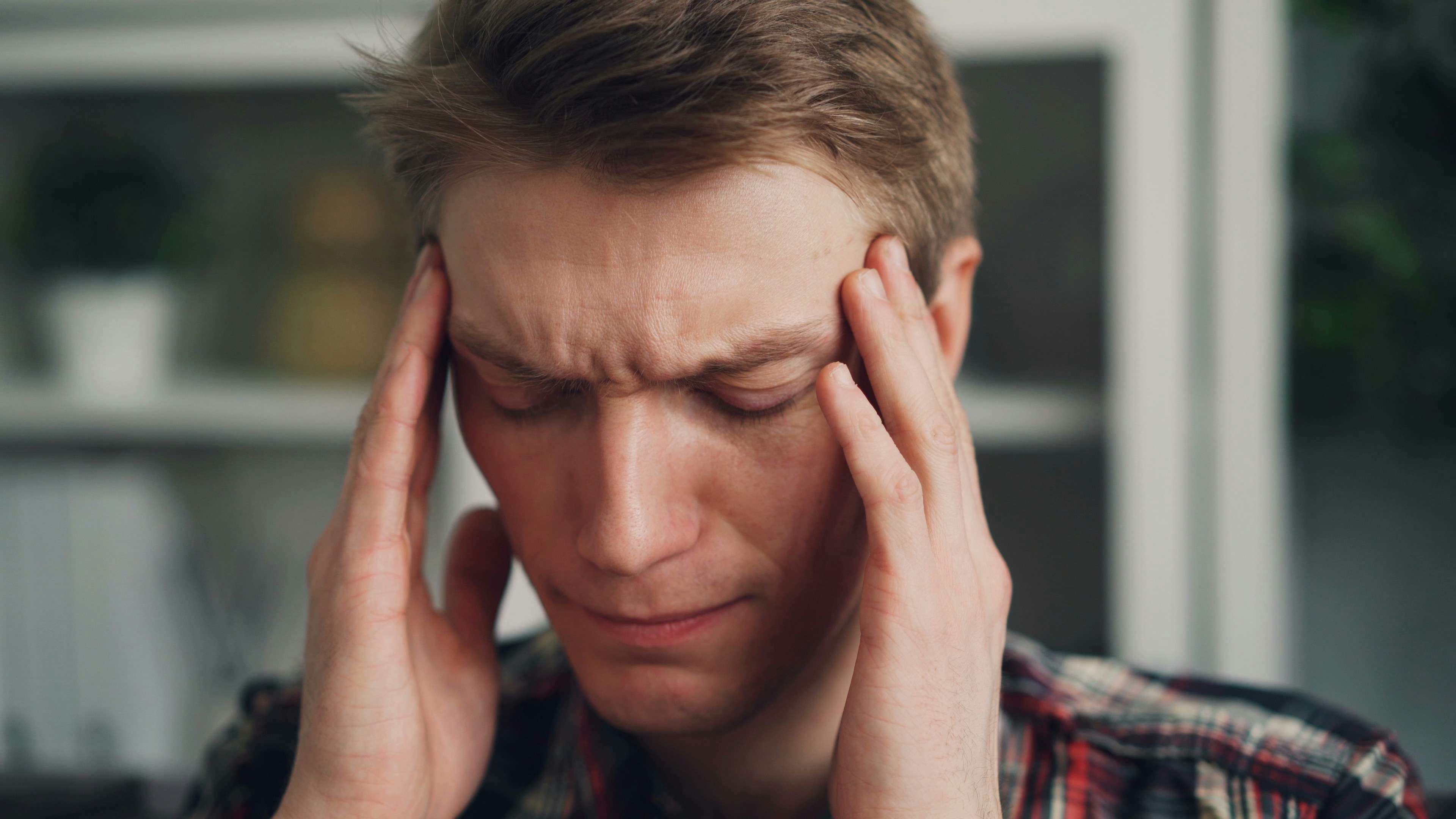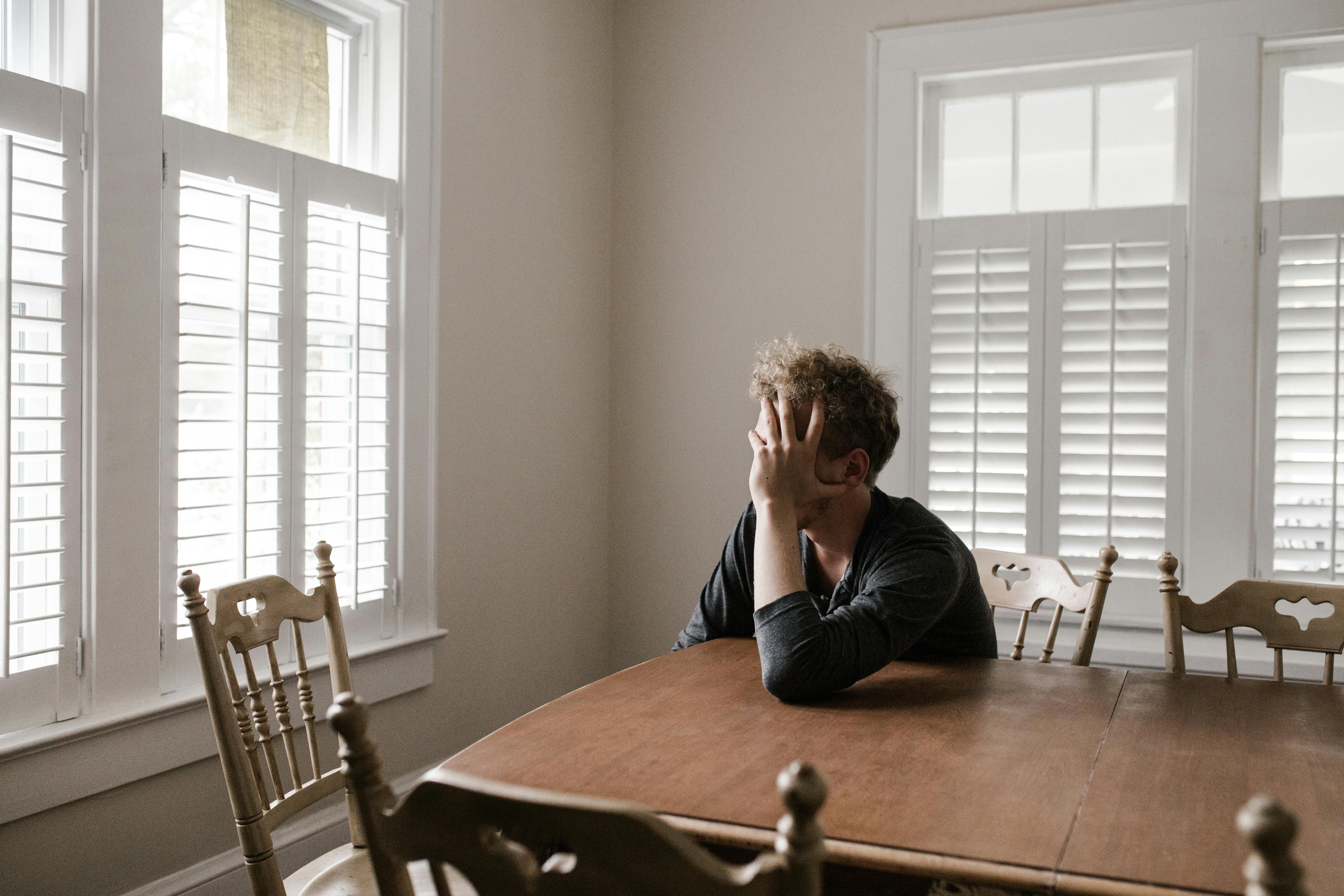

Depression affects millions of men each year, yet it often looks different in men than the “textbook” symptoms many people associate with the condition.
Rather than expressing sadness or crying, men with depression are more likely to show irritability, anger, risk-taking behaviors, or withdrawal, which means the condition frequently goes unrecognized and untreated. Understanding how depression presents in men can help you identify the warning signs in yourself or someone you care about.
Key Takeaways
Depression in men often shows up as irritability, anger, risk-taking, or substance use rather than sadness, making it harder to recognize. Research suggests that when these alternative symptoms are considered, depression rates in men and women are nearly equal.
Men are less likely than women to seek help for depression due to social expectations around masculinity, but untreated depression carries serious consequences, including a threefold higher risk of completed suicide in men.
Depression in men is treatable with therapy, medication, or both. Recognizing the signs and reaching out to a mental health provider is the most important first step toward recovery.
How Common is Depression in Men
Depression in men is more common than one would think. According to data from the National Survey on Drug Use and Health, 6.2% of American males had at least one major depressive episode in 2021.
The National Health and Nutrition Examination survey (Aug 2021-Aug 2023) revealed an overall depression prevalence in males of over 10% compared to 16% in females. Among men, depression was most prevalent in the 20-39 years age group (14.3%) and lowest among those over 60 (6.5%).
However, these numbers may not present an accurate picture, as depression is likely to be underdiagnosed in men due to several reasons, including diagnosis criteria that represent symptoms more likely seen among women with depression.
A study published in 2013 in JAMA Psychiatry revealed that when data from a mental health survey were analyzed using a scale that included both traditional and alternative depression symptoms, men and women met criteria for depression in almost equal proportions (30.6% men vs 33.3% women).
Why Depression Looks Different in Men
Cultural and social expectations play a significant role in how men experience and express depression. From a young age, many men are socialized to value emotional stoicism, independence, and self-control. According to a review published in Canadian Family Physician, men often learn to cover up their emotional vulnerability, which can make it harder to recognize or communicate feelings of depression.
The JAMA Psychiatry study that concluded that men and women experienced depression in comparable proportions reported distinct male-type symptoms of depression, such as anger attacks, aggression, substance use, and risk-taking. Some men with depression may be more prone to escaping behaviors like over-involvement at work or inordinate sexual activity to counter feelings of inadequacy.
In contrast, women with depression show appetite disturbance, impaired sleep, and depressed mood more often and more severely than men.
This underscores an important point: men are not necessarily less likely to be depressed; they may just express it differently than what current diagnostic criteria capture. The traditional image of depression as persistent sadness and tearfulness does not reflect the full picture for many men, which contributes to widespread underdiagnosis.
Common Signs of Depression in Men
According to the NIMH and the Mayo Clinic, depression in men may include the following signs and symptoms:
Emotional and Behavioral Signs
Irritability, frustration, or anger that feels out of proportion to the situation
Increased use of alcohol, drugs, or other substances to cope
Risk-taking behavior, such as reckless driving or unsafe sexual practices
Escapist behavior, like overworking, excessive screen time, or compulsive gambling
Controlling or aggressive behavior toward others
Feeling restless and having trouble concentrating
Loss of interest in work, hobbies, relationships, or activities once enjoyed
Social withdrawal or isolation from friends and family
Persistent sadness or hopelessness
Physical Signs
Chronic headaches, back pain, or digestive problems without a clear medical cause
Changes in appetite or weight — either significant increase or decrease
Difficulty sleeping, waking early, or sleeping much more than usual
Fatigue and low energy that persists throughout the day
Decreased sex drive or sexual performance issues
It is worth noting that many men first visit a doctor for physical complaints, such as chronic pain, fatigue, or sleep problems, without realizing that depression may be the underlying cause. The NIMH notes that men are more likely to report physical symptoms than emotional ones, which can delay appropriate diagnosis and care.
In cases where men do seek medical advice for emotional problems, they are usually presented with feelings of stress and diminished job performance rather than sadness. Moreover, men may tend to compensate for what they consider stress by overworking or engaging in risky behaviors.
Depression at Different Life Stages
Depression can affect men at any age, but it often shows up differently depending on the life stage.
Young Adult Men (20-39)
CDC data show that young men aged 20-39 have the highest rates of depression (14.3%). In this age group, depression may manifest as academic struggles, social withdrawal, substance use, or difficulty launching into adulthood. Young men may be particularly reluctant to seek help due to peer pressure and concerns about being perceived as weak.
Men in Midlife
Career pressure, financial stress, divorce, and the physical effects of aging can all contribute to depression in middle-aged men. At this stage, depression may look like chronic work dissatisfaction, relationship conflict, increased alcohol use, or a sense of purposelessness. Men in midlife may also begin dealing with the loss of aging parents, which can trigger grief-related depression.
Older Men
Depression in older men is frequently underdiagnosed because its symptoms — fatigue, sleep and appetite changes, cognitive difficulties — overlap with the effects of aging or chronic illness. This may account for the relatively lower rate of depression among men 60 and older (6.5%). Retirement, loss of a spouse, declining health, and social isolation are common triggers.
While it is reported that men in general are three to four times more likely than women to take their own lives, in some populations, including the elderly, the suicide rate among men is more than seven times that of women. Data from the CDC indicate that people over 85 had the highest suicide rates (22.7%) in 2023. This makes screening and treatment in this population especially critical.
Note: If you're experiencing thoughts of suicide or self-harm, please call or text 988 (Suicide and Crisis Lifeline) or text HELLO to 741741. In an emergency, call 911 or go to your nearest emergency room. Help is available, and you don't have to face this alone.
Perinatal Depression in Fathers
While postpartum depression is most commonly associated with mothers, research increasingly recognizes that new fathers can also develop depression during the months before or after the birth of a child. Known as paternal perinatal depression (PPND), this condition isn’t officially recognized as a psychiatric disorder.
Studies suggest that paternal depression rates are highest (13%) at 3-6 months postpartum. Paternal depression often presents as irritability, anger outbursts, indecisiveness, withdrawal from the family, or avoidance of the baby.
Fathers experiencing PPND may feel excluded from the bonding process or overwhelmed by the responsibility of parenthood. Because the focus during the perinatal period is typically on the mother’s health, depression in fathers often goes unnoticed.
Risk factors for PPND include depressive symptoms in the partner, poor relations with the spouse, and insufficient social support. According to the American Academy of Pediatrics, paternal depression may lead to developmental delay, mental health disorders, and emotional or behavioral problems in the baby.
If you or your partner has recently had a baby and you’re noticing changes in mood or behavior, reaching out to a mental health provider can make a meaningful difference for the entire family.Why Men Are Less Likely to Seek Help
Several factors contribute to lower rates of help-seeking among men with depression. According to the Mayo Clinic, these include not recognizing depression because they associate the condition with sadness, reluctance to discuss feelings with family or healthcare providers, and concerns about stigma in the workplace or among peers.
A systematic review published in Clinical Psychology Review examined the role of masculinity in men’s help-seeking for depression and found that traditional masculine norms, particularly self-reliance and emotional control, were consistently associated with reduced willingness to seek professional help. Men who endorsed these norms were more likely to rely on unhealthy coping strategies like substance use or social isolation instead.
This avoidance has serious consequences. While women attempt suicide more often than men, men are significantly more likely to die by suicide. This could be due to the use of more lethal methods, contributing to higher suicide death rates. This highlights the urgency of improving depression detection and treatment in men.
How Depression in Men is Treated
Despite the challenges associated with diagnosing depression in men, the condition responds well to treatment. The most effective approaches typically include psychotherapy, medication, or a combination of both.
Psychotherapy
Cognitive behavioral therapy (CBT) is the most widely studied psychotherapy for depression and has strong evidence supporting its effectiveness. CBT helps identify and change the negative thinking patterns and behaviors that maintain depressive symptoms.
For men who may be uncomfortable with open-ended talk therapy, CBT’s structured, goal-oriented approach often feels more accessible.
Other effective options include behavioral activation, which focuses on re-engaging with meaningful activities, and interpersonal therapy (IPT), which addresses relationship patterns that may contribute to depression.
Medication
Antidepressant medications, such as SSRIs (selective serotonin reuptake inhibitors) or SNRIs (serotonin-norepinephrine reuptake inhibitors), can help regulate brain chemistry and reduce depressive symptoms.
These medications typically take four to eight weeks to reach their full effect, although initial effects may be seen sooner. It’s important to communicate openly with your provider about how you’re responding, as adjustments to medication type or dosage are common.
Exercise
Regular exercise has strong research support as a complement to professional treatment. A large 2024 meta-analysis found that walking, jogging, yoga, and strength training all produced moderate reductions in depression symptoms. For men who are action-oriented, exercise can serve as a practical entry point into managing their mental health.
Telehealth
For men who may feel uncomfortable visiting a therapist’s office, telehealth psychiatry offers a more private and convenient option. Virtual appointments allow you to receive care from home, which can help remove some of the barriers that prevent men from seeking help.
How to Support a Man Who May Be Depressed
If you’re concerned about a man in your life, there are meaningful steps you can take to help:
Approach the conversation without judgment. Instead of saying “I think you’re depressed,” try “I’ve noticed you seem different lately, and I’m concerned about you.”
Focus on specific behaviors you’ve observed rather than making generalizations about their mood or character.
Offer to help with practical steps, like researching providers, scheduling an appointment, or simply accompanying them to a visit.
Be patient. Men who have been socialized to suppress their emotions may need multiple conversations before they’re ready to seek help. Consistent, compassionate check-ins matter more than a single conversation.
Medical Disclaimer
This article is for informational purposes only and is not a substitute for professional medical advice, diagnosis, or treatment. Always seek the advice of your physician or other qualified healthcare provider with any questions you may have regarding a medical condition. If you are experiencing a mental health crisis, contact the 988 Suicide and Crisis Lifeline by calling or texting 988.
Sources
Martin, L. A., Neighbors, H. W., & Griffith, D. M. (2013). The experience of symptoms of depression in men vs women: analysis of the National Comorbidity Survey Replication. JAMA psychiatry, 70(10), 1100–1106. https://pubmed.ncbi.nlm.nih.gov/23986338/
Mohammadi, S., Seyedmirzaei, H., Salehi, M. A., et al. (2023). Brain-based Sex Differences in Depression: A Systematic Review of Neuroimaging Studies. Brain imaging and behavior, 17(5), 541–569.https://pmc.ncbi.nlm.nih.gov/articles/PMC10102695/
Cavanagh, A., Wilson, C. J., Kavanagh, D. J., & Caputi, P. (2017). Differences in the Expression of Symptoms in Men Versus Women with Depression: A Systematic Review and Meta-analysis. Harvard review of psychiatry, 25(1), 29–38. https://pubmed.ncbi.nlm.nih.gov/28059934/
National Institute of Mental Health. (2023, July). Major depression. U.S. Department of Health and Human Services, National Institutes of Health. https://www.nimh.nih.gov/health/statistics/major-depression
Ogrodniczuk, J. S., & Oliffe, J. L. (2011). Men and depression. Canadian family physician Medecin de famille canadien, 57(2), 153–155. https://pmc.ncbi.nlm.nih.gov/articles/PMC3038800/
Brody, D. J., & Hughes, J. P. (2025). Depression prevalence in adolescents and adults: United States, August 2021–August 2023 (NCHS Data Brief No. 527). National Center for Health Statistics. https://www.cdc.gov/nchs/products/databriefs/db527.htm
National Institute of Mental Health. (2024). Depression (NIH Publication No. 24-MH-8079). U.S. Department of Health and Human Services, National Institutes of Health. https://www.nimh.nih.gov/health/publications/depression
Mayo Clinic Staff. (2024, February 13). Male depression: Understanding the issues. Mayo Clinic. https://www.mayoclinic.org/diseases-conditions/depression/in-depth/male-depression/art-20046216
Centers for Disease Control and Prevention. (2025, March 26). Suicide data and statistics. U.S. Department of Health and Human Services. https://www.cdc.gov/suicide/facts/data.html
Rice, S., Seidler, Z., Kealy, D., Ogrodniczuk, J., Zajac, I., & Oliffe, J. (2022). Men's Depression, Externalizing, and DSM-5-TR: Primary Signs and Symptoms or Co-occurring Symptoms?. Harvard review of psychiatry, 30(5), 317–322. https://pubmed.ncbi.nlm.nih.gov/36103684/
Seidler, Z. E., Dawes, A. J., Rice, S. M., Oliffe, J. L., & Dhillon, H. M. (2016). The role of masculinity in men's help-seeking for depression: A systematic review. Clinical psychology review, 49, 106–118. https://pubmed.ncbi.nlm.nih.gov/27664823/
Call, J. B., & Shafer, K. (2018). Gendered Manifestations of Depression and Help Seeking Among Men. American journal of men's health, 12(1), 41–51. https://pmc.ncbi.nlm.nih.gov/articles/PMC5734537/
Dhillon, H. S., Sasidharan, S., Dhillon, G. K., & Babitha, M. (2022). Paternal depression: "The silent pandemic". Industrial psychiatry journal, 31(2), 350–353. https://pmc.ncbi.nlm.nih.gov/articles/PMC9678161
Chavis, A. T. (2022). Paternal perinatal depression in modern-day fatherhood. Pediatrics in Review, 43(10), 539–548. https://doi.org/10.1542/pir.2021-005488
National Institute of Mental Health. (2024, September). Mental illness. U.S. Department of Health and Human Services, National Institutes of Health. https://www.nimh.nih.gov/health/statistics/mental-illness
American Psychiatric Association. (n.d.). What is depression? https://www.psychiatry.org/patients-families/depression/what-is-depression
Anxiety and Depression Association of America. (2026, January 23). Men’s mental health. https://adaa.org/find-help/by-demographics/mens-mental-health