
Despite its name, atypical depression is not rare. It is actually one of the more common presentations of major depressive disorder, with studies suggesting prevalence rates between 15% and 40% among patients with major depression. One of the main features of atypical depression that may cause it to be overlooked or misunderstood is the ability to feel genuinely better when something good happens, albeit for a short period.
This feature, called mood reactivity, sets atypical depression apart from the classic or melancholic presentation, where mood tends to remain persistently low and less responsive to positive experiences. Understanding the symptoms of atypical depression helps ensure that people receive the most appropriate diagnosis and treatment.
Key Takeaways
Atypical depression is characterized by mood reactivity (the ability to feel temporarily better in response to positive events), along with other distinctive features, including leaden paralysis, rejection sensitivity, and increased sleep and appetite.
It is a formally recognized specifier of major depressive disorder in the DSM-5, and it may account for a substantial proportion of all depression cases.
Treatment approaches for atypical depression may differ from those used for classic depression, with different medication options showing stronger evidence for this specific presentation.
What is Atypical Depression?
Atypical depression refers to major depressive disorder with atypical features, a specifier recognized in the DSM-5. According to the DSM-5-TR, the diagnosis requires mood reactivity plus at least two of four specific additional features: significant weight gain or increased appetite, hypersomnia (excessive sleep), leaden paralysis, and a long-standing pattern of interpersonal rejection sensitivity that is associated with significant social or occupational impairment.
The defining feature, mood reactivity, means that the person's mood genuinely brightens in response to positive events, good news, time with loved ones, or pleasurable activities. This is different from simply being distracted. The improvement is real, even if temporary. The baseline then returns to a depressed state once the positive stimulus is gone.
This temporary brightening is what makes atypical depression difficult to detect. During positive experiences, symptoms may become less noticeable to others. Depression becomes visible only as a persistent pattern across time.
There have been studies that suggest mood reactivity, which is currently an essential diagnostic criterion for atypical depression, is not strongly correlated with the other symptoms. In other words, mood reactivity may not be useful in the diagnosis of atypical depression. As things stand, the DSM-5 still includes mood reactivity as necessary for diagnosis.
Core Symptoms of Atypical Depression
Mood Reactivity
This is a defining feature of atypical depression, based on DSM-5 criteria. . Positive events, compliments, good news, or enjoyable social interactions genuinely lift mood, at least temporarily. This reactivity to situations is what distinguishes atypical depression from melancholic depression, where external circumstances don’t have a significant effect on mood.
A study published in JAMA Psychiatry suggests mood reactivity is less consistently associated with other atypical depression symptoms and that hypersomnia and increased appetite have greater clinical significance for this condition.
Hypersomnia
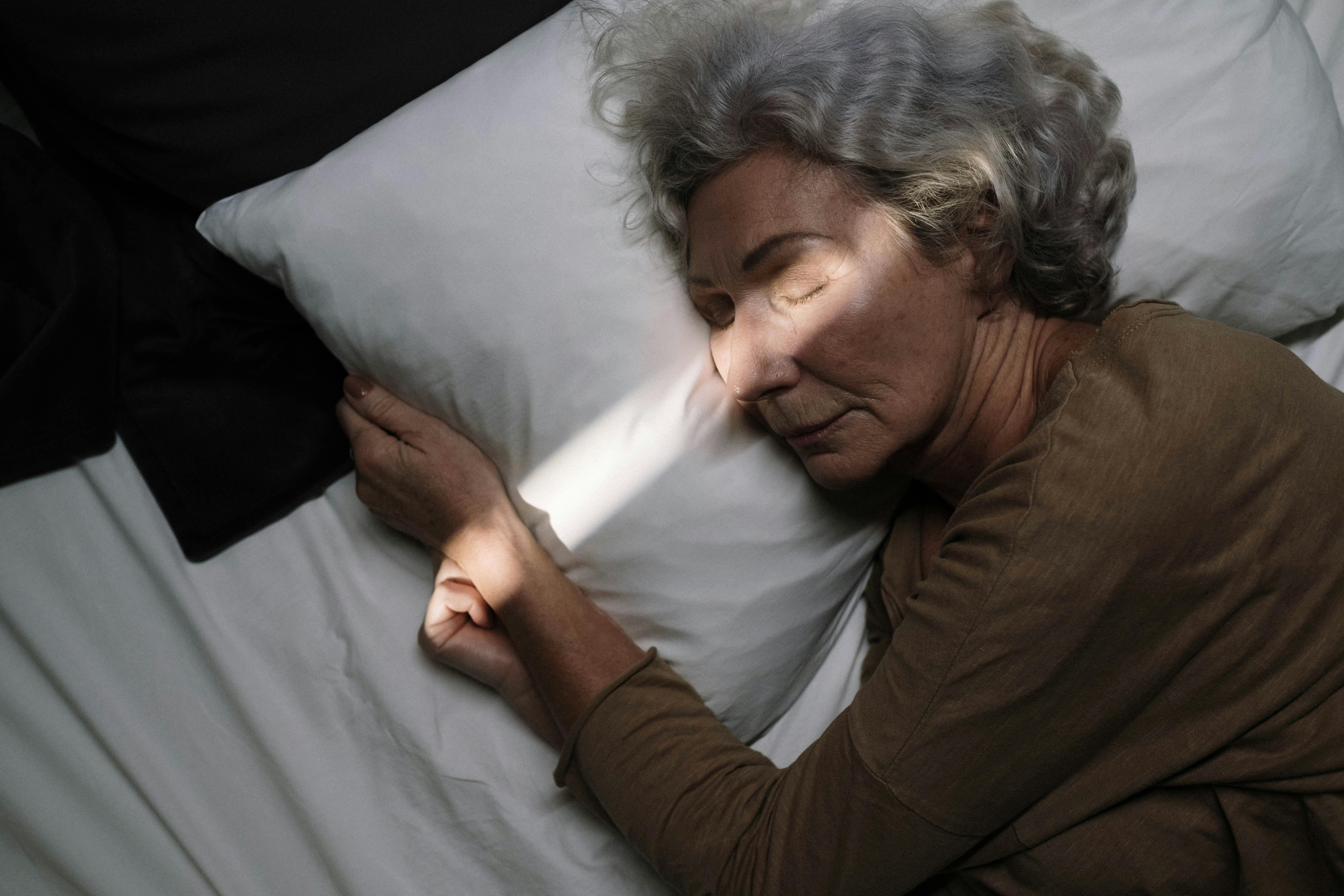
Rather than the insomnia and early morning waking that characterize melancholic depression, atypical depression is associated with excessive sleep. Many people sleep ten or more hours and still feel unrefreshed. Getting out of bed can feel genuinely difficult, not from low motivation alone but from a physical heaviness and fatigue that sleep does not resolve.
Increased Appetite and Carbohydrate Cravings
Rather than loss of appetite, atypical depression is linked to an increase in appetite, sometimes including cravings for comfort foods or carbohydrates. Emotional eating, comfort food seeking, and associated weight gain are common features. This is one of the clearest ways atypical depression diverges from the classic presentation.
Leaden Paralysis
A heavy, weighted feeling in the arms or legs, as though they are filled with lead. This physical sensation is distinct from ordinary fatigue and can make movement genuinely difficult. Leaden paralysis is considered one of the characteristic features associated with atypical depression and is less commonly reported in other forms of depression.
Rejection Sensitivity
Long-standing, intense sensitivity to interpersonal rejection is another defining feature. This goes well beyond normal hurt feelings. People with atypical depression may experience perceived or actual rejection as intensely painful and may make significant life decisions, including avoiding relationships or opportunities, to minimize the risk of being rejected.
Research suggests that rejection sensitivity may persist even outside active depressive episodes in some individuals.
How Common is Atypical Depression?
Research suggests that atypical depression may account for a substantial proportion of all depression cases, with some estimates ranging from 15 to 40 percent.
The JAMA Psychiatry study confirmed an earlier age of onset than melancholic depression, higher prevalence among women, and a longer illness duration as validating factors (not essential diganostic criteria) of atypical depression.
Moreover, the condition is associated with a more chronic course, higher rates of comorbid anxiety disorders, and higher rates of bipolar spectrum conditions than non-atypical depression.
The earlier onset and chronic course mean that many people with atypical depression have lived with the condition for years, often without recognizing it as a distinct and treatable form of depression.
Research published in the Journal of Clinical Psychiatry also makes a distinction between bipolar disorder with atypical depression and the atypical specifier of MDD: people with coexisting bipolar disorder and atypical depression were more likely to have other psychiatric comorbidities, younger age of onset, higher number of episodes (chronic nature), early-onset anxiety, rejection sensitivity, and higher rates of family history of depression than people with MDD with atypical features.
What Causes Atypical Depression?
Like other forms of depression, atypical depression likely involves a combination of genetic, neurobiological, and psychological factors. The specific biological mechanisms underlying mood reactivity and leaden paralysis are not fully understood, but research suggests that lower levels of serotonin activity and possibly the HPA (hypothalamic-pituitary-adrenal) stress axis dysregulation may play distinct roles compared to melancholic depression.
From a psychological perspective, early life experiences, particularly those involving chronic rejection or invalidation, may contribute to the long-standing rejection sensitivity that characterizes atypical depression. The pattern of rejection sensitivity may contribute to dysregulated emotional and self-consolatory problems, leading to anxiety, increased appetite, and oversleeping. Recognizing this developmental dimension can be important in therapy.
Treatment for Atypical Depression
Antidepressant Medications
SSRIs are generally the first-line pharmacological option for atypical depression, consistent with their role in depression broadly. MAOIs (monoamine oxidase inhibitors), an older class of antidepressants, have historically demonstrated strong efficacy specifically for atypical depression in research settings, though their dietary restrictions and drug interaction risks make them less commonly prescribed today.
A meta-analysis from 2006 found MAOIs superior to tricyclics and comparable to SSRIs specifically for atypical depression. SSRIs such as escitalopram (Lexapro) are commonly prescribed because they are generally effective and often better tolerated than older antidepressants..
Another study comparing SSRIs with bupropion (Wellbutrin) found bupropion to be more effective in treating hypersomnia and fatigue in major depression, which are hallmark symptoms of atypical depression.
Psychotherapy
Cognitive behavioral therapy (CBT) and interpersonal therapy (IPT) both have evidence for depression broadly and are commonly applied to atypical depression. Therapy specifically addressing rejection sensitivity may be particularly valuable given how central this feature can be to the overall presentation.
A randomized, controlled clinical trial from 2006 comparing cognitive therapy and the MAOI phenelzine to a placebo found both treatments to be equally effective with a response rate of 58%.
Some clinicians may incorporate approaches such as schema therapy when long-standing interpersonal patterns are prominent.
Atypical Depression and Comorbidity
Atypical depression rarely exists in isolation. It is commonly associated with co-occurring anxiety disorders, including social anxiety disorder and panic disorder with agoraphobia (fear of getting trapped). Rejection sensitivity, one of its defining features, can significantly contribute to social anxiety, as the anticipation of potential rejection becomes a source of pervasive dread.
Atypical depression is also linked to a higher risk of hypochondriasis (illness anxiety disorder) and body dysmorphic disorder compared to major depression, as described in the JAMA Psychiatry study.
Major depression with atypical features is also associated with higher rates of substance abuse, dysthmia, and personality disorder compared to major depression.
The higher-than-average rates of bipolar spectrum conditions in atypical depression make accurate diagnosis particularly important. In some individuals with bipolar disorder, antidepressant treatment without a mood stabilizer may increase the risk of manic or hypomanic symptoms, which is why a thorough evaluation of mood history is a standard part of any depression workup.
Addressing comorbidities alongside depression typically produces better outcomes than treating depression in isolation. A psychiatrist can evaluate the full clinical picture and recommend a treatment approach that accounts for all relevant conditions.
Getting an Accurate Diagnosis
Because atypical depression may sometimes be misunderstood because symptoms can fluctuate in response to life events, getting an accurate diagnosis requires a thorough clinical evaluation by a psychiatrist or other mental health professional experienced with mood disorders. Providing specific information about the pattern of your mood over time, including when it improves and when it worsens, helps build a clearer diagnostic picture.
If you’re struggling with atypical depression, Blossom Health offers compassionate online psychiatric care tailored to your unique symptoms and experiences. Our licensed mental health professionals provide personalized evaluations, medication management, and evidence-based treatment plans from the comfort of home.
Medical Disclaimer
This article is for informational purposes only and is not a substitute for professional medical advice, diagnosis, or treatment. Always seek the advice of your physician or other qualified healthcare provider with any questions you may have regarding a medical condition. If you are experiencing a mental health crisis, contact the 988 Suicide and Crisis Lifeline by calling or texting 988.
Sources
Shin, M., Crouse, J. J., Lin, T., et al. (2026). Atypical Depression Is Associated With a Distinct Clinical, Neurobiological, Treatment Response, and Polygenic Risk Profile. Biological Psychiatry https://www.sciencedirect.com/science/article/pii/S0006322326000041
Łojko, D., & Rybakowski, J. K. (2017). Atypical depression: current perspectives. Neuropsychiatric disease and treatment, 13, 2447–2456. https://pmc.ncbi.nlm.nih.gov/articles/PMC5614762/
Posternak, M. A., & Zimmerman, M. (2002). Partial validation of the atypical features subtype of major depressive disorder. Archives of General Psychiatry, 59(1), 70–76. https://jamanetwork.com/journals/jamapsychiatry/fullarticle/205914
American Psychiatric Association. (2024). What is depression? https://www.psychiatry.org/patients-families/depression/what-is-depression
Quitkin F. M. (2002). Depression With Atypical Features: Diagnostic Validity, Prevalence, and Treatment. Primary care companion to the Journal of clinical psychiatry, 4(3), 94–99. https://pmc.ncbi.nlm.nih.gov/articles/PMC181236/
Brailean, A., Curtis, J., Davis, K., Dregan, A., & Hotopf, M. (2020). Characteristics, comorbidities, and correlates of atypical depression: Evidence from the UK Biobank Mental Health Survey. Psychological Medicine, 50(7), 1129–1138. https://doi.org/10.1017/S0033291719001004
Benazzi F. (2002). Can only reversed vegetative symptoms define atypical depression?. European archives of psychiatry and clinical neuroscience, 252(6), 288–293. https://pubmed.ncbi.nlm.nih.gov/12563537/
Blanco, C., Vesga-López, O., Stewart, J. W., Liu, S. M., et al. (2012). Epidemiology of major depression with atypical features: results from the National Epidemiologic Survey on Alcohol and Related Conditions (NESARC). The Journal of clinical psychiatry, 73(2), 224–232. https://pmc.ncbi.nlm.nih.gov/articles/PMC3475327/
Singh, T., & Williams, K. (2006). Atypical depression. Psychiatry (Edgmont (Pa. : Township)), 3(4), 33–39. https://pmc.ncbi.nlm.nih.gov/articles/PMC2990566
Parker, G., Roy, K., Mitchell, P., Wilhelm, K., Malhi, G., & Hadzi-Pavlovic, D. (2002). Atypical depression: A reappraisal. American Journal of Psychiatry, 159(9), 1470–1479. https://psychiatryonline.org/doi/10.1176/appi.ajp.159.9.1470
Henkel, V., Mergl, R., Allgaier, A. K., Kohnen, R., Möller, H. J., & Hegerl, U. (2006). Treatment of depression with atypical features: a meta-analytic approach. Psychiatry research, 141(1), 89–101. https://pubmed.ncbi.nlm.nih.gov/16321446/
Papakostas, G. I., Nutt, D. J., Hallett, L. A., Tucker, V. L., Krishen, A., & Fava, M. (2006). Resolution of sleepiness and fatigue in major depressive disorder: A comparison of bupropion and the selective serotonin reuptake inhibitors. Biological psychiatry, 60(12), 1350–1355. https://pubmed.ncbi.nlm.nih.gov/16934768/
Jarrett, R. B., Schaffer, M., McIntire, D., Witt-Browder, A., Kraft, D., & Risser, R. C. (1999). Treatment of atypical depression with cognitive therapy or phenelzine: a double-blind, placebo-controlled trial. Archives of general psychiatry, 56(5), 431–437. https://pmc.ncbi.nlm.nih.gov/articles/PMC1475805/
National Institute of Mental Health. (2024, December). Depression. U.S. Department of Health and Human Services, National Institutes of Health. https://www.nimh.nih.gov/health/topics/depression
Cleveland Clinic. (2023, February 15). Atypical depression: What it is, symptoms & treatment. Cleveland Clinic. https://my.clevelandclinic.org/health/diseases/21131-atypical-depression