Anxiety and Nausea: Why Anxiety Upsets Your Stomach and What Helps
Author:
Blossom Editorial


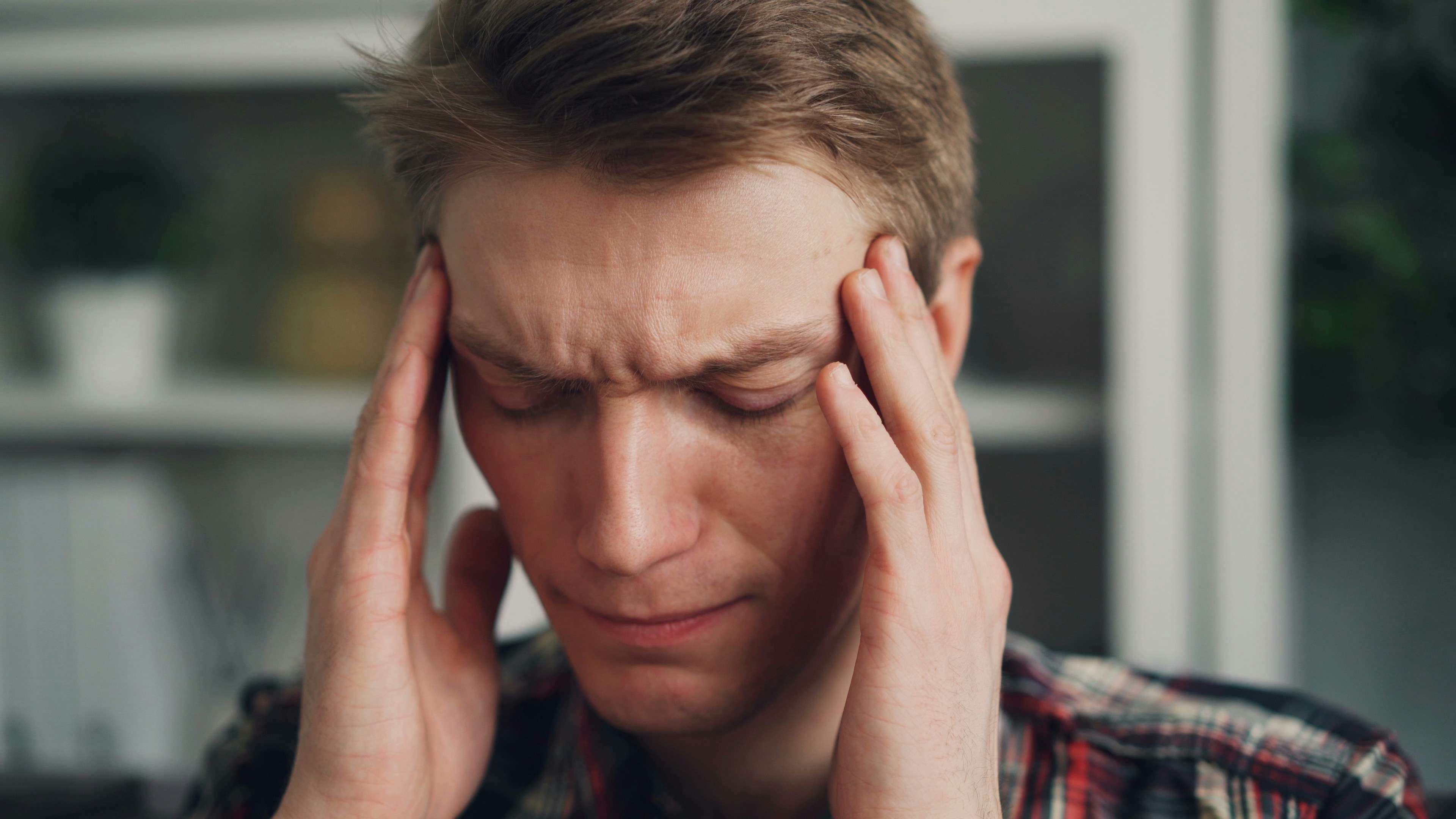
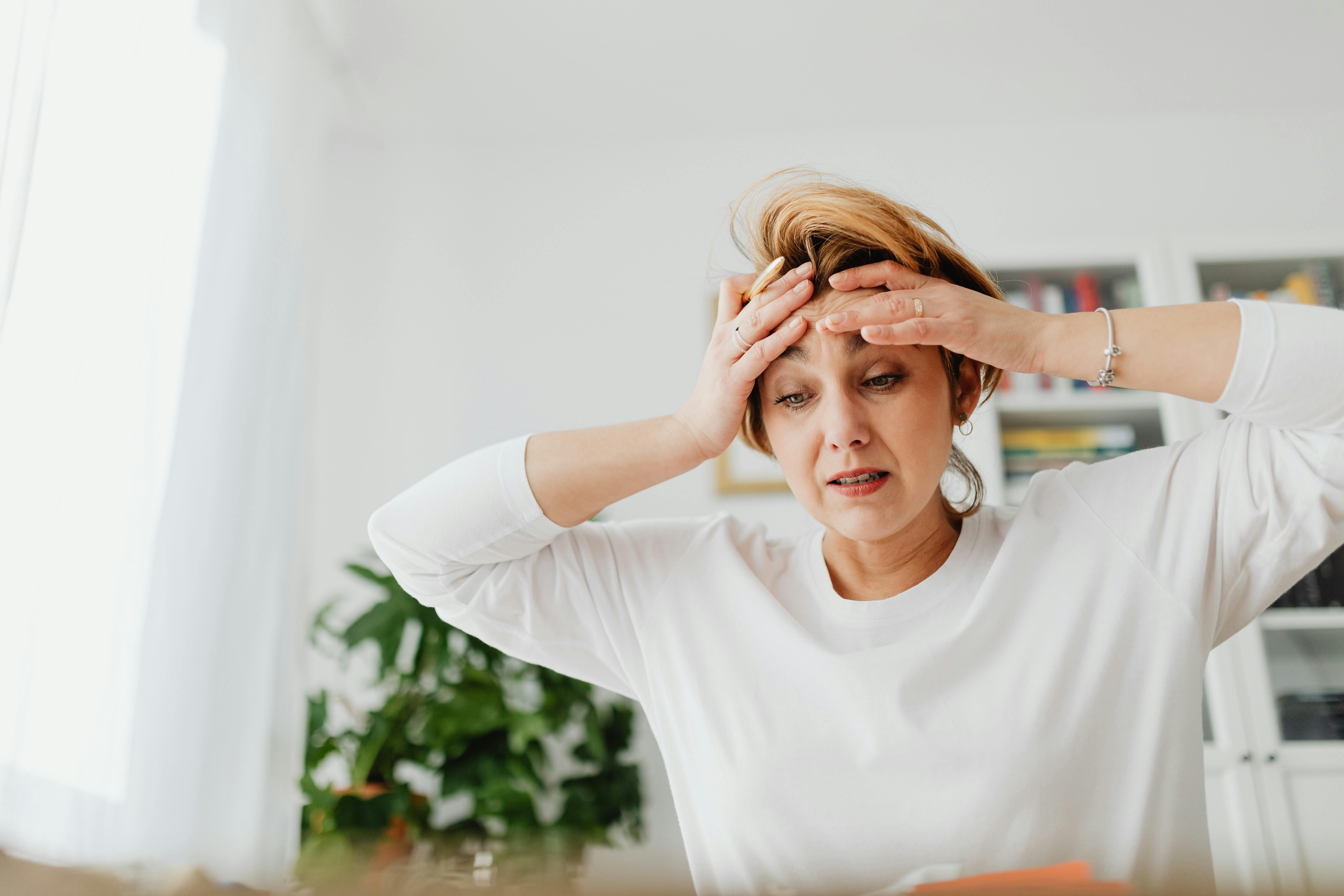
Nausea is one of the most common physical symptoms of anxiety, even though many people do not immediately connect the two. When you feel worried or on edge, changes in your nervous system can affect your digestive tract and leave your stomach feeling unsettled.
Understanding why this happens can make the experience feel less alarming and help you find effective ways to manage it.
Key Takeaways
Anxiety-related nausea is common. Nausea, stomach discomfort, and other digestive symptoms are among the most frequently reported physical symptoms of anxiety. These symptoms often improve as anxiety begins to settle.
Your gut and brain are connected. A two-way communication network known as the gut-brain axis helps explain why stress and anxiety can trigger digestive symptoms.
Treatment can help. Calming techniques, lifestyle changes, therapy, and sometimes medication may help reduce anxiety-related nausea.
What Is Anxiety Nausea?
Anxiety nausea is the queasy, unsettled feeling in your stomach that can show up when you feel anxious, nervous, or stressed. It can range from mild butterflies before a big event to stronger waves of nausea that make it difficult to eat.
For some people, it may come and go with acute anxiety. For others, it may linger during periods of ongoing stress or underlying anxiety disorders.
This type of nausea is often a normal physical response to anxiety and does not necessarily mean there is something wrong with your digestive system. The feeling is usually real and physical, but the trigger begins with the way your nervous system reacts to stress. Many people also notice anxiety stomach pain, cramping, or other digestive symptoms alongside nausea.
Why Anxiety Makes You Feel Sick
To understand anxiety nausea, it helps to look at how the brain and the digestive system are wired together. Two major pathways can help explain why anxiety often affects the stomach.
The Gut-Brain Connection
Your gut and brain are connected through a network of nerves, hormones, and chemical signals known as the gut-brain axis. Research suggests that the brain and digestive tract communicate throughout the day, which is why emotions can influence how your stomach feels.
Most of the body’s serotonin, a chemical tied to mood, is produced in the gut. Research suggests that this connection may help explain why shifts in stress and mood can affect digestion and contribute to symptoms such as nausea.
When you feel anxious, this ongoing communication can speed up or slow down the movement of your digestive system. These changes are one of the reasons why anxiety can lead to nausea, an upset stomach, bloating, or even diarrhea.
The Fight-or-Flight Response
Anxiety also activates the body’s stress response, often called the fight-or-flight response. When your brain perceives a threat, it releases stress hormones such as adrenaline and cortisol. These hormones prepare your body to respond quickly by shifting energy toward systems involved in survival, such as your muscles.
During this response, digestion may slow down, making food sit in your stomach longer than usual. The slowed digestion, changes in stomach acid, and muscle tension may all play a role in the nauseous feeling many people experience during anxiety.
Other Physical Symptoms That Often Come With It
Nausea rarely occurs on its own during anxiety. Because the stress response affects several body systems, other physical symptoms often appear at the same time. Recognizing these symptoms as possible signs of anxiety can make them feel less alarming.
Digestive symptoms: Stomach cramping, bloating, loss of appetite, or sudden urges to use the bathroom
Heart and chest symptoms: A racing heartbeat, palpitations, or chest tightness
Head and balance symptoms: Dizziness, lightheadedness, or difficulty concentrating.
Whole-body symptoms: Sweating, shaking, muscle tension, and shortness of breath
Anxiety nausea often improves as the anxiety begins to settle. But sometimes other underlying medical conditions may also lead to nausea. If you’re unsure about what’s causing it, it can help to learn how to tell whether nausea is coming from anxiety.
How Long Does Anxiety Nausea Last?
For many people, anxiety and nausea fluctuate with their level of anxiety. It may peak during a stressful event, such as an exam, presentation, or difficult conversation, and improve within minutes or hours once the body calms down.
When anxiety is ongoing, nausea may persist for longer periods. Chronic stress can keep the body’s stress response activated, which may contribute to digestive symptoms that last for days or weeks. Therefore, long-lasting nausea can be a sign that the underlying anxiety may need professional medical attention.
How to Ease Nausea From Anxiety
There are several short-term strategies and long-term treatment options that can help manage anxiety-related nausea. Different strategies may work for different people, so it often helps to try a few and see what brings the most relief.
Calming Techniques You Can Try
When nausea hits, simple grounding techniques can help calm the nervous system and reduce the intensity of symptoms.
Breathe in slowly through your nose, hold for a moment, and breathe out longer than you breathed in
Sip cool water or try ginger or peppermint tea, which many people find soothing
Step outside for fresh air or move to a quieter spot to lower the sense of overwhelm
Use a grounding exercise, such as naming five things you can see around, to redirect your focus
These strategies do not treat the underlying cause of anxiety, but they can help shorten an episode and help you feel more in control while it passes.
Longer-Term Support
When anxiety nausea occurs frequently, treating the anxiety itself often provides long-term relief. Talk therapy, especially cognitive behavioral therapy (CBT), can help people identify and change thought patterns that contribute to anxiety.
Lifestyle habits may also make a difference. Prioritizing sleep, engaging in regular physical activity, and limiting caffeine or alcohol can help reduce anxiety symptoms for some people. While for others, medication may be part of treatment. A licensed psychiatric provider can review your symptoms, medical history, and treatment goals to determine whether medications including non-addictive anxiety medication may be appropriate.
When to See a Doctor
Anxiety nausea is usually harmless, but there are situations where medical evaluation is important. Talking with a provider can rule out other causes and help you get the right support.
Nausea lasts more than a few days or keeps coming back
You are losing weight, skipping meals, or unable to keep food down
Symptoms are interfering with work, relationships, or daily routines
You notice blood, severe pain, fever, or other symptoms that do not fit anxiety
A healthcare provider can help determine whether anxiety is contributing to your symptoms and work with you to develop an appropriate treatment plan.
If anxiety and its physical symptoms are affecting your daily life, a licensed psychiatric provider at Blossom Health can help you explore treatment options through virtual care covered by in-network insurance.
Medical Disclaimer
This article is for educational purposes only and does not constitute medical advice. The information provided should not replace consultation with a qualified healthcare provider. Individual responses to medications can vary significantly, and what applies to one person may not be the same for another.
Always consult with your doctor or pharmacist before making any decisions about medication changes, discontinuation, or interactions with other substances. If you’re experiencing concerning symptoms or side effects, please seek professional help from a healthcare provider.
In case of a medical emergency, contact your local emergency services immediately or call 911. For mental health emergencies, contact the National Suicide Prevention Lifeline at 988.
Sources
National Institute of Mental Health. (December, 2024). Anxiety Disorders. https://www.nimh.nih.gov/health/topics/anxiety-disorders
Cleveland Clinic. Anxiety Disorders. (July 03, 2024). https://my.clevelandclinic.org/health/diseases/9536-anxiety-disorders
Sharma, M., Prakash, J., Yadav, P., Srivastava, K., & Chatterjee, K. (2021). Gut-brain axis: Synergistic approach. Industrial psychiatry journal, 30(Suppl 1), S297–S300. https://doi.org/10.4103/0972-6748.328835
Mhanna, A., Martini, N., Hmaydoosh, G., Hamwi, G., Jarjanazi, M., Zaifah, G., Kazzazo, R., Haji Mohamad, A., & Alshehabi, Z. (2024). The correlation between gut microbiota and both neurotransmitters and mental disorders: A narrative review. Medicine, 103(5), e37114. https://doi.org/10.1097/MD.0000000000037114
American Psychiatric Association. (May, 2026). What Are Anxiety Disorders? https://www.psychiatry.org/patients-families/anxiety-disorders/what-are-anxiety-disorders
Mayo Clinic. (July 29, 2025). Anxiety Disorders: Symptoms and Causes. https://www.mayoclinic.org/diseases-conditions/anxiety/symptoms-causes/syc-20350961
Palmer, C. S., Brown Levey, S. M., Kostiuk, M., Zisner, A. R., Tolle, L. W., Richey, R. M., & Callan, S. (2022). Virtual Care for Behavioral Health Conditions. Primary care, 49(4), 641–657. https://doi.org/10.1016/j.pop.2022.04.008