Hypervigilance: What It Is, Causes, and Treatment for Anxiety and PTSD
Author:
Blossom Editorial



Hypervigilance is a state of heightened, persistent alertness in which the mind and body continuously scan for threats, even in seemingly safe situations. It is one of the most exhausting and functionally impairing symptoms of post-traumatic stress disorder (PTSD) and anxiety disorders, and it has a quality that distinguishes it from ordinary caution: it does not turn off.
For people living with hypervigilance, rest is difficult, crowds feel dangerous, sudden sounds feel like threats, and relationships can feel like minefields. Understanding why this happens, how to recognize it, and which treatment works is the first step toward real relief.
Key Takeaways
Hypervigilance is a formal DSM-5 symptom of PTSD and can also present in anxiety disorders and other conditions such as dementia and fibromyalgia. It involves an involuntary, chronic state of threat-scanning that persists in safe environments, causing exhaustion, sleep disruption, and significant impairment.
Hypervigilance develops through learning: when being alert was once necessary for safety, the nervous system keeps that setting on. The brain regions involved, particularly the amygdala and prefrontal cortex, are measurably altered by trauma.
Effective treatments exist. Trauma-focused therapy, especially eye movement desensitization and reprocessing (EMDR) and cognitive behavioral therapy (CBT), medication such as selective serotonin reuptake inhibitors (SSRIs), and evidence-based self-regulation practices can meaningfully reduce hypervigilance.
What is Hypervigilance?
Hypervigilance refers to an elevated or exaggerated state of sensory sensitivity and environmental threat-monitoring. According to the American Psychiatric Association, it is one of the defining symptoms of PTSD, listed under "Changes in arousal and reactivity". It also appears commonly in generalized anxiety disorder, social anxiety disorder, and complex trauma presentations. Hypervigilance may also be present in conditions like fibromyalgia and dementia.
Although in some cases, hypervigilance can be a personality trait, chronic or severe hypervigilance that causes significant impairment is not a voluntary behavior or personality trait but a physiological state maintained by the nervous system in response to earlier exposure to trauma.
After trauma, the brain can become more sensitive to potential threats. Amygdala, the part of the brain that detects danger, may start treating harmless or unclear situations as if they're risky, while the prefrontal cortex, the part that helps you stay calm and think things through, has a harder time keeping that response in check. This can leave you feeling constantly alert, on edge, or watching for danger even when you're safe.
What Hypervigilance Looks Like
Hypervigilance manifests in cognition, behavior, emotion, and the body simultaneously. It is often described as exhausting, like trying to live a normal life while running constantly in the background.
Cognitive and Perceptual Impact
Hypervigilance affects cognition and perception and is closely tied to how the mind processes the environment, particularly how it interprets ambiguous or neutral information as threatening. This can include:
Constant environmental scanning: automatically checking for exits, monitoring strangers' movements, needing to sit with a wall behind you.
Difficulty sustaining concentration because attention keeps being pulled to potential threats.
Interpreting ambiguous situations, expressions, or tones of voice as threatening or hostile.
An exaggerated startle response, such as jumping at unexpected sounds or movements others barely notice.
Emotional Impact
The emotional toll of sustained hypervigilance is significant. People often describe a constant undercurrent of dread, as though something bad is perpetually about to happen. The feelings can include:
Persistent low-grade anxiety or a sense of impending threat without a specific cause.
Irritability or anger that surfaces quickly and with minimal provocation.
Being extremely sensitive to perceived or real changes in people’s behaviors, including criticism or rejection; may lead to anxious attachment patterns.
Emotional exhaustion from the constant effort of monitoring the environment; difficulty fully relaxing.
Physical Impact
As hypervigilance keeps your body's stress response switched on, it can cause physical symptoms that stick around even when you're resting or there isn't any immediate danger. These include:
Chronic muscle tension, particularly in the jaw, neck, and shoulders.
Difficulty falling asleep or staying asleep; light, easily disturbed sleep; or trauma-related nightmares.
Elevated resting heart rate, shallow breathing, or a persistent sense of physical unease.
Fatigue that does not resolve with rest, because the nervous system never fully deactivates.
What Causes Hypervigilance?
In many cases, hypervigilance represents a learned neurological response, the result of experiences in which remaining alert genuinely was necessary for survival. The causes can include:
Trauma and PTSD: When someone has lived through abuse, violence, combat, serious accidents, or chronic unpredictability and danger, the nervous system adapts accordingly. The amygdala learns to treat the world as dangerous, and the prefrontal cortex is less able to override it.
Anxiety Disorders: Chronic, exaggerated worry and tension associated with generalized anxiety disorder and social anxiety disorder can prime the nervous system to remain on high alert.
Dementia: In dementia, hypervigilance is often a manifestation of confusion, anxiety, misperceptions, paranoia, or difficulty processing information.
Schizophrenia: Can trigger hypervigilance by worsening symptoms like paranoia, causing the individual to actively watch for perceived persecutory threats.
Other conditions may also cause hypervigilance, including chronic stress, fibromyalgia, and adrenal disorders. Identifying the underlying cause of hypervigilance is crucial to getting the right treatment.
Hypervigilance in Relationships
One of the most painful and underrecognized effects of hypervigilance is its impact on close relationships. When the threat-monitoring system is applied to people we care about, ordinary interpersonal events become laden with potential danger.
A partner's change in tone can feel like the beginning of abandonment. A moment of quietness can read as rejection. This could lead to anxious attachment patterns.
Conflict can trigger a full fight-or-flight response. People with hypervigilance often cannot fully relax with loved ones, as they may perpetually be bracing for something to go wrong. This can even keep them from trusting others and puts enormous strain on even the most supportive relationships.
Understanding hypervigilance as a nervous system response, rather than a personality problem, can meaningfully change how partners relate to each other through it.
Hypervigilance vs. Normal Alertness
It is normal to be more alert in certain situations, such as walking alone at night, navigating a new environment, or during a genuinely threatening period. Adaptive alertness serves an important protective function.
Unlike normal alertness, which shows up when there's a real reason to be cautious and fades once the situation passes, hypervigilance sticks around even when you're safe. It can make you feel constantly on guard, doesn't always improve with reassurance, and can be so intense that it interferes with daily life, sleep, concentration, and overall well-being.
If you cannot fully relax at home, if you are exhausted by constant monitoring, if you feel on guard even among people you trust, that is hypervigilance, not ordinary caution.
Hypervigilance Treatment
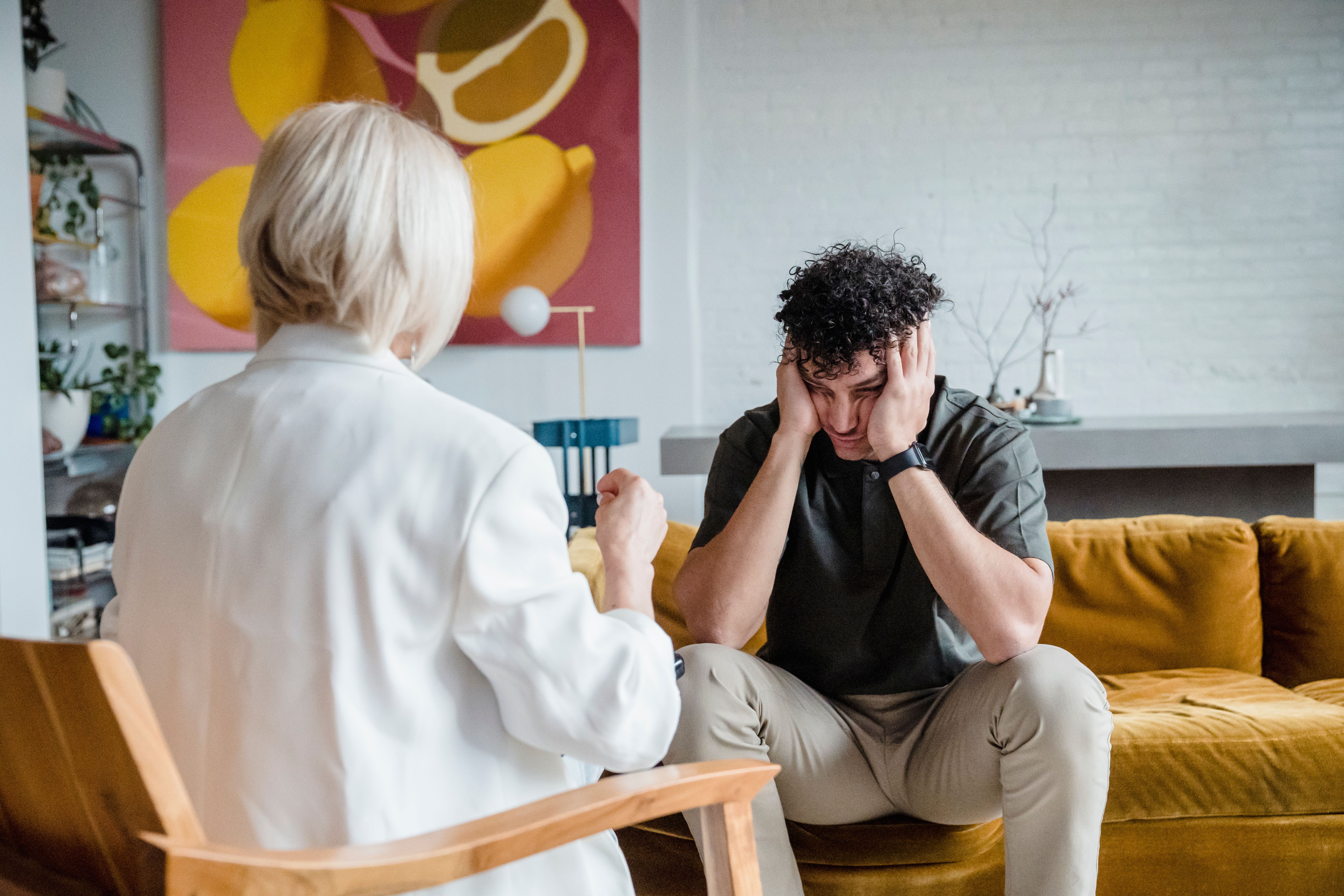
Treating hypervigilance requires addressing the underlying cause. Hypervigilance caused by PTSD or an anxiety disorder responds well to treatment, including therapy and medication.
Therapy for Hypervigilance
According to the American Psychological Association, trauma-focused cognitive behavioral therapy (CBT), cognitive processing therapy (CPT), and prolonged exposure are recommended first-line treatments for PTSD, with a large evidence base.
EMDR is another evidence-based treatment specifically for trauma-related hypervigilance. An analysis of published research shows that EMDR significantly reduces PTSD symptoms, including hyperarousal. The American Psychological Association lists EMDR as a second-line treatment for PTSD.
Medication for Hypervigilance
Among pharmacological options, selective serotonin reuptake inhibitors (SSRIs) and serotonin norepinephrine reuptake inhibitors (SNRIs) are recommended treatments for PTSD and anxiety disorders and are effective in reducing hyperarousal, including hypervigilance.
Prazosin, an alpha-adrenergic blocker, may be used for hypervigilance-related nightmares and sleep disturbances in PTSD. Moreover, a psychiatrist can evaluate which medication approach fits best based on your symptoms and history.
Self-Regulation Strategies for Hypervigilance
While not a substitute for therapy, several evidence-informed practices directly engage the parasympathetic nervous system and provide meaningful day-to-day relief.
Grounding techniques such as the 5-4-3-2-1 method, naming five things you can see, four you can hear, three you can physically feel, can help redirect attention from threat-scanning to present-moment sensory experience.
Slow, deep breathing, especially when you make your exhale longer than your inhale, can help calm your body's stress response. Research shows that controlled breathing can lower physical signs of stress, helping you feel more relaxed and grounded.
Being in calm, trusted company is one of the most powerful nervous system regulators. Isolation typically worsens hypervigilance over time.
Hypervigilance can make you feel constantly on guard, even in safe situations. Blossom Health can help individuals manage hypervigilance through personalized psychiatric care, including expert evaluations, medication management when appropriate, and ongoing support from board-certified providers, all through convenient online appointments.
Medical Disclaimer
This article is for informational purposes only and is not a substitute for professional medical advice, diagnosis, or treatment. Always seek the advice of your physician or other qualified healthcare provider with any questions you may have regarding a medical condition. If you are experiencing a mental health crisis, contact the 988 Suicide and Crisis Lifeline by calling or texting 988.
Sources
American Psychiatric Association. What Is PTSD? https://www.psychiatry.org/patients-families/ptsd/what-is-ptsd
Liberzon I, Abelson JL. 2016. Context processing and the neurobiology of PTSD. Neuron. https://pubmed.ncbi.nlm.nih.gov/27710783/
American Psychological Association. (n.d.). Treatments for PTSD. Retrieved from https://www.apa.org/ptsd-guideline/treatments
Chen YR, et al. 2014. Efficacy of EMDR for PTSD: meta-analysis of 26 RCTs. PLOS ONE. https://pubmed.ncbi.nlm.nih.gov/25101684/
American Psychological Association. EMDR for PTSD. https://www.apa.org/ptsd-guideline/treatments/eye-movement-reprocessing
Bisson JI, et al.2013. Psychological therapies for chronic post-traumatic stress disorder (PTSD) in adults. Cochrane Review. https://pubmed.ncbi.nlm.nih.gov/24338345/
Raskind MA, et al. 2007. A parallel group placebo controlled study of prazosin for trauma nightmares and sleep disturbance in combat veterans with post-traumatic stress disorder. . Biol Psychiatry. https://pubmed.ncbi.nlm.nih.gov/17069768/
Zaccaro A, et al. 2018. How breath-control can change your life. Front Hum Neurosci. https://pmc.ncbi.nlm.nih.gov/articles/PMC6137615/
National Institute of Mental Health. Traumatic Events and Post-Traumatic Stress Disorder. https://www.nimh.nih.gov/health/topics/post-traumatic-stress-disorder-ptsd
Cleveland Clinic. PTSD (Post-Traumatic Stress Disorder). https://my.clevelandclinic.org/health/diseases/9545-post-traumatic-stress-disorder-ptsd
National Institute of Mental Health. Anxiety Disorders. https://www.nimh.nih.gov/health/topics/anxiety-disorders