How to Get Out of a Depressive Episode: Evidence-Based Steps That Help
Author:
Blossom Editorial



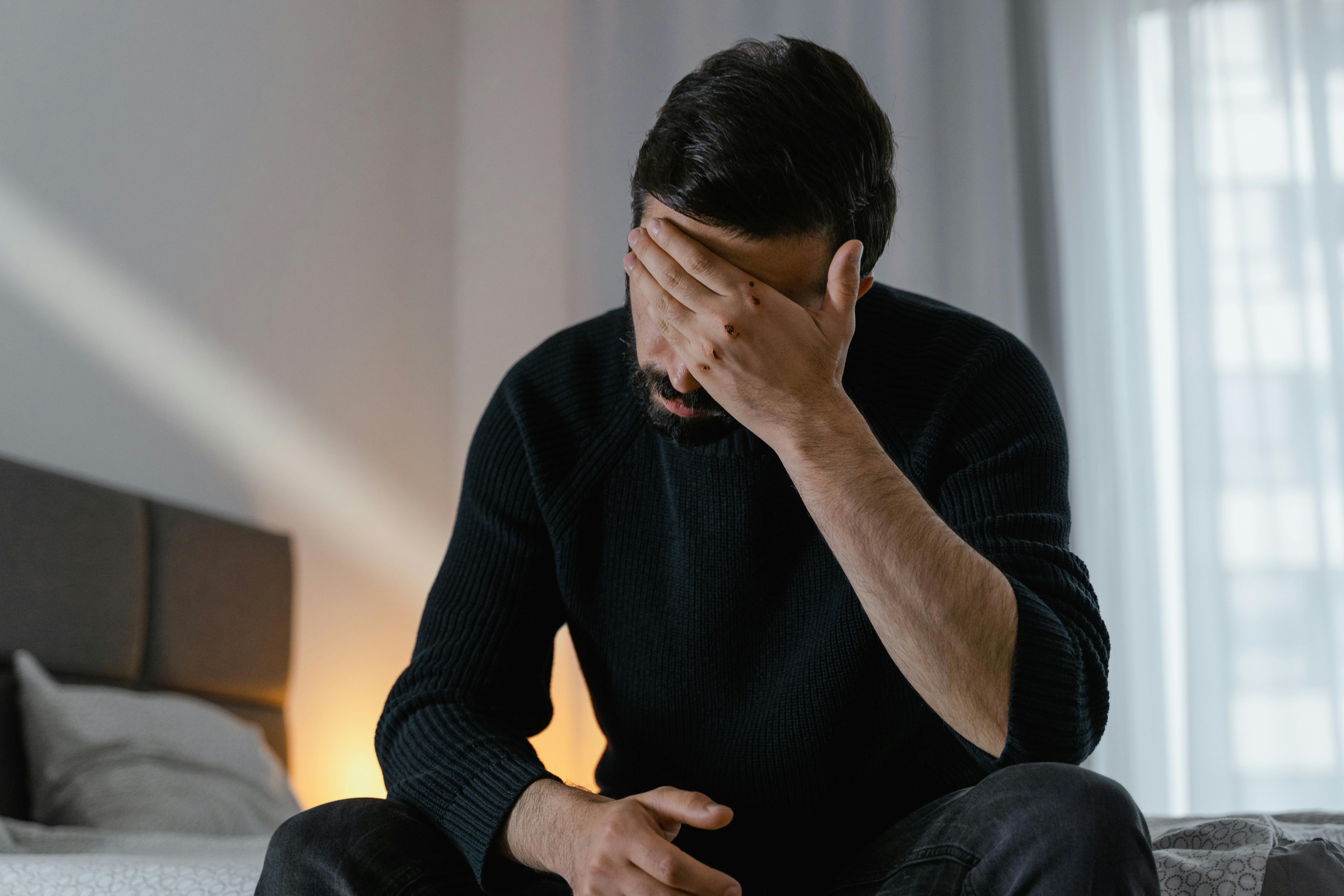
A depressive episode can make even small tasks feel impossible, and the advice to "just think positive", even though well-intentioned, rarely helps. What can help is a set of practical, research-backed steps that gently rebuild momentum, along with knowing when to reach out for professional support. This guide walks through strategies that evidence suggests can ease a depressive episode and recognize when it is time to get more help.
Key Takeaways
Small actions come before motivation: Waiting to "feel like it" can reinforce withdrawal. Behavioral activation, gradually engaging in small, meaningful activities, is one of the most evidence-based approaches for depressive symptoms.
Basics matter more than they seem: Sleep, physical activity, regular means, social connection, and exposure to daylight all influence mood, and steadying them can make a real difference.
Reaching out is a strength, not a failure: If symptoms last more than two weeks, worsen, or include thoughts of self-harm, professional help is important and effective.
What is a Depressive Episode?
According to the Diagnostic and Statistical Manual of Mental Disorders (DSM-5), a depressive episode is a period of at least two weeks with a persistently low mood or loss of interest, along with other changes such as fatigue, sleep or appetite shifts, difficulty concentrating, and feelings of worthlessness.
Depression, or major depressive disorder (MDD), is a common but serious mental health condition that can involve more than one depressive episode. Recognizing that what you are feeling is an episode, rather than a permanent state, is itself an important first step.
The strategies below are meant to support recovery, not replace care. Some people move through a milder episode with self-help and support; others need therapy, medication, or both. The right approach for you depends on the severity of the condition and how much impairment it causes to everyday life.
Why a Depressive Episode Can Be So Hard to Climb Out Of
It helps to understand why "just do something" may seem impossible during depression. Depression may involve more than one causative factor; research suggests that factors such as changes in brain chemistry and other biological changes, genetics or family history, and trauma or stressful life changes can all play a role.
The interplay of these factors may contribute to changes in motivation, reward processing, and energy levels, so activities that once felt good and rewarding can feel flat, a symptom called anhedonia.
During a depressive episode, energy drops, thinking slows, and the effort required for ordinary tasks rises. This can create a trap: you wait to feel motivated before acting, but the condition can make it harder to experience positive reinforcement, which may further reduce motivation.
Recognizing this loop reframes recovery. The goal is not to feel better first and then move, but to take small actions that can gradually break the cycle. Self-blame for being "lazy" is misplaced; the difficulty is a feature of the illness, not a character flaw.
However, moderate to severe depressive episodes usually require clinical support in the form of medication, therapy, or a combination of both. In such cases, self-help techniques can complement professional treatment and provide long-term coping skills for any future episodes.
Practical Steps to Ease a Depressive Episode
No single step is a cure, but together these evidence-informed strategies can gradually rebuild momentum. Start with whichever feels most doable and build from there.
Start With Small Actions (Behavioral Activation)
When you are depressed, it is natural to withdraw and wait until you feel motivated to do things. The problem is that motivation usually follows action rather than coming first. A well-studied approach called behavioral activation works by gently scheduling small, meaningful, or pleasant activities even before the desire to do them returns.
A meta-analysis of 26 studies on behavioral activation found it to be an effective treatment for depression, with results superior to control cases and a small yet significant superiority to antidepressant medications over the short term. The key is to start very small:
Pick one tiny task: Making the bed, a five-minute walk, or texting one person can be enough to start breaking the cycle of withdrawal.
Schedule it, do not wait for the mood: Choose a time and follow through gently, treating it as an experiment rather than a test.
Reconnect with what once felt good: Gradually add back activities that used to bring meaning or pleasure, even if they do not feel rewarding at first.
Stack small wins: Each completed action builds a little momentum and evidence that you can still affect your day. Keep track of which tasks made you feel good and repeat them; avoid behaviors that made you feel bad.
Steady the Basics That Affect Mood
Depression and daily habits influence each other, so steadying a few fundamentals can support recovery. None of these are cures on their own, but together they create conditions in which mood can improve.
Move your body: Research and treatment reviews consistently point to physical activity as a helpful part of managing depression; even short, gentle movement counts.
Protect your sleep: Aim for consistent sleep and wake times, since disrupted sleep can both worsen and result from depression. Regular physical activity and practicing sleep hygiene can contribute to regularizing sleep cycles.
Get daylight: Time outside or near a window, especially in the morning, can help regulate mood and sleep rhythms.
Eat and hydrate regularly: Low appetite is common, but regular, simple meals help keep energy and concentration steadier.
Limit alcohol: Alcohol can worsen mood symptoms, impair sleep quality, and interfere with recovery from depression.
Reach Out Instead of Pulling Away
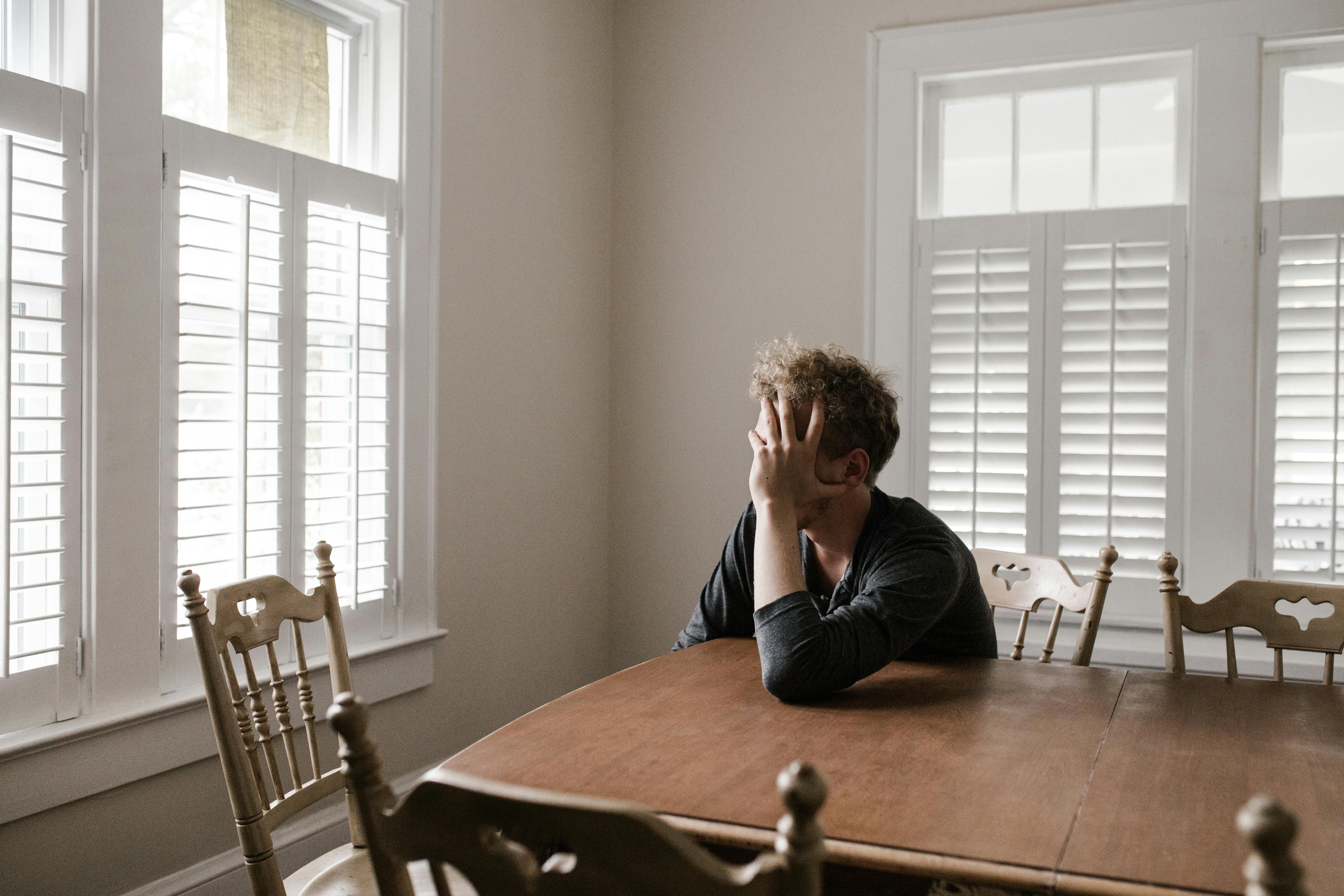
Depression often pushes people toward isolation, which tends to make the episode worse. Staying connected, even minimally, is protective. Loneliness and social disconnection are linked to a higher risk of depression and poorer mental health.
You do not have to be social in a big way. A short message to a friend, sitting near others, or telling one trusted person how you are doing can ease the sense of carrying it alone. If reaching out feels hard, starting with the smallest possible step still counts.
Work With Your Thoughts, Gently
Depression tends to color thoughts in harsh, absolute terms: "nothing will ever change", "I always fail". Negative thoughts can feel especially convincing, even when they do not fully reflect reality. Learning to recognize them and hold them a little more loosely, rather than arguing with them, can reduce their weight.
Simple practices can help: writing thoughts down to get them out of your head, asking yourself whether a thought is fully true or just how depression sounds, and being as kind to yourself as you would be to a friend. These are core ideas in cognitive behavioral therapy that teaches you to be mindful of your thoughts, identify negative thought patterns, and evaluate and reframe them in the light of reality.
When to Seek Professional Help
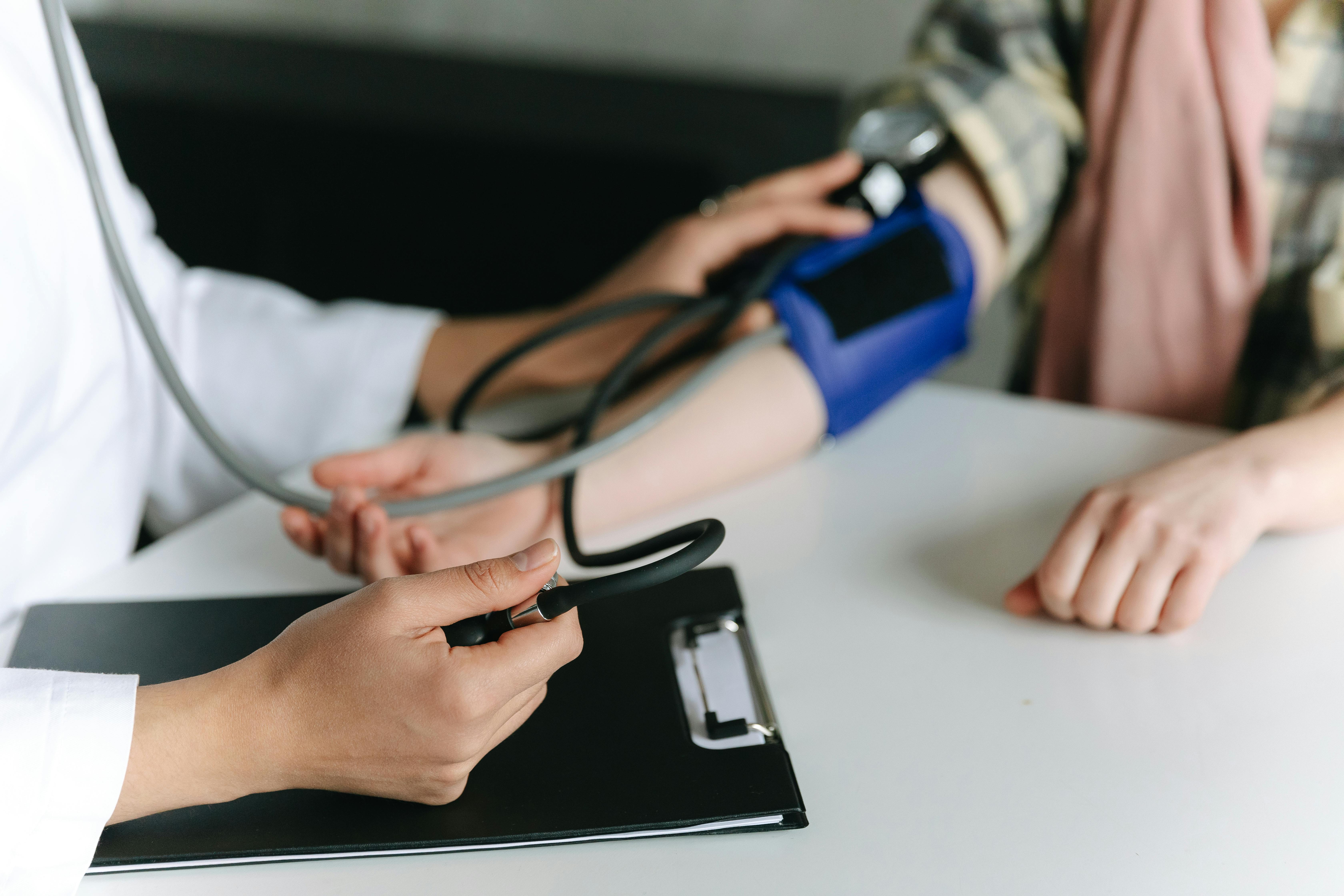
Self-help has real value, but it may not always be enough. This isn’t a sign of failure; it means the severity of your symptoms warrant professional support in the form of therapy, medication, or a combination of both. Consider reaching out to a professional if:
Symptoms last more than two weeks: A low mood or loss of interest that persists is worth professional evaluation.
Daily life is affected: Trouble functioning at work, school, or home is a signal to get support.
Nothing seems to help: If self-help steps are not making a dent, therapy and medication are effective options.
You have thoughts of self-harm: This warrants immediate help, not waiting.
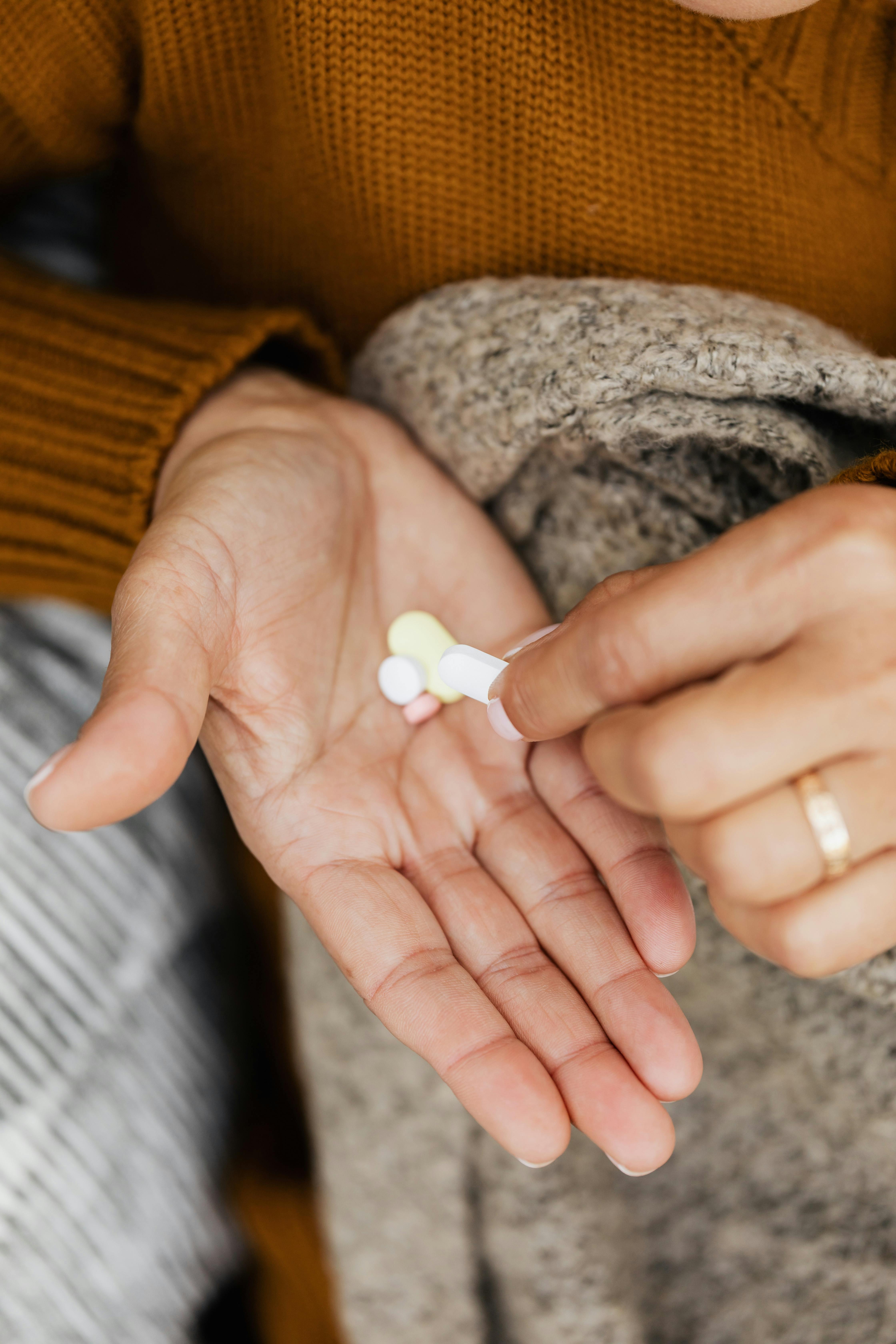
Treatment works for many people with depression, often through therapy, medication, or a combination. According to the National Institute of Mental Health, medications can be effective and tend to work best alongside therapy.
If you’re struggling with a depressive episode and self-help strategies don’t seem to be helping much, don’t hesitate to reach for help. Blossom Health offers virtual consultations covered by in-network insurance with licensed psychiatrists who can evaluate your symptoms, develop an individualized treatment plan, and monitor your progress at every step.
If you are having thoughts of suicide or self-harm, contact the 988 Suicide and Crisis Lifeline by calling or texting 988.
Medical Disclaimer
This article is for informational purposes only and is not a substitute for professional medical advice, diagnosis, or treatment. Always talk with your physician or another qualified healthcare provider about any questions you have regarding a medical condition. If you are experiencing a mental health crisis or having thoughts of self-harm, contact the 988 Suicide and Crisis Lifeline by calling or texting 988.
Sources
Substance Abuse and Mental Health Services Administration. DSM-5 Changes: Implications for Child Serious Emotional Disturbance [Internet]. Rockville (MD): Substance Abuse and Mental Health Services Administration (US); 2016 Jun. Table 9, DSM-IV to DSM-5 Major Depressive Episode/Disorder Comparison. Available from: https://www.ncbi.nlm.nih.gov/books/NBK519712/table/ch3.t5/
Centers for Disease Control and Prevention. (2024, May 15). Depression and anxiety. U.S. Department of Health and Human Services. https://www.cdc.gov/tobacco/campaign/tips/diseases/depression-anxiety.html
National Institute of Mental Health. (2025, February). Depression. U.S. Department of Health and Human Services, National Institutes of Health. https://www.nimh.nih.gov/health/topics/depression
Gepp, K. (2021, October). What is behavioral activation? Medical News Today. https://www.medicalnewstoday.com/articles/behavioral-activation
Ekers, D., Webster, L., Van Straten, A., Cuijpers, P., Richards, D., & Gilbody, S. (2014). Behavioural activation for depression; an update of meta-analysis of effectiveness and sub group analysis. PloS one, 9(6), e100100. https://doi.org/10.1371/journal.pone.0100100
Mavranezouli, I., Megnin-Viggars, O., et al. (2024). A systematic review and network meta-analysis of psychological, psychosocial, pharmacological, physical and combined treatments for adults with a new episode of depression. EClinicalMedicine, 75, 102780. https://doi.org/10.1016/j.eclinm.2024.102780
Bruss, K. V., Seth, P., & Zhao, G. (2024). Loneliness, lack of social and emotional support, and mental health issues—United States, 2022. Morbidity and Mortality Weekly Report, 73(24), 539–545. https://www.cdc.gov/mmwr/volumes/73/wr/mm7324a1.htm
National Institute of Mental Health. (2023, December). Mental health medications. U.S. Department of Health and Human Services, National Institutes of Health. https://www.nimh.nih.gov/health/topics/mental-health-medications