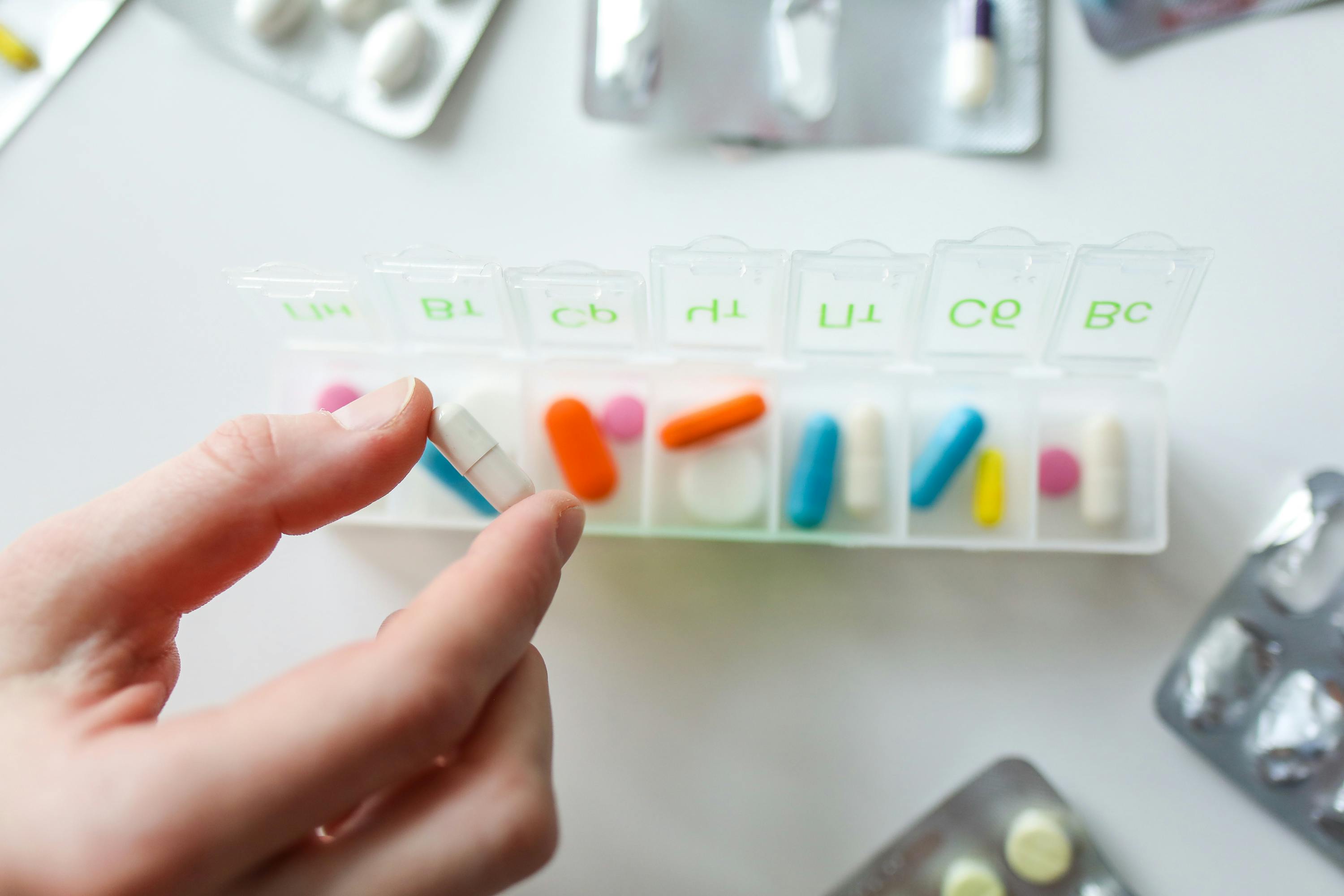
Depakote is the brand name for divalproex sodium, a prescription medication that helps calm overactive electrical activity in the brain. It’s been used for decades to treat several different conditions, which can make it confusing to understand why one person might take it for seizures and another for mood.
The common thread is that all of its approved uses involve helping stabilize electrical activity in the brain and nervous system.
This guide explains the main conditions Depakote is approved to treat, how it works, what to expect during treatment, and the important safety information to know if it has been prescribed for you or someone you care about.
Key Takeaways
Depakote has several FDA-approved uses. It is approved to treat manic episodes in bipolar disorder, certain types of seizures, and to help prevent migraine headaches in adults.
It helps stabilize brain activity. Depakote works mainly by increasing the activity of GABA, a calming brain chemical, and helps reduce overactive nerve signals. This is one reason it can treat several different conditions.
Regular monitoring is important. Depakote carries serious safety warnings, including risks to the liver, the pancreas, and to a developing baby during pregnancy. Regular check-ins and blood tests are an important part of treatment.
What Is Depakote?
Depakote is the brand name for divalproex sodium, a prescription medication that belongs to a group of anti-seizure medications. In the body, it breaks down into valproate, the active form that produces its effects.
Valproate is also sold as valproic acid and sodium valproate, so you may see these related names used.
Depakote comes in different formulations, including delayed-release and extended-release tablets, which release the medication at different speeds.
Although it’s classified as an anti-seizure medication, Depakote is also used to treat manic episodes in bipolar disorder and to help prevent migraine headaches. . That’s because it helps reduce overactive electrical activity in the brain.
What Is Depakote Used For?
Depakote is approved for three main uses. Healthcare providers may also prescribe it for some other conditions based on individual needs and medical history.
Bipolar Disorder (Manic Episodes)
Depakote is approved to treat manic episodes linked to bipolar disorder. Mania is a period of unusually high energy, racing thoughts, reduced need for sleep, and impulsive or risky behavior. As a mood stabilizer, Depakote helps bring these episodes under control and is often used along with other medicines.
If you’re learning about bipolar disorder, it can help to understand how providers tell it apart from conditions with similar symptoms, such as PMDD.
Seizures and Epilepsy
Depakote is used alone or with other medications to treat certain types of seizures. These include complex partial seizures and absence seizures, which are brief lapses in awareness. By helping reduce abnormal electrical activity in the brain, it can lower how often seizures happen.
Anti-seizure medicines should never be stopped suddenly, because doing so can trigger seizures.
Migraine Prevention
Depakote is also approved to help prevent migraine headaches in adults. It’s taken regularly to reduce how often migraines occur, not to treat a migraine after it starts. There is no evidence that it helps once a migraine has already started, so it is used as a preventive medicine rather than a quick fix.
Other Uses
In some situations, providers may prescribe valproate for uses that aren’t specifically FDA-approved, such as managing certain mixed mood episodes or as long-term maintenance treatment for bipolar disorder. These decisions are individualized and based on factors such as your symptoms, medical history and how you respond to treatment.
If you are wondering whether your symptoms warrant an evaluation, you can read about when to see a psychiatrist and what a first visit involves.
How Does Depakote Work?
The brain relies on a balance between signals that excite nerve cells and signals that calm them. When that balance tips toward too much excitement, the result can be a seizure, a manic episode, or a migraine.
Depakote helps restore that balance in several ways. It increases the activity of GABA, a brain chemical that helps calm nerve cells, and steadies the electrical channels that allow those cells to communicate. Together, these effects help reduce overactive brain activity.
Although researchers are still learning how Depakote works for each condition, these effects can play an important role in treating seizures, mania, and preventing migraines.
Depakote Safety and Side Effects
Like all medications, Depakote can cause side effects. Many are mild and improve as your body adjusts to the medication, but some may also require careful monitoring or medical attention.
Common Side Effects
Some common side effects may include:
Nausea
Drowsiness
Dizziness
Tremor
Weight gain
Hair thinning
Taking Depakote with food may also help reduce stomach upset. If side effects persist or become bothersome, let your provider know..
Serious Warnings
Depakote carries FDA boxed warnings, the agency’s strongest safety warning, because of several serious risks.
Liver damage: The risk is highest during the first six months of treatment, particularly in younger children and people with certain metabolic disorders.
Harm during pregnancy: Taking Depakote during pregnancy can increase the risk of birth defects of the brain and spine and developmental problems in a baby.
Pancreatitis: Depakote can rarely cause inflammation of the pancreas, which can be severe and requires immediate medical attention.
Because of these risks, healthcare providers usually order blood tests before and during treatment at regular intervals. This helps them monitor your liver function and overall health.
Pregnancy Precautions
Depakote is generally not recommended during pregnancy because of the risk of birth defects and effects on a child's development. It’s also not recommended for migraine prevention in people who are pregnant or may become pregnant unless no suitable alternatives are available.
If you’re pregnant, planning to become pregnant, or could become pregnant, talk with your provider before starting or continuing the medication. Together you can weigh the potential benefits and risks and discuss whether Depakote is right for you.
What to Expect When Taking Depakote
Because Depakote can affect the liver and the way your body processes the medication, treatment usually involves regular monitoring. Knowing what those check-ins include and what to expect can make the process feel more manageable.
Before starting Depakote and at regular intervals during treatment, healthcare providers often order blood tests. These can include liver function tests, a complete blood count (CBC), and measurements of the drug level in your blood to keep it within a helpful range. Monitoring is especially important during the first several months, when the risk of liver problems is usually highest.
Depakote can also interact with several other medications, including some other anti-seizure medications, certain blood thinners, and aspirin. It can raise or lower the levels of these medications, affecting their efficacy or can also be affected by them. It’s recommended that you talk about all prescription medications, over-the-counter (OTC) medications, or supplements you take. This can help your provider manage the interactions safely.
Who Should Not Take Depakote?
Depakote isn’t safe for everyone. The choice often depends on your medical history to make sure it’s an appropriate treatment option for you.
Depakote should not be used by people with significant liver disease, because it can further affect liver function. It’s also not recommended for people with certain inherited conditions, including urea cycle disorders and some mitochondrial disorders. This is because of the risk of serious complications in these people. Anyone who has had an allergic reaction to divalproex sodium, valproate, or related medications should avoid them as well.
As discussed earlier, Depakote is generally avoided during pregnancy because of the risk of birth defects and effects on a child's development. Your provider can help weigh the benefits and risks based on your individual situation.
If you have questions about Depakote or are wondering whether it's the right treatment for your symptoms, a psychiatric provider can help you understand your options. You can get started with Blossom Health to meet with a licensed psychiatric provider for virtual care covered by in-network insurance.
Medical Disclaimer
This article is for educational purposes only and does not constitute medical advice. The information provided should not replace consultation with a qualified healthcare provider. Individual responses to medications can vary significantly, and what applies to one person may not be the same for another.
Always consult with your doctor or pharmacist before making any decisions about medication changes, discontinuation, or interactions with other substances. If you’re experiencing concerning symptoms or side effects, please seek professional help from a healthcare provider.
In case of a medical emergency, contact your local emergency services immediately or call 911. For mental health emergencies, contact the National Suicide Prevention Lifeline at 988.
Sources
Nath M, Gupta V. Mood Stabilizers. [Updated 2023 Apr 24]. In: StatPearls [Internet]. Treasure Island (FL): StatPearls Publishing; 2026 Jan-. Available from: https://www.ncbi.nlm.nih.gov/books/NBK556141/
Rahman M, Awosika AO, Nguyen H. Valproic Acid. [Updated 2024 Mar 19]. In: StatPearls [Internet]. Treasure Island (FL): StatPearls Publishing; 2026 Jan-. Available from: https://www.ncbi.nlm.nih.gov/books/NBK559112/
Kane M. Valproic Acid Therapy and POLG Genotype. 2026 Jan 8. In: Pratt VM, Scott SA, Pirmohamed M, et al., editors. MINI Medical Genetics Summaries [Internet]. Bethesda (MD): National Center for Biotechnology Information (US); 2012-. Available from: https://www.ncbi.nlm.nih.gov/books/NBK620296/
Patel AR, Nagalli S. Valproate Toxicity. [Updated 2024 May 6]. In: StatPearls [Internet]. Treasure Island (FL): StatPearls Publishing; 2026 Jan-. Available from: https://www.ncbi.nlm.nih.gov/books/NBK560898/
Patel AR, Nagalli S. Valproate Toxicity. [Updated 2024 May 6]. In: StatPearls [Internet]. Treasure Island (FL): StatPearls Publishing; 2026 Jan-. Available from: https://www.ncbi.nlm.nih.gov/books/NBK560898/
U.S. Food and Drug Administration. (March, 2024). Depakote (divalproex sodium) prescribing information. accessdata.fda.gov
NHS. (March 11, 2025). Side effects of valproic acid. https://www.nhs.uk/medicines/valproic-acid/side-effects-of-valproic-acid/