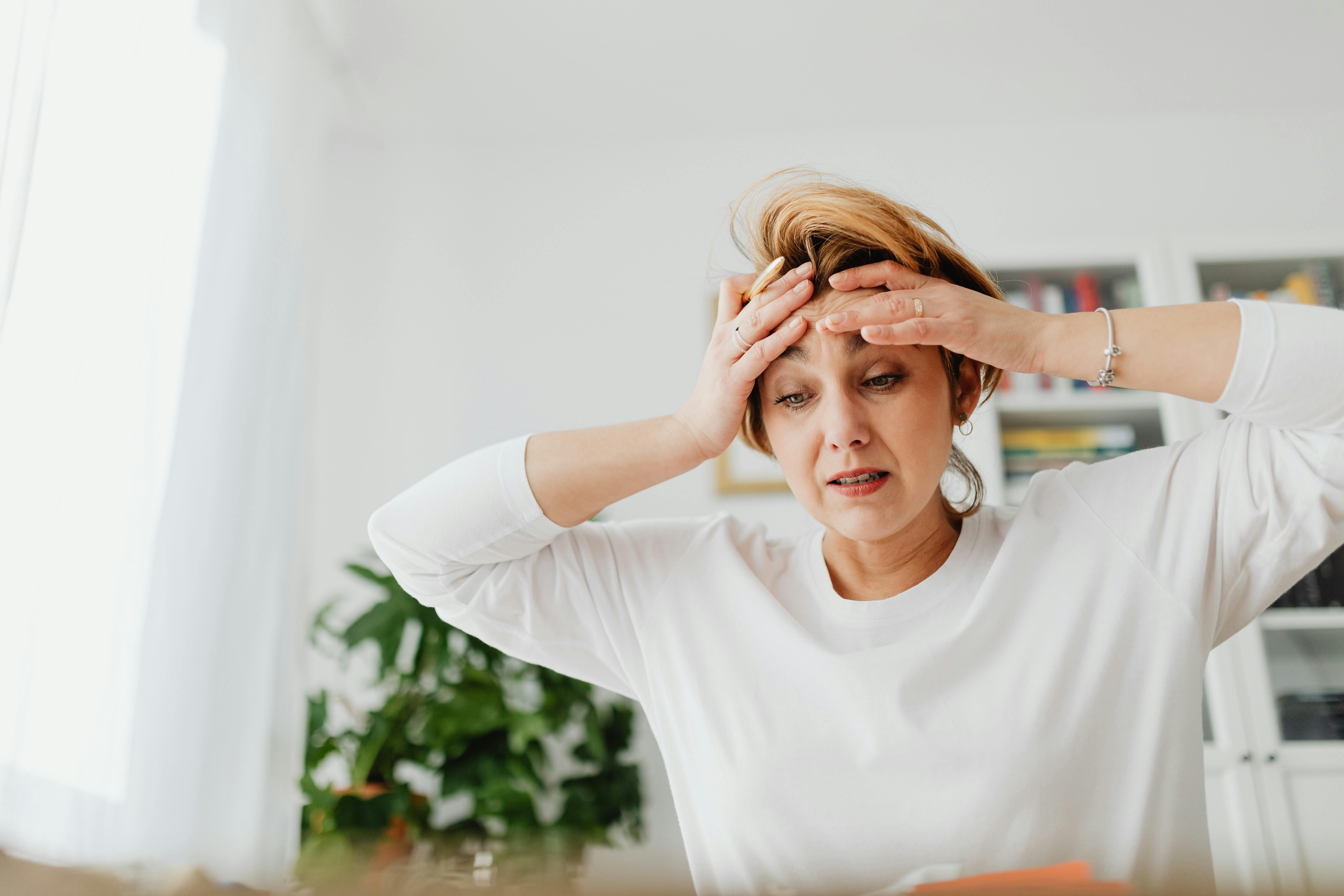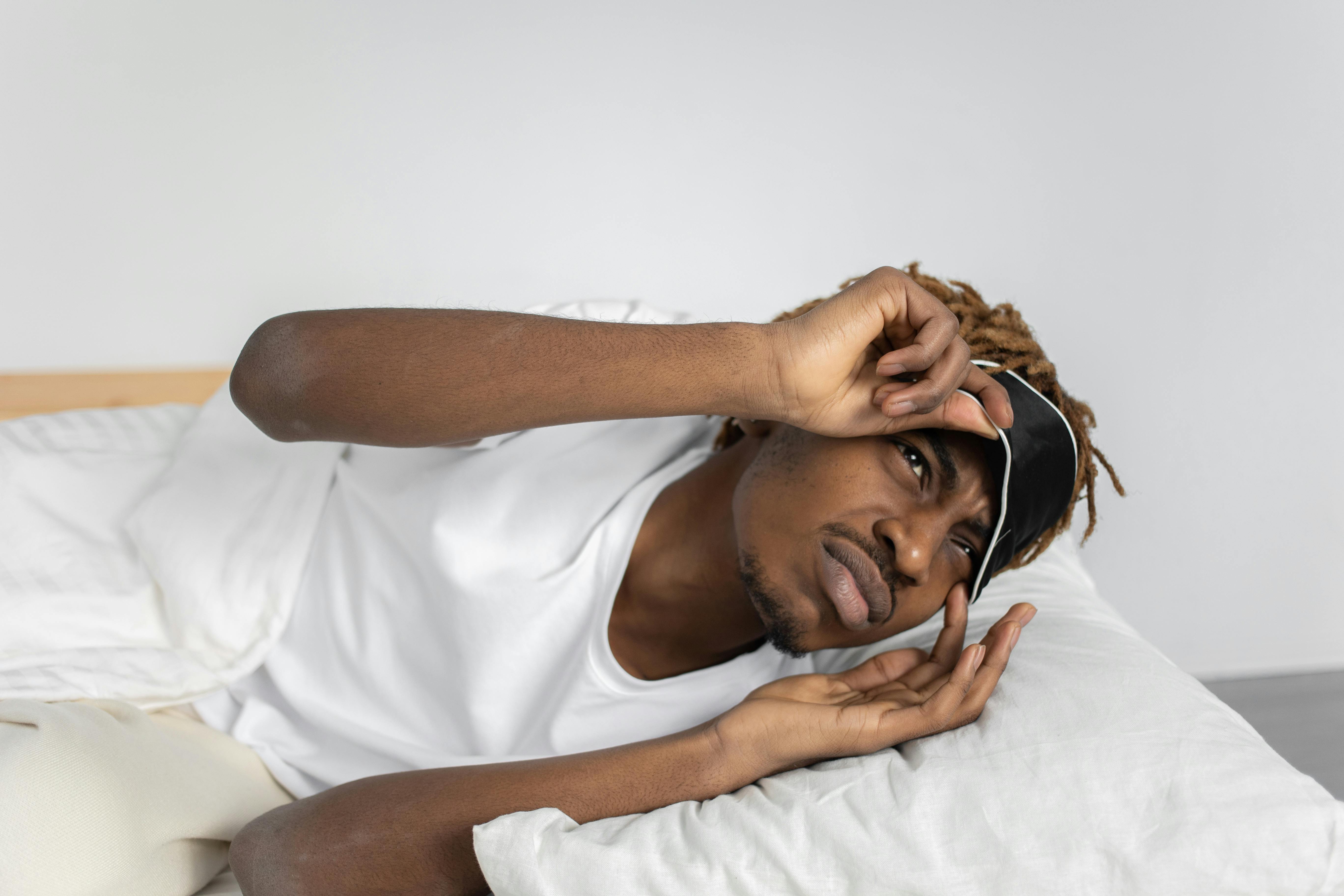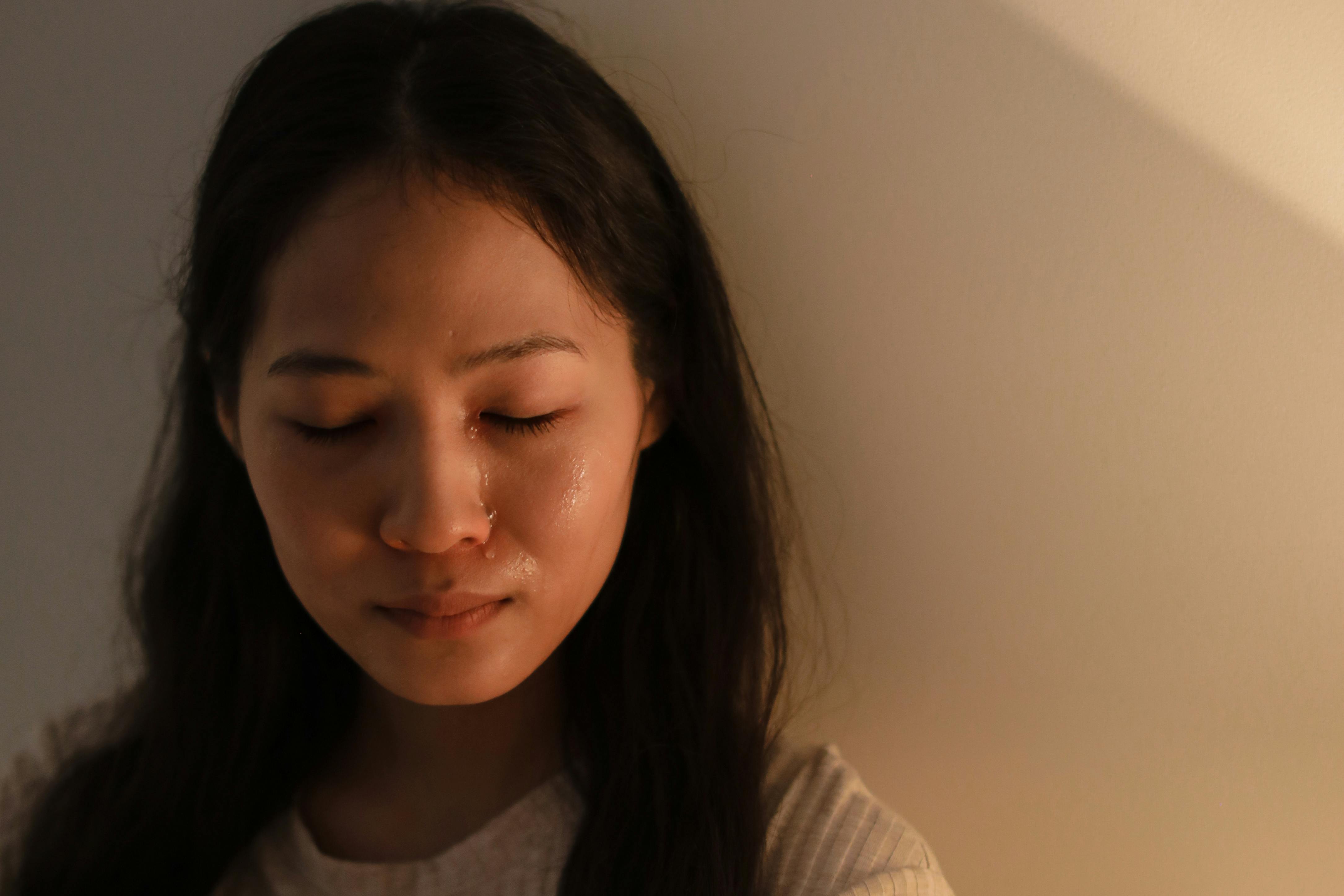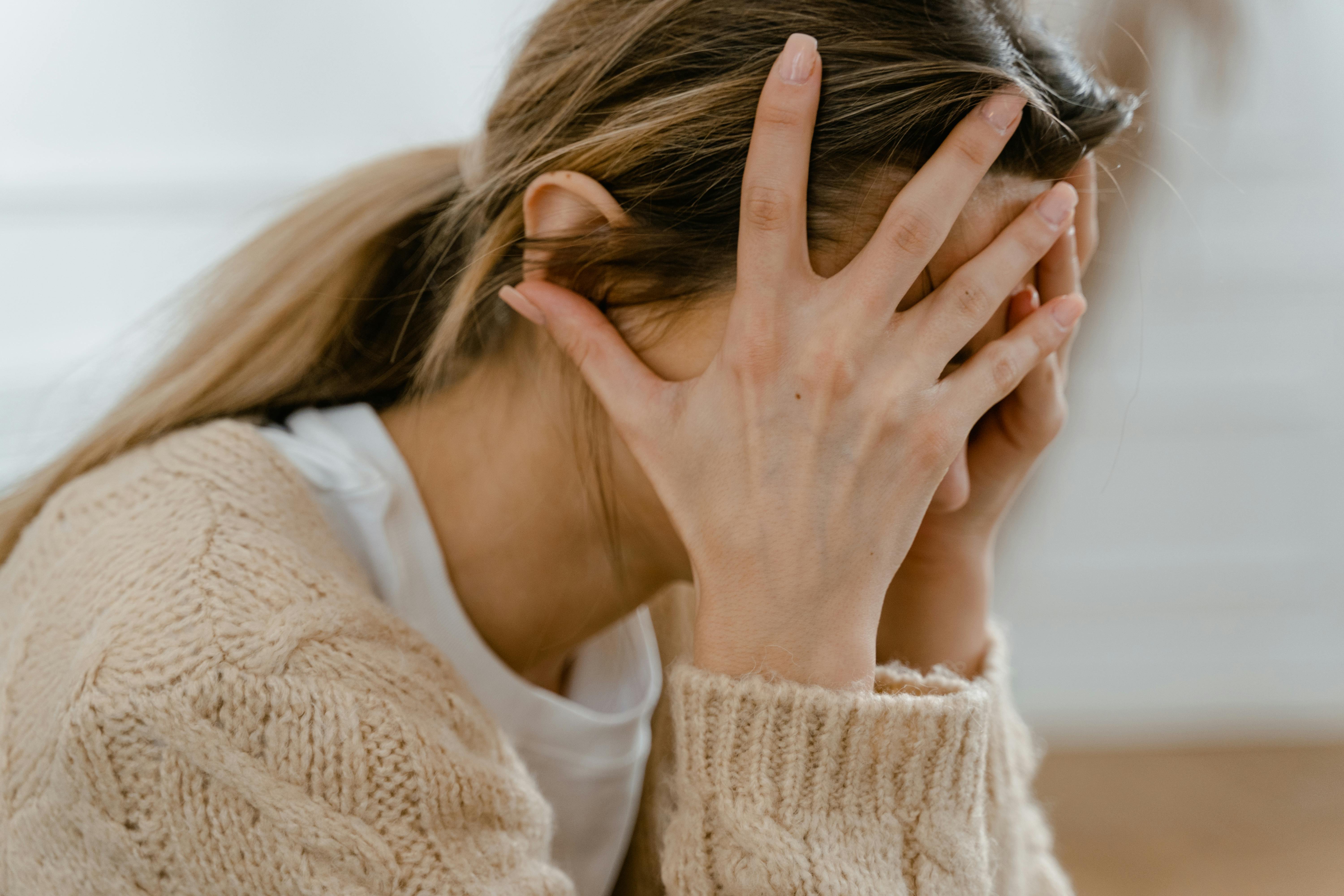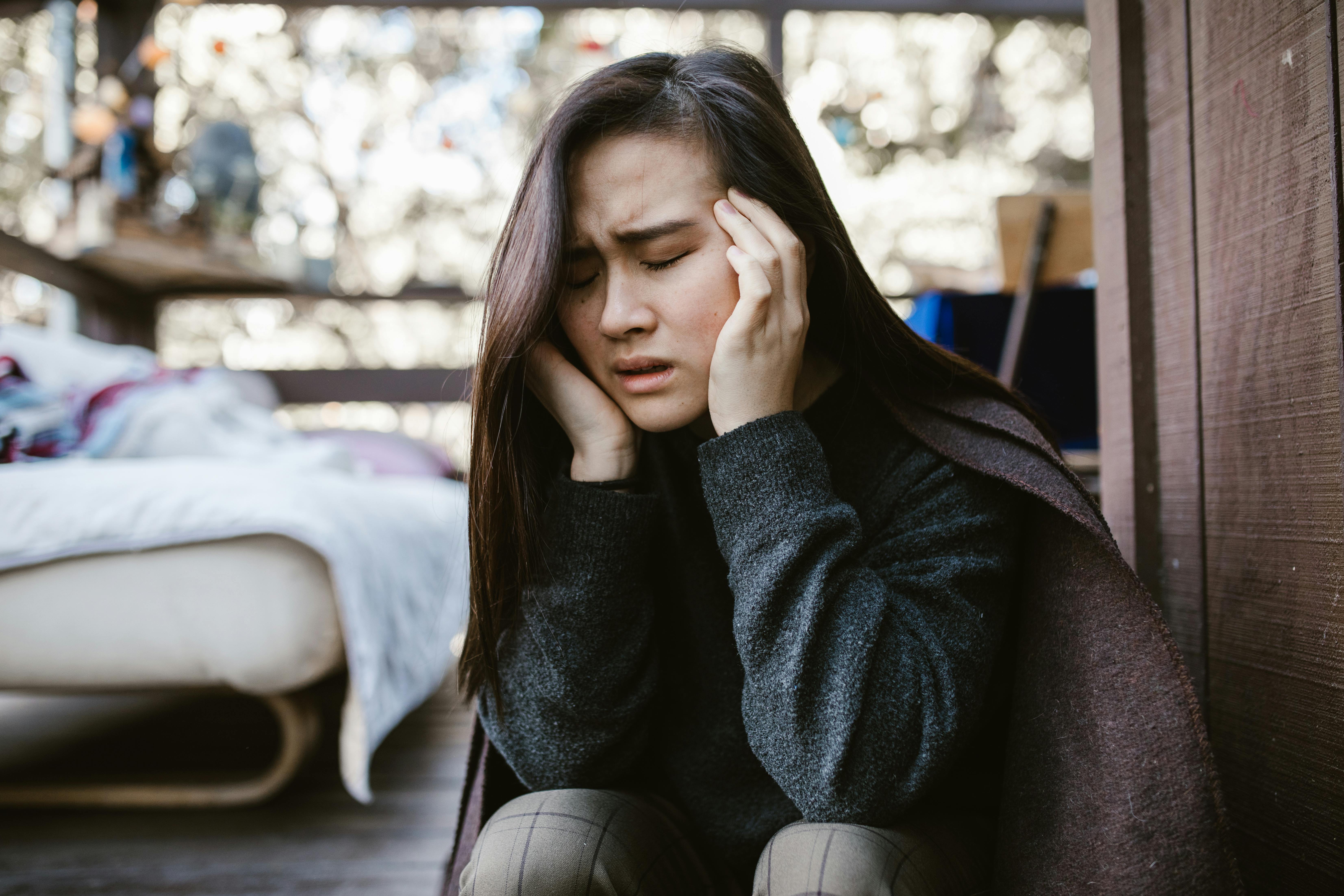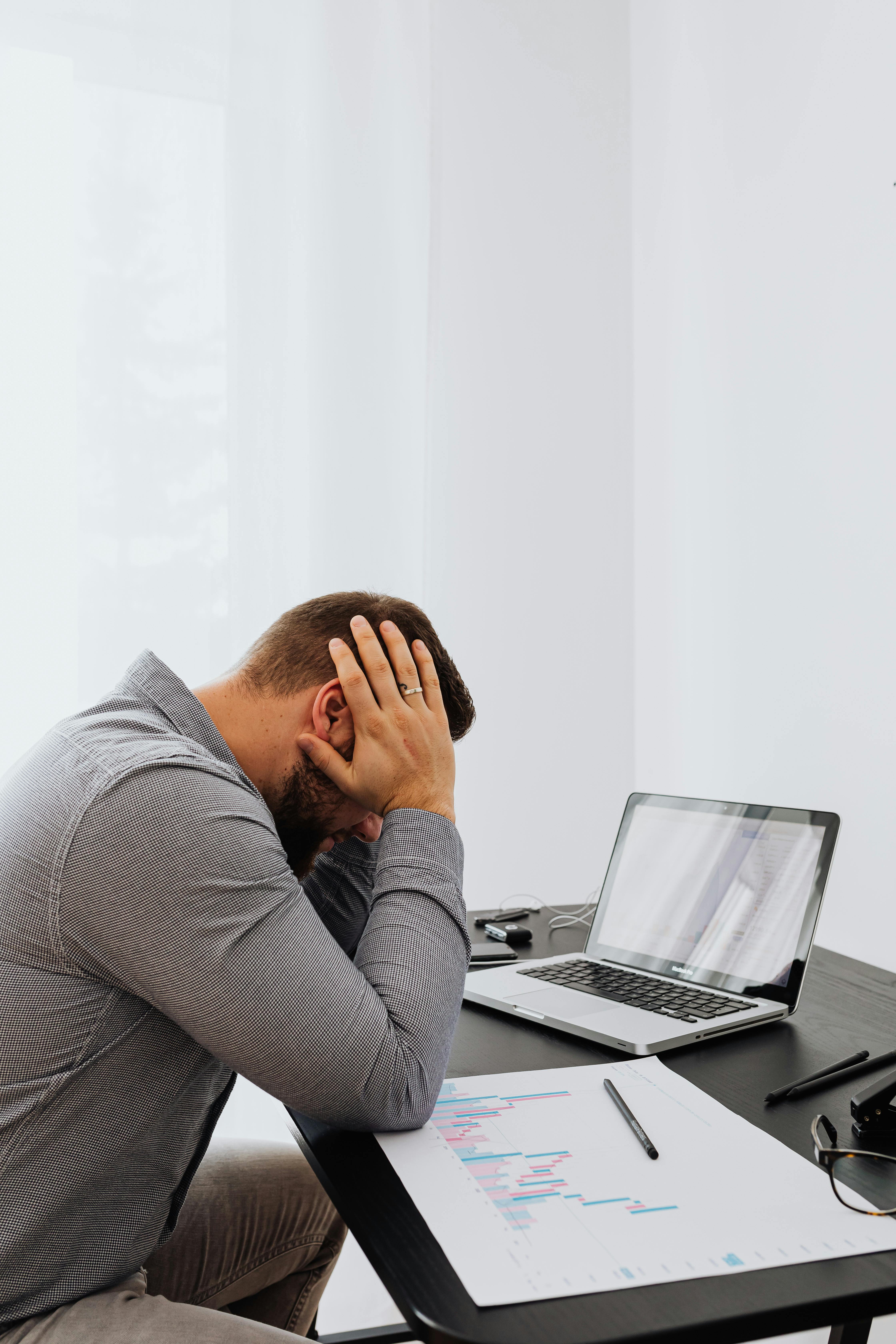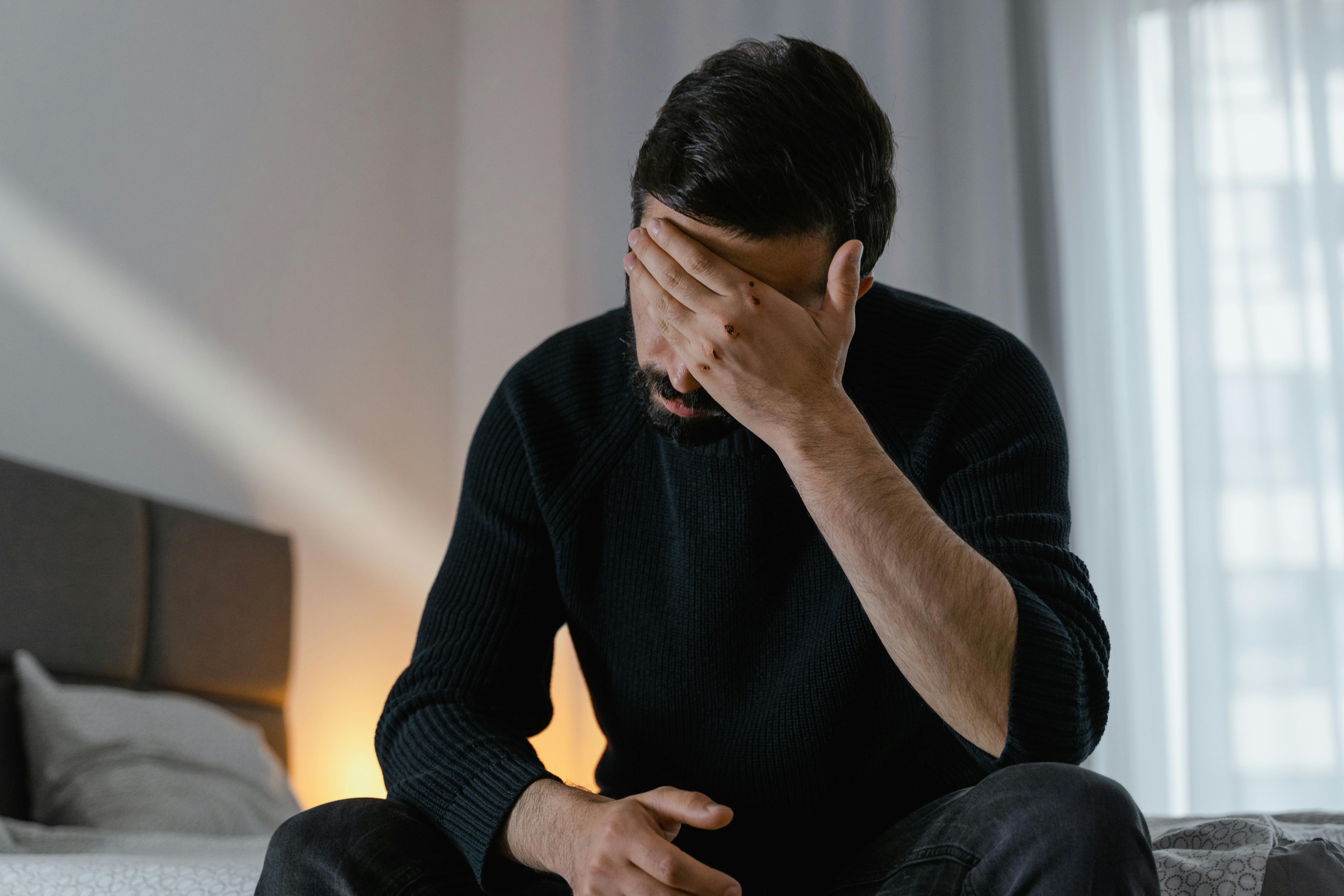

Rejection sensitive dysphoria (RSD) is an intense emotional response to perceived or real rejection, criticism, or failure. For people who experience it, the emotional pain can feel immediate, overwhelming, and difficult to manage.
RSD is most commonly associated with Attention-Deficit/Hyperactivity Disorder (ADHD) and is increasingly recognized by clinicians as part of the emotional dysregulation many adults with ADHD experience. Although RSD is not a formal diagnosis in the DSM-5, understanding it can help explain why certain interactions feel emotionally devastating and why treatment can make a meaningful difference.
Key Takeaways
RSD is tied to ADHD: Rejection sensitive dysphoria is a form of emotional dysregulation strongly associated with ADHD, particularly in adults.
The emotional response is intense and sudden: People with RSD can experience extreme distress often within seconds of a triggering event..
Treatment can help: A combination of medication (particularly alpha-2 agonists) and therapy may help to reduce the frequency and intensity of RSD episodes.
What Is Rejection Sensitive Dysphoria?
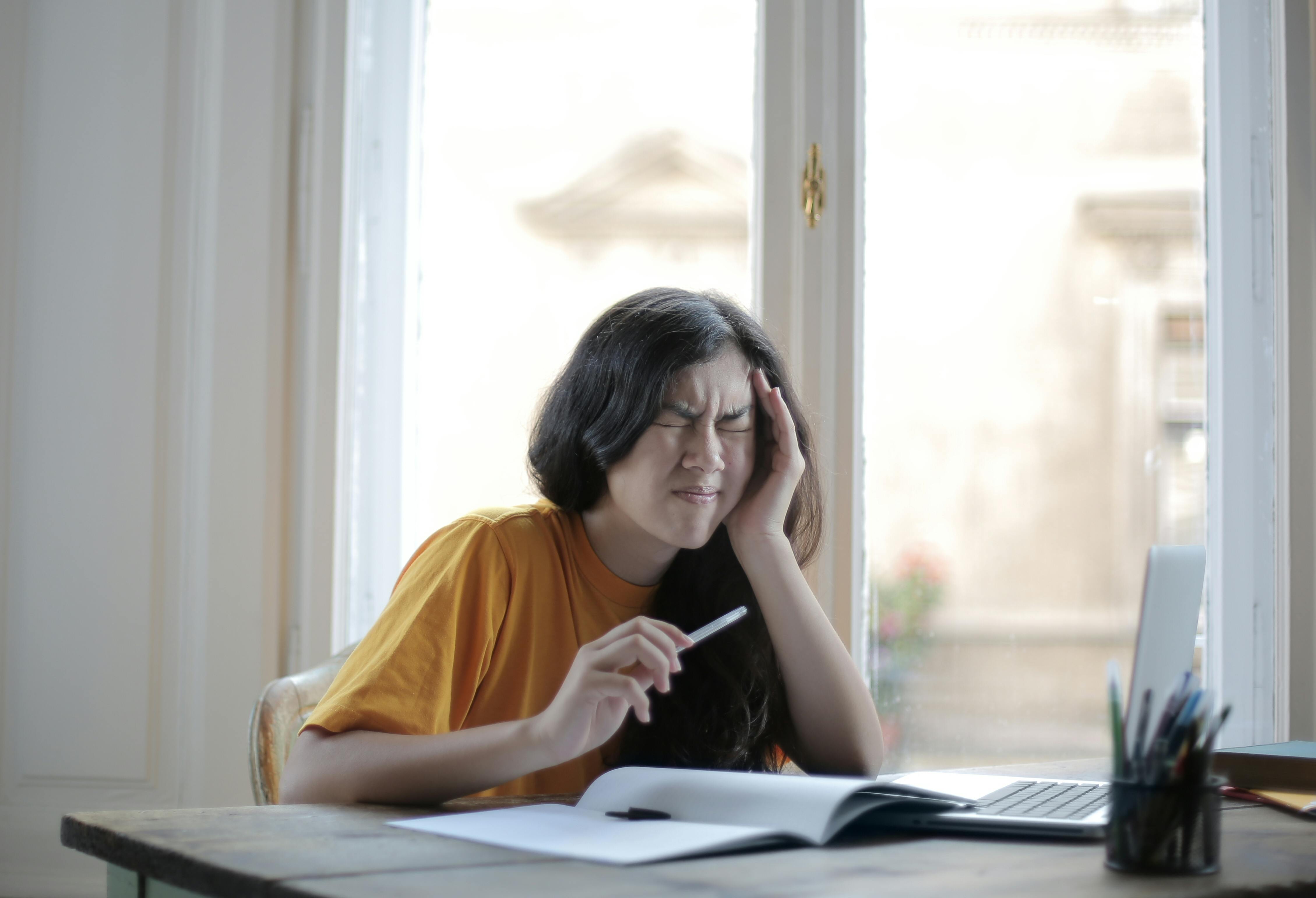
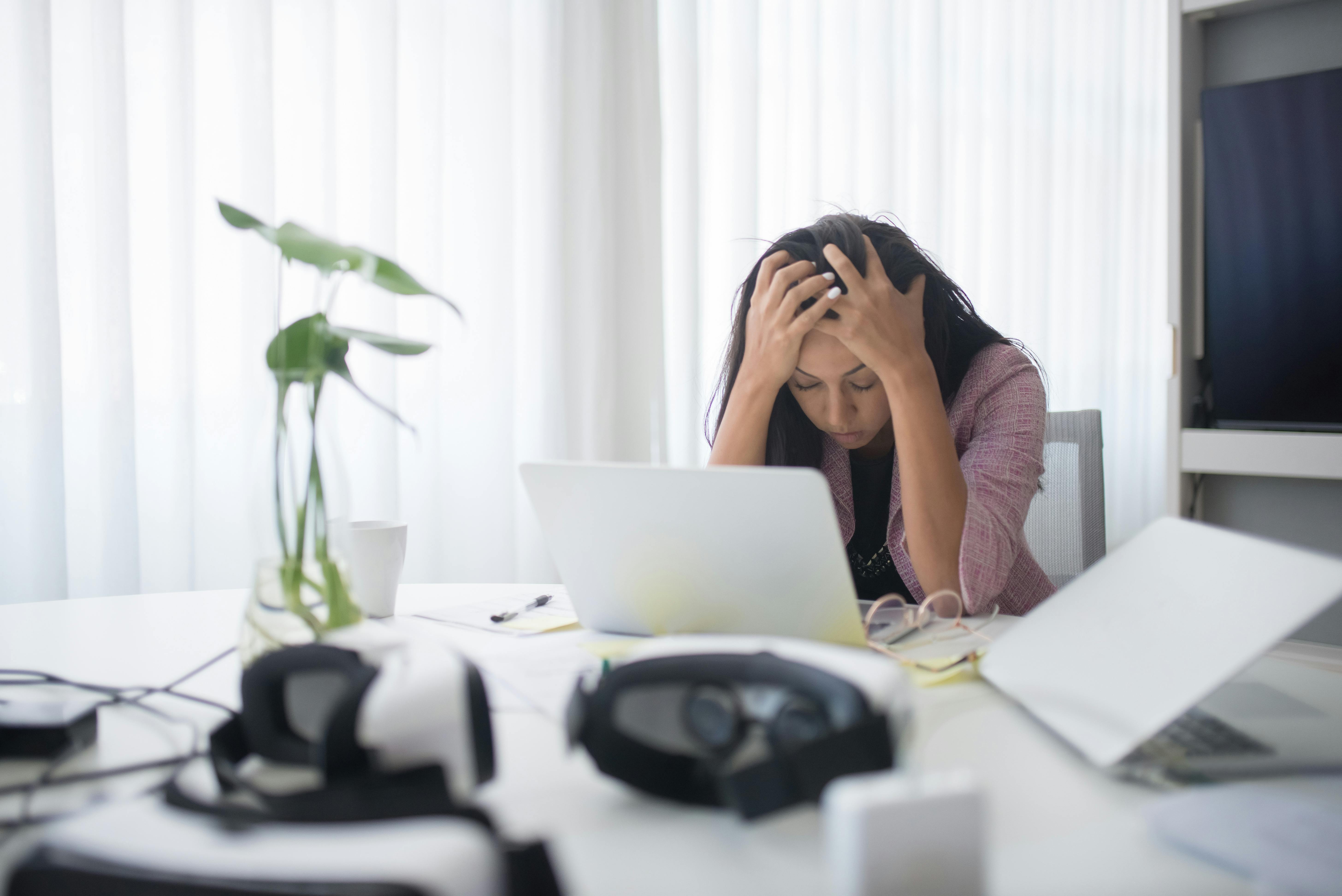
The word dysphoria means "difficult to bear" which reflects how intense the emotional pain of RSD can feel. People with RSD often describe overwhelming feelings of shame, embarrassment, sadness, or anger after experiencing criticism, rejection, teasing, or perceived failure.
RSD is usually closely tied to ADHD research on emotional dysregulation. Clinicians and researchers have increasingly recognized that ADHD affects more than attention and impulsivity; it can also affect how people regulate emotions.
A 2024 qualitative study published in PMC found that people with ADHD who experience rejection sensitivity often reported intense emotional distress, anxiety, and physical discomfort after perceived rejection. Many participants also described trying to hide these reactions from others, which sometimes made social connections feel more difficult.
This means that RSD reactions are often fast and emotionally intense. RSD is triggered by real or perceived rejection, criticism, teasing, or even falling short of a personal goal. The response usually starts within seconds and can include rage, extreme sadness, shame, or embarrassment that feels out of proportion to the triggering event.
How Is RSD Different from Ordinary Sensitivity?
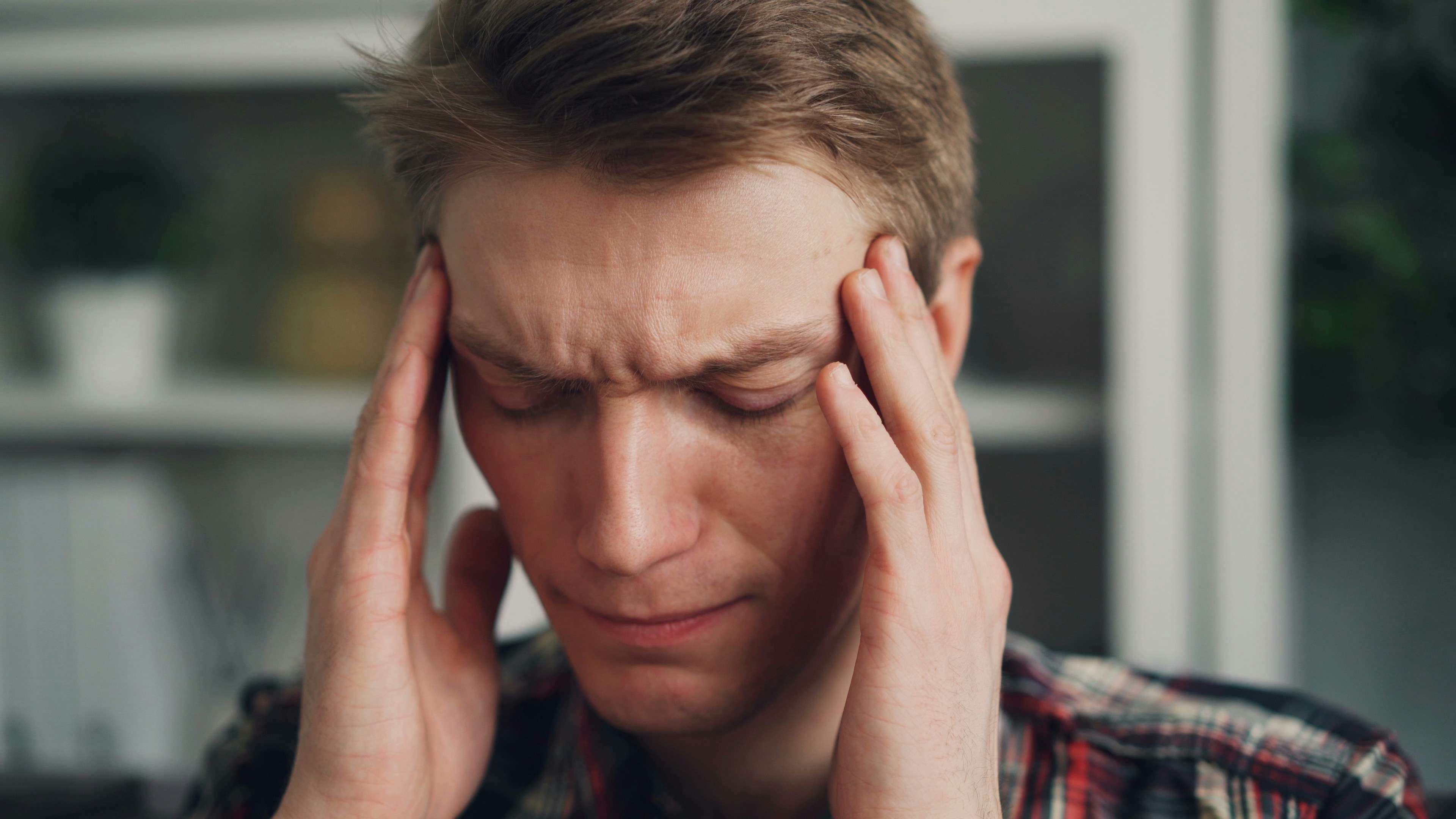
Most people feel hurt by criticism or rejection. What makes RSD different is the intensity and immediacy of the emotional response. People with RSD often describe the pain as almost physical like a sudden wave of distress that can be disorienting and can trigger:
Intense self-criticism
Rumination
Shame or embarrassment
Sudden anger or irritability
Social withdrawal
According to research published in PMC, people with ADHD and rejection sensitivity often experience persistent rumination over unpleasant emotions, self-blame, and physical distress after perceived rejection. They may work hard to hide their emotional responses from others. Common triggers may include feeling excluded from social situations or experiencing perceived abandonment from loved ones.
Because the emotional reactions can be so strong, RSD is sometimes confused with other conditions, such as:
Borderline Personality Disorder
Social Anxiety Disorder.
A comprehensive mental health evaluation can help clarify what may be contributing to emotional symptoms and the right treatment strategy.
Who Experiences RSD?
RSD is most commonly discussed in people with ADHD, particularly adults. Because emotional dysregulation has historically received less attention in ADHD diagnostic criteria, RSD often goes unrecognized for years.
RSD can affect people of any gender and may be more noticeable in adults who have developed enough self-awareness to describe their emotional experiences clearly.
People with ADHD who also have anxiety or mood disorders, depression, or trauma-related conditions may experience even greater emotional sensitivity.
Symptoms of Rejection Sensitive Dysphoria
RSD can look different from person to person. Some people can become visibly upset, while others tend to internalize their pain and appear composed on the outside. Common signs include:
Sudden, intense emotional pain after criticism, rejection, or perceived failure
Emotional outbursts such as crying, anger, or withdrawal that come on quickly and may pass quickly
Avoidance behaviors, such as not trying new things or avoiding situations where failure or rejection is possible
People-pleasing behaviors driven by an intense need to avoid negative reactions from others
Low self-esteem or self-worth that fluctuates sharply based on how others seem to perceive you
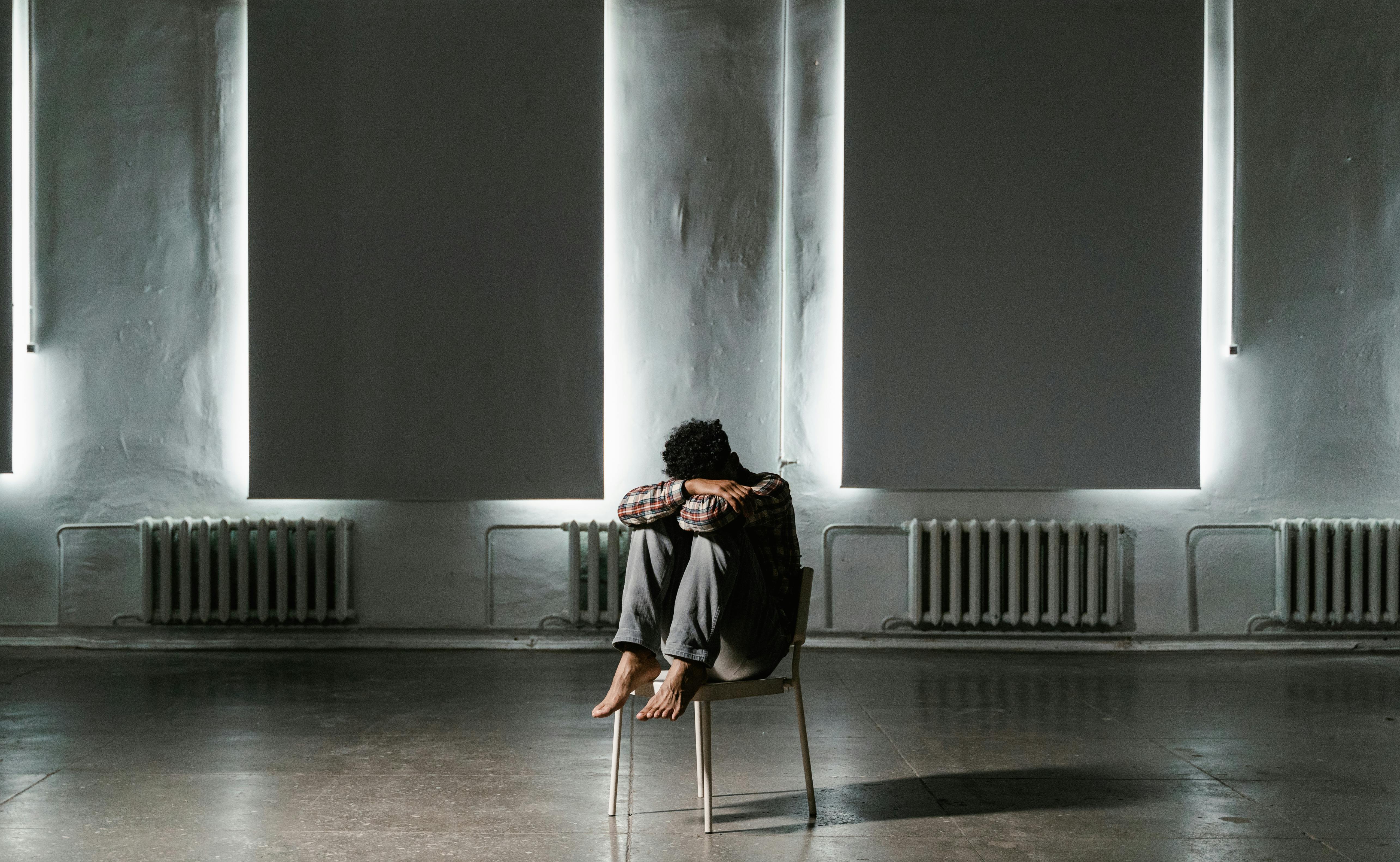
Social withdrawal after perceived rejection, sometimes leading to isolation
In some cases, the fear of rejection alone is enough to trigger a response. This can lead to what looks like social anxiety or avoidance, even when no actual rejection has taken place.
Why Does RSD Happen?
Researchers do not fully understand the exact cause of RSD. But it is thought to be related to differences in how the ADHD brain regulates emotions.
The prefrontal cortex, which helps regulate emotions and impulse control, functions differently in people with ADHD. This may make it harder to slow down, reframe, or regulate strong emotional reactions once they begin.
Dopamine and norepinephrine neurotransmitters, which are involved in attention, reward, and emotional processing, are also known as contributing factors. These neurotransmitters are involved in ADHD more broadly. This may explain why ADHD medications that address dopamine regulation can sometimes help reduce emotional volatility in some people.
Some researchers also believe that repeated experiences of criticism, bullying, rejection, or childhood trauma may intensify RSD symptoms over time.
RSD and Relationships
RSD can place strain on personal and professional relationships. People with RSD may read neutral facial expressions or interactions as signs of rejection or disapproval. For example, someone with RSD may feel deeply hurt if:
A friend does not reply quickly to a message
A partner seems distracted
A coworker gives constructive feedback
Someone appears emotionally distant
Over time, these patterns can create distance in relationships. Partners, friends, or coworkers may struggle to understand why certain comments land so hard, or may feel they need to walk on eggshells.
Education about RSD can be helpful for both the person experiencing it and the people in their life. They can better understand these emotional reactions and respond with more clarity and compassion.
How Is RSD Treated?
There is no FDA-approved treatment specifically for RSD. But several approaches may help reduce emotional dysregulation in people with ADHD.
Medication
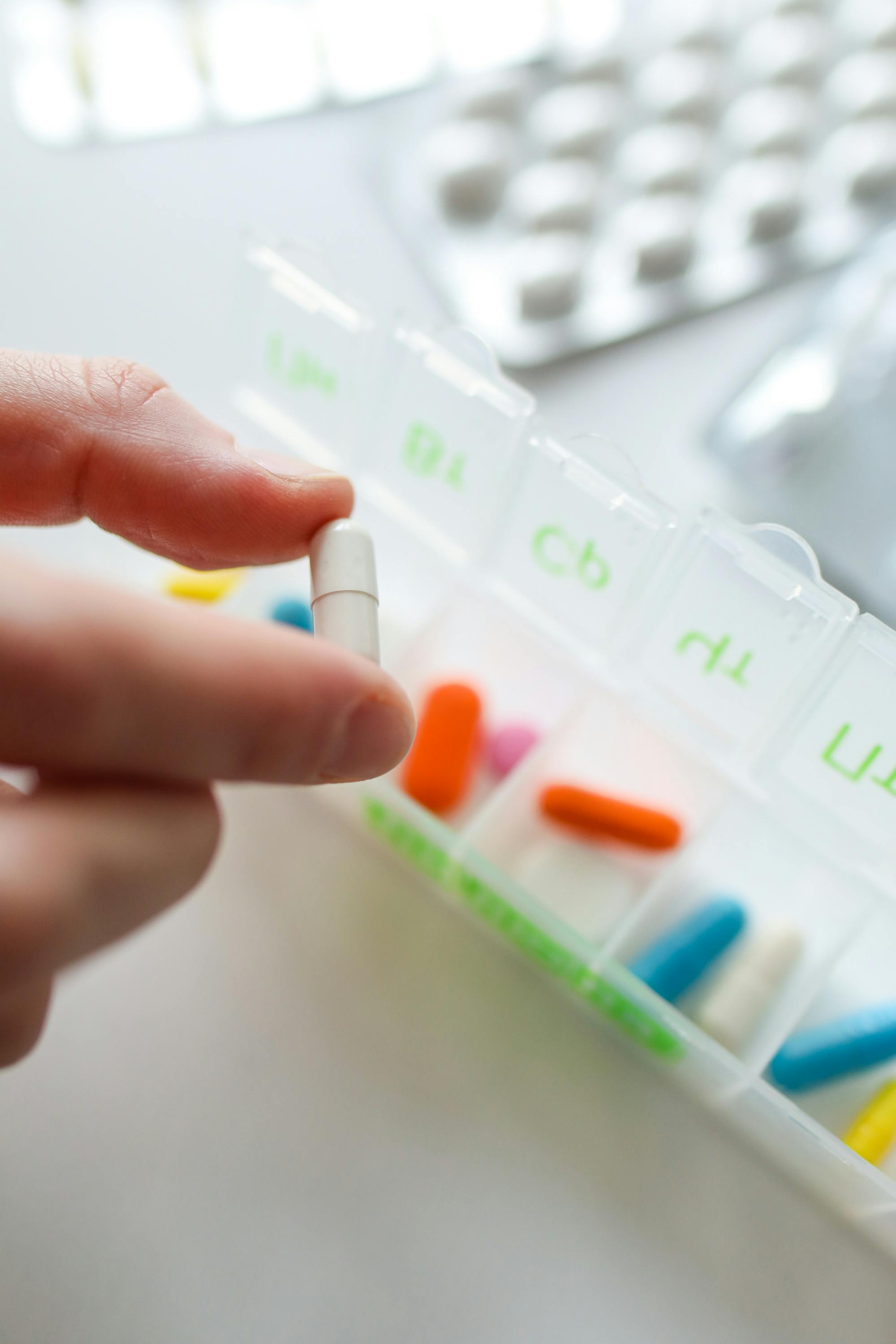
ADHD medications may help reduce emotional reactivity in some people.
These can include:
Stimulant medications, such as amphetamine-based or methylphenidate-based treatments, improve dopamine and norepinephrine regulation more broadly
Alpha-2 agonists such as guanfacine and clonidine
Some clinicians have also reported benefit from Monoamine oxidase inhibitors (MAOIs). They require careful monitoring because of dietary restrictions and medication interaction risks.
Any medication decisions should always be made with a qualified healthcare provider who can evaluate risks, benefits, and potential side effects.
Therapy
Therapy can help people recognize emotional patterns, improve coping skills, and reduce impulsive reactions.
Approaches that may help include:
Cognitive-behavioral therapy (CBT) can help people identify thought patterns and reframe negative thoughts before they amplify their emotional responses.
Dialectical behavior therapy (DBT) is another option that may be well-suited for people with intense emotional reactions. It focuses specifically on emotional regulation and distress tolerance. Building self-awareness about what triggers RSD responses and practicing pausing before reacting can help reduce the harm that RSD does to relationships and quality of life.
When to Seek Help
If emotional reactions after rejection or criticism are affecting your work, relationships, self-esteem, or daily functioning, it may help to speak with a mental health professional.
This is especially important if you have ADHD and have noticed patterns of intense emotional responses, people-pleasing, avoidance, or persistent shame after social interactions.
A psychiatrist or therapist can help evaluate whether ADHD-related emotional dysregulation or RSD, anxiety, trauma, or other mental health conditions may be contributing to your symptoms. Once identified, they can also help you choose the right medication or therapy options.
Blossom Health connects you with board-certified providers through virtual appointments covered by in-network insurance plans. Book your appointment now.
Medical Disclaimer
This article is for educational purposes only and does not constitute medical advice. The information provided should not replace consultation with a qualified healthcare provider. Individual responses to medications can vary significantly, and what applies to one person may not be the same for another.
Always consult with your doctor or pharmacist before making any decisions about medication changes, discontinuation, or interactions with other substances. If you’re experiencing concerning symptoms or side effects, please seek professional help from a healthcare provider.
In case of a medical emergency, contact your local emergency services immediately or call 911. For mental health emergencies, contact the National Suicide Prevention Lifeline at 988.
Sources
Rowney-Smith, A., Sutton, B., Quadt, L., & Eccles, J. A. (2026). The lived experience of rejection sensitivity in ADHD - A qualitative exploration. PloS one, 21(1), e0314669. https://doi.org/10.1371/journal.pone.0314669
Ginapp, C. M., Greenberg, N. R., MacDonald-Gagnon, G., Angarita, G. A., Bold, K. W., & Potenza, M. N. (2023). "Dysregulated not deficit": A qualitative study on symptomatology of ADHD in young adults. PloS one, 18(10), e0292721. https://doi.org/10.1371/journal.pone.0292721
Dodson, W. W., Modestino, E. J., Ceritoğlu, H. T., & Zayed, B. (2024). Rejection sensitivity dysphoria in attention-deficit/hyperactivity disorder: A case series. Neurology, 7, 23-30. https://actascientific.com/ASNE/pdf/ASNE-07-0762.pdf
Puszcz, A., Platnikow, M., Antos, Z., Czech, M., & Kipka, A. (2025). Sexual Functioning in Individuals With Attention-Deficit Hyperactivity Disorder: A Narrative Review. Cureus, 17(11), e97194. https://doi.org/10.7759/cureus.97194
NIMH. (December 2024). Attention-Deficit/Hyperactivity Disorder. https://www.nimh.nih.gov/health/topics/attention-deficit-hyperactivity-disorder-adhd
American Psychiatric Association. (October 2025). What is ADHD? https://www.psychiatry.org/patients-families/adhd/what-is-adhd
Cleveland Clinic. (December, 2025). ADHD in Adults. https://my.clevelandclinic.org/health/diseases/5197-attention-deficit-hyperactivity-disorder-adhd-in-adults
Cole, P., Weibel, S., Nicastro, R., Hasler, R., Dayer, A., Aubry, J. M., Prada, P., & Perroud, N. (2016). CBT/DBT skills training for adults with attention deficit hyperactivity disorder (ADHD). Psychiatria Danubina, 28(Suppl-1), 103–107. https://pubmed.ncbi.nlm.nih.gov/27663817/