What is Vyvanse? Uses, Dosage, Side Effects, and What to Expect
Author:
Blossom Editorial


Attention-Deficit/Hyperactivity Disorder (ADHD) is a common neurodevelopmental disorder that develops during childhood, although its symptoms can continue well into adulthood. Based on data from the 2022 National Survey of Children’s Health, approximately 1 in 9 U.S. children (7.1 million) have ever received an ADHD diagnosis, while 10.5% children (6.5 million) had current ADHD.
Moreover, around 6% of American adults (15.5 million) had an ADHD diagnosis in 2023, proving that the disorder affects adults, too.
If you or your child has been diagnosed with ADHD, your provider may have mentioned Vyvanse as a treatment option. Vyvanse (lisdexamfetamine) is one of the most commonly prescribed stimulant medications for ADHD, and it works a little differently than other stimulants you may have heard of. Understanding how it works, what to expect, and how to manage side effects can help you feel more confident about your treatment plan.
Key Takeaways
Vyvanse is an FDA-approved stimulant medication used to treat ADHD in adults and children ages 6 and older, as well as moderate to severe binge eating disorder in adults.
As a prodrug, Vyvanse is inactive until your body metabolizes it, which gives it a smoother onset and longer duration than many other stimulants.
Common side effects include decreased appetite, weight loss, trouble sleeping, and dry mouth, most of which tend to improve over time.
Vyvanse is a Schedule II controlled substance, meaning it has a potential for misuse and should only be taken as prescribed by a healthcare provider.
What is Vyvanse and How Does it Work?
Vyvanse is the brand name for lisdexamfetamine dimesylate, a central nervous system stimulant. It was first approved by the FDA in 2007 to treat ADHD in children aged between 6 and 12 years, and later received approval for adults and children over 6 years.
What makes Vyvanse unique among ADHD medications is that it is a prodrug. This means the medication doesn’t activate right after you take it. Instead, your body converts lisdexamfetamine into its active form, dextroamphetamine, after it is absorbed in the gastrointestinal tract.
This conversion process gives Vyvanse a more gradual onset compared to medications like Adderall, which start working more quickly. Most people begin to notice effects within 90 minutes to two hours after taking Vyvanse, and the medication typically lasts up to 13 to 14 hours. A clinical study in children aged 6 to 12 confirmed that efficacy was maintained from 1.5 hours through 13 hours post-dose.
In a randomized, crossover study in adults with ADHD, Vyvanse was effective from 2 hours to 14 hours after the dose. This extended duration means most people only need to take it once per day, usually in the morning.
Vyvanse works by increasing the levels of dopamine and norepinephrine in the brain. These neurotransmitters play a key role in attention, focus, and impulse control. By boosting their availability, Vyvanse can help reduce hyperactivity, improve concentration, and support better executive functioning.
FDA-Approved Uses
Vyvanse is FDA-approved for two conditions. The first is ADHD in adults and children who are at least 6 years old. The second is moderate to severe binge eating disorder in adults. It is important to note that Vyvanse is not approved for weight loss or obesity treatment, even though decreased appetite is a common side effect.
Some providers may also prescribe Vyvanse off-label for conditions like treatment-resistant depression or narcolepsy, though these uses are less common and not FDA-approved.
Vyvanse vs. Adderall: Key Differences
Both Vyvanse and Adderall are amphetamine-based stimulants used to treat ADHD, but they differ in several important ways.
Adderall contains a mixture of four different amphetamine salts and comes in both immediate-release (IR) and extended-release (XR) formulations. Vyvanse contains only lisdexamfetamine, and because it must be metabolized before becoming active, it has a built-in delay that produces a smoother effect throughout the day.
Consequently, many people find that Vyvanse produces fewer peaks and crashes between doses compared to Adderall. While the effects of Adderall IR wear off in about 6 hours, the extended-release variant lasts up to 12 hours. To maintain stable levels, patients may need to take Adderall IR twice a day. Adderall XR and Vyvanse are typically taken once a day.
A meta-analysis of 11 randomized controlled trials confirmed that lisdexamfetamine significantly improved both inattentiveness and hyperactivity/impulsivity symptoms irrespective of dose levels in both children and adults.
Vyvanse’s prodrug mechanism lowers its potential for misuse, as taking the medication through non-oral routes does not speed up its activation. That said, the FDA classifies both Vyvanse and Adderall as Schedule II controlled substances with a high potential for misuse.
While Vyvanse comes in capsule and chewable tablet forms, Adderall IR is available in tablet form, and Adderall XR in capsule form. Vyvanse is generally more expensive than Adderall, and there are generic versions for both.
When it comes to choosing between Vyvanse and Adderall, your psychiatric provider can help you weigh the differences and determine which medication is the best fit.
Dosage Information
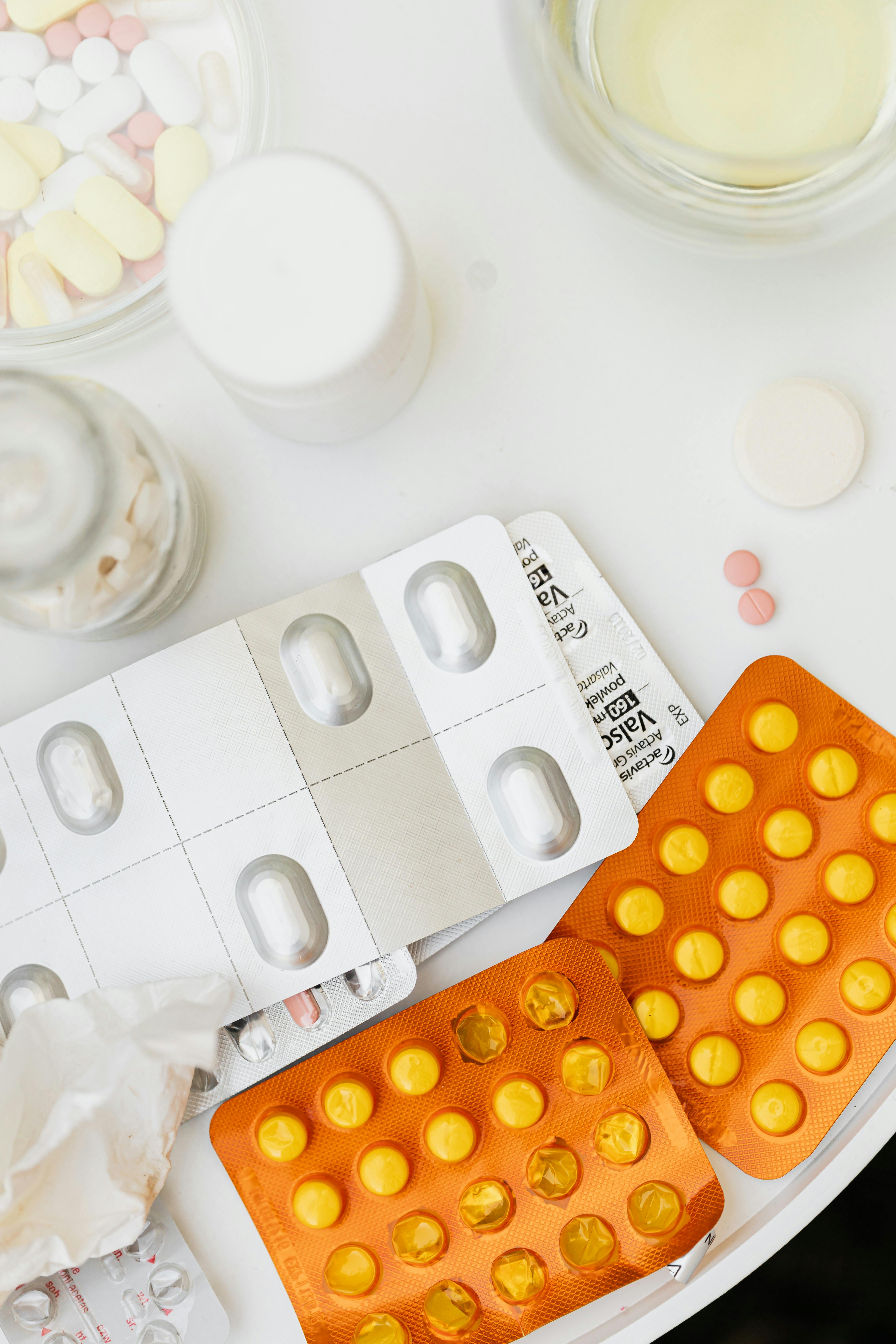
Vyvanse is available as capsules and chewable tablets in doses ranging from 10 mg to 70 mg. Your provider will typically start you on a lower dose and adjust upward based on how you respond. For ADHD in adults and children 6 and older, the typical starting dose is 30 mg once daily in the morning. For binge eating disorder in adults, the recommended dose is 50 to 70 mg per day.
The capsule can be swallowed whole, or you can open it and mix the contents with yogurt, water, or orange juice. If you use the chewable tablet, make sure to chew it completely before swallowing. Vyvanse should be taken in the morning, as taking it later in the day can interfere with sleep.
Note: Any dosage information for Vyvanse presented here is for general guidance only and must not be taken as a prescription or medical advice. Please consult your healthcare provider before starting, changing, or stopping stimulants.
Common Side Effects
Like all stimulant medications, Vyvanse can cause side effects. A comprehensive review of lisdexamfetamine trials in children and adolescents found that the most commonly exhibited side effects were appetite suppression, weight loss, headache, and insomnia. Many of these side effects are most noticeable when you first start the medication or after a dose increase, and they often improve as your body adjusts.
Appetite suppression is one of the most frequently reported side effects. For children, this can raise concerns about growth and weight gain over time. Clinical trials on children showed that higher doses of Vyvanse were associated with greater weight loss over a 4-week treatment period. Children receiving 30 mg Vyvanse lost an average of 0.9 pounds, while those on 70 mg Vyvanse lost an average of 2.5 pounds over 4 weeks.
Your provider should monitor your child's height and weight regularly while they are taking Vyvanse. Eating a substantial breakfast before the medication kicks in and having a larger dinner once it wears off can help manage appetite-related side effects.
For adults, the most common side effects reported during clinical trials include decreased appetite (27%), insomnia (27%), dry mouth (26%), diarrhea (7%), and nausea (7%).
Serious Side Effects and Warnings
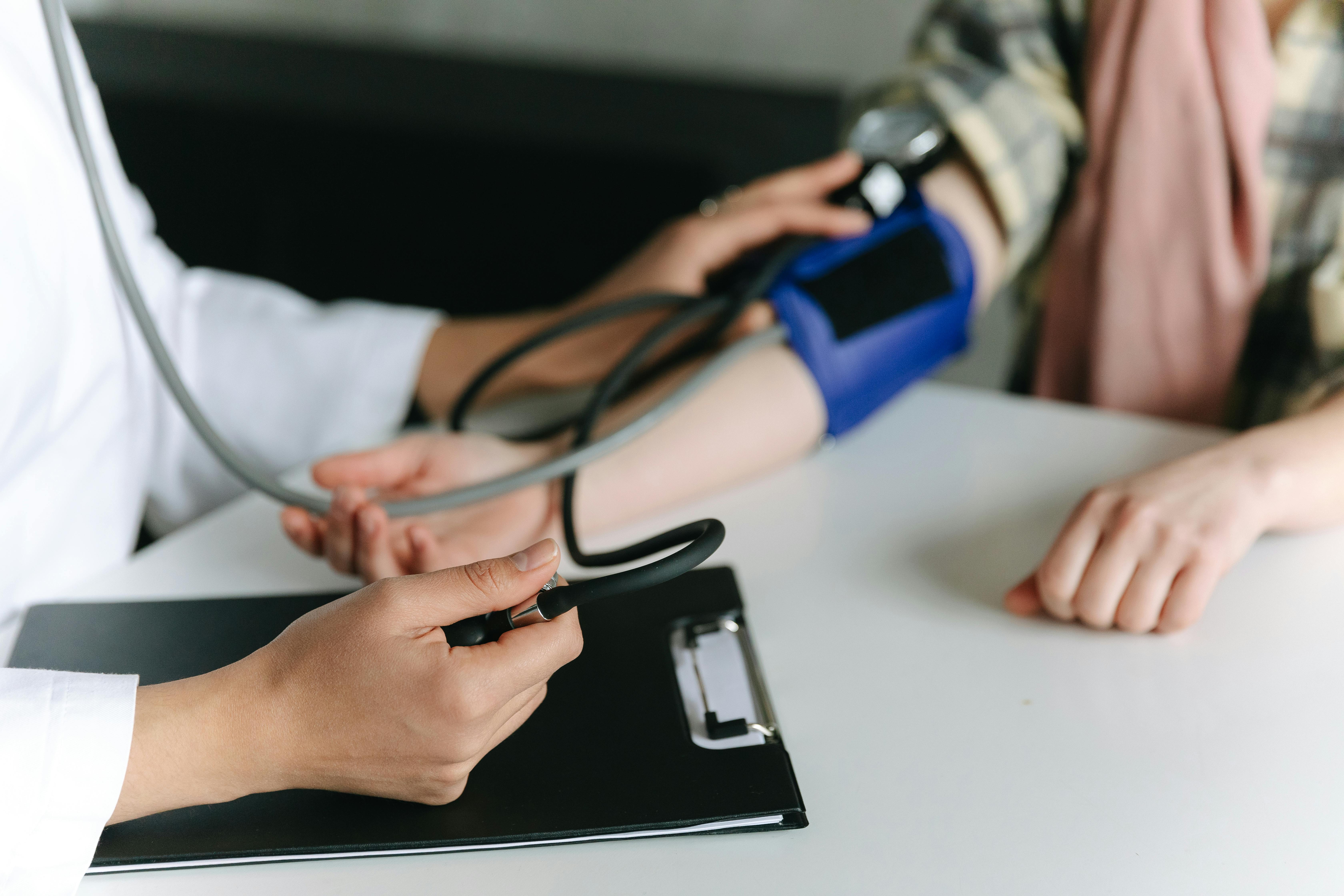
While most people tolerate Vyvanse well, there are some serious side effects to be aware of. Vyvanse can increase blood pressure and heart rate, so your provider should check these before starting treatment and at follow-up appointments. People with pre-existing heart conditions, structural heart defects, or high blood pressure should discuss these risks carefully with their provider.
Vyvanse, like other amphetamine-based stimulants, has the potential to worsen co-existing Tourette’s syndrome (tics) in ADHD patients. In such cases, methylphenidate-based ADHD medications may be more suitable.
In rare cases, stimulant medications can cause new or worsening psychiatric symptoms, including mood changes, aggressive behavior, or psychotic symptoms like hallucinations. These effects are more likely in individuals with a history of psychiatric conditions, but can occur in others as well. If you or your child experiences any of these, contact your provider right away.
Vyvanse is classified as a Schedule II controlled substance because of its potential for misuse and dependence. It should only be taken exactly as prescribed. If you have a history of substance use disorder, let your provider know so they can help you weigh the risks and benefits.
What to Expect When Starting Vyvanse
When you first start taking Vyvanse, it may take a few days to a couple of weeks to find the right dose. In a double-blind, placebo-controlled trial of 420 adults, all three Vyvanse dose levels (30, 50, and 70 mg) were significantly more effective than placebo, with improvements noted within one week. However, many people notice improvements in attention and focus within the first few days of treatment, sometimes even on the first day.
You can also expect to notice some side effects during the first week, such as loss of appetite, dry mouth, headache, nausea, dizziness, or anxiety. For many people, these side effects typically improve in a few days or weeks.
Your provider will likely start with a lower dose and increase it gradually. During this adjustment period, pay attention to how the medication affects your focus, energy level, appetite, and sleep. If your side effects are severe or don’t get better over time, make sure to discuss with your doctor.
Blossom Health makes this process easier by offering follow-up appointments through secure video visits. You can check in with your psychiatric provider from the comfort of your home, discuss how the medication is working, and make adjustments as needed without the long wait times that often come with in-person psychiatric appointments.
Who Should Not Take Vyvanse
Vyvanse is not appropriate for everyone. You should not take it if you have a known allergy to amphetamine products or any of the ingredients in Vyvanse. It should also not be taken if you are currently using a monoamine oxidase inhibitor (MAOI) or have used one within the past 14 days, as combining these medications can cause dangerous interactions.
People who are pregnant or breastfeeding should discuss the risks with their provider before starting Vyvanse. The medication may cause harm to a developing fetus, and dextroamphetamine can pass into breast milk.
Vyvanse may not be suitable for those with co-occurring ADHD and anxiety, as it can worsen anxiety. For such people, non-stimulant medications may be a better choice.
Getting an Online Vyvanse Prescription Through Blossom Health
If you think Vyvanse might be right for you or your child, an online psychiatric evaluation is a convenient first step. Blossom Health connects you with licensed psychiatric providers who can assess your symptoms, discuss treatment options, and prescribe ADHD medications, including Vyvanse, when appropriate. Appointments are available within days, prescriptions are sent directly to your preferred pharmacy, and most major insurance plans are accepted.
The Bottom Line
Vyvanse is a well-established ADHD medication that offers a smooth, long-lasting effect thanks to its unique prodrug design. Whether you are managing ADHD symptoms or binge eating disorder, working with a qualified psychiatric provider is essential to finding the right dose and monitoring your progress. Blossom Health's online platform makes it easy to connect with experienced providers who can guide you through treatment from your first evaluation to ongoing medication management.
Medical Disclaimer
This article is for informational purposes only and is not a substitute for professional medical advice. Always consult with a qualified healthcare provider for personalized medical guidance and treatment recommendations.
Sources
Danielson, M. L., Claussen, A. H., Bitsko, R. H., et al. (2024). ADHD Prevalence Among U.S. Children and Adolescents in 2022: Diagnosis, Severity, Co-Occurring Disorders, and Treatment. Journal of clinical child and adolescent psychology : the official journal for the Society of Clinical Child and Adolescent Psychology, American Psychological Association, Division 53, 53(3), 343–360. https://pmc.ncbi.nlm.nih.gov/articles/PMC11334226/
Staley, B. S., Robinson, L. R., Claussen, A. H., Katz, et al. (2024). Attention-deficit/hyperactivity disorder diagnosis, treatment, and telehealth use in adults—National Center for Health Statistics Rapid Surveys System, United States, October–November 2023. Morbidity and Mortality Weekly Report, 73(40), 890–895. https://www.cdc.gov/mmwr/volumes/73/wr/mm7340a1.htm
U.S. Food and Drug Administration. (2025). Vyvanse (lisdexamfetamine dimesylate) prescribing information. https://www.accessdata.fda.gov/drugsatfda_docs/label/2025/021977s054,208510s011lbl.pdf
Goodman D. W. (2010). Lisdexamfetamine dimesylate (vyvanse), a prodrug stimulant for attention-deficit/hyperactivity disorder. P & T : a peer-reviewed journal for formulary management, 35(5), 273–287. https://pmc.ncbi.nlm.nih.gov/articles/PMC2873712/
Wigal, S. B., Kollins, S. H., Childress, A. C., Squires, L., & 311 Study Group (2009). A 13-hour laboratory school study of lisdexamfetamine dimesylate in school-aged children with attention-deficit/hyperactivity disorder. Child and adolescent psychiatry and mental health, 3(1), 17. https://pmc.ncbi.nlm.nih.gov/articles/PMC2704174
Wigal, T., Brams, M., Gasior, M., Gao, J., et al. (2010). Randomized, double-blind, placebo-controlled, crossover study of the efficacy and safety of lisdexamfetamine dimesylate in adults with attention-deficit/hyperactivity disorder: novel findings using a simulated adult workplace environment design. Behavioral and brain functions : BBF, 6, 34. https://pmc.ncbi.nlm.nih.gov/articles/PMC2908054/
U.S. Food and Drug Administration. (2017). Adderall (mixed salts of a single-entity amphetamine product) prescribing information. https://www.accessdata.fda.gov/drugsatfda_docs/label/2017/011522s043lbl.pdf
Rutledge-Jukes, H., Jonnalagadda, P., McIntosh, A. P., Krstovski, S., et al. (2024). Lisdexamfetamine's Efficacy in Treating Attention Deficit Hyperactivity Disorder (ADHD): A Meta-Analysis and Review. Cureus, 16(8), e68324. https://pmc.ncbi.nlm.nih.gov/articles/PMC11441986/
Najib, J., Didenko, E., Meleshkina, D., Yusupov, K., et al. (2020). Review of lisdexamfetamine dimesylate in children and adolescents with attention deficit/hyperactivity disorder. Current medical research and opinion, 36(10), 1717–1735. https://pubmed.ncbi.nlm.nih.gov/32845786/
Arnold, L. E. (2000). Methylphenidate vs. amphetamine: Comparative review. Journal of Attention Disorders, 3(4), 200–211. https://journals.sagepub.com/doi/10.1177/108705470000300403
Adler, L. A., Goodman, D. W., Kollins, S. H., Weisler, R. H., et al. (2008). Double-blind, placebo-controlled study of the efficacy and safety of lisdexamfetamine dimesylate in adults with attention-deficit/hyperactivity disorder. The Journal of clinical psychiatry, 69(9), 1364–1373. https://pubmed.ncbi.nlm.nih.gov/19012818/
Robinson, J. (2024). Vyvanse side effects: What you should know. Medical News Today. https://www.medicalnewstoday.com/articles/drugs-vyvanse-side-effects