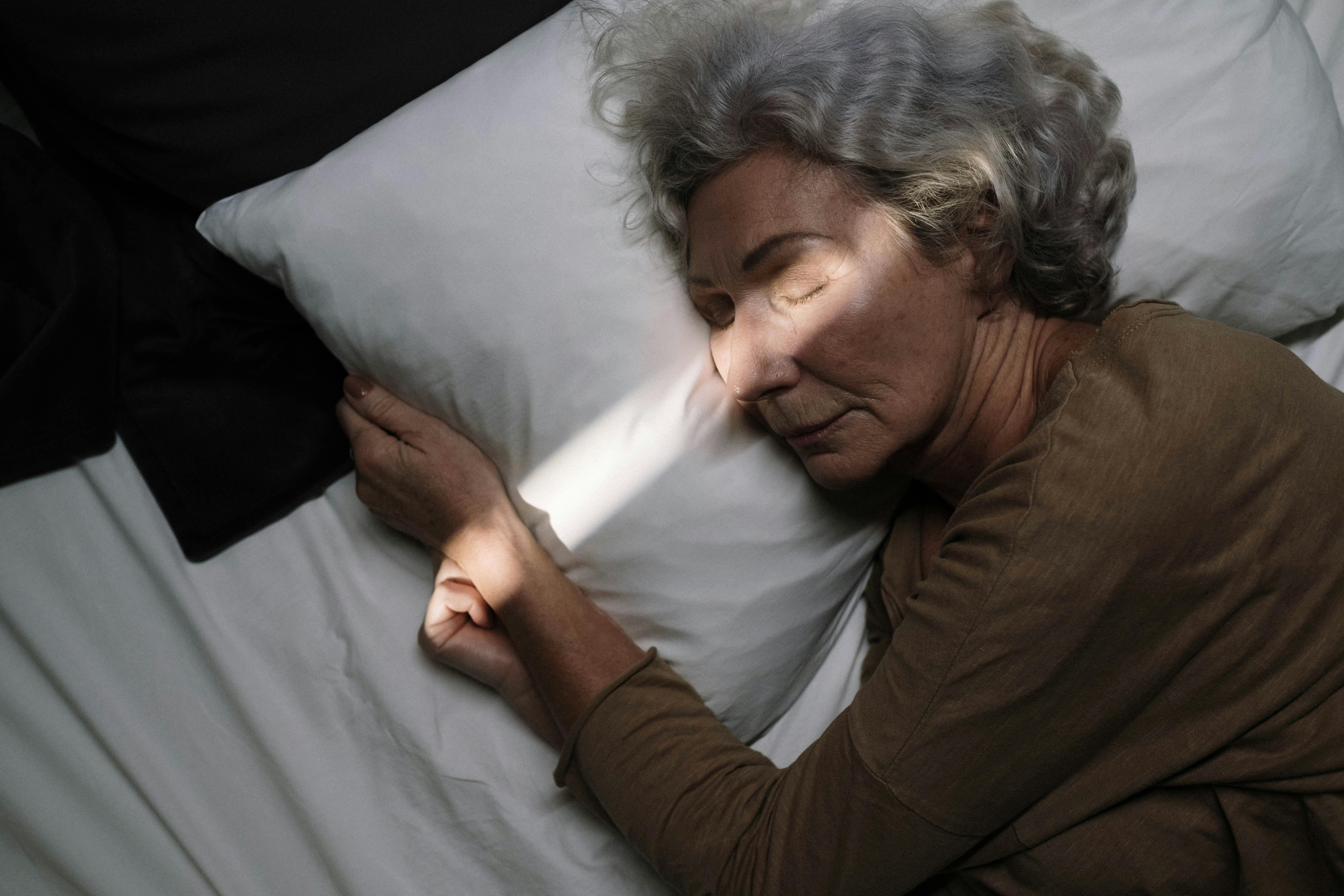

Fatigue and drowsiness are among the most frequently reported side effects when starting Zoloft (sertraline), a selective serotonin reuptake inhibitor (SSRI) prescribed for depression, anxiety, obsessive-compulsive disorder (OCD), post-traumatic stress disorder (PTSD), and other conditions.
If you’ve just started Zoloft and you’re feeling more tired than usual, you’re definitely not the only one. Many people notice this in the beginning. Your body and brain are adjusting to the medication, and that adjustment period can sometimes come with extra fatigue.
Understanding why Zoloft can cause tiredness, how long it typically lasts, and what you can do about it can help you stay on track with your treatment.
Key Takeaways
Drowsiness and fatigue affect roughly 10–16% of people taking Zoloft, making them among the most common side effects. These effects are typically most noticeable during the first few weeks of treatment.
Zoloft-related tiredness usually improves as your body adjusts to the medication, often within two to four weeks.
Consult your psychiatrist if fatigue significantly impacts your daily life. Dose adjustments, timing changes, or exploring alternative medications are all options your provider can discuss with you.
Why Does Zoloft Cause Tiredness?
Zoloft works by increasing serotonin levels in the brain. While this boost in serotonin is the mechanism that helps improve mood and reduce anxiety, serotonin also plays a role in sleep regulation. Increased serotonin can influence melatonin production, the hormone that helps regulate your sleep-wake cycle, which may contribute to feelings of drowsiness.
Somnolence, fatigue, and dizziness are consistently reported among sertraline’s most frequent adverse effects. Research also shows that sertraline can reduce REM sleep, an important sleep stage associated with dreaming and memory processing, which may contribute to feelings of daytime fatigue.
How Common Is Zoloft-Related Fatigue?
In clinical studies, drowsiness or somnolence was reported in roughly 11% of sertraline-treated patients, while fatigue was reported by about 12%. A large study looked at sleep-related side effects from 21 antidepressants and found that sertraline caused sleepiness about 2.25 times more often than placebo.
For context, some antidepressants like mirtazapine and fluvoxamine carry substantially higher sedation risks, while others like fluoxetine are slightly less sedating than sertraline.
Fatigue vs. Insomnia: Zoloft Can Go Either Way
Interestingly, Zoloft can cause opposite sleep effects in different people. While some people experience drowsiness, others develop insomnia. This bidirectional effect is a common feature of SSRIs and depends on individual brain chemistry, dose, and timing of the medication.
Research suggests that sertraline is generally neither strongly stimulating nor strongly sedating at standard doses, but perceived sedation may increase at doses of 100 mg or more.
How Long Does Zoloft Fatigue Last?
For most people, Zoloft-related tiredness is temporary and follows a predictable timeline:
Week 1: Fatigue and drowsiness are typically most noticeable when you first start the medication or increase your dose.
Weeks 2–3: Side effects often begin to diminish as your body adjusts to the new serotonin levels.
Week 4 and beyond: Most people find that fatigue has resolved or stabilized. If it persists, this is a good time to discuss options with your psychiatrist.
It’s also worth noting that fatigue can be a symptom of depression itself. As Zoloft begins to treat the underlying condition, some people find their energy actually improves over time.
Zoloft Dosing
Major depressive disorder: 50 mg per day starting dose, 200 mg per day maximum dose
OCD: Starting dose of 25 mg per day (6-12 years), 50 mg per day (13 years and above), 200 mg per day maximum dose
Panic disorder (PD), post-traumatic stress disorder (PTSD), social anxiety disorder (SAD): 25 mg per day starting dose, 200 mg per day maximum dose
Premenstrual dysphoric disorder (PMDD) continuous dosing: 50 mg per day starting dose, 150 mg per day maximum dose
PMDD intermittent dosing: 50 mg per day starting dose during the luteal phase only, 100 mg per day maximum dose during the luteal phase only
Tips for Managing Tiredness on Zoloft
If drowsiness is interfering with your day, here are some evidence-based strategies:
Adjust timing: If Zoloft makes you drowsy during the day, taking it in the evening may help. Conversely, if it causes insomnia, morning dosing is often better. Always consult your provider before making changes.
Start low and go slow: Many providers begin sertraline at a lower dose and gradually increase it, which can help reduce initial side effects, including fatigue.
Prioritize sleep hygiene: Maintain a consistent sleep schedule, keep your bedroom dark and cool, and avoid screens before bed.
Stay physically active: Regular exercise can counteract medication-related fatigue and has additional benefits for mood and anxiety.
Limit alcohol and sedatives: Combining Zoloft with alcohol or other sedating substances can significantly worsen drowsiness.
Is It Zoloft Fatigue or Depression Fatigue?
One of the trickiest aspects of Zoloft-related tiredness is distinguishing it from the fatigue that comes with depression itself. Fatigue is one of the most common symptoms of major depressive disorder, and many people starting Zoloft are already experiencing low energy before they take their first dose.
A helpful way to tell the difference: if tiredness is new or noticeably worse since starting Zoloft (or increasing your dose), it’s more likely medication-related. If fatigue has been a persistent part of your experience for weeks or months before starting treatment, it may be a symptom of the underlying condition that will improve as the medication takes effect.
Many people feel a bit drowsy during the first week or two of taking Zoloft, but as the medication starts helping with depression or anxiety, their energy levels often improve.
Zoloft Management with Blossom Health
Managing medications like Zoloft works best with the right guidance and regular follow-up. At Blossom Health, board-certified psychiatrists help patients start and manage Zoloft safely by choosing the right dose, monitoring side effects, and adjusting treatment as needed.
Blossom Health offers convenient virtual psychiatric care to help you manage your mental health with expert support. Our board-certified psychiatric providers can assess your symptoms, provide a clear diagnosis, develop a personalized treatment plan, and prescribe medication when appropriate.
Getting started is simple. Visit Blossom Health to confirm that services are available in your state and that your insurance is accepted. From there, you can book your first appointment at a time that works for you; most patients can see a provider within 48 hours. All visits take place through secure video calls, so you can receive professional care from the comfort of home.
When to Talk to Your Doctor
While mild fatigue in the first few weeks is common and usually resolves, you should contact your healthcare provider if:
Tiredness persists beyond four to six weeks and significantly impacts your daily functioning
You experience excessive sleepiness that makes it unsafe to drive or operate machinery
Fatigue is accompanied by other concerning symptoms such as confusion, severe dizziness, or worsening mood
You’re considering stopping or changing your medication
Your provider may recommend adjusting your dose, changing the timing of your medication, or switching to an alternative antidepressant that may be better tolerated.
Medical Disclaimer
This article is for informational purposes only and is not a substitute for professional medical advice, diagnosis, or treatment. Always seek the advice of your physician or other qualified healthcare provider with any questions you may have regarding a medical condition. If you are experiencing a mental health crisis, contact the 988 Suicide and Crisis Lifeline by calling or texting 988.
Sources
Sertraline. StatPearls, NCBI Bookshelf. 2023. ncbi.nlm.nih.gov
Zhou S, et al. 2023. Adverse effects of 21 antidepressants on sleep during acute-phase treatment in major depressive disorder: a systematic review and dose-effect network meta-analysis. Sleep. https://pmc.ncbi.nlm.nih.gov/articles/PMC10566234/
Warrington SJ. 1991. Clinical implications of the pharmacology of sertraline. Int Clin Psychopharmacol.https://pubmed.ncbi.nlm.nih.gov/1806626/
Lewis G, et al. 2019. The clinical effectiveness of sertraline in primary care and the role of depression severity and duration (PANDA): a pragmatic, double-blind, placebo-controlled randomised trial. Lancet Psychiatry. https://pubmed.ncbi.nlm.nih.gov/31543474/
FDA. Zoloft (sertraline) Prescribing Information. https://www.accessdata.fda.gov/drugsatfda_docs/label/2016/019839s74s86s87_20990s35s44s45lbl.pdf
National Institute of Mental Health (NIMH). Mental Health Medications. https://www.nimh.nih.gov/health/topics/mental-health-medications
Cleveland Clinic. Sertraline Tablets. https://my.clevelandclinic.org/health/drugs/20089-sertraline-tablets
Cipriani A, et al. 2018. Comparative efficacy and acceptability of 21 antidepressant drugs for the acute treatment of adults with major depressive disorder: a systematic review and meta analysis. Lancet. https://pubmed.ncbi.nlm.nih.gov/29477251/