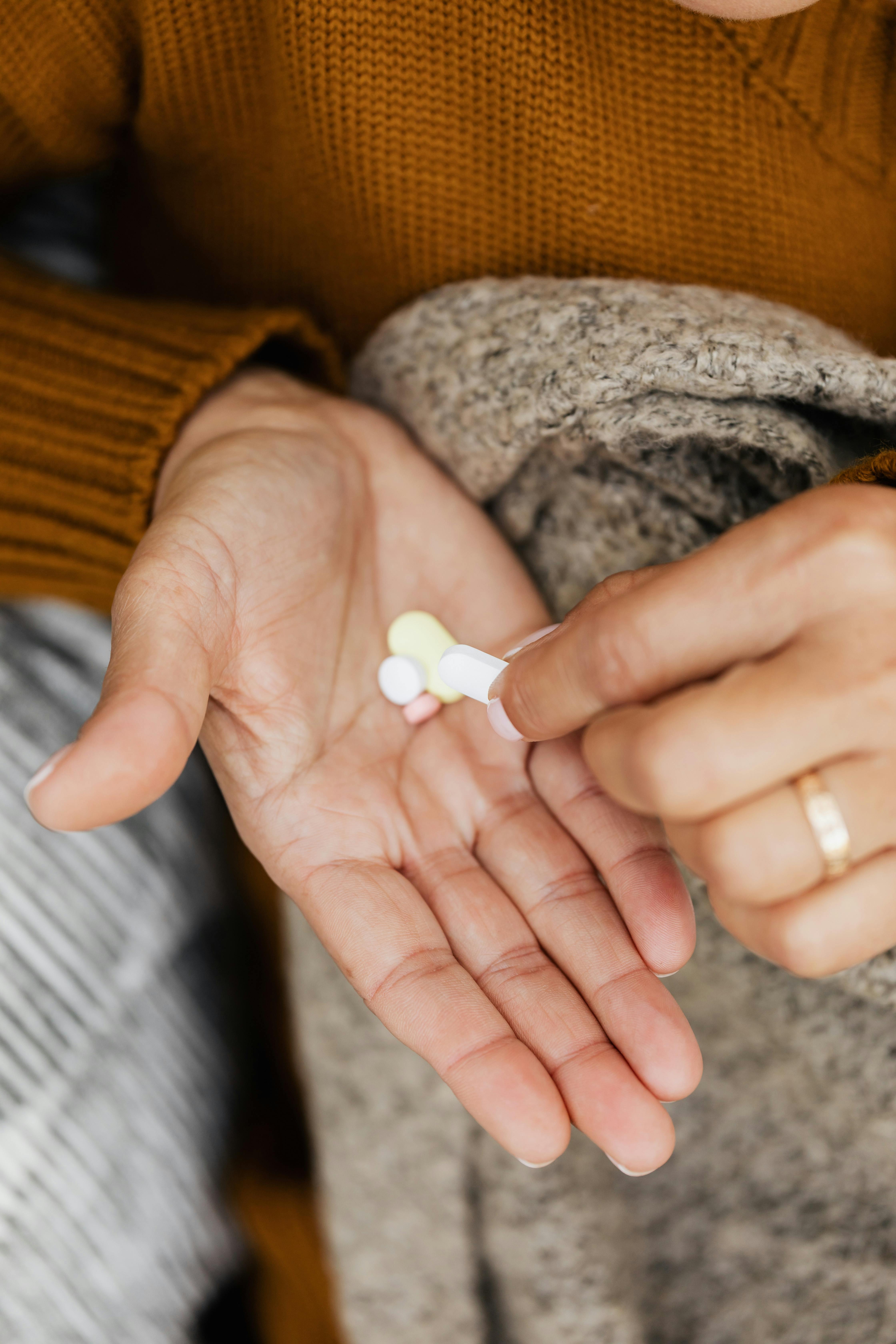

Melatonin is one of the most widely used sleep supplements in the U.S., and many people who take antidepressants consider using it to improve sleep. If you're wondering whether it's safe to combine melatonin with your medication, it’s a valid and important question.
In many cases, melatonin is generally considered low-risk when used with antidepressants. However, certain combinations can meaningfully change how melatonin is processed in the body or increase side effects like sedation.
This guide breaks down how melatonin interacts with different antidepressants, which combinations require caution, how dosing affects safety, and when it’s important to talk to your healthcare provider.
Key Takeaways
Fluvoxamine (Luvox) has the most significant interaction - it can dramatically increase melatonin levels in the body, even at low doses.
Most other antidepressants (SSRIs, SNRIs, bupropion) have low-to-moderate interaction risk, though combining them with melatonin may increase drowsiness.
Low doses of melatonin (0.5 - 1mg) are often effective and may reduce the risk of side effects compared to higher over-the counter doses.
What Is Melatonin?
Melatonin is a hormone produced naturally by the pineal gland that helps regulate your sleep-wake cycle. Its level rises in the evening as it gets dark and falls in the morning with daylight.
Melatonin supplements are available over the counter in the U.S., commonly in doses ranging from 0.5 mg to 10 mg. However, research suggests that lower doses are often sufficient, and higher doses do not necessarily improve sleep further.
Sleep problems are common in people living with depression and anxiety. Because of this overlap, many people on antidepressants also consider melatonin — so understanding how the two interact matters.
How the Interaction Works: The CYP1A2 Enzyme
The key to understanding many melatonin-antidepressant interactions is a liver enzyme called CYP1A2. This enzyme helps the body break down and clear melatonin.
If a medication inhibits CYP1A2, melatonin is cleared more slowly
This can lead to higher-than-expected melatonin levels in the bloodstream
This result may include increased sedation, grogginess, or next-day fatigue
Different antidepressants have very different effects on CYP1A2, which explains why interaction risk also varies.
Interaction by Antidepressant Type
Antidepressant | Examples | CYP1A2 Effect | Melatonin Interaction Risk |
Fluvoxamine (SSRI) | Luvox | Strong inhibitor | High — avoid or use only with medical guidance |
Fluoxetine (SSRI) | Prozac | Mild inhibitor | Low-moderate — |
Sertraline (SSRI) | Zoloft | Minimal | Low |
Escitalopram (SSRI) | Lexapro | Minimal | Low |
Paroxetine (SSRI) | Paxil | Inhibits CYP2D6 primarily | Low (for melatonin) |
Venlafaxine / Duloxetine (SNRIs) | Effexor, Cymbalta | Minimal | Low |
Bupropion | Wellbutrin | Minimal | Low |
Mirtazapine | Remeron | Minimal — but sedating | Moderate (sedation) |
MAOIs | Nardil, Parnate | Variable | Uncertain — consult provider |
Tricyclics (TCAs) | Amitriptyline, Nortriptyline | Mild | Low-moderate |
Fluvoxamine (Luvox): The Most Important Interaction
Fluvoxamine stands out as the most clinically significant interaction.
A study in Clinical Pharmacology & Therapeutics found that fluvoxamine can increase melatonin levels by more than 17-fold. This means that even small doses of melatonin may lead to excessive sedation or prolonged grogginess.
If you are taking fluvoxamine, your healthcare provider may recommend avoiding melatonin supplements or using only very low doses under supervision.
Mirtazapine: Additive Sedation
Mirtazapine is already a sedating antidepressant. Combining mirtazapine with melatonin may lead to additive effects.
Some people may notice:
Increased drowsiness
Morning grogginess
Daytime fatigue
While this combination is not typically dangerous for many people, discussing it with your provider can help determine whether dose adjustments or timing changes are needed.
MAOIs: Use Extra Caution
Monoamine oxidase inhibitors (MAOIs) affect multiple neurotransmitters and are known for complex drug interactions.
Although the date on their interaction with melatonin is limited, providers often recommend caution with supplements in general when taking MAOIs.It’s best to consult your health care provider before combining them with melatonin.
Does Melatonin Affect How Antidepressants Work?
Current evidence does not suggest that melatonin reduces the effectiveness of common antidepressants such as SSRIs or SNRIs.
In fact, some research suggests that improving sleep may support overall depression treatment outcomes. Sleep and mood are closely connected, and better sleep can help improve emotional regulation and daily functioning..
A study assessing the role of melatonin in mood disorders highlighted the relationship between circadian rhythm disruption, melatonin dysregulation, and depressive illness. Therefore, improving sleep quality may help support better outcomes from antidepressant treatment.
How Much Melatonin Is Safe?
For most adults, lower doses are often effective and better tolerated. On the other hand, higher doses may increase the risk of daytime grogginess, vivid dreams, and potential drug interactions.
Here’s a chart to understand safe melatonin dosing.
Situation | Suggested Starting Dose | Notes |
Insomnia / difficulty falling asleep | 0.5–1 mg, 30–60 min before bed | Lower end of the range is often effective |
Jet lag | 0.5–5 mg at destination bedtime | Typically used for only a few days |
Taking fluvoxamine | Avoid / use only under provider guidance | High interaction risk |
Taking sedating antidepressants (e.g., mirtazapine) | 0.5 mg or less; discuss with provider | Monitor sedation |
All other SSRIs/SNRIs | 0.5–3 mg | Start low and adjust carefully |
Alternatives for Sleep While on Antidepressants
Melatonin is just one of the options to improve sleep while on antidepressants. Other evidence-based approaches include:
Cognitive-behavioral therapy for insomnia (CBT-I): Recommended by the American Academy of Sleep Medicine as the first-line treatment for chronic insomnia.
Sleep hygiene strategies: Consistent sleep and wake times, limiting caffeine after noon, reducing evening screen time, and keeping the sleep environment cool and dark.
Trazodone at low doses: An antidepressant sometimes prescribed off-label for sleep, often at 25–100 mg before bed. Frequently combined with other antidepressants for sleep support.
Prescription sleep medications: Suvorexant (Belsomra), low-dose doxepin (Silenor), and ramelteon (Rozerem) are FDA-approved options that your provider may consider.
When to Talk to Your Provider
Consider reaching out to your healthcare provider if:
You are taking fluvoxamine or any medication that affects liver enzymes
You are using melatonin regularly (nightly) rather than occasionally
You're taking doses above 3 mg
You notice excessive morning grogginess, vivid dreams, or difficulty functioning the next day
You are pregnant, breastfeeding, or taking multiple medications
Your sleep problems have not improved after a few weeks of taking melatonin
Sleep challenges can feel frustrating, especially when you’re already managing your mental health. At Blossom Health, our providers can help you find a safe, effective approach to sleep that fits your treatment plan. Book your appointment now to get started.
Medical Disclaimer
This article is for educational purposes only and does not constitute medical advice. The information provided should not replace consultation with a qualified healthcare provider. Individual responses to medications can vary significantly, and what applies to one person may not be the same for another.
Always consult with your doctor or pharmacist before making any decisions about medication changes, discontinuation, or interactions with other substances. If you’re experiencing concerning symptoms or side effects, please seek professional help from a healthcare provider.
In case of a medical emergency, contact your local emergency services immediately or call 911. For mental health emergencies, contact the National Suicide Prevention Lifeline at 988.
Sources
NCBI. (February 09, 2024). Melatonin (StatPearls). https://www.ncbi.nlm.nih.gov/books/NBK534823/
Savage RA, Zafar N, Yohannan S, et al. Melatonin. [Updated 2024 Feb 9]. In: StatPearls [Internet]. Treasure Island (FL): StatPearls Publishing; 2026 Jan-. Available from: https://www.ncbi.nlm.nih.gov/books/NBK534823/
Härtter, S., Grözinger, M., Weigmann, H., Röschke, J., & Hiemke, C. (2000). Increased bioavailability of oral melatonin after fluvoxamine coadministration. Clinical pharmacology and therapeutics, 67(1), 1–6. https://doi.org/10.1067/mcp.2000.104071
Lall, V., Bucks, R. S., McEvoy, P. M., Campbell, B. N., Smith, L., & Ree, M. J. (2025). The link between improvement in sleep and depressed mood: Exploring the role of repetitive negative thinking and behavioural activation. Journal of Affective Disorders, 120046.
De Berardis, D., Orsolini, L., Serroni, N., Girinelli, G., Iasevoli, F., Tomasetti, C., ... & Di Giannantonio, M. (2015). The role of melatonin in mood disorders. ChronoPhysiology and Therapy, 65-75. https://www.tandfonline.com/doi/full/10.2147/CPT.S41761
Sateia, M. J., Buysse, D. J., Krystal, A. D., Neubauer, D. N., & Heald, J. L. (2017). Clinical Practice Guideline for the Pharmacologic Treatment of Chronic Insomnia in Adults: An American Academy of Sleep Medicine Clinical Practice Guideline. Journal of clinical sleep medicine : JCSM : official publication of the American Academy of Sleep Medicine, 13(2), 307–349. https://doi.org/10.5664/jcsm.6470
NIMH. (2024) Depression and Sleep. https://www.nimh.nih.gov/health/publications/depression
Mayo Clinic. (August 13, 2025). Melatonin. https://www.mayoclinic.org/drugs-supplements-melatonin/art-20363071