
When most people picture ADHD, they imagine a child who feels restless and is hyperactive most of the time. But this involves two assumptions that needn’t be true for all people with ADHD: that this condition only presents itself in children, and all ADHD diagnoses must involve hyperactivity.
The fact is that adults can also be diagnosed with ADHD, and this condition has a quieter form — one that often goes unnoticed for years. Inattentive ADHD, formerly called ADD, is characterized by persistent difficulty focusing, following through on tasks, and staying organized, without the hyperactivity that typically draws attention.
According to the 2022 National Survey of Children’s Health, 11.4% (7.1 million) of children in the U.S. had ever been diagnosed with ADHD, while another 2020 study estimated that around 6.8% of adults globally had adult ADHD. Among adults, the inattentive presentation is common and may be more likely to go unrecognized, especially in women and girls. Understanding the specific symptoms of inattentive ADHD is the first step toward getting the right support.
Key Takeaways
Inattentive ADHD is defined by difficulty sustaining attention, following through on tasks, remembering things, and staying organized, not hyperactivity or impulsivity. It is frequently missed or misdiagnosed, especially in adults and women. This ADHD subtype may be as prevalent as the combined one (hyperactive-impulsive + inattentive), with a larger proportion of females affected.
Symptoms must be persistent, present in multiple settings (home, work, school), and cause meaningful impairment to meet the diagnostic criteria for ADHD.
Effective treatments include stimulant and non-stimulant medications, behavioral therapy, and psychoeducation, all of which can be accessed through telehealth psychiatry.
What is Inattentive ADHD?
ADHD is a neurodevelopmental disorder that is associated with differences in attention regulation, impulse control, and executive function. The Diagnostic and Statistical Manual of Mental Disorders (DSM-5) identifies three presentations: predominantly inattentive, predominantly hyperactive-impulsive, and combined.
People with the inattentive presentation experience significant trouble with focus and follow-through, but may not display the overt hyperactive behaviors — the fidgeting, interrupting, and restlessness — that are more commonly associated with ADHD.
Instead, their difficulty staying focused results in tasks that are left incomplete, forgetting things, not being able to pay attention to details or stay organized, or getting distracted easily. While many people may experience forgetfulness or get distracted from time to time, people with ADHD face significant impairment that interferes with daily work, studies, and relationships.
Because inattentive symptoms are internal and often invisible to others, this ADHD subtype may be more difficult to recognize. Children with inattentive ADHD may be misunderstood as spacey, unmotivated, or daydreamers. Adults may be mistaken as being unmotivated or disorganized. Such characterizations can have lasting effects on self-esteem and delay appropriate diagnosis by years or even decades.
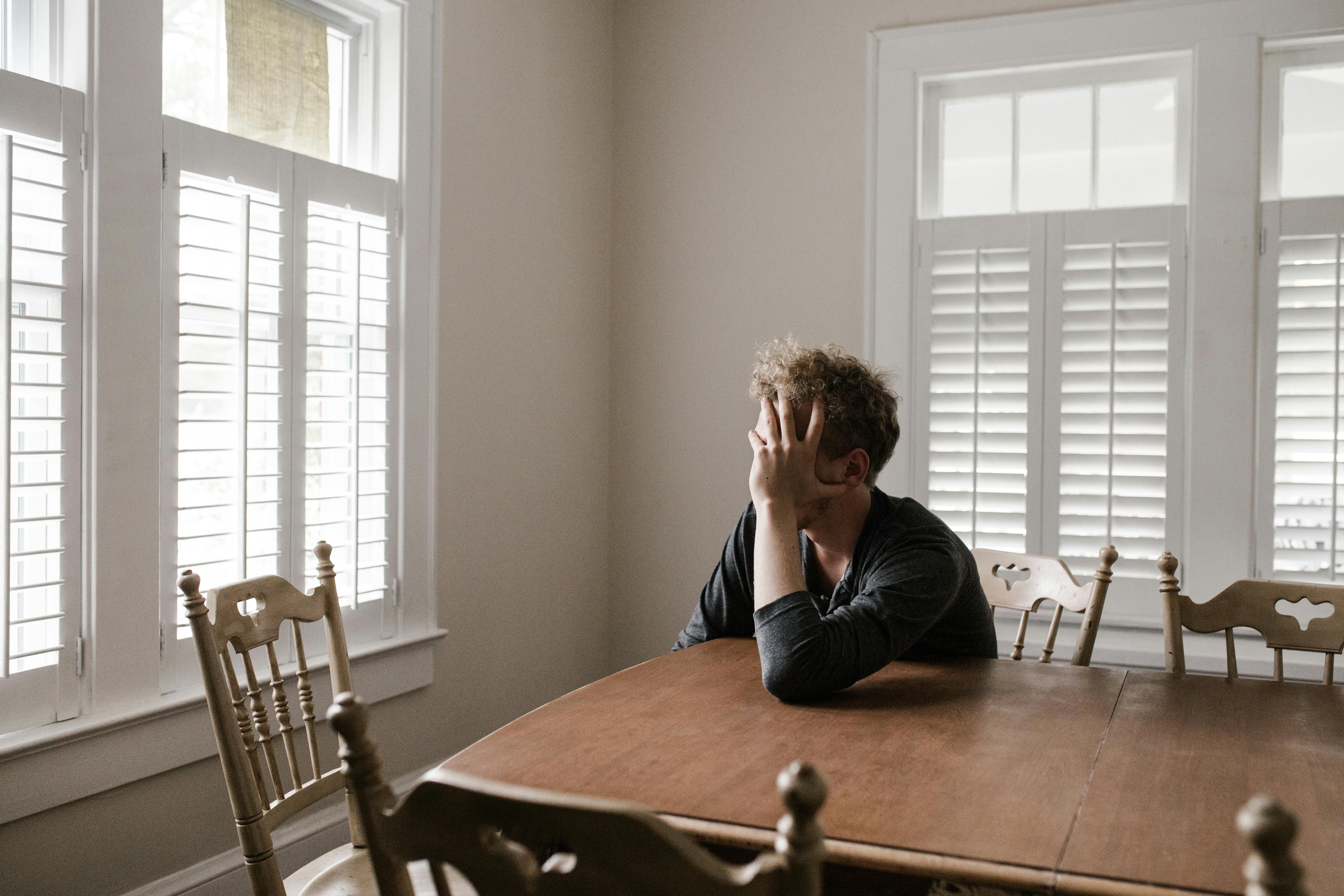
Moreover, the challenges faced by people with inattentive ADHD can impact their mental health, resulting in depression or anxiety. In fact, ADHD and depression frequently co-occur, with the likelihood of being diagnosed with major depressive disorder (MDD) increasing threefold in people with ADHD.
Core Symptoms of Inattentive ADHD
According to DSM-5 criteria, a diagnosis of inattentive ADHD requires at least six of nine specific symptoms (five for adults and older adolescents) that have been present for at least six months, appear in at least two settings (school, work, home, etc.), and cause meaningful difficulty in daily life. Several of these symptoms must have appeared before the age of 12.
These symptoms are not simply occasional forgetfulness or distraction; they represent a consistent pattern that interferes with functioning.
The Nine Inattentive Symptoms
The DSM-5 defines inattentive ADHD by the following criteria. People with this presentation often experience several of these to a significant degree:
Failing to give close attention to details or making careless mistakes in schoolwork or at work
Difficulty sustaining attention in tasks or activities — conversations, lectures, or lengthy reading
Appearing not to listen when spoken to directly, even without visible distraction
Failing to follow through on instructions and not completing tasks (not due to opposition or lack of understanding)
Difficulty organizing tasks and activities — managing time, meeting deadlines, or keeping materials in order
Avoiding or strongly disliking tasks that require sustained mental effort, like completing forms or lengthy reports
Frequently losing items needed for tasks — keys, phones, glasses, paperwork
Being easily distracted by unrelated thoughts or external stimuli
Forgetfulness in daily activities — missing appointments, forgetting to return calls, losing track of chores
How Symptoms Show Up in Daily Life
In practice, inattentive ADHD can look like a person who starts projects enthusiastically but is unable to see it through to completion, who loses track of long conversations, or who spends an hour working without making the progress they intended. Adults may find themselves reading the same paragraph repeatedly without it registering, or agreeing to tasks in a meeting and immediately forgetting the details.
The impact extends beyond productivity. Relationships suffer when someone appears not to listen or consistently forgets important dates. Finances can be strained by missed bills and disorganized paperwork. Many adults with undiagnosed inattentive ADHD carry significant shame around these patterns, mistaking a neurological difference for a personal failing.
Inattentive ADHD in Adults vs. Children
ADHD was once thought of as a childhood condition that children outgrow. Research has shown that one-half to two-thirds of children with ADHD will experience symptoms well into adulthood, and symptoms often look different as people age.
In Children
Children with inattentive ADHD may struggle to complete classwork, frequently lose homework or miss deadlines, appear to daydream during lessons, and need repeated reminders to finish simple tasks.
Teachers may describe them as bright but underperforming, or as children who need motivation. Those who do well academically would have to work harder to stay on top of their studies and projects. Because these children are not disruptive, they are often overlooked for evaluation.
In Adults
Adults tend to have developed compensatory strategies that mask some symptoms — calendar apps, reminders, and structured routines can help. But the underlying difficulty with sustained attention, time management, and organization persists. Adults with inattentive ADHD often describe a persistent gap between their intentions and their actual output, along with a pattern of starting more tasks than they finish.
An 2023 article published in the Journal of Health Service Psychology found that adult ADHD is significantly underdiagnosed across all presentations, with many adults receiving a first diagnosis much later in life, often after a child in the family is diagnosed and the parent recognizes themselves in the description.
Some adults with ADHD may have had some hyperactivity/impulsivity symptoms during childhood that waned with age, while the inattentive symptoms remained. The ADHD would remain undetected until they sought help for depression or anxiety that developed as a secondary condition to ADHD-related struggles or face external disruptions that render their compensatory mechanisms ineffective.
Why Inattentive ADHD is So Often Missed
Several factors contribute to the underdiagnosis of inattentive ADHD, particularly in certain populations.
Gender bias in research: Early ADHD research focused heavily on hyperactive boys. Girls and women with inattentive ADHD were frequently overlooked.
Internalized presentation: Because inattentive symptoms are cognitive rather than behavioral, they are less visible to teachers, parents, and employers.
Misdiagnosis: Symptoms of inattentive ADHD overlap with anxiety and depression, both of which can also impair concentration. Many people are treated for these conditions first, without the ADHD being identified.
Compensation strategies: High-achieving individuals may manage well enough in structured environments until demands exceed their capacity, often in college or in their first demanding job.
Inattentive ADHD and Co-occurring Conditions
It is common for inattentive ADHD to occur alongside other mental health conditions. Research suggests that as many as 80% of adults with ADHD have at least one co-occurring psychiatric condition. The most common include:
Anxiety disorders — difficulty with attention and organization can cause chronic anxiety about falling behind or making mistakes
Depression — especially in adults who have spent years feeling inadequate or underperforming
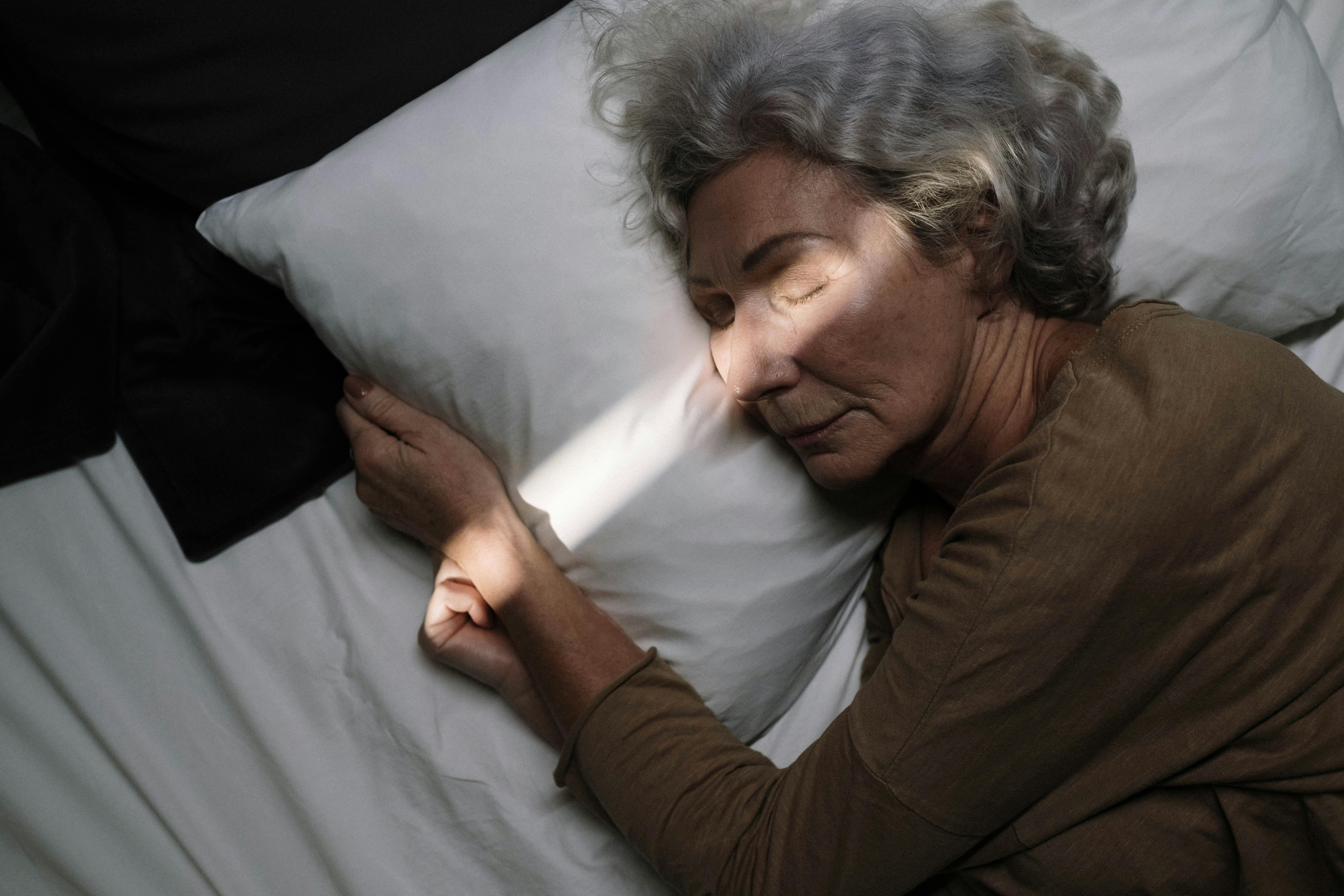
Sleep disorders — many people with ADHD have difficulty falling asleep or maintaining restful sleep
Learning disabilities — dyslexia and other learning differences frequently co-occur with ADHD
Substance use disorder — may develop as a coping mechanism to manage ADHD symptoms, due to impulsivity, or because of shared biological pathways (dopamine dysfunction)
Co-occurring conditions can complicate diagnosis and treatment, which is why a thorough psychiatric evaluation, one that looks at the full picture, is essential.
How Inattentive ADHD is Diagnosed
Unfortunately, there is no single blood test or brain scan that diagnoses ADHD. A diagnosis is made clinically, based on a detailed history of symptoms, their duration, and their impact. A board-certified psychiatrist will review your current symptoms, childhood history, and functioning across multiple areas of life. They may also use standardized rating scales, such as the Vanderbilt Assessment or the Adult ADHD Self-Report Scale, and rule out other conditions that could explain the symptoms.
An accurate diagnosis is important because it determines the treatment approach. ADHD medications work differently from antidepressants or anti-anxiety medications, so treating anxiety or depression without addressing underlying ADHD, or vice versa, often produces incomplete results.
Treatment Options for Inattentive ADHD
Effective treatments for inattentive ADHD are well-established. Most people benefit from a combination of medication and behavioral strategies.
Stimulant Medications
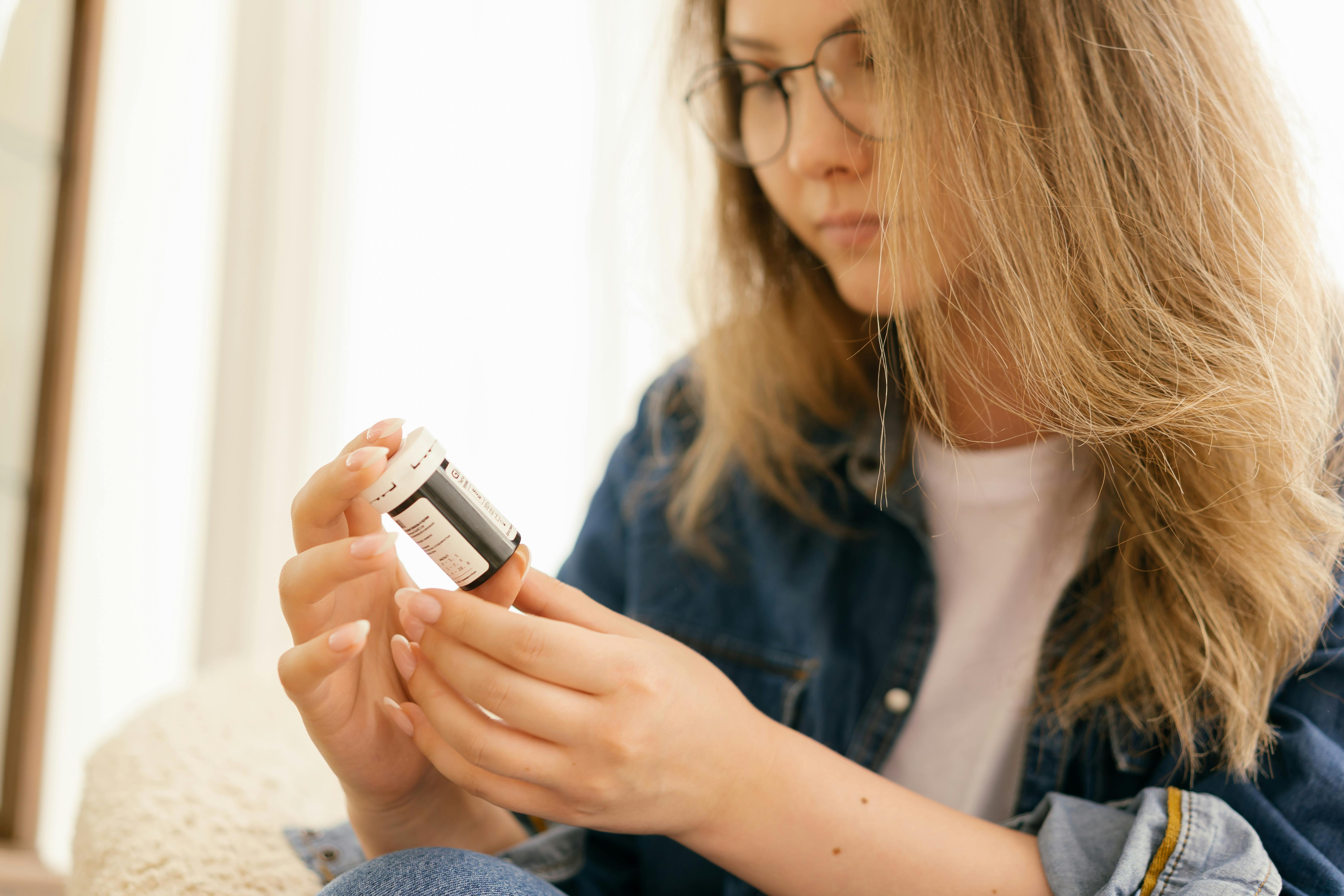
Stimulant medications, including amphetamine salts (Adderall, Vyvanse) and methylphenidate (Ritalin, Concerta), are the most commonly prescribed and best-studied treatments for ADHD. According to the CDC, these medications are effective in approximately 70–80% of children with ADHD. They work by increasing dopamine and norepinephrine activity in the brain, which improves attention, focus, and impulse control.
Non-Stimulant Medications
For people who do not respond well to stimulants or who have conditions that make stimulants inadvisable, non-stimulant options include atomoxetine (Strattera), guanfacine (Intuniv), and bupropion (Wellbutrin). These medications typically take longer to produce effects but can be highly effective, particularly in adults with co-occurring anxiety.
Behavioral Therapy and Coaching
Cognitive-behavioral therapy (CBT) adapted for ADHD can help people develop organizational systems, manage time more effectively, and address the negative self-talk that often accompanies years of underperformance. A 2026 meta-analysis published in the Journal of Affective Disorders found that CBT was associated with improvements in adult ADHD symptoms and functioning when used alongside medication.
When to Seek Help
You may benefit from an ADHD evaluation if you consistently struggle with:
Starting or finishing tasks, even ones you want to complete
Keeping track of time, appointments, or responsibilities
Maintaining focus during conversations, meetings, or reading
Chronic disorganization that affects your work, relationships, or finances
A persistent sense of underperforming relative to your ability or effort
These challenges are not character flaws. ADHD symptoms can often improve with appropriate treatment and support, and an accurate diagnosis is the first step toward this.
Blossom Health connects people with licensed psychiatric providers through convenient telehealth appointments, helping individuals with inattentive ADHD access personalized evaluation, treatment options, and ongoing support from home.
Medical Disclaimer
This article is for informational purposes only and is not a substitute for professional medical advice, diagnosis, or treatment. Always seek the advice of your physician or other qualified healthcare provider with any questions you may have regarding a medical condition. If you are experiencing a mental health crisis, contact the 988 Suicide and Crisis Lifeline by calling or texting 988.
Sources
American Psychiatric Association. (n.d.). What is ADHD? https://www.psychiatry.org/patients-families/adhd/what-is-adhd
National Institute of Mental Health. (2024, December). Attention-deficit/hyperactivity disorder (ADHD). https://www.nimh.nih.gov/health/topics/attention-deficit-hyperactivity-disorder-adhd .
S. M., Newsome, K., Blumberg, S. J., Kogan, M. D., & Ghandour, R. (2024). ADHD Prevalence Among U.S. Children and Adolescents in 2022: Diagnosis, Severity, Co-Occurring Disorders, and Treatment. Journal of clinical child and adolescent psychology : the official journal for the Society of Clinical Child and Adolescent Psychology, American Psychological Association, Division 53, 53(3), 343–360. https://pubmed.ncbi.nlm.nih.gov/38778436/
Song, P., Zha, M., Yang, Q., Zhang, Y., Li, X., Rudan, I., & Global Health Epidemiology Reference Group (GHERG) (2021). The prevalence of adult attention-deficit hyperactivity disorder: A global systematic review and meta-analysis. Journal of global health, 11, 04009. https://pubmed.ncbi.nlm.nih.gov/33692893/
Magnus W, Anilkumar AC, Shaban K. Attention Deficit Hyperactivity Disorder. [Updated 2023 Aug 8]. In: StatPearls [Internet]. Treasure Island (FL): StatPearls Publishing; 2026 Jan-. Available from: https://www.ncbi.nlm.nih.gov/books/NBK441838/
Substance Abuse and Mental Health Services Administration. DSM-5 Changes: Implications for Child Serious Emotional Disturbance [Internet]. Rockville (MD): Substance Abuse and Mental Health Services Administration (US); 2016 Jun. 3, DSM-5 Child Mental Disorder Classification. Available from: https://www.ncbi.nlm.nih.gov/books/NBK519712/
Faraone, S. V., & Larsson, H. (2019). Genetics of attention deficit hyperactivity disorder. Molecular psychiatry, 24(4), 562–575. https://pmc.ncbi.nlm.nih.gov/articles/PMC6477889
Rivas-Vazquez, R. A., Diaz, S. G., Visser, M. M., & Rivas-Vazquez, A. A. (2023). Adult ADHD: Underdiagnosis of a Treatable Condition. Journal of health service psychology, 49(1), 11–19. https://pmc.ncbi.nlm.nih.gov/articles/PMC9884156/
Choi, W. S., Woo, Y. S., Wang, S. M., Lim, H. K., & Bahk, W. M. (2022). The prevalence of psychiatric comorbidities in adult ADHD compared with non-ADHD populations: A systematic literature review. PloS one, 17(11), e0277175.
Centers for Disease Control and Prevention. (2024, May 16). Treatment of ADHD. https://www.cdc.gov/adhd/treatment/index.html
Liu, Y., Zhu, F., Yu, Y., Song, Y., et al. (2026). A meta-analysis of the intervention effect of cognitive behavioral therapy on adult ADHD. Journal of affective disorders, 399, 121107. https://pubmed.ncbi.nlm.nih.gov/41483880/
Cleveland Clinic. (2025, March 12). Attention-deficit/hyperactivity disorder (ADHD). https://my.clevelandclinic.org/health/diseases/4784-attention-deficithyperactivity-disorder-adhd
National Institute of Mental Health. (2024). Attention-deficit/hyperactivity disorder (ADHD): What you need to know (NIH Publication No. 24-MH-8300). U.S. Department of Health and Human Services, National Institutes of Health. https://www.nimh.nih.gov/health/publications/attention-deficit-hyperactivity-disorder-adhd-what-you-need-to-know
Cleveland Clinic. (2024, August 14). Inattentive ADHD: Symptoms, diagnosis & treatment. https://my.clevelandclinic.org/health/diseases/15253-inattentive-adhd
Quinn, P. O., & Madhoo, M. (2014). A review of attention-deficit/hyperactivity disorder in women and girls: uncovering this hidden diagnosis. The primary care companion for CNS disorders, 16(3), PCC.13r01596. https://pmc.ncbi.nlm.nih.gov/articles/PMC4195638/
Solanto M. V. (2000). The predominantly inattentive subtype of attention-deficit/hyperactivity disorder. CNS spectrums, 5(6), 45–51. https://pubmed.ncbi.nlm.nih.gov/18268458/