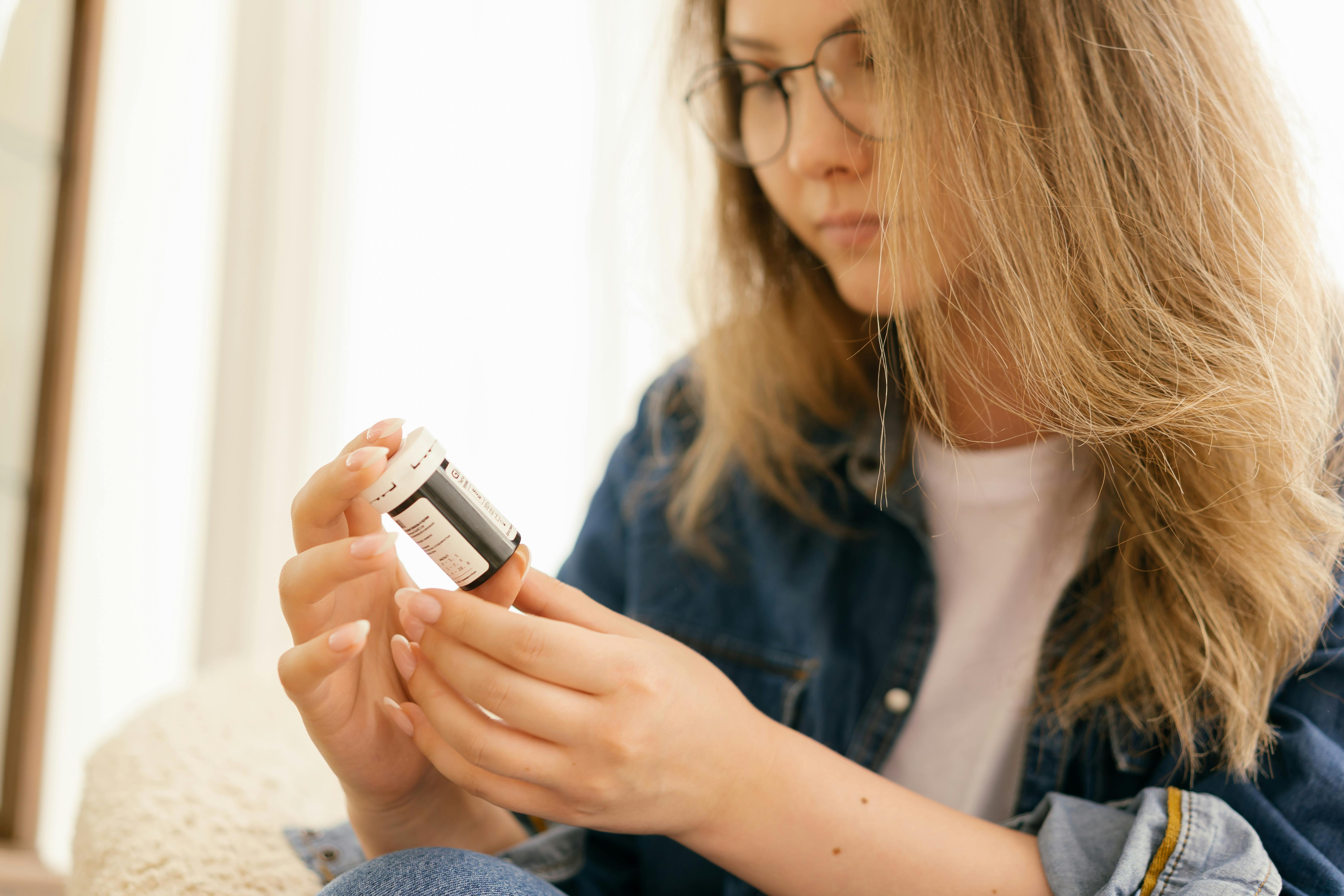

Cymbalta (duloxetine) is commonly prescribed to treat depression, anxiety, fibromyalgia, and chronic pain.Many of these conditions are more commonly diagnosed in women.
While Cymbalta works well for many people, some of its side effects may affect women differently due to hormonal changes, fluctuations, differences in drug metabolism, and underlying reproductive and other health conditions healthhealth considerations, and conditions that are more prevalent in women. ,
Understanding its potential side effects can help you know what to expect. It can also help you recognize what’s normal, and when to talk to your healthcare provider about changes to your treatment plan. This guide reviews what the research shows about common Cymbalta side effects in women.
Key Takeaways
The most common side effects of Cymbalta—nausea, dry mouth, fatigue, constipation, and dizziness—affect both men and women. Most are usually mild and often improve within the first few weeks of treatment as your body adjusts.
Women may experience additional considerations related to menstrual changes, sexual function, bone density with long-term use, and pregnancy or breastfeeding decisions. Open communication with your provider about these concerns is important.
In clinical trials, sexual side effects from Cymbalta were reported less frequently in women than in men. However, real-world experience suggests these effects may be underreported, and it’s important to discuss any changes in sexual function with your provider.
Common Side Effects in All Patients
According to the FDA prescribing information for Cymbalta, the most frequently reported side effects across clinical trials—affecting both men and women—include:
Nausea: One of the most common and early side effects, reported by up to 25% of patients in some trials. It typically improves within the first one to two weeks and can be minimized by taking Cymbalta with food.
Dry mouth: Affects about 13% of patients. Staying hydrated and using sugar-free gum may help relieve dry mouth.
Headache: Typically common during the adjustment period and usually resolves on its own.
Fatigue and drowsiness: Some people may feel tired, especially during the first few weeks. Others may experience alertness or insomnia instead.
Constipation: Reported in about 10% of patients. Increasing fiber and fluid intake may help relieve constipation, though persistent symptoms should be discussed with a healthcare provider.
Decreased appetite: May lead to modest weight loss in the short term.
Dizziness: Most common when standing up quickly from a seated or lying position.
Increased sweating: Including night sweats, which some women may confuse with menopausal symptoms.
These side effects are often most noticeable during the first one to two weeks of treatment and often diminish as your body adjusts. Healthcare providers often start Cymbalta at a lower dose such as30 mg for the first week before increasing to typical therapeutic dose 60 mg. Gradual dose adjustments help minimize the risk of early side effects.
What Are the Most Common Cymbalta Side Effects in Women?
Sexual Side Effects
Sexual dysfunction is a well-documented side effect of many antidepressants, including Serotonin and norepinephrine reuptake inhibitors (SNRIs) like Cymbalta.Researchers conducted clinical trials to assess changes in sexual function linked with the use of such medications. Using the standardized Arizona Sexual Experience Scale (ASEX), they found a notable gender difference. Men taking Cymbalta reported more sexual problems compared to placebo.
While women did not report these problems more often than taking a placebo, the real world reports show different results. Such as
Decreased libido
Difficulty with arousal
Vaginal dryness
Difficulty reaching orgasm.
Researchers believe sexual side effects may be underreported in women in clinical trials. This may be due to differences in how sexual problems can be experienced,discussed differently, and may not always be captured by study surveys.
Some studies also suggest that many women who experience sexual side effects from antidepressantss do not talk about these issues with their providers.
If you experience changes in sexual function that concern you, it’s important to bring them up with your provider. Options include adjusting the dose, changing the timing of your medication, or exploring alternative treatments.
Menstrual Changes
Some women report changes in their menstrual cycle while taking Cymbalta/These changes may include heavier periods, more irregular cycles, or changes in premenstrual symptoms.
Menstrual changes aren’t among the most commonly listed side effects in clinical trials. However, there are plausible explanations such as Cymbalta affects the brain chemicals serotonin and norepinephrine. These chemicals can also influence how blood platelets work, which may affect menstrual bleeding.
If you notice major changes to your cycle, discuss them with your healthcare provider to rule out other causes.
Bone Density and Osteoporosis Risk
Some research suggests that long-term use of serotonin-affecting medications (including SSRIs and SNRIs) may be linked to lower bone density.
This may be particularly important for women who are postmenopausal or approaching menopause. These groups are already at higher risk for osteoporosis.
Researchers are still studying whether duloxetine specifically affects bone density. So, if you have existing risk factors for bone loss, such as a family history of osteoporosis, low calcium intake, or a sedentary lifestyle, it may be helpful to discuss them with your healthcare provider.
Pregnancy and Breastfeeding
Deciding whether to use Cymbalta during pregnancy requires careful weighing of risks and benefits with your healthcare provider.
According to the FDA, using SNRIs during the third trimester has been linked to certain complications in newborns, including:
Respiratory distress
Feeding difficulties
Jitteriness
Trouble regulating body
In many cases, these symptoms can improve on their own but may require monitoring in the hospital.
Cymbalta can also pass into breast milk and researchers are still studying its effect on breastfed infants. Therefore, women who are pregnant, planning to become pregnant, or breastfeeding should work closely with their provider when considering treatment options. Untreated depression and anxiety during pregnancy can also carry serious health risks, so treatment decisions should be made carefully.
Urinary Side Effects
Cymbalta can affect the urinary system because of how it acts on serotonin and norepinephrine in the body.
Some women taking Cymbalta for depression or pain notice changes in how often they urinate. And women who already have stress incontinence (urine leakage) may sometimes notice improvement. In some countries outside the U.S., Cymbalta is approved for the treatment of stress related urinary incontinence in women.
Menopausal Considerations
Women going through menopause may experience symptoms that overlap with Cymbalta side effects. This can make it challenging to determine whether symptoms are caused by menopause or by the medication. Common symptoms that can occur with both include:
Hot flashes
Night sweats
Mood changes
Sleep disruption
Changes in sexual function
In some cases, Cymbalta is used off-label to help manage hot flashes and mood symptoms during menopause. Because symptoms can overlap, discussing changes with your provider can help determine the cause.
Weight Changes
Weight changes are a common concern with many antidepressant. An analysis of 10 clinical trials found that people taking duloxetine lost about 0.5 kg during the first 8 to 9 weeks of treatment. This may be due to nausea andreduced appetite.
Over longer-term treatment(up to 1 year), people reported a modest average gain of about 1.1 kg. For most people, the effect on weight appears relatively small compared to some other antidepressants.
Serious Side Effects to Watch For
While uncommon, some side effects may require prompt medical attention:
Serotonin syndrome: A rare but potentially serious condition that may occur when Cymbalta is taken with other serotonin-affecting medications.Possible symptoms include agitation, rapid heartbeat, high blood pressure, dilated pupils, and confusion. If you experience these symptoms, seek emergency care.
Liver problems: Possible signs include yellowing of the skin or eyes (called jaundice), dark urine, upper abdominal pain, or unusual fatigue. Cymbalta is generally not recommended for people with significant alcohol use or pre-existing liver disease.
Suicidal thoughts: Cymbalta carries an FDA black box warning about an increased risk of suicidal thoughts and behaviors in young adults under 25, especially when starting treatment. Contact a healthcare provider right away if you notice any worsening mood, unusual behavior, or new suicidal thoughts.
Unusual bleeding or bruising: Cymbalta can affect how platelets work, which may increase the risk of bleeding. This is especially important if you take blood thinners, aspirin, or NSAIDs regularly.
Your Treatment Journey with Blossom Health
At Blossom Health, our providers work with you to personalize treatment.—tThey may adjust medication doses ’ll tailor your dose to your unique needs and combine medication with therapy to find an approach that fits your needs and lifestyle. understand which treatment plan best integrates with your life. We’re here to guide you every step of the way so you feel supported and confident in your care. Get started today.
Medical Disclaimer
This article is for educational purposes only and does not constitute medical advice. The information provided should not replace consultation with a qualified healthcare provider. Individual responses to medications can vary significantly, and what applies to one person may not be the same for another.
Always consult with your doctor or pharmacist before making any decisions about medication changes, discontinuation, or interactions with other substances. If you’re experiencing concerning symptoms or side effects, please seek professional help from a healthcare provider.
In case of a medical emergency, contact your local emergency services immediately or call 911. For mental health emergencies, contact the National Suicide Prevention Lifeline at 988.
Sources
1. FDA. (2023). Cymbalta (duloxetine) Prescribing Information.
2. Clayton, A., Kornstein, S., Prakash, A., Mallinckrodt, C., & Wohlreich, M. (2007). Changes in sexual functioning associated with duloxetine, escitalopram, and placebo in the treatment of patients with major depressive disorder. The journal of sexual medicine, 4(4 Pt 1), 917–929. https://doi.org/10.1111/j.1743-6109.2007.00520.x
3. Wise, T. N., Perahia, D. G., Pangallo, B. A., Losin, W. G., & Wiltse, C. G. (2006). Effects of the antidepressant duloxetine on body weight: analyses of 10 clinical studies. Primary care companion to the Journal of clinical psychiatry, 8(5), 269–278. https://doi.org/10.4088/pcc.v08n0503
4. Drugs.com. (March 03, 2025). Duloxetine. https://www.drugs.com/duloxetine.html
5. Mayo Clinic. (February 01, 2026). Duloxetine (Oral Route) Side Effects.
6. National Institute of Mental Health. (December 2023). Mental Health Medications.
7. Gaynor, P., McCarberg, B., Zheng, W., Shoemaker, S., & Duenas, H. (2011). Weight change with long-term duloxetine use in chronic painful conditions: an analysis of 16 clinical studies. International journal of clinical practice, 65(3), 341–349. https://doi.org/10.1111/j.1742-1241.2011.02635.x8. StatPearls. (May 29, 2023). Duloxetine. NCBI Bookshelf.
9. Cipriani, A., Furukawa, T. A., Salanti, G., Chaimani, A., Atkinson, L. Z., Ogawa, Y., Leucht, S., Ruhe, H. G., Turner, E. H., Higgins, J. P. T., Egger, M., Takeshima, N., Hayasaka, Y., Imai, H., Shinohara, K., Tajika, A., Ioannidis, J. P. A., & Geddes, J. R. (2018). Comparative efficacy and acceptability of 21 antidepressant drugs for the acute treatment of adults with major depressive disorder: a systematic review and network meta-analysis. Lancet (London, England), 391(10128), 1357–1366. https://doi.org/10.1016/S0140-6736(17)32802-7
10. Biyikoglu, M., Kettas, E., Sesli, M., Senel, S., Cayan, S., & Akbay, E. (2023). The effect of duloxetine on female sexual functions in the treatment of stress incontinence. Archives of gynecology and obstetrics, 308(3), 1037–1042. https://doi.org/10.1007/s00404-023-07123-4
11. Mercurio, M., de Filippis, R., Spina, G., De Fazio, P., Segura-Garcia, C., Galasso, O., & Gasparini, G. (2022). The use of antidepressants is linked to bone loss: A systematic review and metanalysis. Orthopedic reviews, 14(6), 38564. https://doi.org/10.52965/001c.38564