Lexapro and Insomnia: Causes, Timeline, and Management Strategies
Author:
Blossom Editorial



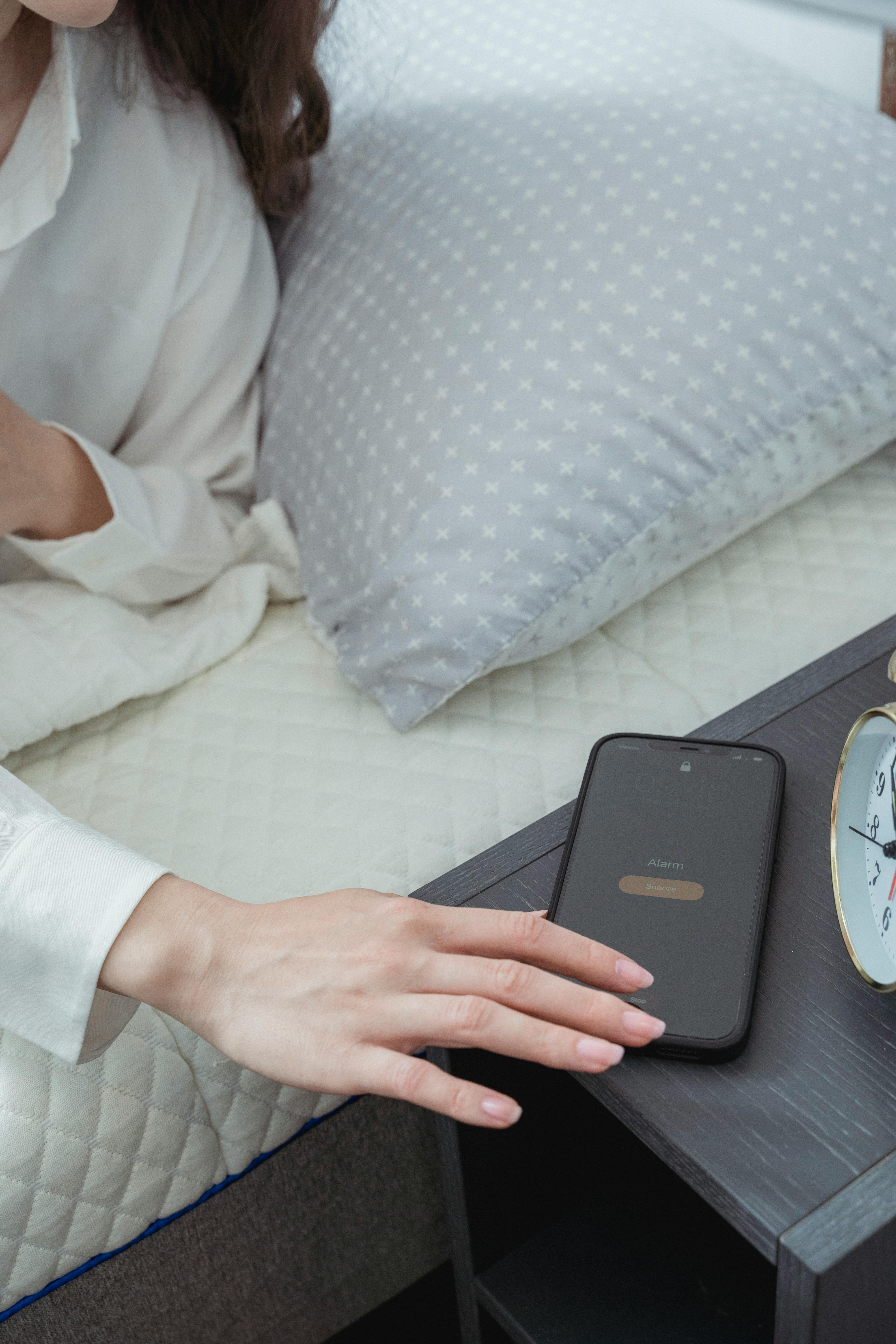
Insomnia is one of the most commonly reported side effects when starting Lexapro (escitalopram), affecting a significant portion of people who take this widely prescribed antidepressant.
While frustrating, sleep disturbances from Lexapro are often temporary and can be managed with the right strategies. Knowing why Lexapro can affect your sleep, when that usually gets better, and what you can do about it can make this side effect easier to handle, while still getting the benefits it offers for depression and anxiety.
Key Takeaways
Insomnia from Lexapro is common but often temporary: Sleep disturbances typically emerge within the first 1-2 weeks of starting Lexapro or increasing your dose, and usually improve significantly within 4-6 weeks as your body adjusts to the medication.
The timing of your dose matters: Taking Lexapro in the morning instead of night can reduce sleep disruption for many people, though some individuals find evening dosing works better for them.
Multiple management strategies can help: Good sleep hygiene, relaxation techniques, temporary sleep aids, and dose timing adjustments can all improve Lexapro-related insomnia while you wait for your body to adapt to the medication.
What Is Lexapro?
Lexapro (escitalopram) is a selective serotonin reuptake inhibitor (SSRI) antidepressant approved by the FDA to treat major depressive disorder and generalized anxiety disorder. It works by increasing serotonin levels in the brain, which helps regulate mood, emotions, and various bodily functions, including sleep.
SSRIs like Lexapro are among the most commonly prescribed antidepressants due to their effectiveness and generally favorable side effect profile. However, sleep disturbances may bet frequently reported with Lexapro use.
How Common Is Insomnia with Lexapro?
Sleep problems are a well-documented side effect of Lexapro and other SSRI antidepressants. Research provides insight into just how common this issue is.
Research shows that insomnia may occur in approximately 9% of patients taking escitalopram in clinical trials for depression, compared to 4% of those taking a placebo. For anxiety disorders, the rates were similar, with insomnia affecting about 12-14% of patients.
However, these numbers likely underestimate the true prevalence, as many people experience sleep changes that don't meet the clinical threshold for "insomnia" but still feel disruptive. Additionally, both depression and anxiety themselves commonly cause sleep problems, making it sometimes difficult to distinguish medication-related insomnia from symptom-related sleep issues.
Why Does Lexapro Cause Insomnia?
Understanding the mechanisms behind Lexapro-related insomnia can help explain why this side effect occurs and why it often improves with time.
Serotonin's Complex Role in Sleep
Serotonin plays a complicated role in sleep regulation. While serotonin is often thought of as promoting sleep (it's a precursor to melatonin, the sleep hormone), different serotonin receptors have different effects on sleep and wakefulness.
When Lexapro increases serotonin levels, it affects multiple serotonin receptor types:
Some serotonin receptors promote wakefulness and alertness.
Others are involved in regulating sleep stages and quality.
The sudden increase in serotonin activity can temporarily disrupt normal sleep-wake cycles.
Brain Adaptation Period
When you start Lexapro or increase your dose, your brain needs time to adjust to the new serotonin levels. During this adaptation period, various neurotransmitter systems are recalibrating, which can temporarily affect sleep patterns.
Anxiety Reduction Paradox
For people taking Lexapro for anxiety, there's sometimes a paradoxical effect in the early weeks. As anxiety symptoms begin to ease, some people experience a temporary increase in physical restlessness or mental activation that can interfere with sleep before eventually settling down.
Types of Sleep Problems with Lexapro
Lexapro can affect sleep in several different ways, and understanding your specific pattern can help guide management strategies.
Difficulty falling asleep: Many people report lying awake for extended periods when trying to fall asleep, experiencing racing thoughts or physical restlessness that makes it hard to transition into sleep.
Frequent nighttime awakenings: Some people fall asleep normally but wake up multiple times throughout the night and struggle to return to sleep, leading to fragmented and unrefreshing rest.
Early morning awakening: Waking up much earlier than intended and being unable to fall back asleep is another common pattern, particularly in the first few weeks of treatment.
Vivid dreams and nightmares: SSRIs like Lexapro can increase dream vividness and sometimes cause disturbing dreams or nightmares, which may lead to sleep disruption.
Sleep quality issues: Even when getting adequate hours of sleep, some people report that their sleep feels less restorative, with more light sleep and less deep, refreshing sleep.
When Does Lexapro Insomnia Improve?
One of the most important questions people ask is how long Lexapro-related insomnia lasts. While individual experiences vary, there are typical patterns.
Week 1-2: Peak sleep disruption
Sleep problems are typically most noticeable during the first two weeks of starting Lexapro or increasing your dose. This is when your brain is adjusting most dramatically to increased serotonin levels.
Week 3-4: Gradual Improvement Begins
Most people notice their sleep beginning to improve during weeks 3-4, though it may still not be back to baseline. The severity and frequency of sleep disturbances typically decrease.
Week 6-8: Significant Resolution
According to clinical experience and patient reports, the majority of Lexapro-related sleep problems resolve significantly by 6-8 weeks of consistent treatment. Many people find their sleep returns to normal or even improves beyond their pre-medication baseline as their underlying depression or anxiety improves.
When Insomnia Persists
For some people, sleep issues don’t go away after the first adjustment period. If you’re still dealing with insomnia after about 8 weeks, it’s a good idea to talk with your provider. Ongoing sleep problems may mean it’s time to tweak your treatment plan.
Managing Lexapro-Related Insomnia
While waiting for your body to adjust to Lexapro, several strategies can help minimize sleep disruption and improve your rest quality.
Dose Timing Adjustments
Take Lexapro in the morning: For many people experiencing insomnia, switching from evening to morning dosing can significantly improve nighttime sleep. Taking Lexapro with breakfast allows any stimulating effects to occur during waking hours.
Consider evening dosing for drowsiness: Interestingly, some people experience drowsiness rather than insomnia from Lexapro. If you feel sedated during the day, evening dosing might work better for you.
Maintain consistency: Regardless of when you take it, consistency in timing helps your body establish a predictable pattern.
Sleep Hygiene Strategies
Optimizing your sleep environment and habits becomes especially important when dealing with medication-related insomnia:
Maintain a consistent sleep schedule, even on weekends.
Create a cool, dark, quiet bedroom environment.
Limit screen time for 1-2 hours before bed.
Avoid caffeine after early afternoon.
Limit alcohol, which can worsen sleep quality.
Get regular exercise, but not within 3-4 hours of bedtime.
Use your bed only for sleep and intimacy, not work or scrolling.
Relaxation Techniques
Mindfulness-based interventions can significantly improve insomnia. Techniques to try include:
Progressive muscle relaxation
Deep breathing exercises
Guided meditation apps
Gentle yoga or stretching before bed
Reading or listening to calming music
Temporary Sleep Aids
Your healthcare provider might recommend short-term sleep support while your body adjusts to Lexapro. These include:
Over-the-counter options:
Melatonin (typically 1-3 mg, taken 1-2 hours before bed)
Magnesium supplements
Herbal teas like chamomile or valerian root
Prescription options for short-term use:
Trazodone (low dose for sleep)
Hydroxyzine (an antihistamine with sedating properties)
Other sleep aids your doctor may recommend
Always consult your healthcare provider before adding any supplements or medications, as some can interact with Lexapro.
Does Lexapro Eventually Help with Sleep?
Interestingly, while Lexapro can cause temporary insomnia when you first start taking it, many people find that their sleep ultimately improves significantly once they've adjusted to the medication and their underlying depression or anxiety is better controlled.
Depression and anxiety are both strongly associated with sleep disturbances. Treating depression with antidepressants often leads to substantial improvements in sleep quality over time, even accounting for the initial period of adjustment.
Many people report that after the first 6-8 weeks, they're sleeping better than they were before starting Lexapro, as the medication's therapeutic effects on mood and anxiety indirectly improve sleep.
Lexapro vs. Other Antidepressants for Sleep
If Lexapro-related insomnia proves persistent and unmanageable, some people wonder whether switching to a different antidepressant might help.
More Activating SSRIs
Other antidepressants have more sedating properties and may be alternatives for people with persistent insomnia:
Mirtazapine (Remeron): Often causes drowsiness and can improve sleep, though it may cause weight gain.
Trazodone: Frequently used off-label for insomnia, especially at low doses.
Tricyclic antidepressants: Older medications like amitriptyline can be very sedating.
Switching medications should only be done under medical supervision, as each medication has different effects and side effect profiles. The decision to switch should consider whether Lexapro is effectively treating your depression or anxiety, not just the sleep side effect alone.
Lexapro Insomnia vs. Depression-Related Sleep Problems
It's important to distinguish between medication-related insomnia and sleep problems caused by untreated or inadequately treated depression or anxiety.
Signs your insomnia may be depression-related:
Sleep problems that preceded starting Lexapro
Insomnia accompanied by worsening mood, loss of interest, or hopelessness
Early morning awakening with inability to return to sleep (classic depression symptom)
Sleep problems persisting despite good sleep hygiene
Signs your insomnia may be Lexapro-related
Sleep disruption that began shortly after starting Lexapro or increasing the dose
Feeling mentally alert or "wired" when trying to sleep
Improvement in mood and anxiety despite sleep problems
Gradual improvement in sleep over the first several weeks
If you're unsure whether your sleep problems are related to Lexapro or your underlying condition, discuss this with your healthcare provider. Sometimes it requires patience and monitoring to determine the cause.
When to Talk to Your Healthcare Provider
While some sleep disruption is expected when starting Lexapro, certain situations warrant medical attention.
Contact your provider if you experience:
Severe insomnia that significantly impairs daytime functioning
Sleep problems persisting beyond 8 weeks
Worsening depression or anxiety symptoms
Thoughts of self-harm or suicide
Intolerable side effects that make you want to stop the medication
Questions about adjusting your dose or timing
Interest in adding sleep medication temporarily
Blossom Health offers convenient virtual psychiatric care for medication management, including addressing side effects like insomnia. Our board-certified psychiatrists can help adjust your treatment plan, optimize dose timing, and provide strategies to improve sleep while maintaining the therapeutic benefits of your antidepressant. Appointments are available within days and covered by in-network insurance. Get started here.
Medical Disclaimer
This article is for informational purposes only and is not a substitute for professional medical advice, diagnosis, or treatment. Always seek the advice of your physician or other qualified healthcare provider with any questions you may have regarding a medical condition. Never stop or change your medication without consulting your healthcare provider. If you are experiencing a mental health crisis, contact the 988 Suicide and Crisis Lifeline by calling or texting 988.
Sources
National Institute of Mental Health. Mental Health Medications. https://www.nimh.nih.gov/health/topics/mental-health-medications
Food and Drug Administration. Lexapro (Escitalopram) Prescribing Information. https://www.accessdata.fda.gov/drugsatfda_docs/label/2023/021323s055,021365s039lbl.pdf
Wichniak A, Wierzbicka A, Walęcka M, Jernajczyk W. 2017. Effects of Antidepressants on Sleep. Curr Psychiatry Rep. https://pubmed.ncbi.nlm.nih.gov/28791566/
Black DS, O'Reilly GA, Olmstead R, Breen EC, Irwin MR. 2015. Mindfulness meditation and improvement in sleep quality and daytime impairment among older adults with sleep disturbances: a randomized clinical trial. JAMA Intern Med. https://pubmed.ncbi.nlm.nih.gov/25686304/
Sharpley AL, Cowen PJ. 1995. Effect of pharmacologic treatments on the sleep of depressed patients. Biol Psychiatry. https://pubmed.ncbi.nlm.nih.gov/7718684/
Steiger A, Kimura M. 2010. Wake and sleep EEG provide biomarkers in depression. J Psychiatr Res. https://pubmed.ncbi.nlm.nih.gov/19762038/
Wilson S, Argyropoulos S. 2005. Antidepressants and sleep: a qualitative review of the literature. Drugs. https://pubmed.ncbi.nlm.nih.gov/15892588/
Cleveland Clinic. Insomnia. https://my.clevelandclinic.org/health/diseases/12119-insomnia
American Academy of Sleep Medicine. Healthy Sleep Habits. https://sleepeducation.org/healthy-sleep/healthy-sleep-habits/
National Center for Complementary and Integrative Health. Melatonin: What You Need to Know. https://www.nccih.nih.gov/health/melatonin-what-you-need-to-know