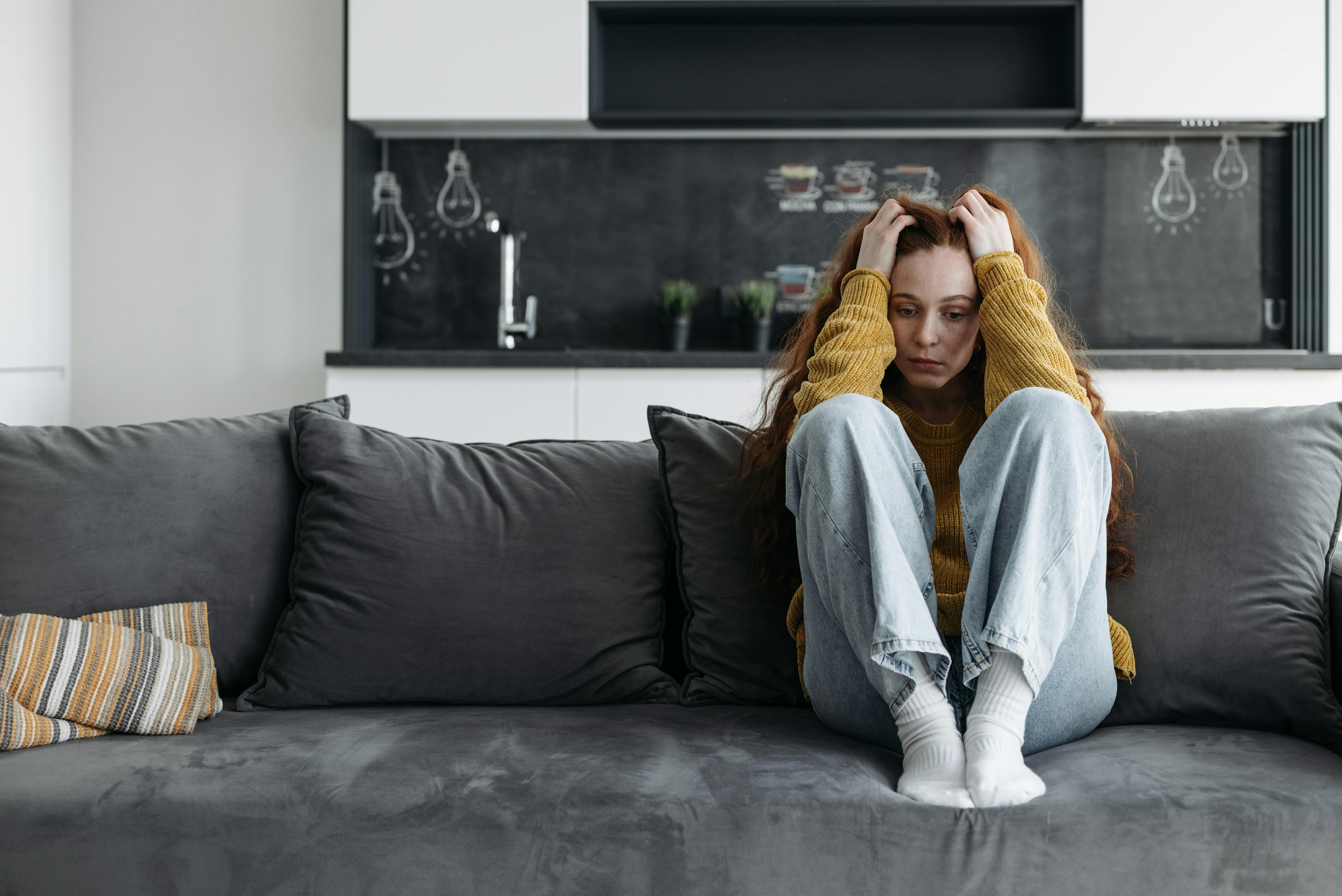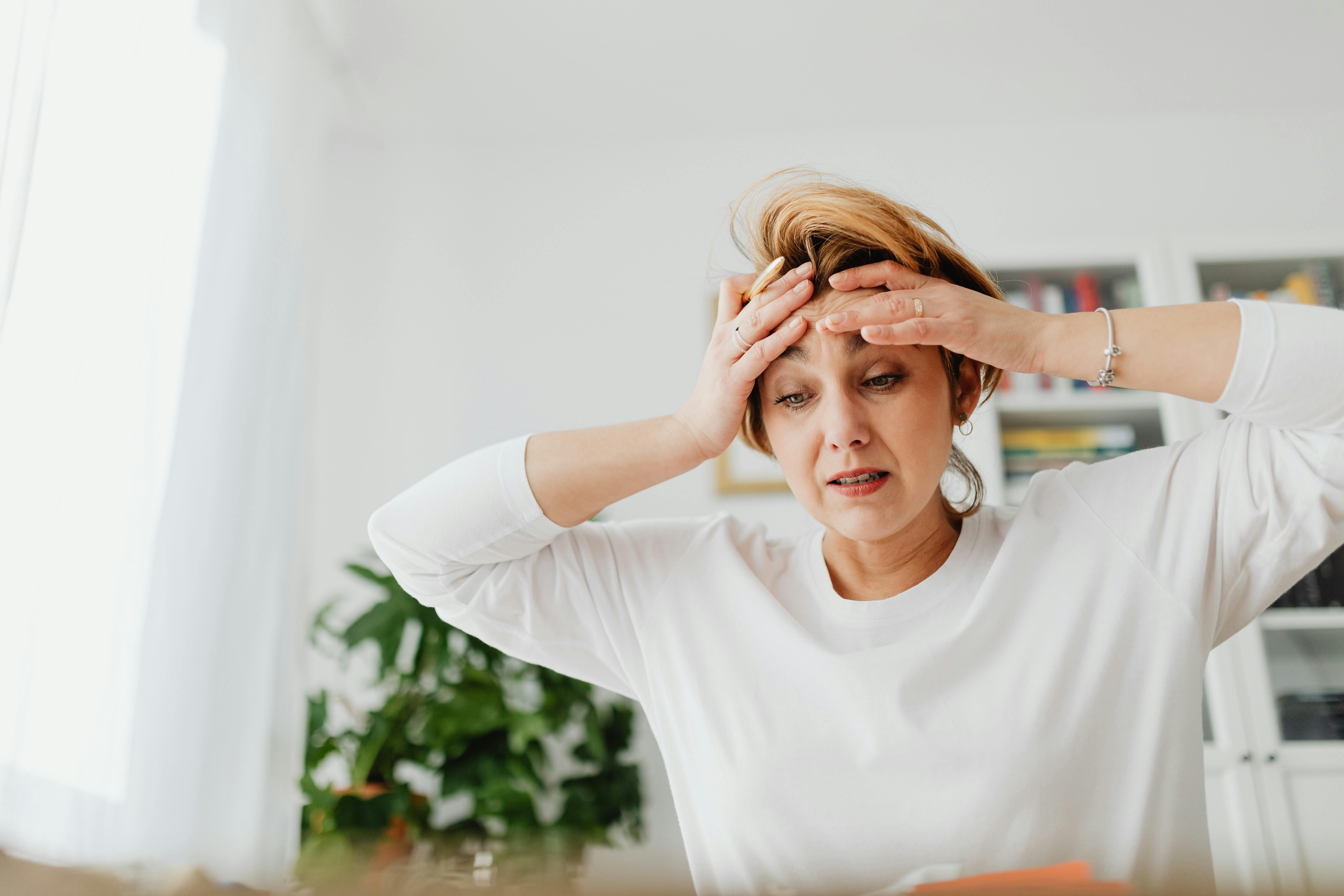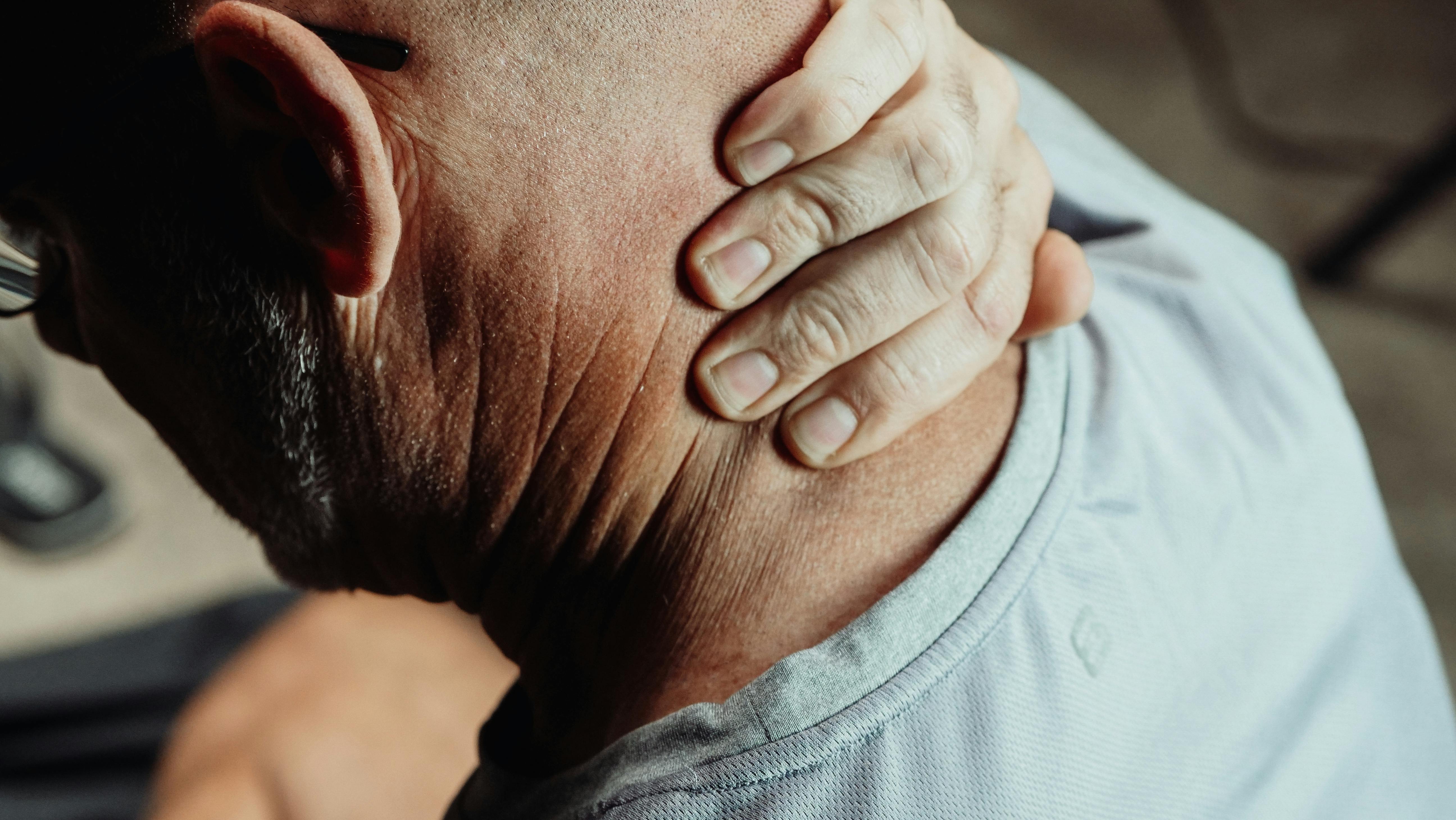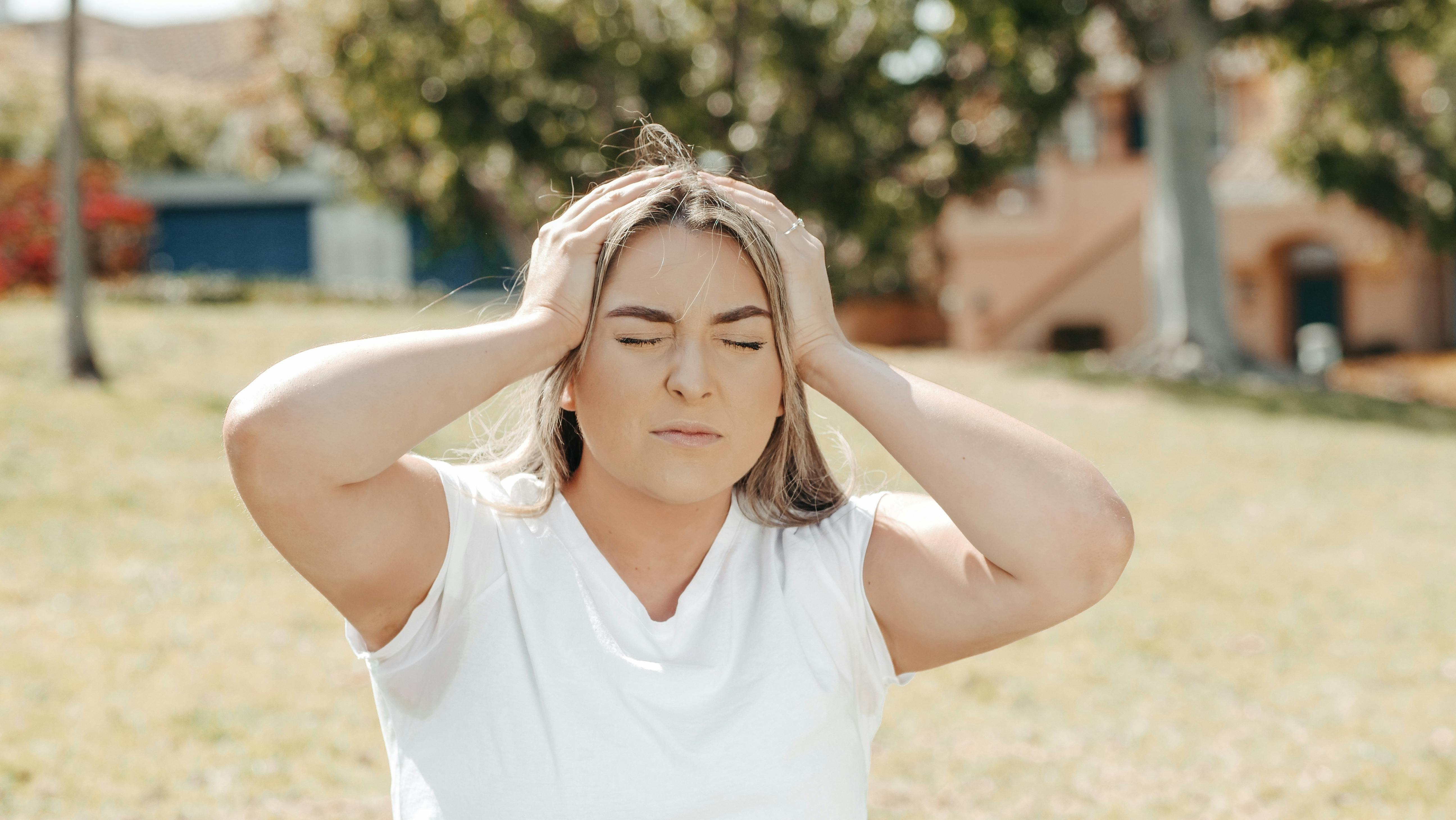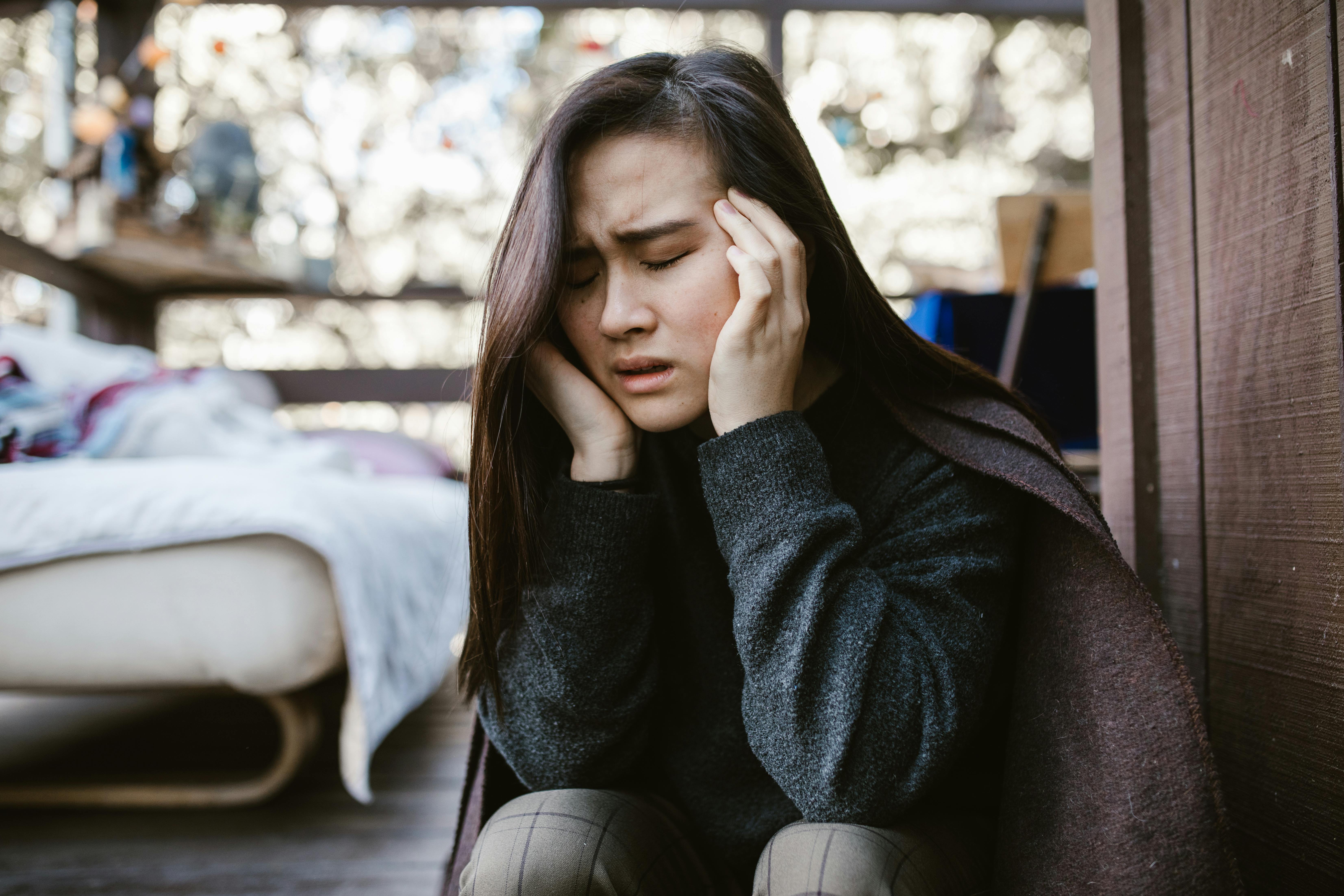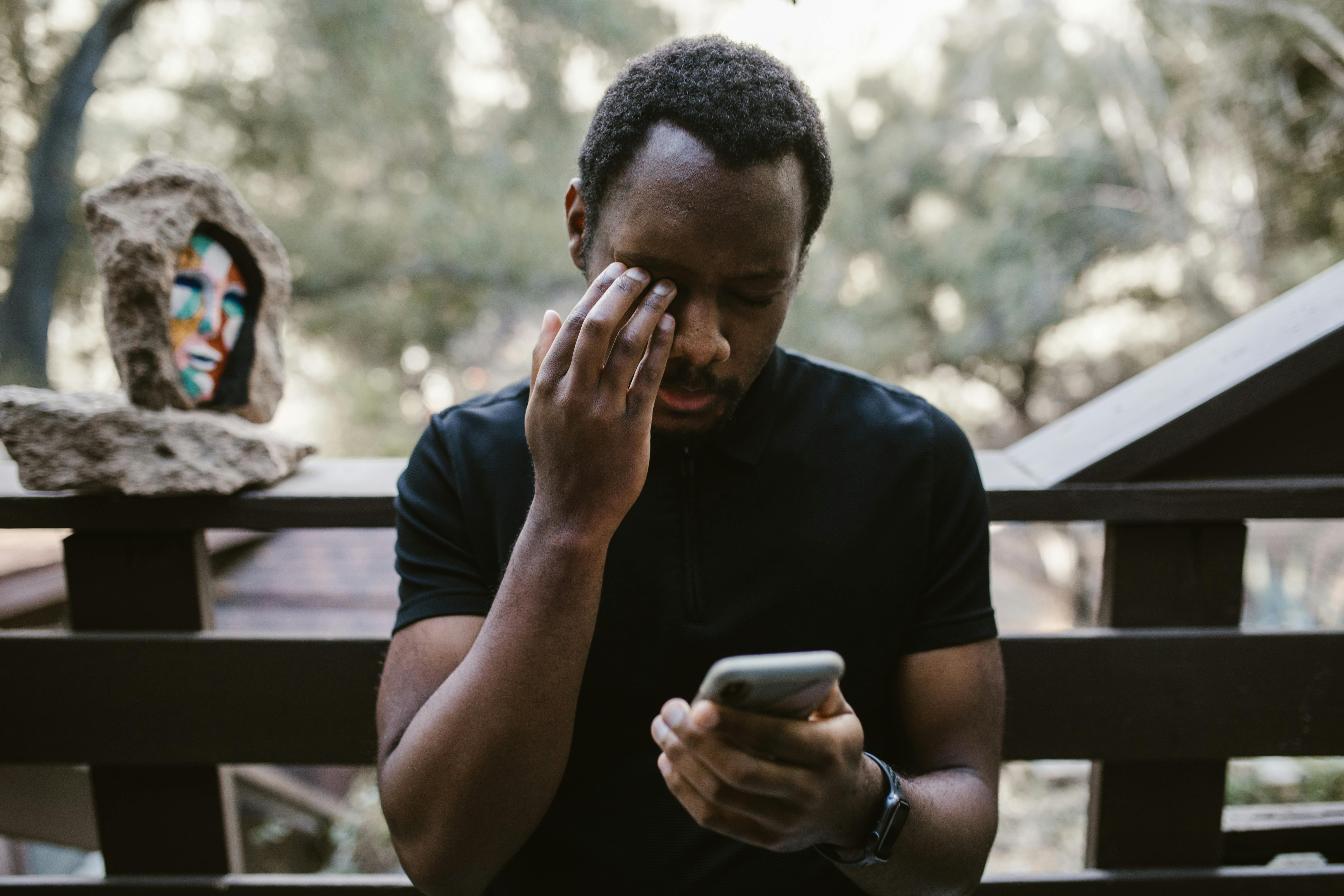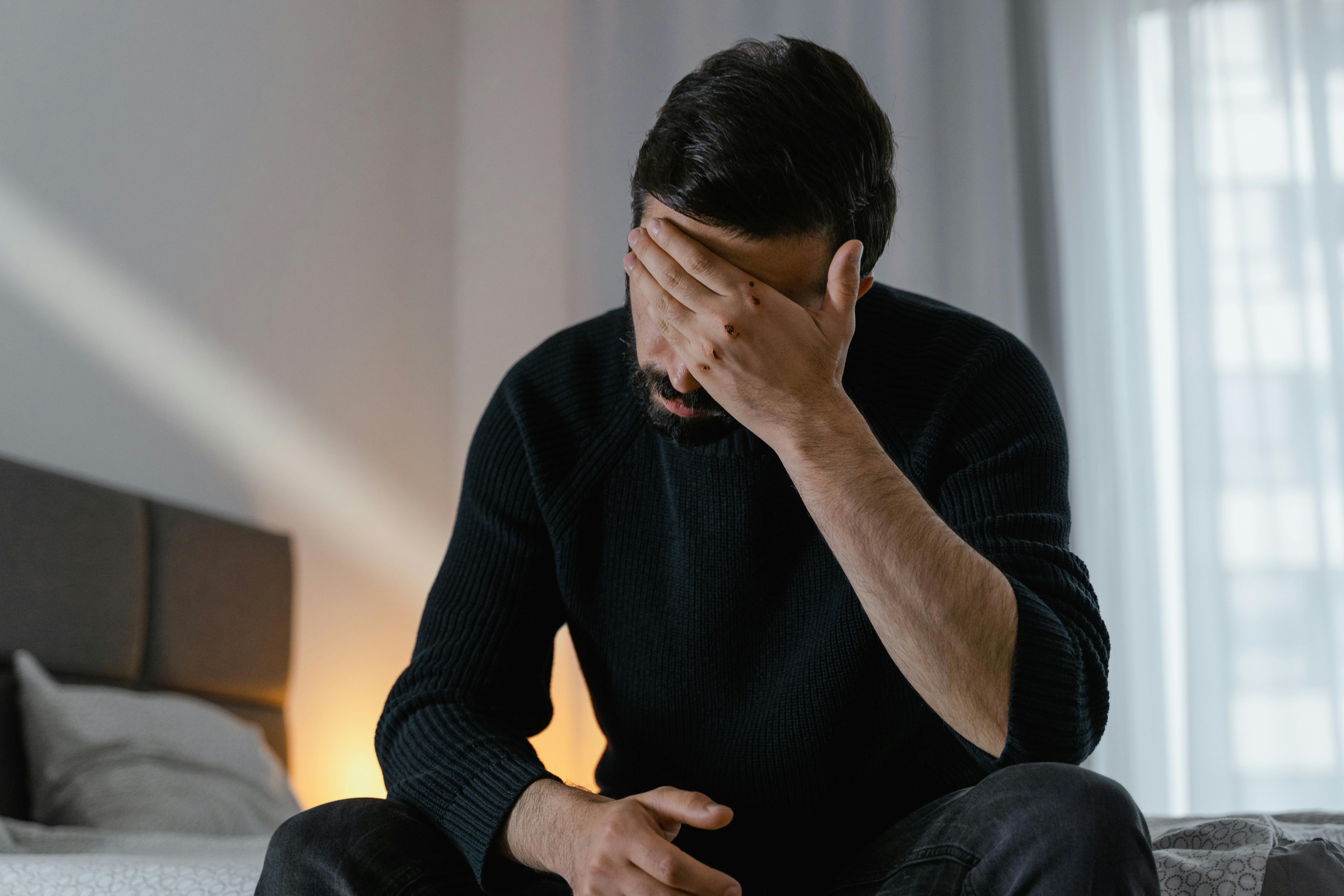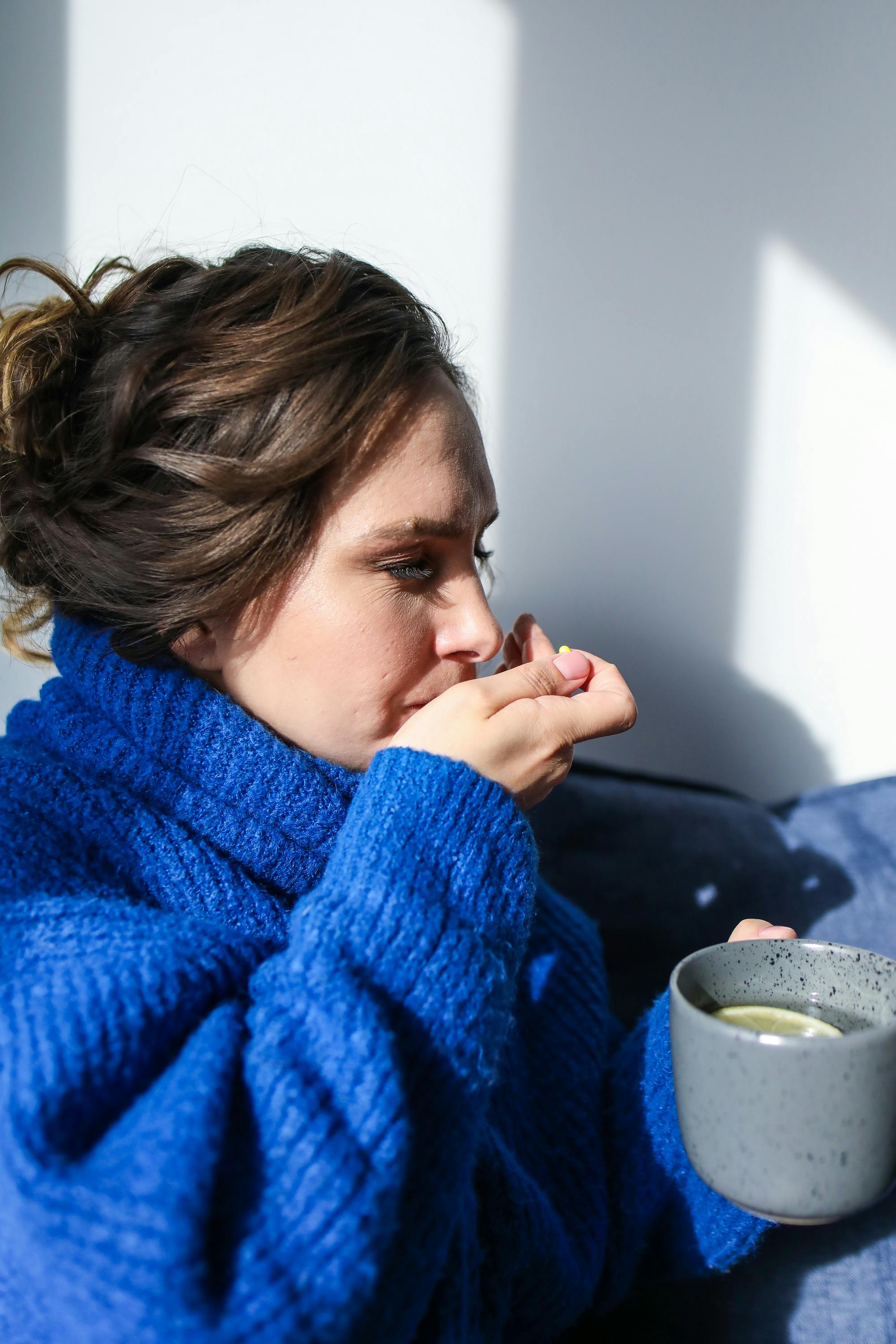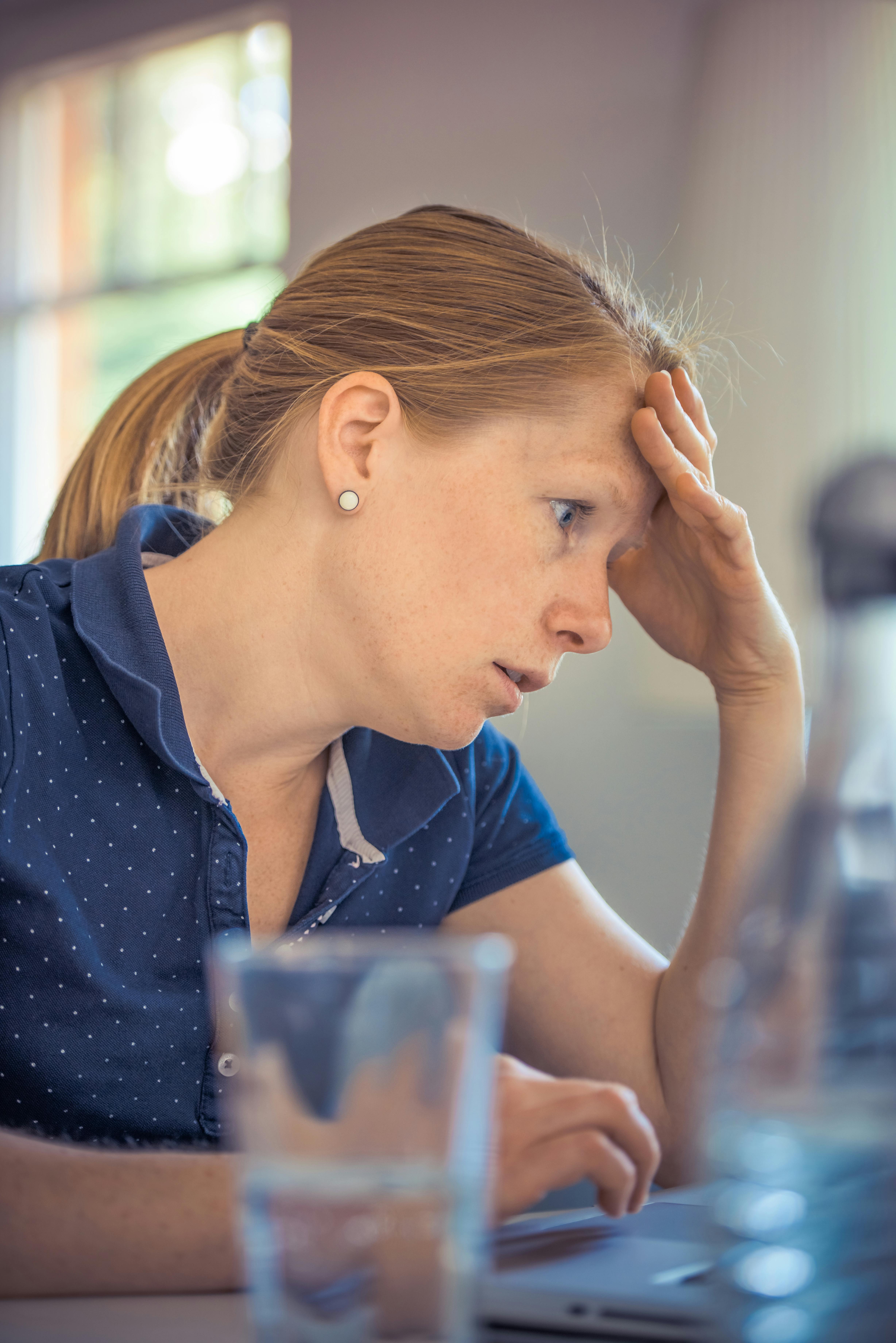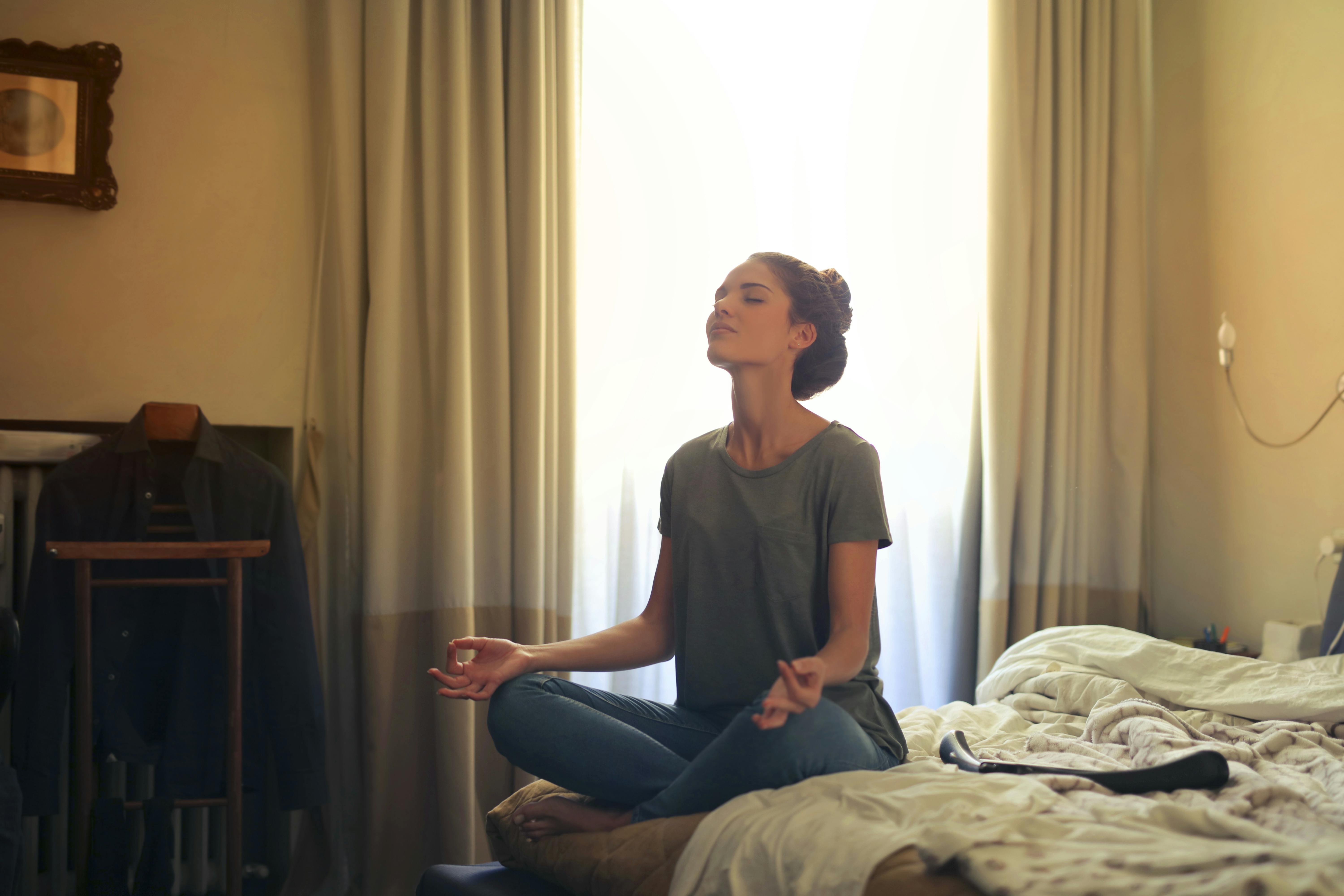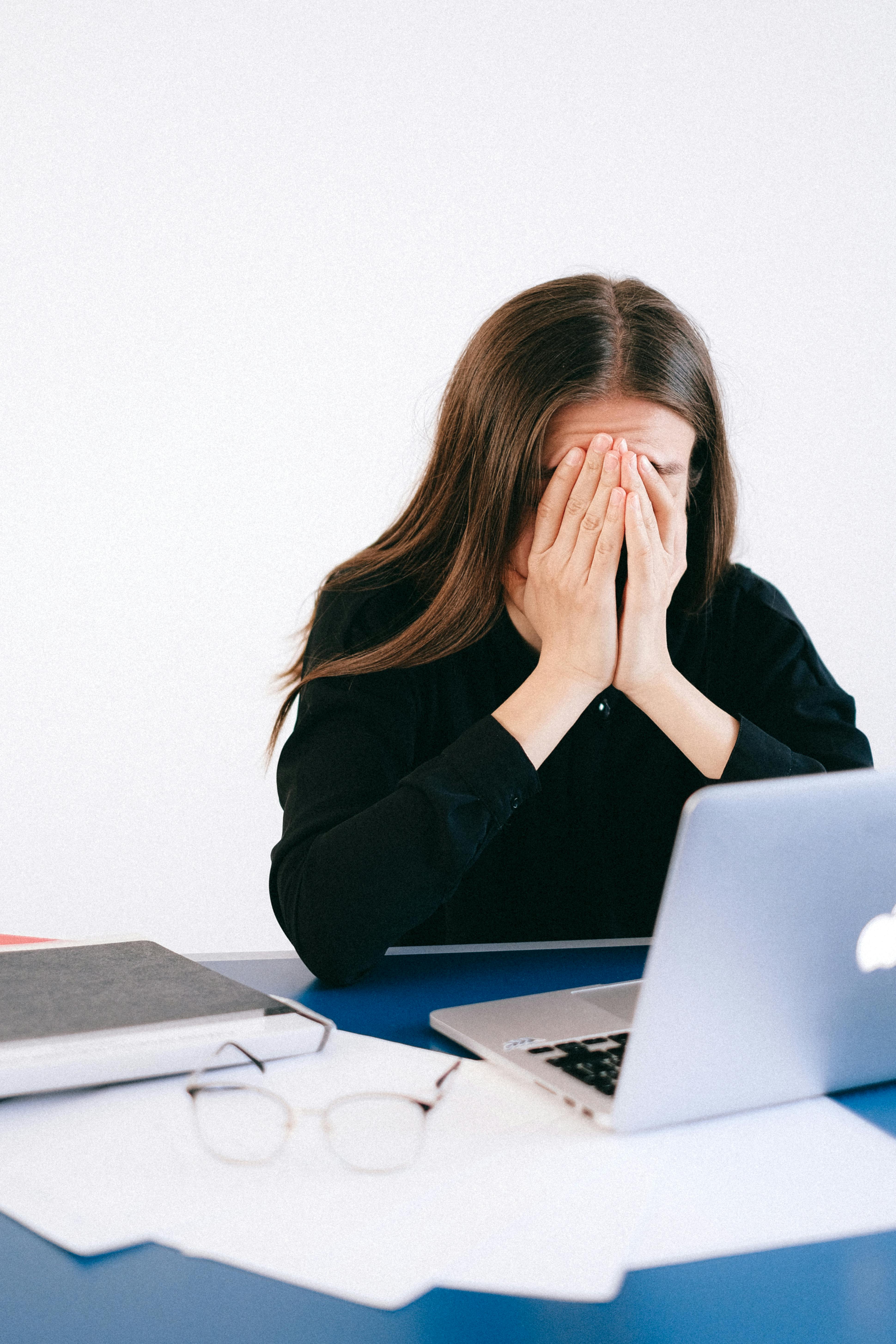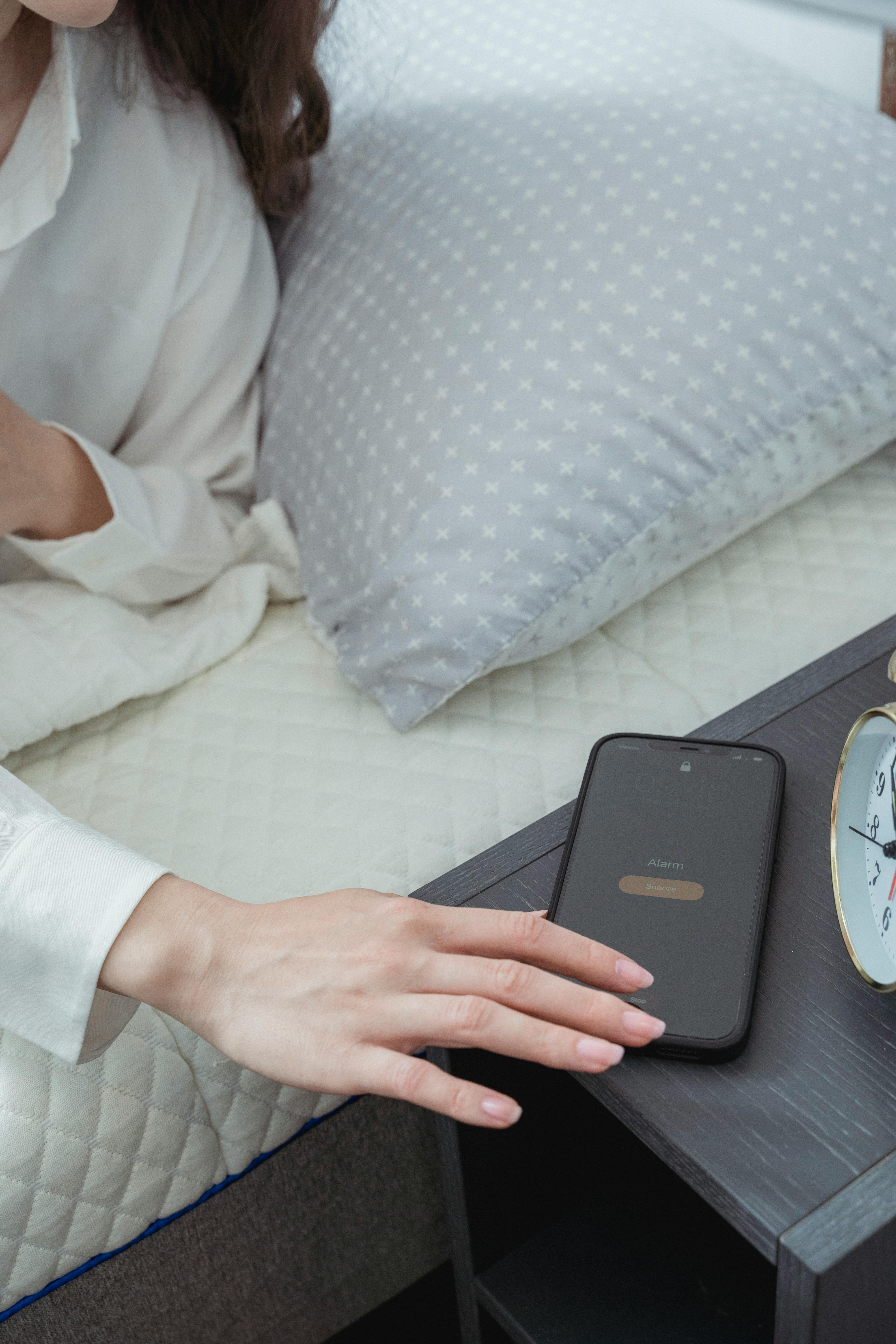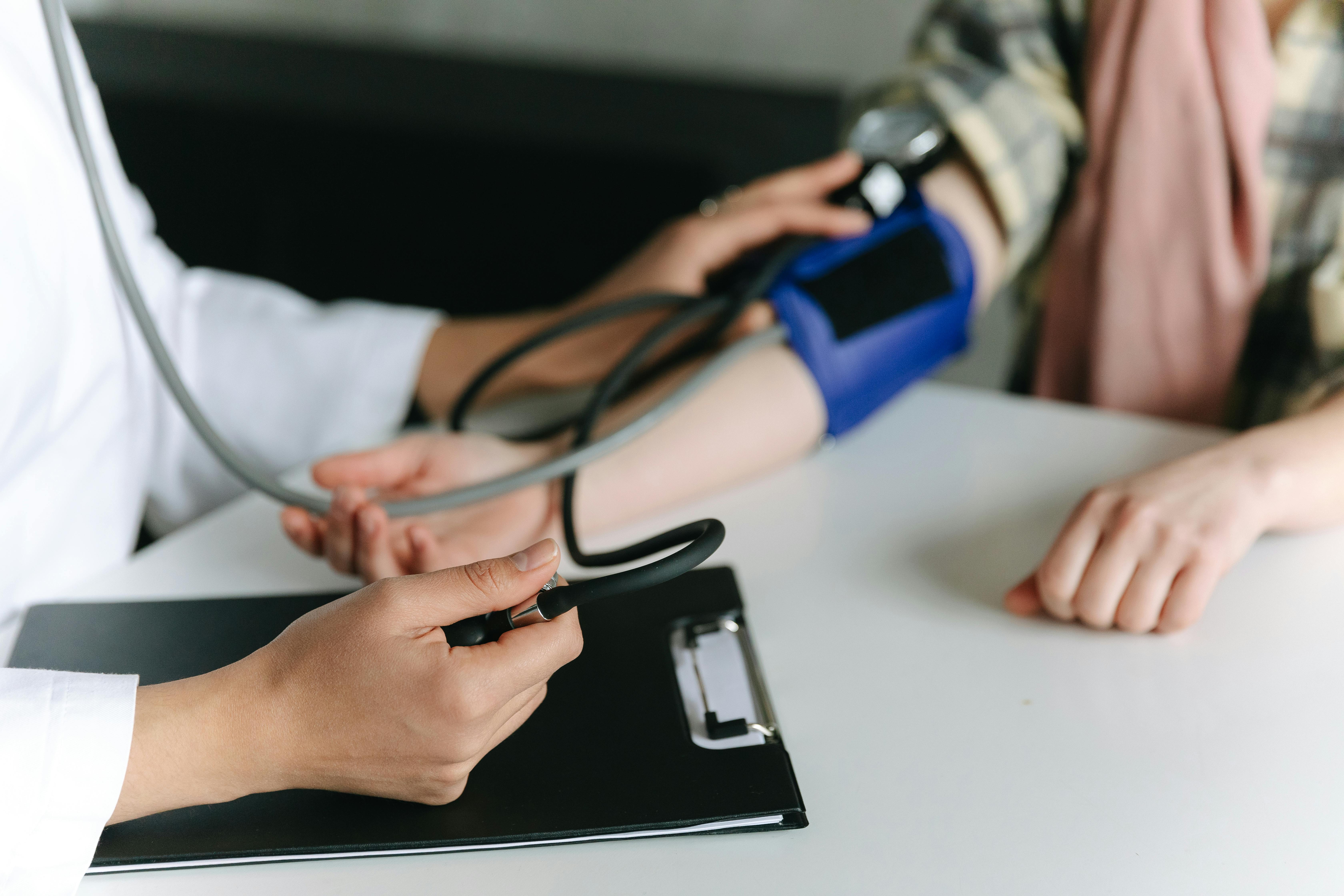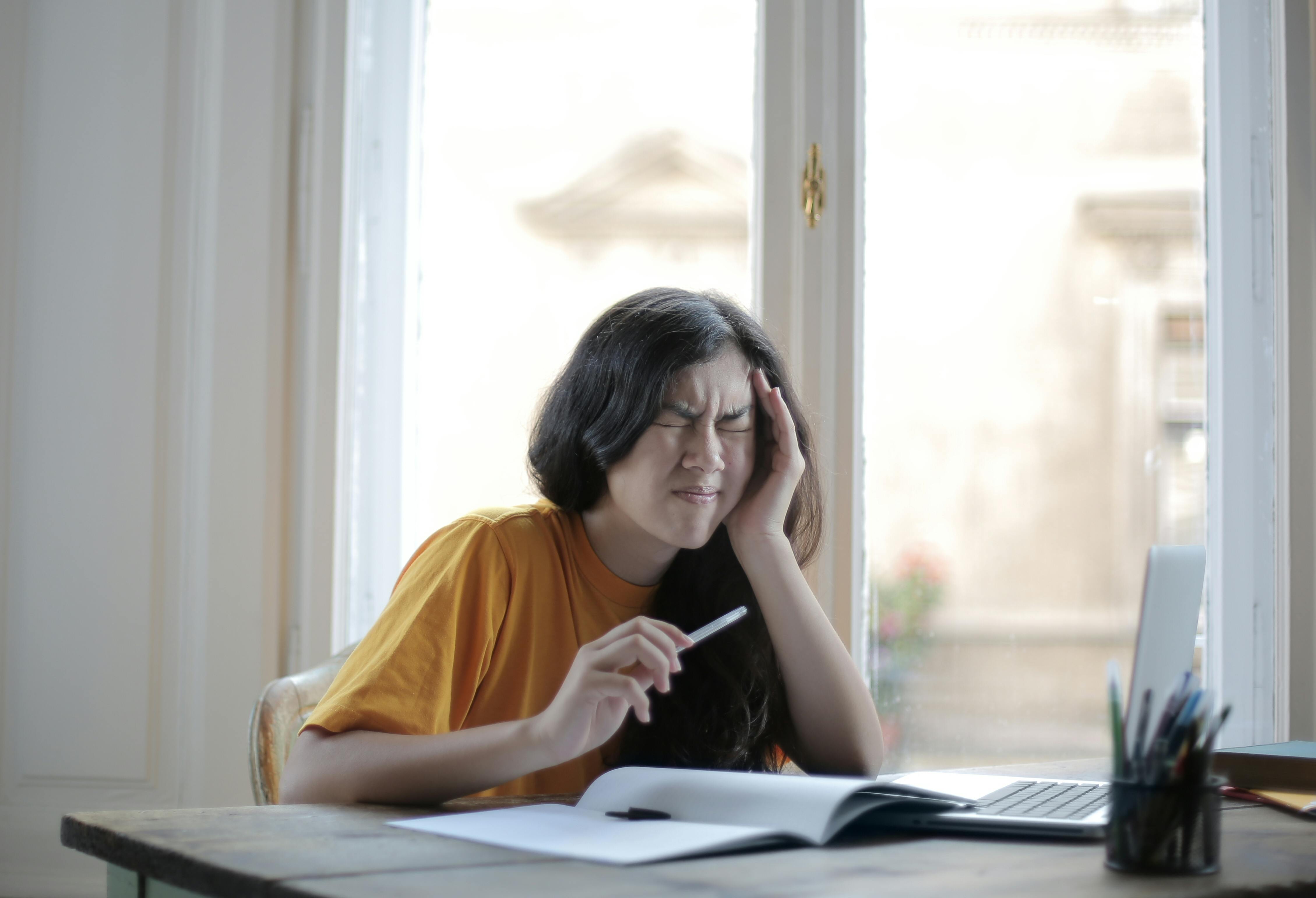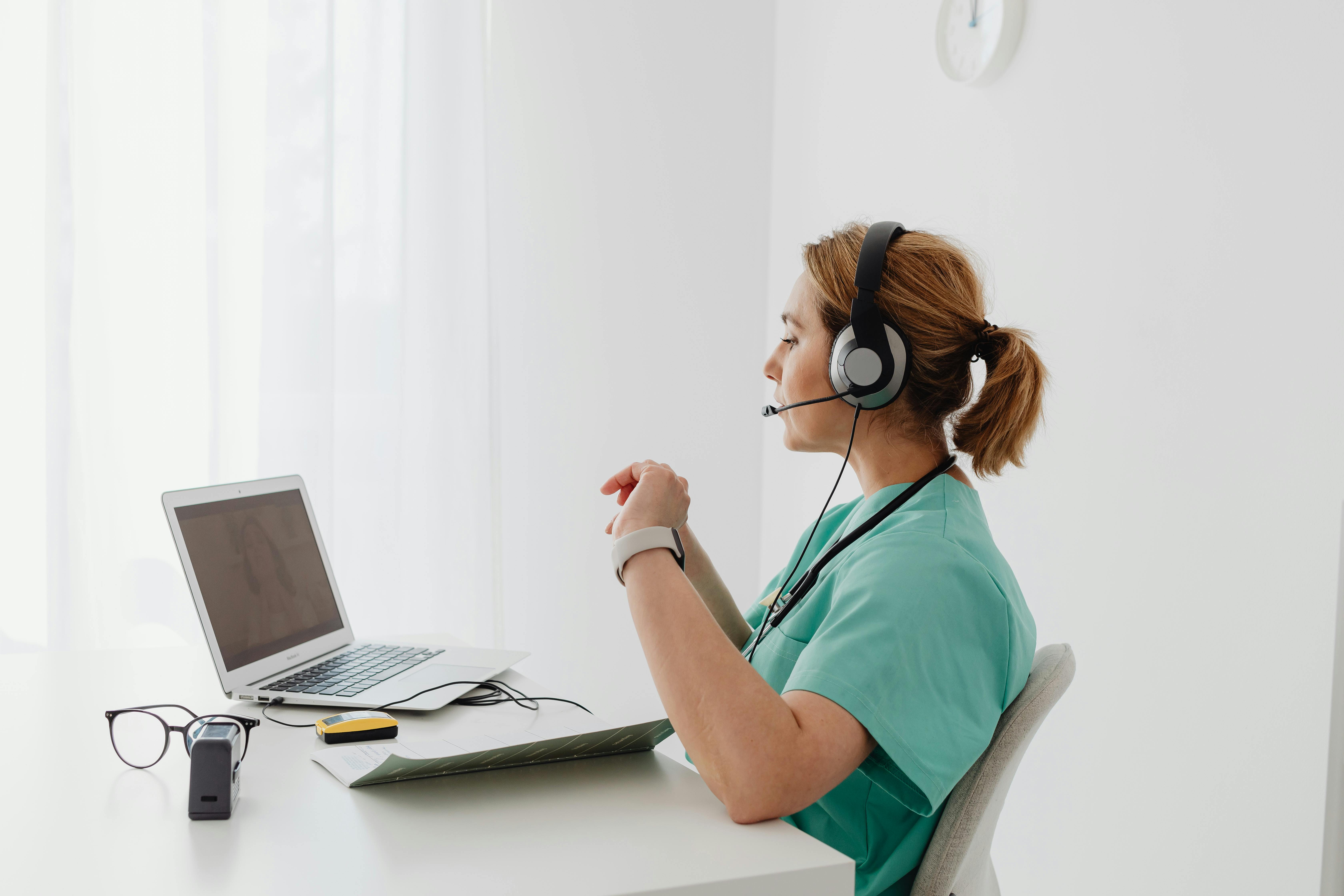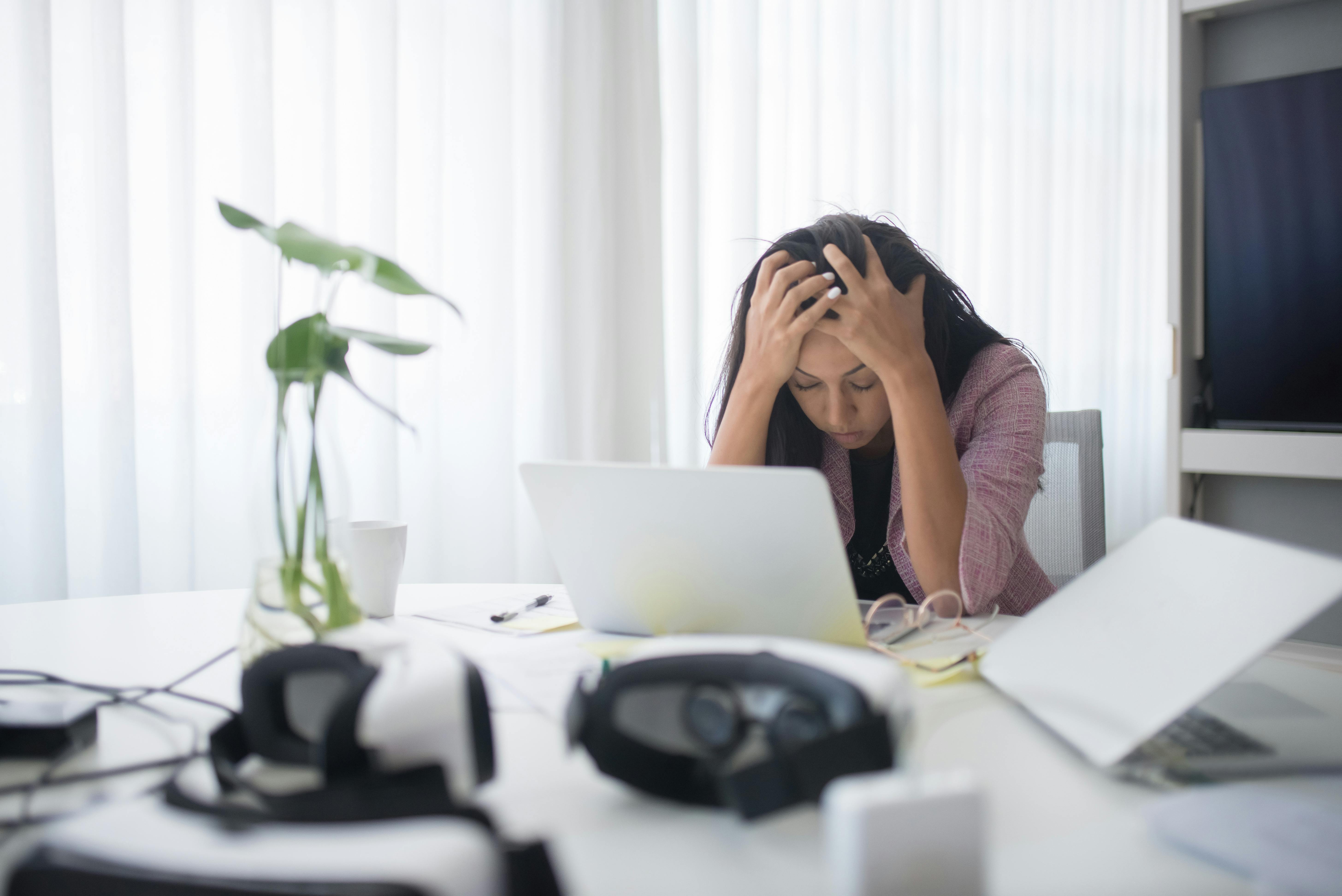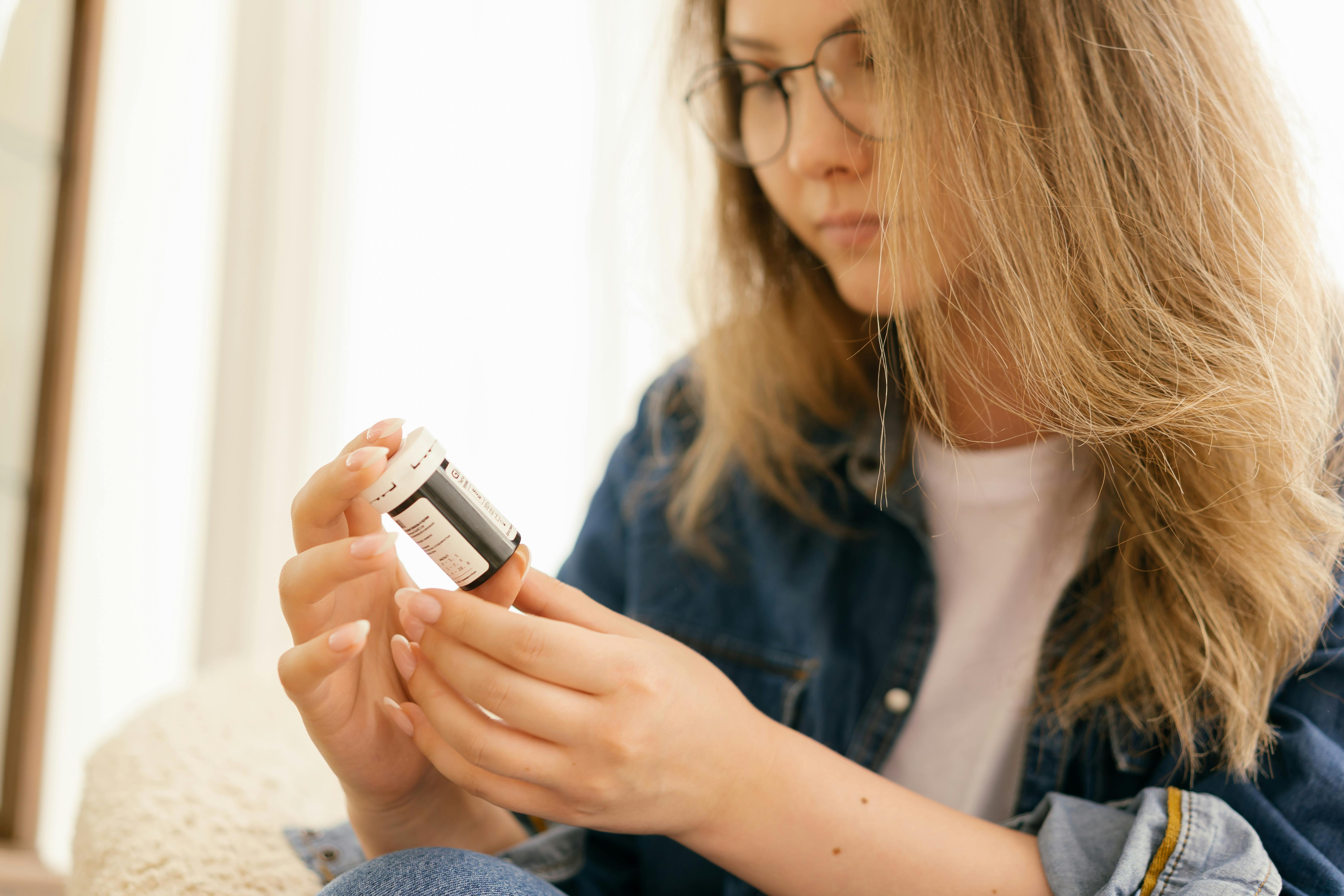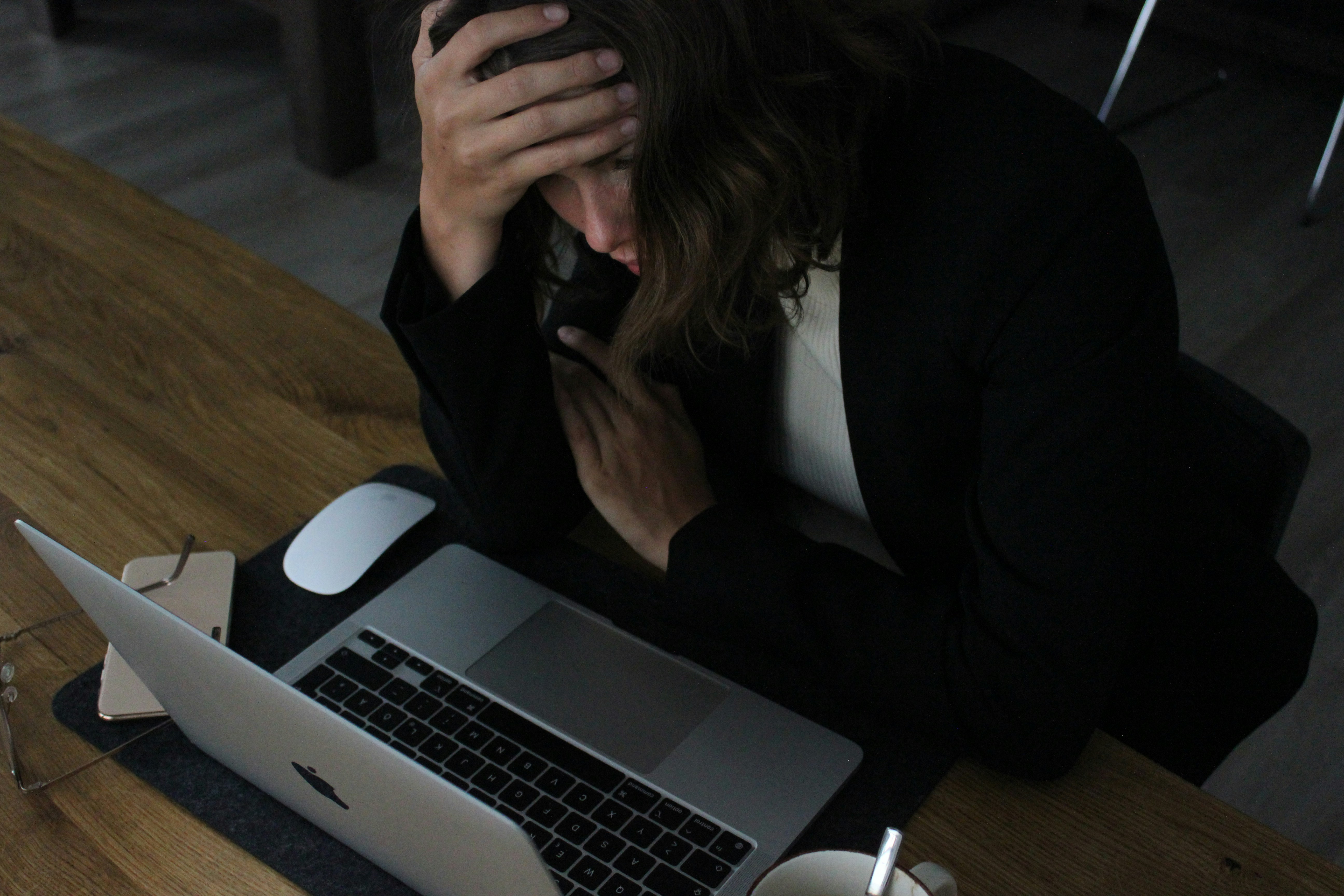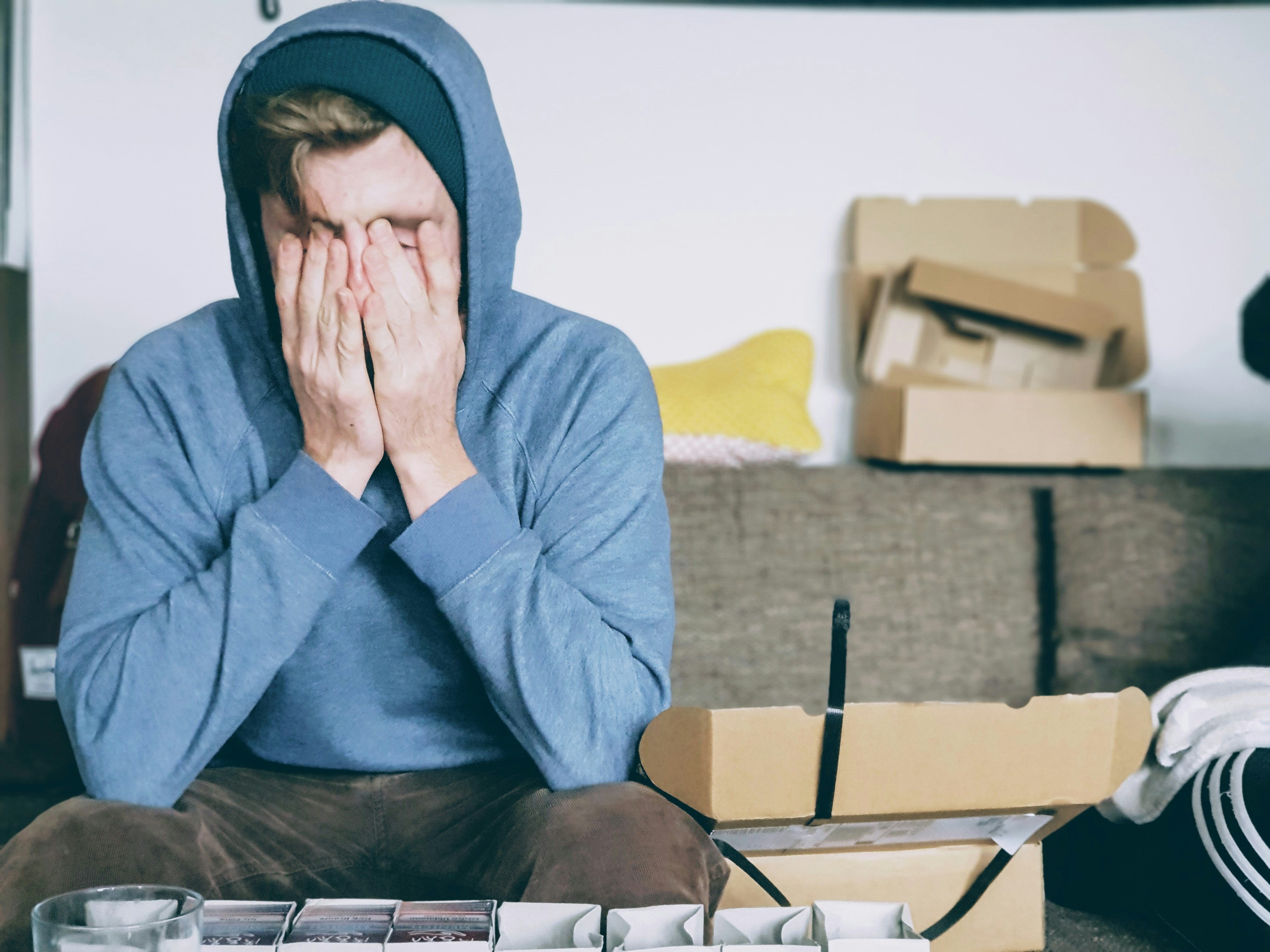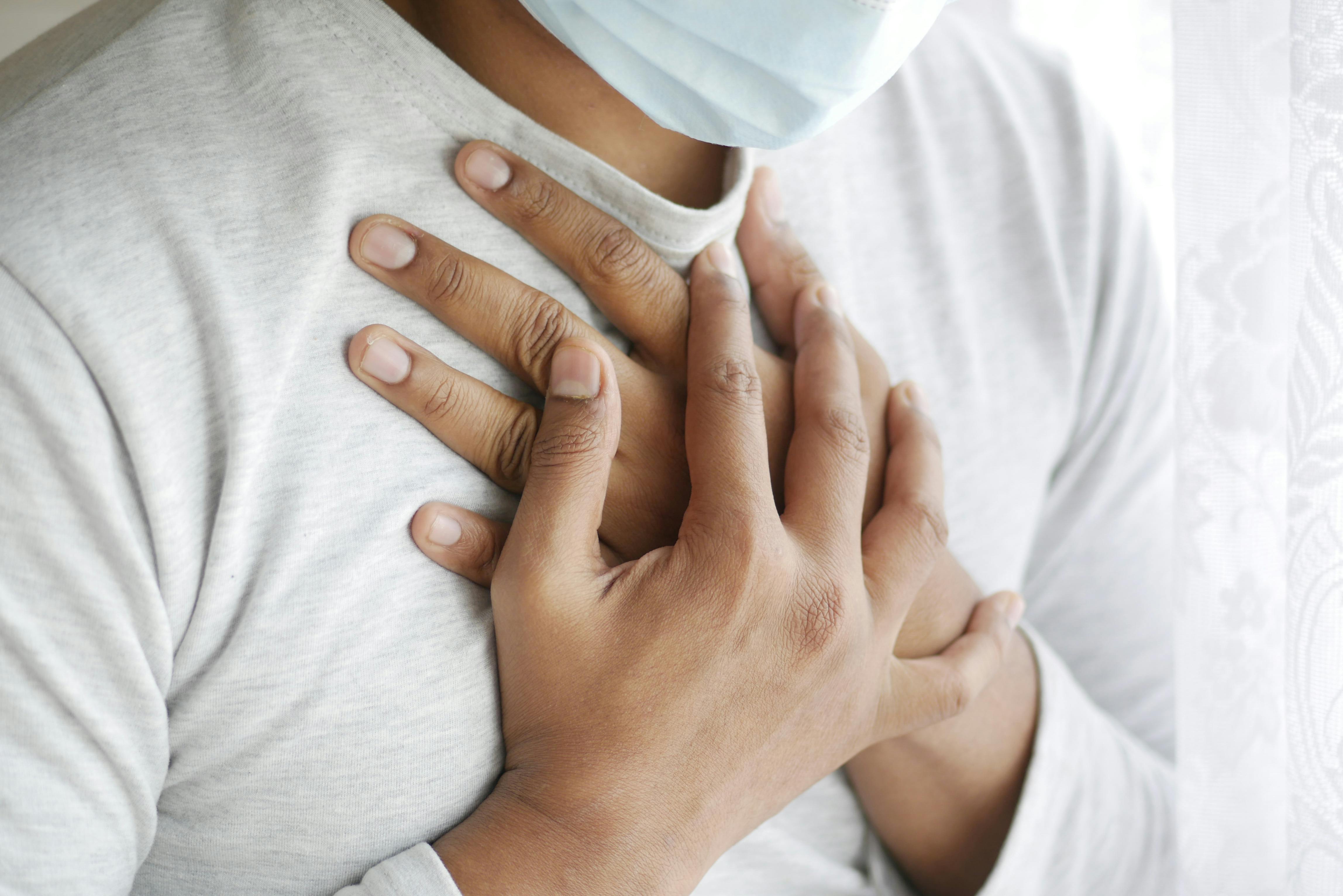

A racing heart that seems to come out of nowhere. A fluttering sensation in your chest during a stressful moment. Waking up at night with your heart pounding. These are all common descriptions of heart palpitations, and for many people, anxiety may be to blame.
Understanding why anxiety triggers palpitations, how to tell them apart from a cardiac problem, and what you can do about them can help you feel more confident and in control of what your body is doing.
Key Takeaways
Anxiety is one of the most common causes of heart palpitations: Studies show that other common causes of palpitations include cardiac arrhythmias, stimulant use, and benign heart rhythm variations, and in many people evaluated for palpitations, no cardiac cause is found.
Palpitations from anxiety are often harmless: They typically resolve when the stressor passes, and after cardiac causes have been ruled out by a healthcare professional.
Anxiety is often treatable: With therapy, medication, or a combination of both, many people see significant improvement in both anxiety symptoms and associated palpitations.
What are Heart Palpitations?
Palpitations are an awareness of your own heartbeat that feels unusual, uncomfortable, or alarming. People describe them as fluttering, pounding, racing, skipping, or flipping. They can be felt in the chest, throat, or neck, and may last a few seconds or several minutes.
According to a review on the neurocardiology of palpitations, palpitations are a common symptom that may indicate cardiac arrhythmias, present as a somatic complaint in anxiety disorders, or occur in people without either condition.
The perception of palpitations involves the brain's interoceptive system, which is the internal sensing system which helps people notice sensations such as heartbeat, breathing, and muscle tension. People with lower body mass index, low body fat percentage, or anxiety disorders may have a more acute sensation of their heartbeat.
Not all palpitations signal a problem. Many palpitations occur during benign changes in heart rhythm that may or may not be noticeable. People with anxiety, however, are often more attuned to bodily sensations and may notice and feel distressed by heart activity that others would not perceive.
Why Does Anxiety Cause Heart Palpitations?
When the brain perceives a threat, it activates the sympathetic nervous system, the "fight-or-flight" branch of the autonomic nervous system. This triggers the adrenal glands to release adrenaline (epinephrine) and neurons to release noradrenaline (norepinephrine), which increases heart rate, blood pressure, and alertness to prepare the body to respond to danger.
In anxiety and panic disorders, this stress response is activated more frequently and sometimes disproportionately. The result is a heart that is strong enough to feel alarming, leading to the sensation of palpitations. However, anxiety-induced palpitations often don’t last very long.
Research confirms that anxiety is one of the most frequent non-cardiac causes of palpitations.
Another study found that patients with panic disorder were significantly more likely to report their palpitations as "racing" or "pounding" — and yet ambulatory ECG monitoring showed they did not have more actual cardiac arrhythmias than other patients. This meant that the likely cause of their palpitations was the heightened awareness of bodily sensations that accompany panic disorder.
How to Describe Anxiety-Related Palpitations
Anxiety-related palpitations may share certain common features, although symptoms alone cannot definitively rule out cardiac causes. They often:
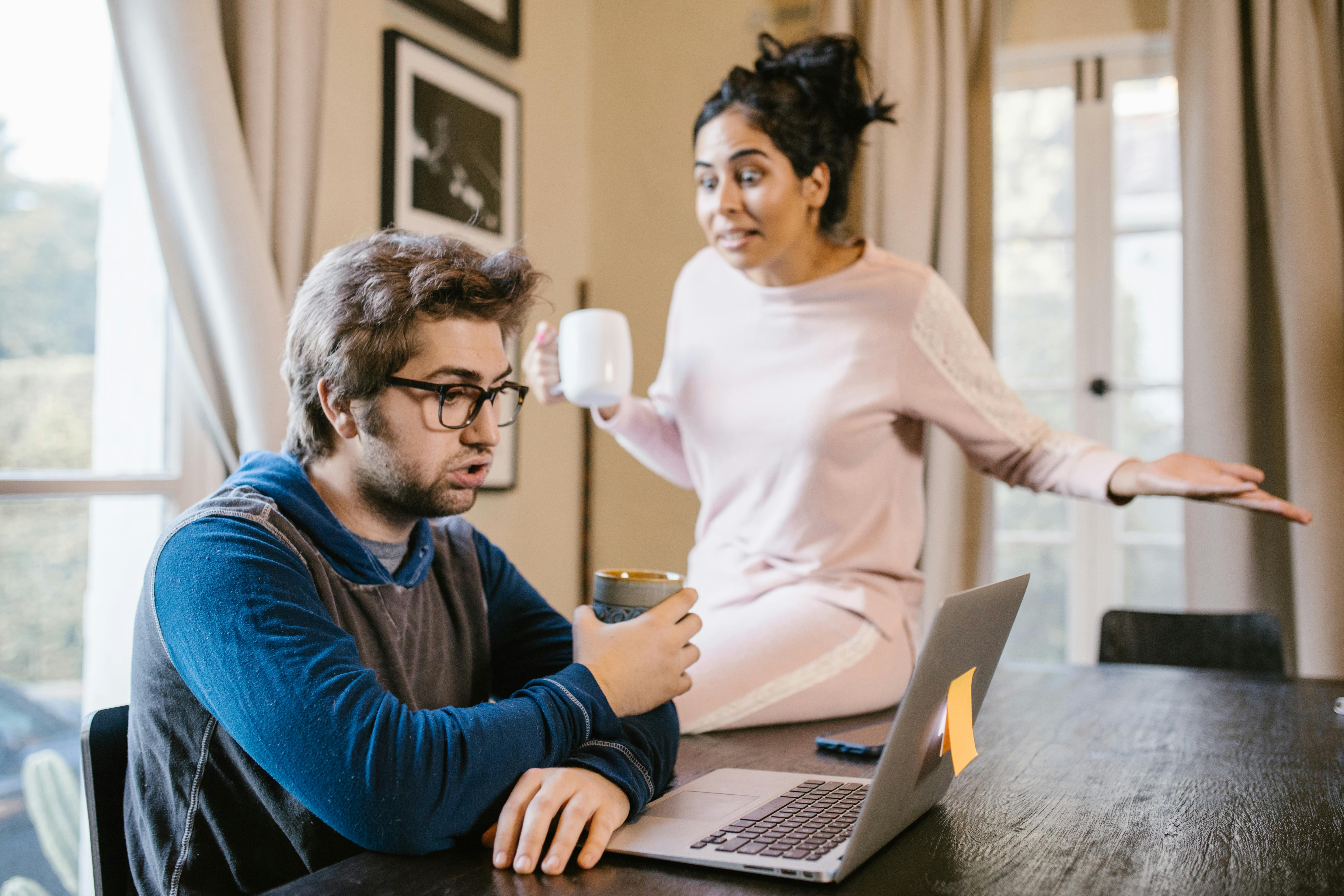
Start suddenly during or after a stressful situation, argument, or anxious thought
Feel like a racing, pounding, or fluttering heart
Come with irregular heartbeats, where your heart seems to have missed a beat or feels out of rhythm
Come with other anxiety symptoms: sweating, shortness of breath, tingling, muscle tension, or a sense of dread
Resolve within minutes after the stress passes
Occur during worry, anticipatory anxiety, or panic
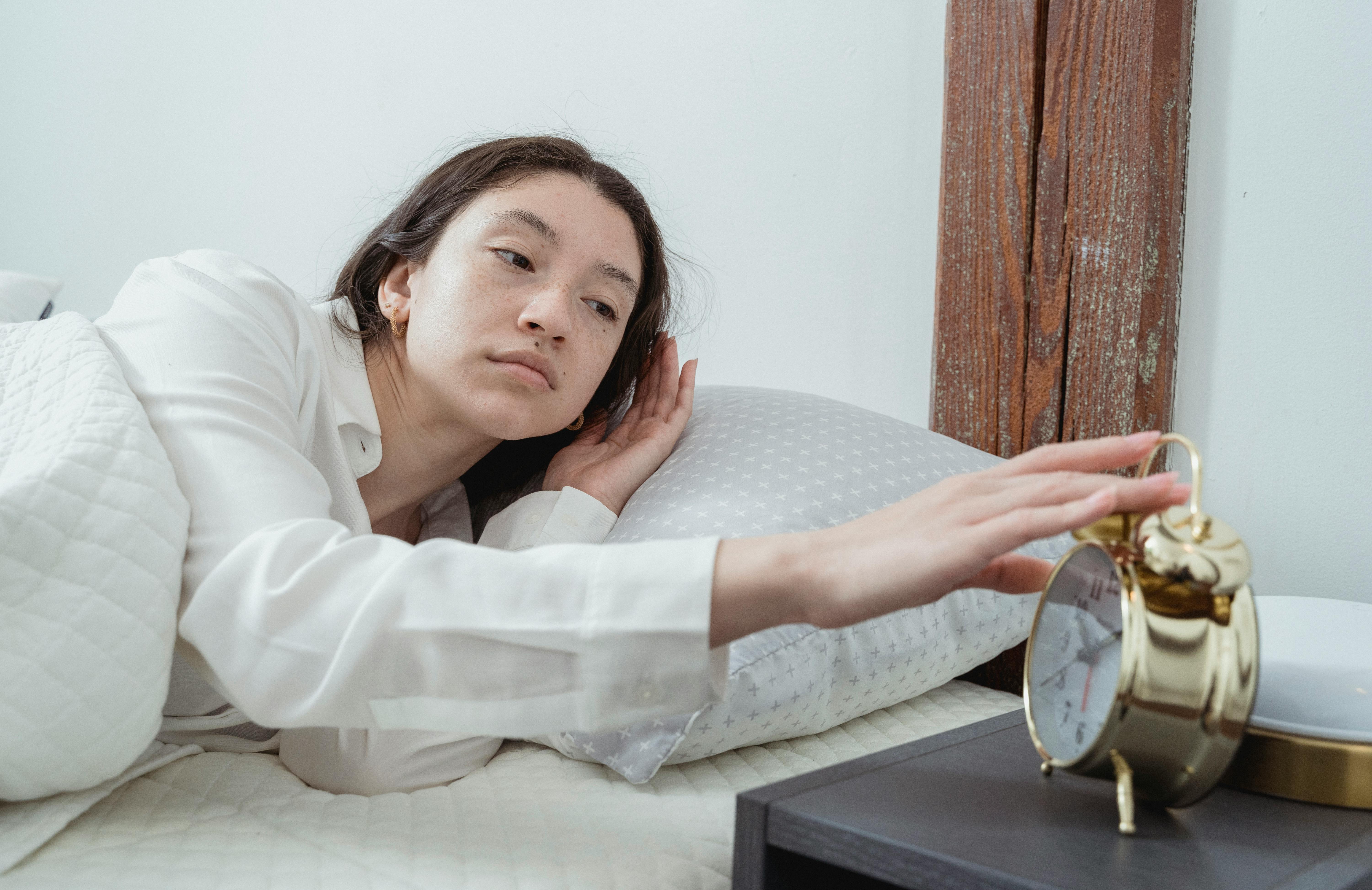
Some people also experience palpitations at rest, particularly at night, when the body is quiet enough to become aware of the heartbeat, and anxious thoughts begin to surface.
How are Anxiety Palpitations Different from a Heart Problem?
People who experience palpitations may be concerned about an underlying heart condition. It is important to remember that not all non-anxiety palpitations have a cardiac origin. However, in some cases, palpitations can be caused by an abnormal heart rhythm or nonarrhythmic cardiac problems, such as mitral valve prolapse (floppy heart valve), pericarditis (inflammation of the heart membrane), or congestive heart failure.
It is worth seeing a doctor if you are experiencing them for the first time or if they are accompanied by certain warning signs.
Warning Signs That Warrant Prompt Medical Evaluation
Palpitations accompanied by persistent chest pain, severe shortness of breath, pressure, or discomfort
New confusion
Fainting or near-fainting (syncope or presyncope)
Frequently occurring palpitations that don’t go away in a few minutes
Cyanosis (skin turning blue or purplish)
Palpitations that occur during exercise
Irregular heartbeat that feels sustained or prolonged
A personal or family history of heart disease or arrhythmia
Palpitations in someone over age 50 with cardiovascular risk factors
If you have these symptoms, your doctor will likely perform an EKG (electrocardiogram) and may recommend ambulatory monitoring to capture your heart rhythm during daily activity. If cardiac causes are ruled out, clinicians may also evaluate for anxiety, medication effects, thyroid problems, anemia, stimulant use (caffeine, nicotine), or other medical contributors.
Note: Seek emergency care if palpitations occur with severe chest pain, fainting, significant shortness of breath, or neurological symptoms.
The Cycle of Anxiety and Palpitations
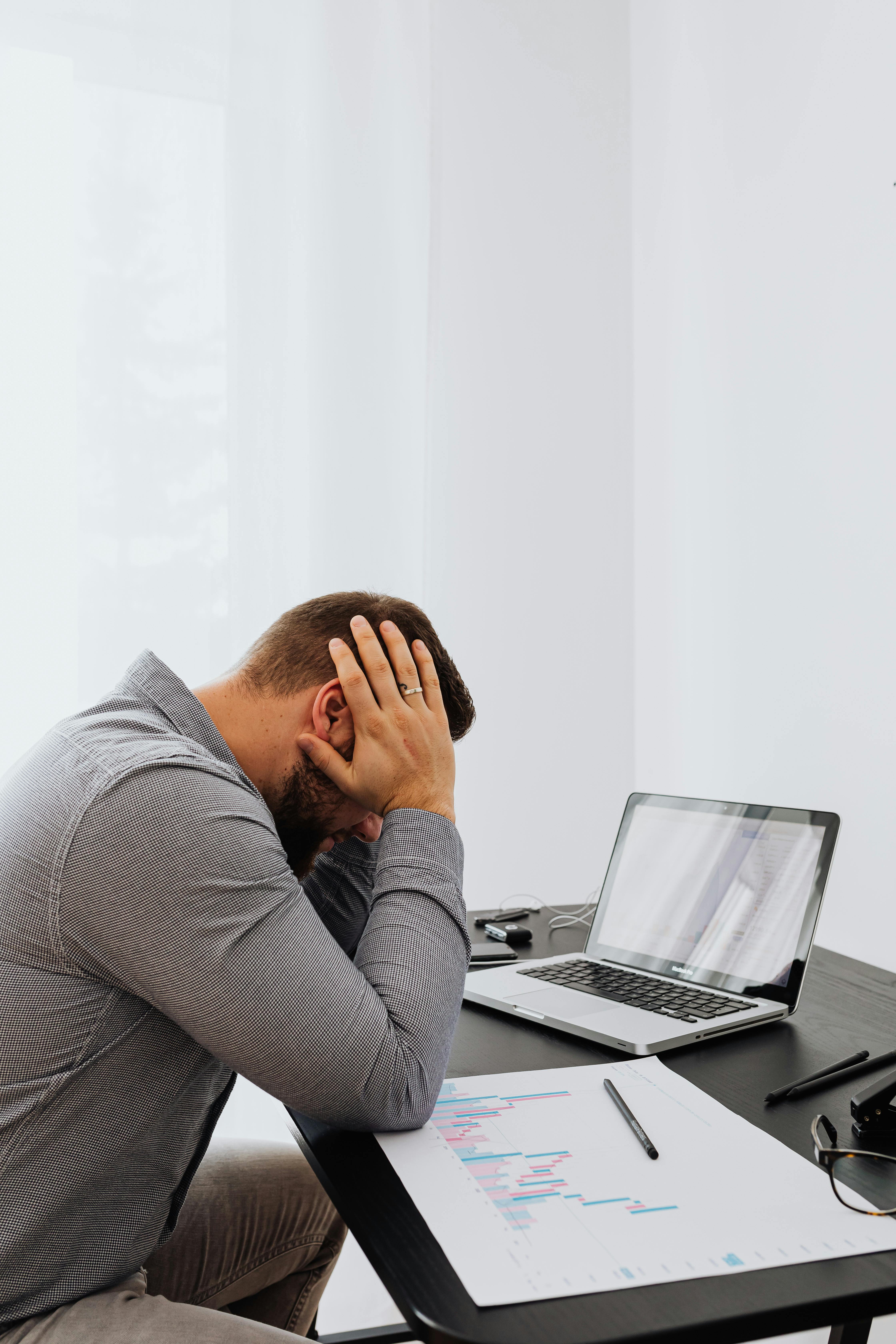
One of the most troublesome aspects of anxiety-related palpitations is the feedback loop they create. People may experience increased heart rate and palpitations during bouts of anxiety, which in turn fuels their fear or worry of an adverse event occurring, like a heart attack or another heart condition. This fear worsens the anxiety in a self-reinforcing cycle..
Research suggests this feedback loop is common in panic disorder and health anxiety.
A study on cardiac awareness and panic disorder described how sensitivity to cardiac sensations in people having a panic attack leads to a heightened awareness of palpitations and an amplified fear response, even when significant cardiac abnormalities aren’t detected.
For some people, the fear of palpitations becomes its own source of anxiety. They may check their pulse frequently, avoid exercise or caffeine, and become hypervigilant about any sensation in the chest. Breaking this cycle typically requires both physical treatment and cognitive work to address the interpretation of bodily sensations.
Treatment for Anxiety-Related Palpitations
Treating the underlying anxiety can help reduce anxiety-related palpitations in many people.
Cognitive-Behavioral Therapy (CBT)
CBT is a form of psychotherapy that helps people identify and change the thinking patterns that amplify anxiety, including the catastrophic interpretations of palpitations ("This means I'm having a heart attack") that make the experience more distressing. It also uses exposure techniques to help people become less reactive to anxiety-related body sensations.
Medication
SSRIs and SNRIs are the first-line medications for anxiety disorders and, with consistent use over four to eight weeks, typically reduce both the frequency and intensity of the anxiety response, including palpitations.
Beta-blockers, such as propranolol, are sometimes prescribed specifically to blunt the physical symptoms of anxiety, including rapid heart rate, in appropriate patients, though they treat the symptom rather than the underlying anxiety.
Lifestyle Changes
Several lifestyle factors can trigger or worsen palpitations in anxious people:
Caffeine: Stimulates the sympathetic nervous system and can worsen palpitations, particularly in anxiety-prone individuals
Sleep deprivation: Increases anxiety reactivity and physical stress responses
Dehydration: Can cause or worsen palpitations
Alcohol: May provide short-term relief but disrupts sleep and increases anxiety overall
Identifying lifestyle factors that could be contributing to anxiety and palpitations and making changes can work in tandem with medication and psychotherapy to produce results.
Diaphragmatic breathing — slow, deep breathing from the belly — may help activate the parasympathetic ("rest-and-digest") nervous system and can interrupt the acute stress response, reducing palpitations in some people.
How to Get Help
If frequent heart palpitations are causing discomfort and you are also struggling with anxiety, help is within reach. Telehealth platforms like Blossom Health connect you with psychiatric care providers, who can assess whether the palpitations are anxiety-induced and provide treatment to address both the anxiety and the palpitations it causes.
Medical Disclaimer
This article is for informational purposes only and is not a substitute for professional medical advice, diagnosis, or treatment. Heart palpitations should be evaluated by a physician to rule out cardiac causes. If you are in crisis, call or text 988.
Sources
Kandiah, J. W., Blumberger, D. M., & Rabkin, S. W. (2022). The Fundamental Basis of Palpitations: A Neurocardiology Approach. Current cardiology reviews, 18(3), e090921196306. https://pmc.ncbi.nlm.nih.gov/articles/PMC9615214/
Abbott A. V. (2005). Diagnostic approach to palpitations. American family physician, 71(4), 743–750. https://pubmed.ncbi.nlm.nih.gov/15742913/
Barsky, A. J., Cleary, P. D., Sarnie, M. K., & Ruskin, J. N. (1994). Panic disorder, palpitations, and the awareness of cardiac activity. The Journal of nervous and mental disease, 182(2), 63–71. https://pubmed.ncbi.nlm.nih.gov/8308534/
Barsky A. J. (1992). Palpitations, cardiac awareness, and panic disorder. The American journal of medicine, 92(1A), 31S–34S. https://pubmed.ncbi.nlm.nih.gov/1734732/
Cleveland Clinic. (2024, August 12). Heart palpitations and anxiety. https://my.clevelandclinic.org/health/diseases/21677-heart-palpitations-and-anxiety
Weber, B. E., & Kapoor, W. N. (1996). Evaluation and outcomes of patients with palpitations. The American journal of medicine, 100(2), 138–148. https://pubmed.ncbi.nlm.nih.gov/8629647/
National Institute of Mental Health. (2024, December). Anxiety disorders. U.S. Department of Health and Human Services, National Institutes of Health. https://www.nimh.nih.gov/health/topics/anxiety-disorders
American Psychiatric Association. (n.d.) What are Anxiety Disorders? https://www.psychiatry.org/patients-families/anxiety-disorders/what-are-anxiety-disorders
Mishra, A. K., & Varma, A. R. (2023). A Comprehensive Review of the Generalized Anxiety Disorder. Cureus, 15(9), e46115. https://pmc.ncbi.nlm.nih.gov/articles/PMC10612137/
Mayo Clinic Staff. (2025, April 30). Heart palpitations: Symptoms and causes. Mayo Clinic. https://www.mayoclinic.org/diseases-conditions/heart-palpitations/symptoms-causes/syc-20373196