Seasonal Affective Disorder (SAD) Treatment: What Works and Why
Author:
Blossom Editorial



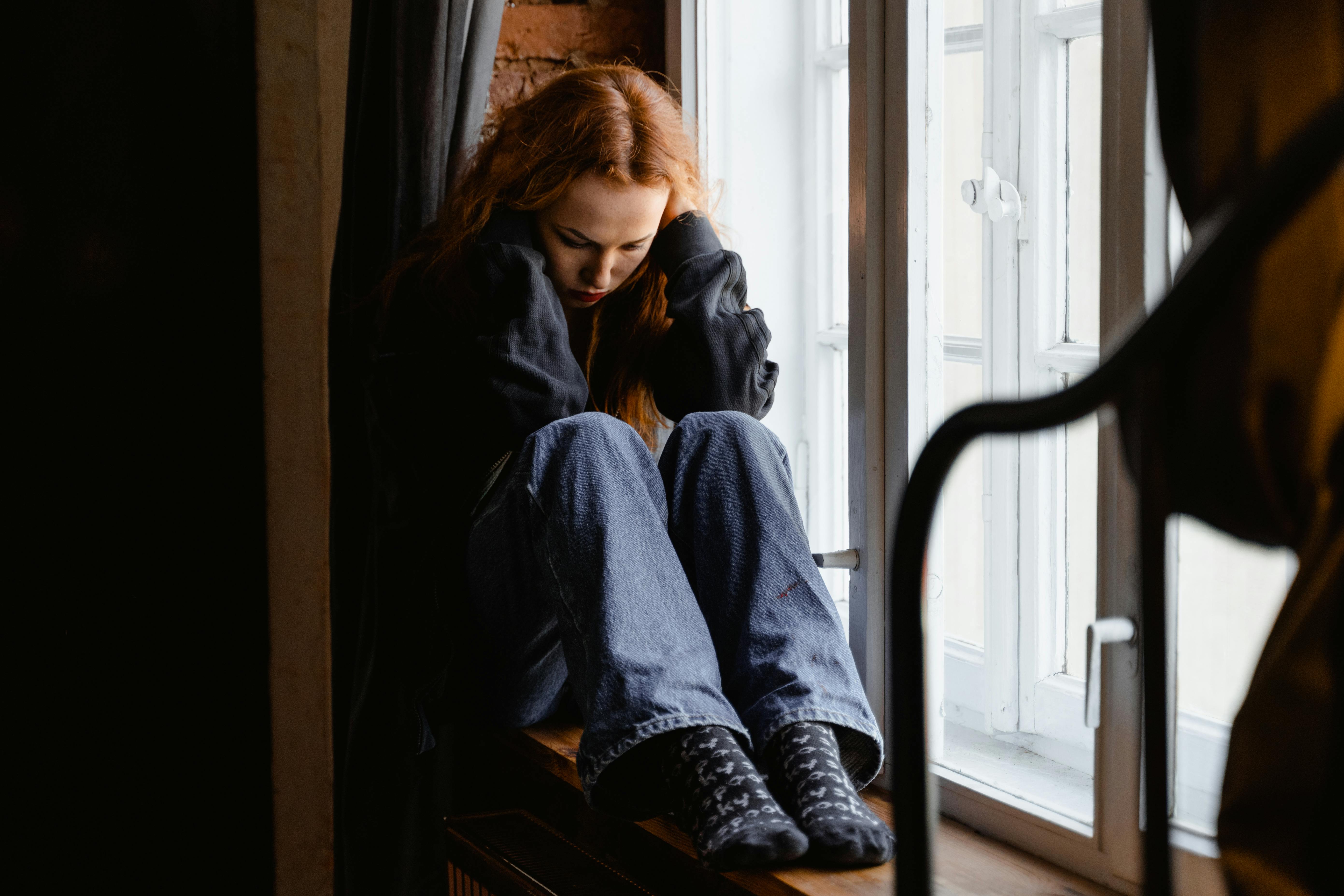
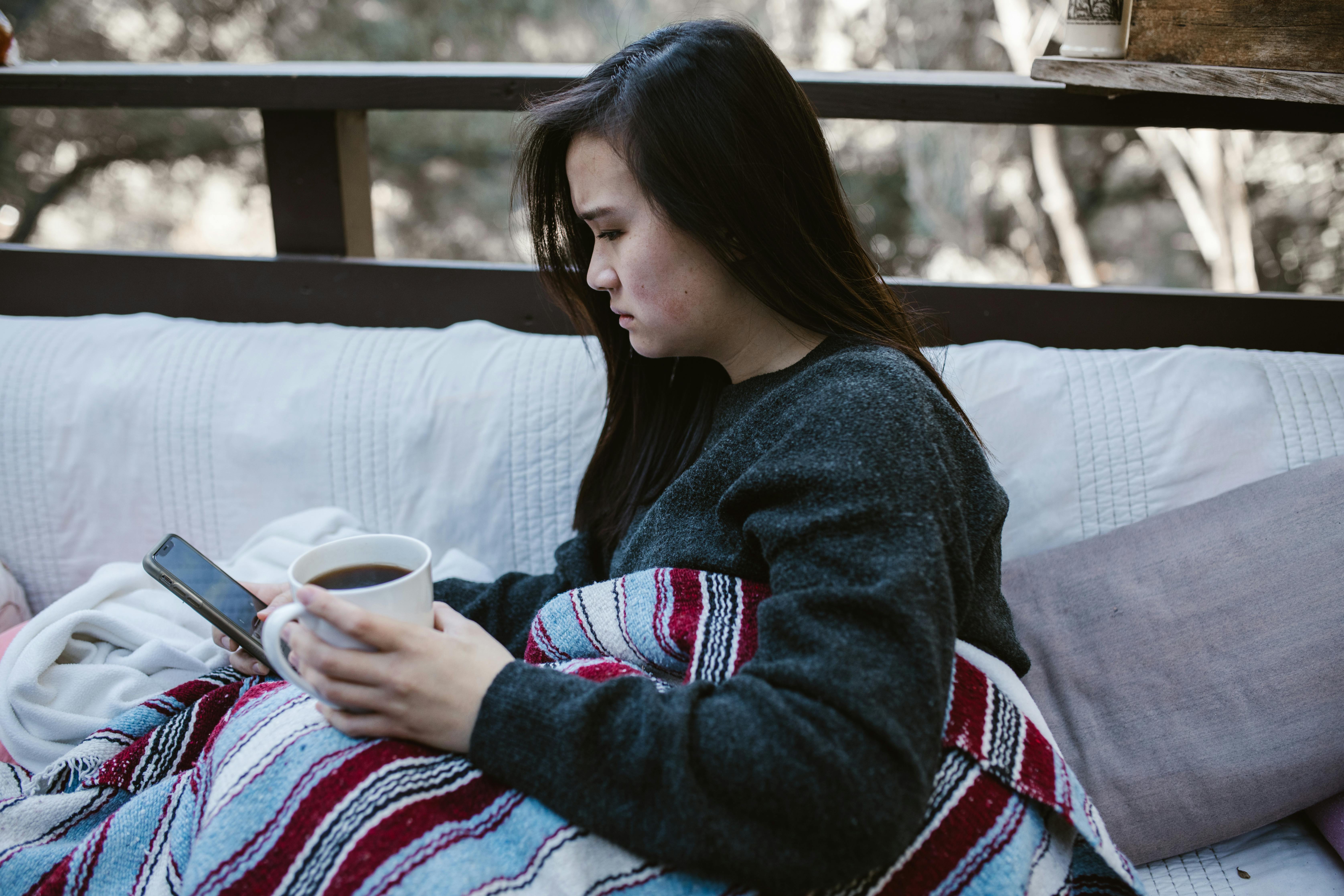
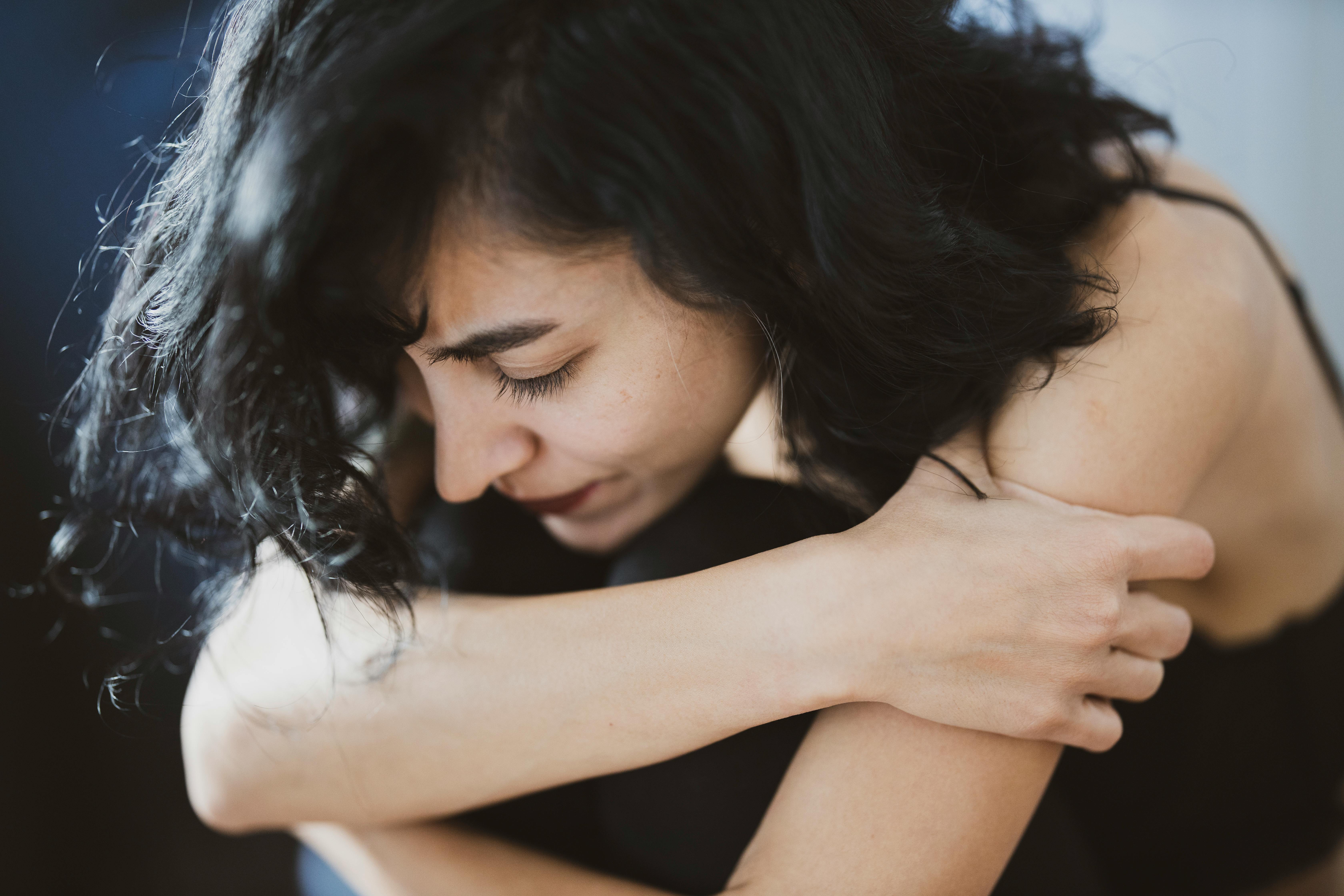
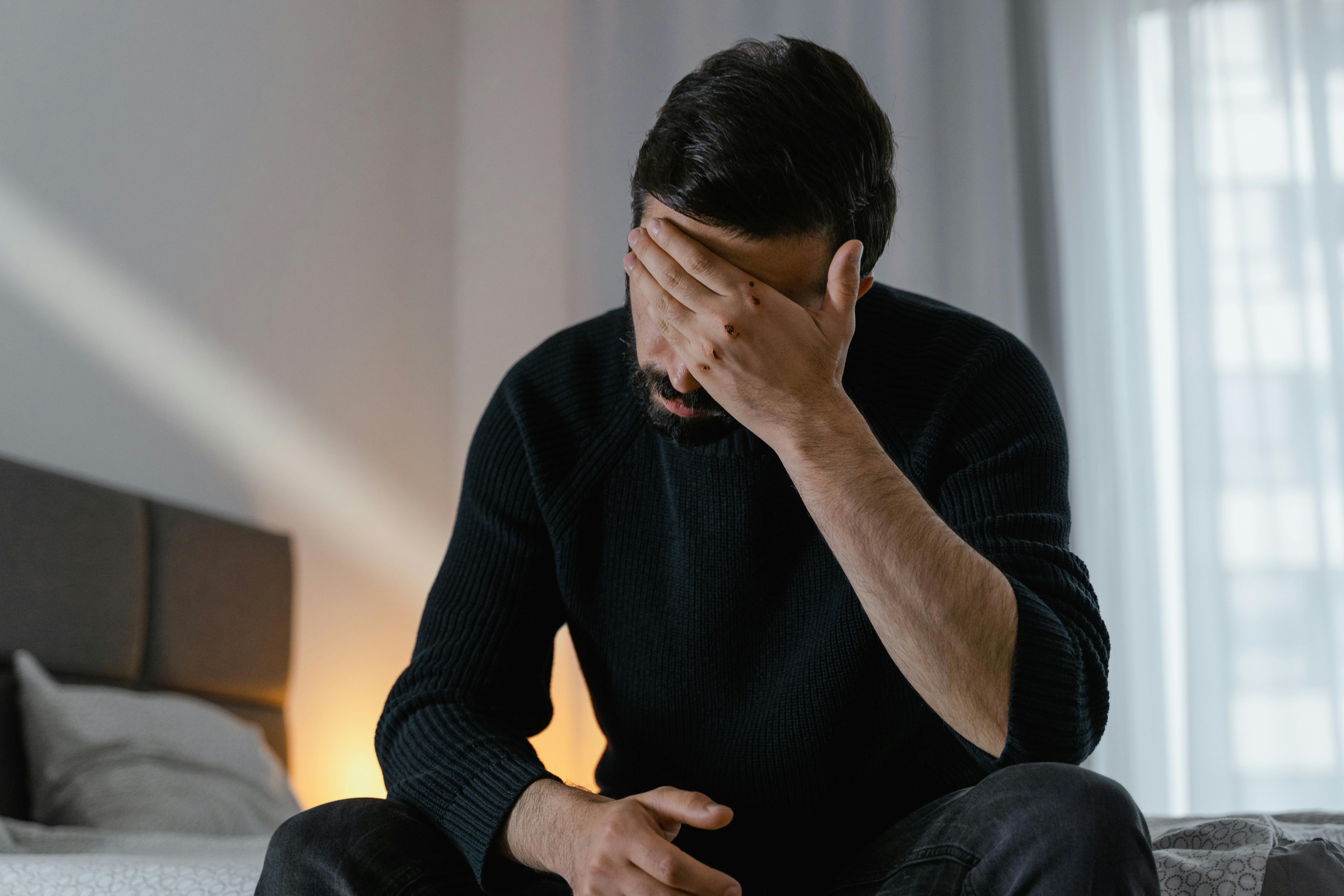
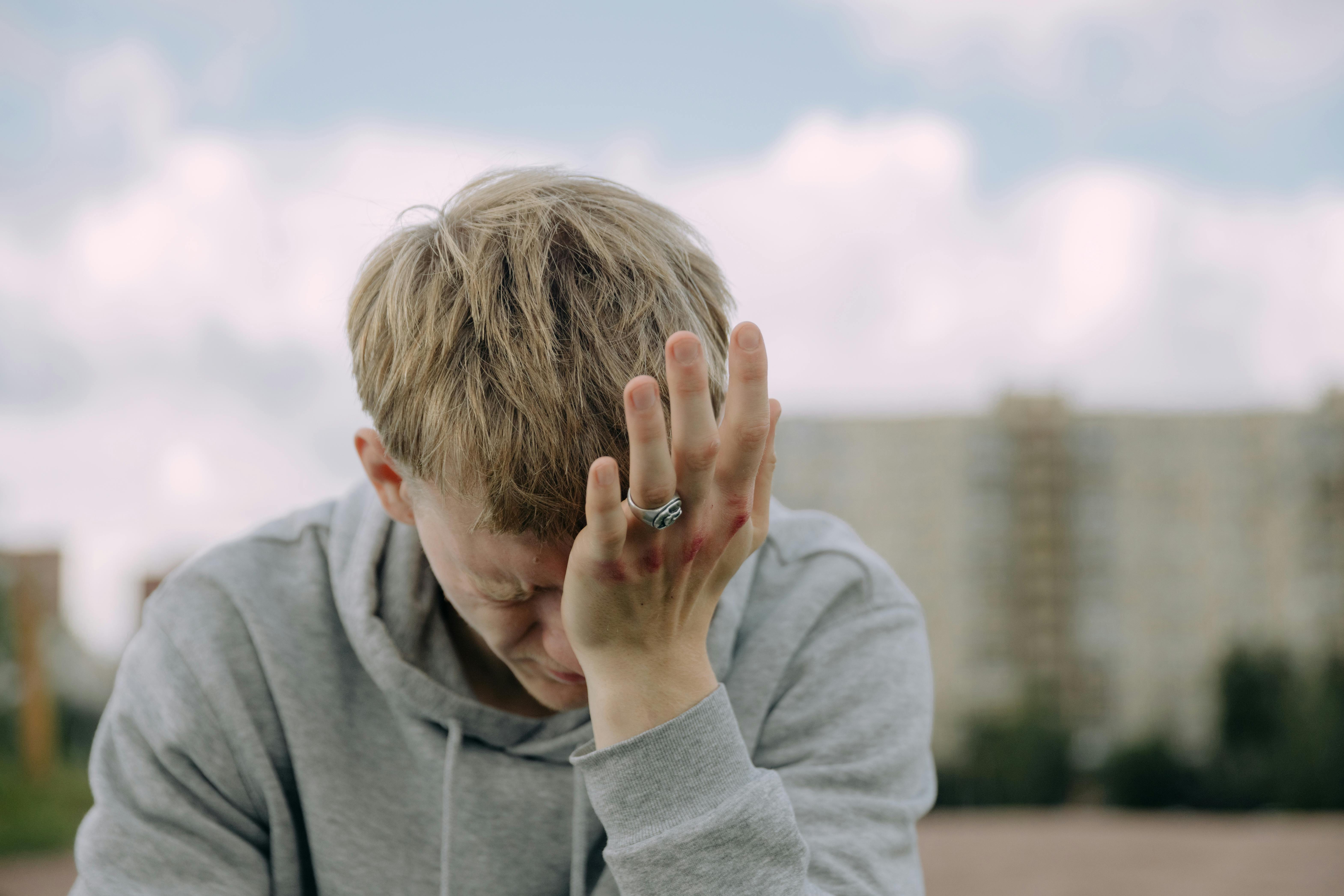
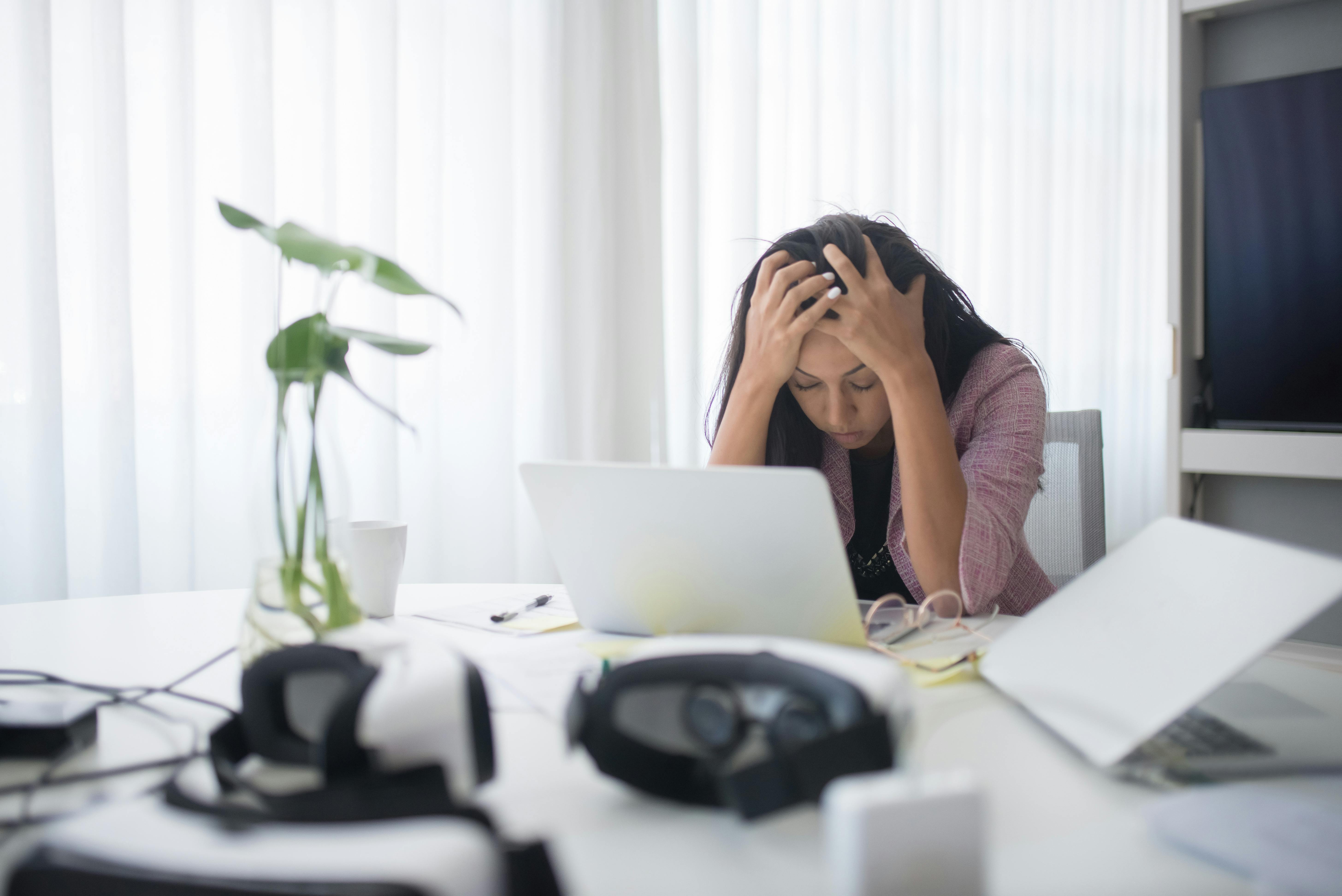
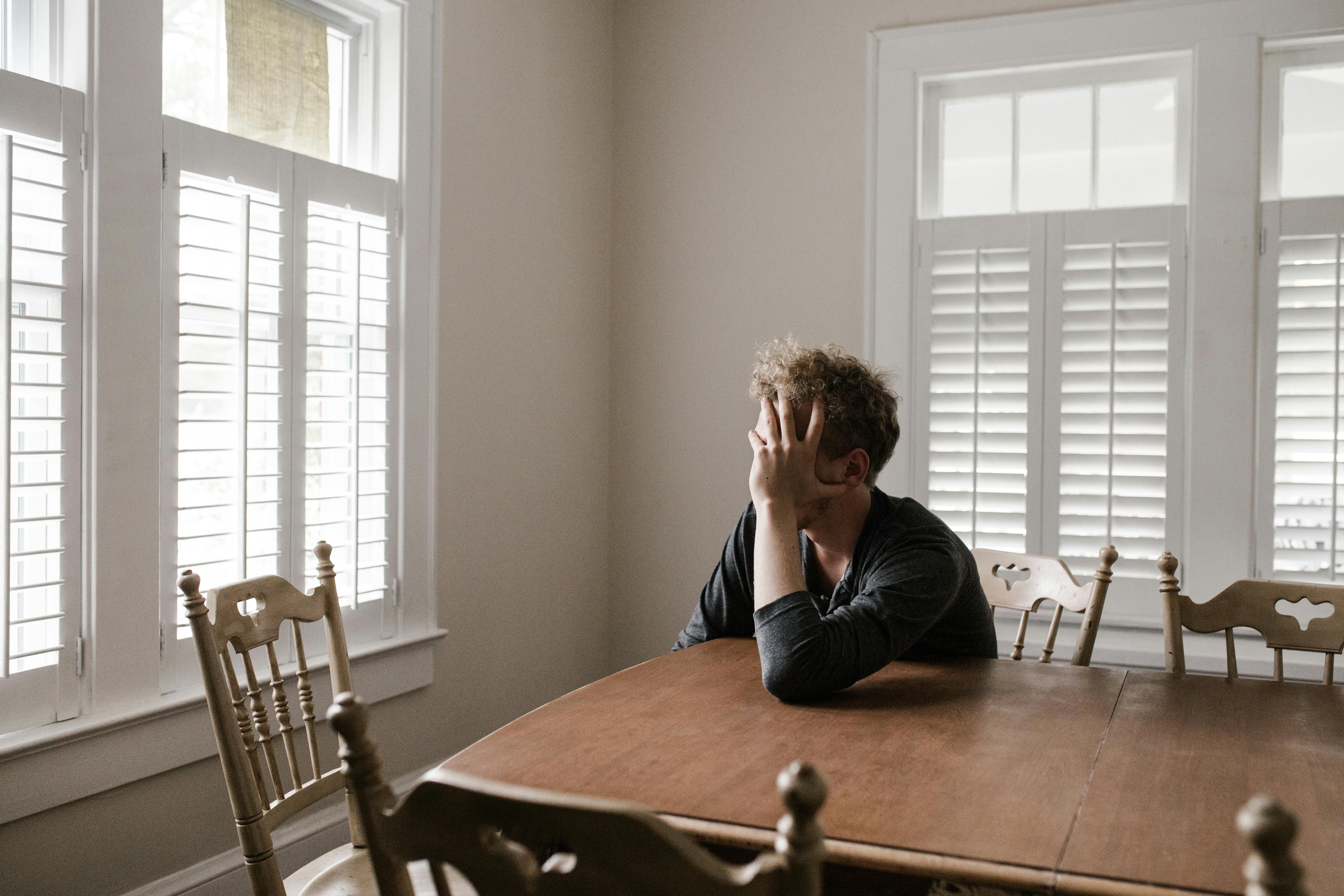
For many people, the arrival of fall and winter brings more than colder temperatures. It brings a heaviness, with a withdrawal from life, a loss of energy, a sadness that feels as predictable as the changing light. This is seasonal affective disorder (SAD), a form of depression with a seasonal pattern that affects an estimated 5% of adults in the US and occurs predominantly in fall and winter.
SAD is not simply the "winter blues." It is a diagnosable condition with established biological mechanisms and a range of effective treatment options. According to the American Psychiatric Association, SAD can be as disabling as any other form of major depression; however, it responds very well to targeted treatment when properly identified.
Key Takeaways
Seasonal affective disorder is a subtype of major depression that follows a predictable seasonal pattern, most commonly having a fall/winter onset and remission in spring. It is caused primarily by reduced light exposure that affects serotonin, melatonin, and circadian rhythms.
Light therapy (using a 10,000-lux lightbox for 20–30 minutes each morning) is the most evidence-based first-line treatment for SAD and can produce significant symptom improvement within one to two weeks.
Antidepressant medication and psychotherapy, particularly cognitive behavioral therapy (CBT) adapted for SAD, are effective treatment options, especially for moderate to severe cases or when light therapy alone is insufficient.
What Is Seasonal Affective Disorder?
Seasonal affective disorder (SAD) is officially considered a type of depression that follows a seasonal pattern. In simple terms, it means a person’s depressive symptoms tend to show up around the same time each year, usually during the fall and winter, and improve or go away in the spring and summer. For doctors to diagnose it, this pattern typically needs to happen for at least two years in a row, with seasonal episodes happening more often than non-seasonal ones.
There is also a less common summer-pattern SAD, which occurs in warmer months and has distinct features, but winter-pattern SAD accounts for the large majority of cases and is the focus of most treatment research.
Symptoms of Winter-Pattern SAD
Winter-pattern SAD shares many features with non-seasonal depression but tends to include some distinctive characteristics that reflect its biological basis in light deprivation and circadian disruption. These include:
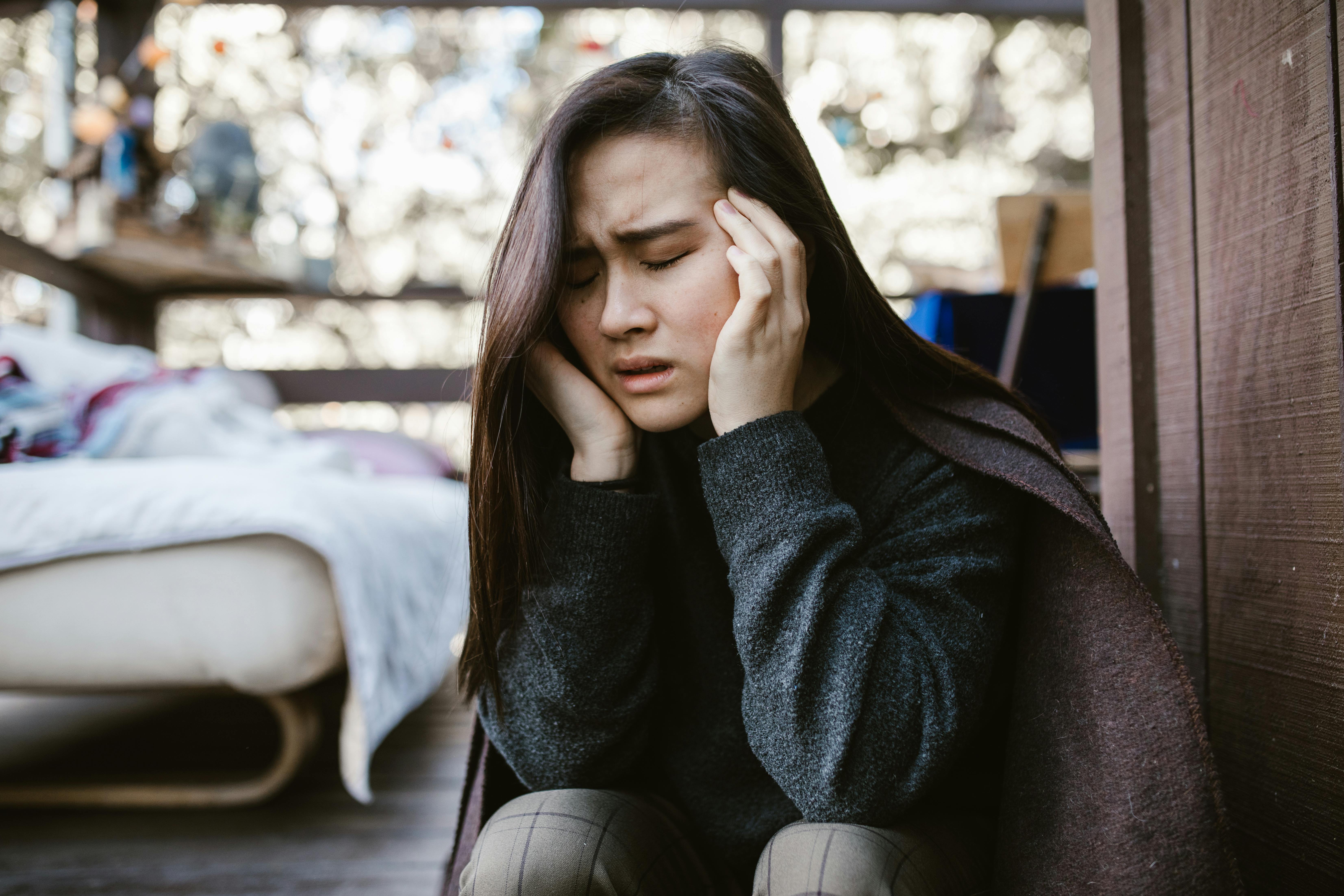
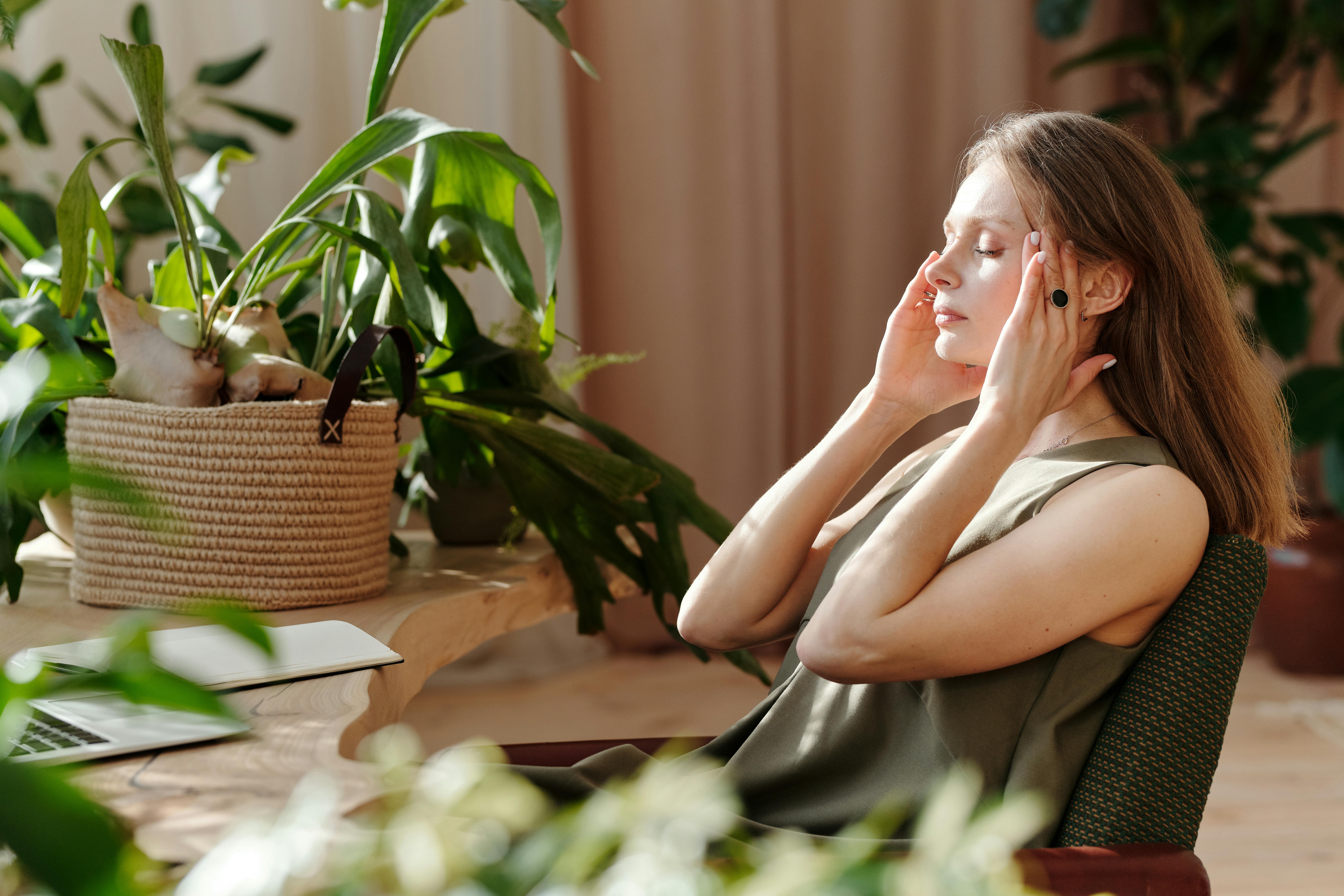
Persistent low mood, sadness, or emotional emptiness for most of the day
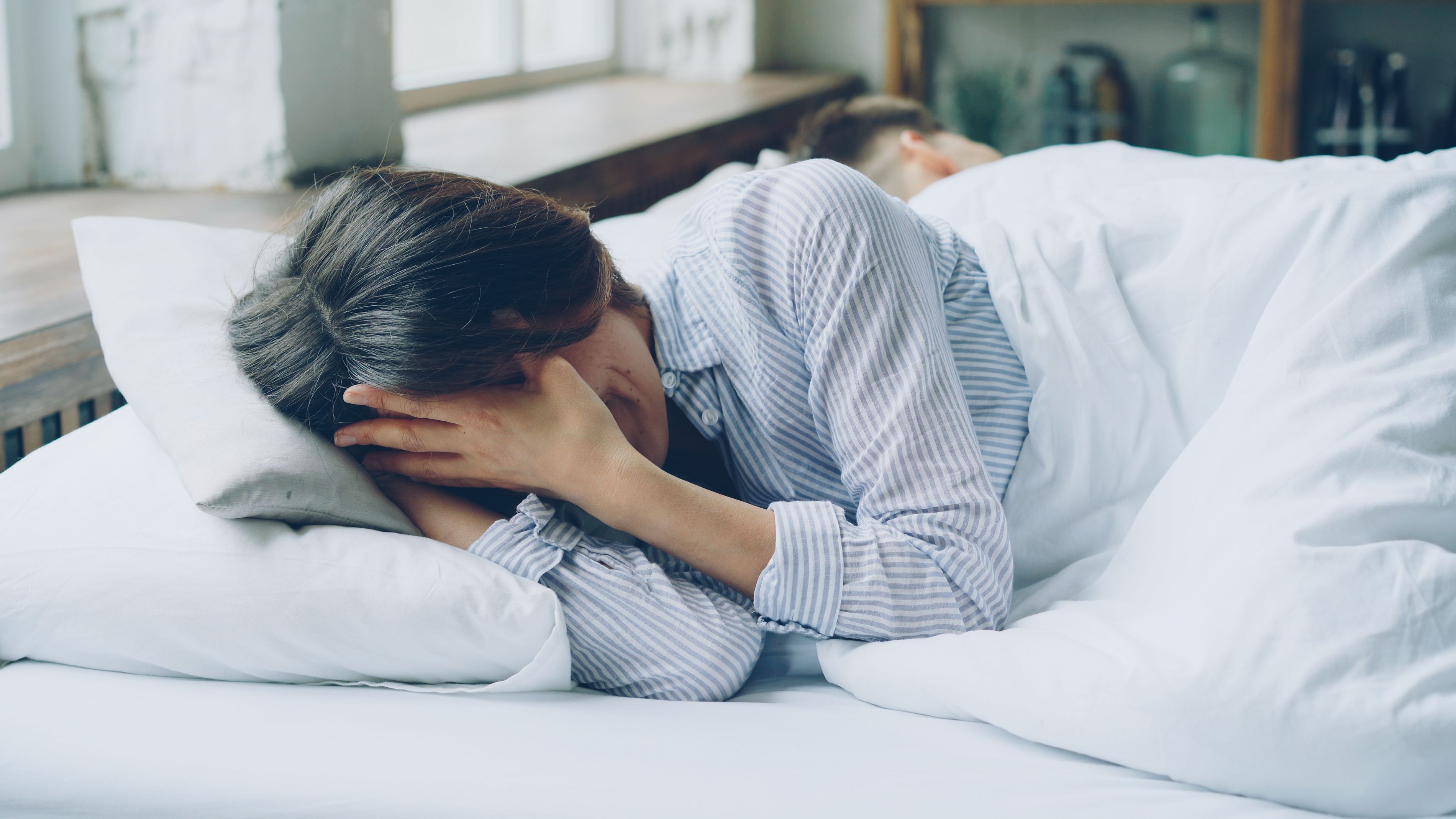
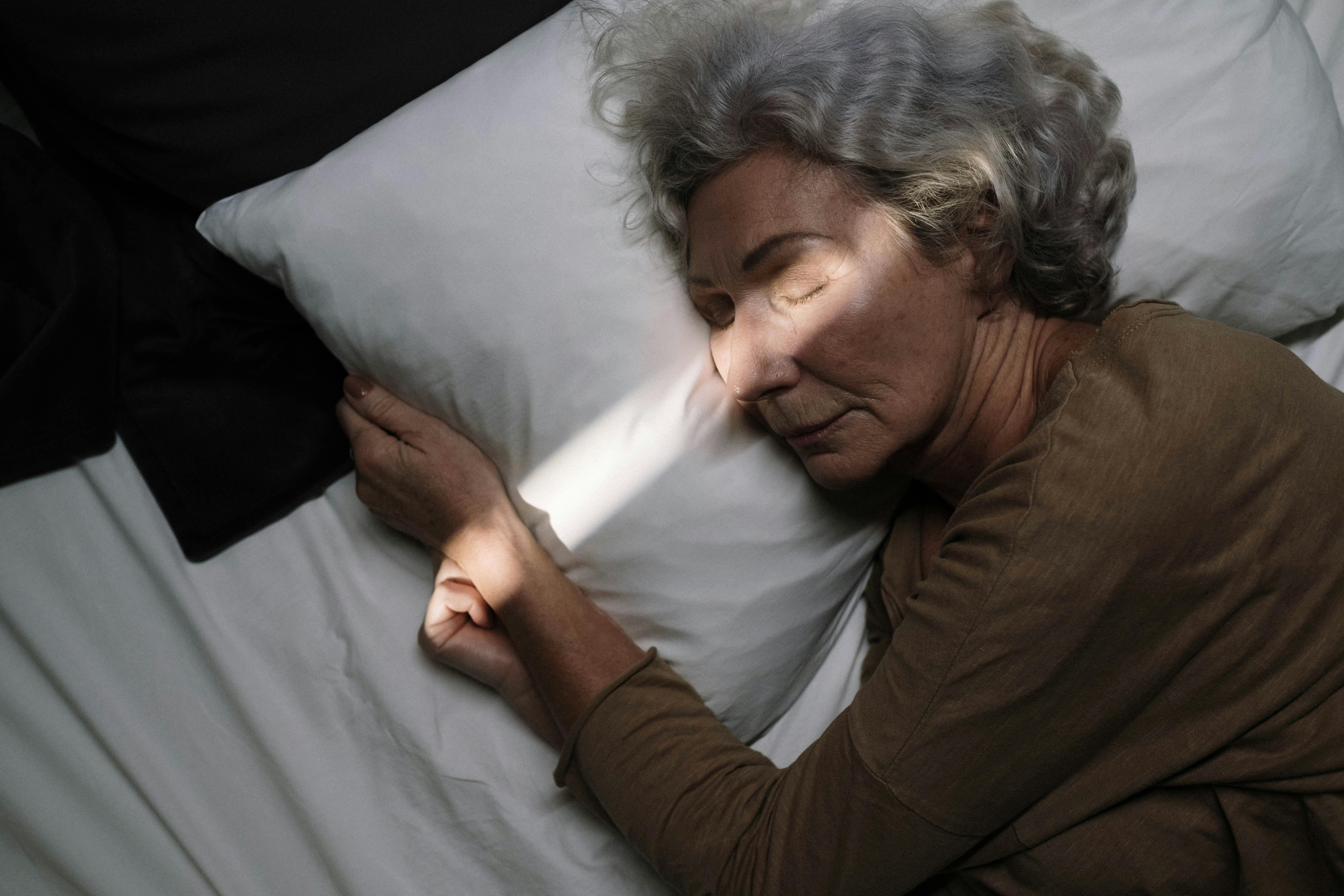
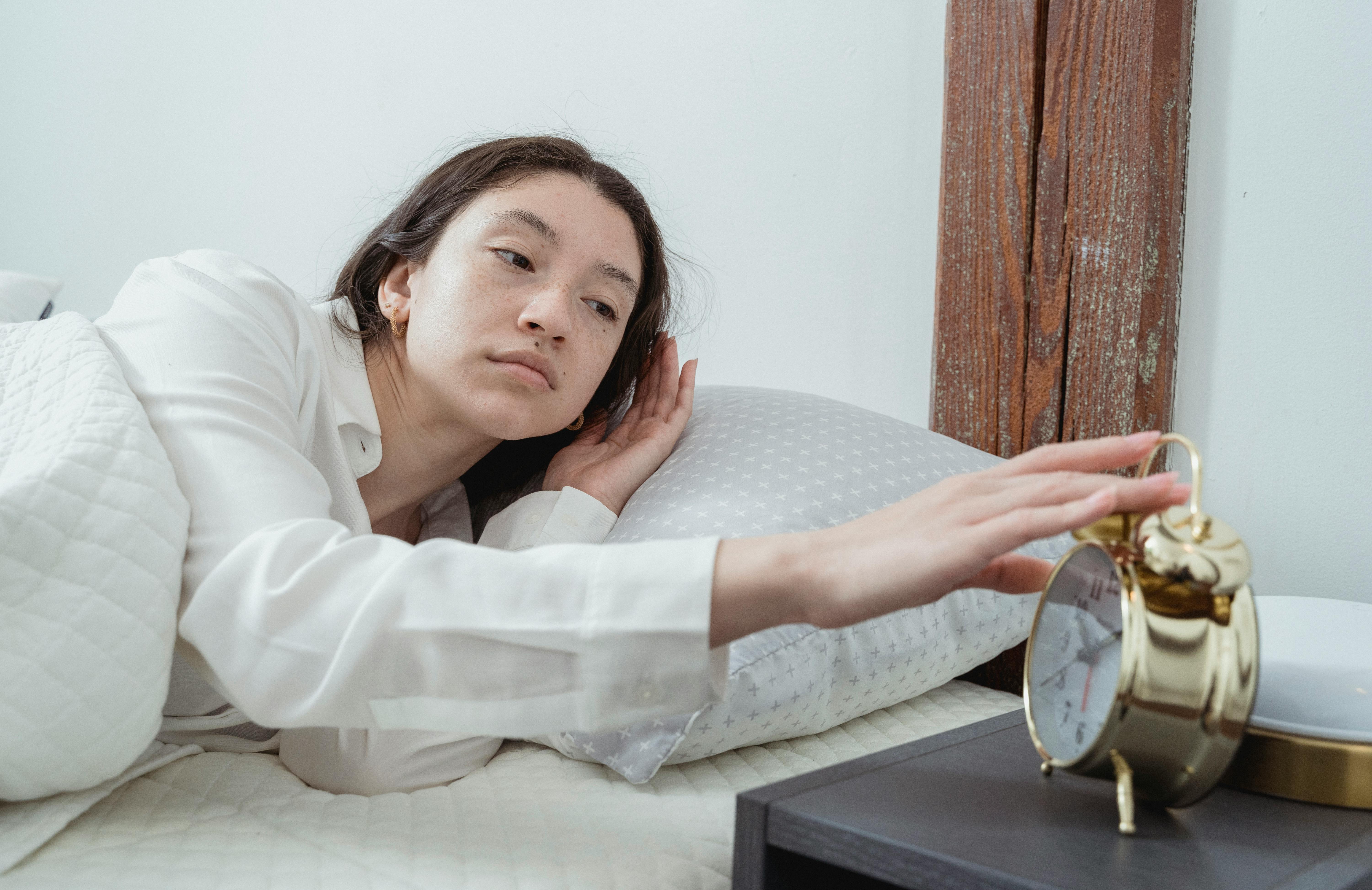
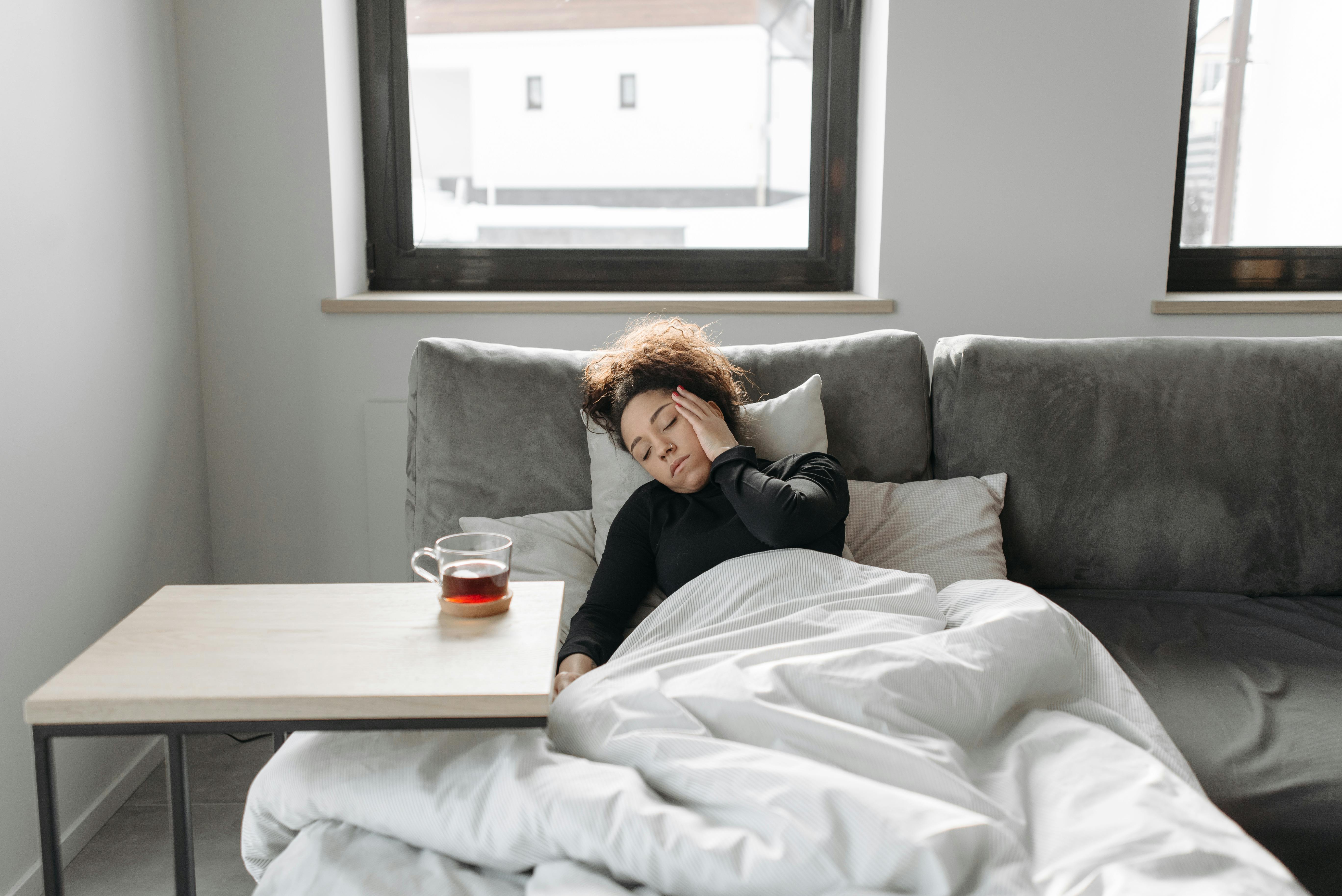
Hypersomnia, which is sleeping significantly more than usual, yet still feeling unrefreshed
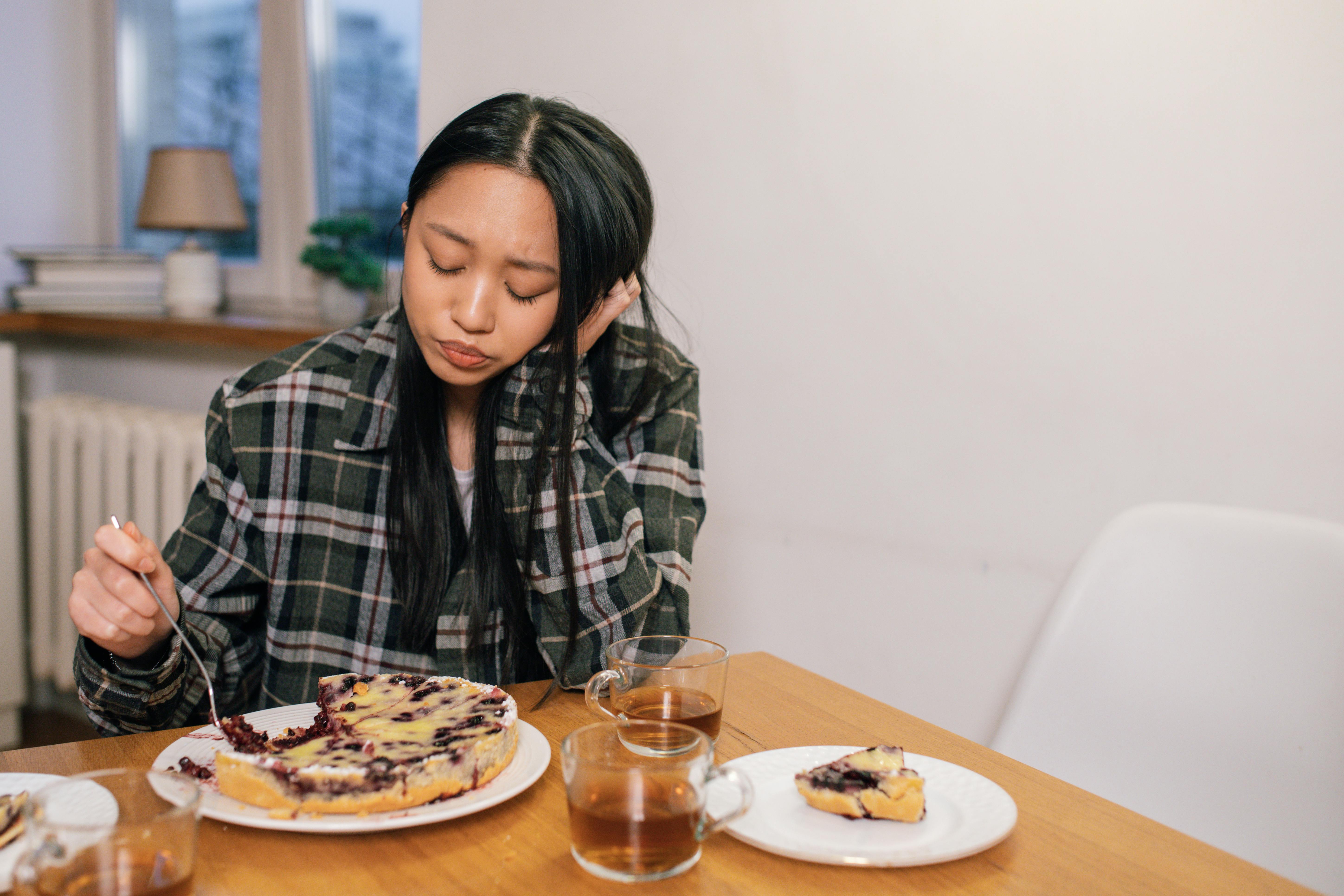
Carbohydrate cravings and increased appetite, often with weight gain
Fatigue and very low energy, even with increased sleep
Social withdrawal, including pulling away from friends, family, and activities
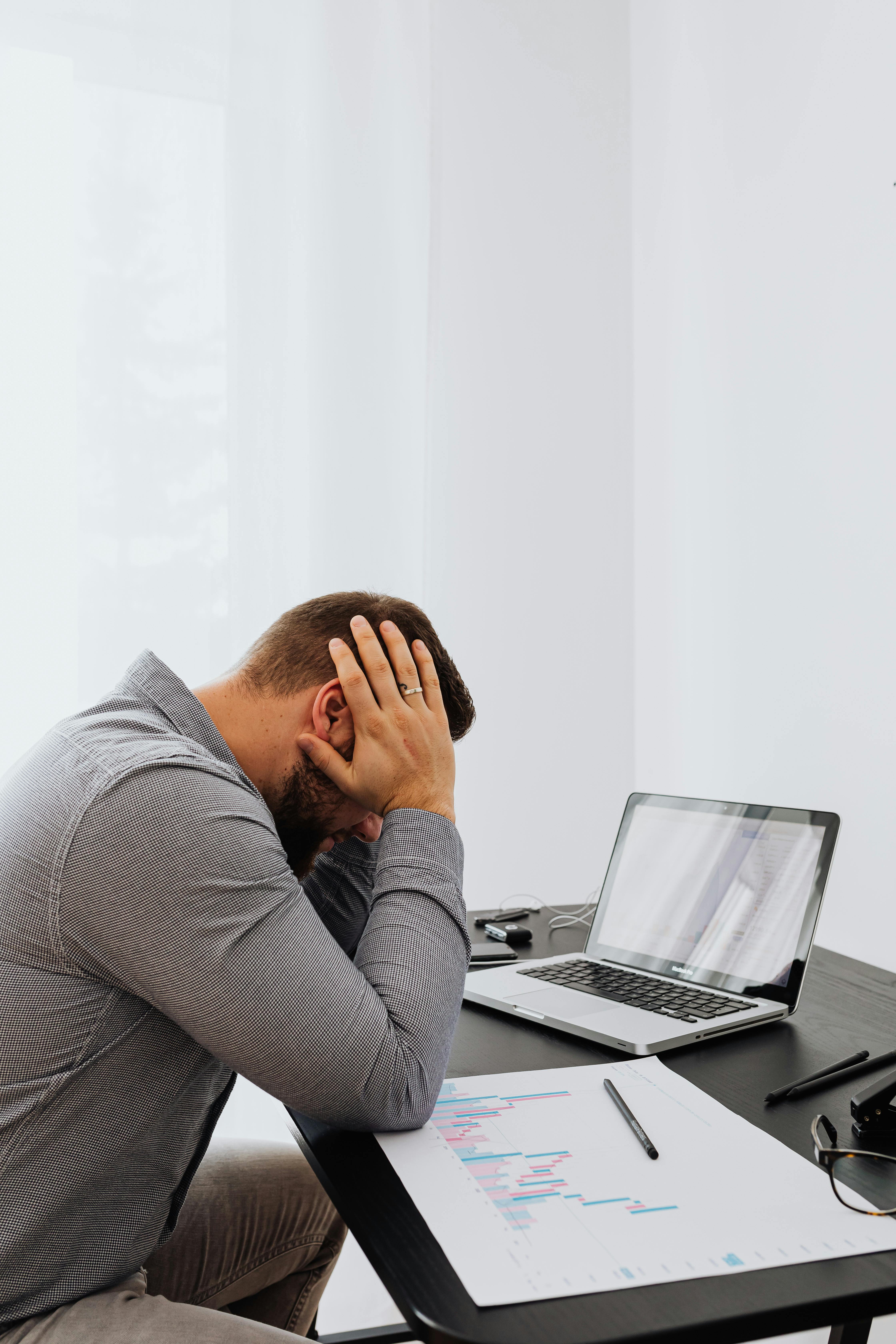
Difficulty concentrating, making decisions, or completing tasks
Feelings of hopelessness or worthlessness
These symptoms typically emerge in October or November and resolve on their own by March or April in the Northern Hemisphere. But waiting for spring to arrive is not the only option, and for many people with moderate to severe SAD, waiting without treatment means months of significantly impaired functioning.
What Causes Seasonal Affective Disorder?
Research has identified several biological mechanisms through which reduced light exposure leads to depressive symptoms.
Serotonin Dysregulation
Light plays a key role in regulating serotonin, the neurotransmitter most associated with mood stability. According to research, light directly stimulates serotonin transporter activity in the brain. During the winter, reduced sunlight can affect how the brain handles serotonin. With less light exposure, serotonin may get cleared away more quickly, which can lower overall serotonin levels and increase the chances of feeling depressed.
Melatonin Overproduction
Melatonin, the hormone that signals nighttime to the body, is produced in darkness and suppressed by light. During winter's shorter days, the extended period of darkness can lead to prolonged melatonin production, which is associated with sleepiness, low energy, and mood changes. People with SAD may produce melatonin during daylight hours to a greater degree than those without SAD.
Circadian Rhythm Disruption
The body's circadian clock, which regulates sleep-wake cycles, hormone release, and dozens of other biological processes, is entrained primarily by light exposure. When light is scarce, the circadian clock can become misaligned, resulting in what researchers call circadian phase delay. This is thought to contribute to the fatigue, sleep disruption, and mood changes of SAD. A study found that correcting circadian phase delay through morning light exposure or chronobiological therapies produces significant antidepressant effects in SAD.
Effective Treatments for Seasonal Affective Disorder
SAD is one of the most treatment-responsive forms of depression. Multiple well-studied approaches exist, and they can be combined for greater effect.
Light Therapy
Light therapy, which includes daily exposure to a bright artificial lightbox, is the most widely studied and recommended first-line treatment for winter SAD. A standard lightbox emits 10,000 lux of cool-white fluorescent light (compared to typical indoor lighting at 100–500 lux). According to a study, light therapy produces response rates comparable to CBT for SAD.
The standard protocol is 20–30 minutes of exposure each morning, within one to two hours of waking. The light is placed at eye level, about 12–24 inches away. You look near the light, not directly at it. Lightboxes are available without a prescription and cost between $30 and $100. Side effects are generally mild and may include headache or eye strain in the first few days.
Antidepressant Medication
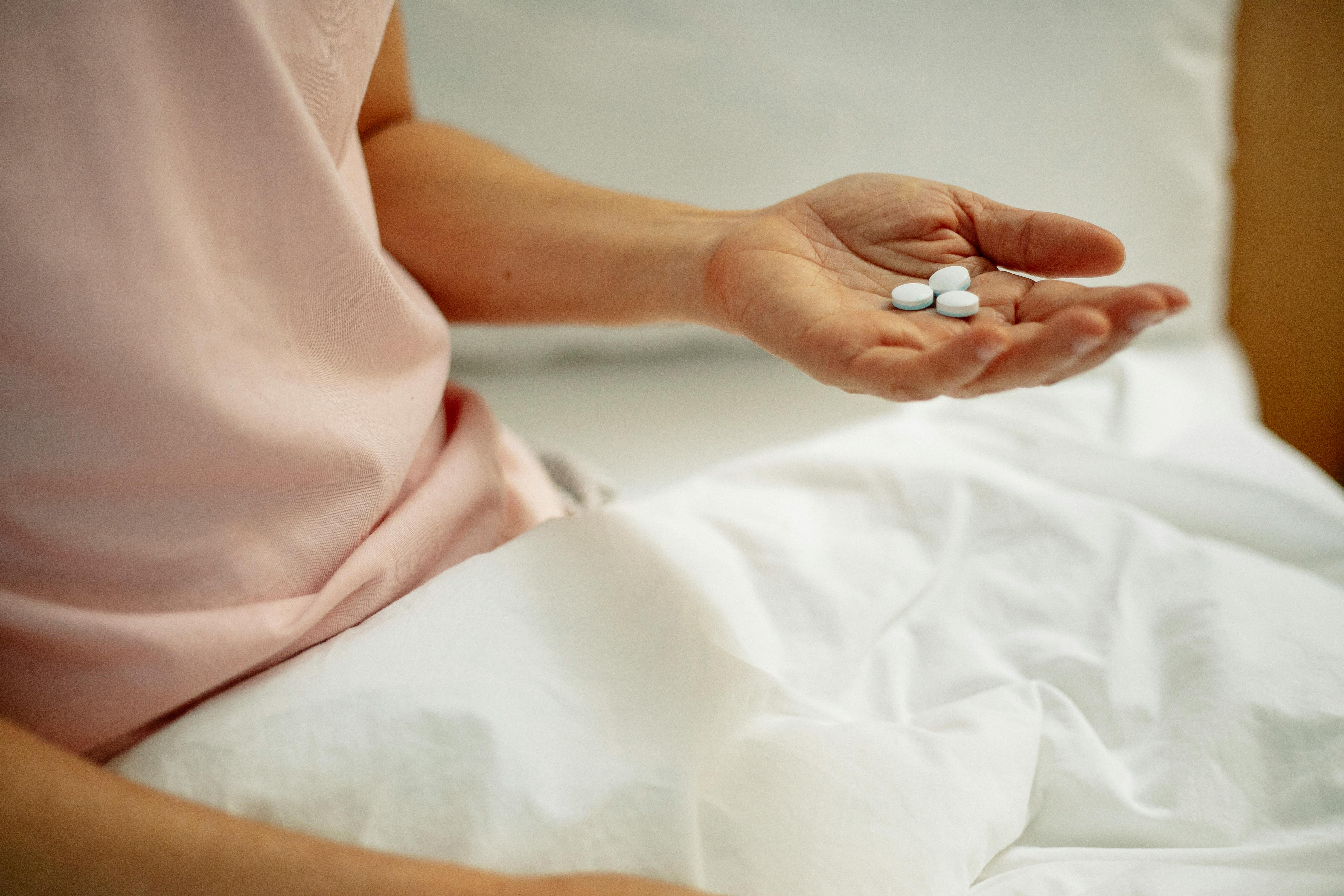
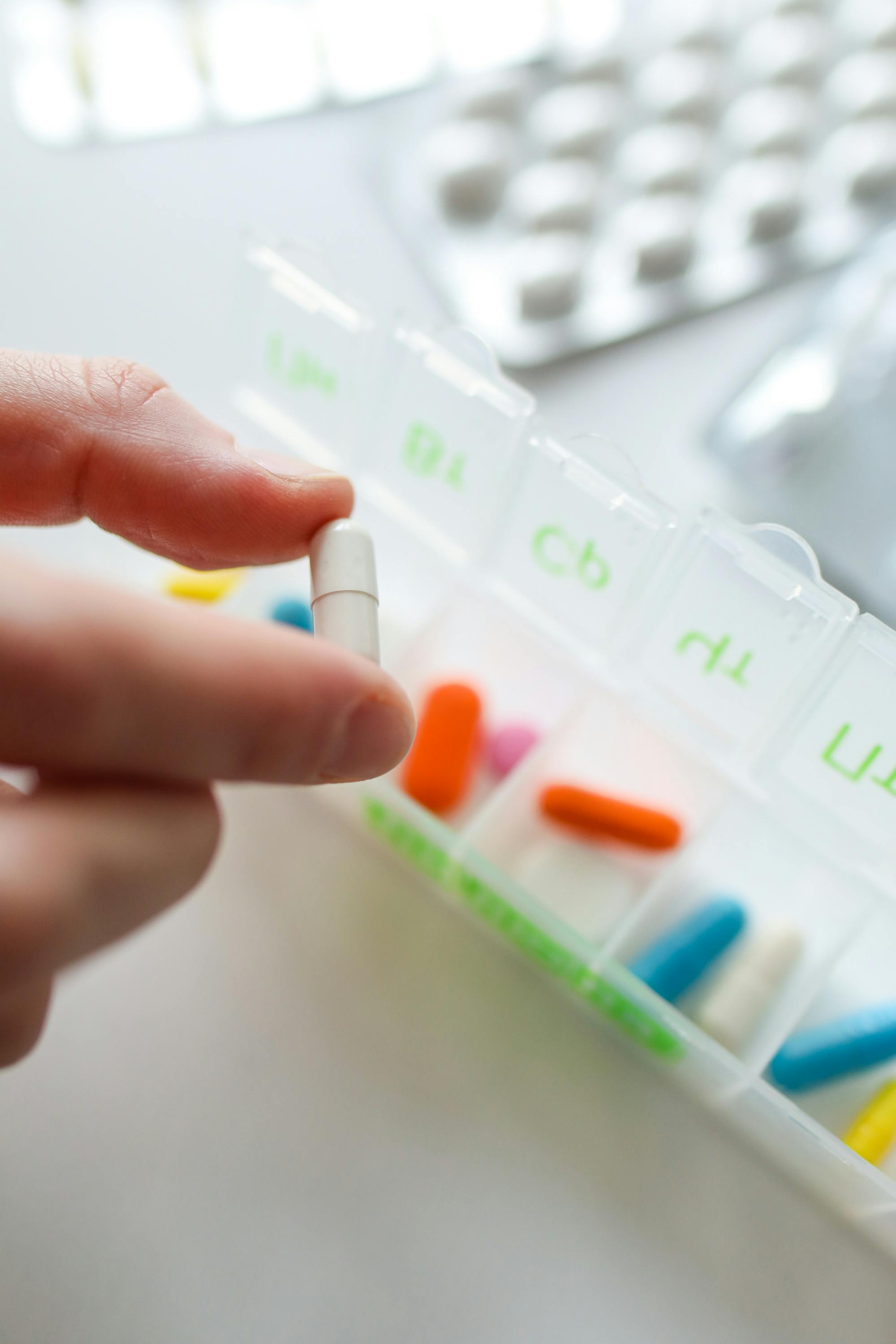
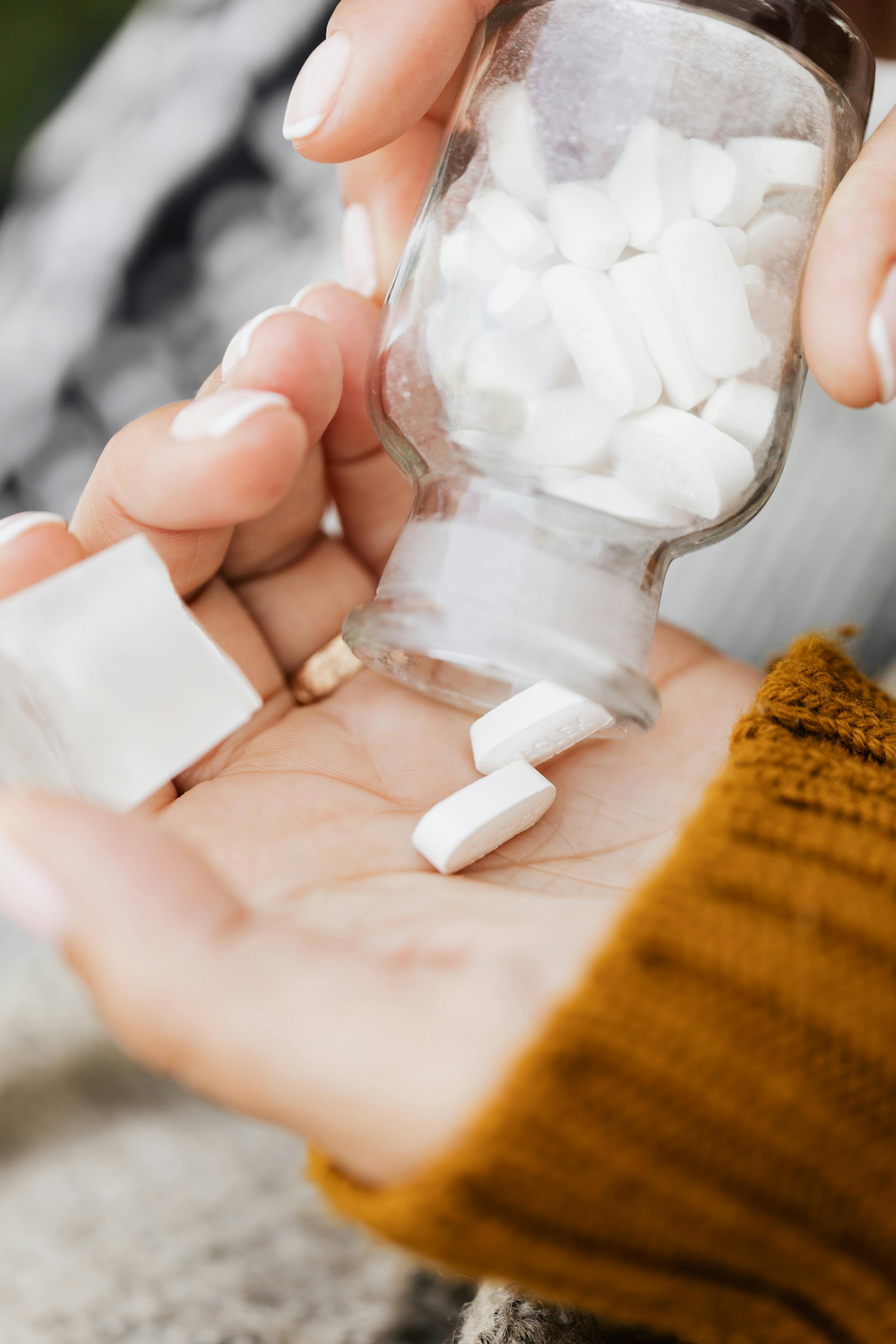
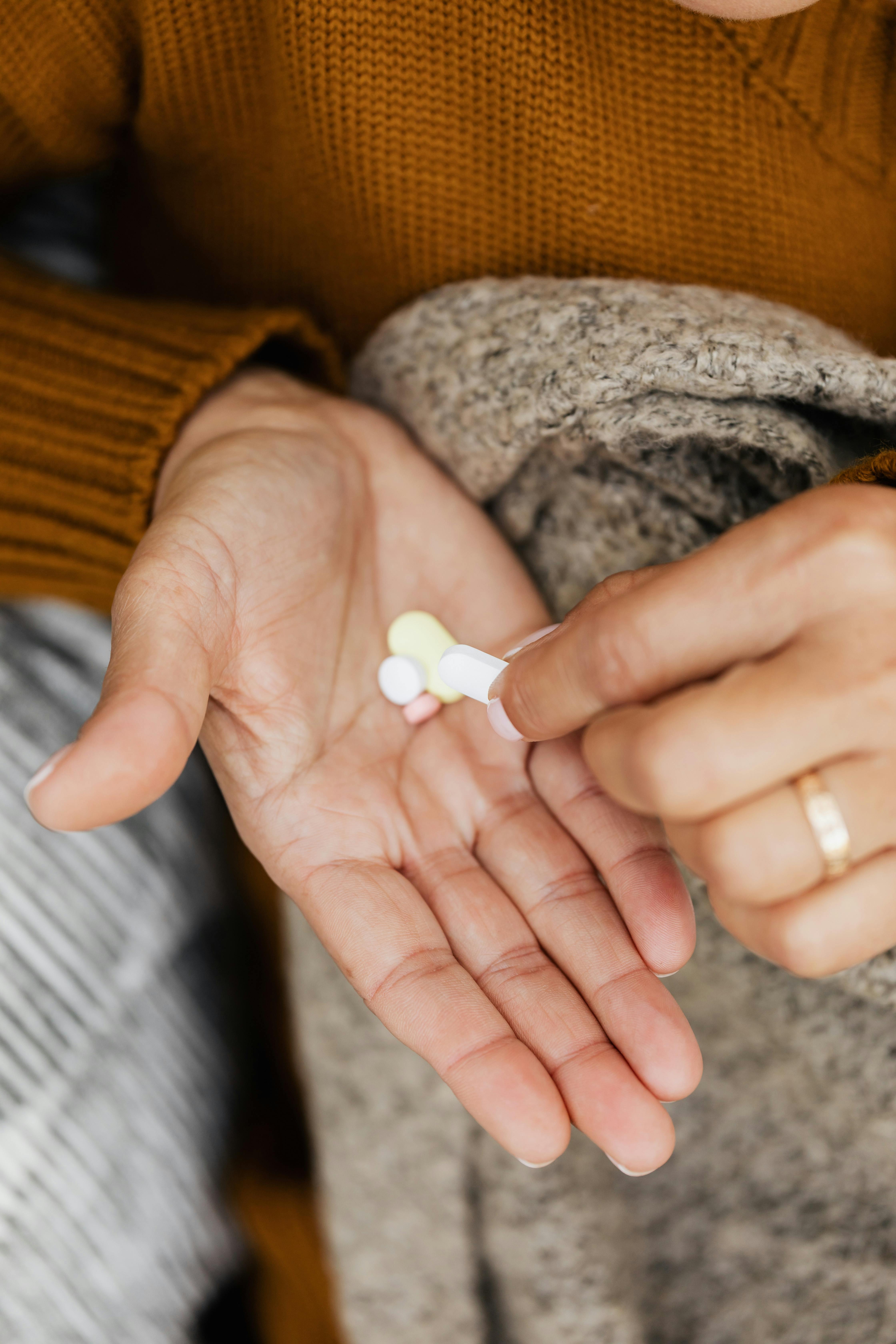
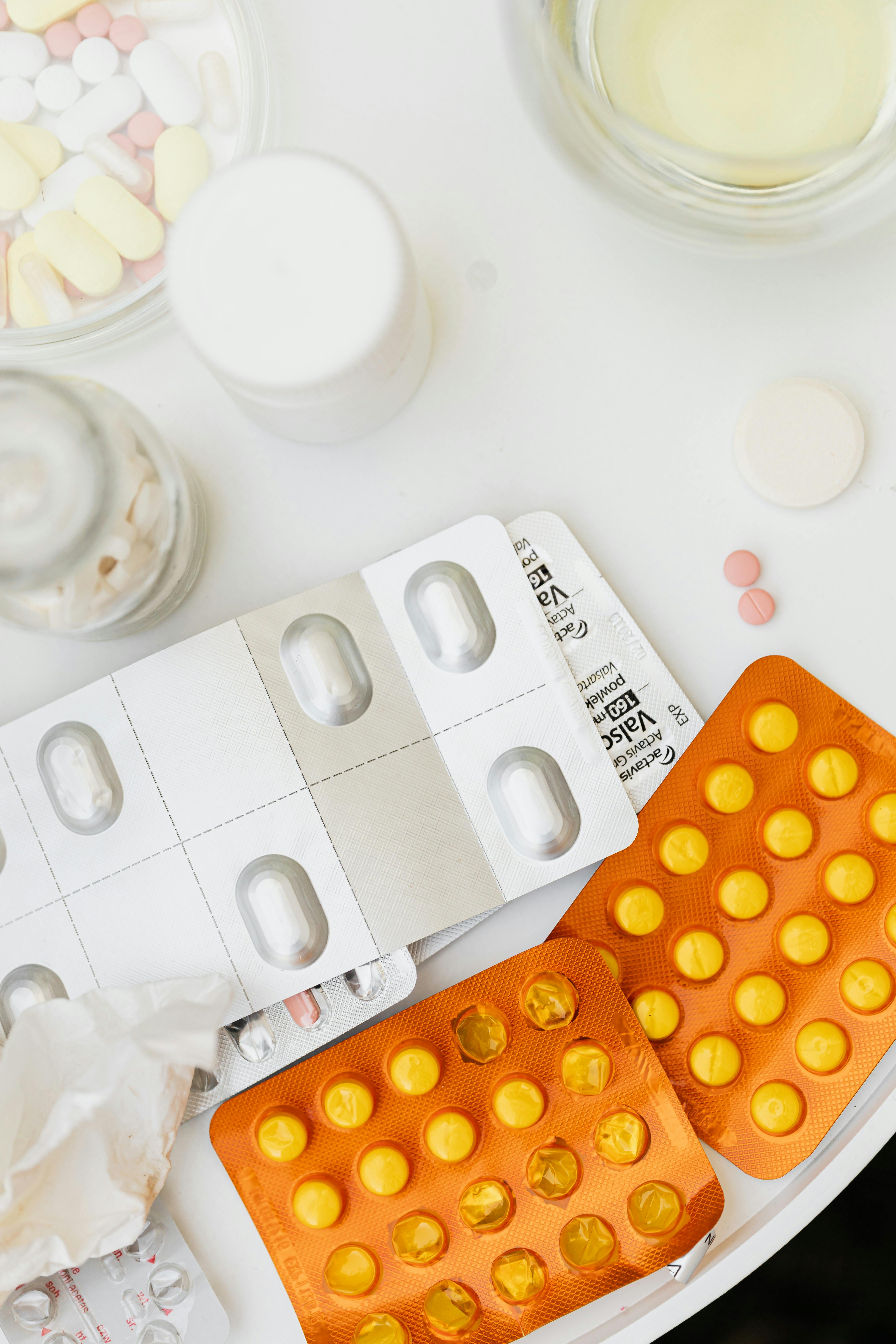
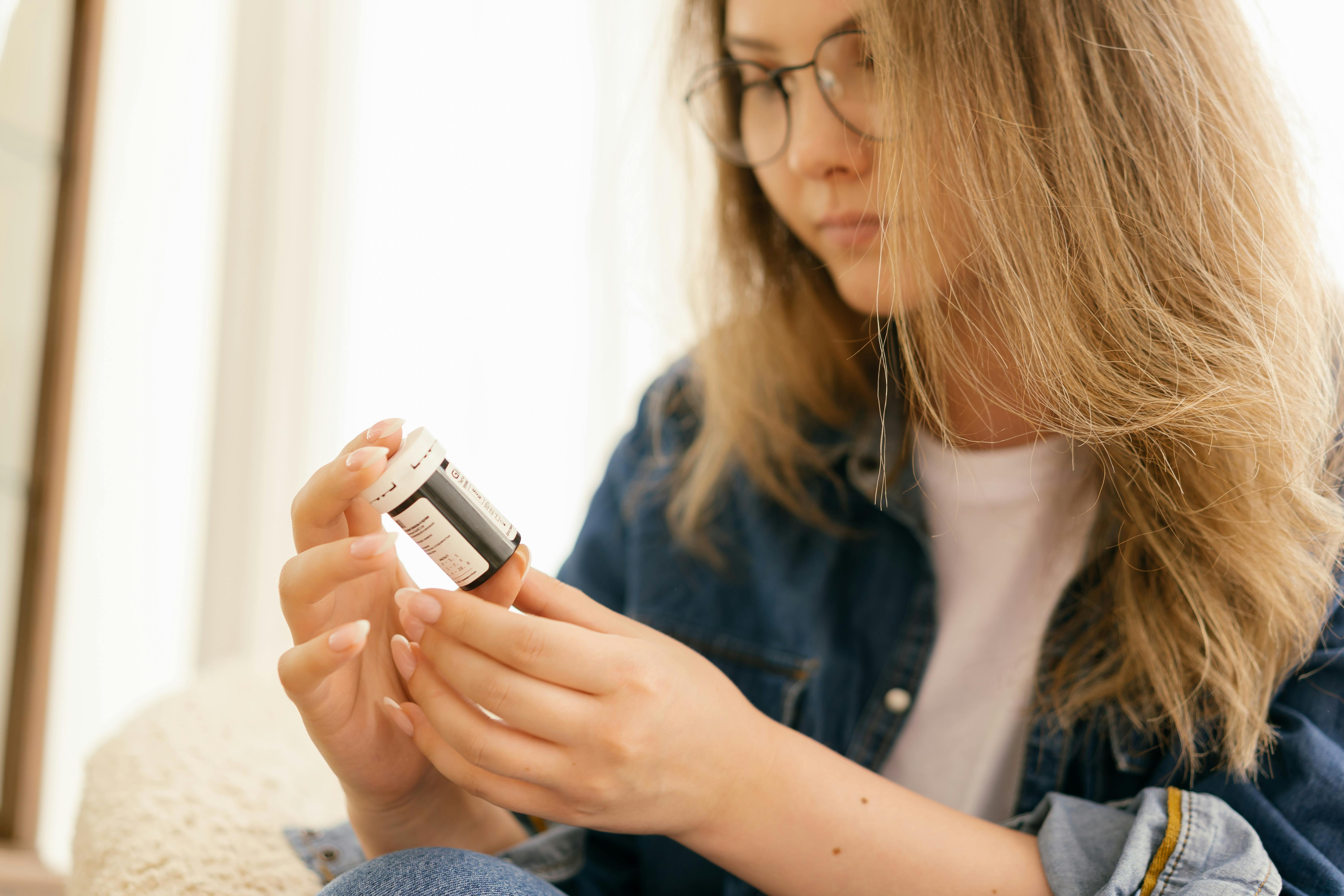
Selective serotonin reuptake inhibitors (SSRIs) and serotonin and norepinephrine reuptake inhibitors (SNRIs) are effective for SAD and are particularly useful when symptoms are moderate to severe, when light therapy is not sufficient, or when the person has a history of major depression outside of the seasonal pattern. According to the FDA, bupropion XL (Wellbutrin) is the only antidepressant specifically FDA-approved for the prevention of SAD; studies have shown it can prevent SAD episodes when started in the fall, before symptoms emerge.
Medication for SAD may be taken seasonally, starting in early fall and tapering off in spring, or year-round, depending on the individual's history and needs. This decision should be made collaboratively with a psychiatric provider.
Cognitive-Behavioral Therapy for SAD
CBT adapted specifically for SAD (CBT-SAD) has been studied as both a standalone treatment and as a complement to light therapy. A randomized controlled trial published in the American Journal of Psychiatry found that CBT-SAD was as effective as light therapy in the first winter of treatment, and showed superior results during the following winter, suggesting longer-lasting benefit. CBT-SAD focuses on identifying seasonal behavioral patterns (like withdrawal and reduced activity) and developing strategies to maintain engagement and counteract negative thought patterns.
Dawn Simulation
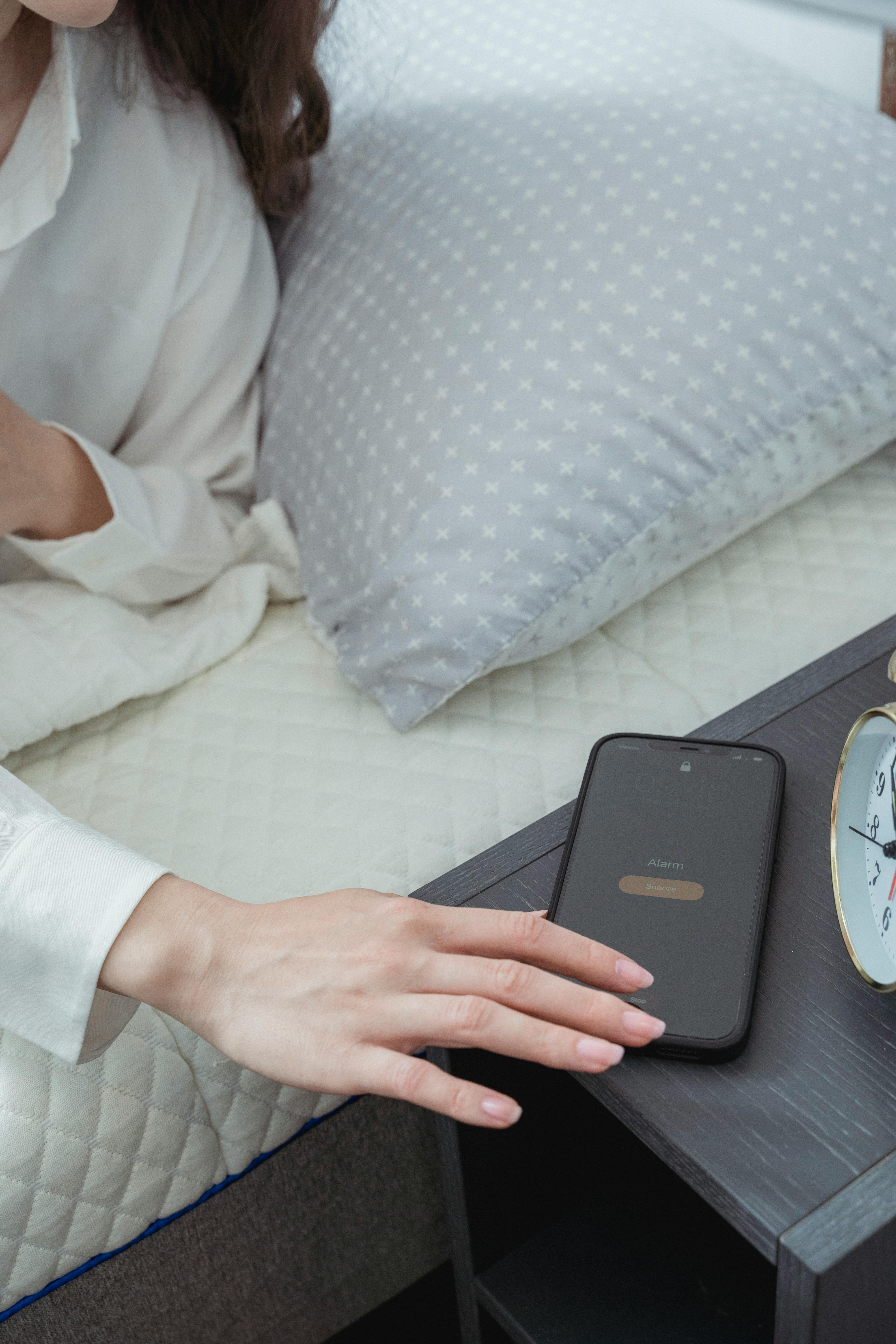
Dawn simulation devices are alarm clocks that gradually increase light in the bedroom during the 30–90 minutes before waking, mimicking a natural sunrise. They are less studied than standard lightboxes but have shown promise in clinical trials, and some people find them easier to incorporate into their morning routine. They are available OTC.
Lifestyle Adjustments
Several lifestyle modifications can complement formal treatment and help manage SAD symptoms:
Maximize natural light exposure by spending time outside during daylight hours, sitting near windows, and keeping the curtains open.
Maintain regular sleep and wake times to support circadian rhythm stability.
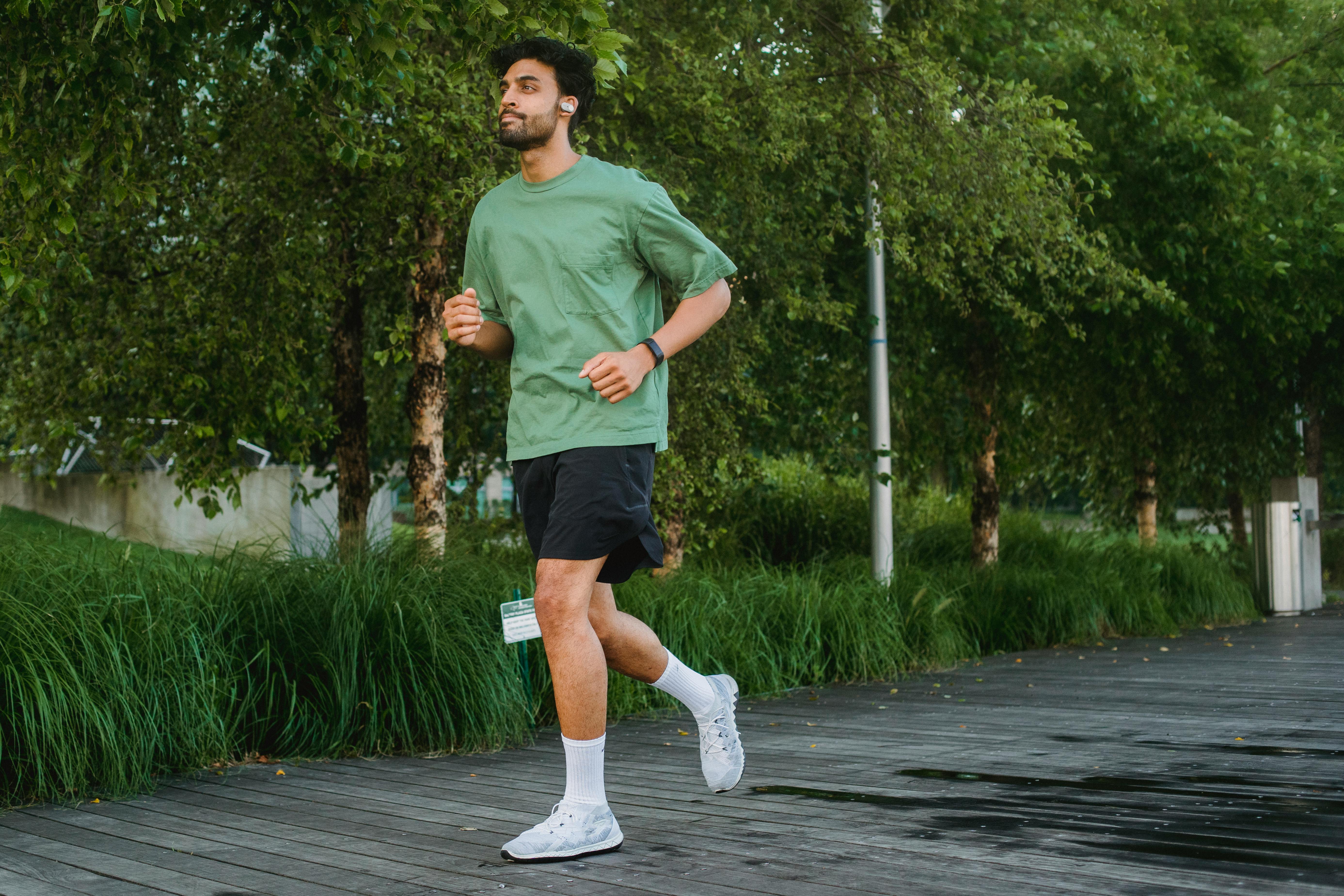
Engaging in regular aerobic exercise has well-documented antidepressant effects.
Maintaining social connections and planned activities even when energy is low; behavioral activation is a core element of depression treatment.
Being mindful of alcohol and processed carbohydrate intake, both of which can worsen mood and energy.
Combining Treatments
For people with moderate to severe SAD, combining treatments often produces better outcomes than any single approach alone. Combining light therapy with antidepressant medication may produce superior outcomes compared to either treatment alone in patients with winter SAD. Similarly, light therapy plus CBT-SAD may produce more durable benefits than light therapy alone.
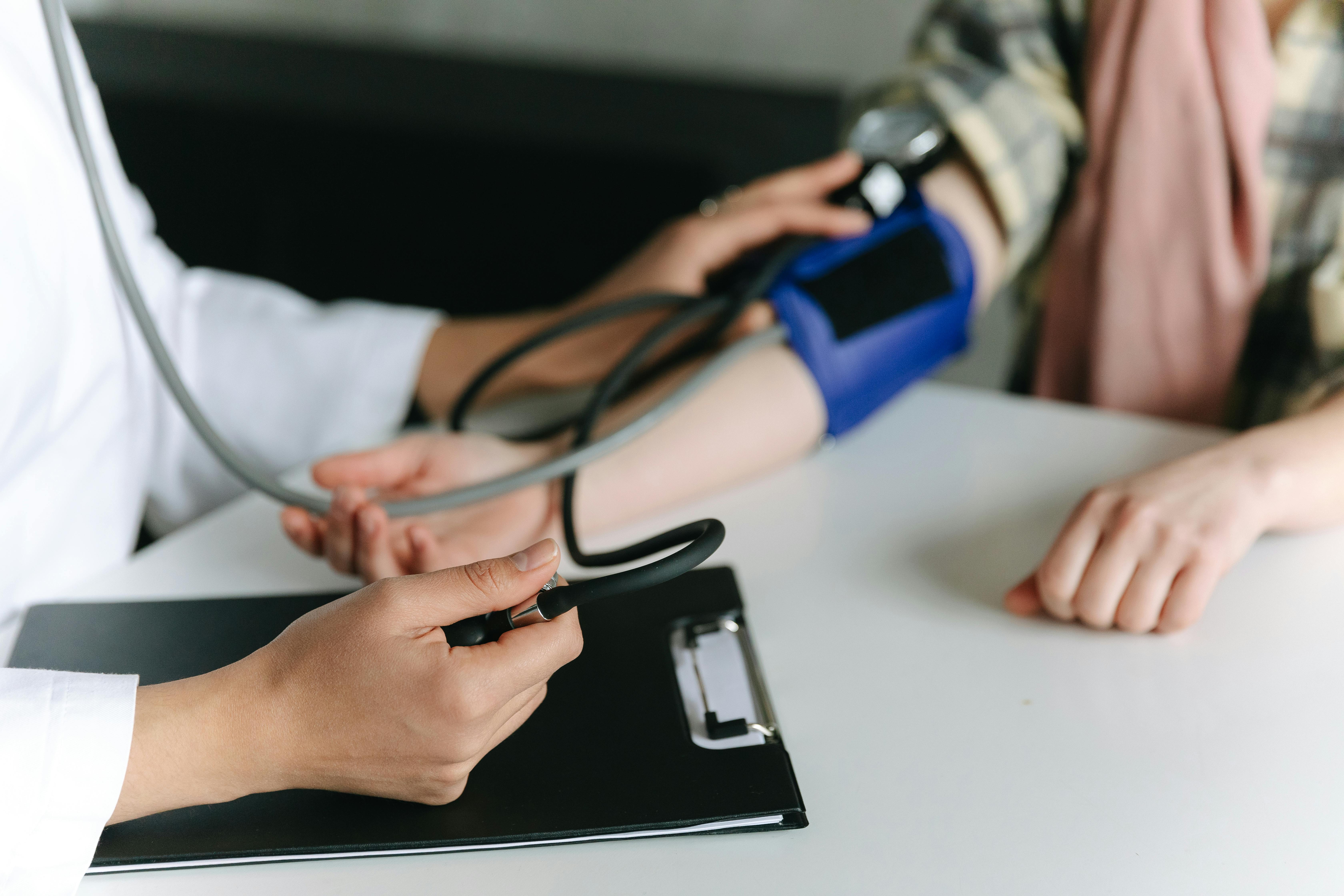
A psychiatrist can help evaluate symptom severity, prior treatment history, and personal preferences to develop an individualized treatment plan that maximizes your chance of sustained remission.
When to See a Psychiatrist for SAD
You should consider speaking with a psychiatric provider about SAD if:
You experience depressive symptoms that reliably begin each fall/winter and remit in spring
Symptoms significantly impair your ability to work, maintain relationships, or care for yourself
Light therapy alone has not been sufficient
You have thoughts of hopelessness, worthlessness, or suicide
You have a history of bipolar disorder (light therapy requires careful monitoring in this context)
SAD is not something you have to simply endure for months each year. Effective treatment is available, and starting it proactively, before symptoms reach their worst, typically produces the best outcomes.
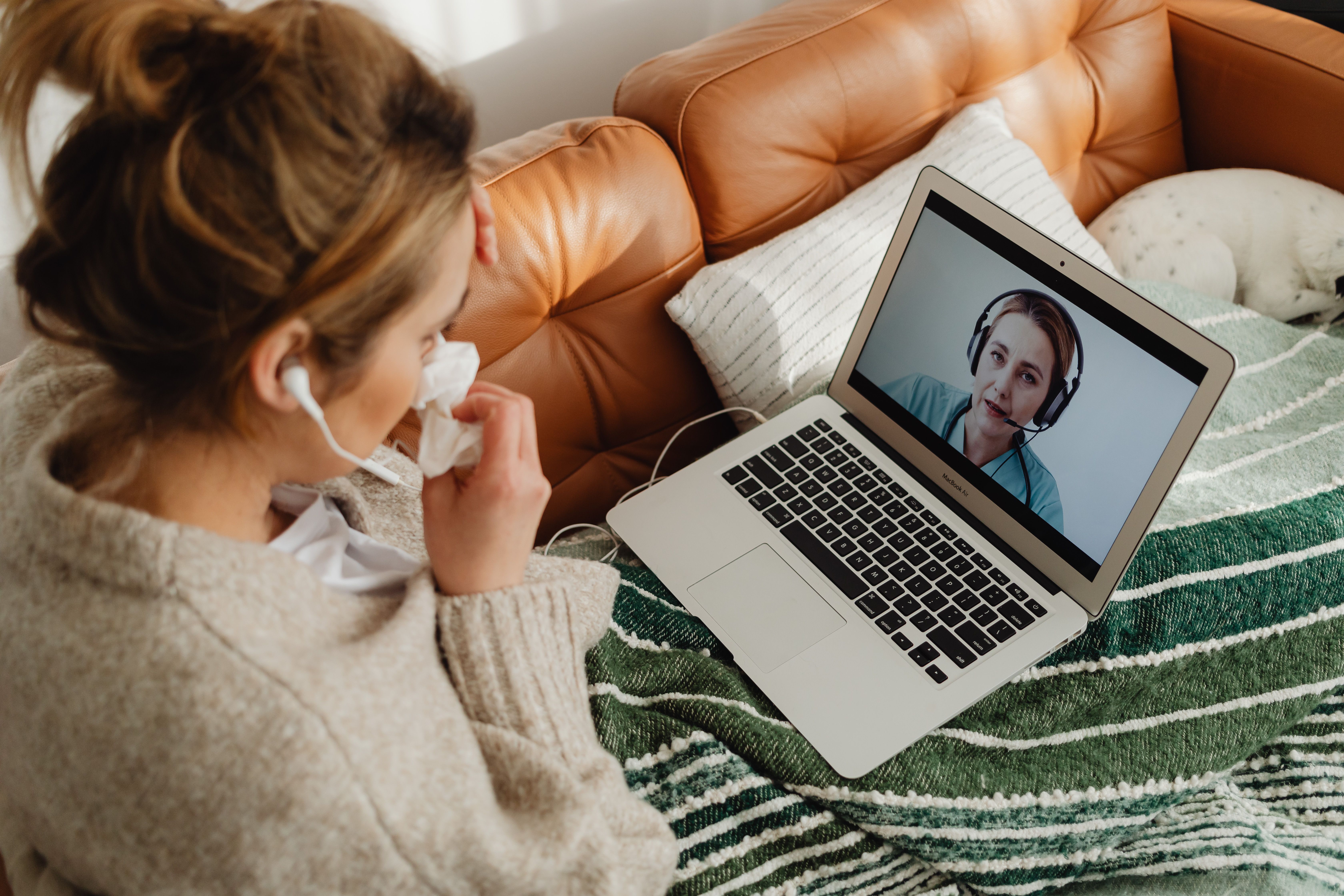
If you are trying to overcome SAD, Blossom Health’s board-certified psychiatrists can help you. They can provide evidence-backed treatment, based on your needs, often through virtual therapy that can be covered by insurance. To learn more, visit https://www.joinblossomhealth.com/.
Medical Disclaimer
This article is for informational purposes only and is not a substitute for professional medical advice, diagnosis, or treatment. Always seek the advice of your physician or other qualified healthcare provider with any questions you may have regarding a medical condition. If you are experiencing a mental health crisis, contact the 988 Suicide and Crisis Lifeline by calling or texting 988.
Sources
National Institute of Mental Health. Seasonal Affective Disorder. https://www.nimh.nih.gov/health/publications/seasonal-affective-disorder
American Psychiatric Association. Seasonal Affective Disorder. https://www.psychiatry.org/Patients-Families/Seasonal-Affective-Disorder
Praschak-Rieder N, Willeit M, Wilson AA, Houle S, Meyer JH. Seasonal variation in human brain serotonin transporter binding. Arch Gen Psychiatry. https://pubmed.ncbi.nlm.nih.gov/18762593/
Rohan KJ, Mahon JN, Evans M, Ho SY, Meyerhoff J, Postolache TT, Vacek PM. 2015. Randomized Trial of Cognitive-Behavioral Therapy Versus Light Therapy for Seasonal Affective Disorder: Acute Outcomes. Am J Psychiatry. https://pubmed.ncbi.nlm.nih.gov/25859764/
Campbell PD, Miller AM, Woesner ME. 2017. Bright Light Therapy: Seasonal Affective Disorder and Beyond. Einstein J Biol Med. https://pmc.ncbi.nlm.nih.gov/articles/PMC6746555/
Lee HJ, Rex KM, Nievergelt CM, Kelsoe JR, Kripke DF. 2011. Delayed sleep phase syndrome is related to seasonal affective disorder. J Affect Disord. https://pubmed.ncbi.nlm.nih.gov/21601293/
Chen ZW, Zhang XF, Tu ZM. 2024. Treatment measures for seasonal affective disorder: A network meta-analysis. J Affect Disord. https://pubmed.ncbi.nlm.nih.gov/38220102/
Mayo Clinic. Seasonal Affective Disorder (SAD). https://www.mayoclinic.org/diseases-conditions/seasonal-affective-disorder/symptoms-causes/syc-20364651
Cleveland Clinic. Seasonal Depression (Seasonal Affective Disorder). https://my.clevelandclinic.org/health/diseases/9293-seasonal-depression
FDA. Depression Medicines. https://www.fda.gov/consumers/womens-health-topics/depression-medicines