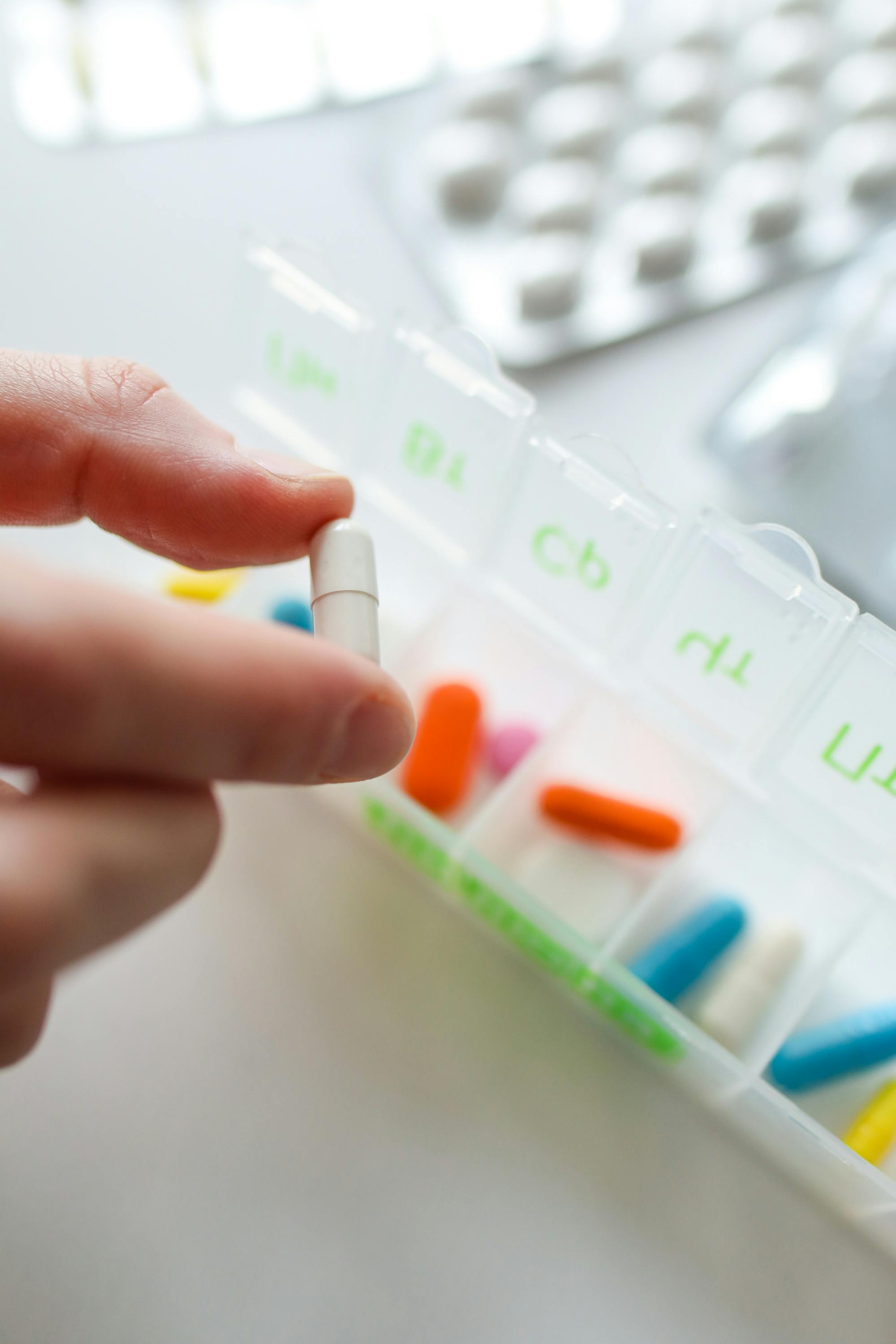

Amphetamines are among the most widely used treatments for attention-deficit/hyperactivity disorder (ADHD) in both children and adults. Medications such as Adderall, Adderall XR, and Vyvanse (lisdexamfetamine) help many people improve focus, reduce impulsivity, and manage other ADHD symptoms.
Many people have questions about how amphetamines work, what they are used for, and what risks or side effects they can cause. This guide explains the basics of amphetamine treatment for ADHD.
Key Takeaways
Effective and FDA-approved: Adderall (mixed amphetamine salts) and other amphetamine medications are one of the most effective medications for ADHD symptom management. They are FDA-approved for the treatment of ADHD in children 3 and older and adults, and also for the treatment of narcolepsy.
Controlled substance with misuse risk: Prescription amphetamines are Schedule II medications meaning they have a risk of misuse and dependence when used outside of medical supervision. When healthcare providers prescribe and monitor their use appropriately,the risk of addiction at therapeutic doses is much lower.
Psychiatrist supervision is essential: Because amphetamines can provide significant benefits and carry risks too, prescribing, monitoring, and dose adjustment should be managed by a qualified healthcare provider with expertise in ADHD and psychiatric medication.
What Are Prescription Amphetamines?
Prescription amphetamines are central nervous system (CNS) stimulant medications that doctors use to treat ADHD. These medications increase the activity of two brain chemicals - dopamine and norepinephrine. When prescribed and used appropriately, they can help people with ADHD regulate attention, motivation, and impulse controls.
Commonly prescribed amphetamine medications for ADHD include Adderall (mixed amphetamine salts) and Adderall XR ( an extended-release version designed to last longer throughout the day). According to the FDA prescribing information, Adderall and Adderall XR contain a combination of different amphetamine salts including dextroamphetamine and levoamphetamine that work together to alleviate ADHD symptoms.
Other amphetamine-based medications include Vyvanse (lisdexamfetamine dimesylate) and Dexedrine (dextroamphetamine). Vyvanase is a prodrug, meaning the body convertsit into its active form after digestion, which can create a slower and more gradual onset of effects. Different formulations of these medications can vary in how quickly they begin working and how long their effects last.
What Conditions Are Amphetamines Used For?
Amphetamine medications are FDA-approved to treat a small number of specific medical conditions, such as:
Attention-Deficit/Hyperactivity Disorder (ADHD): Adderall is prescribed for the treatment of ADHD in children ages 3 and older and in adults. ADHD involves ongoing patterns of inattention, hyperactivity, and impulsivity that can interfere with daily functioning at school, work, or home.
Narcolepsy: Amphetamines are also FDA-approved for the treatment of narcolepsy — a neurological sleep disorder that causes excessive daytime sleepiness. Some people with narcolepsy may also experience cataplexy, which involves sudden episodes of muscle weakness triggered by strong emotions.
How Common Is ADHD?
According to the Centers for Disease Control and Prevention (CDC), ADHD is one of the most common neurodevelopmental disorders in children. An estimated 7 million children in the United States have received an ADHD diagnosis.
ADHD often continues into adulthood affecting an estimated 15.5 millions adults in the United States. Many people with ADHD continue to experience symptoms such as difficulty concentration, impulsivity, and disorganization.Medications and behavioral therapies are among the most evidence-supported treatments for managing these symptoms.
How Do Amphetamines Work?
The exact mechanism by which amphetamines improve ADHD symptoms is not fully understood.But according to FDA prescribing information, amphetamines affect two important brain chemicals: dopamine and norepinephrine. These neurotransmitters help regulate attention, motivation, impulse control, and working memory.
Amphetamine medications increase the availability of these chemicals in parts of the brain involved in focus and decision-making. They work in two main ways. First, they slow the reabsorption of dopamine and norepinephrine, allowing these chemicals to stay active in the brain for longer. Second, they increase the release of these neurotransmitters, which strengthens their effects.
In people with ADHD, there is dysregulation in these neurotransmitter systems.Amphetamines can help normalize this dysregulation, leading to improved focus and reduced impulsivity.
These medications can affect people differently depending on whether they have ADHD or not. People with ADHD often feel calmer and more focused while people without ADHD may experience stronger stimulant effects such as increased energy or euphoria.
Amphetamine Medications: Dosing Overview
Adderall (Immediate-Release)
According to the FDA, Adderall tablets are typically taken two to three times per day. The first dose is usually taken in the morning, with additional doses taken 4–6 hours apart. Healthcare providers usually start with a low dose and adjust gradually based on symptom response and side effects.
Children (6–12): Starting dose is typically 5 mg once or twice daily
Adolescents (13–17): Starting dose typically 10 mg/day
Adults: Starting dose typically 5–10 mg/day
Adderall XR (Extended-Release)
Adderall XR is designed to last about 10–12 hours and is typically taken once daily in the morning. It should not usually be taken in the afternoon or evening because it may interfere with sleep.
According to FDA prescribing information, the recommended starting dose for adults new to treatment is 20 mg/day. Doses are adjusted over time based on symptom control and tolerability. Only a qualified healthcare provider should determine the appropriate dose and total daily limits.
Side Effects of Prescription Amphetamines
Amphetamines can be very effective for managing ADHD symptoms, but they may also cause side effects.These side effects are more common during the first few weeks of treatment or when doses are adjusted. Common side effects may include:
Decreased appetite and potential weight loss
Insomnia or sleep difficulties (especially if taken late in the day)
Increased heart rate and blood pressure
Dry mouth
Headache
Stomach upset or nausea
Irritability, particularly as medication effectswear off (sometimes called the 'rebound' effect)
Anxiety or restlessness
Although most side effects are mild and improve as treatment continues, some sideeffects are dose-dependent and can be managed through adjustments in timing, dose, or formulation.
Some people find that taking amphetamines earlier in the day can help reduce sleep problems. Taking them with food can reduce nausea, though it may slightly delay onset.
Growth Monitoring in Children
Clinical data and FDA labeling indicate that long-term stimulant treatment may slightly slow the growth rate in some children, particularly during the early stages of treatment.
Healthcare providers typically monitor a child’s weight and height throughout the treatment to make sure growth is on track. If a child is not growing as expected, the provider may adjust the medication plan or consider temporarily pausing the treatment.
Important Safety Warnings
Cardiovascular Risk
Amphetamines can increase heart rate and blood pressure and should be used with caution in people with pre-existing heart conditions. According to the FDA, amphetamines should generally not be used in people with known structural heart abnormalities, cardiomyopathy, or serious heart rhythm disorders. A 2022 meta-analysis of nearly four million participants found no clear link between therapeutic stimulant use and long-term cardiovascular disease in the general population.But individual risk factors must always be assessed by a healthcare provider.
Misuse and Dependence
Prescription amphetamines are Schedule II controlled substances, meaning they carry a risk ofmisuse, abuse, and dependence. When healthcare providers prescribe these medications for ADHD and monitor their use, the risk of addictionis muchlower than with non-medical use. Some research suggests that treatingADHD with stimulant medication during childhood may reducethe risk of substance use disorders later in life.
However, taking amphetamines without a prescription, using doses higher than prescribed, or using them for purposes other than medical treatment can increase these risks. Safe storage and disposal of unused medication is important.
Black Box Warning
The FDA requires a black box warning on all amphetamine products. This is the FDA's most serious safety warning.
The label warns that misuse or abuse may cause sudden death and serious cardiovascular events. Because of this risk,these medications are only used under the supervision of a qualified healthcare provider.
Psychiatric Effects
In some individuals, particularly at high doses, amphetamines may trigger or worsen symptoms of anxiety, psychosis, mania, or aggression. Healthcare providers typically evaluate personal or family history of conditions such as bipolar disorder or psychotic disorders before starting amphetamine treatment.
Drug Interactions
Amphetamines can interact with several types of medications. Important examples include:
Monoamine oxidase inhibitors (MAOIs) — These should not be taken within 14 days of amphetamines due to risk of serious and potentially fatal increase in blood pressure.
Serotonergic medications — Combining with certain antidepressants may increase the risk of serotonin syndrome.
Medications that alter urinary pH — Some drugs or supplements can increase or decrease amphetamine levels in the body.
Certain blood pressure medications— Amphetamines can reduce their effectiveness.
CYP2D6 inhibitors — Some medications can increase amphetamine exposure.
It is important to inform your healthcare provider about all medications, vitamins, and supplements you are taking before starting the treatment.
Who May Benefit From Amphetamine Treatment for ADHD?
Amphetamine medications are among the most effective treatments available for ADHD. Healthcare providers may consider these medications for people who:
Have received a clinical diagnosis of ADHD from a qualified healthcare provider
Continue to experience symptoms that interfere with daily life
Have tried behavioral interventions and need additional support
Do not have medical contraindications such as certain heart diseases or a history of amphetamine sensitivity
Can commit to regular followups for monitoring and dose adjustments. ADHD treatment is not one-size-fits-all. A psychiatrist can evaluate whether amphetamine medications, non-stimulant alternatives (like Strattera/atomoxetine or Intuniv/guanfacine), or a combination approach may be appropriate for you.
Getting an ADHD Evaluation and Treatment
If you suspect you have ADHD, you can talk to a qualified healthcare professional and get a detailed clinical evaluation. This evaluation typically includes a detailed history of symptoms, screening questionnaires, and sometimes input from family members, teachers, or partners.
If ADHD is diagnosed, the clinician may recommend a treatment plan including medications, behavioral therapies, or both. Blossom Health offers virtual psychiatric appointments with board-certified providers, covered by in-network insurance. If you think you or your child may have ADHD, you can often be seen within days. Learn more at joinblossomhealth.com.
Medical Disclaimer
This article is for informational purposes only and is not a substitute for professional medical advice, diagnosis, or treatment. Prescription amphetamines are controlled substances that require evaluation and monitoring by a licensed healthcare provider. Always seek the guidance of a qualified clinician with any questions you have regarding ADHD treatment or medication. If you are experiencing a mental health crisis, call or text 988 (Suicide and Crisis Lifeline) or 911.
Sources
1. FDA. (2023). Adderall XR (mixed amphetamine salts) Full Prescribing Information, 2023 — https://www.accessdata.fda.gov/drugsatfda_docs/label/2023/021303s038lbl.pdf
2. FDA. (May 29, 2024). Adderall (mixed amphetamine salts) Prescribing Information — https://dailymed.nlm.nih.gov/dailymed/drugInfo.cfm?setid=f22635fe-821d-4cde-aa12-419f8b53db81
3. Centers for Disease Control and Prevention (CDC). (November 19, 2024). ADHD Data and Statistics — https://www.cdc.gov/adhd/data/index.html
4. National Institute of Mental Health. (December 2024). ADHD — Overview — https://www.nimh.nih.gov/health/topics/attention-deficit-hyperactivity-disorder-adhd
5. MedlinePlus. (15 July, 2025). Dextroamphetamine and Amphetamine — https://medlineplus.gov/druginfo/meds/a601234.html
6. Mayo Clinic. (February 01, 2026). Dextroamphetamine and Amphetamine (Oral Route) — Description — https://www.mayoclinic.org/drugs-supplements/dextroamphetamine-and-amphetamine-oral-route/description/drg-20071758
7. American Psychiatric Association. (October 2025). What is ADHD? — https://www.psychiatry.org/patients-families/adhd/what-is-adhd
8. Chang, Z., Lichtenstein, P., Halldner, L., D'Onofrio, B., Serlachius, E., Fazel, S., Långström, N., & Larsson, H. (2014). Stimulant ADHD medication and risk for substance abuse. Journal of child psychology and psychiatry, and allied disciplines, 55(8), 878–885. https://doi.org/10.1111/jcpp.12164
10. Cleveland Clinic. (24 March, 2025) Amphetamineshttps://my.clevelandclinic.org/health/drugs/23039-amphetamines