Perimenopause and Depression: Why Mood Changes Happen and How to Cope
Author:
Blossom Editorial


Perimenopause is the natural transition leading up to menopause, and it can last for several years. During this time, hormone levels begin to fluctuate, which can affect more than just your menstrual cycle. Along with physical symptoms like hot flashes and irregular periods, many women notice changes in their mood, including feeling more down, irritable, or depressed. Understanding that these emotional changes can be part of perimenopause can make it easier to recognize what’s happening and seek the right support when you need it.
Key Takeaways
Depression risk goes up: The risk of depression may rise during perimenopause, especially in the late transition when hormone swings are largest.
Hormones play a role: Shifting estrogen levels affect brain chemicals tied to mood, including serotonin, dopamine, and gamma-aminobutyric acid (GABA), which helps explain why this stage can feel emotionally tough.
Effective help exists: Therapy, medication, lifestyle changes, and sometimes hormone-related options can ease symptoms, and care is available online.
What is Perimenopause?
Perimenopause is the stretch of time before menopause when the ovaries gradually make less estrogen. It often begins in mid-to-late forties, though it can start earlier or later, and it usually lasts from two to eight years. A woman reaches menopause after twelve months with no period.
During this time, hormone levels do not simply fall in a smooth line. They rise and dip unpredictably, and these swings are a big reason perimenopause can bring physical and emotional symptoms. Periods may become longer, shorter, heavier, or lighter, and symptoms can vary a lot from month to month.
How Common is Depression During Perimenopause?
Mood changes are a well-documented part of the menopause transition. A systematic review from 2023 showed that during perimenopausal years, women become more vulnerable to depression and anxiety, especially those with symptoms like hot flashes or night sweats, sleep disturbances, or a history of depression.
Moreover, the risk of depression may be highest during late perimenopause and the early postmenopausal years, a time marked by significant hormonal fluctuations and other physical and psychosocial changes that can affect mood. Importantly, not every woman experiences depression during this stage, and symptoms often ease once hormone levels become more stable.
Women who have had depression before, including during the postpartum period or as part of premenstrual symptoms, may be more sensitive to these hormone changes. Knowing your own history can help you and your provider watch for early signs and act sooner.
Why Perimenopause Affects Mood
The link between perimenopause and depression is rooted in both biology and life circumstances. Several factors tend to work together.
Hormone Fluctuations
Estrogen does more than regulate periods. It also affects brain chemicals like serotonin, dopamine, and GABA, which help regulate mood. Thus, the up-and-down swings in estrogen during perimenopause, rather than simply low estrogen, are linked to a greater risk of mood symptoms. This also helps explain why depression risk is often higher during the menopausal transition than after hormone levels have stabilized in postmenopause.
For some women, these hormone shifts also affect the body’s stress system, which can deepen low mood. This may help explain why some women feel more emotionally sensitive during this stage than at other points in life.
Sleep and Physical Symptoms
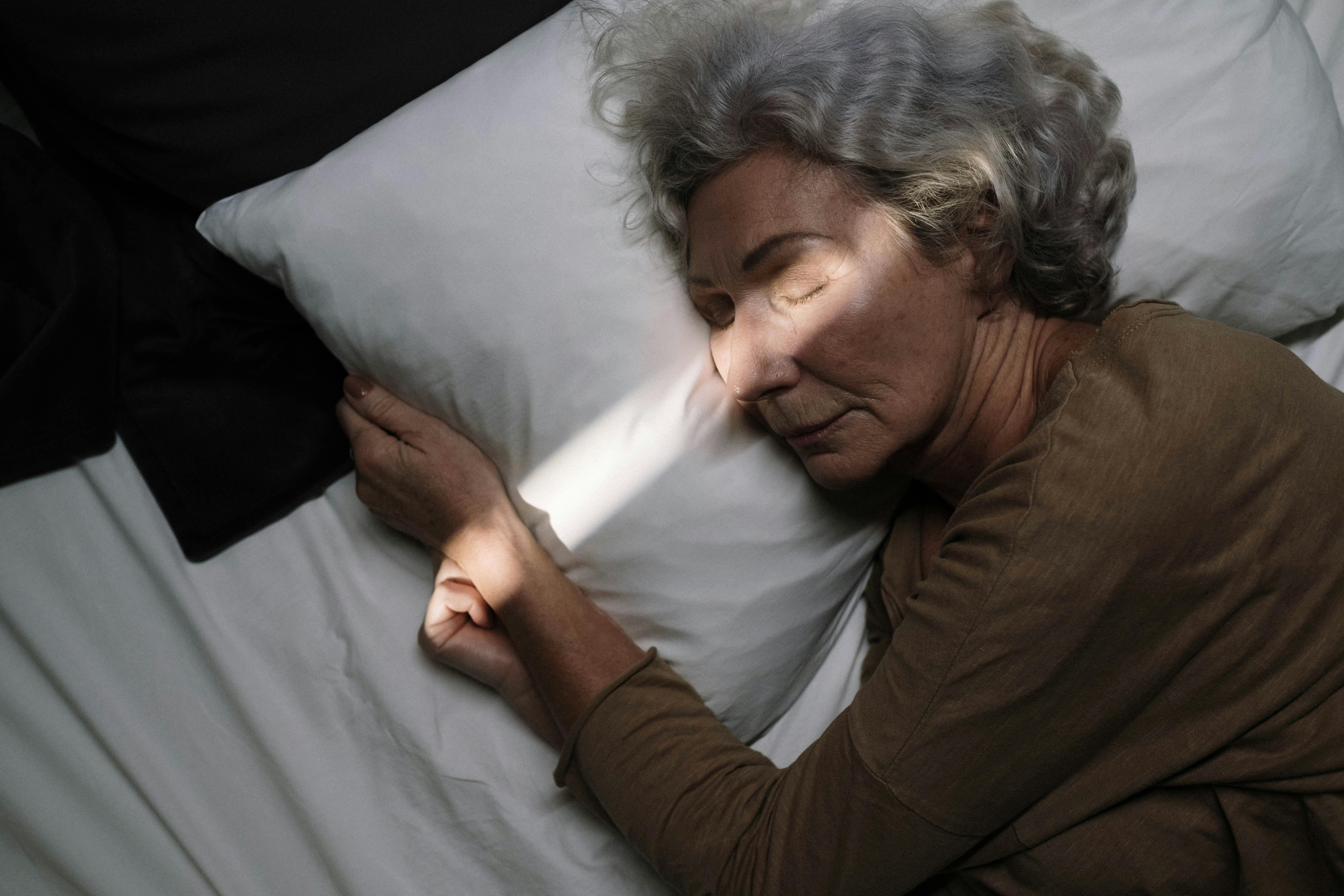
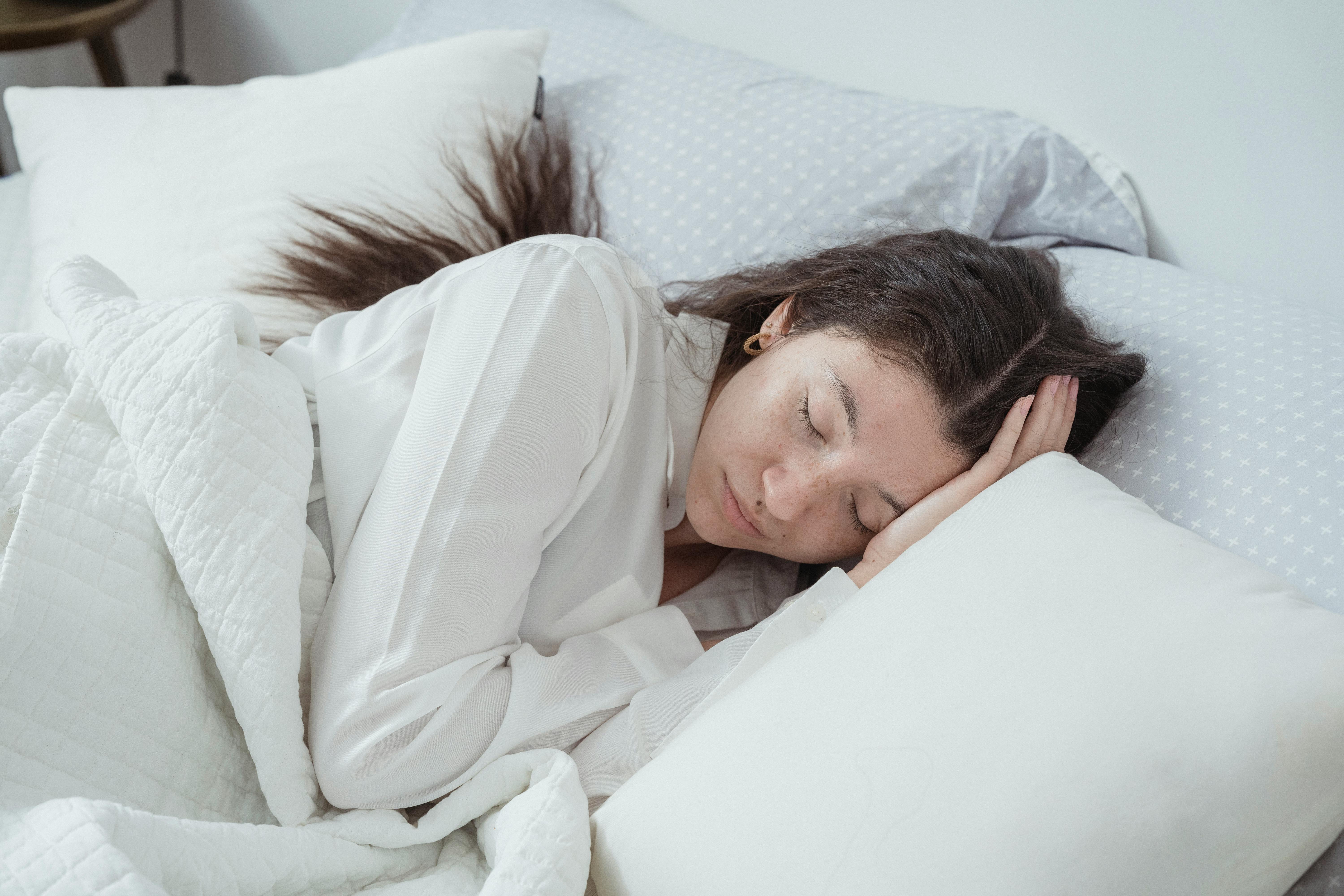
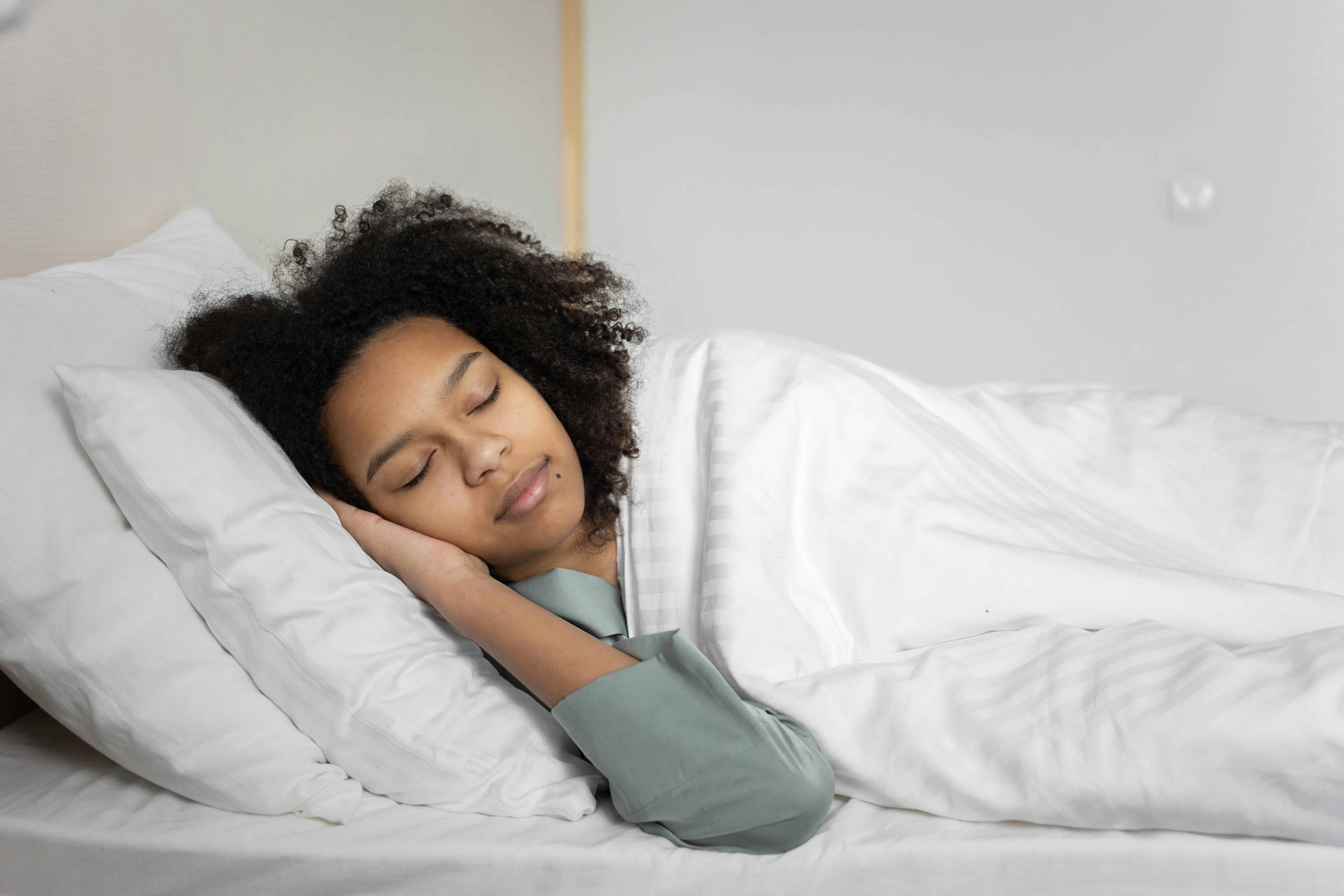
Perimenopause often disrupts sleep through night sweats and hot flashes. Poor sleep is closely tied to low mood, and feeling tired day after day can make everything harder to manage. Physical symptoms can also add stress that weighs on mental health.
Life Stressors and Personal History
Perimenopause often arrives during a busy stage of life that may include caring for children and aging parents, career demands, and other pressures. A history of depression, including postpartum depression or premenstrual mood changes, can also raise the risk during this transition.
How Perimenopausal Depression Differs From Other Mood Changes
It can be hard to tell perimenopausal depression apart from ordinary stress or the natural ups and downs of midlife. The difference often comes down to the severity, duration, and impact of the symptoms.
Temporary mood changes, irritability, or feeling more emotional than usual can occur during the menopausal transition and may improve on their own. Depression, however, typically involves symptoms that persist for at least two weeks and may include ongoing sadness, loss of interest in activities, low energy, feelings of hopelessness, difficulty concentrating, or changes in sleep and appetite.
Some women also experience pronounced irritability, anxiety, or mood swings that feel new or out of character. When emotional symptoms persist, become distressing, or begin to interfere with work, relationships, or daily functioning, it is a good idea to talk with a healthcare provider.
Symptoms to Watch For
Perimenopausal depression can look like depression at other times of life, but it often overlaps with other transition symptoms. Common signs include the following:
Mood changes: Ongoing sadness, irritability, or tearfulness
Loss of interest: Less enjoyment in activities you used to like (anhedonia)
Energy and sleep changes: Fatigue, trouble sleeping, or sleeping too much
Trouble thinking: Difficulty focusing or feeling foggy, having memory problems
Hopelessness: Feeling overwhelmed or that things will not get better
If several of these symptoms last more than two weeks, it is worth talking with a provider rather than assuming it is just part of getting older.
Treatment and Coping Options for Perimenopause Depression
Perimenopausal depression responds well to treatment, and there are several paths to relief. The right plan depends on your symptoms, health history, and preferences.
Therapy: Approaches like cognitive behavioral therapy can help with mood and coping.
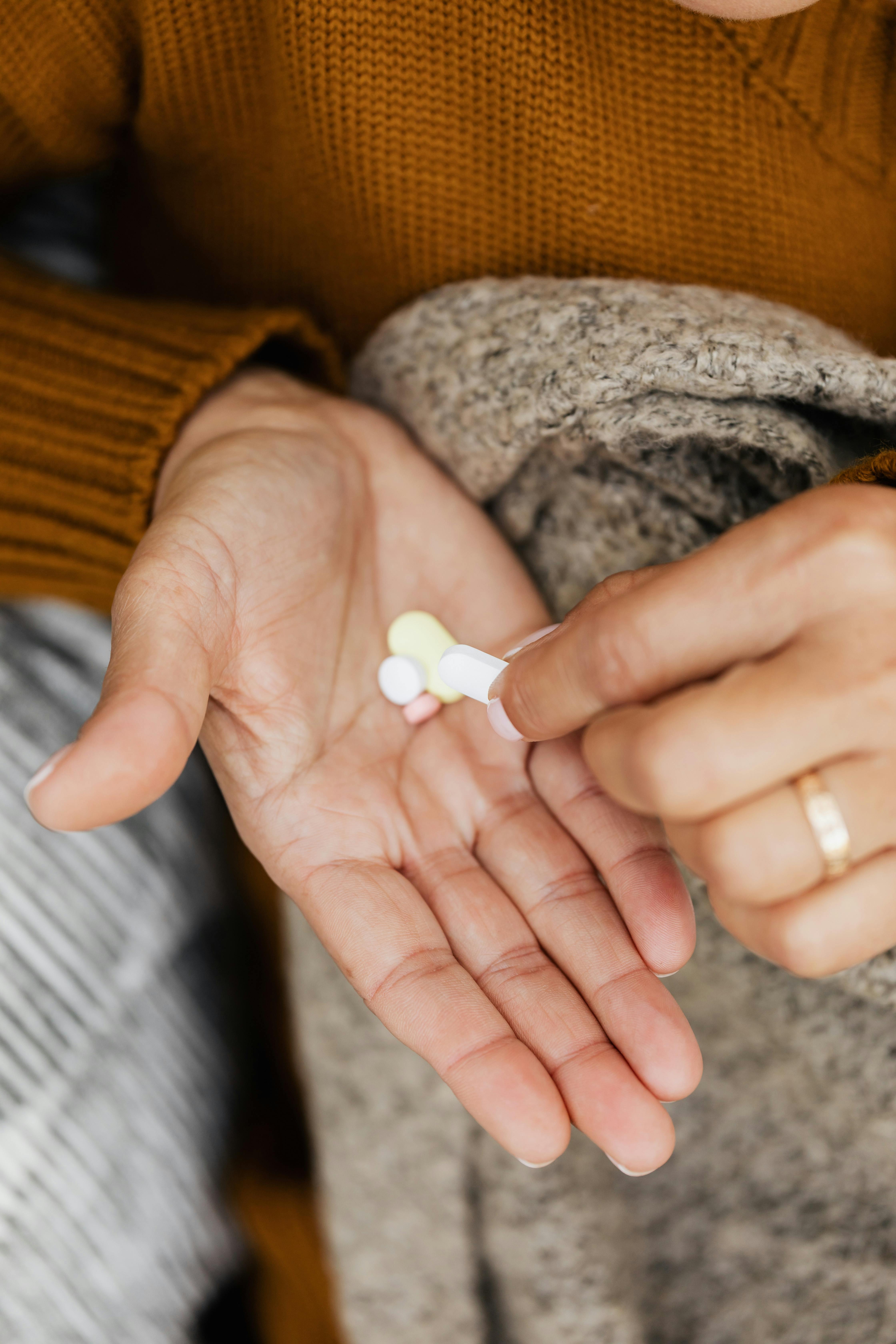
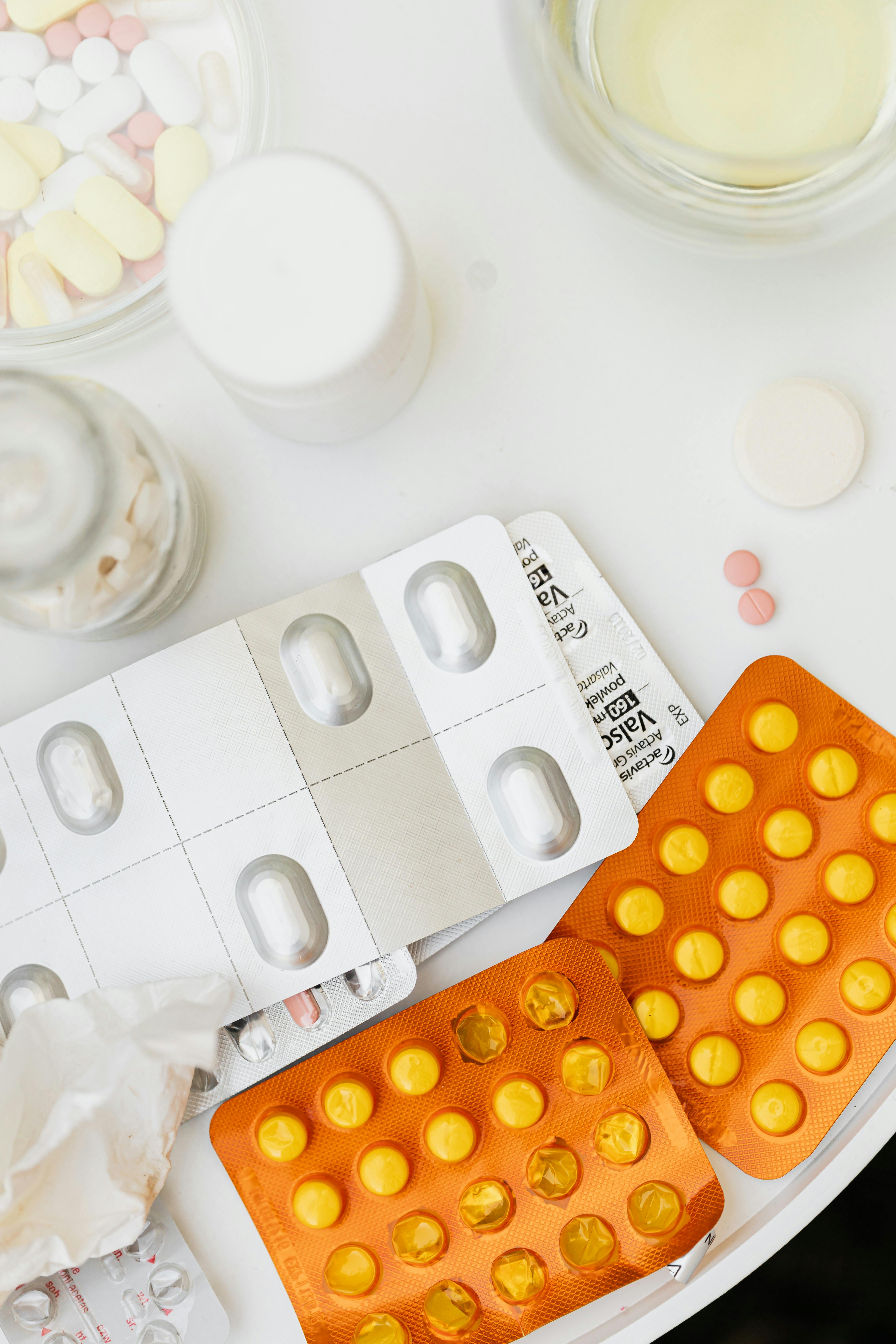
Medication: Antidepressants are a common and effective option for depression during perimenopause.
Lifestyle support: Regular movement, steady sleep habits, and stress management can improve mood.
Hormone-related care: For some women, treatments that address hormone changes can be something to discuss with a provider.
The emotional and mental health changes that can come with perimenopause are real, and you don’t have to navigate them alone. Blossom Health connects you with board-certified psychiatrists who understand how hormonal changes can affect mood, anxiety, sleep, and overall well-being. Through convenient online appointments, personalized treatment plans, and ongoing support covered by insurance, Blossom Health can help you manage perimenopause-related mental health symptoms and feel more like yourself again.
When to Seek Help
Some low moments are normal, but certain signs mean it is time to reach out to a professional. These include:
Sadness, irritability, or loss of interest lasting more than two weeks
Symptoms that are affecting your work, relationships, or daily life
Trouble sleeping or eating that does not improve
Any thoughts of harming yourself or feeling that life is not worth living
You do not have to push through this alone. If you have thoughts of suicide or self-harm, contact the 988 Suicide and Crisis Lifeline right away.
Medical Disclaimer
This article is for informational purposes only and is not a substitute for professional medical advice. If you are experiencing a mental health crisis, contact the 988 Suicide and Crisis Lifeline by calling or texting 988.
Sources
Cleveland Clinic. Can Menopause Cause Anxiety? clevelandclinic.org
Alblooshi S, Taylor M, Gill N. 2023. Does Menopause Elevate the Risk for Developing Depression and Anxiety? Results from a Systematic Review. Australas Psychiatry. ncbi.nlm.nih.gov
Marsh WK et al. 2017. Lifelong Estradiol Exposure and Risk of Depressive Symptoms During the Transition to Menopause and Postmenopause. Menopause. ncbi.nlm.nih.gov
Lang XL et al. 2025. From Physiology to Psychology: An Integrative Review of Menopausal Syndrome. World J Psychiatry. ncbi.nlm.nih.gov
Herson M, Kulkarni J. 2022. Hormonal Agents for the Treatment of Depression Associated With the Menopause. Drugs Aging. pubmed.ncbi.nlm.nih.gov